
Reviewed · KAMAKURA & ENOSHIMA DAY TRIPS
Private Car Tour to see Highlights of Kamakura, Enoshima, Yokohama from Tokyo
Kamakura’s Great Buddha, quiet Zen temples, and samurai-era shrines make this one of the most rewarding day trips from Tokyo. A private van lets you link Kamakura with Enoshima and Yokohama without wrestling with several train lines, crowded platforms, or a rigid group schedule.
I like the freedom to choose roughly four to six stops, and I like having both a guide and driver. Guides such as Ken, Yoshi, Yoshimi, Masae, and Taiji have led past departures, with English-language help and room to adjust the day. The main drawback is simple: $1,183.65 per group is a lot for two people, and traffic can eat into your sightseeing time.
In This Review
- Key points to know
- Why this private day trip works from Tokyo
- Kamakura’s Great Buddha and the first samurai capital
- Zen temples and quiet corners of Kamakura
- Enoshima, sea air, and the Slam Dunk crossing
- Yokohama’s waterfront and old port character
- Chinatown, instant noodles, or an all-ramen finish
- What the $1,183.65 price really buys
- Guide quality and the value of customization
- Timing, weather, and practical limits
- Should you book this Kamakura and Yokohama car tour?
- FAQ
- How long does the private tour last?
- How many people can join?
- Is pickup from Tokyo offered?
- Are highway tolls and parking included?
- How many places should I plan to visit?
- Are entrance fees included?
- Is lunch included?
- Can I visit Enoshima and Yokohama on the same day?
- What happens if the weather is poor?
Key points to know
- Choose four to six sights: The long stop list is a menu, not a realistic promise to visit every place.
- Private van from Tokyo: Highway tolls, fuel, parking, bottled water, and private transport are included.
- Kamakura offers the strongest cultural focus: See the Great Buddha, Hasedera, Tsurugaoka Hachimangu, and one or two Zen temples.
- Enoshima adds sea views and a relaxed island mood: Mount Fuji may appear in clear weather.
- Yokohama changes the tone: Pick waterfront views, Sankeien Garden, Chinatown, Cup Noodles Museum, or ramen.
- Admission fees and lunch cost extra: Plan for temple tickets, meals, and a 5 to 20 percent gratuity.
Why this private day trip works from Tokyo
Tokyo’s southern and western neighbors feel far removed from the capital. Kamakura was the birthplace of Japan’s first long-lasting samurai government, Enoshima has a small-island seaside character, and Yokohama carries the look of an international port city.
You can visit these places by train, but moving among scattered temples, gardens, waterfront sights, and food attractions takes planning. A private vehicle is most useful when you want a mixed day rather than a single destination. Your guide can suggest which sights fit together, while the driver handles parking and the roads.
The day lasts about 10 hours. Pickup is offered, and only your group participates. That matters for families, older travelers, or anyone who prefers to set the pace. You can stop for lunch, spend longer at a favorite temple, or replace a planned stop after speaking with your guide.
Still, do not expect a leisurely visit to every place listed. The proposed sights include 19 stops and several optional photo or food breaks. In practice, four to six substantial stops make sense. Trying to check off everything would turn the day into a series of rushed entrances and van rides.
A few more Tokyo tours and experiences worth a look
Kamakura’s Great Buddha and the first samurai capital
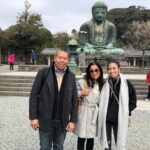
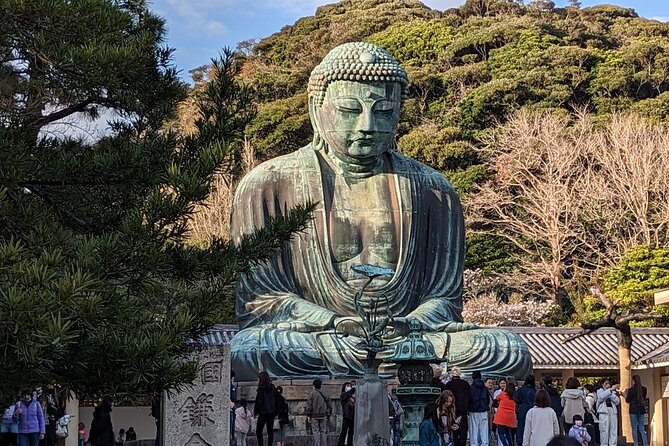
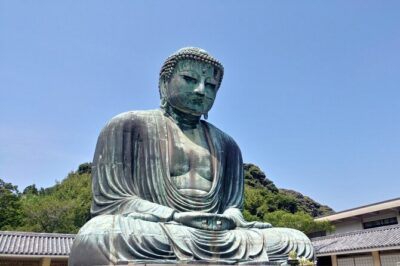
A sensible Kamakura morning begins at Kotoku-in, home of the Great Buddha. The open-air bronze Amida Buddha rises about 13.5 meters, or 44 feet, and is Kamakura’s only national treasure. The statue is impressive from a distance, but take a moment to notice its calm expression and the way the surrounding temple grounds frame it.
Admission is 200 yen per person. For another 20 yen, you can enter the body of the statue. That small extra charge gives you a curious look at the construction rather than a grand interior chamber, so treat it as a quick add-on, not a major attraction.
Hasedera Temple is another strong choice. It is known for flowers, with cherry blossoms in spring, hydrangeas from late May through late June, and maple leaves in autumn. The temple also houses a 9.18-meter gilded wooden statue of Kannon, the eleven-headed goddess of mercy.
The grounds combine religious buildings, gardens, and a hillside setting. Allow 30 to 60 minutes if you want more than a quick walk-through. Admission is 400 yen per person.
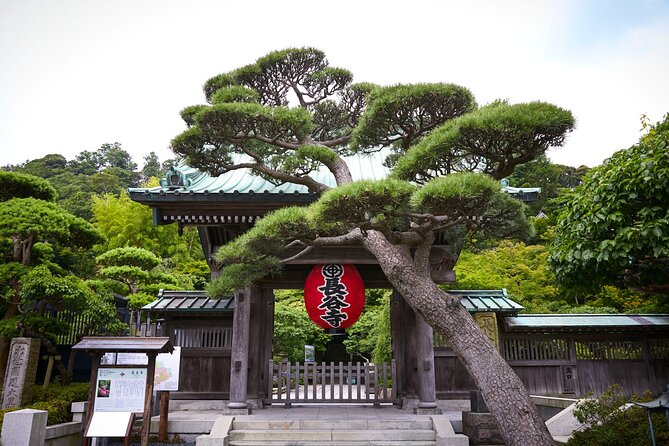
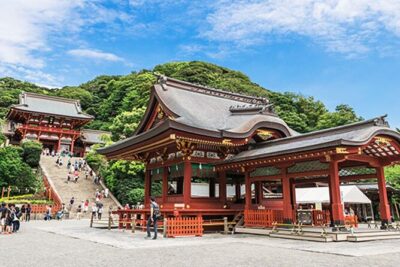
Tsurugaoka Hachimangu is Kamakura’s central Shinto shrine. It is tied to the samurai and dedicated to the god of war, making it a useful place for your guide to explain how religion, military power, and government overlapped in medieval Japan.
The shrine is free to enter and can be especially attractive during cherry blossom or azalea season. It is also a popular wedding site, so you might see a traditional ceremony taking place. Give it 30 to 60 minutes, depending on your interest in the shrine buildings and approach.
Komachi Street, near Tsurugaoka Hachimangu, is the practical stop for snacks and souvenirs. Shops sell Kamakura-bori carved lacquerware, Toshimaya pigeon-shaped Hato Sable cookies, and bean snacks from Kamakura Mameya. The street also has cafes and restaurants, making it a useful place for lunch or a short break.
Allow anywhere from 20 minutes to over an hour, but remember that shopping time can easily push the day off schedule. If you want a traditional meal, tell the guide before the tour so the timing and restaurant choice can be discussed.
Zen temples and quiet corners of Kamakura
Kamakura has more than famous statues. Its Zen temples give the day a calmer rhythm, especially if you choose one or two rather than attempting all of them.
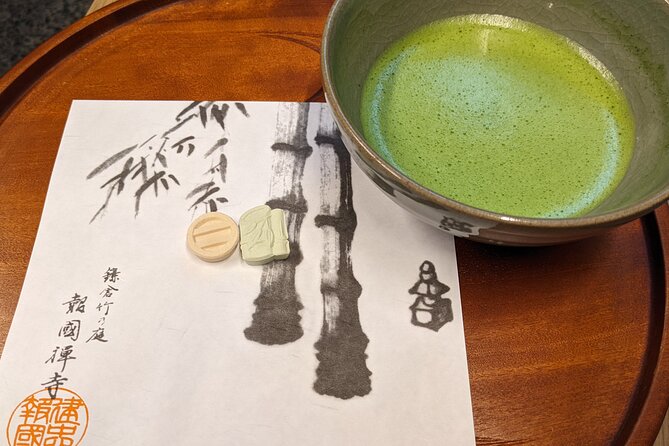
Hokokuji is famous for its bamboo grove and has a Michelin travel guide three-star rating. The grove is compact, but the experience is pleasant: tall bamboo, filtered light, and a teahouse where you can enjoy matcha and a Japanese sweet while looking toward the grove.
Admission is 600 yen per person, including the tea and sweet. The listed visit time ranges from 20 to 60 minutes. I would choose Hokokuji if you want one polished garden experience, but it may feel brief if you are expecting a huge bamboo forest.
Kencho-ji is Kamakura’s oldest and highest-ranking Zen temple. It charges 500 yen per person and can take 30 to 60 minutes. Meditation practice is offered on certain dates, though the tour information does not promise that your visit will coincide with one.
Engaku-ji is the second important Zen temple in Kamakura. Its large gate and bell are the main visual draws, while the compound also has a cafe serving lunch, Japanese sweets, matcha, and other drinks on certain dates. Admission is 300 yen.
The temple has another unusual connection: the grave of film director Yasujiro Ozu is here. If you enjoy Japanese cinema, ask your guide to point it out. Engaku-ji can be a good alternative to Kencho-ji if you want temple architecture, a cafe break, and a quieter stop.
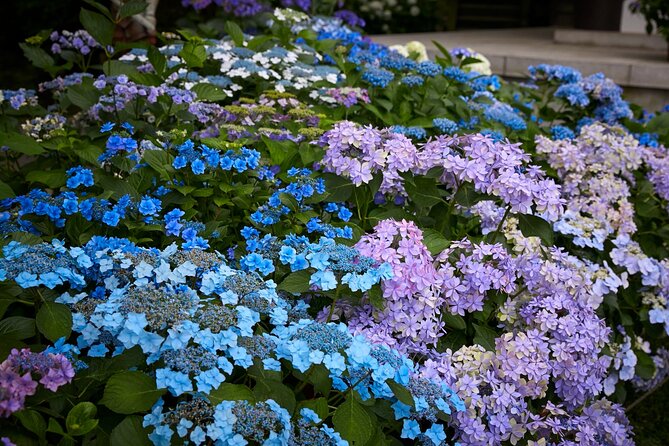
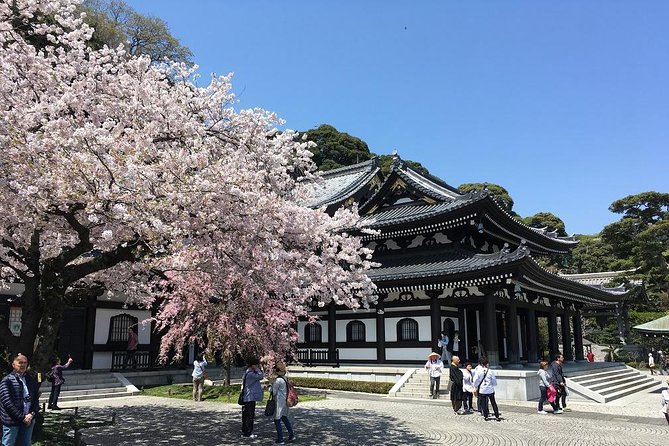
Meigetsuin is often called the Hydrangea Temple. It is especially popular from late May through late June, when blue hydrangeas fill the grounds. The circular window in the main hall frames the garden behind it, creating one of Kamakura’s best-known photo views.
Admission is 500 yen. The circular window can draw a queue, especially during hydrangea season, so do not build your entire day around taking one photograph. The temple is best for visitors traveling at the right season and willing to accept crowds.
Tokeiji offers a different kind of history. It once served as a refuge for women escaping abusive husbands and seeking divorce at a time when only men could request one. The wooded gardens feature seasonal flowers, including plums in early spring, iris and climbing hydrangea in June, and other blooms across the year.
Admission is 200 yen per person. This is a good choice if you value a quiet setting and social history over a famous landmark.
Zeniarai Benten Shrine adds a local custom. People wash cash in the shrine’s holy water because it is believed to increase their income. The shrine is free, and the ritual gives you something active to do rather than simply looking at another building.
Enoshima, sea air, and the Slam Dunk crossing
Enoshima works best when you want a change from temple grounds. The small island has a shrine, aquarium, botanical garden, observation tower, and caves. You can also find views toward Mount Fuji when the weather is clear.
The time needed varies widely. A quick visit may take 30 minutes, while exploring the island’s attractions can take up to two and a half hours. That range tells you something important: Enoshima is not just a photo stop. Choose it when you want to walk, eat, and enjoy the seaside mood.
A short stop can also be made at a photogenic railroad crossing with the blue sea behind it. The crossing appeared in the opening sequence of the Japanese anime Slam Dunk. It is a quick picture opportunity, not a full attraction, and traffic or crowd conditions may affect the timing.
The day’s strongest shape for many people is Great Buddha, one temple or shrine, Komachi Street, and Enoshima. That combination gives you Kamakura’s major symbol, its religious character, shopping, and a coastal finish without spending the entire day inside temple compounds.
Yokohama’s waterfront and old port character
Yokohama offers a sharp contrast with Kamakura. It developed as an international port at the end of the Tokugawa Shogunate, when Japan began opening to foreign trade. The city’s waterfront mixes modern towers, old port landmarks, parks, and international food.
Minato Mirai 21 is the modern center. The area includes Landmark Tower, Cosmo World amusement park, and the Red Brick Warehouses shopping center. It is free to visit, and 30 to 60 minutes gives you time for a waterfront walk and photographs.
The Landmark Tower Sky Garden is the paid choice for a high view. From 273 meters, or about 900 feet, you can look across Yokohama Bay and toward Tokyo Bay. Mount Fuji may be visible on a clear day. Admission is 1,000 yen per person, and the view depends heavily on weather.
Sankeien Gardens suit visitors who want traditional design after seeing the city skyline. A wealthy businessman created the garden, and 17 important buildings were moved here from Kyoto and other parts of Japan. Admission is 700 yen per person, and the suggested visit can range from 30 to 90 minutes.
Yamashita Park is a simple, pleasant waterfront pause. You can walk with a coffee, sit among locals, and possibly see weekend street performers. A photo stop can be arranged on request, and admission is free.
Osanbashi Yokohama International Passenger Terminal gives you another view of Minato Mirai. The stop is short, about 10 minutes, but it can be worthwhile if you want a broad waterfront photograph.
Minato-no-mieru Oka Park, also called Harbor View Park, offers another scenic point and an English garden. It sits beside residential districts associated with Western residents after Yokohama opened as an international port. The stop is brief, around 10 minutes, so choose it only if scenic views are a priority.
Other private tours in Tokyo


Chinatown, instant noodles, or an all-ramen finish
Yokohama Chinatown is the largest Chinatown in Japan and can be added for a stop or lunch. This is a useful option if you want Chinese food during your Japan visit or simply want a break from Japanese temple fare.
Lunch is not included. The guide can help with the day’s food plan, and vegetarian options are available if you provide dietary needs when booking. Do not leave lunch until the final hour, since a restaurant change or a long meal can affect later reservations.
The Cup Noodles Museum Yokohama is a playful, hands-on choice. Run by Nissin, the company credited with inventing cup noodles, it covers the story of instant noodles and lets you design your own cup and choose toppings. You can also sample noodle flavors from around the world and buy museum-only souvenirs.
Admission is 500 yen, and the visit takes about 45 to 90 minutes. This is particularly good for families and groups with mixed interests. It is less useful if your only goal is traditional architecture.
Shinyokohama Ramen Museum is made for ramen fans. It offers eight types of ramen in one setting, with admission of 310 yen and about an hour suggested for the visit. The museum is a practical choice when food matters more to you than another garden or shrine.
Because Yokohama’s sights are spread out, choose one main theme. Use Minato Mirai, Sky Garden, and Yamashita Park for city views. Choose Sankeien for a garden-focused day. Choose Chinatown, Cup Noodles, or the Ramen Museum for food and family entertainment.
What the $1,183.65 price really buys
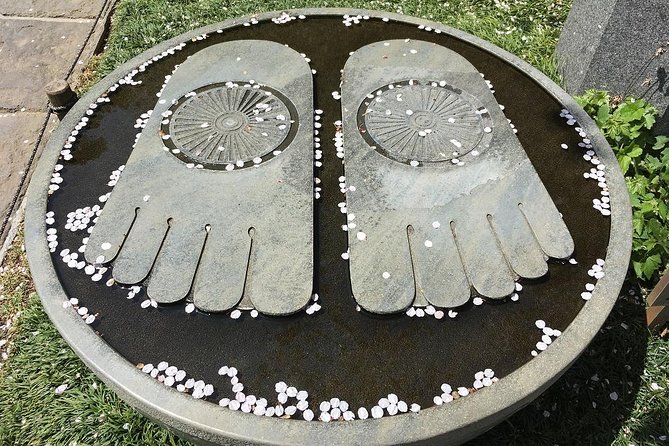
The price covers up to eight people, so the value changes sharply with group size. At eight people, the base cost is about $148 per person. At four people, it is about $296 each. For two people, it is nearly $592 each before admission, lunch, and gratuity.
Included are the van, private transportation, air conditioning, highway tolls, parking, fuel, fuel surcharge, and bottled water. That bundle removes several small costs and, more importantly, gives you a driver for roads and parking in busy destination areas.
The vehicle is the main reason to consider this over public transport. A group of six or eight can travel together, store purchases in the vehicle, and avoid splitting up. Families also get easier control over breaks and walking time.
The price remains the same with or without the vehicle, according to the supplied terms. That makes the vehicle the sensible choice, since the charge does not drop if you decide not to use it.
Admission is extra. If you visited every paid site listed, the fees would add up quickly, but you should not try to see every one in a 10-hour day. Budget separately for the attractions you select, lunch, and a suggested gratuity of 5 to 20 percent.
Guide quality and the value of customization
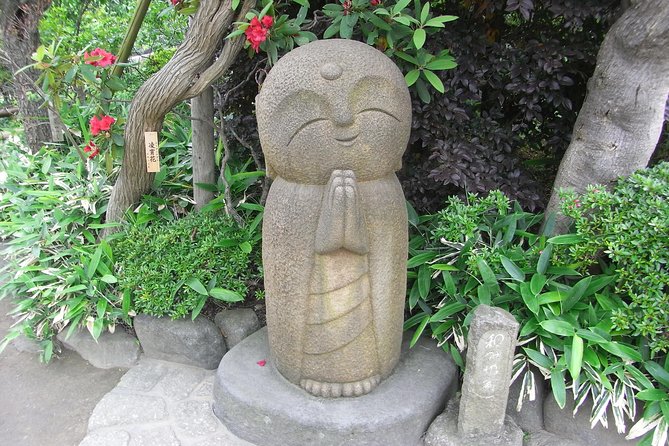
The guide is central to this experience. The company uses local Japanese guides and drivers, and past guides include Ken, Kenji, Yoshi, Yoshimi, Masae, Sumiko, Taiji, and Elina. You should confirm your assigned guide after booking rather than assume a particular person will lead your day.
The strongest version of this tour is one where you discuss priorities in advance. Guides have adjusted days for families, made room for traditional lunches, added Cup Noodles, and combined Kamakura and Enoshima with a small amount of Yokohama.
English ability can vary by guide, so if detailed historical explanation matters greatly to you, ask about language support before finalizing. One past experience was disappointing because the guide seemed underprepared and continued talking when the group wanted to move on. The provider acknowledged that preparation, facility reservations, and lunch changes had contributed to the problem.
That caution does not cancel the tour’s strengths. It simply means you should send a clear wish list: temples, flowers, food, anime, gardens, shopping, or views. Ask the guide to build a realistic four-to-six-stop plan rather than accepting the full list at face value.
Timing, weather, and practical limits
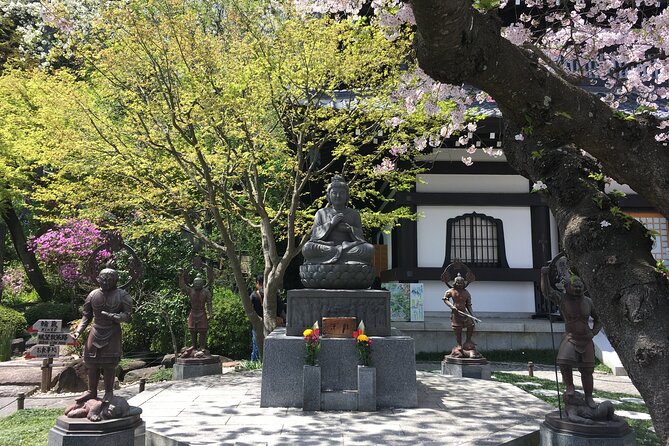
Traffic between Tokyo, Kamakura, Enoshima, and Yokohama can be heavy. The drive from Tokyo to the area can take roughly one to one and a half hours, and local roads may add more time. A private van improves comfort, but it cannot make traffic disappear.
Weather affects this trip in two ways. Mount Fuji and bay views may vanish in poor conditions, and rain can make temple paths, gardens, and the Enoshima walk less pleasant. The activity can change or be canceled because of weather or traffic, but the supplied terms also say the tour will not be canceled or refunded simply because some sights are not fully visible due to weather.
Wear comfortable shoes and keep your plan flexible. You will be getting in and out of the vehicle and walking through temple compounds, shopping streets, gardens, and possibly Enoshima’s slopes. Most people can participate, and service animals are allowed.
Free cancellation is available until 24 hours before the start time. Changes made within 24 hours are not accepted, and the paid amount is not refunded for a late cancellation.
Should you book this Kamakura and Yokohama car tour?
I would book it for a family or group of four to eight that wants Kamakura plus one extra area in a single day. The private van, driver, local guide, and flexible route can justify the cost when divided among a larger group.
I would also choose it if you want a custom mix such as Great Buddha, Hokokuji, Enoshima, and Chinatown, or if mobility, weather, luggage, or family needs make public transport less appealing.
I would hesitate if you are a couple on a tight budget, want slow temple visits, or mainly want Kamakura. In that case, a train-based day may cost far less and give you more time in one place.
The best booking strategy is to name your top four sights before the day begins. For culture, choose Great Buddha, Hasedera, Tsurugaoka Hachimangu, and Hokokuji. For a mixed day, add Komachi Street and Enoshima. For a city-and-food day, trade some temples for Minato Mirai, Sankeien, Chinatown, or Cup Noodles.
FAQ
How long does the private tour last?
The experience lasts approximately 10 hours, including travel between Tokyo, Kamakura, Enoshima, and Yokohama.
How many people can join?
The private group price covers up to eight people.
Is pickup from Tokyo offered?
Yes, pickup is offered, and the tour includes private transportation in an air-conditioned vehicle.
Are highway tolls and parking included?
Yes. Highway tolls, parking fees, gasoline, fuel surcharge, and bottled water are included.
How many places should I plan to visit?
You should select around four to six sites. The full list is made up of possible stops, not a promise that every location will fit into one 10-hour day.
Are entrance fees included?
No. Entrance fees for places such as the Great Buddha, Hasedera, Hokokuji, Engaku-ji, Sankeien Gardens, Cup Noodles Museum, and Landmark Tower Sky Garden are paid separately.
Is lunch included?
No. Lunch is not included. Vegetarian food is available, and you should provide dietary requirements when booking.
Can I visit Enoshima and Yokohama on the same day?
Yes, both can be included, but the itinerary must be limited to a realistic number of stops. Your guide can advise how to divide the time.
What happens if the weather is poor?
The schedule may change or be canceled because of weather or traffic. The tour is not refunded just because some views or sights are difficult to see in bad weather.
More Private Car with Driver in Tokyo
More Private Tours in Tokyo
More Kamakura & Enoshima Day Trips in Tokyo
More tours in Tokyo we've reviewed



Kamakura & Enoshima Day Trips, compared.
 ★ 4.5Tokyo: Kamakura & Enoshima Day Trip including Temple TicketsFrom $589 hours - 570 minutes
 ★ 4.5Tokyo: Mt. Fuji, Kamakura, Big Buddha, & Lake Ashi Day TripFrom $4910 - 11 hours
 ★ 4.5From Tokyo: Kamakura & Enoshima 1-Day Bus TourFrom $66
 ★ 5.0Kamakura Historical Walking Tour with the Great BuddhaFrom $98
 ★ 5.0Kamakura Private Tour: Temples, Nature, and the Great BuddhaFrom $98
 ★ 5.0Kamakura Walking Tour – The City of ShogunFrom $35