
Reviewed · PRIVATE CAR WITH DRIVER
Tokyo Private Tour by Vehicle with English-Speaking Chauffeur
Tokyo is too spread out for a quick look, but this private car tour gives you a useful answer to the city’s biggest sightseeing problem: how to connect far-flung districts without burning half the day on trains. You can follow the planned route or ask your chauffeur to reshape it around food, shopping, gardens, shrines, or family needs.
I like the door-to-door comfort, especially for families, older adults, and anyone arriving after a long flight. I also like the flexibility. Drivers such as Moshe, Oriol, Richard, Sam, and Mattia have adjusted routes, suggested restaurants, and added local neighborhoods when time allowed. The catch is that this is a chauffeur tour, not a walking tour, so the sightseeing commentary mainly comes in the car rather than beside each monument.
In This Review
- Key things to know before booking
- Why a private car helps in Tokyo
- Sensoji Temple and old Asakusa
- Tokyo Skytree and the cost of the view
- Tsukiji Outer Market for lunch
- Imperial Palace East Gardens
- Meiji Jingu and a forested pause
- Shibuya Crossing and Takeshita Street
- What the chauffeur actually adds
- Price, group size, and overall value
- Heat, timing, and things to clarify
- Who should book this Tokyo day
- Should you book it?
- FAQ
- How long does the Tokyo private tour last?
- How many people can join the private tour?
- Is hotel pickup included?
- Is transportation private?
- Is the chauffeur an English-speaking guide?
- Is a walking guide included?
- Which Tokyo attractions are included in the route?
- Is Tokyo Skytree admission included?
- Can the itinerary be customized?
- What is included besides transportation?
- Can I cancel for a full refund?
Key things to know before booking
- Seven major Tokyo stops: Sensoji, Tokyo Skytree, Tsukiji Outer Market, the Imperial Palace East Gardens, Meiji Jingu, Shibuya Crossing, and Takeshita Street.
- Private transport for up to four people: The listed price is $468.91 per group, making the per-person cost much easier to justify with four people.
- Flexible itinerary: You can use the planned highlights or request a route shaped around your own interests.
- English-speaking chauffeur: Guides vary, with Moshe, Oriol, Richard, Sam, Mattia, and Shlomo Moshe praised for clear explanations, patience, and safe driving.
- Walking is still required: The car saves time between districts, but each stop involves exploring on foot.
- Skytree admission costs extra: The other listed sightseeing stops have no admission charge, but tower observatory tickets are not included.
Why a private car helps in Tokyo
Tokyo’s rail network is excellent, but excellent does not always mean easy. Stations can be huge, platforms can be confusing, and moving from Asakusa in the northeast to Harajuku and Shibuya in the west takes planning. A private vehicle lets you spend more of your day seeing places and less of it changing trains.
The tour runs about seven to nine hours, with hotel pickup and drop-off included. The stated meeting point is the ANA InterContinental Tokyo in Akasaka, but hotel pickup is also listed as part of the service, so confirm your exact pickup address before the day begins.
You share the vehicle only with your own group, up to four people. That gives you room to ask for a slower pace, change the order of stops, or spend longer at a favorite place. One family used the service for a parent who could not walk for long periods, and the private format made the day easier to manage.
The chauffeur provides information while you drive between sights. That arrangement works well for broad city orientation, local suggestions, and historical background. It is less suitable if you want a guide standing beside you at every gate, explaining each building in detail.
Other private tours in Tokyo

Sensoji Temple and old Asakusa
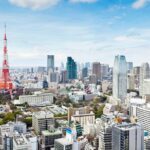
Sensoji is a strong opening stop because it gives you Tokyo’s traditional face right away. This Buddhist temple is nearly 1,400 years old and is closely tied to Asakusa, one of the city’s best-known historic districts.
Plan on about one hour and five minutes here. You can enter the temple grounds without an admission charge, though the approach is lined with shops and food stalls where you might want extra time. The large temple gate, the long shopping approach, and the temple itself offer plenty to see even on a short visit.
This is also a good place to ask your chauffeur about customs at a Japanese temple. You will get more from the visit if you understand the basic difference between Buddhist and Shinto sites, along with the proper way to approach a worship hall.
The limitation is crowding. Sensoji is one of Tokyo’s best-known sights, so the approach can feel busy, particularly at popular times. The private vehicle gets you there efficiently, but it cannot remove the need to walk through the public temple area.
Tokyo Skytree and the cost of the view
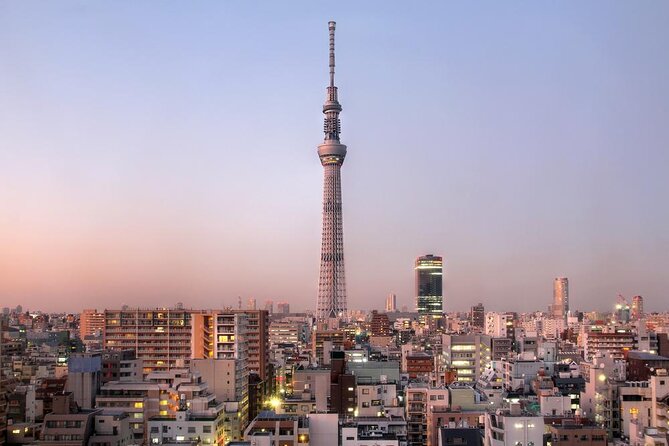
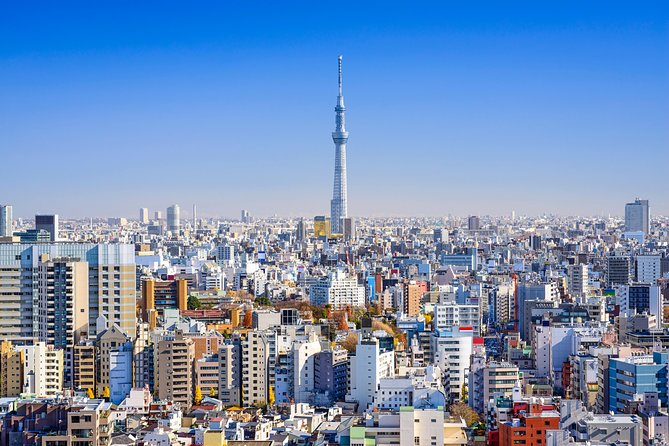
Tokyo Skytree rises 634 meters above the city and is the tour’s clearest chance for a sweeping view. The planned stop lasts about one hour and 20 minutes, though the timing may depend on whether you go up the tower or simply see it from below.
Admission is not included. That matters because the tour price covers transportation and the chauffeur, but your group pays separately for observatory access. If the view is a priority, check ticket availability and cost before booking the tour so the added expense does not catch you by surprise.
Skytree works well in a packed day because it gives you a visual sense of Tokyo’s scale. After visiting older Asakusa, you can see the modern city spreading in every direction. On a clear day, the height is the main attraction. On a hazy day, the value may be lower, and you might prefer to use the time for another stop.
The driver can explain the city as you move on, but the tower itself is a self-directed visit unless you arrange otherwise. You should not expect a walking guide to accompany you through the observation decks.
Tsukiji Outer Market for lunch
Tsukiji Outer Market is the tour’s best food stop. The wholesale market moved to Toyosu, but the outer market area remains known for seafood stalls, small restaurants, and quick bites. The planned visit lasts about one hour and 30 minutes, making it the natural place to pause for lunch.
You will find both raw and cooked seafood, along with street food and small restaurants. I like this stop because it gives the day a practical, local flavor. Instead of looking at another grand monument, you can eat, browse, and see how food remains part of Tokyo’s daily rhythm.
Lunch is not included, and you should treat restaurant advice as a suggestion rather than a fixed part of the package. One person found the proposed lunch too tourist-focused and chose to continue sightseeing instead. Other drivers, including Moshe, received praise for recommending excellent places to eat.
The market can be crowded, and portions of the visit require standing and walking. If you have food allergies or strong dietary limits, discuss your needs with the chauffeur early in the day. The provided information does not promise a specific restaurant or meal arrangement.
Imperial Palace East Gardens
The Imperial Palace East Gardens appear in the route between Tsukiji and Meiji Shrine. They occupy part of the former Edo Castle defenses and offer a quieter change of pace after the market.
No admission fee is listed for this stop. The gardens are valuable less for a single famous building than for the chance to understand Tokyo’s older political center and the scale of the former castle grounds.
Because the timetable gives no separate duration for the gardens, ask how long your chauffeur plans to allow. The route already includes several one-hour stops, and a full visit to every location may require choosing priorities. If gardens and castle history matter to you, protect time here rather than treating it as a quick photo stop.
A few more Tokyo tours and experiences worth a look
Meiji Jingu and a forested pause
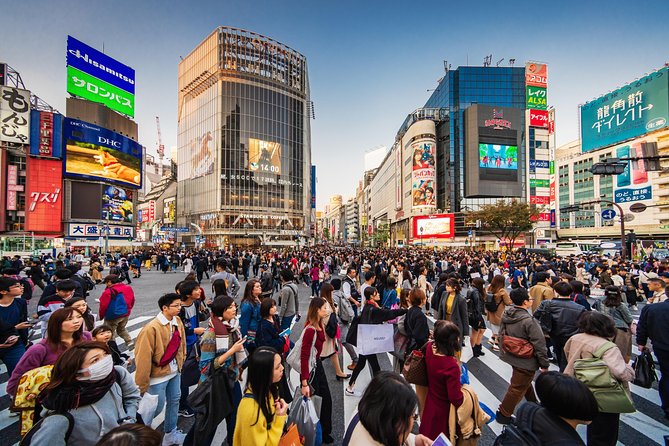
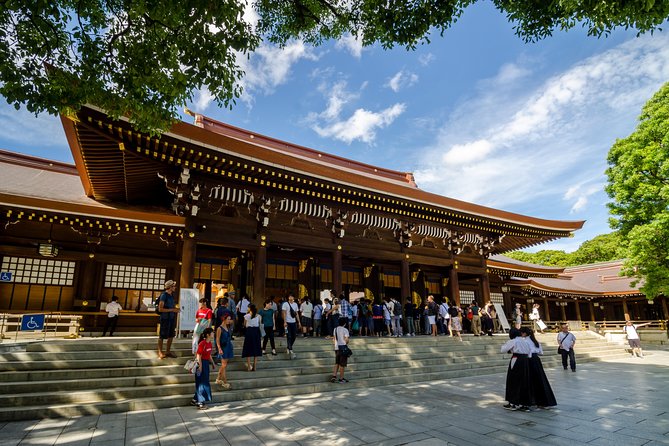
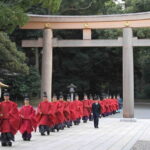
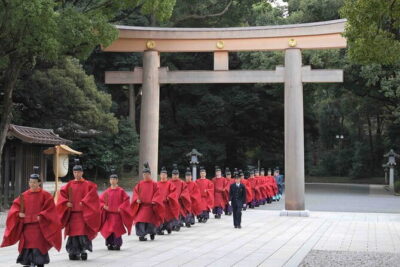
Meiji Jingu is Tokyo’s best-known Shinto shrine, dedicated to Emperor Meiji and Empress Shoken. It was completed in 1920 and honors the emperor associated with Japan’s modern era.
The planned visit lasts about one hour and 20 minutes, with no admission fee listed. The shrine offers a useful contrast to Sensoji. Sensoji introduces Buddhist Tokyo through gates, temple halls, and a busy approach, while Meiji Jingu gives you a Shinto setting with a calmer feel and a broad wooded approach.
Several people especially enjoyed the quiet forest garden and the peaceful mood here. That makes Meiji Jingu a welcome middle point in a day that otherwise moves through major city districts and commercial areas.
The grounds are not a quick curbside attraction. You need to walk from the vehicle into the shrine area, so wear comfortable shoes. If your group includes someone with limited stamina, tell the chauffeur in advance and agree on a realistic amount of walking.
Shibuya Crossing and Takeshita Street
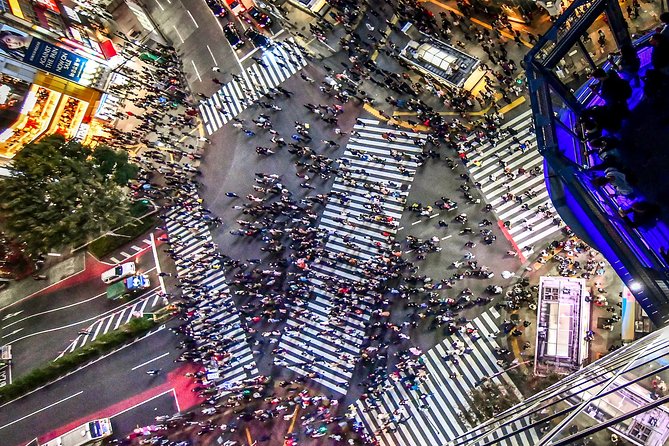
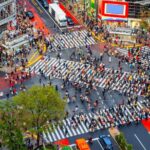
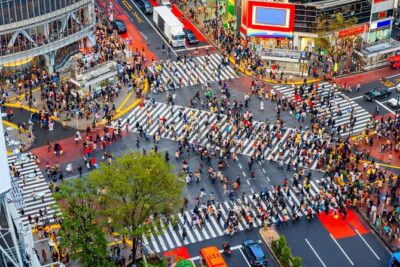
Shibuya Crossing is scheduled for about 50 minutes. It is the tour’s clearest modern Tokyo moment, with streams of people crossing from every direction amid tall buildings and giant signs.
The crossing itself takes only a few minutes. The extra time lets you see it from nearby streets or buildings, take photographs, and absorb the surrounding district. Your chauffeur can point out useful viewing areas, but the exact experience depends on where the vehicle can stop and how much walking you want to do.
Takeshita Street in Harajuku follows with about one hour and five minutes. This is the place for youth fashion, unusual shops, colorful street style, vintage clothing, and cosplay-related shopping. It feels very different from both the temple districts and the formal shrine grounds.
Takeshita Street can be crowded and energetic. If you dislike shopping streets, you may prefer to shorten this stop and give that time to Meiji Jingu, the Imperial Palace gardens, or a restaurant. The private format gives you that choice, which is one of the tour’s best features.
What the chauffeur actually adds
The strongest part of this experience is not simply having a car. It is having a person who can connect the stops and adjust the day.
Moshe is repeatedly praised for clear English, historical explanations, restaurant advice, and patient service. Oriol is described as fluent in English and Spanish, with a strong grasp of Tokyo’s past and present. Richard has been appreciated for punctuality and flexibility, while Sam created a less predictable route with neighborhoods, a cemetery, shrines, gardens, and even some train practice.
Mattia is praised for safe driving and useful information, and Shlomo Moshe for explaining Japanese society, history, and culture in clear English. These names do not guarantee your assigned chauffeur, since the provider may use a multilingual guide, but they show the type of service you might receive.
The best approach is to prepare a short list of priorities. Tell the driver if you care most about temples, food, shopping, gardens, photography, or a gentle pace. One group with only two days in Tokyo used the private car to combine famous sights with specific personal interests without feeling rushed.
Still, set your expectations correctly. The included service does not provide a separate walking guide. Commentary is given in the vehicle between destinations, and your time at each sight is largely self-directed.
Price, group size, and overall value
The listed price is $468.91 per group of up to four. For four people, that works out to about $117 per person before any Skytree admission or personal food costs. For a couple, the per-person cost is much higher, so the value depends on how much you prize convenience and saved time.
You are paying for a private vehicle, hotel pickup and drop-off, bottled water, pocket WiFi, and a full working day with a chauffeur. You are not paying for entrance to Skytree, lunch, or a dedicated walking guide.
I see the best value for four people, families, older adults, first-time visitors, and anyone with a short stay. It can also work well on a long layover if your flight timing and airport arrangements allow enough margin. Several people used the service on a final day after hotel checkout, using the car to keep sightseeing simple before an evening flight.
The weaker value appears when you want slow, detailed visits inside every attraction. Tokyo’s trains are cheaper, and a self-guided route may suit confident planners who enjoy public transport. This tour earns its price by removing transfers, navigation, and much of the day’s friction.
Heat, timing, and things to clarify
The full route is ambitious. The listed stop times add up to more than seven hours before traffic, meals, pickup, and drop-off are considered. You can see many highlights, but you may need to accept shorter visits or let the driver adjust the order.
Heat can make the schedule feel harder. One person found the tour expensive when extreme heat and closed attractions reduced the payoff. Ask before departure if any planned site is closed and be willing to drop a stop rather than force the entire route.
There was also one reported pickup delay caused by a scheduling mix-up. The replacement chauffeur extended the day and helped repair the problem, but you should still confirm the pickup time and location in advance. Free cancellation is available up to 24 hours before the start time. Changes or cancellations inside that window are not accepted for a refund.
The provider says most people can participate, but the day includes repeated walks through temple, market, shrine, shopping, and garden areas. A private car helps with transfers and rest breaks, yet it does not turn the experience into a no-walking tour.
Who should book this Tokyo day
I would choose this tour if you have one or two full days in Tokyo and want a broad first look without mastering the rail system immediately. It is also a smart fit for a group of four, since the cost spreads better and the private vehicle keeps everyone together.
Families can benefit from the flexible timing, especially when children or older adults need pauses. Food-focused visitors can shape the day around Tsukiji and a recommended restaurant. Shoppers can spend more time in Harajuku. First-time visitors can cover both traditional and modern Tokyo in one sweep.
I would hesitate if your main goal is detailed temple interpretation, independent train travel, or a slow food crawl. In that case, a specialist walking tour or self-guided day may offer more depth for less money.
Should you book it?
Book it if comfort, coverage, and flexibility matter more to you than the lowest possible price. The route links Tokyo’s major districts well, and a strong chauffeur can turn a demanding day into a relaxed one. Ask for your priorities in advance, confirm the pickup details, check Skytree admission, and leave room to cut a stop if the heat or traffic takes its toll.
For four people, this is a practical way to see much of Tokyo in one day. For two people, it is a convenience splurge. Either way, go in knowing that the car and chauffeur are the product, while the monuments and markets are yours to explore on foot.
FAQ
How long does the Tokyo private tour last?
The experience lasts approximately 7 to 9 hours.
How many people can join the private tour?
The listed price covers one private group of up to four people.
Is hotel pickup included?
Yes. Hotel pickup and hotel drop-off are included. The stated meeting point is the ANA InterContinental Tokyo in Akasaka, so confirm the exact pickup arrangement when booking.
Is transportation private?
Yes. Transport is provided by private vehicle, and only your own group participates.
Is the chauffeur an English-speaking guide?
The tour includes an English-speaking chauffeur, although the activity may sometimes be operated by a multilingual guide. Information about each sight is provided in the vehicle between destinations.
Is a walking guide included?
No. A separate walking guide is not included. Sight information is given while driving between stops.
Which Tokyo attractions are included in the route?
The planned route includes Sensoji Temple, Tokyo Skytree, Tsukiji Outer Market, the Imperial Palace East Gardens, Meiji Jingu Shrine, Shibuya Crossing, and Takeshita Street.
Is Tokyo Skytree admission included?
No. Admission to Tokyo Skytree is not included. The other listed stops show no admission fee.
Can the itinerary be customized?
Yes. You can follow the planned itinerary or create a route with your chauffeur based on the places and interests you prefer.
What is included besides transportation?
The tour includes bottled water, hotel pickup, hotel drop-off, private transport, a private chauffeur service, and pocket WiFi.
Can I cancel for a full refund?
Yes, if you cancel at least 24 hours before the experience start time. Cancellations or changes made less than 24 hours before the start time are not accepted for a refund.
More Private Car with Driver in Tokyo
More Private Tours in Tokyo

More tours in Tokyo we've reviewed











Private Car with Driver, compared.
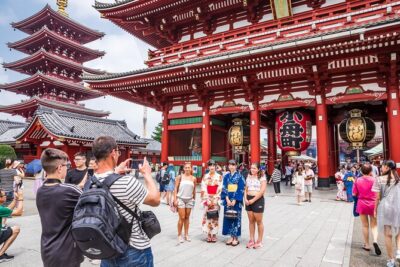 ★ 5.0Tokyo Private Sightseeing Tour by Car- English speaking chauffeurFrom $268
Mt FUJI Day Tour with Private Car and English Speaking GuideFrom $440
★ 5.0Tokyo Private Sightseeing Tour by Car- English speaking chauffeurFrom $268
Mt FUJI Day Tour with Private Car and English Speaking GuideFrom $440
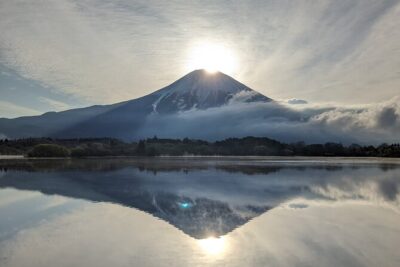 ★ 5.0Private Car Tour to Mt. Fuji Lake Kawaguchiko or HakoneFrom $1,286
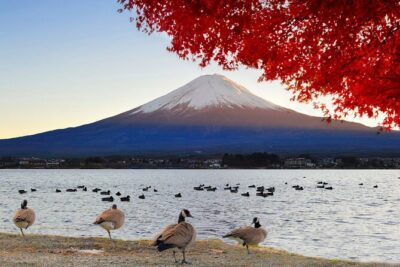 ★ 5.0Mt Fuji Exclusive Tour with Private Car English GuideFrom $445
 ★ 5.0Tokyo Private Customizable Tour with English Speaking ChauffeurFrom $273
 ★ 5.0Tokyo City Tour by Private Car & English guideFrom $445