
Reviewed · 1-DAY TOURS
Tokyo Customized Private Tour (Must See Places in 1 Day)
Tokyo is easiest to enjoy when someone helps you make sense of its size. This private tour lets you choose your priorities, then pairs you with a local guide who can connect places such as Senso-ji, Meiji Jingu, Shibuya, Akihabara, and the Imperial Palace in a practical route.
I like the one-to-one planning, especially for a first day, and I like the chance to learn Tokyo’s train system instead of being led around in a private bubble. Guides such as Akari, Lax, Yosuke, and Ken have been praised for adapting plans, helping with food needs, and sharing small cultural details.
The main tradeoff is that the listed stops are possibilities, not a promise that you will see all of them in one day. At 2 to 8 hours, the experience can be a short introduction or a demanding full-day outing, but transport costs, meals, and most admission fees are extra.
In This Review
- Key points to know before booking
- The real strength: Tokyo built around your interests
- Asakusa and Senso-ji: begin with old Tokyo
- Akihabara: Tokyo’s electric and pop-culture side
- Tsukiji Outer Market: plan around food and timing
- Meiji Jingu, Harajuku, and Takeshita Street
- Shibuya Crossing: the iconic city moment
- Ginza and the Imperial Palace
- Hamarikyu Gardens: a quieter pause
- Ueno Park and Shinjuku Gyoen
- Shinjuku Golden Gai and the city after dark
- Tokyo Skytree and the problem of doing too much
- Walking, trains, and the actual cost
- Who will get the most from this tour
- Should you book it?
- FAQ
- How long does the private Tokyo tour last?
- Is hotel pickup available?
- Is transportation included in the price?
- Are food and drinks included?
- Are admission tickets included?
- Is this a private group experience?
Key points to know before booking
- A private day shaped around you: Choose temples, gardens, anime, shopping, food, or a mix of old and new Tokyo.
- Useful train practice: Guides can help you understand Tokyo’s public transport while moving between districts.
- Many possible neighborhoods: The choices range from Asakusa and Ueno to Shibuya, Ginza, Shinjuku, and Tokyo Skytree.
- Local food support: Guides have helped with vegan and celiac-friendly dining requests, though food is not included.
- Hotel pickup is available: You can arrange a meeting at your accommodation, making the first morning simpler.
- Flexible timing has limits: A full day can cover several areas, but trying to force in every listed stop would mean rushing.
The real strength: Tokyo built around your interests
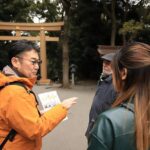
A standard sightseeing tour gives you a fixed route. This experience gives you a conversation first. You tell the operator what matters to you, and the guide shapes the day around those interests, available time, and preferred pace.
That distinction matters in Tokyo. You may want traditional Japan in the morning, anime and electronics after lunch, and a food-focused evening. You may also have children, mobility concerns, dietary restrictions, or only a few hours between other plans. A private guide can adjust far more easily than a large group.
The guides named in the feedback include Akari, Keito, Kentaro, Lax, Yoyo, Yosuke, Atsu, Ken, and Paskul. You are not guaranteed a particular person unless the operator confirms it, but the repeated praise centers on the same useful qualities: a warm manner, clear English in the cited experiences, local insight, and a willingness to change direction when you ask.
I especially like the way this can function as an orientation day. One guest used the tour to learn the railway system and then felt confident taking the train alone the next day. That is a better souvenir than another hurried photograph.
Other private tours in Tokyo

Asakusa and Senso-ji: begin with old Tokyo
Senso-ji is the natural choice if you want your first taste of traditional Tokyo. The temple sits in Asakusa, a district where you can walk through an older-style town setting before returning to the city’s modern rail network.
The listed schedule gives Senso-ji and Asakusa only about 15 minutes each, but those times are best understood as sample entries rather than a sensible full visit. If this is your priority, ask for more time. The temple grounds, approach, and surrounding streets deserve a slower look than a quick photo stop.
A guide can explain the basic customs at a shrine or temple and help you notice details you might otherwise pass by. One guide, Lax, was praised for pointing out small features at Hamarikyu Gardens and Asakusa, then explaining their meaning with humor. That sort of commentary is the reason to choose a private guide instead of simply visiting Senso-ji alone.
Asakusa also makes a good starting point for families and first-time visitors. It offers a clear sense of place without requiring you to understand Tokyo’s entire city plan on arrival.
Akihabara: Tokyo’s electric and pop-culture side
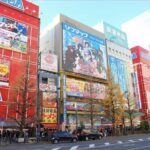
Akihabara, often called Electric Town, is the stop for electronics, anime, manga, video games, and modern Japanese fan culture. It gives the day a useful contrast with Asakusa’s temples.
You should be specific when you request Akihabara. The district can mean different things to different people. You might want electronics, anime shops, collectible figures, arcades, or simply a look at the signs and streets. Tell the operator what interests you so your guide can spend time in the right part of the neighborhood.
A short stop will provide an introduction, but serious shopping needs longer. If you want to buy electronics, ask about your priorities in advance. If you are traveling with children, Akihabara may be one of the day’s strongest choices, though the sheer amount of visual noise can be tiring.
The value here is not just getting from one shop to another. Your guide can help explain how this part of Tokyo fits into present-day Japanese culture and can keep the visit from becoming a random wander through stores.
Tsukiji Outer Market: plan around food and timing
Tsukiji’s outer market remains a popular place for seafood and Japanese cooking, even after the wholesale fish market moved in 2018. It is a good choice if eating is a major part of your Tokyo plans.
Food and drinks are not included, and you also pay your guide’s food if you choose to eat together. Clarify your preferences before the tour. The guides have helped arrange vegan ramen and find food suitable for a guest with celiac disease, which is useful support in a city where food labels can be difficult to interpret.
Do not treat Tsukiji as a simple landmark photo stop. If you want to sample food, browse stalls, or sit down for a meal, request enough time. A 15-minute entry is too brief for much beyond a quick look.
The market can also shape the rest of your day. A morning visit followed by the Imperial Palace or Ginza makes geographic sense, while combining it with far-west Tokyo districts may mean more time on trains.
Meiji Jingu, Harajuku, and Takeshita Street
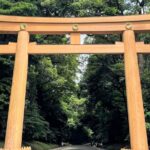
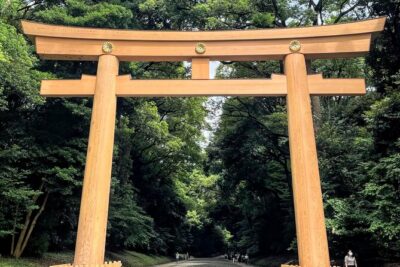
Meiji Jingu offers a calm Shinto setting in the Shibuya area. It is dedicated to the deified spirits of Emperor Meiji and Empress Shoken, and it is one of Tokyo’s best-known shrines.
The nearby Harajuku area changes the mood. Takeshita Street is associated with youth fashion and pop culture, making it a natural companion to Meiji Jingu. Together, these stops show you two very different sides of the same part of town: a forested shrine setting and a youthful shopping street.
A four-hour tour described by a guest included Meiji Jingu, Harajuku, and Takeshita Street. That is a sensible pairing for a shorter experience. You get culture, local customs, shopping, and an introduction to one of Tokyo’s most recognizable districts without spending the whole day crossing the city.
I would not combine this area with every other listed stop. Add Shibuya if you want a modern Tokyo finish, or stay longer around Harajuku if fashion and youth culture matter more to you.
A few more Tokyo tours and experiences worth a look

Shibuya Crossing: the iconic city moment
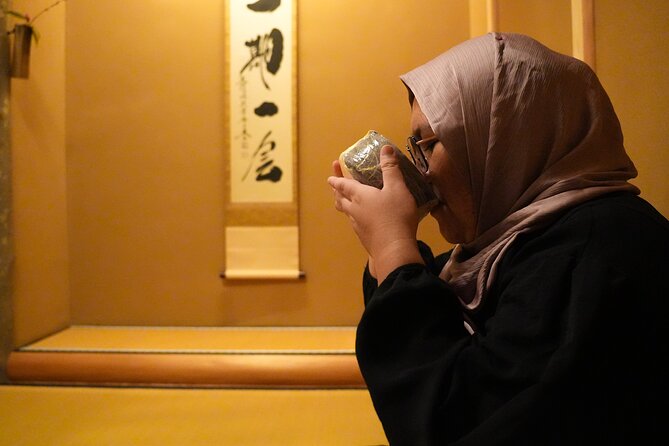
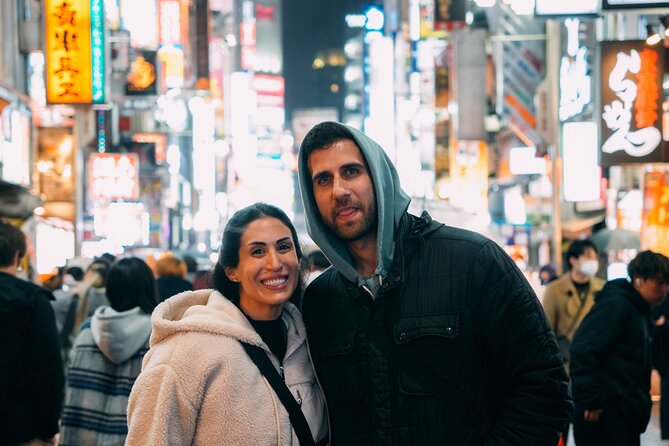
Shibuya is the place for neon, shopping, nightlife, and the famous crossing. It is one of Tokyo’s most recognizable urban scenes, and it works well for a first visit.
Your guide can help you understand where to view the crossing and how the surrounding district fits together. The listed stop includes recommended points but does not promise a particular observation location, so ask about your preferred view when planning.
Shibuya is more rewarding when you do not rush straight through it. You may want time for a photograph, a department store, a café, or a simple walk through the surrounding streets. If you have children, keep the pace manageable. If you are interested in nightlife, ask whether your selected tour hours allow enough time for that atmosphere.
This is a strong stop for visitors who want the classic Tokyo experience. It is less useful if your main aim is quiet gardens, old neighborhoods, or food markets.
Ginza and the Imperial Palace
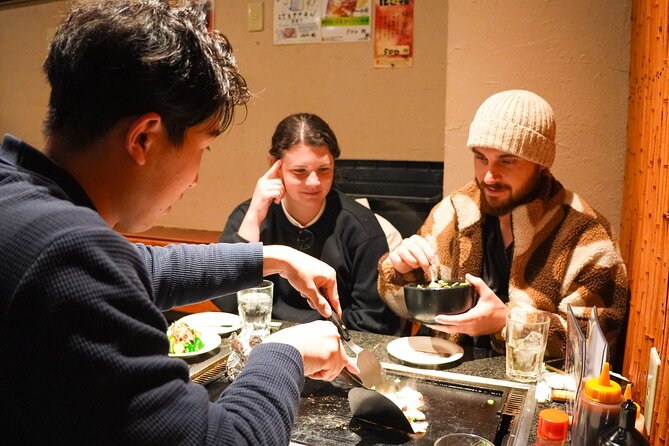
Ginza is Tokyo’s major high-end shopping district. Include it if you care about department stores, polished streets, architecture, or Japanese retail. It is not essential for every first visit, but it pairs conveniently with the Imperial Palace area.
The Imperial Palace stop focuses on the beautiful East Gardens. This is a chance to slow down after busy shopping streets and train stations. The garden setting also helps explain the contrast between Tokyo’s present-day commercial center and its imperial past.
Allow more than 15 minutes if you want a real walk. The short listed duration is enough for an introduction, not a complete garden visit. The experience works best when you choose either Ginza shopping or the palace gardens as the main purpose, then use the second stop as a nearby addition.
The guide’s role here is more than navigation. You can ask about Japanese history, palace grounds, garden design, and how the area connects to central Tokyo.
Hamarikyu Gardens: a quieter pause
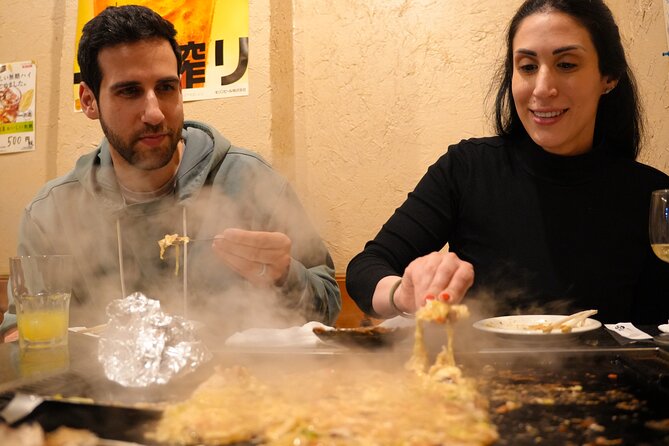
Hamarikyu Gardens is a traditional Japanese garden in Minato. It offers ponds, paths, and a welcome break from the city’s hard edges.
This is one of the better choices for a private tour because your guide can adjust the walking pace and point out details that are easy to miss. Lax was specifically praised for explaining small features at Hamarikyu and Asakusa. That tells you what to expect from the strongest version of this experience: not just a route, but context along the way.
Admission is not included at Hamarikyu Gardens, unlike the free entries listed for many other stops. Confirm the current fee when planning, and keep extra money available for admissions and transport.
Hamarikyu is a smart choice if your day has become crowded with shopping districts. It may not satisfy someone seeking constant action, but it gives you room to breathe.
Ueno Park and Shinjuku Gyoen
Uenokoen, or Ueno Park, is noted for cherry blossoms in spring. If your visit falls during that season, ask whether it fits your route and how much time you can spend there. Outside blossom season, it can still be useful as a park stop, but the supplied details place special emphasis on spring.
Shinjuku Gyoen National Garden is another major green space, with lawns, walking paths, and a quieter setting close to Shinjuku Station. The listed time is 30 minutes, which is more realistic than the 15-minute entries for some other places, though still brief for a large park.
Do not select both gardens unless gardens are your main theme. Tokyo’s districts are spread out, and crossing the city takes time even with a guide. Pick Ueno for spring blossoms and its broader park area, or choose Shinjuku Gyoen for a calmer break near Shinjuku.
Shinjuku Golden Gai and the city after dark
Shinjuku is a major commercial and entertainment district. Golden Gai is known for its tiny bars and narrow lanes, while the Tokyo Metropolitan Government Building offers city views according to the tour information.
This area needs careful timing. Golden Gai makes most sense later in the day, while a garden or temple usually works better earlier. Tell the operator if you want evening streets, city views, shopping, or food, since those are different experiences within the same large district.
A private guide is helpful here because you can ask for a route that matches your comfort and interests. The tour does not include food or drinks, and any bar or restaurant bill is your responsibility.
If you are looking for a quiet, traditional day, skip Golden Gai. If you want a strong contrast between shrines and modern city life, it can be an excellent final stop.
Tokyo Skytree and the problem of doing too much
Tokyo Skytree is Japan’s tallest structure and includes observation, restaurant, and broadcasting facilities. It is a major attraction in Sumida and can provide a dramatic view over the city.
The attraction is not simply a quick roadside stop. If you want to go up the tower, allow time for entry and the observation experience. The information provided does not include admission, so check the cost before adding it to your plans.
Skytree works well with Asakusa because both are in the eastern part of Tokyo. It works less well in a day that also tries to cover Shibuya, Shinjuku, Meiji Jingu, Tsukiji, and Ueno. Your guide can help arrange a route, but no guide can remove the distances between districts.
This is the central planning lesson: select a few connected areas, rather than treating the 14 listed choices as a checklist.
Walking, trains, and the actual cost
The tour price is listed at $145.91 per person. That is a fair value if you use the guide for more than photographs. A private day can save planning time, help you choose food, teach you the rail system, and adjust around your group’s interests.
The cost is less attractive if you want only a fixed transfer between famous sights. Tokyo’s temples, shrines, and neighborhoods are generally easy to visit independently once you understand the transport system.
The tour includes a private personalized experience, walking with public transport, unlimited edited photos, and optional meeting at your accommodation. A private vehicle is available as an option, but it is not part of the basic price.
You pay transportation fees for yourself and your guide. You also pay for meals and drinks, and Hamarikyu Gardens admission is not included. Ask for a rough transport plan before the day begins so the final cost does not surprise you.
Expect walking. One full-day outing covered about 12 miles over 10 hours, including several train journeys. That may be perfect for active sightseers, but you should request a gentler pace if your group prefers longer stops and fewer districts.
Who will get the most from this tour
I would choose this experience if you are visiting Tokyo for the first time and feel unsure about the city’s scale. It is also a good fit for families, solo visitors, couples with specific interests, and anyone who wants help with food restrictions.
The private format is particularly useful for families with children because the guide can adjust explanations and stop choices. Yosuke was praised for keeping children aged 7 and 12 engaged, while Yoyo was described as especially good with a family including children aged 12 and 13.
Solo visitors may value the company as much as the sightseeing. One account describes the guide helping a first-time solo visitor build confidence with trains, local food, and daily movement around Tokyo. That is a meaningful advantage if the city feels intimidating.
I would be more cautious if you want guaranteed entry to every major attraction, a luxury vehicle, or a tightly fixed schedule with no extra costs. This is a flexible guiding service, not an all-inclusive sightseeing package.
Should you book it?
Book it if you want a local guide to shape your first Tokyo day, explain cultural details, and teach you how to get around. Ask for a plan built around two or three connected districts, and name your food, shopping, family, or garden priorities before you arrive.
For the best value, consider booking early in your stay. Use the day to learn the train system, identify places you want to revisit, and collect food suggestions for the rest of your trip.
Skip it if you already know Tokyo well and prefer exploring alone. For most first-time visitors, though, the combination of private planning, flexible pacing, and practical transport help makes the $145.91 price easier to justify, especially when shared among a small group.
Free cancellation is available up to 24 hours before the start time. Changes or cancellations inside that window are not accepted for a refund.
FAQ
How long does the private Tokyo tour last?
The experience lasts approximately 2 to 8 hours. You can choose a shorter introduction or arrange a longer day, depending on your plans and interests.
Is hotel pickup available?
Yes. You can request a meeting at your accommodation, and the tour also offers an optional meet-up there.
Is transportation included in the price?
No. The tour uses walking and public transport, but transportation fees for you and your guide are not included. A private vehicle is available as an optional arrangement.
Are food and drinks included?
No. You are responsible for food and drinks for yourself and your guide. Guides can help with dietary needs, including vegan and celiac-friendly food requests.
Are admission tickets included?
Most listed stops show free admission. Hamarikyu Gardens specifically lists admission as not included, and you should confirm any paid attraction costs before adding them.
Is this a private group experience?
Yes. Only your group participates in the activity, and the experience is private and personalized.
More 1-Day Tours in Tokyo
More Private Tours in Tokyo

More tours in Tokyo we've reviewed





1-Day Tours, compared.
 ★ 5.0Mt Fuji and Hakone 1-Day Bus Tour Return by Bullet TrainFrom $163
 ★ 5.01-Day Tokyo Bus TourFrom $129
 ★ 4.0Mt Fuji & Hakone Cruise, Drum Show Bullet Train 1 Day from TokyoFrom $149
 ★ 4.5Tokyo: DisneySea 1-Day PassportFrom $571 day
 ★ 4.6Tokyo Disneyland 1-Day PassportFrom $571 day
 ★ 4.2Tokyo: Mt. Fuji 5th Station & Hakone Cruise 1-Day Bus TourFrom $12911 hours