Reviewed · COFFEE EXPERIENCES
Tokyo’s Neighborhood Digs: Coffee, Records & Vintage Vibes
Tokyo’s best stories often sit away from the famous sights. This four-hour outing links Shimokitazawa, Kichijoji, Koenji, and Nakano, showing you how music, fashion, coffee, anime, and old shopping arcades shape modern Tokyo. You move by public transport, with an English-speaking guide adding context at each stop.
I like the mix of vintage shopping and local coffee, and I like that the tour connects four neighborhoods rather than keeping you in one familiar district. Guides such as Ryuhki and Hiro are described as warm, flexible, and good at pointing out places you might otherwise miss. The main drawback is the pace: four neighborhoods in four hours means plenty of walking and short visits, not a leisurely afternoon in each area.
In This Review
- Four Tokyo neighborhoods, four different moods
- Starting at Shimokitazawa Station
- Kichijoji and Tokyo’s independent coffee culture
- Koenji’s indie shops and changing social rules
- Nakano Broadway and the collector’s Tokyo
- What the four-stop route does well
- Is $83 a fair price?
- Walking, transit, and practical comfort
- Who will enjoy this tour most?
- Should you book Tokyo’s Neighborhood Digs?
- FAQ
- Where does the tour begin?
- How long does the experience last?
- Which neighborhoods are included?
- Is public transportation included?
- Is coffee included?
- What language is the tour conducted in?
- Is the tour private or shared?
- What should I bring?
- Can I cancel for a refund?
Four Tokyo neighborhoods, four different moods
- Shimokitazawa traces a post-war arts district through vintage clothing, independent shops, and narrow streets.
- Kichijoji adds a slower coffee stop, with locally roasted coffee and a look at the neighborhood’s bubble-era influence.
- Koenji brings current street style, indie boutiques, tattoo culture, and creative energy.
- Nakano Broadway turns the focus to collecting, with anime, manga, retro games, and vintage cameras.
- Transit and coffee are included, which makes the $83 price easier to assess.
- Private and small-group options are available, with free cancellation up to 24 hours before the tour.
Starting at Shimokitazawa Station
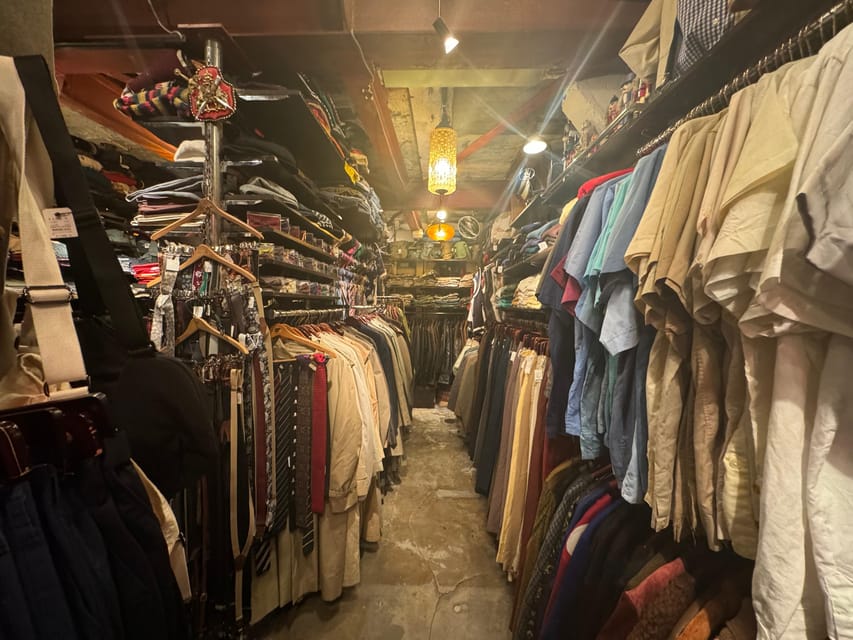
The tour begins at the Odakyu Line East Exit of Shimokitazawa Station. That detail matters. Shimokitazawa has a web of small streets, side lanes, shops, and station exits, so meeting your guide at a fixed point keeps the start simple.
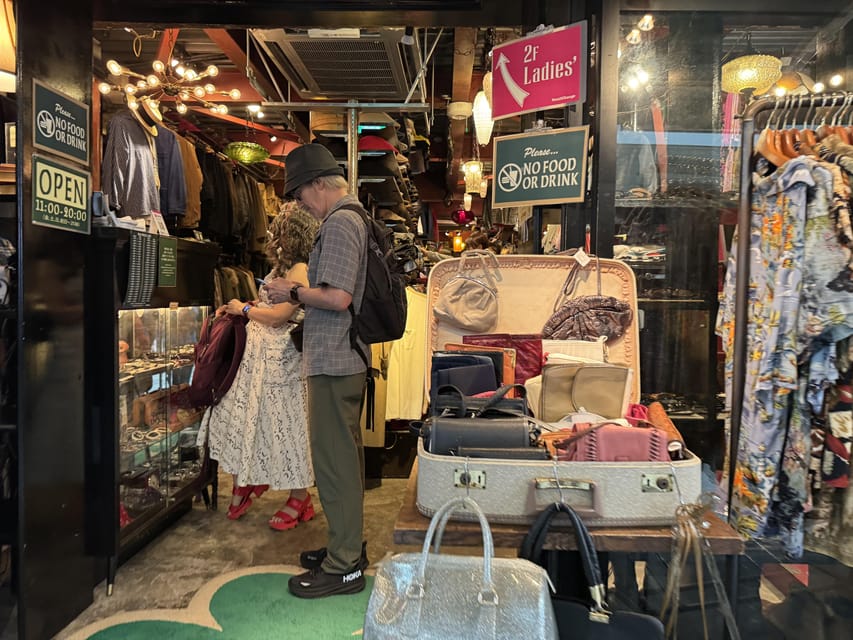
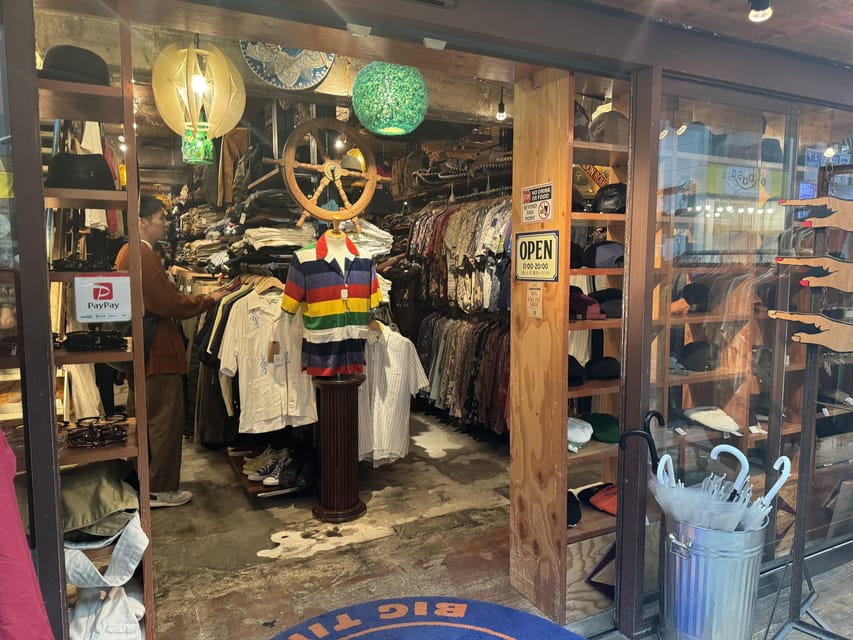
Shimokitazawa is the strongest opening act because it gives you a quick lesson in how Tokyo neighborhoods change. The area grew after the war and later became associated with independent artists, music, theater, and secondhand fashion. You will not just be led from one shop to another. The guide is meant to explain why this district became a home for people working outside the mainstream.
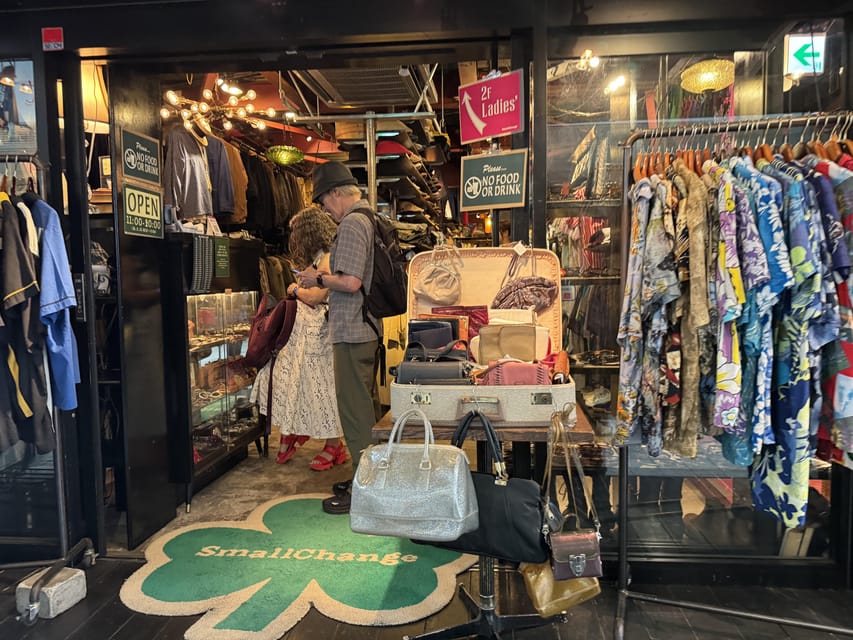
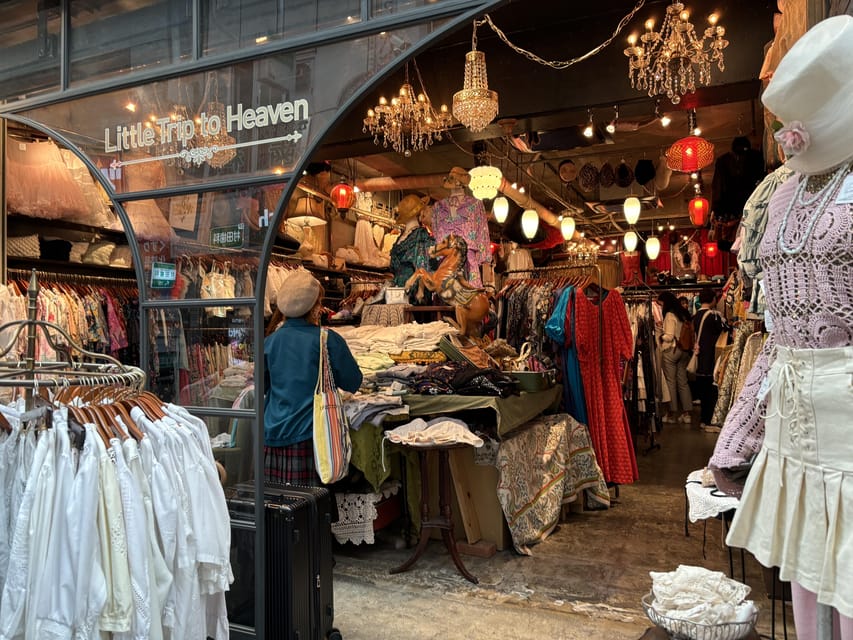
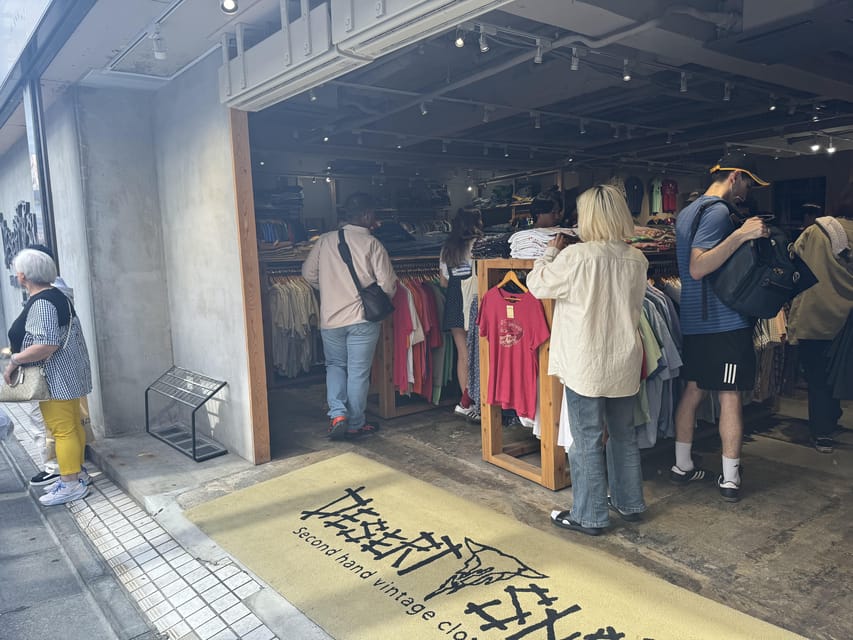
The shopping here centers on Japanese vintage style. You might find clothing, accessories, records, and other secondhand pieces, but the exact selection will depend on the shops open that day and your guide’s route. That uncertainty is part of the fun, though it also means you should not arrive with one exact purchase in mind.
You get about an hour in Shimokitazawa. That is enough time to get a feel for the streets and browse several places, but not enough for a serious shopping expedition. If you are hunting for a particular record, jacket, or collectible, tell the guide early. One useful feature of a private or small-group tour is the chance to adjust the focus.
A few more Tokyo tours and experiences worth a look


Kichijoji and Tokyo’s independent coffee culture
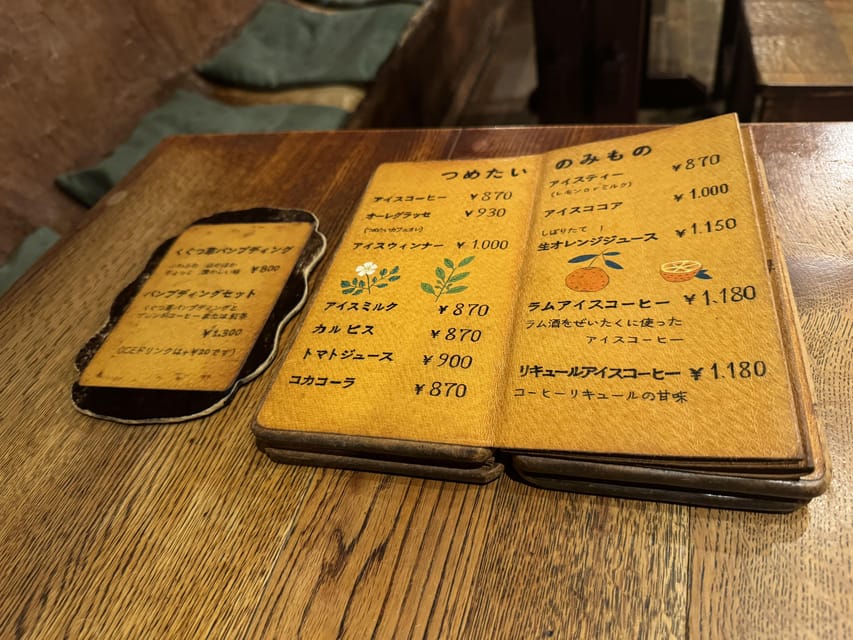
The next stop is Kichijoji, where the mood shifts. Instead of Shimokitazawa’s strong vintage and arts identity, Kichijoji offers a more relaxed subculture scene, independent cafes, and a chance to slow down for a locally roasted coffee.
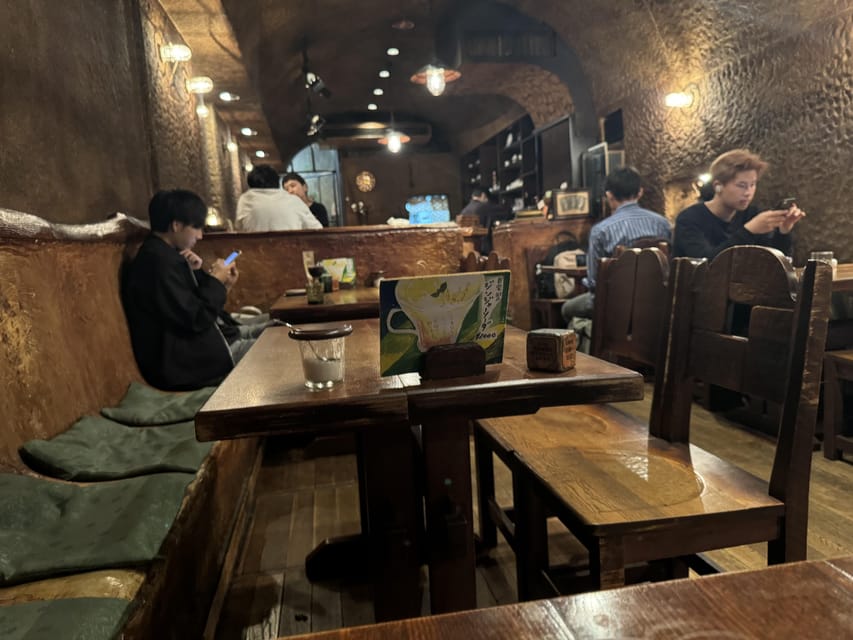
The coffee is included, which is a small but welcome part of the tour. It gives you time to sit, ask questions, and compare Tokyo’s cafe culture with the large chain and convenience-store options you see across the city. The cafe itself is part of the experience, not just a drink break. Your guide can explain how small coffee businesses fit into a neighborhood shaped by changing architecture and the economic bubble era.
You have roughly an hour here for coffee, shopping, and sightseeing. That makes Kichijoji an important balance to the shopping-heavy sections. If you have already spent the morning rushing through major Tokyo sights, a cafe stop can make the whole outing feel more human.
Still, coffee preferences vary. The tour includes coffee at a local cafe, but the available drink choices, seating, and exact shop are not specified. If you need a particular style of coffee or have dietary concerns, ask before booking.
Kichijoji also shows why this tour works better as a neighborhood study than as a simple shopping trip. The guide is connecting architecture, economics, and daily life. You are not only looking at storefronts. You are learning how a district’s earlier development continues to shape its current feel.
Koenji’s indie shops and changing social rules
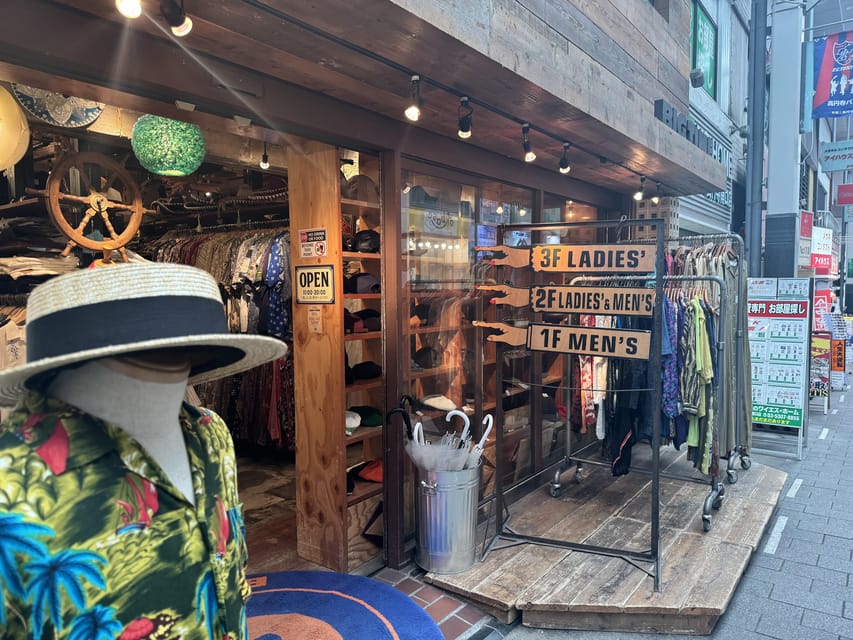
Koenji gets about 40 minutes, making it the shortest shopping stop. The district is known here for creative businesses, indie boutiques, and a style scene that reflects present-day Tokyo rather than the older post-war story of Shimokitazawa.
The route takes you through Koenjikita and its maze-like streets. You may find unusual clothing and small shops that do not fit neatly into the polished department-store version of Tokyo. The point is not simply to buy something. It is to see how young designers, shop owners, and other independent businesses express changing tastes.
The tour also discusses tattoo parlors and the social changes that helped them become more accepted in this district. That is a useful subject because it shows Tokyo as a city in transition. Traditional ideas about appearance and public behavior still matter, but neighborhoods such as Koenji make room for newer forms of personal style.
The time limit is the main issue here. Forty minutes goes quickly, especially if you stop to browse. You will get an introduction to the area rather than a full survey of its shops. If Koenji is your main reason for booking, ask whether the guide can give it extra attention, especially on a private tour.
I would treat this stop as a carefully chosen sample. It helps you understand Tokyo’s current creative side, then leaves you with ideas for a return visit.
Nakano Broadway and the collector’s Tokyo
The final stop is Nakano Broadway, a destination with a very different focus. Here, the subject turns to anime, manga, retro games, vintage cameras, and other pieces of Japanese pop culture.
Nakano Broadway is useful for first-time visitors because it brings many collecting interests into one place. You can browse rows of small shops and compare the different kinds of objects that have become central to Japan’s entertainment culture. Depending on your interests, you might spend more time with anime figures, manga, old cameras, or games.
The guide also connects these collections to the bubble era and its long effect on anime and manga. That context makes the stop more rewarding than simply wandering through shelves of merchandise. You get a clearer sense of how entertainment, nostalgia, collecting, and commerce meet in Tokyo.
You have about 40 minutes here. That is enough to look around and identify what interests you, but it may feel short if you are a serious collector. Prices and personal purchases are not included, so set your own spending limit before you enter. A collector can easily lose track of time and money in a building packed with small specialty shops.
Flash photography is not allowed, and that rule matters in cramped retail spaces. Keep your camera ready for permitted street scenes, but follow shop rules indoors.
What the four-stop route does well
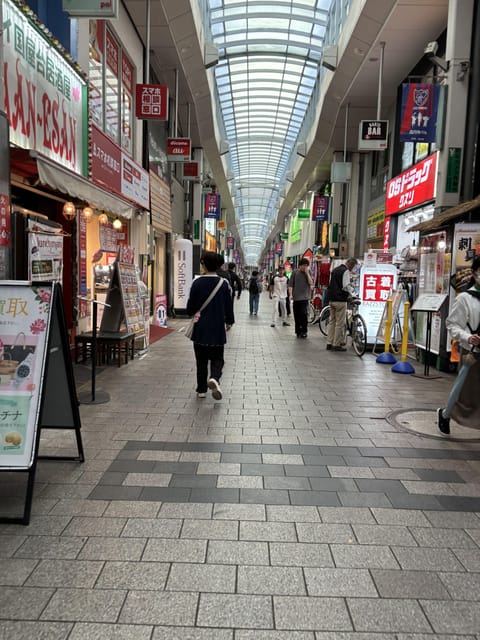
I like the way the route moves through different versions of Tokyo. Shimokitazawa looks at post-war artistic development. Kichijoji focuses on coffee, architecture, and a slower neighborhood rhythm. Koenji turns toward current style and changing social norms. Nakano examines pop culture and collecting.
That sequence gives the tour a useful shape. You start with clothing and records, pause for coffee, see newer creative businesses, then finish with anime and vintage objects. The subjects are connected, but the stops do not blur together.
The guide’s role is especially important. The best parts of this experience are not the existence of vintage shops or anime stores, which you could find on your own. The value is in knowing what you are looking at and why these districts developed differently.
Ryuhki is described as especially personal and open to changes in the route. Hiro is described as warm and personable, with good suggestions for shopping and restaurants. Since the assigned guide may vary, you should confirm who will lead your date if a particular guide matters to you.



Is $83 a fair price?
At $83 per person, this is not a cheap way to wander around Tokyo. You are paying for a guide, public transport during the tour, one coffee, and a planned route through four neighborhoods.
The price makes more sense if you value local context and efficient movement. Tokyo’s rail system is excellent, but changing neighborhoods can still take time and planning. A guide can help you avoid spending half the afternoon figuring out exits, transfers, and which streets are worth your attention.
The value also improves for visitors who want subcultures rather than major landmarks. If your interests include vintage clothing, music, coffee, tattoos, anime, manga, retro games, or cameras, the tour puts several subjects into one compact outing.
It is less worthwhile if you prefer to shop slowly or dislike guided pacing. You will have personal shopping expenses on top of the tour price, and the schedule gives each district a limited window. Independent explorers can visit these neighborhoods on their own for less, but they will need to research the route and provide their own historical context.
Private and small-group formats are available. A private booking may be worth considering if you have a clear interest, such as records or vintage cameras, and want the guide to adjust the balance between stops.
Walking, transit, and practical comfort
You should wear comfortable shoes. The tour involves walking through station areas, shopping streets, side lanes, and retail spaces, with public transport linking the districts. Bring water, sunscreen, and a camera, especially if you are visiting in warm or sunny weather.
This is not a good choice for people with mobility impairments or wheelchair users. The tour includes a fair amount of walking and uses transit, so ask the provider about your specific needs before booking if you have any uncertainty.
Smoking is not allowed during the activity. Flash photography is also prohibited, particularly important in shops and indoor collecting spaces.
The tour is conducted in English. You can cancel up to 24 hours in advance for a full refund, and the reserve-now, pay-later option gives you some flexibility while you organize your Tokyo plans. Starting times vary, so check availability before making the rest of your day’s schedule.
Who will enjoy this tour most?
I would recommend it to a first-time Tokyo visitor who wants a guided introduction to the city’s alternative side. It suits you especially well if you want to combine shopping with social and cultural background rather than spend four hours at conventional attractions.
It is also a good fit for couples or friends with mixed interests. One person can browse vintage clothing, another can enjoy coffee, and someone else can focus on anime, manga, or cameras. The four neighborhoods give everyone at least one likely highlight.
The tour is less suitable for a dedicated shopper who wants hours in one district. It is also not ideal for anyone who needs an easy, low-walking outing. The compact schedule rewards curiosity and flexibility more than careful, item-by-item shopping.
Should you book Tokyo’s Neighborhood Digs?
Book this experience if you want a fast, guided introduction to Tokyo’s subcultures, especially vintage fashion, independent cafes, indie style, and Japanese pop culture. It is a practical way to see four west Tokyo neighborhoods without building the route yourself.
Skip it if you already know these districts well, want to shop at a slow pace, or would rather spend $83 on purchases and explore alone. For everyone else, the combination of transit, coffee, local history, and a flexible English-speaking guide gives the tour solid value, provided you are ready to walk and keep moving.
FAQ
Where does the tour begin?
The meeting point is the East Exit of Shimokitazawa Station on the Odakyu Line.
How long does the experience last?
The tour lasts four hours.
Which neighborhoods are included?
The route includes Shimokitazawa, Kichijoji, Koenji, and Nakano.
Is public transportation included?
Yes. Transit during the tour is included in the price.
Is coffee included?
Yes. Coffee at a local cafe is included.
What language is the tour conducted in?
The live tour guide speaks English.
Is the tour private or shared?
Private and small-group options are available.
What should I bring?
Bring comfortable walking shoes, water, sunscreen, and a camera.
Can I cancel for a refund?
You can cancel up to 24 hours in advance for a full refund.