
Reviewed · SUSHI MAKING CLASSES
Sushi Making Class
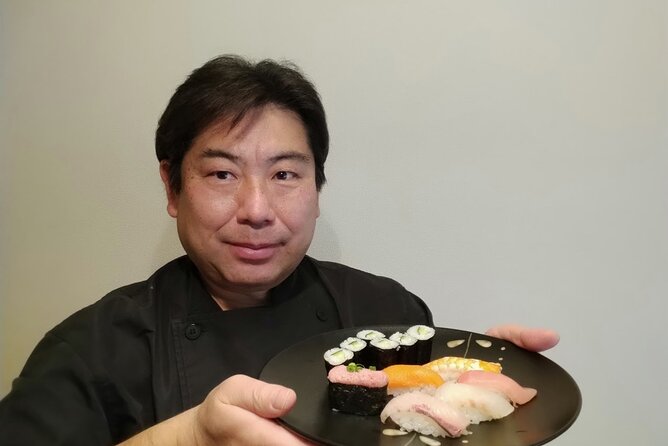
Tokyo gives you plenty of chances to eat sushi, but this small-group class with Chef Ken lets you learn what goes into each piece. A former Hyatt hotel sushi chef with experience in Japan and California, Ken teaches in English and keeps the group to no more than six people.
I like the use of ingredients bought the same day, and I like the range of techniques. You make nigiri, maki, temaki, and gunkan sushi rather than repeating one simple roll. The main consideration is time: 90 minutes goes quickly, and the class requires at least two participants.
In This Review
- Key points at a glance
- What this Shibuya sushi class is really about
- Meeting Chef Ken at the Sakuragaokachō location
- Starting with rice and daily-selected ingredients
- Four sushi styles in one short lesson
- Sake, green tea, and the meal you make yourself
- How much value do you get for $107.26?
- Who will enjoy this class most?
- Practical planning for your Tokyo day
- My call: book it for skills, not just sushi
- FAQ
- Where does the sushi class meet?
- Where does the activity end?
- How long does the sushi-making class last?
- Is the class taught in English?
- How many people can join the class?
- What is the minimum number of participants?
- What types of sushi will you learn to make?
- Are ingredients and equipment included?
- Are sake and green tea included?
- Can you cancel for a full refund?
Key points at a glance
- Chef Ken teaches in English: His experience in Japan, California, hotel restaurants, catering, and sushi classes suits both Japanese and international students.
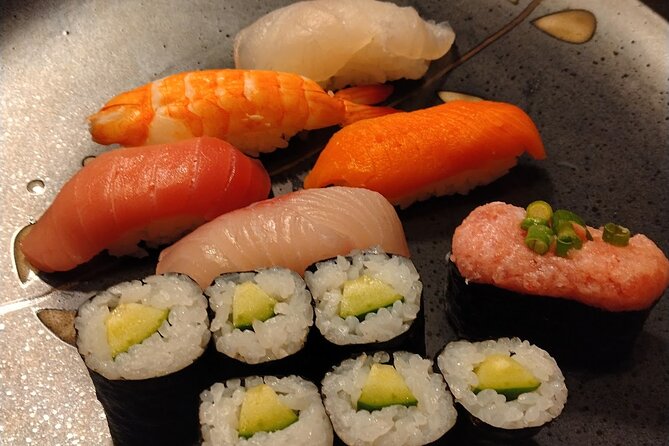
- Four sushi styles: You learn hand-pressed nigiri, rolled maki, hand-rolled temaki, and gunkan, the small seaweed-wrapped style.
- Fresh ingredients bought that day: The class uses carefully selected sushi ingredients purchased by the chef on the day of your lesson.
- Small class size: The maximum is six people, creating a more personal setting than a large cooking workshop.
- Sake and green tea included: These add a taste of Japanese dining culture alongside the hands-on cooking.
- Central Shibuya meeting point: You meet at 15-17 Sakuragaokachō, near public transportation, and finish at the same place.
What this Shibuya sushi class is really about
This is not simply a lunch where someone shows you how to shape a roll. The point is to learn the basic process behind several kinds of sushi, from preparing the rice to handling the fillings and forming the final pieces.
That matters because sushi looks simple only after someone has done the careful work. Rice texture, ingredient preparation, pressure from the hands, and the shape of the seaweed all affect the result. In 90 minutes, you get a useful introduction without giving up most of an afternoon.
The class is taught in English by Chef Ken. His background covers hotel restaurants, sushi classes, and catering in both Japan and California. That mix is useful for an international audience because he understands traditional Japanese sushi and the styles commonly enjoyed outside Japan.
You should expect instruction rather than a formal restaurant performance. You make the food yourself, eat what you prepare, and leave with techniques you can try at home.
A few more Tokyo tours and experiences worth a look

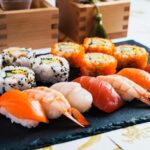
Meeting Chef Ken at the Sakuragaokachō location
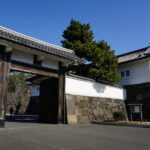
The class begins at 15-17 Sakuragaokachō, Shibuya, Tokyo, and ends at the same meeting point. The location is near public transportation, which makes it practical to fit into a day spent around Shibuya.
The listed operating hours run from noon to 7 p.m., Monday through Sunday, for the stated booking period. Since the class lasts about an hour and a half, a midday or afternoon session can work well before dinner plans.
Give yourself enough time to find the meeting point. Shibuya can be confusing when you are rushing, especially if you are coming from a large station. Your mobile ticket is convenient, but it does not remove the need to check the exact meeting details before setting out.
The return to the same location is helpful. You do not need to arrange a second pickup point after eating your sushi, and you can continue sightseeing in Shibuya afterward.
Starting with rice and daily-selected ingredients
The class begins with the building blocks of sushi. You learn how to make sushi rice and how to prepare the ingredients before assembling anything.
The quality of the ingredients is a central part of the experience. Chef Ken buys the sushi ingredients on the day of the class and selects them carefully. That does not mean the menu is fixed in advance, so you should be ready for the day’s available ingredients rather than expecting a particular fish.
This approach has two benefits. First, the food is intended to be fresh for your lesson. Second, you get a closer look at how a sushi chef works with what is available instead of following a rigid classroom recipe.
All equipment and ingredients are included. You do not need to bring cooking tools, food, or special supplies. That makes the class easy to add to a Tokyo itinerary, especially if you are packing lightly.
The instruction also gives you practical information for home cooking. You learn the process of handling sushi ingredients, not just how to decorate a finished plate. The details you take away will depend on the pace of your class and the questions you ask, but the structure is designed to give you a working introduction.
Four sushi styles in one short lesson
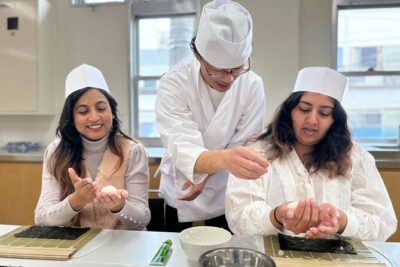
The best feature of the class is its range. You work with four different sushi forms, each requiring a different hand motion and shape.
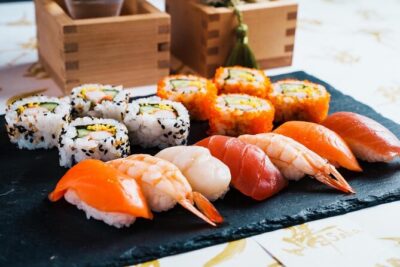
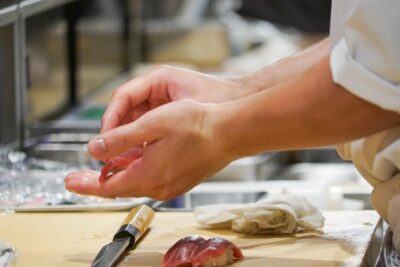
Nigiri is hand-pressed sushi. You work with rice and a topping, learning how to form the rice without crushing it. This is the style many people picture when they think of sushi, but the right amount of pressure is not as obvious as it looks.
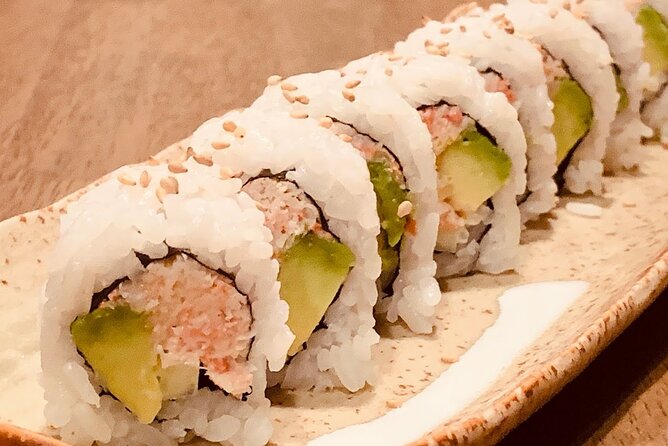
Maki sushi is rolled sushi. You place ingredients on rice and use seaweed to create a cylinder that can be cut into pieces. It is familiar to many people outside Japan, so it gives you a useful starting point while still requiring care with filling and rolling.
Temaki is hand-roll sushi. Instead of making a long roll and slicing it, you shape the seaweed into a cone and fill it by hand. This format is more relaxed and practical for a home gathering.
Gunkan is the battleship style, with rice wrapped in seaweed and a topping held above the rice. Its shape makes it different from both nigiri and rolled sushi, and it adds another useful technique to the lesson.
Learning all four styles makes the class feel more substantial than a single-roll workshop. It also helps you see that sushi is not one technique. Each style changes how you handle the rice, seaweed, and filling.
The tradeoff is that four styles in 90 minutes leaves little room for a slow, highly detailed lesson on each one. You will get a broad introduction rather than a full professional training session.
Sake, green tea, and the meal you make yourself
Sake and green tea add a small cultural element to the class. Green tea gives you a familiar nonalcoholic option, while sake connects the cooking lesson with the way sushi is often enjoyed in Japan.
The food itself is part of the appeal. You prepare lunch and then eat what you have made, so the class serves as both instruction and a meal. One particularly good detail is that the class is described as personal rather than commercial, which fits the limited group size and the direct teaching format.
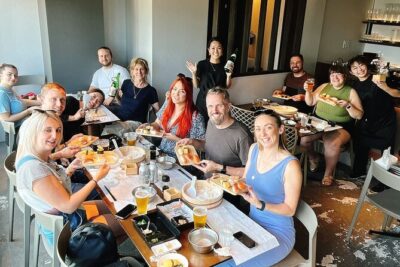
The small group maximum is six people. That is large enough to provide a little social energy but small enough that the class should not feel like a stage demonstration. With only two people, the minimum required, it can feel close to a private lesson. The final group size depends on the booking date.
If you are hoping for a long tasting menu or a leisurely restaurant lunch, this is not that kind of experience. The meal is tied to the work you do during class, and the time is built around learning several preparations.
A few more Tokyo tours and experiences worth a look

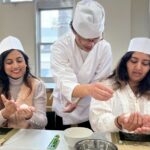
How much value do you get for $107.26?
At $107.26 per person, this is not the cheapest way to eat sushi in Tokyo. You can buy sushi for less, and a restaurant meal will not require you to spend time learning rice preparation or rolling technique.
The price makes more sense if you value instruction, fresh ingredients, and a small group. You are paying for a chef-led lesson, all equipment, all ingredients, four sushi styles, and the meal you prepare. Sake and green tea are also part of the experience.
Chef Ken’s professional background strengthens the value. He has worked in a former Hyatt hotel sushi operation, taught sushi-making classes, and provided catering. His experience with Japanese and foreign customers is especially relevant if you want clear English instruction.
I would compare this class with the cost of a meal plus a cooking activity, not with the price of a basic sushi lunch. If you only want to eat sushi, choose a restaurant. If you want to understand how the pieces are made and try the techniques yourself, the cost is easier to justify.
The short duration also affects the calculation. A 90-minute class leaves room for other plans, but it limits the amount of individual coaching and background you can receive. The class is a compact introduction, not an all-day culinary program.
Who will enjoy this class most?
This is a good choice for first-time sushi makers who want direct instruction in English. You do not need to bring equipment, and the class covers the main forms most people want to learn.
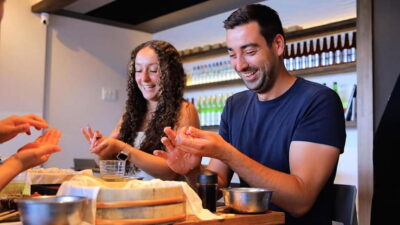
It also suits couples, families, and small groups of friends. The minimum is two participants, and the maximum is six. A family can work together, and the personal format may make it easier to ask questions or get help with shaping the sushi.
Food lovers who already know the basics may still enjoy the comparison between traditional sushi and creative sushi. Chef Ken teaches styles loved in Japan and around the world, so the class is not limited to one narrow approach.
I would think twice if you dislike hands-on activities, have very little time, or want a specific fish guaranteed. The ingredients are selected daily, which is good for freshness but means the exact selection is not stated in advance.
You should also plan around the fixed meeting point. This is a class in Shibuya, not a hotel pickup experience, and the activity ends where it starts.
Practical planning for your Tokyo day
Book ahead if your schedule is tight. The experience is booked about 10 days in advance on average, and confirmation is sent within 48 hours, subject to availability.
Free cancellation is available when you cancel at least 24 hours before the start time. Cancellations or changes made less than 24 hours ahead are not accepted for a refund, with cut-off times based on Tokyo local time.
The mobile ticket is useful for keeping your booking details on your phone. Still, I would check the meeting point and start time before leaving your hotel, then allow extra time for the journey through Shibuya.
Because the class runs every day during the listed operating period, you have good flexibility. The available start times fall between noon and 7 p.m., but the exact session you book determines your schedule.
There are only three published ratings, all at five out of five, so the score is encouraging but based on a small number of ratings. The detailed feedback points to the personal teaching style, fresh and tasty ingredients, clear English, and the chance to make four styles.
My call: book it for skills, not just sushi
I would book this class if you want more than a meal. Chef Ken’s English instruction, same-day ingredients, small group size, and four different sushi forms give you a practical taste of sushi-making without taking over your day.
The strongest reason to choose it is the combination of personal teaching and variety. You learn enough styles to make a home party more interesting, and you may leave ready to try your own sushi later.
I would skip it if your main goal is simply to eat excellent sushi at the lowest price, or if you need a guaranteed menu. For everyone else, especially couples and families seeking a hands-on Tokyo activity, the $107.26 price is reasonable for a meal and a lesson in one.
FAQ
Where does the sushi class meet?
The class meets at 15-17 Sakuragaokachō, Shibuya, Tokyo 150-0031, Japan.
Where does the activity end?
The class ends back at the meeting point.
How long does the sushi-making class last?
The class lasts approximately 1 hour and 30 minutes.
Is the class taught in English?
Yes. Chef Ken teaches the class in English and has experience working with Japanese and foreign customers.
How many people can join the class?
The activity has a maximum of six participants.
What is the minimum number of participants?
At least two participants are required.
What types of sushi will you learn to make?
You will learn nigiri, maki sushi, temaki, and gunkan.
Are ingredients and equipment included?
Yes. All equipment and ingredients are included, so you do not need to bring anything for the class.
Are sake and green tea included?
The experience includes Japanese sake and green tea alongside the sushi lesson.
Can you cancel for a full refund?
Yes. You can cancel for a full refund if you cancel at least 24 hours before the experience starts. Changes or cancellations made less than 24 hours before the start time are not accepted for a refund.
More Workshops & Classes in Tokyo
More Sushi Making Classes in Tokyo
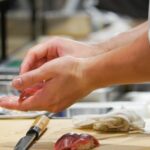
More tours in Tokyo we've reviewed






Sushi Making Classes, compared.
 ★ 5.0Sushi Making Tokyo Roll and Authentic Japanese Sushi ClassFrom $59
 ★ 4.9Tokyo: Roll and Authentic Sushi Making Class in AsakusaFrom $581h 40m
 ★ 5.0Make Sushi and Create Unforgettable Memories in TokyoFrom $79
 ★ 4.9Tokyo: Sushi Making Class in a Happi Coat near a Famous SpotFrom $421h 30m
 ★ 5.0Tokyo Sushi Making Class in Tsukiji with Professional ChefFrom $49
 ★ 5.0Tokyo Night Foodie Tour in Shinjuku – Seasonal Sushi, Wagyu BeefFrom $111