
Reviewed · KAMAKURA & ENOSHIMA DAY TRIPS
Kamakura Private & Customizable Tour – All-in-One Experience
Kamakura is much easier to enjoy when someone helps you connect the dots between its temples, shrines, shopping streets, train lines, and quiet corners. This private tour lets you shape the day around what matters to you, from the Great Buddha and Hasedera to nature walks, food stops, or less-visited spiritual sites. Guides such as Deen, Marco, Sofia, and Lauren have led families, solo visitors, and fast-moving sightseers through the city.
I like the pre-tour planning session and the freedom to choose a two-hour sampler or an eight-hour day. I also like that the guide can adjust the pace on the spot, help with public transportation, suggest food, and offer photos when available. The catch is that $51 per person does not include trains, buses, or temple entrance fees, and Kamakura’s hills, stairs, and uneven paths make this a poor fit for anyone with limited mobility.
In This Review
- Key points to know
- Why a custom Kamakura day makes sense
- Planning the route before you arrive
- A two to three-hour essentials visit
- A longer day with temples, nature, and Enoshima
- What the guides add at temples and shrines
- Public transportation and walking are part of the day
- Families, children, and different walking speeds
- Food advice, photos, and practical help
- Is $51 per person good value?
- Who should book this private Kamakura tour?
- Should you book it?
- FAQ
- How long does the Kamakura tour last?
- Is the tour private?
- Can I customize the itinerary?
- Is hotel pickup available?
- Are transportation and entrance tickets included?
- Can children join the tour?
Key points to know
- Your itinerary is built around your interests: Choose temples, shrines, gardens, nature, food, local life, or quieter spiritual places.
- The guide meets you at your pace: A short essentials visit can work in about three hours, while a full day allows time for Enoshima or more distant sights.
- Public transportation is part of the experience: Private cars and buses are not included, so you should expect to use trains, buses, or local walking routes.
- Families receive thoughtful support: Children under 12 join free, and guides can keep younger children engaged while adults take in the sights.
- The pre-tour email matters: Your guide confirms start-time choices, pickup details, suggested stops, and a draft plan after booking.
- Plan for extra costs: Bring cash for entrance fees and transport, since neither is included in the base price.
Why a custom Kamakura day makes sense
Kamakura rewards curiosity, but it can also scatter your attention. One major temple may be several train stops or a long walk from another, and a first-time visit does not always make clear which places fit together naturally.
This tour gives you a local partner who can shape the route before you arrive and adjust it once the day begins. You do not have to commit to a fixed sightseeing list. You can ask for major landmarks, a calmer route, more time in nature, a focus on Buddhism and Shinto, or a mix that works for your family.
The strongest reason to book is control. A solo visitor who likes to move fast can cover a lot in a short visit. A family with a ten-year-old can slow down, pause for food, and avoid turning the day into a march. A couple interested in religion can ask for more context at each site rather than collecting photos and moving on.
The tour operates between 9:00 AM and 6:00 PM Japan time. The 9:00 AM option shown during booking may only be a placeholder, so wait for the guide to confirm your real start time.
A few more Tokyo tours and experiences worth a look
Planning the route before you arrive
After booking, you receive a general confirmation email within 72 hours. Your assigned guide then follows up with possible start times, an itinerary based on your interests, destinations to consider, and pickup information if you add that option.
Use this exchange well. Tell the guide how long you have, how quickly your group walks, what you have already seen in Japan, and what you want to avoid. If you have food restrictions, children, luggage, or a firm train departure, say so before the route is set.
You can also book a pre-tour online consultation if you want help before confirming the tour or need advice on how to use your time. That is useful for first-time visitors who know they want to see Kamakura but cannot decide between famous temples, coastal scenery, and Enoshima.
The planning stage is not just paperwork. It is where you decide if this will be a quick introduction or a fuller day with room for conversation and unplanned stops.
A two to three-hour essentials visit
A short booking works best if you want the main Kamakura sights without trying to cover the entire area. A likely focus is the central temple and shrine district, with time for one or two major stops and the connections between them.
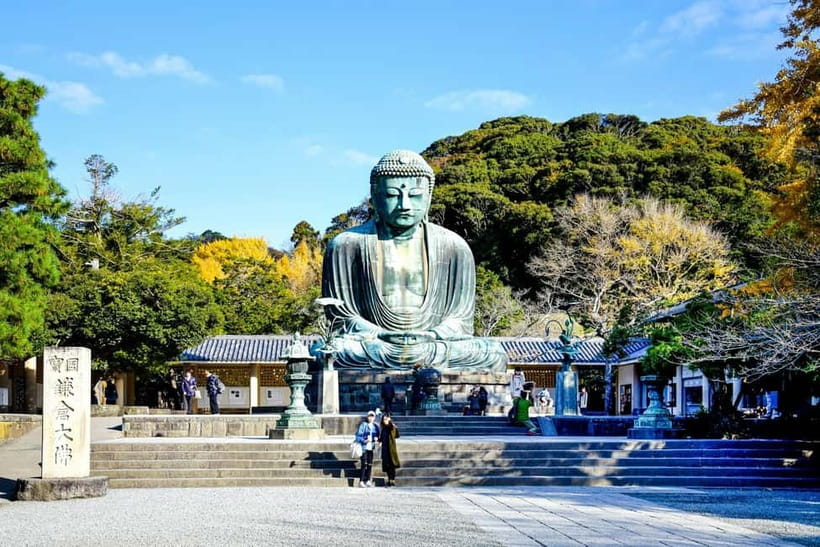
The Great Buddha at Kotoku-in is an obvious choice for a first visit. The immense seated figure gives you an immediate sense of Kamakura’s religious importance, and it is one of the city’s most recognizable sights. The drawback is simple: it is popular, so a short visit here can use a large share of your allotted time.
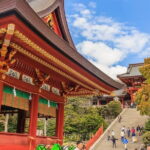
Hasedera is another strong choice. Its temple grounds combine religious buildings with elevated views and garden areas, making it more varied than a single monument stop. You should expect stairs and slopes, so ask the guide to consider your walking ability when planning the order.
Tsurugaoka Hachimangu, often called Hachimangu, gives the day a different feel. It is a major Shinto shrine with broad approaches and a strong connection to Kamakura’s political and religious past. It pairs well with the Buddhist sites because your guide can explain the differences between the two traditions as you move through the city.
A three-hour plan cannot give every place the time it deserves. I would choose two major stops and leave enough room for transport, questions, and a snack rather than cramming in five names.
A longer day with temples, nature, and Enoshima
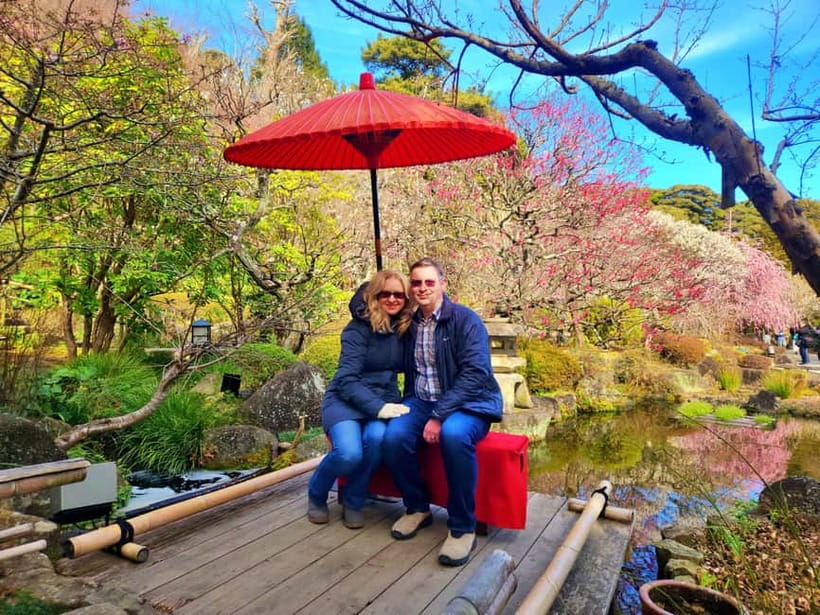
With six to eight hours, the tour can stretch beyond the basic central route. You might visit Kotoku-in, Hasedera, and Hachimangu, then continue toward Enoshima if that matches your interests and available time.
Enoshima changes the rhythm of the day. It adds island scenery, views, shrines, and a more open coastal setting, but it also requires extra travel and walking. Do not add it simply because it is nearby on a map. Ask your guide how much time it will take from your starting point and decide if you would rather see more of Kamakura itself.
A long day is also the right format for nature and quieter sites. The company offers suggested routes that can focus on peaceful outdoor areas, traditional culture, or spiritual places away from the busiest sights. Since the exact route is agreed after booking, you should state clearly if you want less time at famous landmarks and more time in calm surroundings.
Longer does not automatically mean better. Kamakura involves walking, stairs, station changes, and repeated standing. A well-paced five-hour plan may feel better than an exhausting eight-hour schedule. The guide can help decide where to cut the route if the day begins to feel too full.
What the guides add at temples and shrines
A good guide does more than identify a gate or statue. The value here comes from explanation: how a place is used, what customs you should follow, why a shrine differs from a temple, and how the site fits into Japanese culture.
Deen is especially associated with broad cultural explanations and conversations that can range from religion and history to present-day life in Japan. Marco is also described as strong on the traditions and religious meaning behind the places visited. Sofia has worked well with visitors who prefer a faster pace, while Lauren has helped shape a route around food restrictions and family needs.
Guide assignments can vary, so you should not book solely on the expectation of one specific person. Still, the range of guide styles is encouraging. You can ask for a slower or faster pace, more detail, fewer lectures, more family interaction, or extra help with local customs.
This is a private group, so you are not sharing the guide’s attention with strangers. That matters at religious sites, where you may want to ask a basic question without holding up a larger group. It also lets the guide change the explanation for children, teenagers, or adults with a strong interest in Japanese religion.
Other private tours in Tokyo


Public transportation and walking are part of the day
Private transport is not included. Neither are public transportation fares, so the $51 price covers the guiding and planning service, not every cost once you begin moving around.
That may sound like a limitation, but local trains and buses can make the day feel more connected to ordinary Kamakura life. A guide can help you navigate stations, select the right platform, and keep the route moving. One guide even helped a visitor manage luggage storage and reach the correct platform at Yokohama for a train to Haneda Airport.
You should still budget for fares and bring cash. Do not assume the guide will cover your tickets or entrance fees. The same applies to temple admission, with at least one visitor misunderstanding and expecting two temple tickets to be part of the tour price.
Walking is central to the experience. Comfortable shoes are essential, and low fitness or mobility limits may make the route unpleasant. The tour is not suitable for wheelchair users, and the hills and stairs at places such as Hasedera require honest planning.
Optional hotel or location pickup is available on foot in the Tokyo, Yokohama, and Kamakura areas. Confirm the exact meeting point and timing in the guide’s follow-up email.
Families, children, and different walking speeds
Children under 12 join free, but you must include them in the booking. That is a useful saving for families, especially if you want a private guide who can keep the day flexible.
The private format is helpful with younger children. You can stop when a child needs a break, shift the order of the sights, or shorten a temple visit without worrying about a group schedule. Deen has been particularly effective with children, sometimes entertaining them while adults take in the surroundings.
Teenagers can also benefit from the flexible approach. A guide who connects temple history with modern Japanese culture, food, games, or daily life has more tools than a standard lecture. If your children tire easily, avoid promising an eight-hour sightseeing marathon. Tell the guide their ages and interests and let the route reflect that.
Families should also think about food. The guide can suggest restaurants, and Lauren helped one group find a place that could handle food restrictions. That does not replace checking the restaurant yourself, but it gives you a local starting point.
Food advice, photos, and practical help
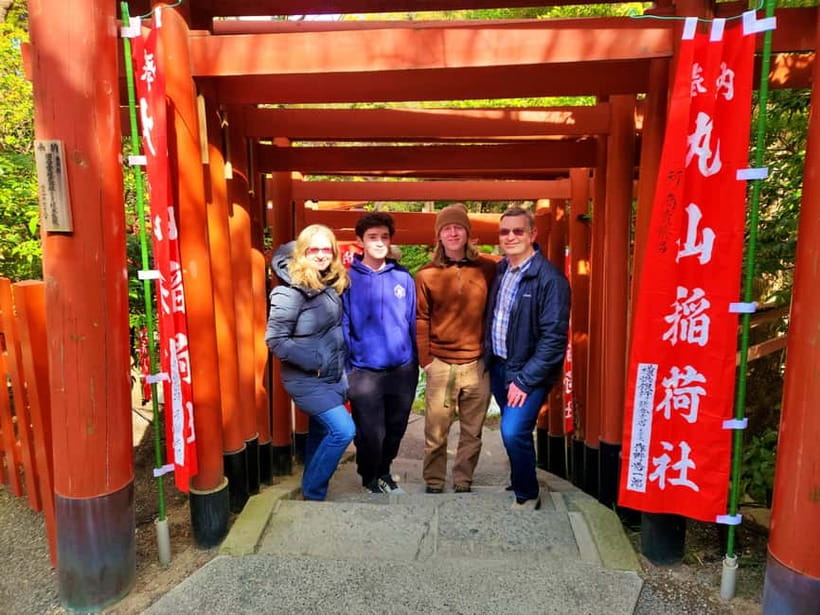
Food is not included, but local recommendations are part of the useful informal guidance you can receive. Several guides have suggested places to eat, and the itinerary can be adjusted around a restaurant you already want to try.
Ask about lunch during the planning exchange if your group has allergies, dietary rules, or a strong preference for a particular style of meal. A guide may be able to fit your choice into the route, but you remain responsible for confirming what a restaurant can provide.
Photos may be taken by the guide when available. This is especially valuable for solo visitors and parents who usually end up behind the camera. An additional photography session may be available as an add-on, but you should confirm the option and cost before booking.
Do not treat photos as guaranteed professional coverage unless the guide confirms it. Think of them as a welcome bonus that can capture the people in your group as well as the places you visit.
The guide can also offer suggestions after the tour. If you are staying in Yokohama or continuing through the region, ask for food and sightseeing ideas before saying goodbye. That kind of local advice can help you use the rest of your trip more wisely.
Is $51 per person good value?
At $51 per person, the tour is reasonably priced for a private English-language service, particularly if your group includes several people and you make good use of the planning. The cost buys personal attention, not admission or transport, so compare it with the price of a group tour plus the inconvenience of following someone else’s schedule.
For one person, the per-person rate is less of a bargain than it is for a couple or family. Still, solo visitors gain something important: help with transport, a companion for the day, cultural context, and the chance to have photos taken.
Children under 12 join at no charge when included in the booking, which improves the value for families. The best use of the money is a route that solves a real problem, such as limited time, uncertainty about temple customs, difficulty planning train connections, or different walking speeds within your group.
Remember the add-ons. You pay separately for public transportation, private transport if you arrange it, and entrance tickets. Bring cash, and keep some room in your budget for food.
Free cancellation is available up to 24 hours before the tour for a full refund, and you can reserve now and pay later. Those terms help if your Japan schedule is still changing.
Who should book this private Kamakura tour?
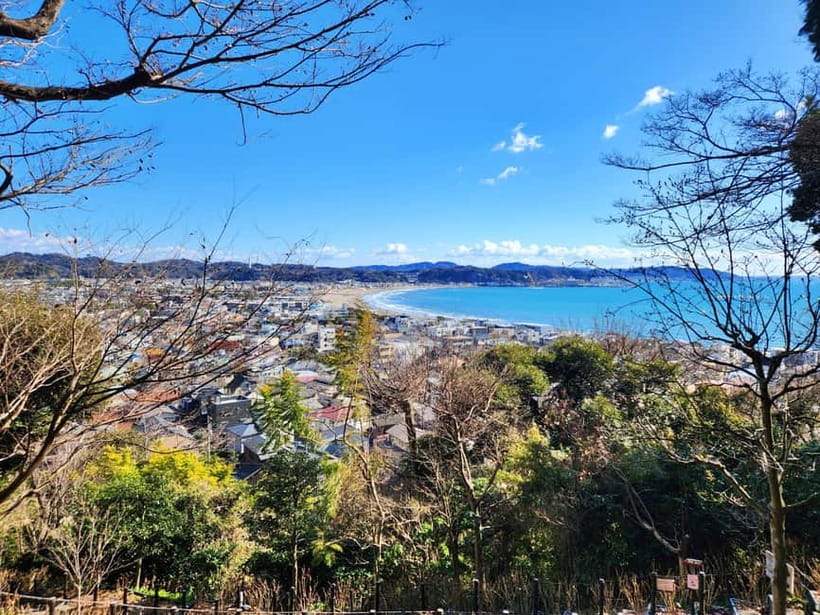
I would choose this tour if you want Kamakura to fit your interests instead of following a standard checklist. It is especially well suited to:
- Solo visitors who want company, photos, and help with trains.
- Couples who prefer a relaxed private route.
- Families with children or teenagers.
- Visitors interested in Buddhism, Shinto, customs, and local life.
- People with only two to three hours who need to use every minute well.
- Repeat visitors who want quieter places or a different angle on Kamakura.
I would hesitate if you want a fully transport-inclusive package, guaranteed access to one named guide, a completely fixed schedule, or a route with no hills and stairs. The experience depends on walking and public transportation, and the final plan takes shape through communication with your assigned guide.
Should you book it?
Book this tour if you value flexibility more than a rock-bottom price. The strongest feature is not simply seeing Kotoku-in, Hasedera, or Hachimangu. It is having someone adjust the day around your pace, explain what you are seeing, and help you make sensible choices when Kamakura offers more options than your schedule can handle.
For a short visit, request an essentials route and name your top two sights. For a full day, decide in advance if you want Enoshima, nature, food, or quieter religious sites. Send clear information about children, mobility, food, luggage, and train deadlines.
I would skip it only if you prefer exploring entirely alone and are comfortable arranging every train, ticket, route, and cultural question yourself. For most visitors who want a personal introduction to Kamakura without a rigid group timetable, this is a practical and personable choice.
FAQ
How long does the Kamakura tour last?
You can book the experience for between 2 and 8 hours. The right length depends on how many sights you want, your walking pace, and whether you add places such as Enoshima.
Is the tour private?
Yes. The experience is arranged for a private group with a live English-speaking guide.
Can I customize the itinerary?
Yes. You receive a proposed itinerary and suggested destinations, then can adjust the plan around your interests. The guide can also make changes during the tour.
Is hotel pickup available?
Optional walking pickup is available from locations in the Tokyo, Yokohama, and Kamakura areas. Confirm the exact pickup details with your guide after booking.
Are transportation and entrance tickets included?
No. Private transport, public transportation, and entrance tickets are not included in the base price. Bring cash for these costs.
Can children join the tour?
Children under 12 join free, but you must include them in the booking. The tour is not suitable for wheelchair users or people with a low level of fitness.
More Private Tours in Tokyo
More Kamakura & Enoshima Day Trips in Tokyo
More tours in Tokyo we've reviewed





Kamakura & Enoshima Day Trips, compared.
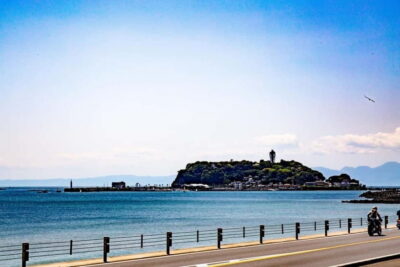 ★ 4.5Tokyo: Kamakura & Enoshima Day Trip including Temple TicketsFrom $589 hours - 570 minutes
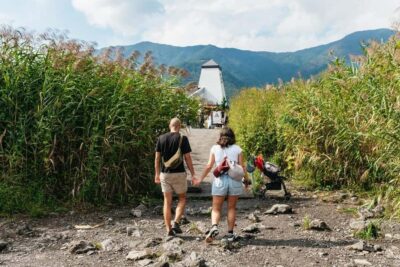 ★ 4.5Tokyo: Mt. Fuji, Kamakura, Big Buddha, & Lake Ashi Day TripFrom $4910 - 11 hours
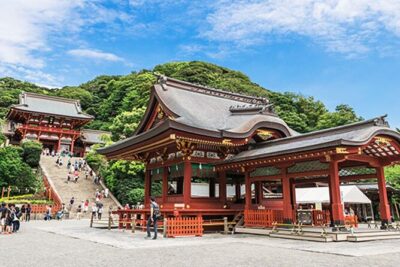 ★ 4.5From Tokyo: Kamakura & Enoshima 1-Day Bus TourFrom $66
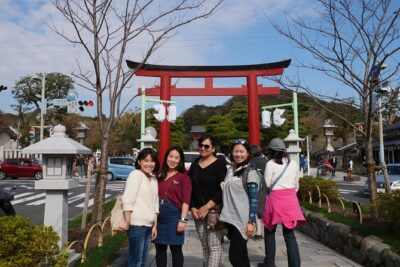 ★ 5.0Kamakura Historical Walking Tour with the Great BuddhaFrom $98
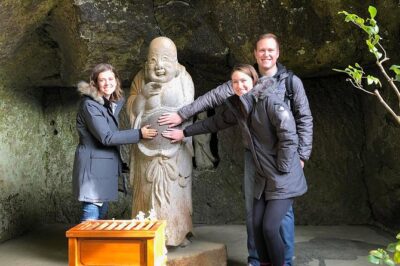 ★ 5.0Kamakura Private Tour: Temples, Nature, and the Great BuddhaFrom $98
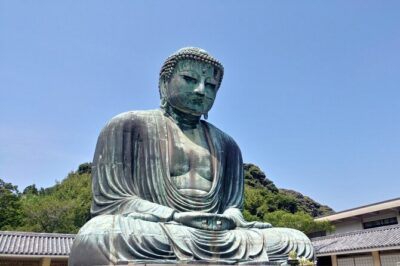 ★ 5.0Kamakura Walking Tour – The City of ShogunFrom $35