
Reviewed · GUIDED
Tokyo 6hr Private Tour with Government-Licensed Guide
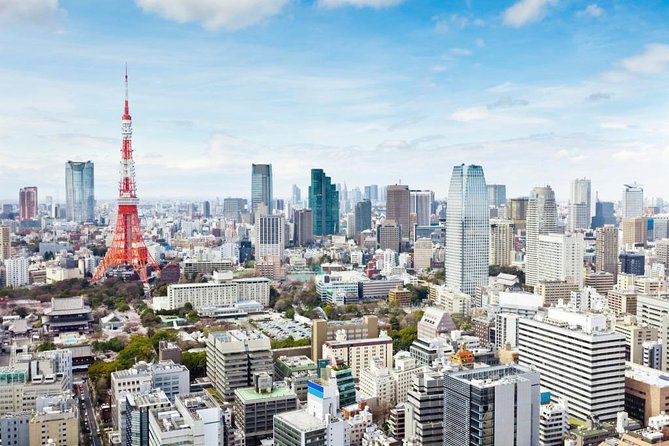
Tokyo is easiest to understand one neighborhood at a time, and this private six-hour tour lets you choose which pieces matter most. Your licensed English-speaking guide handles the route, explains what you are seeing, and helps you use Tokyo’s famously complex rail system.
I like the freedom to mix places such as Asakusa, Meiji Shrine, Shibuya, and Tsukiji instead of following a fixed bus route. I also like the practical help: guides such as An, Taichi, Sho, Koba, and Toshiro have helped visitors find restaurants, buy train tickets, learn shrine customs, and get around on their own afterward.
The main tradeoff is distance. Tokyo is enormous, so subway rides and station changes can eat into your six hours. The tour covers three or four sites, not every stop on the long suggested list, and meals, train fares, and entrance fees cost extra.
In This Review
- Key points to know before booking
- Why a private guide helps in giant Tokyo
- A practical six-hour route
- Asakusa and Senso-ji: Tokyo’s old downtown
- Imperial Palace: history with an important limit
- Shinjuku Gyoen: a quiet break from the city
- Shibuya Crossing and Harajuku: Tokyo in motion
- Meiji Shrine and Yoyogi Park: customs and calm
- Tsukiji: food, browsing, and extra spending
- Akihabara: electronics, anime, and a specialized interest
- Tokyo’s gardens: choose one, not all
- Ueno, Nezu, and Shibamata: quieter choices
- Odaiba, Tokyo Tower, and Gotokuji
- How much walking and subway time to expect
- Price, inclusions, and the real value
- Who will get the most from this tour
- Booking advice and final verdict
- FAQ
- How long is the Tokyo private tour?
- Is the tour private?
- How many sights can I visit?
- Is transportation included?
- Is hotel pickup available?
- Are meals and entrance fees included?
- Can I enter the Imperial Palace or visit the Tokyo Tower top deck?
Key points to know before booking
- Choose three or four sights: The long list is a menu of possibilities, not a promise to visit all 20 stops.
- Expect walking and trains: There is no private vehicle, and pickup means meeting your guide on foot within a designated Tokyo area.
- Best for a first Tokyo day: Your guide can explain shrine manners, public transport, neighborhood history, and useful local customs.
- Old Tokyo meets new Tokyo: Pair Asakusa or Nezu with Shibuya, Harajuku, Akihabara, or Shinjuku.
- Budget beyond the tour price: At $155.86 per person, you still pay for transportation, lunch, personal purchases, and some admission fees.
- Private means flexible: Only your group takes part, so the pace and interests can be adjusted within the six-hour limit.
Why a private guide helps in giant Tokyo
Tokyo can feel less like one city than a chain of separate worlds. A short ride can take you from temple lanes and wooden shopfronts to neon towers, fashion streets, or a seafood market. That variety is exciting, but it also makes poor planning costly in time.
This tour gives you a local guide to connect the pieces. The guide does not simply point out a station and disappear. The strongest accounts describe help with subway navigation, train tickets, shrine rituals, restaurant choices, historical background, and the meaning behind places that can otherwise look like attractive scenery without much context.
You can also shape the day around your group. A family with children might choose Asakusa, Shibuya, Harajuku, and a park. A repeat visitor could focus on Nezu, Shibamata, Gotokuji, and one garden. A first-time visitor might combine the Imperial Palace area, Meiji Shrine, Shibuya Crossing, and Tsukiji.
At the same time, private does not mean door-to-door transport. You meet the guide on foot, walk between nearby sights, and use public transport for longer jumps. Have yen or a usable transit card ready. One especially useful outcome is learning the rail system well enough to travel independently for the rest of your stay.
Other guided tours in Tokyo


A practical six-hour route
The experience is described as a customizable walking tour of three or four sites from the suggested choices. The stops below are possibilities, not a realistic six-hour checklist. Tokyo’s size makes that distinction important.
A good guide should group nearby areas instead of sending you across the city after every stop. If you want several far-flung districts, ask how much time will be spent moving between them before the tour begins.
Asakusa and Senso-ji: Tokyo’s old downtown
Asakusa is the natural choice if you want an early look at Tokyo’s older character. It is the center of the city’s shitamachi, or low city, where the feel of earlier decades survives in temple grounds, traditional shops, and crowded approach streets.
Senso-ji is Asakusa’s main draw. It is a colorful Buddhist temple with a long history and a famous setting, and admission is free. Your guide can explain how to behave at the temple, a detail that matters more than simply taking a photograph. One guide even supplied coins and demonstrated what to do at shrines and temples.
Allow time for the approach to Senso-ji rather than treating it as a quick photo stop. The area also works well with Ueno Park, the Tokyo National Museum, or nearby old neighborhoods, but you will need to keep the route compact.
Imperial Palace: history with an important limit
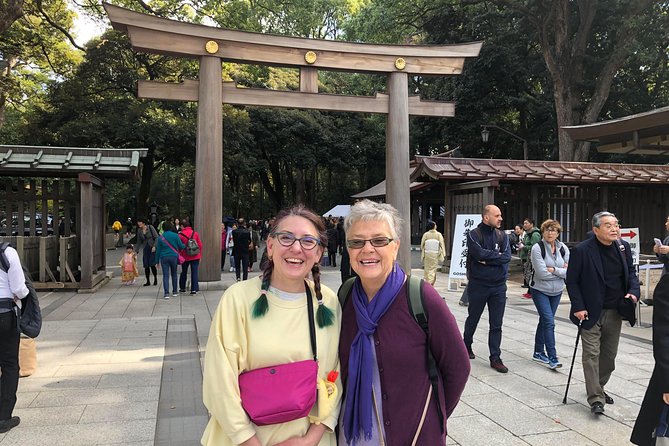
The Imperial Palace occupies the former site of Edo Castle, with broad grounds, moats, and large stone walls. Even a short visit helps explain how Tokyo developed from the seat of the Tokugawa shoguns into Japan’s modern capital.
Be clear about the access included. This tour does not provide entry inside the Imperial Palace. The visit focuses on the surrounding grounds and exterior areas. If you want a garden visit, ask about the Imperial Palace East Garden, since specific access and opening conditions can affect the plan.
The palace area is a useful half-hour stop when paired with another central Tokyo neighborhood. It is not the best single choice if you want a long, detailed visit to a museum or garden.
Shinjuku Gyoen: a quiet break from the city
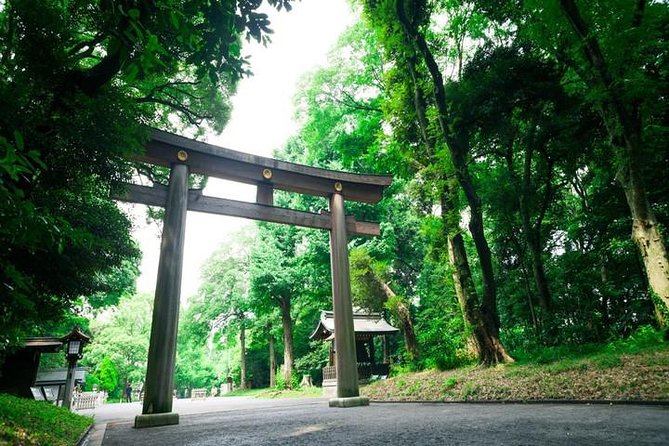
Shinjuku Gyoen offers lawns, walking paths, and calm scenery a short walk from Shinjuku Station. It gives your day a welcome change of pace after crowded streets and train platforms.
The garden requires an admission fee, and the suggested timing is brief. Five minutes is not enough for a proper visit, so tell your guide if this is a priority. A longer stop makes sense for anyone who wants greenery, seasonal flowers, or a quiet place to pause.
Shinjuku Gyoen pairs naturally with Shinjuku’s urban side. You might continue to Golden Gai, where small eating and drinking establishments occupy a compact area with roots in the postwar black market era. The suggested visit there is also short, so choose it for atmosphere and explanation rather than an extended evening.
Other private tours in Tokyo


Shibuya Crossing and Harajuku: Tokyo in motion
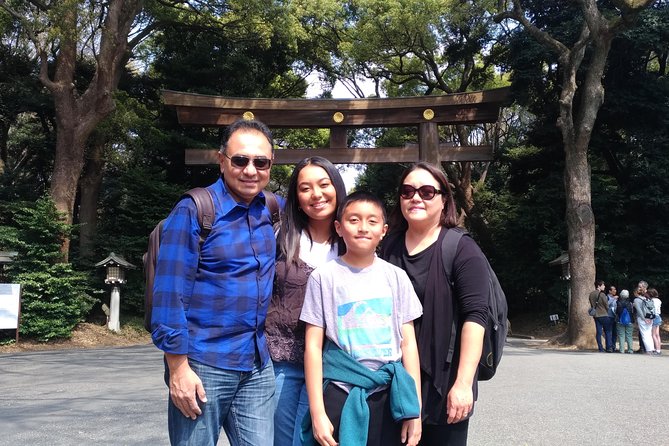
Shibuya Crossing, called Shibuya Scramble locally, is one of the world’s busiest pedestrian crossings. It is a quick, dramatic lesson in how Tokyo manages crowds, and it comes with the nearby Hachiko statue and its story of loyalty.
The crossing itself takes little time, but the area deserves more than a hurried glance if you want shopping, architecture, or a meal. One guide used visuals to make explanations clearer, while another combined Shibuya with old temples and shrines to show the contrast between modern and traditional Japan.
Harajuku and Takeshita Street provide a different kind of energy. Takeshita Street is tied to youth fashion and unusual styles, while the wider Harajuku area also includes Meiji Shrine and Yoyogi Park. The streets can be crowded, and a short visit may feel rushed if you want to browse shops.
Meiji Shrine and Yoyogi Park: customs and calm
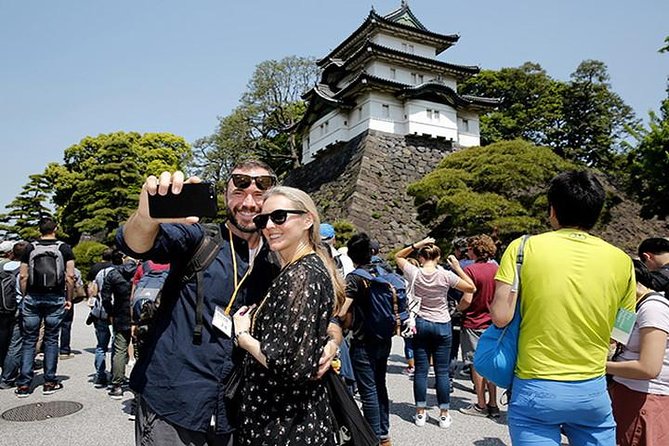
Meiji Shrine honors the deified spirits of Emperor Meiji and Empress Shoken. It sits beside busy Harajuku Station, yet the approach gives you a pause from the surrounding city.
This is one of the most useful places to have a guide. Your guide can show you how to enter a shrine, cleanse yourself, make an offering, and pay your respects. That practical instruction makes the visit more meaningful and helps you behave properly at other Japanese religious sites.
Yoyogi Park is nearby and free. It has lawns, ponds, and wooded areas, with room for walking, picnics, and outdoor activities. Pairing the shrine and park is efficient, though adding Shibuya and Tsukiji in the same six hours may force the schedule into a fast march.
Tsukiji: food, browsing, and extra spending
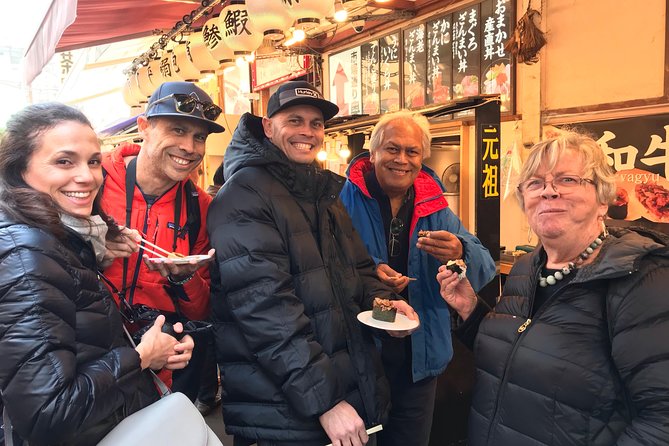
Tsukiji is the former fish market area, now known for food stalls and a wide choice of seafood and other Japanese treats. It is a good place to ask your guide for help choosing something to eat, especially if you want to try sushi or another local specialty.
Food is not included, so set aside money for purchases. Lunch is also extra. Guides have taken groups to sushi, tempura, vegetarian-friendly restaurants, and other local places, but the exact choice depends on your interests and the day’s route.
Tsukiji can be disappointing if you expect a leisurely food tour while also trying to cover several distant sights. Keep the market as a main goal, not a ten-minute add-on. One practical criticism of this format is that a guide may move too quickly through the market when the group would rather stop, taste, and browse.
Akihabara: electronics, anime, and a specialized interest
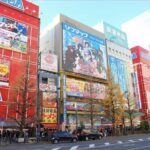
Akihabara is famous for electronics shops and has become a center for anime, manga, and game culture. It is an excellent pick if those subjects are central to your trip.
It is less useful as a rushed five-minute photo stop. Ask your guide to explain what you want to see before choosing it. A visitor interested in Japanese pop culture will get more from Akihabara than someone hoping for a broad introduction to Tokyo’s temples, gardens, and food.
Tokyo’s gardens: choose one, not all
The suggested garden choices include Koishikawa Korakuen, Hama Rikyu, and Rikugien. Each offers a different setting, but visiting all three would make little sense in a six-hour walking and public transport tour.
Koishikawa Korakuen is one of Tokyo’s oldest Japanese gardens, created during the early Edo period for the Mito branch of the ruling family. Hama Rikyu sits beside Tokyo Bay and includes seawater ponds that change with the tides, along with a teahouse. Rikugien was built around 1700 for the fifth Tokugawa shogun and takes its name from the six Chinese-style poems reflected in its design.
All three charge admission according to the supplied tour details. If a garden matters to you, ask for enough time to walk beyond the entrance. The five-minute suggested timings are only useful as quick orientation stops.
Ueno, Nezu, and Shibamata: quieter choices
Ueno Park brings together museums, a zoo, Toshogu Shrine, and Shinobazu Pond. It is also famous for cherry blossom gatherings. Because the park contains several major sights, you should decide if you want a general walk or a focused museum visit. The Tokyo National Museum, Japan’s oldest and largest top-level national museum, requires admission and cannot be properly seen in five minutes.
Nezu, along with nearby Yanaka, belongs to old downtown Tokyo. These neighborhoods avoided major damage from wars and natural disasters, so they retain more of their earlier street feel. They suit you if you want a slower look at local Tokyo rather than a checklist of famous landmarks.
Shibamata lies at Tokyo’s eastern edge near the Edogawa River and keeps an old-fashioned charm. It is farther from the central sights, making it a poor match for a route that also includes western Tokyo. It can be a rewarding choice for a repeat visit or for anyone specifically seeking a less central neighborhood.
Odaiba, Tokyo Tower, and Gotokuji
Odaiba is a shopping and entertainment district on a man-made island in Tokyo Bay. Its history begins with man-made fort islands, and its modern appeal is tied to leisure and waterfront views. The suggested stop is very short, so request more time if you want to explore.
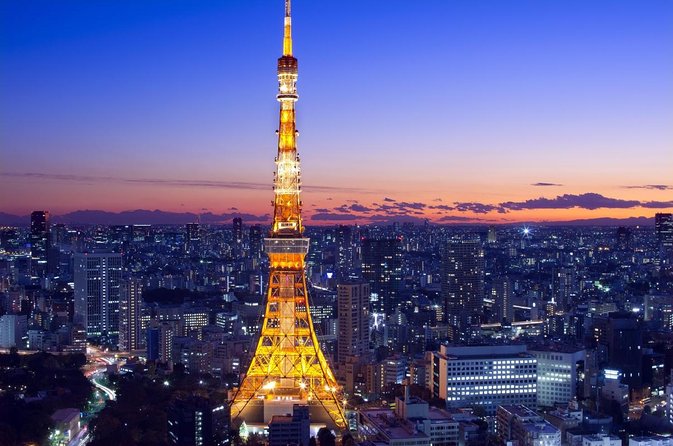
Tokyo Tower is the retro red symbol of the city. The tour includes access only up to the main deck, not the top deck, and admission costs extra. Treat it as a viewpoint option, not a guaranteed full tower visit.
Gotokuji Temple is linked with the maneki-neko, the lucky cat figurine found throughout Japan. It is a distinctive choice for a guide who can explain how the cat became associated with good fortune. The temple is free, but its location means it should be combined with nearby interests rather than added to a route already crossing Tokyo several times.
How much walking and subway time to expect
This is a walking tour supported by public transportation. There is no private vehicle, and transportation fees are not included. You may spend a meaningful part of the six hours walking through stations, finding platforms, changing lines, and riding between districts.
That is not wasted time if you want to learn Tokyo’s rail system. Several guides have helped people understand trains, buses, and tickets, and one guide even assisted with a later Narita train connection. But if you want long visits at four major sights, avoid choosing places on opposite sides of the city.
Wear comfortable shoes and be ready for a full day on your feet. Rain is possible, and one guide handled a cold, wet day entirely by foot and subway, but weather can make the pace harder. Ask for a compact route if mobility or stamina is a concern.
Price, inclusions, and the real value
The listed price is $155.86 per person. That is a serious charge, especially because lunch, transit, entrance fees, and personal expenses are separate. The value comes from private planning and direct guidance, not from bundled admissions or luxury transport.
For a first day in Tokyo, that value can be strong. A guide can prevent wrong turns, explain unfamiliar customs, identify a suitable restaurant, and show you how to continue exploring independently. The price also makes more sense for a small group, since the experience is private and group discounts may be available.
It is weaker value if you only want transport between landmarks or expect a vehicle. A private guide cannot remove Tokyo’s distances, and some of the six hours may go toward getting between neighborhoods. Confirm your three or four priorities in advance and ask how the route limits travel time.
Who will get the most from this tour
I would choose this experience for a first-time visitor with limited time, a family that wants a custom day, or a repeat visitor who wants help reaching less familiar districts. It also suits you if you want cultural instruction, not just photographs.
The tour works well for groups with different interests. A parent and teenager can combine a shrine with Harajuku or Akihabara. Food-focused visitors can build around Tsukiji. History fans can choose Asakusa, the Imperial Palace area, Ueno, and one traditional garden.
I would not choose it if you prefer a slow museum day, dislike public transport, or want every hour planned around food and shopping. In those cases, pick one compact district and use the guide’s time for depth rather than distance.
Booking advice and final verdict
Before the day, send your guide a short priority list. Mark one must-see, two strong preferences, and anything you want to eat or avoid. Ask the guide to cluster the route and explain which admissions are extra.
The provider offers free cancellation up to 24 hours before the start time. Date changes made less than 24 hours ahead are not accepted, and changes up to two days before can lead to a different guide or no availability.
Book this tour if you want a personal introduction to Tokyo and practical help using the city. The best outcome is not squeezing in 20 landmarks. It is seeing three or four well-chosen places, understanding their meaning, eating somewhere suitable, and leaving able to navigate Tokyo on your own.
FAQ
How long is the Tokyo private tour?
The tour lasts approximately six hours.
Is the tour private?
Yes. Only your group participates, and multiple tour groups cannot be combined.
How many sights can I visit?
The tour includes a customizable walking itinerary of three or four sites from the suggested choices. The full list of stops is not intended to be completed in six hours.
Is transportation included?
No. The tour uses walking and public transportation, and transportation fees are not included. You should have some yen available.
Is hotel pickup available?
Meeting the guide is done on foot within a designated area of Tokyo. A private vehicle is not included.
Are meals and entrance fees included?
No. Lunch, food purchases, entrance fees, and personal expenses are extra. Guide entry fees are covered only for sights listed under the tour information.
Can I enter the Imperial Palace or visit the Tokyo Tower top deck?
The tour does not include access inside the Imperial Palace. At Tokyo Tower, access is only up to the main deck, and the top deck is not included.
More Private Tours in Tokyo
More Guided Tours in Tokyo
More tours in Tokyo we've reviewed






Guided, compared.
 ★ 4.9Tokyo: Shinjuku Local Bar and Izakaya Guided Walking TourFrom $343 hours
 ★ 4.8Tokyo: Private City Highlights Tour with Local GuideFrom $1064 - 8 hours
 ★ 4.9Tokyo: Tsukiji Fish Market Guided Walking TourFrom $222 hours
 ★ 5.0Tokyo 4hr Private Tour with Government-Licensed GuideFrom $109
 ★ 5.0Tokyo Guided Small-Group Biking TourFrom $106
 ★ 4.6Tokyo: Samurai Ninja Museum Guided tour and ExperienceFrom $27