
Reviewed · ASAKUSA TOURS
Tokyo: Beyond Asakusa to Kappabashi Kitchen Town
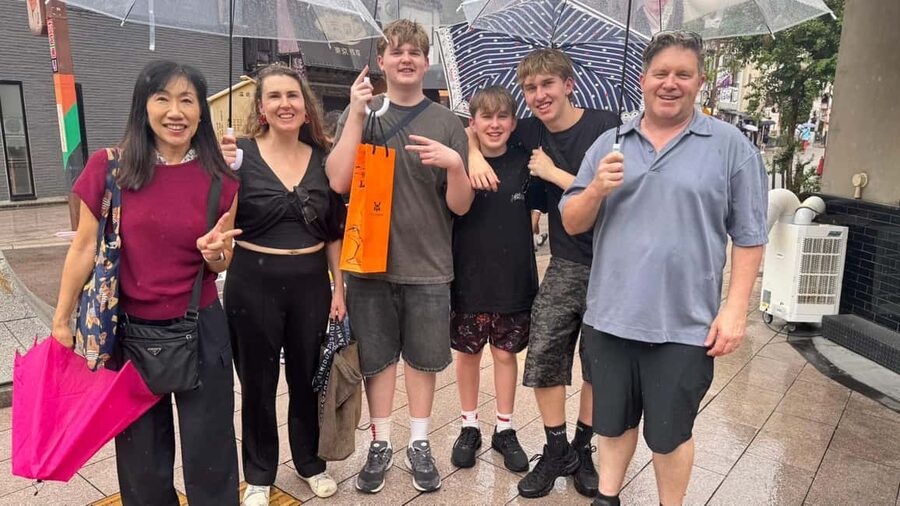
The best part of this two-hour walk is the shift from sacred Asakusa to practical Kappabashi. You draw a fortune, learn the proper temple rituals, then finish among Japanese knives, cookware, and wonderfully odd plastic dishes that look good enough to eat. The fortune ritual gives you something to do, not just something to watch.
I like the clear cultural contrast between Sensoji Temple and Hoppy Street, and I like the way Kappabashi turns a shopping stop into a lesson about Japanese food culture. Guides such as Shun and Sanae can add personal stories and help you choose the most worthwhile shops.
The main drawback is pace. Two hours is short for Kaminarimon, Sensoji, Asakusa Shrine, Hoppy Street, and Kappabashi, especially if you want to shop. The meeting point also deserves care: one booking note says the location shown in the app did not match the actual point, so confirm it with your guide.
In This Review
- Key points to know before you go
- From Kaminarimon’s red lantern into old Asakusa
- Nakamise and Hozomon: the busy road to Sensoji
- Sensoji’s rituals: fortune paper, water, and incense
- Asakusa Shrine and the meeting of two faiths
- Hoppy Street and the social side of Asakusa
- Rokku Street and Asakusa’s entertainment past
- Kappabashi Kitchen Town: the practical finale
- What the two-hour format really gives you
- Who should book this Asakusa walk?
- Should you book it?
- FAQ
- Where does the tour meet?
- How long does the experience last?
- What languages are available?
- Is food or drink included?
- What should I bring?
- Can I cancel for a full refund?
Key points to know before you go
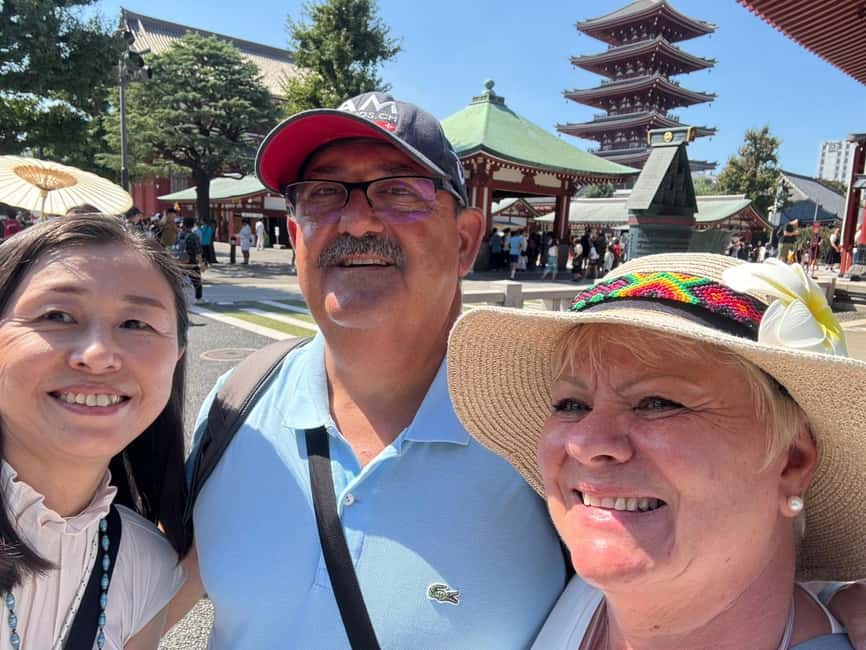
- Draw your own Japanese fortune: Learn how to select, read, and tie the paper rather than simply watching the ritual.
- See Asakusa’s major gateways: Kaminarimon and Hozomon frame the route into Sensoji’s sacred grounds.
- Connect temple customs with daily life: Purification, incense, Buddhist worship, Shinto practice, and izakaya culture all appear in one walk.
- Explore Kappabashi’s specialist shops: Look for Japanese kitchen knives, cookware, restaurant tools, and realistic plastic food.
- Keep your wallet ready: Food, drinks, and shopping cost extra, and cash is useful for personal purchases.
- Wear proper walking shoes: The route covers several neighborhoods and includes standing, strolling, browsing, and ritual participation.
From Kaminarimon’s red lantern into old Asakusa
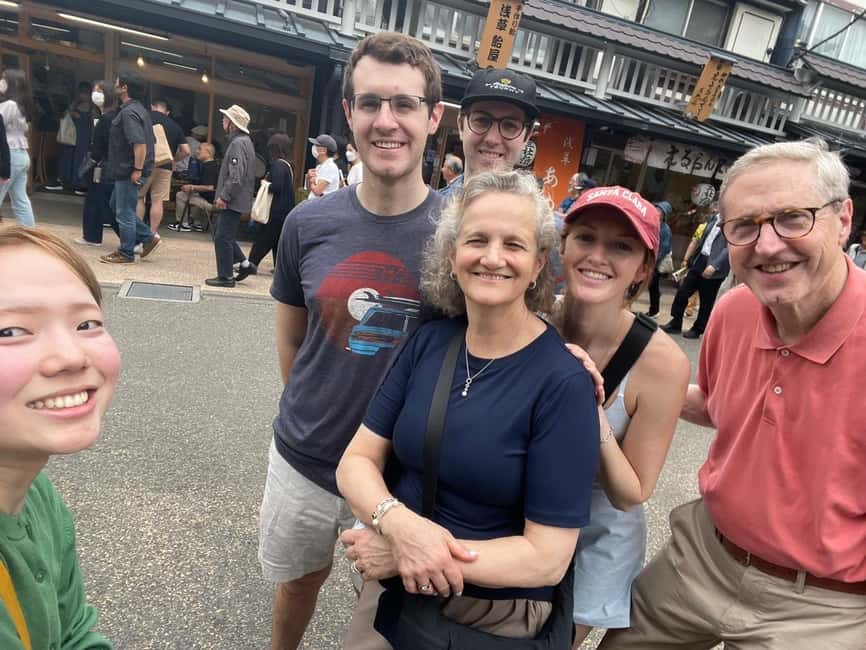
Meet your guide in front of the Starbucks near Kaminarimon. The listed coordinates are 35.7113392, 139.7961047, and the guide carries a paper showing the tour name. I would arrive a little early and check the exact meeting details before setting out, since one booking note recorded a mismatch between the app location and the actual meeting point.
The opening stop is Kaminarimon, Asakusa’s famous entrance. Its huge red lantern makes an immediate first impression, but the guide gives the gate more meaning by explaining its history and cultural role. This is a good place to ask questions, since the route becomes much more useful when you understand that you are entering a religious precinct, not simply a photogenic shopping area.
The gate leads directly toward Nakamise Shopping Street. This long approach to Sensoji has roots reaching back to the Edo period, and its shops continue the old custom of selling food and souvenirs to people coming to the temple.
You can sample traditional snacks and browse handcrafted goods here, but remember that purchases are not included. The short stop is best used for orientation and a quick taste rather than a serious shopping session. If something catches your eye, note the shop and return later if your schedule allows.
A few more Tokyo tours and experiences worth a look

Nakamise and Hozomon: the busy road to Sensoji
Nakamise is often crowded, and the two-hour schedule means you will probably walk at a steady pace. That is not a flaw, but it does shape the experience. You get a guided introduction to the street’s merchant traditions, not an hour to inspect every stall.
At the far end, you pass through Hozomon Gate, a large two-story structure that protects Buddhist treasures. The guide explains why this gate matters and how it separates the commercial approach from the temple grounds beyond.
I appreciate this transition because it gives the route a simple structure. First comes the street, with snacks and souvenirs. Then comes the gate, with its protective role. Finally, you reach the temple and its rituals. The sequence helps you read Asakusa as a living place rather than a collection of unrelated sights.
If you have limited mobility, ask about the walking demands before booking. The activity is described as a walking tour, and comfortable shoes are specifically advised. No separate accessibility details are provided, so you should raise any mobility concerns with the provider in advance.
Sensoji’s rituals: fortune paper, water, and incense
Sensoji is Tokyo’s oldest temple, founded in 628 AD. Its long survival through wars, disasters, and major changes to the city gives the guide plenty to explain, but the value here is not just historical information. You also learn how people approach the temple today.
The purification fountain is one of the most useful parts of the tour. You take part in the cleansing ceremony and learn why the water ritual comes before prayer. The instructions help you participate with care instead of copying other people without knowing what they are doing.
The incense ritual adds another sensory detail. You learn about its place in Japanese Buddhism and why visitors use the smoke as part of their visit. These small actions can be easy to miss when you tour alone, especially if you are focused on taking photos.
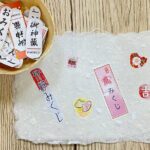
The fortune-telling ritual is the most hands-on feature. You learn how to draw a fortune, read the paper, and tie it properly afterward. If the fortune is unfavorable, tying it at the temple is part of the custom. The activity turns a familiar-looking shrine practice into something you understand and perform for yourself.
Give this portion your full attention. It is not a long workshop, and the route has several more stops ahead. Still, it may be the part you remember best because you are doing something rather than simply listening.
Asakusa Shrine and the meeting of two faiths
Next comes Asakusa Shrine, located beside the Buddhist temple. This pairing gives you a compact lesson in the way Shinto and Buddhism coexist in Japan, while also showing the difference in their architecture and religious customs.
The shrine and temple are close together, but they are not the same kind of place. Your guide explains the distinction and helps you notice the separate visual language of each site. For someone seeing both for the first time, this can prevent a common confusion: treating every Japanese religious building as interchangeable.
The stop is also useful for photography, but keep your camera secondary to the explanations and local etiquette. Religious sites remain active places of worship. The purification and incense demonstrations prepare you to move through both areas with more respect.
The supplied schedule gives Sensoji about 30 minutes, while Asakusa Shrine is listed as a shorter visit and photo stop. That is enough for a focused introduction. It is not enough for a detailed study of every building, statue, or religious story in the area.
Hoppy Street and the social side of Asakusa
The route then changes tone on Hoppy Street, a narrow lane filled with traditional izakaya. After the calm ritual setting of Sensoji and Asakusa Shrine, this is a sharp and welcome turn toward food, drink, and everyday social life.
You learn about Hoppy, a local beer-like beverage, along with kushikatsu and the customs of after-work drinking. The point is not simply to identify dishes. It is to understand how an izakaya works as a social setting, where people gather over small plates and drinks.
Food and drinks are not included, so treat this stop as an introduction rather than a tasting tour. You may have time to look at the menus or take photos, but you should not count on a full meal within the two-hour route. If you want to eat on Hoppy Street, ask the guide how much time remains and plan to return afterward.
The street is narrow, and the tour includes a photo stop and guided explanation. That makes it useful for first-time visitors who want a quick look without committing to an evening here. If you already know Asakusa well, this stop may still give you a better sense of the area’s drinking culture.
Rokku Street and Asakusa’s entertainment past
The walk also passes through Rokku Street, a historic entertainment quarter that once rivaled Tokyo’s major theater districts. Today it blends older Asakusa traditions with newer forms of Japanese popular culture.
This section helps connect the temple district with the neighborhood’s broader identity. Asakusa is not only about Sensoji. It has also been a place for theater, nightlife, food, and popular amusement. The guide’s job here is to point out that wider story while keeping the group moving toward Kappabashi.
Because the tour is short, do not expect a long entertainment-history lecture or time inside attractions along the street. Think of Rokku as a walking chapter in the neighborhood’s past, not a separate admission-based visit.
Kappabashi Kitchen Town: the practical finale
Kappabashi Street is the final major stop, and it gives the experience its unusual edge. For more than 100 years, professional chefs and restaurant owners have shopped here for the tools of their trade. You can browse the same broad categories of equipment used in Japanese restaurants, from knives to serving pieces and kitchen supplies.
The Japanese knives are a major draw. Some are made by smithies with generations of experience, and the guide can help you identify useful shops and explain what makes the knives different. If you buy one, ask about care, sharpening, and any packing or transport requirements before paying. The activity does not include shopping, and personal purchases are your responsibility.
The plastic food displays are just as memorable. Japanese restaurants use realistic sample dishes to show customers what they serve, and Kappabashi shops sell these displays in many forms. You might see convincing sushi, noodles, desserts, and other food models. The level of realism is part of the fun, and small items such as sushi keychains make easy souvenirs.
One visitor on the tour bought a sushi keychain after seeing the food samples. That is a useful reminder that Kappabashi works for different budgets. You can admire professional knives and restaurant tools without buying them, then choose a small souvenir if you want something affordable.
A guide can save you time here. Kappabashi has many shops, and the two-hour route does not allow you to wander through all of them. Shun is specifically praised for recommending the best places efficiently, which matters if you want knives, dishes, or unusual kitchen gifts rather than a general walk past storefronts.
What the two-hour format really gives you
At $17 per person, this is inexpensive for a guided cultural walk through several important Asakusa areas. The value comes from interpretation and access to small customs, not from included meals, tickets, or shopping discounts. Since food, drinks, and purchases are extra, keep the low price in perspective.
You are paying for a guide who links the stops together. Without that connection, Kaminarimon can feel like a photo point, Sensoji like a large temple, Hoppy Street like a drinking alley, and Kappabashi like a row of shops. With good explanations, each place fits into a larger picture of religion, commerce, food, and neighborhood life.
The guide quality matters. Shun led an engaging tour that used examples and personal stories to make Japanese history easier to follow, then gave practical suggestions in Kappabashi. Sanae is noted for guiding in French, and the activity offers live guiding in English, Spanish, French, Chinese, Korean, Portuguese, Japanese, and Russian.
The tour has a perfect score from three ratings, but the sample is small. I would treat that as encouraging rather than conclusive. The specific praise points to the strongest qualities: clear cultural explanations, engaging storytelling, and efficient Kappabashi recommendations.
Weather can affect your comfort. One tour took place on a very hot day and was still enjoyed, but heat makes a walking route feel longer. Bring water, wear light comfortable clothing, and use shoes that can handle two hours on city streets. The supplied information does not list a water service or weather adjustment, so plan for normal outdoor conditions.
You can cancel up to 24 hours in advance for a full refund, and the reserve-now, pay-later option helps if your Tokyo schedule is still changing. Check available start times before booking, since the activity lasts two hours but does not specify one fixed departure time.
Who should book this Asakusa walk?
I would choose this tour if you want a compact first look at Asakusa with more substance than a photo walk. It suits you especially well if you are curious about temple etiquette, Japanese religious customs, local drinking culture, or kitchen equipment.
It is also a good fit for repeat visitors. Even if you have already seen Sensoji, a guide may point out details you missed and give you a reason to explore Kappabashi instead of stopping at the temple district.
Families and casual shoppers may enjoy the plastic food displays and small souvenirs. Serious cooks will appreciate the knife and cookware focus, though you should allow extra time after the tour if you plan to compare products carefully.
I would not choose it as your only Asakusa experience if you want a slow temple visit, a full meal, or extended shopping. The route covers a lot in two hours, so you need to accept a brisk pace and save deeper exploration for afterward.
Should you book it?
Book it if you value a low-cost guide who can explain what you are seeing and show you how to take part in Japanese customs. The fortune ritual, purification ceremony, Hoppy Street, and Kappabashi shops give the walk a strong range, and the final kitchen-town stop makes it different from a standard Asakusa temple tour.
Skip it if you prefer to set your own pace or want a dedicated shopping trip. For everyone else, it is a smart two-hour introduction, especially when you confirm the meeting point, wear good shoes, carry cash, and leave room in your schedule for extra time at Kappabashi.
FAQ
Where does the tour meet?
Meet your guide in front of the Starbucks in Asakusa near Kaminarimon. The guide will hold a paper showing the tour name. The listed coordinates are 35.7113392, 139.7961047.
How long does the experience last?
The walking tour lasts two hours. Starting times vary, so check availability when you book.
What languages are available?
Live guiding is available in English, Spanish, French, Chinese, Korean, Portuguese, Japanese, and Russian.
Is food or drink included?
No. Food and drinks are not included, and personal shopping expenses are also separate.
What should I bring?
Wear comfortable walking shoes and bring cash for personal shopping. You should also be ready to take part in the purification and fortune-telling rituals.
Can I cancel for a full refund?
Yes. You can cancel up to 24 hours in advance for a full refund. A reserve-now, pay-later option is also available.
More Asakusa Tours in Tokyo
More tours in Tokyo we've reviewed



Asakusa Tours, compared.
 ★ 4.8Tokyo: Japanese Dance Cabaret Theater Asakusa-Kaguwa TicketFrom $492 hours
 ★ 4.7Tokyo: Meiji Shrine, Asakusa, Skytree Bus Tour and CruiseFrom $12210 hours
 ★ 4.9Tokyo: Roll and Authentic Sushi Making Class in AsakusaFrom $581h 40m
 ★ 4.8Tokyo: Asakusa Walking Tour with Sensoji Temple VisitFrom $222 hours
 ★ 5.0Tokyo Asakusa Rickshaw TourFrom $42
 ★ 4.5Tokyo Panoramic 1 Day: Meiji Shrine, Asakusa, Odaiba and SKYTREE®From $85