
Reviewed · KAMAKURA & ENOSHIMA DAY TRIPS
Tokyo: Kamakura & Enoshima Day Trip including Temple Tickets
Kamakura gives you samurai-era Japan, seaside views, great temples, and some of the country’s most recognizable religious sites in one day. This tour links Tsurugaoka Hachimangu, Hasedera, the Great Buddha, and Enoshima without making you work out several train connections.
I like the mix of history and free time. You get useful context from guides such as Eric, Yuki, Mitsuko, Omar, and Koji, then time to wander, eat, shop, and take your own photos. I also like that Hasedera and Kōtoku-in tickets are included. The tradeoff is simple: nine hours covers a lot, but you will only get a short taste of places where I could happily spend half a day.
In This Review
- Key points to know before you book
- Why this Kamakura and Enoshima day works
- Tsurugaoka Hachimangu, Kamakura’s spiritual anchor
- Komachi Street, one hour for food and shopping
- Hasedera, flowers and a view across Sagami Bay
- Kōtoku-in and the Great Buddha
- Enoshima, the day’s scenic change of pace
- Enoshima Sea Candle and Samuel Cocking Garden
- Enoshima Shrine, caves, and Benzaiten Street
- What the guide adds to a fast day
- Is $58 a fair price?
- Who should book this day trip?
- Should you book it?
- FAQ
- How long does the Kamakura and Enoshima tour last?
- How much does the tour cost?
- Where can I join the tour in Tokyo?
- Where does the tour finish?
- Which languages are available?
- Are temple tickets included?
- Is transportation included?
- Can I cancel for a refund?
- Can I reserve now and pay later?
Key points to know before you book
- See four major Kamakura sights in one outing: Visit Tsurugaoka Hachimangu, Hasedera, Kōtoku-in, and the Great Buddha without planning the route yourself.
- Expect about two hours on Enoshima: Use it for the shrine, shops, food, caves, and sea views, but choose your priorities before you arrive.
- Enjoy local food on Komachi Street: The shopping lane has about 250 shops selling shirasu dishes, dumplings, croquettes, sweets, gifts, and clothing.
- Look for Mt. Fuji from Enoshima: Clear weather can reward you with a memorable view from the island’s higher points.
- Travel with an English or Chinese-speaking guide: The guide may lead you through each stop or let you explore independently before a fixed return time.
- Pay $58 for a broad introduction: The price is strongest for first-time visitors who value transport, planning, guiding, and temple admission in one package.
Why this Kamakura and Enoshima day works
Kamakura was Japan’s political and cultural center during the Kamakura period. That gives the first half of the day a clear theme: this is where samurai power, Buddhist practice, and Shinto belief met in a compact coastal setting.
Enoshima changes the mood. After shrines and temples, you get an island with ocean views, seafood, small lanes, an observation tower, caves, and a long connection to Benzaiten, a deity associated with music, good fortune, and the arts. I like that contrast. You are not spending nine hours looking at one type of attraction.
The air-conditioned vehicle matters, especially in summer. Several people found the day hot, with temperatures making walks more tiring, while one person found the bus too warm at the start. The vehicle size can change according to the group and the day’s conditions, so do not expect one fixed bus style every time.
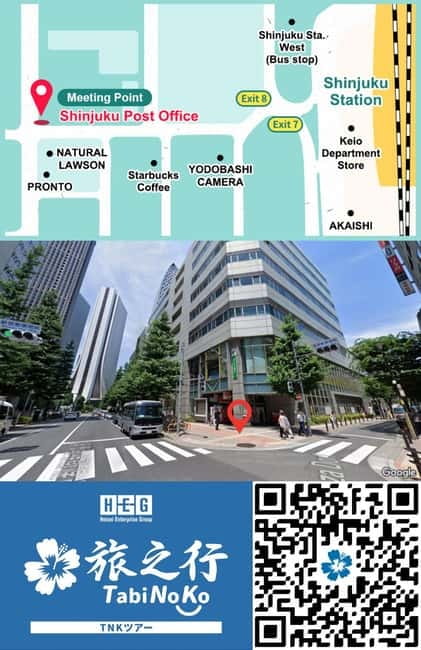
Pickup is offered at either Shinjuku Post Office or GLOBAL RING CAFÉ, depending on the option you choose. Check the correct meeting-point photo and QR code carefully, and arrive 10 minutes early. The vehicle leaves on time, and Tokyo traffic can quickly eat into sightseeing time.
A few more Kamakura tours and experiences worth a look
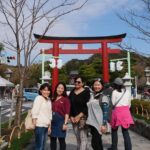
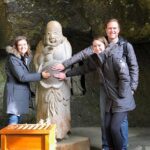
Tsurugaoka Hachimangu, Kamakura’s spiritual anchor
Your first major stop is Tsurugaoka Hachimangu, Kamakura’s best-known shrine and a key place for understanding the city’s past. Its long approach gives the visit a sense of ceremony, while the grounds offer space to look around, take photos, and get your first feel for Kamakura.
The shrine has more than 800 years of history and served as a spiritual center for samurai society. It remains a major pilgrimage site, especially during New Year’s hatsumode, when about 2.5 million people visit.
The scheduled visit lasts about an hour. That is enough to see the main areas and hear an introduction, but you will not have time to inspect every corner or spend long in any small museum you find nearby. I suggest listening closely at the start, then deciding which parts matter most to you.
This is one place where a guide adds real value. A good guide can explain why the shrine mattered to the rulers of Kamakura instead of leaving you with only a grand gate and a few unfamiliar names. Guides named Eric, Mitsuko, Yuki, Omar, Koji, and others have been praised for keeping the group on time while adding background and photo suggestions.
Komachi Street, one hour for food and shopping
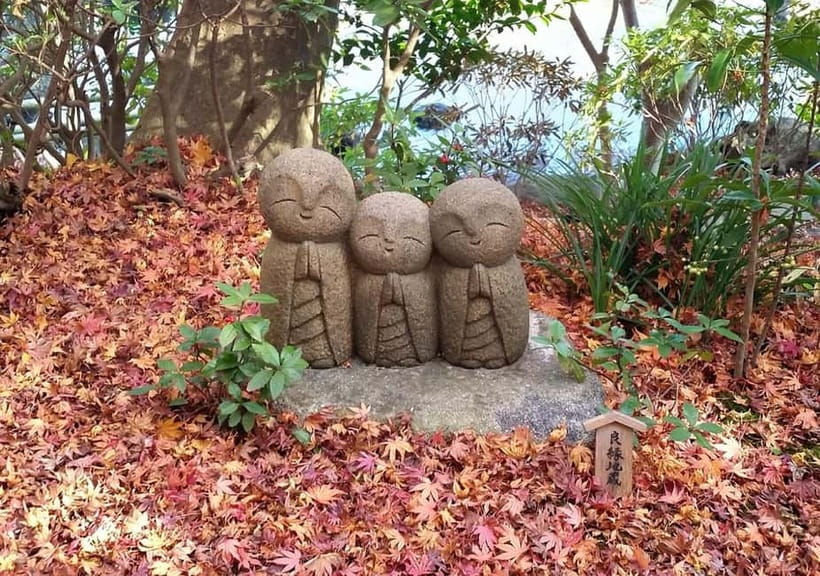
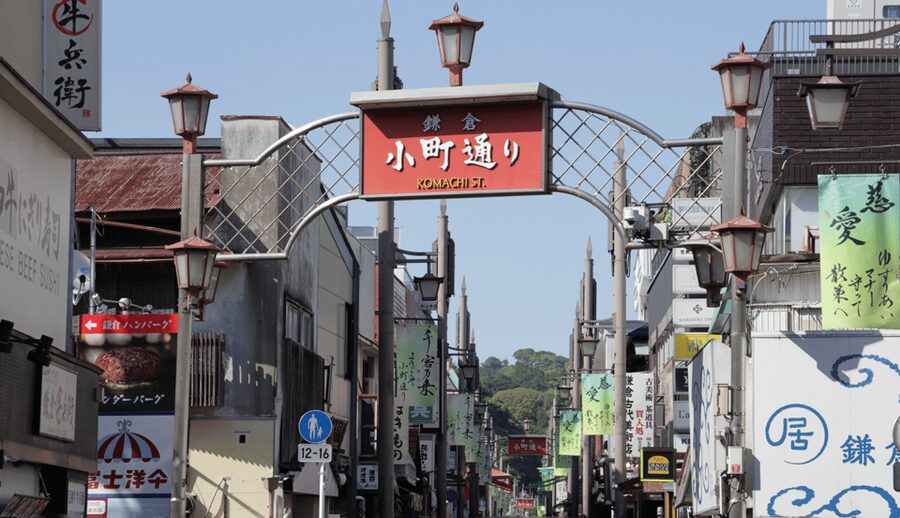
From the shrine area, the tour moves to Komachi Street. The lane runs roughly 360 to 600 meters between Kamakura Station and Tsurugaoka Hachimangu, with about 250 shops packed into the route.
You can browse traditional goods, modern clothing, souvenirs, sweets, and quick snacks. Local food includes shirasu, small white fish associated with the coastal area, along with dumplings, croquettes, and other regional treats.
This is a good place to use your independence. You can stay with the guide, follow a food suggestion, or split off and meet the group later. If you want a sit-down meal, watch the clock. One useful tip is to choose a quick vendor meal if you also want more time for Enoshima’s caves and shops later.
The drawback is that Komachi Street can feel crowded and commercial. That is part of its appeal, but it is not a quiet old-town lane. I would treat it as a practical food and shopping stop rather than the most reflective part of the day.
Hasedera, flowers and a view across Sagami Bay
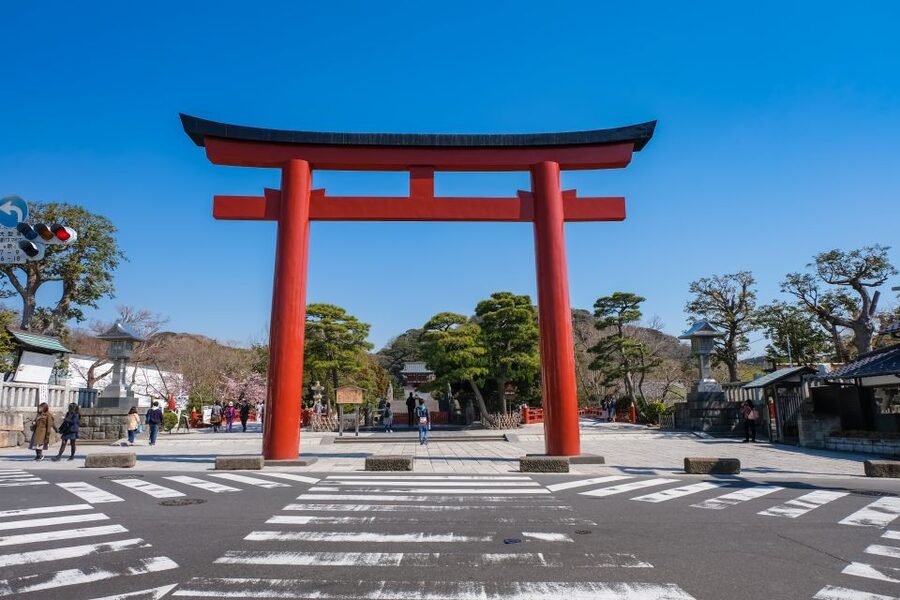
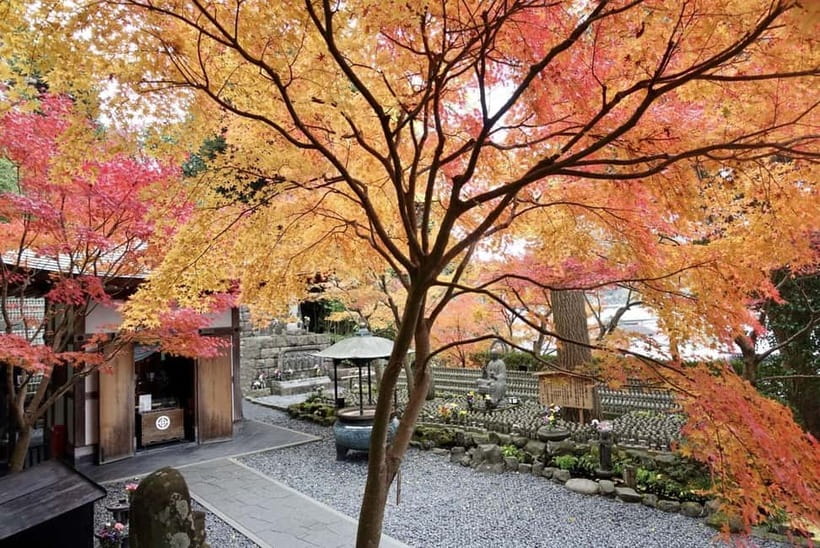
Hasedera is one of Kamakura’s oldest temples, founded in 736. The grounds are known for seasonal flowers, including cherry blossoms, peonies, hydrangeas, and autumn leaves, so the feel of the visit changes greatly with the calendar.
The temple houses a 9.18-meter Eleven-Headed Kannon statue. You can also find small Jizo figures around the grounds, an endearing detail that gives the temple a gentler character than its large central statue might suggest.
The grounds provide views over Kamakura and Sagami Bay. That combination of religious art, gardens, elevation, and sea scenery makes Hasedera one of the day’s most rewarding stops.
You have about 50 minutes here. That is enough for a purposeful walk, photos, the main religious areas, and the view, but not for a slow garden visit in peak flower season. Wear shoes suited to walking and expect some uphill or stepped sections based on the temple’s elevated viewpoints and garden paths.
Your Hasedera admission is included. That saves a small step at the entrance and makes the $58 cost easier to justify, especially if you would otherwise need to arrange separate local transport and admissions.
Kōtoku-in and the Great Buddha
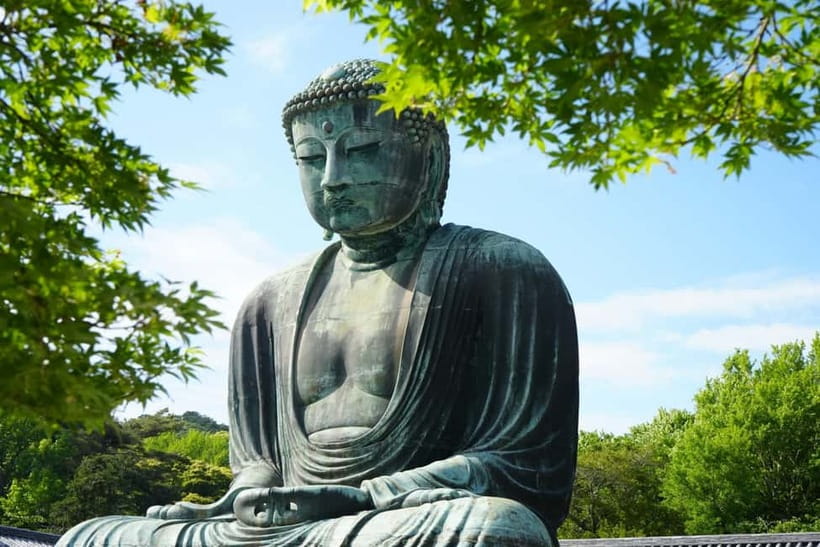
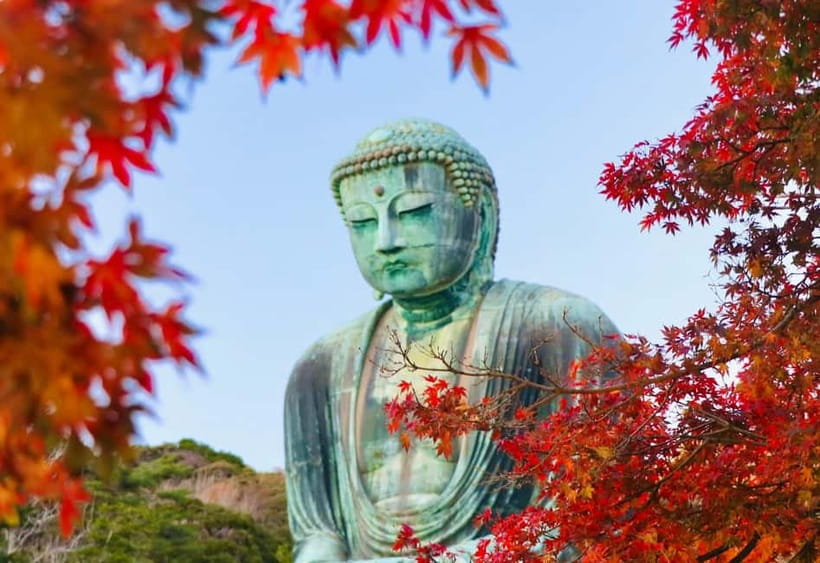
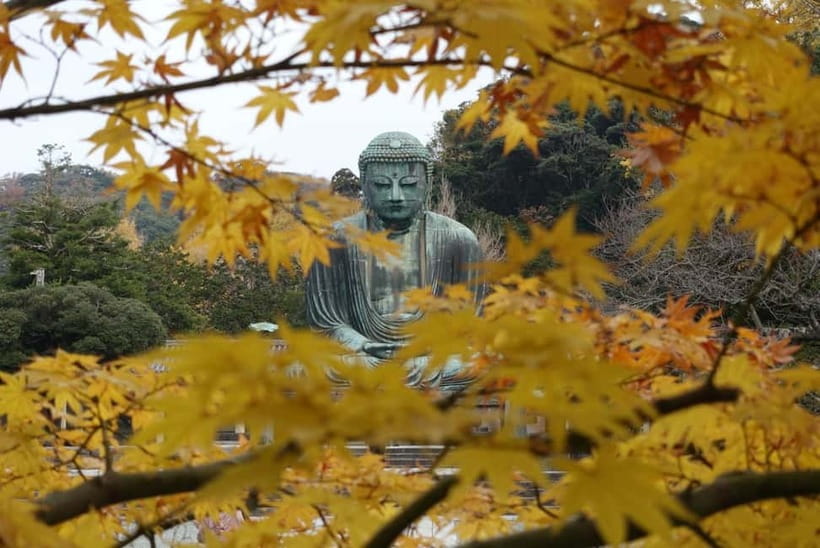
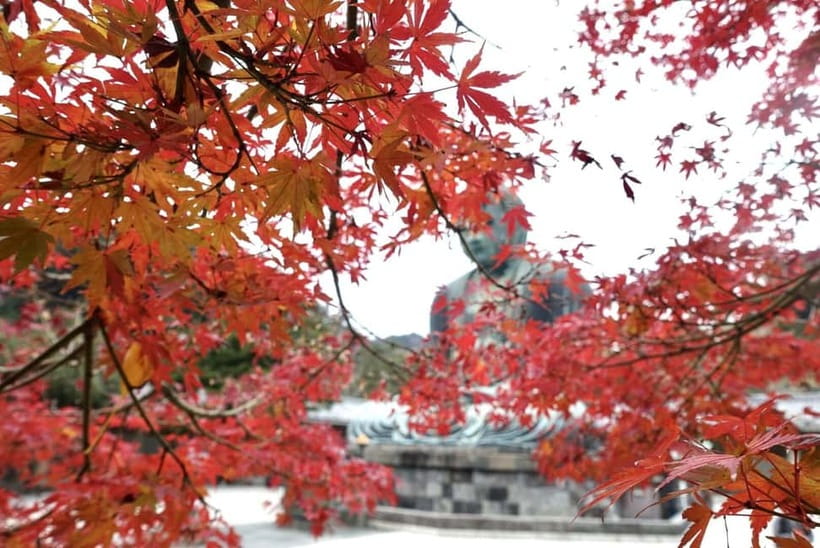
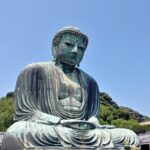
Kōtoku-in is home to Kamakura’s Great Buddha, a bronze Amida Buddha about 13.3 meters tall and weighing roughly 121 tons. It is a National Treasure and one of Japan’s most famous Buddhist images.
The first sight is powerful because the statue is large, open to the sky, and approachable at close range. You can walk around it, study the casting and surface details, and take the classic front-facing photograph. You can also enter the statue to see its internal structure, a feature easy to miss if you rush.
The scheduled time is about 30 minutes. This is the clearest limitation in the day. You can see the statue and grounds, but you will need to move efficiently if you want to go inside, take photos, and hear the explanation.
The Kōtoku-in ticket is included. I would make this stop a priority even if you are less interested in temples, because the Great Buddha is a distinct experience rather than simply another shrine building. If you want a quiet, extended look at the statue, a self-guided return visit would be better.
A few more Kamakura tours and experiences worth a look
Enoshima, the day’s scenic change of pace
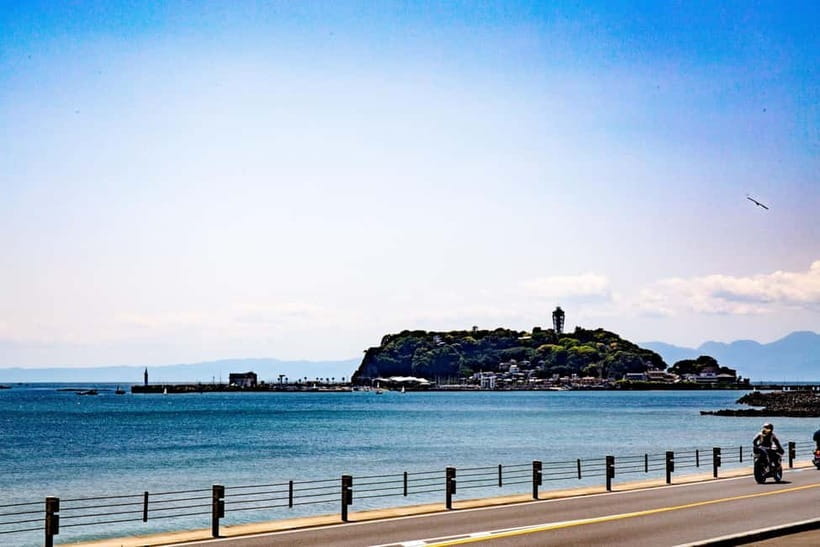
Enoshima receives about two hours, and this is where careful planning helps most. The island combines an over-1,000-year-old shrine, high viewpoints, sea views, caves, food stalls, and shopping streets, but two hours is not enough to explore everything slowly.
The island’s main sights include Enoshima Shrine, the Enoshima Sea Candle observation tower, Samuel Cocking Garden, and Enoshima Iwaya Caves. The walking routes can take time, so decide before leaving the bus if you want views, food, the caves, or the shrine most.
I would choose two main goals. If the weather is clear, give priority to the higher areas and the Sea Candle for the chance to see Mt. Fuji. If you are hungry, try fresh seafood or local specialties, but avoid a long restaurant meal if the caves are important to you.
The island has a different rhythm from Kamakura. You get sea air, narrow lanes, cafés, seafood, and places to pause. It is also the stop most likely to leave you wishing for another hour. Several people specifically wanted more time here, and that is a fair criticism.
Enoshima Sea Candle and Samuel Cocking Garden
The Sea Candle is Enoshima’s observation tower and one of the island’s easiest landmarks to spot. From a high point, you can look toward the coast and, on a clear day, Mt. Fuji.
The view depends on weather, so treat Fuji as a bonus rather than a promise. Haze, clouds, and changing conditions can hide the mountain even when the rest of the island is enjoyable.
Samuel Cocking Garden adds walking paths and planted areas around the tower. It gives you a break from the tighter shopping lanes and offers several places for photographs. Since the full two-hour Enoshima visit includes several attractions, you may need to pass through quickly rather than explore every garden path.
Admission details for the Sea Candle are not specified among the included tickets, so check the exact booking option if tower access is important to you. The included admissions clearly cover Hasedera and Kōtoku-in.
Enoshima Shrine, caves, and Benzaiten Street
Enoshima Shrine is more than 1,000 years old and is spread across parts of the island. Its religious connection gives Enoshima depth beyond its food and scenery.
The Iwaya Caves add a more unusual stop. You can walk through the historic cave area and see a side of the island that feels very different from the shrine approaches and ocean viewpoints. The route takes time, so keep an eye on the meeting schedule.
Benzaiten Shopping Street is the practical food stop. You can pick up local snacks, browse gifts, and sample seafood without committing to a long meal. If you want to reach the caves, a vendor snack is the smarter choice than sitting down to eat, particularly on a busy day.
The guide may offer a walking route and then give you free time. Pay close attention to the exact meeting place and return time. Enoshima’s lanes can make a group easy to lose, and the vehicle will depart according to the schedule.
What the guide adds to a fast day
The guide quality matters because this is a packed outing. You are not simply being driven to a series of photo stops. The best guides help you understand what you are seeing, point out good photo angles, answer questions, and keep the timing under control.
Eric has been praised for history, restaurant advice, and personal care with families. Yuki is often described as patient, clear, and generous with practical tips. Mitsuko and Mitz-san have been noted for friendly, well-paced explanations and careful attention to the group. Omar has been appreciated for humor, organization, and keeping the day moving.
The guiding style can vary. Some guides walk with the group and explain each site in detail, while others give an introduction and let you explore independently. If you want constant commentary, stay close during the explanations. If you prefer freedom, use the guide’s meeting instructions and explore on your own.
The tour can combine English and Chinese bookings in the same vehicle. That may mean explanations switch between languages, which can affect the pace. English-language feedback has generally described guides as clear, but one person found Eric spoke too quickly. If you need a slower explanation, ask politely at the stop.
Is $58 a fair price?
At $58 per person, this is a sensible price for a first Kamakura and Enoshima visit from Tokyo. You are paying for an air-conditioned vehicle, a nine-hour day, a guide, and admission to Hasedera and Kōtoku-in.
The value is strongest if you want to avoid building the route yourself. Independent travel is possible, but you would need to manage Tokyo departure plans, local connections, shrine and temple visits, food stops, and the return to Shinjuku. The tour also removes the stress of navigating Kamakura’s narrow streets, where skilled drivers matter.
You are not buying a slow, specialist temple tour. You are buying a broad introduction. If you want long photography sessions, detailed religious study, or a full afternoon on Enoshima, the fixed schedule will feel tight.
Free cancellation up to 24 hours before departure and reserve-now, pay-later booking add useful flexibility. The only stated return area is Shinjuku, so plan the evening around that drop-off rather than expecting to finish elsewhere in Tokyo.
Who should book this day trip?
I would choose this tour if you are staying in Tokyo, have limited time, and want to see the coast without handling the transport yourself. It suits first-time visitors, families wanting a guided structure, and anyone who wants a sample of Kamakura before returning for a longer stay.
It also works well for people who like a balance of explanation and free time. You can follow the guide, then shop or eat at your own speed.
I would think twice if your main goal is Enoshima. Two hours is enough for a taste, not a full island visit. The same goes for serious temple fans. You will see important places, but the schedule favors variety over lingering.
Bring water, especially in summer, and wear comfortable walking shoes. Arrive early at the exact pickup point, keep track of the return time, and choose quick food on Enoshima if you want to reach the caves.
Should you book it?
Book it if you want maximum coverage with minimum planning. For $58, you get a well-packed day across shrines, temples, food streets, the Great Buddha, and the Shonan coast, with two major temple tickets included.
Skip it only if you already know Kamakura and Enoshima well, or if you want to explore one area at a slow pace. For everyone else, this is a practical preview of a beautiful part of Japan, with enough free time to make the day feel like your own.
FAQ
How long does the Kamakura and Enoshima tour last?
The activity lasts 9 hours, or 570 minutes.
How much does the tour cost?
The listed price is $58 per person.
Where can I join the tour in Tokyo?
There are two possible starting points: Shinjuku Post Office and GLOBAL RING CAFÉ. The meeting point depends on the option booked.
Where does the tour finish?
The available drop-off location is in the Shinjuku area, at Shinjuku Post Office.
Which languages are available?
The tour offers live guiding in English and Chinese.
Are temple tickets included?
Admission to Kamakura Hasedera and Kōtoku-in Temple is included.
Is transportation included?
Yes. The tour includes an air-conditioned vehicle.
Can I cancel for a refund?
You can cancel up to 24 hours in advance for a full refund.
Can I reserve now and pay later?
Yes. The reserve-now, pay-later option lets you book without paying today.
More Temples & Meditation in Kamakura
More Kamakura & Enoshima Day Trips in Kamakura
More tours in Kamakura we've reviewed

Kamakura & Enoshima Day Trips, compared.
 ★ 4.5Tokyo: Mt. Fuji, Kamakura, Big Buddha, & Lake Ashi Day TripFrom $4910 - 11 hours
 ★ 4.5From Tokyo: Kamakura & Enoshima 1-Day Bus TourFrom $66
 ★ 5.0Kamakura Historical Walking Tour with the Great BuddhaFrom $98
 ★ 5.0Kamakura Private Tour: Temples, Nature, and the Great BuddhaFrom $98
 ★ 5.0Kamakura Walking Tour – The City of ShogunFrom $35
 ★ 4.9Tokyo:Sea of Mount Fuji, Hakone Ropeway, Ōwakudani, EnoshimaFrom $5010 hours