
Reviewed · MT FUJI DAY TRIPS
Private Tour to Mt. Fuji and Hakone (Fully Licenced Operator)
The best feature here is control. Instead of following a fixed bus schedule, you travel in a private, air-conditioned vehicle with an English-speaking driver-guide and shape the day around your interests. You can focus on lakes and photographs, add shrines and villages, or combine Mt. Fuji with Hakone.
I especially like the door-to-door transport, which saves you from piecing together several trains, buses, and local connections. I also like the guides’ flexibility. Names such as Israr, Maz, Sam, Petteri, Bajwa, and Pradhan appear often in the praise for this experience, with particular credit given to careful driving, good photo stops, restaurant advice, and patience.
The main catch is distance and weather. You can spend more than two hours each way in the vehicle, traffic can eat into your sightseeing time, and Mt. Fuji may hide behind clouds. The 5th Station can close for weather or maintenance, and the iconic Chureito Pagoda may occasionally be closed without much warning.
In This Review
- Key points to know before booking
- Why a private car makes sense from Tokyo
- The two route choices
- Mt. Fuji 5th Station: the highest practical road stop
- Lake Kawaguchi and the Kachi Kachi Ropeway
- Oshino Hakkai and the Fuji water story
- Shrines, old approaches, and Chureito Pagoda
- Hakone, Lake Ashi, and Owakudani
- Traditional village options and extra stops
- Guides, language, and the feel of the day
- Price, extra costs, and value
- Who should book this day trip?
- Should you book the Mt. Fuji and Hakone tour?
- FAQ
- How long does the private Mt. Fuji and Hakone tour last?
- How many people can join the tour?
- Is hotel pickup available?
- Does the tour include transportation?
- Is the driver licensed for commercial transport?
- Can I visit both Mt. Fuji and Hakone?
- Is the Mt. Fuji 5th Station guaranteed?
- Are the ropeway and boat rides included?
- Is lunch included?
- What happens if bad weather cancels the tour?
- Can I cancel for a full refund?
Key points to know before booking
- Private vehicle for your group: You travel with only your own party, not on a large shared coach.
- Choose one main route: Your guide will help you select either Mt. Fuji and Hakone or the Mt. Fuji surrounding area.
- Best for flexible sightseeing: You can spend longer at a lake, shrine, village, or photo stop if the schedule allows.
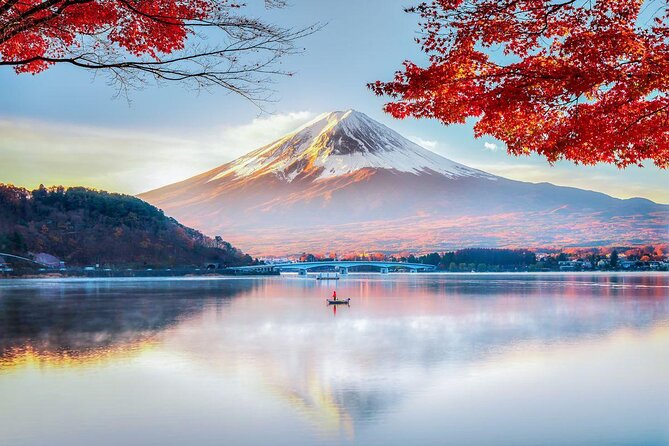
- Several famous viewpoints: Possible stops include Lake Kawaguchi, Lake Ashi, Oshino Hakkai, the 5th Station, and Chureito Pagoda.
- Licensed commercial operator: The company uses commercial drivers, green number plates, and commercial insurance.
- Weather matters: Fuji views are never guaranteed, and poor conditions can close mountain roads and viewpoints.
Why a private car makes sense from Tokyo
Mt. Fuji and Hakone look close on a map, but a day from Tokyo can become awkward by public transport. You are dealing with different train lines, buses, transfer points, and limited departures. A private vehicle removes much of that work.
Pickup is offered from your Tokyo hotel, and the stated meeting point is Tokyo Station Hotel. Confirm the exact pickup arrangement when booking, especially if you are staying outside central Tokyo. At the end, you return to the meeting point or your hotel arrangement.
The vehicle is air-conditioned, and the tour is designed for up to about 10 hours. That gives you a useful full day, but not enough time to see every named stop properly. You need to choose a route and accept that some attractions are alternatives rather than additions.
That trade-off is fair. You get privacy, comfort, and the ability to adjust the order of stops. You do not get an all-inclusive sightseeing package with every activity covered.
The commercial licensing is also worth noting. The operator says its vehicles use green commercial plates, commercial driving permits, and commercial insurance. That is a practical point, not a decorative detail. When you are booking a long private transfer outside Tokyo, licensed transport offers more reassurance than an informal car service.
A few more Tokyo tours and experiences worth a look
The two route choices
You need to choose between a Mt. Fuji and Hakone day or a Mt. Fuji surrounding-area day. Ask your guide early which sights matter most to you.
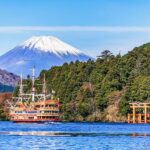
The Mt. Fuji and Hakone route can include Lake Ashi, Hakone Shrine, Owakudani Valley, and the Hakone ropeway area, along with Fuji views. This is the broader route, but it also involves more driving and more pressure on the clock.
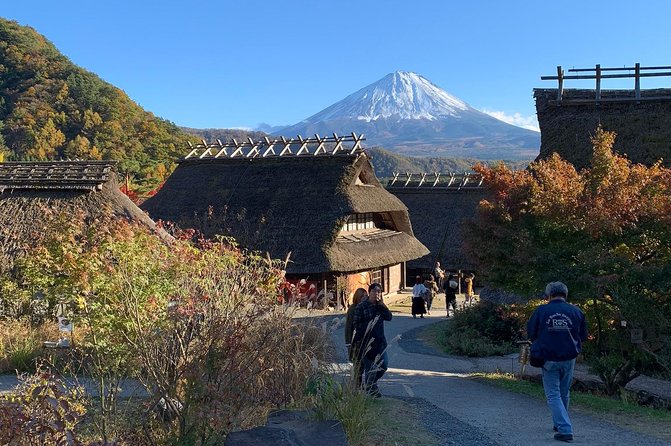
The Mt. Fuji surrounding-area route gives you more time around Lake Kawaguchi, Oshino Hakkai, Arakurayama Sengen Park, Kitaguchi Hongu Fuji Sengen Shrine, Saiko Iyashi no Sato Nemba, and the mountain viewpoints. If your main goal is seeing and photographing Fuji, this option may be the wiser choice.
You can also reverse the order. One family began with Hakone because they were staying near Kawaguchiko afterward. That sort of routing is one of the real benefits of a private charter.
Mt. Fuji 5th Station: the highest practical road stop
The 5th Station is the highest point on Mt. Fuji that you can reach by car or shuttle bus under normal conditions. It is a natural choice if you want to feel close to the mountain rather than only photograph it from the lakes below.
The stop is listed at about 30 minutes, so do not expect a long mountain walk. It is mainly a quick viewpoint and orientation stop. During the hiking season, the operator says the vehicle can go all the way to the 5th Station.
Access is not guaranteed. Bad weather, maintenance, or road restrictions can close it. This is one reason you should not build your entire day around one Fuji viewpoint. If the mountain is covered or the road is shut, your guide can shift attention to the lakes, shrines, and villages.
An entrance fee of ¥2,800 per group is listed separately. The wording suggests this applies to the Mt. Fuji access portion, so confirm the current charge and what it covers before departure.
Lake Kawaguchi and the Kachi Kachi Ropeway
Lake Kawaguchi is one of the strongest parts of the day for Fuji views. The lake gives you open sightlines, and the nearby Mt. Kachi Kachi Ropeway provides a higher viewpoint. A cruise on Lake Kawaguchi is another possible choice.
You will need to pay separately for the ropeway or boat. That matters when comparing the headline price with your likely total cost. If you want the best possible view, ask your guide about the day’s cloud cover before committing to an activity.
I like having both choices. The ropeway is useful if you want a broad view from above, while the cruise gives you a slower look across the water. You may not have time for both, especially if you also plan to visit Hakone.
Several reviews of the experience praise guides for taking guests to strong photo locations and allowing enough time for pictures. Sam, Hans, Israr, and Bajwa are specifically praised for choosing good viewpoints, helping with photographs, and adjusting the pace.
Oshino Hakkai and the Fuji water story
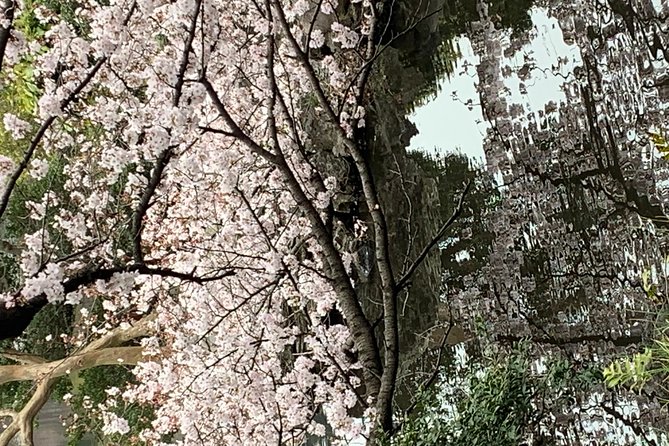
Oshino Hakkai is a small village with eight ponds, food stalls, souvenir sellers, and views toward Mt. Fuji. The ponds are fed by snowmelt from the mountain, giving the stop a clear connection to Fuji beyond the usual postcard view.
This is a good place to pause for a snack or a simple lunch. One guide helped a vegetarian group find a memorable restaurant, and other guides suggested traditional family-style places. Lunch is not included, but your driver-guide can help you choose.
Oshino Hakkai has a more commercial feel than a quiet rural hamlet. The stalls and souvenir shops are part of the experience, so you should visit with realistic expectations. Still, the ponds, mountain backdrop, and local food make it a worthwhile stop, especially if Fuji is visible.
The scheduled time is about one hour. I would keep that full hour if you want to walk around, eat, and take photographs without rushing.
A few more Tokyo tours and experiences worth a look

Shrines, old approaches, and Chureito Pagoda
Kitaguchi Hongu Fuji Sengen Shrine was once a starting point for climbers heading up Mt. Fuji from the north. It offers a more reflective stop than the commercial viewpoints. The shrine connects the mountain to religious practice and pilgrimage, giving you a better sense of why Fuji matters in Japan.
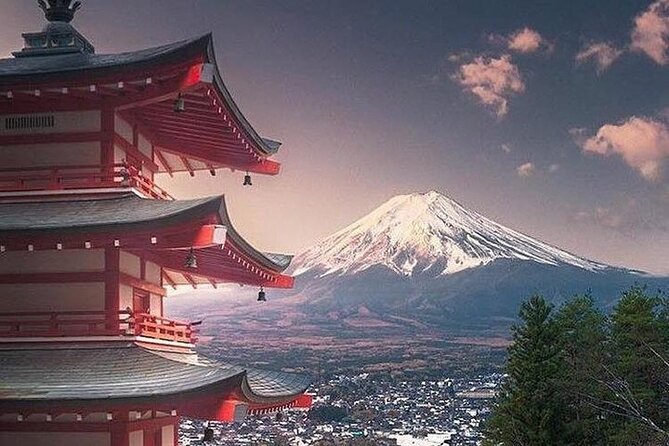
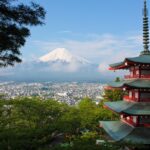
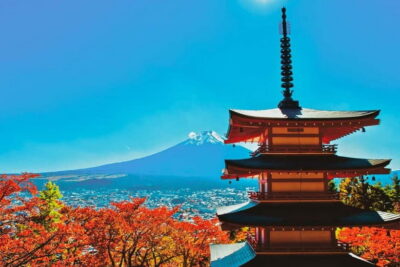
Arakurayama Sengen Park is home to the famous five-story Chureito Pagoda. The pagoda faces Fujiyoshida City with Mt. Fuji in the distance, creating one of the region’s most recognizable views.
There are 398 steps to reach the pagoda. That is manageable for many people, but it can be tiring after a long drive and several earlier stops. Allow extra time if anyone in your group prefers a slower climb.
The pagoda stop is listed in two places in the schedule, with one entry giving only 10 minutes. That is not enough for a relaxed visit, so discuss the timing directly with your guide. The site can also close for maintenance. One group found the pagoda closed and felt the company should have offered an alternative, so ask about current access at the beginning of the day.
Hakone, Lake Ashi, and Owakudani
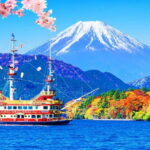
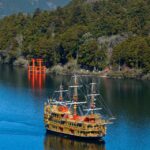
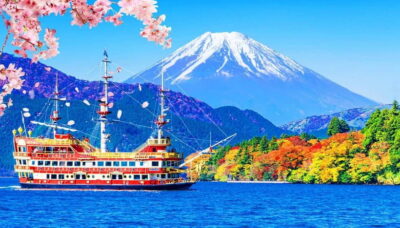
The Hakone portion changes the character of the tour. Lake Ashi, also called Ashinoko, is a scenic lake surrounded by mountain scenery. The pirate-style sightseeing cruise is a popular optional activity and takes about an hour.
Lake Ashi is not simply another Fuji photo stop. It gives you a different setting, with water, boats, and Hakone’s historic shrine area. The cruise costs extra, and taking it may mean dropping another stop.
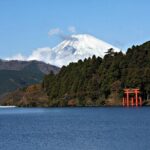
Hakone Shrine dates to 757 and sits near the lake. The schedule gives it only five minutes as an optional stop, which is enough for a quick look but not a proper visit. If the shrine matters to you, say so before the route is finalized.
Owakudani Valley is known for its volcanic activity and black eggs. The stop is listed at about one hour, with admission included. It is a good choice if you want something geologically different from lakes and shrines, though you should still confirm current access conditions before the day begins.
The ropeway in Hakone is another optional paid activity. One family particularly enjoyed using it after visiting the open-air museum, but adding several Hakone activities can make the day feel rushed. Pick one or two priorities rather than trying to collect every attraction.
Traditional village options and extra stops
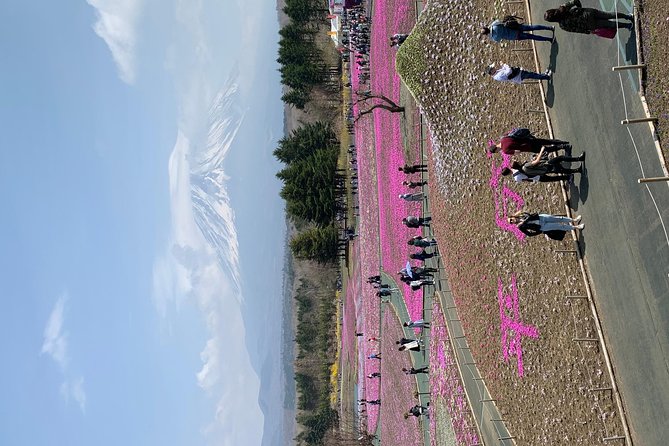
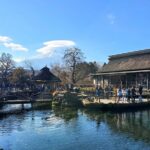
Saiko Iyashi no Sato Nemba is a reconstructed traditional-style village near the Fuji area. It is included as a possible stop if time allows on the surrounding-area route. Admission is not included.
This is the kind of place that works well for visitors who want architecture, crafts, and a slower village setting instead of another panoramic lookout. Since it is conditional on time, treat it as a bonus rather than a promise.
Fuji-Q Highland is also listed as an optional stop, but the 10-minute schedule suggests it is mainly a brief look or orientation point, not a theme-park visit. Admission is not included. If you want rides, you would need a separate visit rather than trying to fit the park into this day.
The route can also include smaller photo stops and food breaks. Guides such as Dan, Haseeb, and Puskal are praised for selecting lunch spots and adding worthwhile stops. The private format gives you room for these choices, provided you do not overload the itinerary.
Guides, language, and the feel of the day
The driver is also your English-speaking guide. The strongest praise centers on clear English, safe driving, local explanations, patience, and flexibility.
Israr is repeatedly described as friendly, well informed, and attentive to cultural details. Petteri receives praise for explaining sights, driving well, and adapting the day for families. Maz is noted for showing lesser-known parts of the Fuji area and changing the plan to suit the group.
Sam receives particular credit for recommending food stalls, allowing private time at stops, and explaining the region. Bajwa is praised for avoiding some of the larger tour groups and finding good photo locations. Pradhan and Haseeb are also singled out for careful driving and helpful planning.
You are not guaranteed a particular guide unless the company confirms one in advance. Still, the repeated pattern is useful: this experience works best when you treat the driver as a route partner. Tell the guide what matters most, such as photography, short walks, shrines, food, or minimal stairs.
The tour is private, but private does not mean fully guided at every moment. Your guide may walk with you at some sites and give you space at others. That suits people who want help with planning but do not want to be shepherded through every step.
Price, extra costs, and value
The listed price is $497.43 per group of up to five people. For a group of five, that is a reasonable private transport rate for a long Tokyo round trip, especially when you value hotel pickup, an air-conditioned vehicle, and a driver-guide for the day.
The value drops if you are traveling alone or as a couple and mainly want one viewpoint. Public transport may cost less, though it will not offer the same door-to-door ease or route control.
Budget separately for lunch, the ropeway, lake cruises, and other activity tickets. The Mt. Fuji entrance fee of ¥2,800 per group is also excluded. Owakudani admission is listed as included, while the free shrines and Oshino Hakkai do not add admission costs.
Overtime costs ¥5,000 per extra hour after 10 hours of hotel-to-hotel time. This is important because Tokyo traffic can be heavy. Keep an eye on the clock, and agree with your guide before adding a late stop.
Who should book this day trip?
I would choose this tour if you are a family, a small group, older visitors who prefer a private vehicle, or photographers who want to adjust the pace. It also suits anyone who finds Japanese transport connections stressful.
The private car is useful for groups with mixed interests. One person can focus on shrines, another on food, and another on photographs. The guide can often balance those requests better than a fixed group itinerary.
I would be more cautious if you want a long hike, a full Hakone visit, or every Fuji-area attraction in one day. Ten hours sounds generous, but the Tokyo drive and mountain roads take time. You should choose a short list of priorities before setting out.
Book with weather in mind. If poor weather cancels the experience, you are offered another date or a full refund. If the tour operates in cloudy conditions, however, Fuji views are not guaranteed, and bad weather may affect the 5th Station or other mountain stops.
Free cancellation is available up to 24 hours before the start time. Cancellations or changes made inside that window are not refunded or accepted.
Should you book the Mt. Fuji and Hakone tour?
Book it if you want comfort, control, and several Fuji-area sights in one day. The strongest part is not any single attraction. It is the ability to change the balance between lakes, shrines, villages, food, and photographs while staying in a private vehicle.
Choose the surrounding-area route if seeing Mt. Fuji clearly is your main goal. Choose Hakone if Lake Ashi, Owakudani, the ropeway, and Hakone Shrine matter more. Either way, keep the plan realistic, carry extra money for activities, and accept that the mountain makes the final decision.
FAQ
How long does the private Mt. Fuji and Hakone tour last?
The tour lasts approximately 10 hours. Overtime is charged at ¥5,000 per extra hour after 10 hours of hotel-to-hotel time.
How many people can join the tour?
The listed price covers a private group of up to five people. Only your group participates in the activity.
Is hotel pickup available?
Yes, pickup is offered. The stated meeting point is Tokyo Station Hotel, so confirm the exact pickup location when booking.
Does the tour include transportation?
Yes. Private transportation in an air-conditioned vehicle is included, along with a commercial driver-guide and commercial insurance.
Is the driver licensed for commercial transport?
The operator states that its drivers hold commercial driving permits and use vehicles with green commercial number plates.
Can I visit both Mt. Fuji and Hakone?
You need to choose one main itinerary with your guide: Mt. Fuji and Hakone, or the Mt. Fuji surrounding-area itinerary. The available stops depend on timing and your choices.
Is the Mt. Fuji 5th Station guaranteed?
No. The 5th Station can close because of bad weather or maintenance. During hiking season, the operator says the vehicle will go there when access is available.
Are the ropeway and boat rides included?
No. Tickets for activities such as the Mt. Kachi Kachi Ropeway, Lake Kawaguchi cruise, Lake Ashi pirate cruise, and other paid attractions are not included.
Is lunch included?
No. Lunch is not included. Your guide can recommend restaurants, including options suitable for dietary needs.
What happens if bad weather cancels the tour?
If the experience is canceled because of poor weather, you will be offered a different date or a full refund. Fuji views are not guaranteed when the tour operates in cloudy weather.
Can I cancel for a full refund?
Yes, if you cancel at least 24 hours before the experience start time. Cancellations or changes made less than 24 hours in advance are not accepted and are not refunded.
More Private Tours in Tokyo


More Hakone Day Trips in Tokyo
More Mt Fuji Day Trips in Tokyo
More tours in Tokyo we've reviewed











Mt Fuji Day Trips, compared.
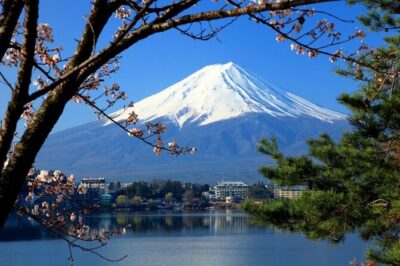 ★ 5.0Mt Fuji and Hakone 1-Day Bus Tour Return by Bullet TrainFrom $163
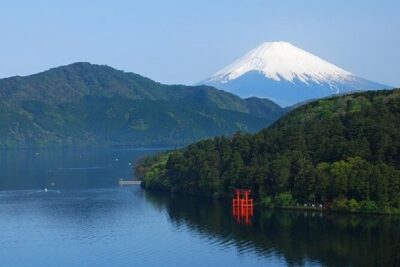 ★ 4.0Mt Fuji & Hakone Cruise, Drum Show Bullet Train 1 Day from TokyoFrom $149
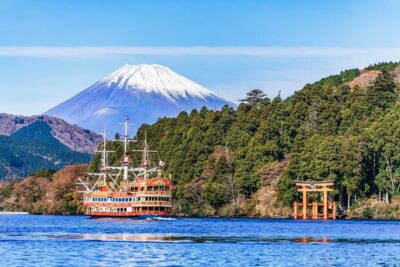 ★ 4.4Tokyo Mt Fuji 5th St & Hakone Cruise Bus Tour w/Bullet TrainFrom $15410 hours
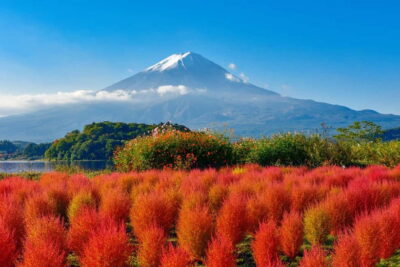 ★ 4.5From Tokyo: Mount Fuji Full-Day Sightseeing TripFrom $6810 hours
 ★ 4.7Tokyo: Mt. Fuji Tour, Hakone Ropeway, Owakudani, Lake AshiFrom $5410 hours
 ★ 4.4Tokyo:Mt.Fuji,Kawaguchiko Oishi Park,Arakurayama Sengen ParkFrom $5410 hours