
Reviewed · PRIVATE CAR WITH DRIVER
Tokyo Private Sightseeing Tour by Car- English speaking chauffeur
Tokyo is a huge city, and this private driving tour gives you a useful way to take it on in one long day. You can move from Tsukiji’s food stalls to Senso-ji, Tokyo Skytree, the Imperial Palace, and Shibuya without learning a new train route at every turn. I especially like the door-to-door ease and the freedom to adjust the stops. Guides such as Lookman, Koda, Adam, John, Caffrey, Asi, and Jonny have been praised for helpful suggestions, good timing, and restaurant or photo tips.
The trade-off is important: this is mainly a chauffeur-led sightseeing service, not a walking tour with a guide beside you at every temple and market. Your driver gives information in the car, then drops you near each place while you explore on your own. That suits independent visitors, but anyone wanting detailed explanations at every stop should pay extra for the walking-guide option.
In This Review
- Key points to know before booking
- Why a private car helps in Tokyo
- Tsukiji starts the day with food
- Senso-ji gives you old Tokyo atmosphere
- The Imperial Palace is a look, not a full palace tour
- Tokyo Skytree brings the big view
- Tokyo Tower adds a different kind of skyline
- Ginza and Harajuku show two sides of shopping Tokyo
- Odaiba adds open space and bay views
- Shibuya Crossing is best treated as a short finale
- Omotesando rounds out the modern city picture
- What the chauffeur service really includes
- How to plan the nine hours wisely
- Who should book this Tokyo tour
- Final verdict
- FAQ
- How long does the Tokyo private sightseeing tour last?
- How many people can join the private tour?
- Is pickup offered?
- Are attraction admission fees included?
- Is a walking guide included?
- Can the route be customized?
- What happens if the weather is poor?
Key points to know before booking
- Nine hours by private car: You can cover far more ground than on foot, with pickup offered and no public transport to manage.
- A flexible Tokyo route: The listed stops include Tsukiji, Senso-ji, the Imperial Palace, Skytree, Tokyo Tower, Ginza, Takeshita Street, Odaiba, Shibuya, and Omotesando.
- A chauffeur, not a full-time walking guide: Commentary comes mainly in the vehicle, while you visit attractions independently.
- Useful for groups of up to four: The price is $268.61 per group of up to four, with a larger van available for five to nine people.
- Plan tower tickets early: Admission to Tokyo Skytree and Tokyo Tower is not included, and Skytree tickets may need advance planning.
- Airport transfers cost extra: Pickup or drop-off at Haneda, Narita, or Yokohama adds ¥10,000 per booking, paid in cash.
Why a private car helps in Tokyo
Tokyo rewards independent exploring, but its size can eat up a day. A trip from eastern Tokyo near Asakusa to western districts such as Harajuku and Shibuya can feel simple on a map and less simple once you add crowds, transfers, station walks, and finding the right exit.
A private car cuts out much of that friction. Your chauffeur handles the driving, parking, tolls, and fuel, then meets you again after each visit. This matters most for a small group that wants to see famous sights in several different parts of the city.
The service is private, so only your party rides in the car. The standard vehicle is a sedan for up to four people. Groups of five to nine use a van. At $268.61 per group of up to four, the cost works out to about $67 per person if the car is full, before any optional admissions or extra services.
That price is not the cheapest way to move around Tokyo. Trains are usually less expensive, and the rail network is one of the city’s great experiences. But this tour sells time, comfort, and simplicity. If you have one free day, older family members in your group, luggage to manage, or no wish to decode Tokyo’s transit system, the value improves quickly.
Other private tours in Tokyo

Tsukiji starts the day with food
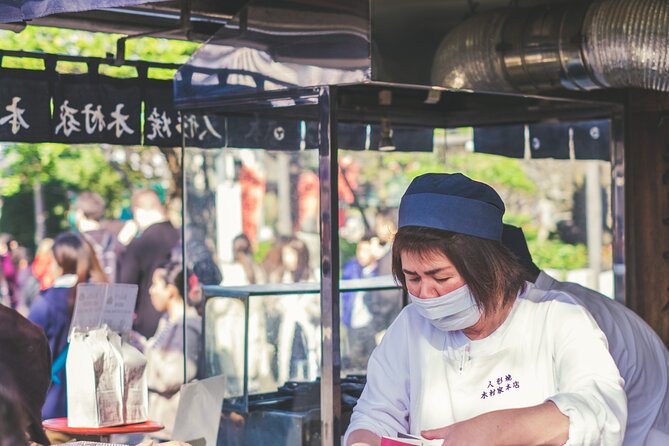
Tsukiji Outer Market is a good opening stop because it gets you into Tokyo’s food culture right away. The former wholesale market site is now best known as a food-focused district lined with retail stalls, restaurants, and shops selling traditional Japanese ingredients and prepared dishes.
You have about an hour here, with no admission fee. Use that time for a slow look at the narrow lanes, a snack, or breakfast if your group has not eaten. The market is more enjoyable when you treat it as a place to browse and taste, rather than a single attraction with a formal entrance.
The car is especially helpful before and after a market visit. You avoid arriving tired from a complicated transfer, although you still need to walk through the market itself. Keep your group together in crowded lanes and allow room in the schedule if food is a priority.
Senso-ji gives you old Tokyo atmosphere
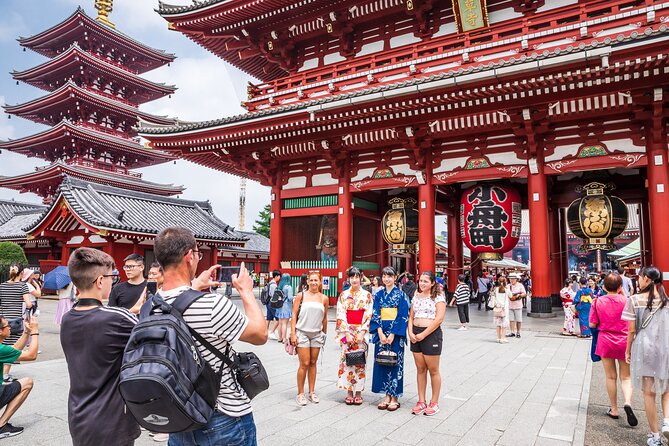
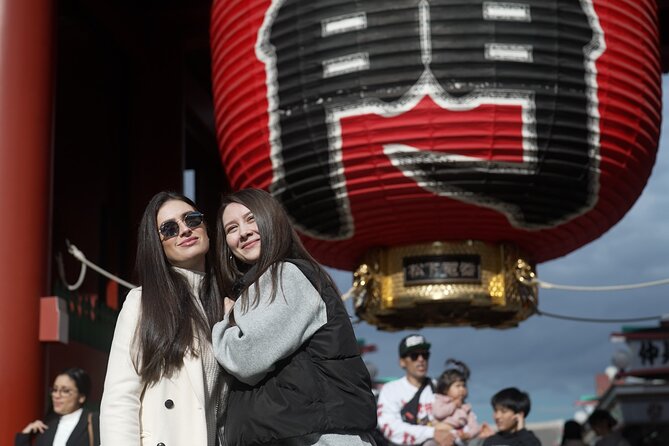
From Tsukiji, the route moves to Asakusa and Senso-ji, Tokyo’s best-known Buddhist temple. The site is described as roughly 1,400 years old, and its long approach, temple buildings, and surrounding shops give you one of the clearest introductions to traditional Tokyo.
You get about an hour here, and admission is free. That is enough for a focused visit, but not an unrushed exploration of every side street in Asakusa. If you want photographs, a look at the temple grounds, and a little time on the approach, the stop works well.
Your chauffeur provides introductory information before you get out, then you explore independently. That arrangement is efficient, but it puts the responsibility on you to know what you want to see. I suggest reading a short guide to Senso-ji before the tour so the visit feels more meaningful than a quick photo stop.
The Imperial Palace is a look, not a full palace tour
The Imperial Palace has been the residence of Japan’s successive emperors since 1868. The palace complex and imperial residence are central to Tokyo’s modern identity, but the public experience here is more limited than the grand name might suggest.
The scheduled stop is about an hour and free of charge. Treat it as a chance to see the grounds and understand the palace’s place in the city, rather than assuming you will tour all interior areas. Your driver can explain the basics during the ride, but detailed site interpretation is not part of the standard service.
This is one place where timing matters. If your group is more interested in markets, temples, shopping, or skyline views, you may prefer to shorten this stop. The private format makes that possible. Several tour users have adjusted the route, skipped a listed sight, or substituted a personal shopping request.
Tokyo Skytree brings the big view
Tokyo Skytree reaches 634 meters and has enclosed observation decks at 350 and 450 meters. It is the strongest skyline stop on this route, provided the weather and ticket timing cooperate.
You have about an hour allocated here, but admission is not included. Plan for the ticket cost and check the timing before the day begins. One chauffeur, Koda, was specifically praised for reminding a group to arrange Skytree tickets and helping them choose a suitable time.
A one-hour stop can work if your ticket is already organized. It becomes tight if you arrive without a plan, face a wait, or want to spend time in the surrounding shopping complex. If the sky is cloudy, the view may be less rewarding. The tour requires good weather, so poor conditions can also affect the day’s plans.
A few more Tokyo tours and experiences worth a look
Tokyo Tower adds a different kind of skyline
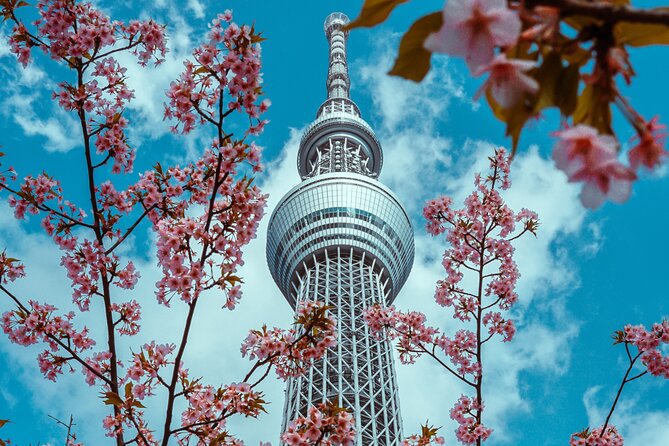
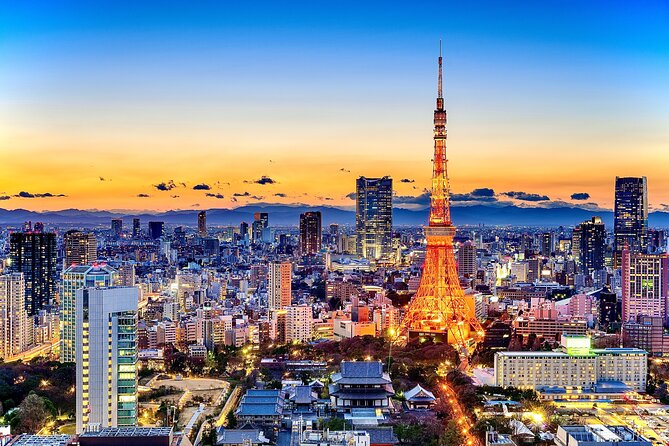
Tokyo Tower is shorter than Skytree at 333 meters, but it has a different appeal. Built in 1958, it became a symbol of Tokyo’s postwar recovery and remains one of the city’s most recognizable landmarks.
The stop is only 30 minutes, and admission costs extra. That makes it more of a photo and orientation stop unless you have arranged entry in advance. If you are already staying near Tokyo Tower or have another visit planned, you can use the private tour’s flexibility to replace it with something else.
The contrast between Skytree and Tokyo Tower is useful. Skytree gives you the higher view. Tokyo Tower gives you a closer look at a classic Tokyo icon, often with a more immediate sense of the city around it.
Ginza and Harajuku show two sides of shopping Tokyo
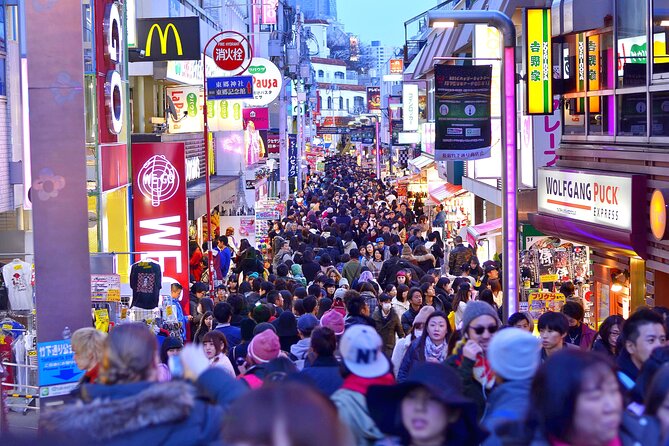
Ginza receives about 30 minutes. This polished district is known for luxury brands, department stores, and high-end retail. It is worth a look if you want to see Tokyo’s formal, expensive side, but the short stop will not support serious shopping.
Takeshita Street in Harajuku gets about an hour. The 350-meter street is associated with youth fashion, pop culture shops, colorful accessories, and sweets. It is a sharper contrast with Ginza, and the two stops together show how varied Tokyo’s shopping districts can be.
Both areas require walking once you leave the vehicle. Takeshita Street can feel crowded, and the narrow shopping street is better for browsing than for moving quickly. If your group has a specific store in mind, tell the chauffeur ahead of time. One group used the flexible format to visit a Bape clothing shop instead of following every listed stop.
Odaiba adds open space and bay views
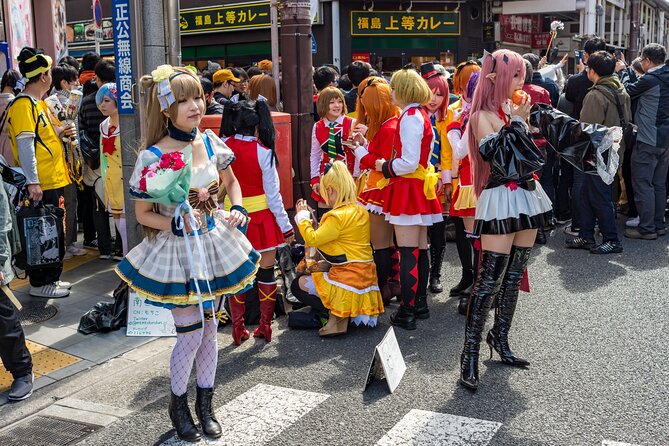
Odaiba is a man-made island in Tokyo Bay with shopping, entertainment facilities, parks, and a coastline. It gives the day a change of pace after dense temple, market, and shopping districts.
The drive can take roughly 40 minutes, so this stop has a real time cost. You receive about an hour there, which lets you see the area but does not leave much room for a long visit to several facilities. I would keep Odaiba if your group likes modern Tokyo, open waterfront areas, or large entertainment complexes. If your priority is historic Tokyo, this is an easy stop to shorten or remove.
The car helps here because Odaiba is separated from the central districts. Without private transport, fitting it into a day that also includes Asakusa, Harajuku, Ginza, and Shibuya takes more planning.
Shibuya Crossing is best treated as a short finale
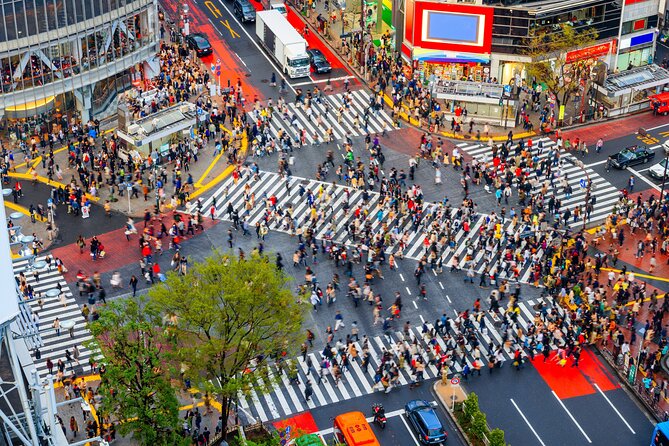
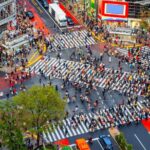
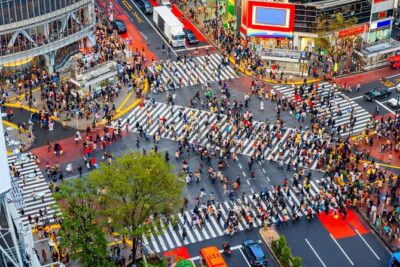
Shibuya Crossing gets 30 minutes and is free to visit. The famous intersection sits in a district packed with shops, restaurants, clubs, and crowds. You can watch the crossing from street level, take photographs, and get a quick feel for one of Tokyo’s most recognizable urban scenes.
Do not expect 30 minutes to cover all of Shibuya. The district is much larger than the intersection, and even reaching a preferred viewpoint can take time. Traffic may also affect the pickup, especially around busy periods.
One guide, Lookman, was praised for taking a group through the crossing area during the evening rush. That is a reminder that Tokyo traffic and crowds are part of the experience, not a minor detail. If you are tired by this point, you can also remain in the car and use the stop as a drive-through look.
Omotesando rounds out the modern city picture
Omotesando is known for cafés and international coffee chains, along with fashionable streets and shops. The planned visit lasts about 30 minutes, making it another quick introduction rather than a full neighborhood walk.
It pairs naturally with Takeshita Street, but the mood is different. Takeshita offers youthful pop culture and novelty shopping, while Omotesando feels more polished and café-oriented. If you want a coffee break, tell your driver how much time you need, since thirty minutes can pass quickly.
The route contains a lot of stops, and you should not feel obliged to complete every one. Several successful tours have been adjusted based on weather, shopping goals, hotel location, or simple fatigue. The private format works best when you choose priorities instead of treating the list as a race.
What the chauffeur service really includes
The chauffeur speaks English and provides commentary in the car. The service includes fuel, parking, and toll fees, which removes several small costs and practical worries from the day.
The level of commentary can vary by driver. Some, including Caffrey, Lookman, Koda, Adam, John, Asi, and Jonny, were praised for cultural explanations, historical details, route advice, restaurant suggestions, photography help, and friendly conversation. One chauffeur was described as polite but quiet, offering basic information before drop-off and answering questions when asked.
That range is worth understanding before you book. If you want more conversation, ask questions and share your interests during the advance planning contact. The operator contacts you one day before the tour, and some drivers use WhatsApp to discuss the route. Use that chance to make clear whether you want shopping, food, temples, skyline views, or a broad first look at Tokyo.
A walking guide is not included. An added option is available for ¥15,000 per booking, with the chauffeur also acting as the walking guide rather than adding a separate guide. If site-by-site explanation is central to your trip, that extra charge may be worthwhile.
How to plan the nine hours wisely
The listed stops add up to roughly seven and a half hours before driving time, meals, traffic, parking, and transitions. That makes the full route ambitious. You may see many places, but several will be short visits.
I would choose three priorities before the day begins, then mark two or three secondary stops. For example:
- First-time essentials: Tsukiji, Senso-ji, Skytree, and Shibuya.
- Traditional Tokyo: Tsukiji, Senso-ji, and the Imperial Palace.
- Modern Tokyo: Skytree, Odaiba, Harajuku, Omotesando, and Shibuya.
- Shopping-focused day: Tsukiji, Ginza, Takeshita Street, Omotesando, and a specific store.
Wear comfortable shoes. The car reduces walking between districts, not walking inside markets, temples, shopping streets, and observation areas. A group that tried to complete every major sight found the final stops easier to view from the car after a long day.
The standard start time is 9:00 a.m. Pickup is offered, but airport or Yokohama pickup and drop-off adds ¥10,000 per booking in cash. Confirm the exact meeting arrangement in advance, especially if you are arriving by cruise ship or need an airport transfer afterward.
Who should book this Tokyo tour
I would recommend it to a group of two to four with one full day and a long list of priorities. It is also a strong choice if you are uneasy about Tokyo’s rail system, want to reduce walking between districts, or need a private vehicle for comfort.
Families can benefit from the ability to pause, adjust the pace, and return to the car after each stop. Cruise passengers and people with a short Tokyo stay also gain from the direct route. The tour has been used as a nine-hour city outing from the International Cruise Terminal.
I would not choose it if your main goal is detailed temple interpretation, extended neighborhood walks, or a slow food tour. In those cases, public transport and a walking guide may give you a more satisfying day. The car is a practical tool for coverage, not a replacement for exploring Tokyo on foot.
Final verdict
Book this tour if you want to see many famous Tokyo sights in one day and value time, comfort, and route flexibility. The strongest parts are the private vehicle, prompt pickup service, ability to change stops, and the chance to work with a chauffeur such as Koda, Lookman, Adam, Caffrey, John, Asi, or Jonny, subject to availability.
Go in with the right expectation. You are buying an efficient private driving day with in-car commentary, not a fully guided walking experience. Set your priorities, arrange Skytree tickets, ask for the kind of commentary you want, and be ready to cut a stop if traffic or tired feet catch up with you.
FAQ
How long does the Tokyo private sightseeing tour last?
The experience lasts approximately nine hours and starts at 9:00 a.m.
How many people can join the private tour?
A sedan is provided for groups of up to four people. A van is available for groups of five to nine people.
Is pickup offered?
Yes, pickup is offered. Pickup or drop-off at Haneda, Narita, or Yokohama costs an additional ¥10,000 per booking, paid in cash.
Are attraction admission fees included?
No. Admission fees are not included. In particular, Tokyo Skytree and Tokyo Tower list admission as an additional cost, while the other listed stops have no admission fee.
Is a walking guide included?
No. The private English-speaking chauffeur provides introductory information in the vehicle. A walking-guide option is available for ¥15,000 per booking, with the chauffeur also providing the walking guidance.
Can the route be customized?
Yes. The service is private and the route can be adjusted. The operator contacts you one day before the tour, giving you a chance to discuss your plans and preferred stops.
What happens if the weather is poor?
The experience requires good weather. If it is canceled because of poor weather, you will be offered another date or a full refund. You can also cancel up to 24 hours before the start time for a full refund.
More Private Car with Driver in Tokyo
More Private Tours in Tokyo

More tours in Tokyo we've reviewed











Private Car with Driver, compared.
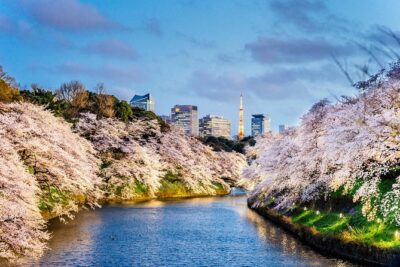 ★ 5.0Tokyo Private Tour by Vehicle with English-Speaking ChauffeurFrom $468
Mt FUJI Day Tour with Private Car and English Speaking GuideFrom $440
★ 5.0Tokyo Private Tour by Vehicle with English-Speaking ChauffeurFrom $468
Mt FUJI Day Tour with Private Car and English Speaking GuideFrom $440
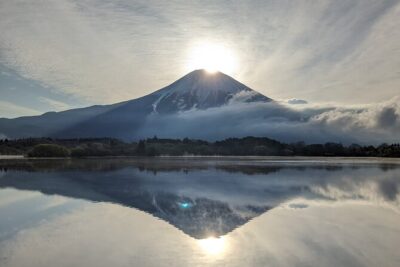 ★ 5.0Private Car Tour to Mt. Fuji Lake Kawaguchiko or HakoneFrom $1,286
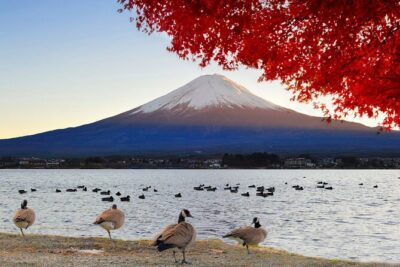 ★ 5.0Mt Fuji Exclusive Tour with Private Car English GuideFrom $445
 ★ 5.0Tokyo Private Customizable Tour with English Speaking ChauffeurFrom $273
 ★ 5.0Tokyo City Tour by Private Car & English guideFrom $445