
Reviewed · KAMAKURA & ENOSHIMA DAY TRIPS
From Tokyo: Kamakura & Enoshima 1-Day Bus Tour
Kamakura gives you Japan in a different key: samurai-era temples, quiet ponds, enormous Buddhas, and old shopping lanes, all within reach of Tokyo. This tour adds Enoshima, a small island with sea views, shrines, shops, steep stairs, and a chance to spot Mount Fuji on a clear day.
I like the efficient two-destination plan and the fact that entrance fees for Kōtoku-in and Hase-dera are included. I also like the balance between guide-led sightseeing and free time, with guides such as Omar, Yuki, Mitsuko, and Chen praised for warmth, clear directions, and useful local tips.
The tradeoff is a long day, usually nine to ten hours, and Tokyo traffic can make the return trip drag. Enoshima also involves plenty of stairs, so this is not a gentle stroll from bus to bus.
In This Review
- Key points at a glance
- Why this day trip works beyond Tokyo
- Tsurugaoka Hachimangu, Kamakura’s spiritual center
- Komachi Street for snacks and souvenirs
- The Great Buddha at Kōtoku-in
- Hase-dera and its hillside views
- Enoshima Island, the day’s scenic finish
- Views, gardens, and the Samuel Cocking Garden lighthouse
- The bus, guide, and pace of the day
- Is $66.05 a fair price?
- Meeting points and rules worth taking seriously
- Who should book this Kamakura tour?
- Should you book it?
- FAQ
- How long does the Kamakura and Enoshima tour last?
- Where does the tour start and finish?
- Are entrance fees included?
- Is lunch included?
- What language is the tour conducted in?
- What happens if I arrive late?
Key points at a glance
- Four major stops in one day: See Tsurugaoka Hachimangu, the Great Buddha, Hase-dera, and Enoshima without arranging several separate train journeys.
- Kamakura’s two sides: Move from sacred shrine grounds to Komachi Street’s snacks, crafts, and souvenirs.
- Enoshima needs energy: The island offers shrines, sea views, shops, and the Samuel Cocking Garden lighthouse, but its hills and stairs can be demanding.
- Guiding varies by departure: English and Chinese commentary may be provided on the same bus, and the quality of explanations can depend on the guide assigned.
- Good value at $66.05: Transport, taxes, and two temple admissions are included, but lunch and optional Enoshima attractions cost extra.
- Strict departure rules: Arrive at least 10 minutes early at the exact pickup point. The bus will not wait for late arrivals.
Why this day trip works beyond Tokyo
Kamakura was the home of Japan’s first samurai government, and the town still feels shaped by that past. Its shrines and temples sit among ordinary streets, cafés, small shops, and residential lanes. You get culture without giving up the pleasure of simply wandering around.
The tour is useful if you want to see the main sights without working out several rail connections. Kamakura and Enoshima are close on the map, but fitting them together by public transport requires attention to train times, walking routes, and local buses. Here, the bus handles the long transfers while you focus on the stops.
The plan is broad rather than slow. You will not see every temple in Kamakura, and you will not have time to explore every corner of Enoshima. But you get a clear first look at both places in one day, which is especially helpful during a short Tokyo stay.
The group can reach up to 90 people, though some departures feel smaller. One person who was wary of a large bus group found the actual group size comfortable. Still, you should expect a shared coach outing, not a private tour.
A few more Kamakura tours and experiences worth a look
Tsurugaoka Hachimangu, Kamakura’s spiritual center
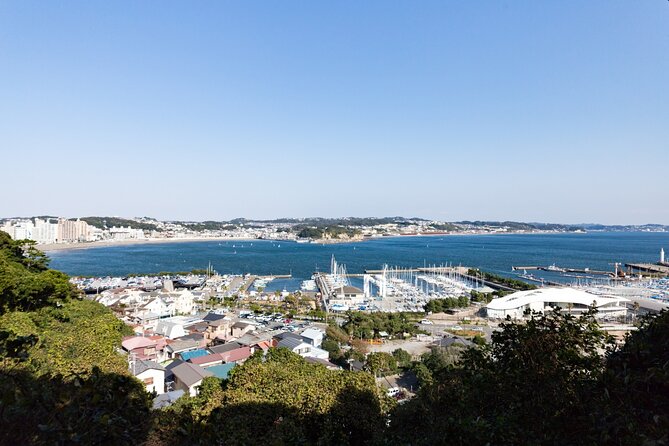
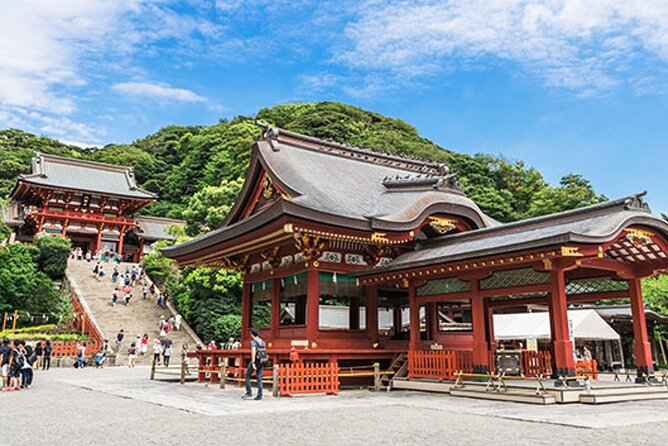
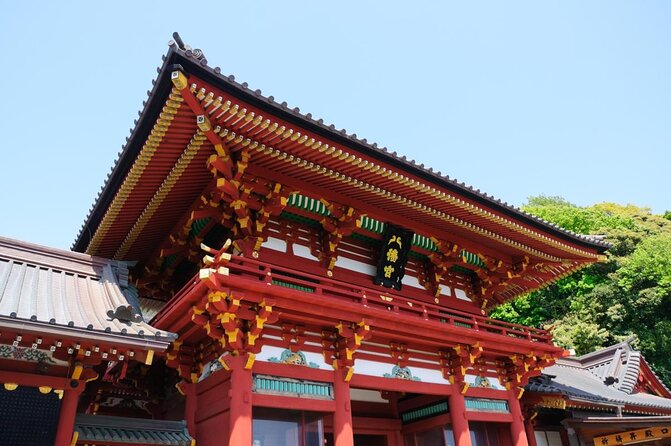
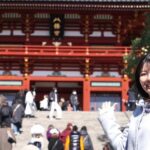
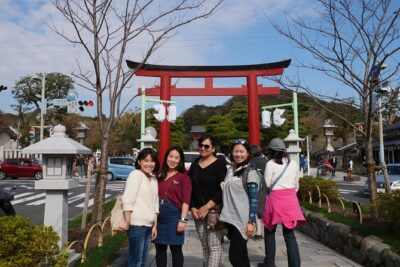
The day begins at Tsurugaoka Hachimangu, Kamakura’s leading Shinto shrine. You enter through a large torii gate and follow the approach toward the main buildings. The grounds include ponds with koi, red shrine details, flags, trees, and broad walking paths.
Allow yourself time to notice the difference between the open approach and the more enclosed sacred spaces. The shrine is not just a quick photo stop. It gives you the clearest introduction to Kamakura’s role as a center of warrior power and religious life.
The listed visit lasts about two hours and admission is free. That is a generous block of time, though it can feel long if you are mainly interested in the main pavilion. The extra time becomes useful when you combine the shrine with nearby Komachi Street.
You may also encounter smaller shrine buildings around the grounds, including Shirahata Shrine near Yanagihara Pond and other pavilions connected with Kamakura’s history. The guide may point out details that are easy to miss, but commentary is not identical on every departure. Some guides, including Yuki and Omar, have been praised for explaining local history with energy. Another experience found the commentary mostly limited to directions, so your day may depend on who leads it.
Komachi Street for snacks and souvenirs
Komachi Street runs toward Tsurugaoka Hachimangu and is the natural place to look for food between sightseeing stops. It is lined with souvenir shops, handmade crafts, local snacks, and restaurants. This is where the tour feels less formal and more like a town visit.
You will have a chance to choose your own lunch rather than being tied to a fixed restaurant. That freedom is a real advantage, but the schedule can make food planning important. One route change caused by a traffic accident shifted lunch to around 11 a.m. in Enoshima, before many places had opened. A later stop may give you better choices, but traffic and weather can change the order.
I suggest treating the first two hours as both shrine time and a chance to buy a snack. Do not assume you will have a long, relaxed meal later. Your guide may offer food suggestions, and several guides have been praised for helping with shopping and restaurant choices.
The Great Buddha at Kōtoku-in
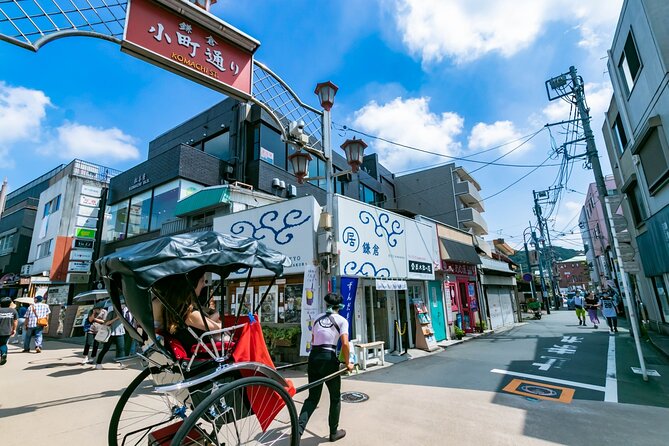
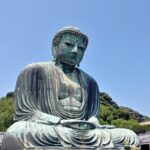
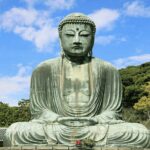
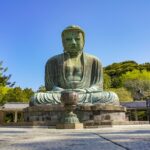
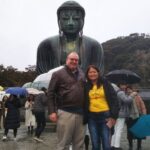
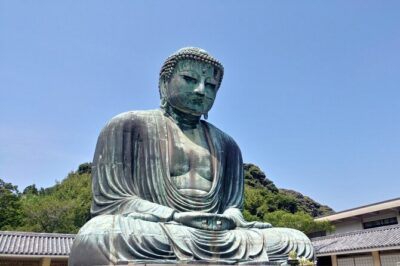
Kōtoku-in is home to Kamakura’s famous bronze Great Buddha, a national treasure. The statue has sat outdoors for centuries, and its scale is impressive even when the temple grounds are busy.
The scheduled visit is about 30 minutes, with admission included. That is enough to see the statue, take photos, and enter the interior if you choose and if the line is manageable. It is not enough for an unhurried temple visit, so use your time carefully.
The site can become crowded. If you want a special stamp or calligraphy service, such as a goshuin, a long wait may make it difficult to fit into the schedule. This is one of those stops where the bus tour saves transport time but gives you a firm limit.
The short visit also means you should stay alert when the guide gives the meeting time. A few extra minutes spent browsing can turn into a rushed return to the coach. The included admission keeps the stop good value, but the pace favors seeing the statue over exploring every part of the temple.
Hase-dera and its hillside views
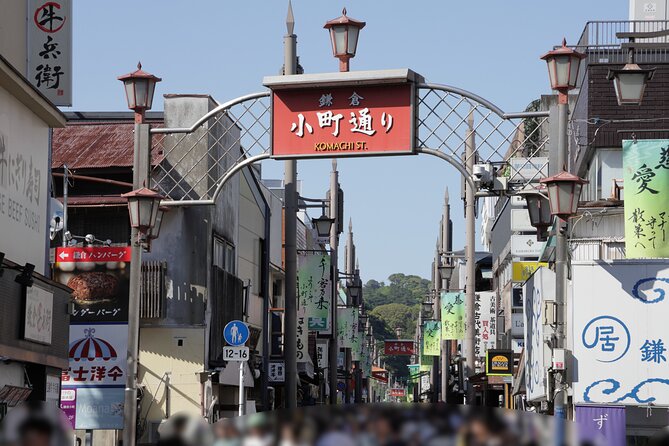
Hase-dera is scheduled for about 50 minutes, and admission is included. The temple is known for its eleven-headed Kannon statue, the Goddess of Mercy, and for its carefully arranged grounds on a hillside.
This is one of the more rewarding stops for visitors who enjoy a mix of art, worship, and outdoor spaces. You might find ponds, flowers, statues, and elevated viewpoints as you move through the grounds. The temple has more visual variety than the Great Buddha stop, but it also demands more walking.
The timing can feel tight if you want to see the main hall, enjoy the grounds, take pictures, and pause for the views. One account found this temple especially striking but felt that less than an hour made lunch and sightseeing rushed. I would keep your visit focused rather than trying to inspect every corner.
Wear shoes suited to steps and uneven walking. The tour is not presented as strenuous, but the day includes repeated walking at several sites. In hot weather, your guide may suggest ways to manage the heat. In rain, temple paths and stairs call for extra care.
A few more Kamakura tours and experiences worth a look
Enoshima Island, the day’s scenic finish
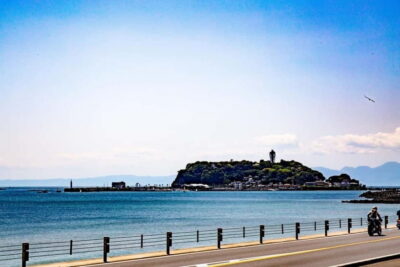
Enoshima is the tour’s final major stop and usually receives about two hours. The island is reached by a narrow shopping street with restaurants and souvenir shops, then rises toward a shrine complex, gardens, viewpoints, and further paths.
The Enoshima Shrine complex honors Benzaiten, associated with music, wealth, and wisdom. It includes three shrines: Hetsu-no-miya, Nakatsu-no-miya, and Okutsu-no-miya. The climb gives the visit a sense of progress, but it also means the island is not an easy flat walk.
You can pay to use escalators in parts of Enoshima, which may save energy on the uphill sections. They do not remove every stair, however. A visitor who bought the escalator ticket without realizing how much additional climbing remained ended up rushing through the island and running back toward the bus in rain and darkness.
That is the main practical warning for this tour: keep track of the route and meeting point. Enoshima’s lanes and signs can be confusing, especially after visiting the shrines or a cave. Ask the guide exactly where the bus will be and how long the walk takes. Do not use every available minute at the far end of the island.
Views, gardens, and the Samuel Cocking Garden lighthouse
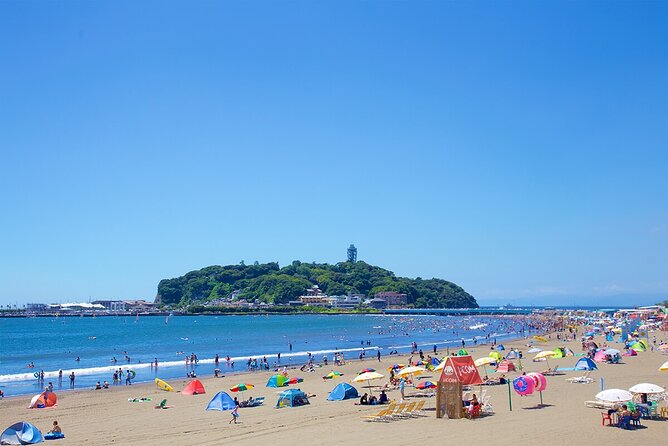
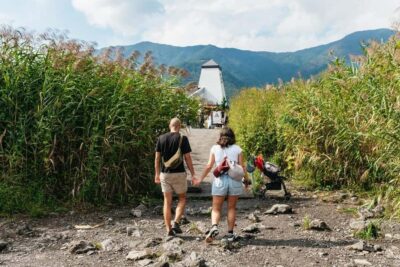
The Samuel Cocking Garden includes an observatory lighthouse that rises 59.8 meters, with the top reaching 119.6 meters above sea level. It was reopened after renovation in 2003 and provides broad views over the island and surrounding coast.
Admission to Enoshima itself is free, but optional attractions such as the lighthouse, garden, escalators, or cave may require additional payment. The tour includes the island visit, not every paid feature. Bring some Japanese yen if you want more choices, though the supplied information does not specify the current prices.
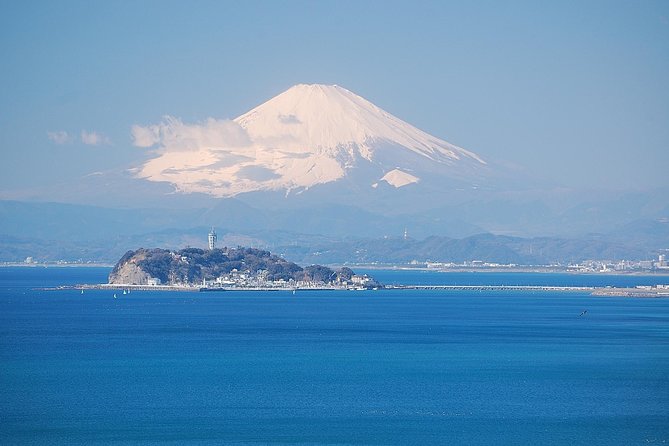
On a clear day, Mount Fuji may appear in the distance. That view is weather-dependent, so treat it as a bonus rather than a promise. Even without Fuji, the ocean outlook and island setting give the final stop a welcome change from Tokyo’s dense streets.
Enoshima was repeatedly singled out as a relaxing and beautiful part of the day. I can see why. After the formal shrine grounds in Kamakura, the island offers a looser rhythm: seafood, small lanes, views, and time to choose your own route.
The bus, guide, and pace of the day
Roundtrip transport is the main reason to book this experience. You ride in an air-conditioned vehicle, and some buses have USB charging ports. The bus quality may vary. One departure used an older, basic coach with uncomfortable seats over the wheel, while other experiences found the bus clean and modern.
The guides are another variable. Omar has been praised for humor and strong explanations of historical places. Yuki has been described as attentive, quick to solve problems, and clear in English. Mitsuko was noted for warm suggestions and smooth organization, while Chen received praise for friendly, clear guidance. These names indicate the sort of staff assigned across departures, not a guarantee that one particular guide will lead your tour.
English and Chinese commentary may be given on the same bus. If you need detailed English explanations, check the language arrangement before booking. The tour is still useful when the guide focuses mostly on logistics, but it will feel less worthwhile if you expect a full lecture at every shrine.
The timing is generally praised as efficient and well paced, but road traffic can disrupt the plan. A traffic accident once caused the route to be reversed, and the drive back to Tokyo can be long. The only stated drop-off is near Shinjuku Station’s West Exit, at the Shinjuku Post Office area. Plan no fixed evening appointment after the tour.
Is $66.05 a fair price?
At $66.05 per person, the price is reasonable for a nine to ten-hour day trip from Tokyo. You are paying for the coach, guide, taxes, and admission to both Hase-dera and Kōtoku-in. The convenience matters most: you avoid planning the intercity transport and can cover four major areas in one outing.
Lunch is not included, nor are optional Enoshima attractions. You should budget separately for food, drinks, shopping, and any lighthouse, garden, cave, or escalator fees you choose to use.
The value is strongest for first-time visitors who want an overview. If you already know Kamakura well, you may prefer a slower day using local trains, with more time at individual temples. For a first visit from Tokyo, the price buys a useful amount of sightseeing and removes much of the transport fuss.
Meeting points and rules worth taking seriously
The meeting information identifies the Shinjuku Post Office at 1-chōme-8-8 Nishishinjuku as a start and end point, while the tour information also refers to a choice of two Tokyo pickup locations. Confirm the exact point selected at booking and check the map before departure.
Look for the guide holding a pale blue flag. Arrive at least 10 minutes early. The coach leaves on time, and arriving at the wrong location or after departure can mean missing the tour without a refund.
You may bring one piece of luggage per person. A trunk item must not exceed 155 centimeters when height, width, and depth are added together, and you cannot access luggage between stops. Keep passports, medication, electronics, and other valuables with you.
Free cancellation is available until 24 hours before the start time. Cancellations or changes inside that window are not refunded. The operator can also cancel if at least 10 people do not book, in which case you are offered another date or a full refund.
Who should book this Kamakura tour?
I would choose this tour if you want to see Kamakura and Enoshima in one day, prefer an organized ride from Tokyo, and appreciate a mix of guided context and independent time. It suits families, first-time visitors, and anyone who does not want to puzzle over local connections.
It is also a good fit if your Tokyo schedule is tight. The tour gives you the Great Buddha, Hase-dera, Tsurugaoka Hachimangu, Komachi Street, and Enoshima without requiring a separate planning day.
I would hesitate if you want long temple visits, a quiet pace, or a guaranteed expert lecture. I would also think twice if stairs are difficult for you, especially on Enoshima. Rain, heat, crowds, and traffic can all make the day harder, and the coach will not wait for a slow return from the island.
Should you book it?
Book it if your goal is maximum coverage with minimum transport planning. The strongest parts are the sensible route, included temple admissions, helpful guides on many departures, and the chance to finish with Enoshima’s sea views.
Skip it in favor of an independent Kamakura day if you want to linger, choose your own train times, or explore smaller temples. If you do book, arrive early, bring water and comfortable shoes, carry some yen, eat flexibly, and save energy for Enoshima’s stairs. Those small choices make this long day much easier.
FAQ
How long does the Kamakura and Enoshima tour last?
The experience lasts approximately nine to ten hours, including transport from Tokyo, sightseeing, and the return to Shinjuku.
Where does the tour start and finish?
The stated meeting point is the Shinjuku Post Office area at 1-chōme-8-8 Nishishinjuku. The tour has only one stated drop-off point, near Shinjuku Station’s West Exit. Confirm your exact pickup location before departure because the tour information also refers to two Tokyo pickup options.
Are entrance fees included?
Admission to Hase-dera and Kōtoku-in, home of the Great Buddha, is included. Enoshima itself is free to enter, but optional attractions such as the lighthouse, gardens, cave, or escalators may cost extra.
Is lunch included?
No. Lunch is not included, so you pay for your own food and drinks. Food options are available around Komachi Street and Enoshima.
What language is the tour conducted in?
The tour includes an English and Chinese-speaking guide. Depending on the number of participants, commentary in both languages may be provided on the same bus.
What happens if I arrive late?
The bus leaves promptly and cannot wait for late arrivals. Arriving at the wrong meeting point or after departure may mean missing the tour without a refund, so arrive at least 10 minutes early and look for the guide with the pale blue flag.
More 1-Day Tours in Kamakura
More Kamakura & Enoshima Day Trips in Kamakura
More tours in Kamakura we've reviewed

Kamakura & Enoshima Day Trips, compared.
 ★ 4.5Tokyo: Kamakura & Enoshima Day Trip including Temple TicketsFrom $589 hours - 570 minutes
 ★ 4.5Tokyo: Mt. Fuji, Kamakura, Big Buddha, & Lake Ashi Day TripFrom $4910 - 11 hours
 ★ 5.0Kamakura Historical Walking Tour with the Great BuddhaFrom $98
 ★ 5.0Kamakura Private Tour: Temples, Nature, and the Great BuddhaFrom $98
 ★ 5.0Kamakura Walking Tour – The City of ShogunFrom $35
 ★ 4.9Tokyo:Sea of Mount Fuji, Hakone Ropeway, Ōwakudani, EnoshimaFrom $5010 hours