
Reviewed · MT FUJI DAY TRIPS
Private Car Tour to Mt. Fuji Lake Kawaguchiko or Hakone
Mt. Fuji is not just a mountain to photograph from one crowded lookout. This private day trip lets you shape the outing around your interests, choosing four to six stops from a long menu of lakes, shrines, villages, caves, museums, ropeways, and food stops. Guides such as Ken, Tomomi, Hiroko, and Bob have led days that mixed famous sights with quieter viewpoints and local recommendations.
I like the hotel-to-hotel convenience and the freedom to switch plans when clouds, queues, or traffic get in the way. I also like the choice between the Fuji Five Lakes area and Hakone, since the two routes offer very different days. The main drawback is price: at $1,286.89 per group, this makes the most sense for a larger party or for visitors who value private transport and personal guidance over a cheaper shared bus.
In This Review
- Key points at a glance
- A private road day from Tokyo
- Choosing Fuji Five Lakes or Hakone
- Starting with Chureito Pagoda and Arakura Sengen Shrine
- Lake Kawaguchiko, Oishi Park, and local flavor
- Traditional houses at Saiko Iyashi no Sato Nemba
- Oshino Hakkai, sake, and the ninja village
- Aokigahara’s lava caves
- The Mt. Fuji Panoramic Ropeway and higher views
- Hakone’s ropeway, volcano, and Lake Ashi
- Museums, castles, and extra Hakone choices
- Who gets the best value from $1,286.89
- Weather, traffic, and the view of Mt. Fuji
- Practical details before you book
- Should you book this private Fuji or Hakone tour?
- FAQ
- How long does the private tour last?
- How many people can join the private tour?
- Does the tour include hotel pickup and drop-off?
- Is transportation private?
- Can I choose between Mt. Fuji and Hakone?
- How many places should I select?
- Is the Mt. Fuji Fifth Station included?
- Are admission fees and lunch included?
- What happens if the weather hides Mt. Fuji?
Key points at a glance
- Four to six stops are realistic: The long activity list is a menu, not a promise that you will visit every site.
- Two distinct day trips: Choose Mt. Fuji and Lake Kawaguchiko, or focus on Hakone’s ropeway, Owakudani, Lake Ashi, and shrines.
- Private minivan for up to eight: Hotel pickup and drop-off save you from managing several trains and buses.
- Strong guide service: English, French, Spanish, Chinese, and Korean guides are available, with guides such as Ken and Tomomi praised for clear communication and flexibility.
- Weather matters: Clouds can hide Mt. Fuji, and the tour continues unless the operator cancels the activity.
- Extra costs add up: Meals, museum tickets, ropeways, cruises, caves, and the Mt. Fuji Fifth Station toll are not included.
A private road day from Tokyo
The great strength here is simple: you are not tied to a fixed bus route. Your guide can help you choose a handful of places, then adjust the order as the day unfolds. A private air-conditioned minivan carries your group from your hotel and returns you there after roughly 10 to 11 hours.
That matters because the Fuji and Hakone areas are spread out. Public transport works well for many individual sights, but combining a shrine, a lake, a village, and a cave in one day can involve transfers and waiting. Here, your guide and driver handle the road while you look out the window or talk through the plan.
The trade-off is the road itself. Tokyo traffic can be heavy, especially on holidays and on the return trip. One group faced nearly four hours driving back to Tokyo. I would treat the advertised duration as a full day with possible delays, not as a guarantee that you will be back at the exact ten-hour mark.
A few more Tokyo tours and experiences worth a look
Choosing Fuji Five Lakes or Hakone
The Fuji Five Lakes route is the better fit if your main goal is a clear view of Mt. Fuji, classic photographs, rural scenery, and places tied to the mountain’s sacred role. It can include Chureito Pagoda, Lake Kawaguchiko, Oshino Hakkai, traditional houses, lava caves, and the panoramic ropeway.
Hakone feels different. It offers volcanic activity at Owakudani, the Hakone Ropeway, Lake Ashi cruises, the famous torii gate at Hakone Shrine, gardens, museums, and Odawara Castle. You get more variety in art, history, and transport, though the views of Mt. Fuji are still dependent on the weather.
Trying to combine the main Fuji lakes and Hakone in one day would make the outing rushed. I would pick one region and use the private format to see it at a comfortable pace.
Starting with Chureito Pagoda and Arakura Sengen Shrine
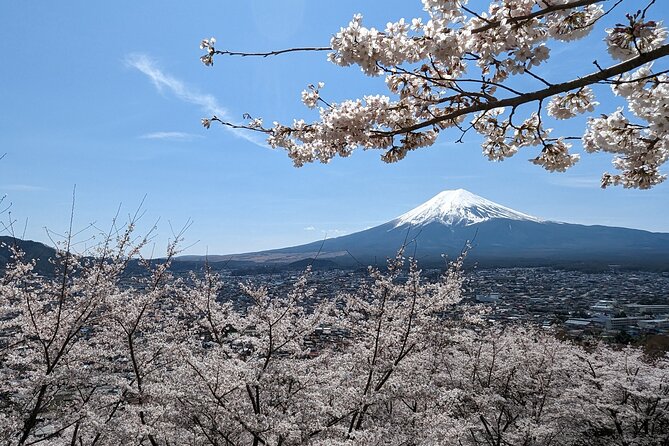
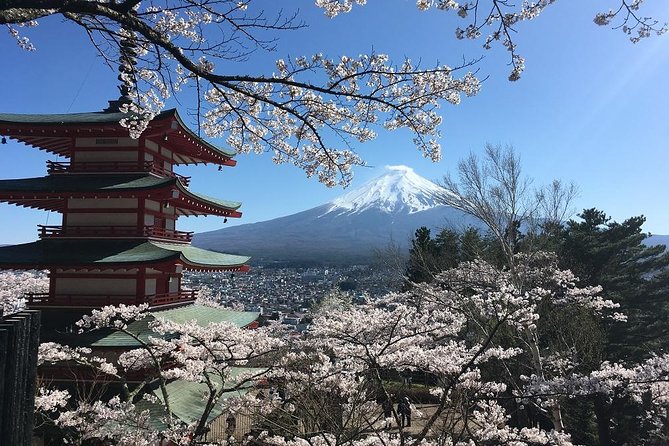
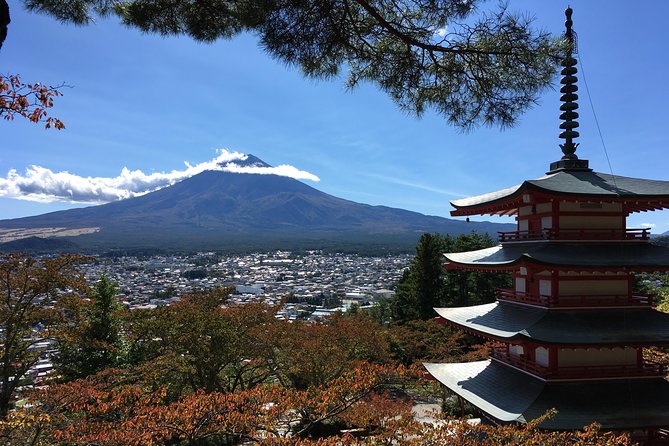
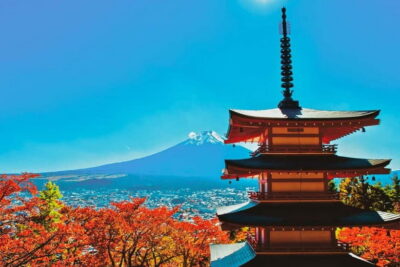
The classic Fuji photograph comes from Arakurayama Sengen Park, where the five-story Chureito Pagoda frames Mt. Fuji. The view is instantly recognizable, but reaching the best viewpoint involves a climb of roughly 400 steps. The stop is free, and the suggested visit lasts about 30 to 60 minutes, not counting any extra time for photos or a slower ascent.
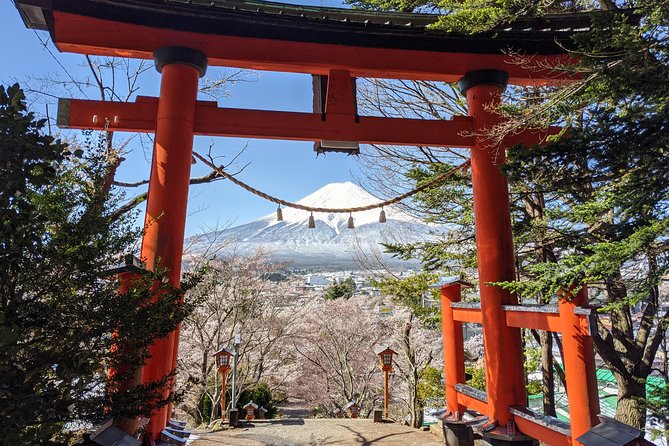
Below and around the park is Arakura Fuji Sengen Shrine, which honors a fire goddess and forms part of the religious culture surrounding Mt. Fuji. The shrine adds meaning to what might otherwise be just a photo stop. I would start here if the mountain is visible, since your guide can place the most weather-sensitive view early in the day.
The site can be crowded, particularly when the famous composition is possible. Your guide may help with timing and alternate photo points, but no private tour can remove the crowds or guarantee a clear summit.
Lake Kawaguchiko, Oishi Park, and local flavor
Lake Kawaguchiko is the most visited of the five Fuji lakes and offers several possible photo stops. Oishi Park is especially attractive for seasonal flowers, including lavender, while Fuji Oishi Hana Terrace adds small shops, regional crafts, souvenirs, fruit ice cream, and sorbets.
This is a pleasant part of the day because it slows the pace. You can admire the lake, snack on local fruit flavors, and browse without turning the outing into a march from one attraction to the next. The flowers change through the year, so the visual appeal depends strongly on your travel date.
Kitaguchi Hongu Fuji Sengen Jinja Shrine gives the route a more solemn side. It is a major shrine north of Mt. Fuji and was traditionally linked with the first step toward climbing the mountain. Tall trees and quiet grounds make it a good counterpoint to the busy lakeside stops.
The Fuji World Heritage Center offers a visual introduction to the mountain and the rituals connected with it. I would choose this if you want cultural context, especially early in your Japan trip, though it may be less memorable for children than the caves, ninja village, or ropeway.
Traditional houses at Saiko Iyashi no Sato Nemba
Saiko Iyashi no Sato Nemba is a reconstructed village of old houses with steep straw roofs. The buildings now hold local crafts, and you can meet artists, rent a kimono, or arrange samurai armor rental in advance.
This is one of the more atmospheric choices on the Fuji route. It gives you a sense of traditional building styles and craft work rather than another lookout. Admission is not included, so check the cost when planning your six-stop limit.
The nearby Lake Saiko is known as the Maiden Lake and works well as a brief photo stop. It is quieter in character than Kawaguchiko, though the precise view depends on clouds and the season.
A few more Tokyo tours and experiences worth a look
Oshino Hakkai, sake, and the ninja village
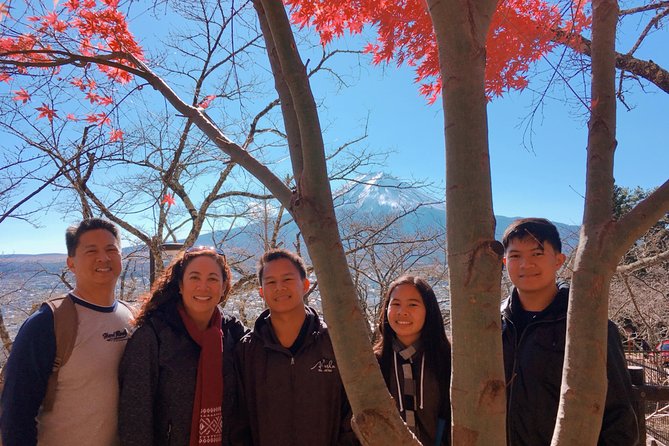
Oshino Hakkai is a group of eight ponds fed by snowmelt from Mt. Fuji. The ponds are part of the Fujisan Cultural Site, and the surrounding area has food stalls, small shops, and easy opportunities to sample Japanese snacks.
I would choose it for a first Fuji-area visit because it combines water, village scenery, food, and mountain culture in one stop. It can also feel busy, so do not expect a private, silent rural setting.
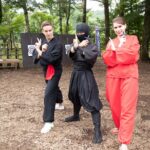
Families may prefer Oshino Shinobi no Sato, a ninja-themed village with shows and costume rentals for children and adults. Admission is extra, and the stop needs at least 30 minutes to feel worthwhile. It is entertainment rather than an old historical site, but it can provide a welcome change after several shrines and viewpoints.
At Lake Kawaguchiko, Ide Sake Brewery uses Mt. Fuji snowmelt water. Sake tasting takes about 20 minutes, while the guided brewery visit takes about 90 minutes and requires a reservation. Tasting costs 1,500 yen, and the visit begins from 3 p.m. daily, so this is a specialist choice that must be built carefully into the schedule.
Aokigahara’s lava caves
Aokigahara Jukai is the famous forest growing over old volcanic rock. The route offers three cave options: Narusawa Ice Cave, Fugaku Wind Cave, and Saiko Bat Cave.
The Ice Cave takes about 15 to 30 minutes and offers an adventurous change from shrines and gardens. The Wind Cave takes a similar amount of time. Saiko Bat Cave is the largest of the three and usually needs 20 to 45 minutes.
Cave visits are not included in the tour price. They also require more care with footwear and movement than a lakeside park. I would choose one cave, not all three, unless your group is especially interested in volcanic geology.
A short walk in Aokigahara can add a quiet forest experience, but stay with your guide and follow the marked route. The forest is a natural attraction, not simply a backdrop for photographs.
The Mt. Fuji Panoramic Ropeway and higher views
The Mt. Fuji Panoramic Ropeway climbs to about 1,075 meters in three minutes from the shore of Lake Kawaguchiko. From above, you can look over the lake, Fuji Yoshida city, and Mt. Fuji when the air is clear.
The ride itself is short, but queues can stretch the stop to 90 minutes. Admission is extra. I would choose it on a clear day, but I would think twice if clouds are already covering the mountain or if your schedule is tight.
The Mt. Fuji Fifth Station reaches about 2,300 meters and is the highest point on the route accessible by car. The toll is 2,100 yen, paid separately. Access closes from July to mid-September during the climbing season and also closes in winter, so confirm conditions before counting on this stop.
A Fifth Station visit sounds essential, but it is not always the best place for a mountain view. Clouds can sit at this elevation even when lower viewpoints are clear. A flexible guide can help you decide where your time is best spent.
Hakone’s ropeway, volcano, and Lake Ashi
Choose Hakone for a day with more transport and museum options. The Hakone Ropeway reaches about 1,350 meters and offers the area’s strongest aerial views of Mt. Fuji. The ride and waiting time usually take 45 to 90 minutes, with tickets extra.
Owakudani Valley is the volcanic heart of the route. You can see signs of volcanic activity, buy the famous black eggs, and look toward Mt. Fuji on a clear day. The black eggs are tied to a local saying that eating one adds seven years to your life. It is a fun food tradition, not a medical promise.
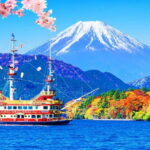
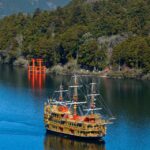
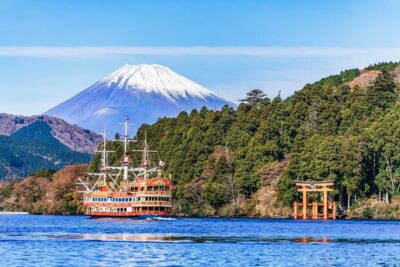
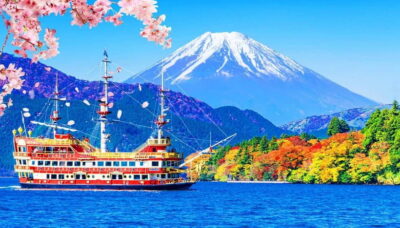
Lake Ashi formed inside a volcanic caldera and is linked with the nine-headed dragon legend. The sightseeing cruise takes about 30 minutes, and you can choose the famous pirate-style ship or a regular cruise ship. The pirate boat is the more theatrical option, while the regular vessel may suit you if you want to avoid its crowds.
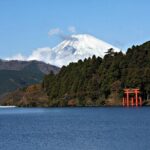
Hakone Shrine is known for its lakeside torii gate and long connection with Japan’s rulers. The shrine is free, but the torii photo point can have a queue. Onshi Hakone Park, a former Imperial garden, offers a gentler walk with cherry blossoms in spring, red maple leaves in autumn, and views of Mt. Fuji and Lake Ashi when conditions cooperate.
Museums, castles, and extra Hakone choices
The Hakone Open-Air Museum is a strong pick for families and art fans. Sculptures by Japanese and Western artists sit outdoors, and the setting makes the collection easy to enjoy even if you do not usually visit museums. Allow 45 to 90 minutes, with admission extra.
Odawara Castle focuses on the samurai and ninja world of Japan’s warring states period. Its museum includes samurai armor and swords. Hakone Sekisho and its museum show how the Edo-period checkpoint worked under the Tokugawa shogunate. These are good choices if you want more history and less scenery.
Other optional stops include the Itchiku Kubota Art Museum, known for rare kimono designs and distinctive architecture, the Hakone Venetian Glass Museum, and museums devoted to Japanese and Oriental art. The Pola Museum is another art choice near Hakone, while the Hakone Samurai Museum offers real weapons and the chance to try samurai armor.
Do not attempt to fit all of these into one day. The private format gives you choice, not extra hours.
Who gets the best value from $1,286.89
The group price covers up to eight people, so the arithmetic changes sharply with group size. For eight people, the cost is about $161 per person. For four people, it is about $322 each, before admission fees, lunch, drinks, gratuity, and optional tolls.
That is expensive beside a shared bus excursion. You are paying for a private vehicle, hotel pickup and drop-off, a guide, route advice, and the ability to set the pace. A family with older parents may find the comfort especially useful. One eight-person family reported that the minivan, careful pacing, and flexible stops worked well for both a child and elderly parents.
The experience also fits families who want help with food and local planning. Guides have recommended restaurants, helped arrange reservations, and suggested other places to visit in Tokyo. Vegetarian meals are possible if you state dietary needs when booking.
A gratuity of 5 to 20 percent is not included. Admission charges are also separate, so set aside a healthy extra budget if you want museums, caves, a ropeway, a cruise, or a brewery visit.
Weather, traffic, and the view of Mt. Fuji
Mt. Fuji is famously shy. Several outings described clear views at one stop, followed by clouds at the next. One guide changed the order to reach the mountain before clouds closed in, while another day still worked because the group visited lakes, forest, and a lava cave when the summit disappeared.
You should book this for the region, not for a guaranteed postcard. The operator says the tour will not be canceled or refunded simply because some views are blocked. The schedule may change because of weather or traffic, and if the operator cancels for poor weather, you are offered another date or a full refund.
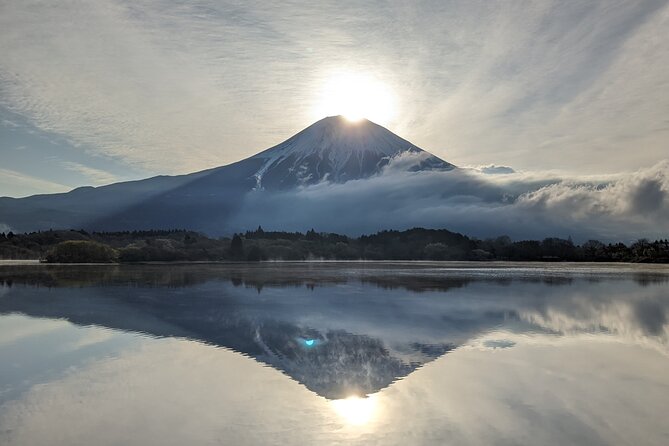
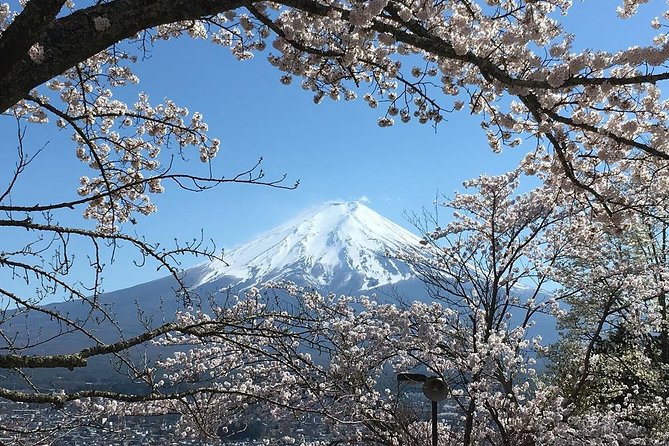
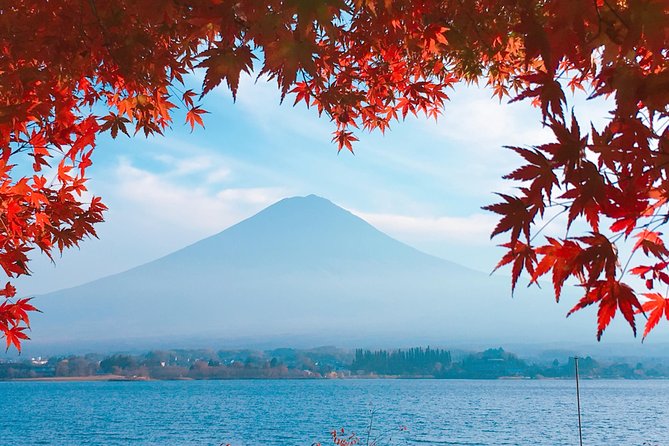
Winter often brings the clearest snow-capped views, but the Fifth Station is closed in winter. Spring brings blossoms, autumn brings red maples, and Oishi Park has seasonal flowers. Yamanakako Hananomiyako Park offers flowers from spring through fall, while Diamond Fuji can appear in winter when the setting sun aligns with the peak.
Practical details before you book
The tour includes an air-conditioned minivan, private guide, hotel pickup and drop-off, and one bottle of water per person. Service animals are allowed, and most people can take part.
Tell the operator your priorities after booking. A strong plan might be Chureito Pagoda, Oishi Park, Oshino Hakkai, and one cave. Another might be the Fuji World Heritage Center, a shrine, a sake tasting, and Lake Kawaguchiko. In Hakone, the ropeway, Owakudani, Lake Ashi cruise, and Hakone Shrine make a full day.
Hot spring visits have strict rules. Swimsuits, bath towels, and clothing are not permitted in the tubs, men’s and women’s bathing areas are separate, and tattoos or body paint are prohibited at the hot spring facility.
Free cancellation is available up to 24 hours before the start time. Changes or cancellations inside that window are not accepted for a refund. The price stays the same even if you do not use the vehicle, so the main value comes from having your own transport and guide.
Should you book this private Fuji or Hakone tour?
Book it if you have four to eight people, want a full day beyond Tokyo, and care about setting your own route. It is particularly useful for families, older relatives, photographers, and anyone who would rather let a driver handle unfamiliar roads and traffic.
Choose Fuji Five Lakes for mountain photographs, shrines, village scenery, caves, flowers, and regional food. Choose Hakone for volcanic sights, ropeways, Lake Ashi, museums, and a more varied cultural day.
Skip it if you are traveling alone or as a couple on a tight budget. A shared excursion or public transport will cost less. Also skip it if your only goal is one guaranteed Mt. Fuji photograph, since clouds can defeat even the best plan.
For the right group, this is a comfortable and highly flexible way to see a large region in one day. Just keep the itinerary short, accept that traffic and weather are part of the deal, and use your guide’s local judgment instead of trying to collect every stop.
FAQ
How long does the private tour last?
The tour lasts approximately 10 to 11 hours.
How many people can join the private tour?
The price covers one group of up to eight people.
Does the tour include hotel pickup and drop-off?
Yes. Hotel pickup and drop-off are included.
Is transportation private?
Yes. Your group receives round-trip private transportation in an air-conditioned minivan.
Can I choose between Mt. Fuji and Hakone?
Yes. You can choose a Mt. Fuji and Lake Kawaguchiko route or a Hakone route.
How many places should I select?
You should select around four to six sites. The many locations listed are choices for building your day, not stops that can all fit into one outing.
Is the Mt. Fuji Fifth Station included?
No. The Fifth Station toll costs 2,100 yen and is paid separately. Access is closed from July to mid-September and during the winter season.
Are admission fees and lunch included?
No. Entrance fees, food, drinks, lunch, and gratuity are not included.
What happens if the weather hides Mt. Fuji?
The tour normally continues even if some views are blocked by clouds. If the operator cancels the activity because of poor weather, you will be offered another date or a full refund.
More Private Tours in Tokyo


More Hakone Day Trips in Tokyo
More Mt Fuji Day Trips in Tokyo
More tours in Tokyo we've reviewed











Mt Fuji Day Trips, compared.
 ★ 5.0Mt Fuji and Hakone 1-Day Bus Tour Return by Bullet TrainFrom $163
 ★ 4.0Mt Fuji & Hakone Cruise, Drum Show Bullet Train 1 Day from TokyoFrom $149
 ★ 4.4Tokyo Mt Fuji 5th St & Hakone Cruise Bus Tour w/Bullet TrainFrom $15410 hours
 ★ 4.5From Tokyo: Mount Fuji Full-Day Sightseeing TripFrom $6810 hours
 ★ 4.7Tokyo: Mt. Fuji Tour, Hakone Ropeway, Owakudani, Lake AshiFrom $5410 hours
 ★ 4.4Tokyo:Mt.Fuji,Kawaguchiko Oishi Park,Arakurayama Sengen ParkFrom $5410 hours