
Reviewed · TOURS
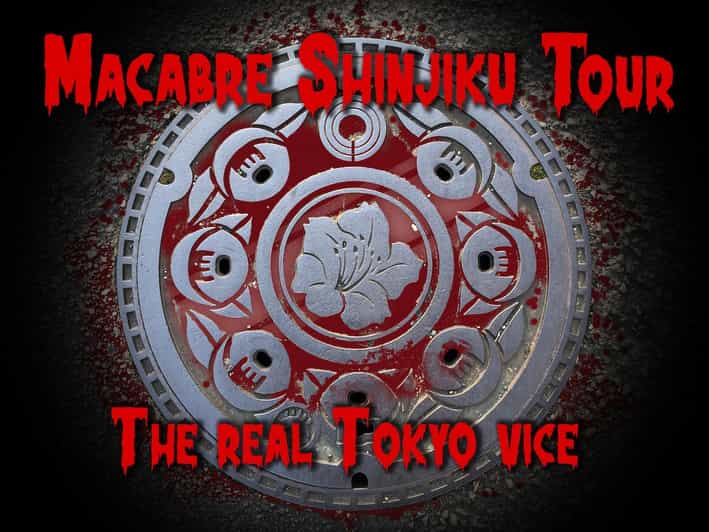
Kabukicho Macabre Tour – the Real Tokyo Vice
Kabukicho is more than neon signs, karaoke rooms, and late-night touts. On this two-hour walk, guide Vivian connects the district’s streets with real murders, mafia disputes, murder-suicides, accidents, terrorist attacks, and unsolved cases from the past 43 years. You see the places where events happened, not just a collection of spooky stories in a dark room.
I like the small maximum of four people, which makes it easier to hear and ask questions in crowded Shinjuku. I also like the mix of crime, nightlife culture, Yakuza game locations, and Tokyo Vice filming spots. The main consideration is the subject matter: this is adult true crime, not a light sightseeing stroll, and some stories involve tragic deaths and disturbing events.
In This Review
- Key points to know
- Why Kabukicho works so well for a macabre walking tour
- Meeting Vivian at Kabukicho Tower
- The first streets: a history of Kabukicho’s darker side
- Standing where real crimes happened
- Love hotels, mafia stories, and the Tokyo Vice connection
- Why the group size matters in busy Shinjuku
- The shrine ending and the mood after the stories
- Is $56 a fair price for two hours?
- Who should book this tour?
- Practical details before you go
- Should you book the Kabukicho Macabre Tour?
- FAQ
- Where does the Kabukicho Macabre Tour meet?
- How long does the tour last?
- What language is the tour conducted in?
- Who leads the tour?
- How many people can join the group?
- Is the tour suitable for children?
- Is the tour wheelchair accessible?
- Can I cancel or pay later?
Key points to know
- Real Kabukicho locations: Visit streets and sites linked to murders, mafia violence, accidents, and unsolved crimes.
- A guide with focused research: Vivian studied Japanese nightlife and night work for her graduating thesis and welcomes questions about the district.
- Only four people per group: The intimate format helps you follow the stories and keeps the walk easier to manage.
- More than crime stories: Expect discussion of red-light culture, love hotels, Japanese nightlife, supernatural beliefs, and social issues.
- A shrine finish: The walk ends with a visit to a shrine, giving the evening a quieter final note.
- Good for pop-culture fans: You can pass locations connected with the Yakuza game series and the HBO series Tokyo Vice.
Why Kabukicho works so well for a macabre walking tour
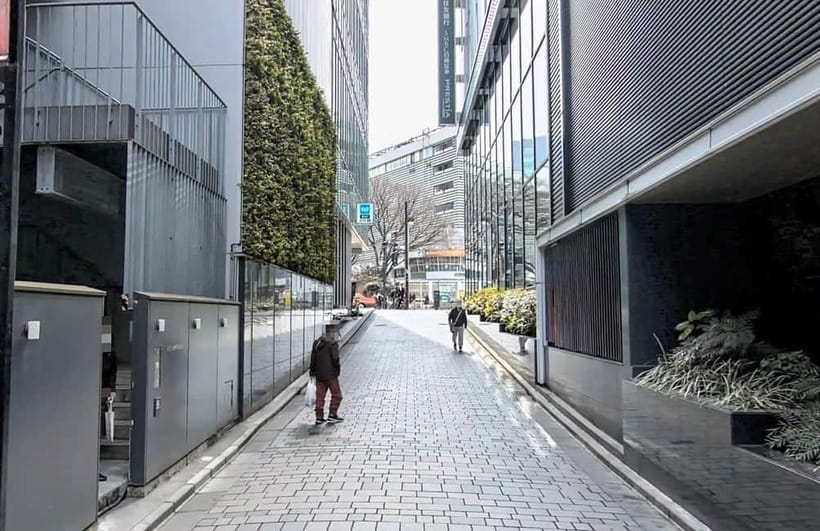
Kabukicho is an unusual setting because the polished tourist image and the rougher nightlife world sit side by side. A bright tower, a narrow alley, a love hotel entrance, and a quiet shrine can all appear within the same short walk.
That contrast gives Vivian plenty to explain. You are not simply hearing crime tales for shock value. The tour also looks at how the red-light district operates, how nightlife work fits into Japanese society, and why certain streets gained reputations for danger, secrecy, or strange incidents.
The area’s name often appears in connection with entertainment, restaurants, bars, clubs, and late-night business. This tour focuses on the parts that standard Shinjuku sightseeing usually skips. It puts the district’s darker stories into their physical setting, which can make them easier to understand and harder to forget.
The atmosphere changes as the evening progresses. Neon signs and crowds provide a noisy backdrop, while some stories point to places that look completely ordinary today. That is part of the effect. Kabukicho does not need haunted-house decoration. Its everyday streets carry the tension.
If you're still narrowing it down, here are other tours in Tokyo we've reviewed.
Meeting Vivian at Kabukicho Tower
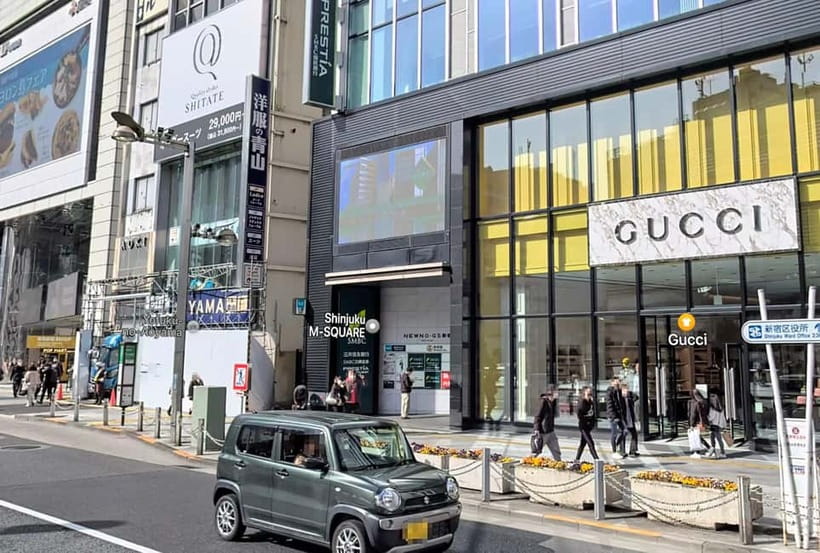
The meeting point is in front of the Starbucks at Kabukicho Tower, on the stairs. Use the supplied Google Maps pin carefully, since Kabukicho has many similar-looking entrances and busy corners.
This is a practical place to meet because Kabukicho Tower is a prominent landmark. Still, arrive with enough time to locate the stairs, especially if you are new to Shinjuku Station. The station area is famously confusing, and a late arrival could be hard to fix once the group has started walking.
Vivian is the central reason this experience works. Her background includes a graduating thesis on nightlife and night work in Japan, so she can answer questions beyond the prepared crime stories. You can ask about the district’s current culture, nightlife businesses, work patterns, and the social issues surrounding the red-light area.
Her presentation also uses illustrations for some cases. That is useful when a story involves several people, dates, or locations. Instead of trying to remember a long spoken explanation, you get a clearer visual reference while standing near the place connected to it.
Several experiences with Vivian describe her as passionate, engaging, and willing to keep explaining through difficult conditions. One group continued during heavy snow and strong wind. That does not mean every tour will face bad weather, but it does suggest that the advertised two hours are treated seriously.
The first streets: a history of Kabukicho’s darker side
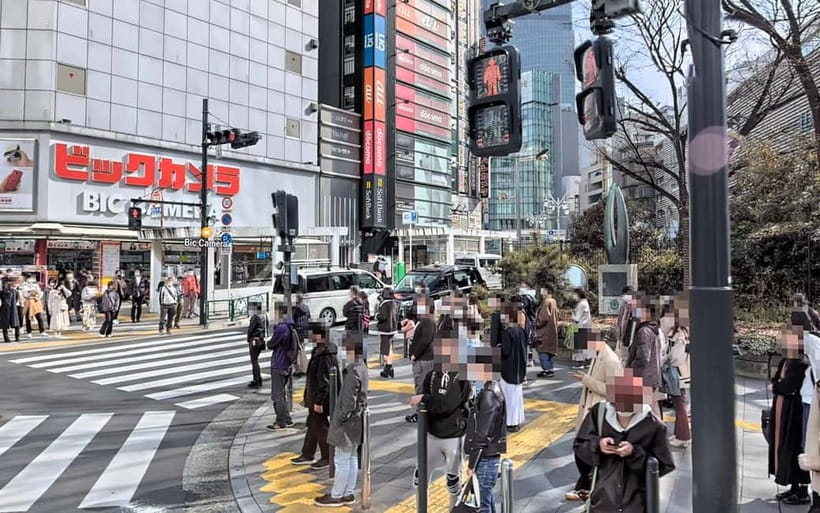
The opening section gives you the district’s background before the most unsettling stories begin. This context matters. Without it, Kabukicho can look like an endless wall of signs and doorways. With it, the streets become a record of changing nightlife, crime, commerce, and public anxiety.
The tour covers the red-light district’s culture and the forces that shaped its reputation. Vivian explains the difference between what you see openly and what tends to stay behind closed doors. Topics include love hotels, nightlife work, organized crime, and the ways visitors can misunderstand the area.
The crime material stretches across roughly 43 years. You hear about mafia murders, gang conflicts, shootings, fights, murder-suicides, and accidents. The point is not to suggest that every street is dangerous now. Instead, the stories show how a district can collect layers of rumor and memory over time.
I appreciate that this approach can make Tokyo feel more human. Japan is often presented to visitors as clean, orderly, and almost frictionless. Kabukicho adds a less polished but more complicated side. Its nightlife has its own risks, labor issues, power structures, and tragedies.
Standing where real crimes happened
The strongest part of the walk is the connection between story and place. You pass actual locations associated with murder cases and other serious incidents. Vivian explains what happened and how the site fits into the wider story, rather than pointing at a building and rushing on.
Some places may look unremarkable now. That can be more powerful than a dramatic ruin. The contrast between an ordinary modern street and a disturbing event forces you to think about how quickly a location can return to daily life after something terrible happens there.
The tour also covers cases that were never fully solved, including stories involving serial killings. These subjects can be unsettling, particularly when the facts remain incomplete. You should expect a serious tone at times, even when the guide keeps the conversation relaxed and open.
There are supernatural elements as well. Certain areas are known locally for ghost stories or a haunted reputation, and the walk passes by places linked to those beliefs. The tour does not appear to treat every haunting claim as proven fact. Instead, it presents the folklore as part of the district’s cultural atmosphere.
That balance is important. If you enjoy true crime, you will probably appreciate the difference between a documented incident, a local legend, and a story that has changed through retelling. If you prefer strictly traditional history, the supernatural material may feel less substantial.
Love hotels, mafia stories, and the Tokyo Vice connection
Kabukicho’s love hotels are part of the tour’s cultural discussion, not simply scenery. They help explain how private and commercial nightlife overlap in the district. Vivian also uses the area to discuss social attitudes, work, relationships, and the business side of adult entertainment.
The mafia stories bring another layer. The tour includes vendettas, gang disputes, shootings, and other violent incidents connected with organized crime. These stories help explain why Kabukicho has such a strong popular image, but they should not be treated as a complete picture of present-day Shinjuku.
You can also pass places associated with the Yakuza video game series. For fans, this is a useful way to compare the stylized game world with the real streets. The game locations offer a pop-culture hook, while the guide’s historical and cultural explanations keep the walk from turning into a simple filming-location hunt.
The same applies to locations used for the HBO series Tokyo Vice. Seeing a real street from the show can be fun, but the more valuable part is learning how television reshapes a place for drama. The tour lets you connect the screen version with the actual nightlife district around you.

Why the group size matters in busy Shinjuku
The limit of four participants is one of the tour’s best practical features. Kabukicho can be noisy, crowded, and visually distracting. In a large group, you might miss key details or spend the evening trying to stay close to the guide.
With four people, Vivian can respond to individual interests. The format is particularly helpful if you want to ask about Japanese nightlife, criminal cases, the Yakuza games, Tokyo Vice, or cultural issues around the red-light district.
It also keeps the walk from feeling like a public performance. The tone can stay conversational, which suits difficult subjects. Several people who took the tour particularly valued being able to hear clearly and ask many questions.
The tradeoff is that small tours can fill quickly. If you have a fixed evening in Shinjuku, check availability before building the rest of your night around it.
The shrine ending and the mood after the stories
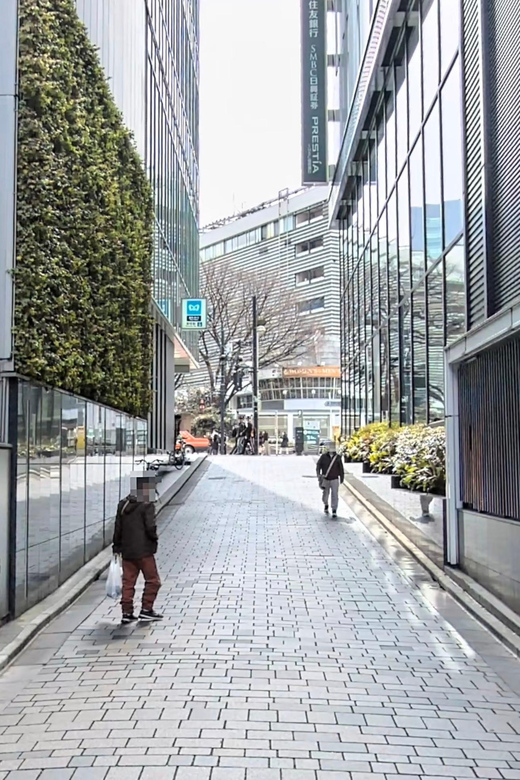
The final shrine visit gives the tour a clear change of pace. After two hours of murders, hauntings, violence, and nightlife secrets, a shrine offers a quiet place to pause.
It also makes cultural sense. Shrines are not just scenic stops in Japan. They are connected with protection, remembrance, spiritual practice, and the wish to keep harmful influences away. Ending there gives the supernatural side of the tour a more thoughtful finish.
One especially memorable touch described by participants is Vivian giving a protective ward against ghosts that might follow you back to the hotel. That gesture is playful, but it fits the mood and gives you a small souvenir tied to the evening’s theme.
The shrine is not a replacement for the main tour. The value lies in the walk and the explanations before it. Think of the shrine as a closing note, not the central attraction.
Is $56 a fair price for two hours?
At $56 per person, this is not the cheapest way to see Kabukicho. You can walk through the district for free, and plenty of standard Shinjuku tours cost less per hour.
The value comes from the research, access to specific stories, and the small group. You are paying for Vivian’s preparation and her ability to connect individual sites with the wider culture of Japanese nightlife. The price is easier to justify if you would otherwise spend the evening wandering without understanding what you are seeing.
The tour is also good value for a visitor who wants something difficult to find independently. News reports and online searches can provide fragments about crimes, but they rarely give you a coherent route through the area or explain how crime, nightlife, folklore, and popular culture overlap.
I would not choose it for a casual first introduction to Tokyo. If you have only one evening in Shinjuku and want food, shopping, or a general orientation, a standard neighborhood walk may suit you better. If your interests include true crime, subcultures, dark tourism, or the Yakuza games, the focused subject makes the price more reasonable.
Who should book this tour?
This is best for adults and older teenagers who can handle serious crime stories. Children under 15 are not suitable for the tour, and the material is not softened for a family audience.
You are likely to enjoy it most if you:
- Follow true crime and unsolved cases
- Want to understand Tokyo’s nightlife beyond the tourist surface
- Like Japanese social history and subcultures
- Play the Yakuza game series
- Watched Tokyo Vice and want to see related locations
- Enjoy ghost stories alongside documented history
- Prefer small groups and plenty of time for questions
You do not need to be a crime expert. Vivian explains the background as you go. But you should be comfortable walking through an active red-light district and discussing murder, violence, suicide, and adult nightlife.
The tour is wheelchair accessible, according to the activity information. Since this is a walking route through a busy entertainment area, it is still sensible to confirm any personal mobility needs before booking.
Practical details before you go
The tour lasts two hours and is conducted in English. It is a walk-and-talk experience, so wear comfortable shoes and prepare for standing outdoors. The exact start time varies, so check availability when you book.
Use the restroom before meeting the group. One outing lost useful time when a participant needed an unexpected break, despite Vivian asking beforehand. That is an easy problem to avoid on a short, tightly planned walk.
You can cancel up to 24 hours in advance for a full refund. The reserve-now, pay-later option also lets you hold a place without paying immediately, which helps if your Tokyo schedule is still changing.
The tour has a 5.0 rating from 48 verified bookings. The most consistent praise centers on Vivian’s storytelling, preparation, passion, and ability to answer questions. The small group format also receives repeated approval, especially for keeping the walk easy to follow.
Should you book the Kabukicho Macabre Tour?
Book it if you want to see the real streets behind Tokyo’s polished image, and if crime stories are a genuine interest rather than a passing curiosity. Vivian’s research, illustrations, local knowledge, and conversational style give the walk more substance than a simple list of scary tales.
Skip it if you want a gentle introduction to Shinjuku, dislike graphic or tragic subjects, or have young children with you. For everyone else, this is a focused and unusual way to understand Kabukicho, with real locations, nightlife culture, pop-culture connections, and a shrine at the end to send you back into Tokyo’s night.
FAQ
Where does the Kabukicho Macabre Tour meet?
The meeting point is in front of the Starbucks at Kabukicho Tower, on the stairs. A Google Maps pin is provided with the booking information.
How long does the tour last?
The walking tour lasts two hours.
What language is the tour conducted in?
The tour is conducted in English with a live English-speaking guide.
Who leads the tour?
The guide is Vivian, also referred to as Viv in some tour details. Her graduating thesis focused on nightlife and night work in Japan.
How many people can join the group?
The tour is limited to four participants, making it a small-group experience.
Is the tour suitable for children?
No. Children under 15 are not suitable for this tour because of its adult crime, murder, violence, and red-light district subject matter.
Is the tour wheelchair accessible?
Yes, the activity information lists the tour as wheelchair accessible.
Can I cancel or pay later?
You can cancel up to 24 hours in advance for a full refund. You can also reserve your place and pay later, allowing more flexibility with your plans.
More tours in Tokyo we've reviewed




Tours, compared.
 ★ 5.0Mt Fuji and Hakone 1-Day Bus Tour Return by Bullet TrainFrom $163
 ★ 5.01-Day Tokyo Bus TourFrom $129
 ★ 5.0Tokyo: Shinjuku Food Tour (13 Dishes at 4 Local Eateries)From $86
 ★ 4.4Tokyo Mt Fuji 5th St & Hakone Cruise Bus Tour w/Bullet TrainFrom $15410 hours
 ★ 5.0Flagship 2-Hours Official Street Go-Kart Tour – Tokyo Bay ShopFrom $642 hours to 2 hours 30 minutes (approx.)
 ★ 4.7Tokyo: Mt. Fuji Tour, Hakone Ropeway, Owakudani, Lake AshiFrom $5410 hours