
Reviewed · GO-KARTS
Tokyo Shibuya Go-Kart Experience! Monster-Kart ※IDP Required
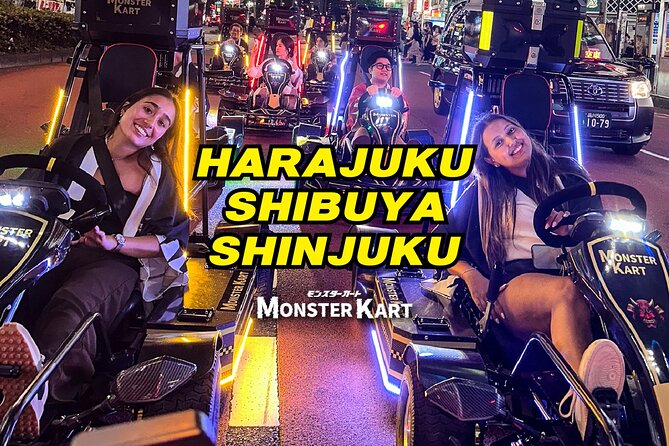
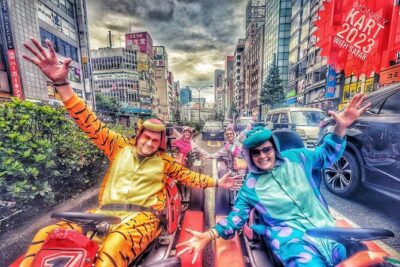
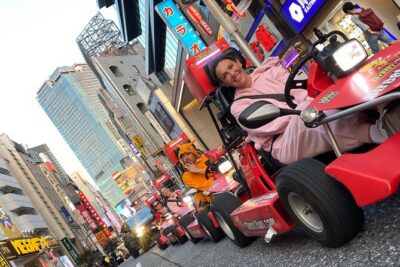
Tokyo Shibuya Go-Kart Experience: Monster-Kart puts you directly into Tokyo traffic, where the city becomes part sightseeing tour and part driving challenge. You follow a guide through the Shibuya, Harajuku, and Shinjuku area, wearing a Japanese-style costume and riding a black electric kart. I like the city-center route and the chance to see famous districts from street level. I also like the photo opportunities, especially around Shibuya Scramble Crossing.
The main catch is not small: you need the correct International Driving Permit and passport in physical form. An expired or invalid permit means you cannot drive, and there is no refund for forgotten documents. You also need to arrive 15 minutes early, and the activity depends on good weather.
In This Review
- Key points
- Why this ride feels different from a normal Tokyo tour
- Meeting in Sendagaya before the one-hour drive
- Choosing a costume and getting ready to drive
- Harajuku and Omotesando: the first taste of central Tokyo
- Shinjuku and Shibuya: the main city spectacle
- What the guide adds to the experience
- The IDP rules are the most important booking detail
- Halloween changes the famous crossing route
- Is $129.51 a fair price?
- Who will enjoy this most?
- Booking, weather, and cancellation advice
- Should you book Monster-Kart in Shibuya?
- FAQ
- Is an International Driving Permit required?
- Do drivers from Switzerland, Germany, France, Taiwan, Belgium, or Monaco need an IDP?
- Where does the activity start and finish?
- How long is the experience?
- Which Tokyo areas does the route cover?
- What happens on October 31 after 3:00 PM?
- What happens if I forget my required documents?
- Can I cancel for a refund?
Key points
- A true Tokyo street route: The regular one-hour course covers Harajuku, Shinjuku, and Shibuya, with Shibuya Scramble Crossing as the headline sight.
- Electric black karts: The vehicles are designed for city driving and give you an open-air view of Tokyo as you move through traffic.
- Japanese-style costumes: You can choose an outfit before setting out, adding a playful local touch to the ride and photos.
- A guide leads the group: The guide handles the route, gives a full safety briefing, and rides with the group through Tokyo streets.
- Strict driving documents: A valid 1949 Geneva Convention IDP, original driving license, and physical passport are required for many nationalities.
- Halloween route change: On October 31, departures after 3:00 PM use a Tokyo Tower route instead of passing Shibuya Scramble Crossing.
Why this ride feels different from a normal Tokyo tour
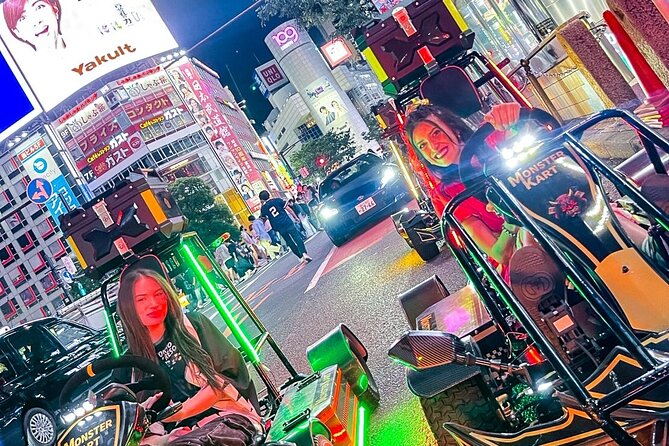
Most Tokyo sightseeing happens from a train, sidewalk, observation deck, or restaurant window. This experience changes your position in the city. You are not simply looking at Shibuya traffic. You are moving through it in a small electric kart, following a guide and attracting attention as you go.
The route is the real reason to book. The ride links several famous districts in a short period: Harajuku, Shinjuku, and Shibuya. The overview also highlights Omotesando, so you can expect a central Tokyo route with fashionable streets, major intersections, and plenty of city scenery rather than a quiet suburban drive.
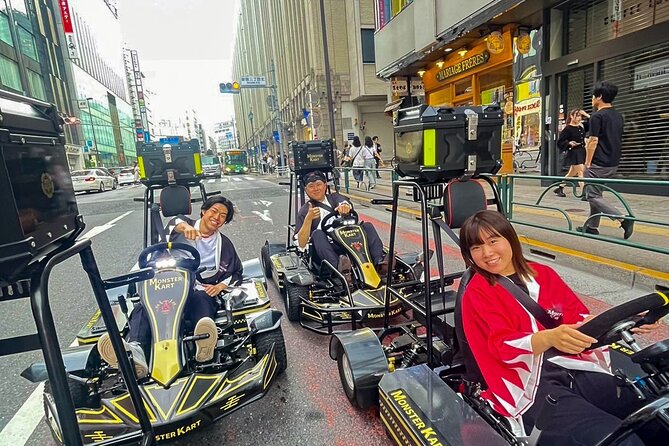
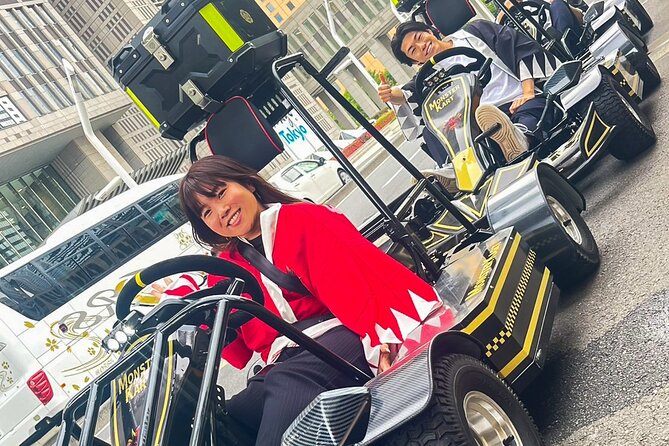
The karts are black and electric, with a style meant to look good in photographs. The open design gives you a clear view of buildings, signs, cross streets, and passing pedestrians. It also means you are exposed to the weather, which is why poor conditions can lead to a cancellation or a change of date.
I see this as a sightseeing experience with a strong entertainment angle. You will not get a long stop at each district or a detailed explanation of every landmark. Instead, you get a moving view of Tokyo and the fun of being part of the scene.
A few more Tokyo tours and experiences worth a look
Meeting in Sendagaya before the one-hour drive
The starting point is LouisIII Building, 3-chome-61-7 Sendagaya, Shibuya, Tokyo 151-0051. The meeting point is near public transportation, and the activity ends back there after the ride.
Plan to arrive 15 minutes before your selected departure time. That extra time matters because the operator checks documents, prepares the group, and gives safety instructions before the karts enter the road. A late arrival or no-show is not refunded, so this is not an activity to schedule tightly against a train connection or another timed booking.
The confirmed duration is about one hour. That includes preparation and the guided drive, so you should not think of it as a full hour of nonstop sightseeing at every major crossing. The value comes from the combination of driving, costumes, city views, and the unusual way you move between districts.
Your booking confirmation is sent within 48 hours. If it does not arrive, contact support rather than assuming the booking is complete.
Choosing a costume and getting ready to drive
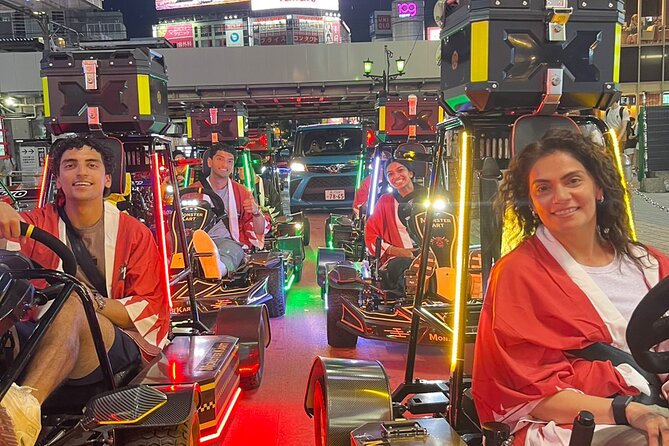
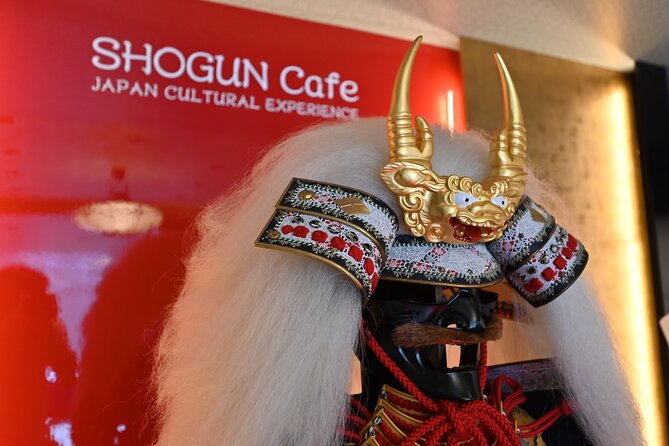
The Japanese-style costumes are a central part of the experience, not a minor extra. You can select from a variety of outfits before heading out, then wear your choice during the ride.
This adds a playful, visual element to the tour. The costumes help create the photos you cannot get from a standard walking route, especially when you stop near a well-known crossing or city street. If you prefer a quiet, low-key sightseeing outing, this part may feel too theatrical. If you are traveling with friends, a partner, or a family group, it gives everyone an easy way to join the same theme.
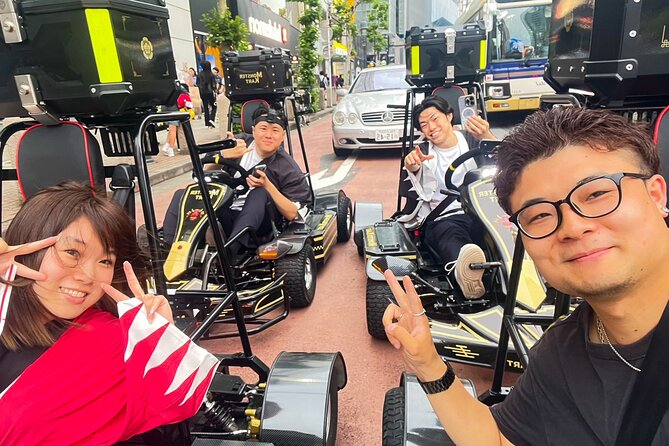
A professional guide leads the activity and provides a full safety briefing. The guide also stays with the group on the road. The available feedback points to Hara and his team as attentive instructors, with Hara helping participants understand how to operate the karts. Another guide, Newt, is praised for being friendly and for taking photos and videos of a family during the ride.
Those names are useful to know because the guide makes a big difference here. You are driving in city traffic, not around a closed karting circuit. Clear instruction and a calm lead driver matter more than a long commentary about Tokyo history.
Harajuku and Omotesando: the first taste of central Tokyo
The route is described as running through Harajuku toward the wider Shibuya and Shinjuku area, with Omotesando also highlighted. These districts work well for a street-kart tour because they offer a mix of shopping streets, major roads, modern buildings, and busy junctions.
From a kart, Harajuku becomes a moving streetscape. You may catch the contrast between side streets and larger avenues, while the costume and low seating position make the ride feel more unusual than a bus tour. The tour does not promise long walking stops here, so treat this section as a visual introduction rather than a guided visit to Harajuku attractions.
Omotesando adds a more polished city setting. It is a good stretch for photographs and for seeing Tokyo’s design-conscious side, but you should remember that the main activity is driving. The guide sets the pace, and you follow the route rather than choosing when to pull over.
I like this portion for people who have already seen Tokyo’s major neighborhoods on foot and want a fresh angle. For a first-time visitor with only one hour, it provides a quick look at several areas. For someone hoping to explore Harajuku shops or shrines, it will not replace time on foot.
Shinjuku and Shibuya: the main city spectacle
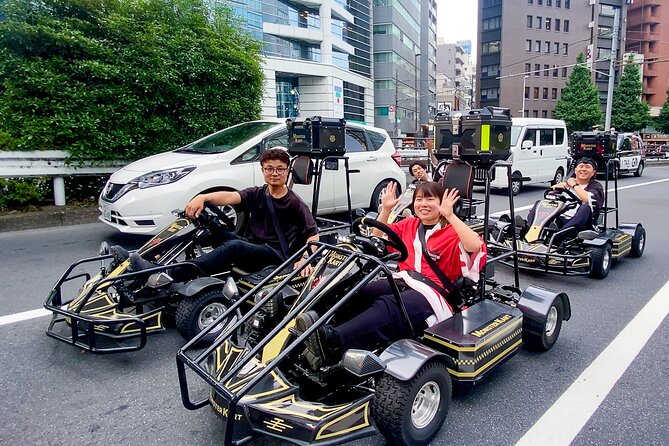
Shinjuku and Shibuya provide the strongest urban setting on the regular route. You move through central Tokyo streets with the guide ahead, watching the city change from one district to the next.
The highlight is Shibuya Scramble Crossing. The activity specifically includes a stop for photographs at key spots such as the crossing. This is the moment most likely to make the outing feel like a special event rather than ordinary transportation.
The crossing is famous because large groups move through it from several directions at once. Seeing it from the street gives you a different view from the usual elevated lookout or café window. The stop also gives the guide a chance to capture photos and video, which is particularly useful because taking your own pictures while driving would not be safe or practical.
The route runs on public roads, so you should expect real traffic conditions. The guide controls the pace, but the ride is not a private race and should not be treated like one. Some people will find the mixture of fun and concentration exciting. Others may prefer a closed course where they can focus only on speed and cornering.
The short ride also means the experience is best judged by the whole package: route, costumes, guide, and photo moments. It is not a high-speed karting session.
A few more Tokyo tours and experiences worth a look



What the guide adds to the experience
The guide is the person who turns this from a vehicle rental into a structured activity. You receive a safety briefing, learn how to ride the kart, and follow a lead driver through the city.
That support is important for first-time participants. The ride takes place in traffic, and the guide’s job is to keep the group together and direct the route. Hara and his partner are specifically noted for making sure participants understood how to ride and for guiding the group safely through Tokyo streets. Newt is also singled out for a friendly approach and for taking strong photos and videos.
You should still bring a moderate level of physical fitness. The activity does not describe strenuous exercise, but you need to be comfortable sitting in and operating the kart for the duration of the ride. You also need to pay attention during the briefing and follow the guide’s instructions.
The guide may be the strongest part of the value. Without that direction, the route would be less appealing and potentially more stressful. With it, you get a planned way to handle the city roads while keeping your attention on the experience.
The IDP rules are the most important booking detail
Do not book this activity until you have checked your driving documents. For most eligible nationalities, Japan requires a physical International Driving Permit issued under the 1949 Geneva Convention by an officially authorized organization in your home country.
You must carry the physical IDP and physical passport. You may also need your original domestic driving license, depending on your nationality and the permit rules listed for your country. A digital copy is not enough based on the stated requirements.
The rules include several important exceptions and special cases:
- People with licenses from Switzerland, Germany, France, Taiwan, Belgium, or Monaco need an official Japanese translation from the Japan Automobile Federation instead of an IDP.
- Licenses from countries not covered by the 1949 Geneva Convention, including China, Indonesia, Mexico, Qatar, and Saudi Arabia, are not valid for driving in Japan.
- Drivers from the United States, Canada, and Australia need a booklet-form IDP with A to E classification, plus the original license and passport.
- Drivers from India need an IDP issued by one of the four named Automobile Association offices in booklet form, plus the original license and passport.
- US military personnel may use a SOFA permit or a US state license with active-duty military identification.
An invalid or expired permit prevents participation. Forgetting the IDP, Japanese translation, passport, or another required document results in a 2,000 JPY per-person rescheduling fee, and the activity states that no refund will be given when missing documents stop you from joining.
This is the point where a little preparation protects your money. Put the documents in a secure folder the night before and check that the permit is valid for Japan before booking.
Halloween changes the famous crossing route
October 31 requires extra planning. Because of Halloween traffic restrictions in Shibuya, departures after 3:00 PM do not pass Shibuya Scramble Crossing on the regular 60-minute Harajuku, Shinjuku, and Shibuya course.
Instead, those departures use a special Tokyo Tower route for 60 minutes. The route is usually part of the operator’s longer 90-minute course, but this booking remains approximately one hour.
This is not a minor timetable note. If Shibuya Scramble Crossing is the main reason you want the experience, choose a departure at or before 3:00 PM on Halloween, or select another date. If you mainly want the kart, costume, guide, and city drive, the Tokyo Tower route may still suit you.
Is $129.51 a fair price?
At $129.51 per person, this is not a cheap way to get around Tokyo. You are paying for a one-hour guided activity, kart rental, costumes, safety instruction, route planning, and the novelty of driving through central districts.
The price makes more sense if you value experiences that create photos and shared memories. A couple or group of friends can split the excitement of the same route, while the guide’s photo and video help means you do not need to rely only on quick phone snapshots.
The price is harder to justify if you simply want to see Shibuya, Harajuku, and Shinjuku. Tokyo’s trains and sidewalks will cover those areas for far less money, and walking gives you more time at each stop. This booking is about the activity itself, not efficient sightseeing.
All fees and taxes are included. Food, drinks, tips, and hotel transportation are not. Since the ride begins and ends at the same Sendagaya meeting point, you need to arrange your own way there and back.
Who will enjoy this most?
I would recommend this for couples, friends, and small groups who want a playful activity that feels different from standard Tokyo touring. It also suits people who care about photos, costumes, and the thrill of being out on the road rather than spending another hour underground on the train.
It can work for families too, provided every driver meets the legal document requirements and is comfortable with the physical and driving demands. The experience is not ideal for anyone who does not hold the correct permit, dislikes city traffic, or wants a quiet cultural tour.
You should also be realistic about the tone. The Japanese-style costumes and black karts create a showy experience. That can be great fun, but it is not a traditional sightseeing tour with long explanations at temples, shrines, or museums.
Booking, weather, and cancellation advice
Choose your departure carefully and arrive 15 minutes early. Free cancellation is available if you cancel at least 24 hours before the local start time. Cancellations or changes within 24 hours are not refunded or accepted under the stated policy.
The activity requires good weather. If poor weather causes a cancellation, you will be offered another date or a full refund. Since the karts are open to the elements, check the forecast before setting out and avoid placing this activity on the one day of your trip when you have no flexibility.
Bring the required physical documents and keep them with you during the activity. Hotel pickup and drop-off are not included, so allow time to reach Sendagaya without rushing.
Should you book Monster-Kart in Shibuya?
Book it if you want a lively one-hour Tokyo experience built around driving, costumes, and photographs. The guided route gives you a memorable way to connect Harajuku, Shinjuku, and Shibuya, and the strongest practical advantage is the support from guides such as Hara and Newt.
Skip it if your main goal is deep sightseeing, shopping time, or a low-cost way to move between neighborhoods. Most of all, skip it until your IDP and passport requirements are fully settled. If the documents are in order and you like the idea of seeing Shibuya from behind the wheel, the price buys a distinctive experience rather than just a ride.
FAQ
Is an International Driving Permit required?
Yes. Most participants must have a valid physical IDP issued under the 1949 Geneva Convention by an authorized organization in their home country. You must also carry a physical passport.
Do drivers from Switzerland, Germany, France, Taiwan, Belgium, or Monaco need an IDP?
No. Participants with licenses from those countries need an official Japanese translation from the Japan Automobile Federation instead of an IDP. They must carry the physical domestic license, official translation, and passport.
Where does the activity start and finish?
It starts at LouisIII Building, 3-chome-61-7 Sendagaya, Shibuya, Tokyo 151-0051. The activity ends back at the meeting point.
How long is the experience?
The regular activity lasts approximately one hour.
Which Tokyo areas does the route cover?
The regular route connects Harajuku, Shinjuku, and Shibuya, with Omotesando also highlighted. It includes a photo opportunity at or near Shibuya Scramble Crossing.
What happens on October 31 after 3:00 PM?
Because of Halloween traffic restrictions, departures after 3:00 PM do not pass Shibuya Scramble Crossing on the regular route. They use a 60-minute Tokyo Tower route instead.
What happens if I forget my required documents?
You will not be able to participate if you do not have the required valid permit, license documents, translation when applicable, or passport. A 2,000 JPY per-person rescheduling fee applies when missing documents prevent participation, and no refund is provided.
Can I cancel for a refund?
You can receive a full refund by cancelling at least 24 hours before the experience start time. Cancellations and changes within 24 hours are not refunded or accepted. If poor weather cancels the activity, you can choose another date or receive a full refund.
More Go-Kart Tours in Tokyo
More Shibuya Tours in Tokyo

More tours in Tokyo we've reviewed



Go-Karts, compared.
 ★ 5.0Flagship 2-Hours Official Street Go-Kart Tour – Tokyo Bay ShopFrom $642 hours to 2 hours 30 minutes (approx.)
 ★ 5.0Official Street Go-Kart in ShibuyaFrom $76
 ★ 5.0Official Street Go-Kart Tour – AkihabaraFrom $61
 ★ 5.0Tokyo Go Kart: Asakusa, Skytree, and Akihabara **IDP MUST**From $99
 ★ 5.0Shibuya Official Street Go-Kart in Shibuya AnnexFrom $69
 ★ 4.7Tokyo: Asakusa, Skytree & Akhihabara Go-Kart City ExperienceFrom $961h 10m