
Reviewed · FULL-DAY
Private Full-Day Tour of Tokyo with Hotel Pickup
Tokyo makes more sense when someone helps you read the city as you move through it. This private 8-hour tour links the Imperial Palace, a Buddhist fire ritual, sumo country, and Akihabara, using trains and walking instead of keeping you behind a tour bus window. I like the local feel and the chance to adjust the day as you go.
I also like two practical things: hotel pickup gets you started without a morning scramble, and a private guide can help you handle Tokyo’s train system. A guide such as Naofumi Kamabe may also add stops that fit your interests. The catch is the price, $246.43 per person, and the day can involve more than 8 miles of walking, so good shoes are not optional.
In This Review
- Key points to know before booking
- Why a private Tokyo day can be worth the cost
- 9 a.m. hotel pickup and the first train ride
- Imperial Palace Outer Gardens and the old Edo center
- Fukagawa Fudodo and the Goma fire ritual
- Ryogoku, where Tokyo’s sumo culture comes into focus
- Akihabara, from electronics to anime culture
- The guide makes the difference
- Walking, weather, and the real pace of the day
- What is included, and what will cost extra
- Who will get the most from this tour
- Should you book this private Tokyo tour?
- FAQ
- How long does the private Tokyo tour last?
- Does the tour include hotel pickup?
- How will the group travel around Tokyo?
- Which places are included in the standard route?
- Are food and drinks included?
- Is admission included at the listed stops?
- What should I wear for the temple visit?
- Can I cancel for a refund?
Key points to know before booking
- A private day with room to change plans: Your guide can follow the listed route or adjust it around your interests.
- Tokyo by public transport: Trains are part of the experience, with guide fees, public transport, and one short taxi ride included.
- Four very different sides of the city: You move from palace gardens to Buddhist ceremony, sumo culture, and anime shops.
- A strong culture focus: Fukagawa Fudodo’s Goma fire ritual and Ryogoku’s sumo setting add more depth than a standard sightseeing loop.
- A serious walking day: One direct account describes walking more than 8 miles, so plan for heat, humidity, and tired feet.
- Best for small private groups: Only your party takes part, making it easier to ask questions and change the pace.
Why a private Tokyo day can be worth the cost
At $246.43 per person, this is not a budget sightseeing option. The value comes from having a guide for your own group, hotel pickup, transport help, and the ability to shape the day around your interests.
Tokyo’s rail system is efficient, but it can feel like a puzzle when you are still learning the city. A private guide can show you how to move between districts and explain what you are seeing along the way. That saves time, but it also changes the tone of the day. You are not simply collecting famous addresses. You can stop to ask why a ritual is performed, how sumo fits into Japanese life, or what makes Akihabara important to its fans.
The price makes the most sense for families, couples, or small groups who would otherwise book several separate activities. It is also a better fit if you value conversation and flexibility more than a fixed sightseeing checklist.
You should compare that cost with the size of your party. A single person pays the full per-person rate, while a larger private group may get better value from the group discount. The supplied information does not state the exact discount, so check the current booking terms before making your decision.
Other private tours in Tokyo


9 a.m. hotel pickup and the first train ride
The day begins at 9 a.m. with pickup at your hotel. From there, you use public transport for much of the route, plus one short taxi ride. That is useful in two ways: you avoid arranging your own morning transfer, and you learn how Tokyo works on the ground.
Expect this to be an active day rather than a drive-by tour. You will walk between stations, streets, religious sites, and districts. The schedule gives about one hour at the Imperial Palace, one hour at Fukagawa Fudodo, 90 minutes in Ryogoku, and 90 minutes in Akihabara, with the remaining time used for transport, explanations, and possible adjustments.
The exact route may change. Customization is part of the appeal, but it can also affect transport costs. Any extra transportation caused by your chosen changes is not included, so ask your guide about added fares before agreeing to a major detour.
Imperial Palace Outer Gardens and the old Edo center
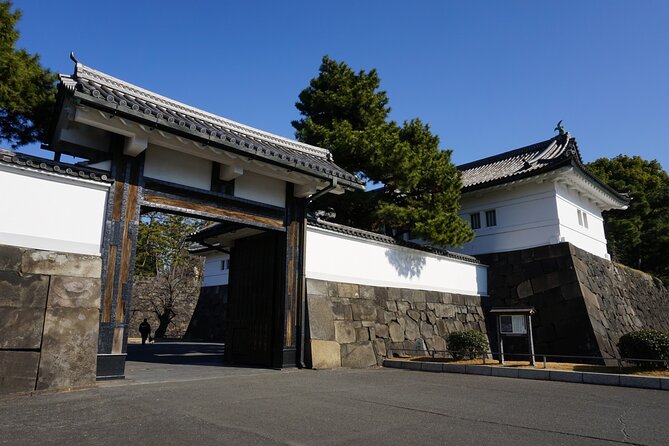
The Imperial Palace occupies the former site of Edo Castle, the seat of power during the period when Tokyo was known as Edo. The tour visits the Outer Gardens, where you can see the public side of the palace grounds while learning about the imperial family and the site’s earlier role.
This is a good opening stop because it gives you a sense of Tokyo’s scale and layers. Modern office buildings surround an area tied to the city’s former castle town, and the contrast helps explain why Tokyo can feel both intensely modern and deeply traditional.
The visit lasts about an hour, and admission is free. Do not expect access to the private areas where the imperial family lives. The point is the outer setting, the former castle site, and the guide’s explanation.
I would use this first stop to tell your guide what you most want from the rest of the day. If you care about religion, ask for more context at Fukagawa Fudodo. If pop culture is your priority, say so before reaching Akihabara. The private format gives you a chance to make those preferences clear early.
Fukagawa Fudodo and the Goma fire ritual
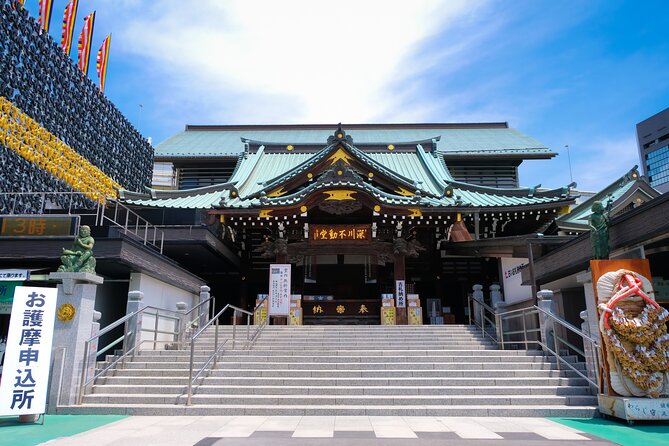
Fukagawa Fudodo offers one of the most distinctive moments on the route. Several times a day, priests perform a Goma fire ritual in which wooden sticks are burned as part of a ceremony connected with Fudōmyō-ō.
This is not just a quick photo stop. You are entering a place of worship and watching a living religious practice. Your guide can explain the purpose of the ritual and help you understand what is happening without treating it as a show arranged for sightseeing.
Admission is listed as free, though the experience still calls for respectful behavior. Sleeveless tops and shorts are not permitted at the temple, so bring a shawl or light cover-up if your clothing may not meet the dress rules. Comfortable, modest clothing is the safest choice.
The fire ceremony also gives the day a more personal feel than a standard list of landmarks. I like that it asks you to slow down and pay attention to a Japanese practice that many first-time visitors would miss. Timing matters, since the ritual happens several times a day but not continuously. Your guide can help place the visit within the route.
Ryogoku, where Tokyo’s sumo culture comes into focus
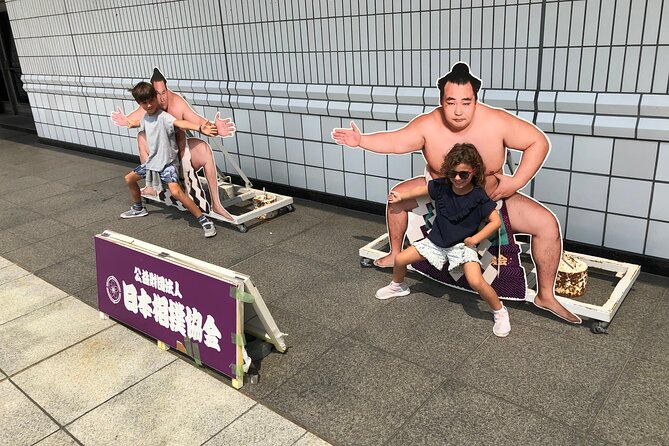
Ryogoku is the city’s sumo district. The area includes the Kokugikan sumo arena, chanko nabe restaurants, sumo stables, and other places linked to the sport.
Your visit lasts about 90 minutes. That is enough time to get an introduction to the district, but it is not a promise of a full sumo match or access to a stable. The listed experience provides a look at the area and its culture, while admission to extra attractions is not included.
This is where a good guide can add real value. Sumo has its own customs, vocabulary, training traditions, and food culture. A guide can help connect the arena and restaurants to the wider role of sumo in Japan. You may also learn why the neighborhood has so many businesses built around the sport.
Food is not included, so chanko nabe or another meal would be at your own expense. That is worth planning for because the day does not include food and drinks. If you want a proper lunch, ask how much time your guide can spare without cutting short the other stops.
Ryogoku also breaks up the day nicely. After the formal palace grounds and the temple ritual, sumo gives you a different kind of tradition, one tied to athletics, neighborhood life, and public spectacle.
A few more Tokyo tours and experiences worth a look
Akihabara, from electronics to anime culture
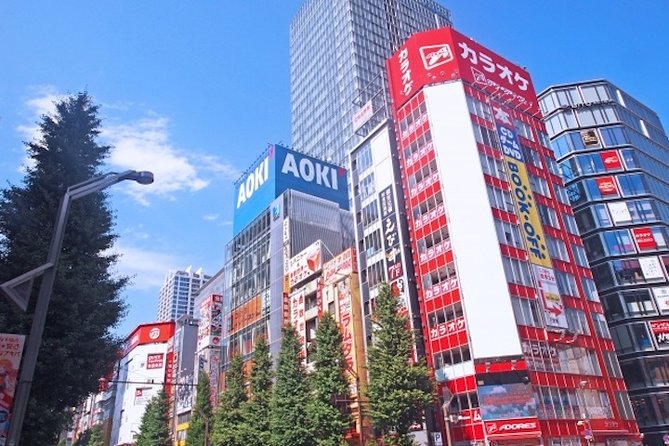
Akihabara is the final listed district and lasts about 90 minutes. It is known for electronics shops and Otaku culture, including anime, maid cafes, and character figures.
The area can be easy to misunderstand if you only see it as a shopping street. A guide can explain what the different stores and attractions represent and help you decide which parts match your interests. If anime, games, figures, or electronics are not your thing, say so. The private format should make it easier to spend less time in shops that do not interest you.
At the same time, Akihabara is a strong ending because it shows a very different side of Tokyo from the Imperial Palace and Ryogoku. The route moves from imperial symbolism to religion, sumo, and modern fan culture. That range is one of the best reasons to choose this particular combination of stops.
The itinerary does not include shopping credit, food, or entrance fees outside the original plan. Set your own spending limit before you arrive. Akihabara offers plenty of opportunities to buy something, but the tour’s value is the explanation and navigation, not included purchases.
The guide makes the difference
The strongest feature here is the one you cannot measure on a timetable: the guide. The supplied information names Naofumi Kamabe as one guide who has led this experience. Another guide may be assigned, so confirm the current guide details if that matters to you.
A private guide can explain a place in plain language, respond to your questions, and alter the route. One account describes a guide adjusting the plan, adding parts of the city that were not originally scheduled, and making train travel feel easy. That is exactly the sort of help that can turn Tokyo’s size from a problem into part of the fun.
You should still set realistic expectations. A private guide does not mean every major Tokyo attraction is included. The listed route focuses on four areas, and extra admission charges or transport costs may apply if you customize it.
The best approach is to arrive with two or three priorities rather than a long wish list. Tell your guide if you care most about temples, sumo, anime, food, gardens, or train navigation. That gives the day a clear shape without removing its flexibility.
Walking, weather, and the real pace of the day
This is a walking tour supported by public transport. One direct account describes walking more than 8 miles, which is a useful warning even though the exact distance will vary with the route and any changes you make.
Wear comfortable walking shoes. Tokyo’s stations can involve long passages, stairs, and transfers, while each district requires time on foot. In summer, the heat and humidity can be hard on you, so wear loose, breathable clothing and bring sun protection and a water bottle.
The experience requires good weather. If poor weather causes a cancellation, you are offered another date or a full refund. You can also cancel for a full refund up to 24 hours before the start time. Changes or cancellations made less than 24 hours before the start time are not accepted for a refund.
These rules matter because the tour depends on walking and outdoor movement. Check the forecast before the cutoff if you are booking during a rainy or very hot period.
What is included, and what will cost extra
The tour includes guide fees, public transportation, and one short taxi ride. Those inclusions cover the basic mechanics of the day, but they do not cover every expense you might choose to add.
You pay separately for:
- Food and drinks
- Extra admission fees outside the original route
- Additional transportation created by itinerary changes
The four listed stops show free admission, but that does not mean every possible activity in those districts is free. A special attraction, tower visit, or other added stop may carry its own charge. One account describes visiting the Skytree tower during a customized day, but the standard details do not include that admission, so treat it as an example of a possible change, not a guaranteed part of your booking.
This is another reason to discuss the plan at the start. A short adjustment may have little effect, while a far-reaching change could add fares and admission charges.
Who will get the most from this tour
I would recommend this tour to first-time visitors who want an overview with cultural context, not just a list of photo stops. It also suits families and small private groups who want to move at their own pace and avoid joining strangers.
It is a good choice if you are uneasy about Tokyo’s train system. You will use public transport with a guide, and the route itself helps you understand how separate districts fit into the city.
It may also suit repeat visitors who have already seen the standard sights and want a day built around specific interests. Ask for more sumo, religion, pop culture, or local neighborhoods when you meet your guide.
I would hesitate if you dislike long walks, hot weather, or public transportation. The private format does not remove the physical demands of Tokyo. I would also compare the price with a shorter tour if you only want one district or one attraction.
Should you book this private Tokyo tour?
Book it if you want a full day of conversation, cultural explanation, and flexible sightseeing, and if $246.43 per person fits your budget. The combination of Imperial Palace grounds, a Goma fire ritual, Ryogoku sumo culture, and Akihabara gives you a broad look at Tokyo in one day.
Before booking, be honest about your walking ability and ask how much customization you want. Bring respectful temple clothing, sturdy shoes, water, and sun protection. If those details suit you, this is a practical way to get your bearings and see parts of Tokyo that are easy to miss when you are handling every train and decision alone.
FAQ
How long does the private Tokyo tour last?
The tour lasts approximately 8 hours and begins at 9 a.m.
Does the tour include hotel pickup?
Yes. Pickup is offered from your hotel, with the meeting arranged for the 9 a.m. start.
How will the group travel around Tokyo?
The tour uses public transportation and includes one short taxi ride. Additional transport costs may apply if you customize the itinerary.
Which places are included in the standard route?
The listed stops are the Imperial Palace Outer Gardens, Fukagawa Fudodo, Ryogoku, and Akihabara.
Are food and drinks included?
No. Food and drinks are not included in the tour price.
Is admission included at the listed stops?
The listed stops show free admission. Additional entrance fees outside the original itinerary are not included.
What should I wear for the temple visit?
Sleeveless tops and shorts are not permitted at the temple. Bring a shawl or light cover-up, and wear comfortable shoes for the walking route.
Can I cancel for a refund?
You can cancel up to 24 hours before the start time for a full refund. If poor weather causes the experience to be canceled, you will be offered another date or a full refund.
More Full-Day in Tokyo
More Private Tours in Tokyo

More tours in Tokyo we've reviewed





Full-Day, compared.
 ★ 4.5From Tokyo: Mount Fuji Full-Day Sightseeing TripFrom $6810 hours
 ★ 4.9Mount Fuji Full-Day Private Tour from Tokyo (Customizable)From $393
 ★ 5.0Tokyo Private Full-Day Tour by Car or VanFrom $321
 ★ 4.7From Tokyo: Must-Visit Mount Fuji Highlight Full-Day TourFrom $6911 hours
 ★ 4.5Mt. Fuji, Hakone Full-Day Private Tour with English Driver GuideFrom $495
 ★ 4.8From Tokyo: Mount Fuji Full-Day Customizable Private TourFrom $48310 hours