
Reviewed · MT FUJI DAY TRIPS
Mt FUJI Day Tour with Private Car and English Speaking Guide
The best part of this private Mt. Fuji day tour is freedom. You leave from your Tokyo hotel, ride in an air-conditioned car, and choose five or six places around Fujiyoshida and the Fuji Five Lakes instead of following a fixed bus route. You can see the mountain from Chureito Pagoda, a shrine, a spring village, and the lakeside.
I like the easy hotel pickup and the fact that petrol, parking, and highway tolls are included. I also like the personal touch: guides such as Amir, Shah, Sikii, and Zubi have helped with photos, route changes, mobility concerns, and lunch suggestions. The main catch is traffic and weather. The advertised list is far too long for one day, and clouds may hide Fuji entirely.
In This Review
- Key points to know before booking
- Why a private car makes sense for Mt. Fuji
- Chureito Pagoda and the classic Fuji photograph
- Kitaguchi Hongu Fuji Sengen Jinja
- Oshino Hakkai and its spring-fed ponds
- The Fifth Station: Fuji at high altitude
- Lake Kawaguchiko and Oishi Park
- Ropeway, museum, and ice cave choices
- Lake Yamanaka and the wider Fuji Five Lakes
- The itinerary needs honest planning
- Weather and traffic are part of the bargain
- What the guides add to the day
- What you pay, and what you still need to budget
- Who should book this private Fuji day?
- Should you book it?
- FAQ
- How long does the Mt. Fuji private tour last?
- How many people can join the private tour?
- Is hotel pickup available in Tokyo?
- Is an English-speaking guide included?
- How many attractions can I visit in one day?
- Is lunch included?
- Can the private car drive to Mt. Fuji’s Fifth Station?
- Which entrance fees are not included?
- What happens if bad weather cancels the tour?
Key points to know before booking
- Private car from Tokyo: Round-trip pickup is offered from Tokyo hotels, with only your group in the vehicle.
- Pick five or six stops: The full list includes far more sights than fit comfortably into nine or ten hours.
- Strong guide feedback: Amir, Shah, Sikii, Zubi, Harry, Azhar, Asif, and Aaryan are praised for courtesy, route planning, photos, and flexibility.
- Weather decides the view: Clear skies can reveal Fuji from several angles, but poor weather can cancel the experience or erase the mountain from your day.
- Extra costs add up: Lunch, the Fuji entrance fee, the ropeway, ice cave, museum, and seasonal shuttle bus are not included.
- Leave early if you can: The operator specifically recommends an early departure, especially on weekends, to reduce the long Tokyo-area traffic delays.
Why a private car makes sense for Mt. Fuji
Mt. Fuji is close enough to Tokyo for a day trip, but the journey can be slow and the sights are spread across a wide area. A private car removes the need to change trains, find local buses, or walk between scattered viewpoints.
That matters most if you are traveling with two or three people. The price is $440 per group of up to three, not per person. With three people, that works out to about $147 each before optional admissions and food. For a couple, the per-person price is much higher, but you are buying door-to-door transport and a flexible day rather than a basic ride to one viewpoint.
The vehicle includes air conditioning, parking, petrol, and highway tolls. Several guides are praised for clean, roomy vehicles and smooth driving. That is useful after a long day, particularly when you are returning to Tokyo tired and traffic has stretched the journey.
Your guide is primarily a driver, with English communication and local route knowledge. The level of guiding may vary. Some guides, including Amir, Shah, Sikii, and Zubi, are described as friendly, informative, and helpful with photos. One less satisfied booking found the guide more like a driver who pointed out where to go and asked the group to meet back at the car. Set your expectations correctly: this is not a full-time museum-style guided tour at every stop.
A few more Tokyo tours and experiences worth a look
Chureito Pagoda and the classic Fuji photograph
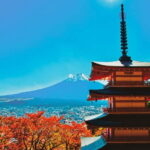
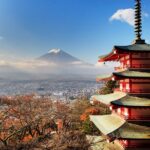
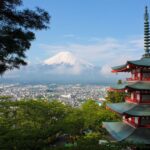
Chureito Pagoda is the picture most people have in mind when they imagine a Fuji sightseeing day: a five-storied red pagoda, Arakura Sengen Shrine, and Mt. Fuji behind it. The viewpoint requires a climb up a series of steps, and the stop is scheduled for about an hour.
The view is worth prioritizing on a clear morning. It gives you a strong combination of Japanese architecture and mountain scenery, rather than just another lake photograph. Your guide can help with pictures, but the best result depends entirely on visibility.
There is no admission charge listed for the pagoda. The practical issue is time. If your group includes someone with mobility limits, ask the guide how much of the climb is realistic. One guide, Zubi, received particular praise for helping a guest with mobility issues decide which places were worth the effort.
Kitaguchi Hongu Fuji Sengen Jinja
This Shinto shrine sits at the northern foot of Mt. Fuji in Fujiyoshida City. It is also the main entrance to the Yoshida Trail, one of the traditional routes up the mountain.
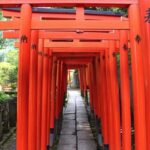
The shrine gives the day a cultural center. You are not simply driving from one photo stop to another. Tall trees, shrine buildings, and the connection to Fuji worship help explain why the mountain is both a natural landmark and a sacred place.
The planned visit is about 40 minutes, with no admission fee listed. That is enough for a look around, but not a long, slow visit. If you want shrine time, tell your guide before the route is set. Otherwise, the day can quickly turn into a string of brief stops.
Oshino Hakkai and its spring-fed ponds
Oshino Hakkai is a small village known for clear spring water from Mt. Fuji’s snowmelt and underground flow. The ponds and traditional setting offer a different view of the mountain area, with water, old-style buildings, food stalls, and small shops.
I would keep this stop on the list. It is visually varied and gives you a taste of local life beyond the major viewpoints. The scheduled hour allows time to walk around and buy a snack or browse the shops.
It can also be crowded. One four-star experience specifically praised the guide and the extra viewpoints but noted that some sites were very busy. If crowds bother you, an early departure is more than a minor tip. It can shape the whole day.
The Fifth Station: Fuji at high altitude
The Fifth Station sits at about 2,300 meters and is the most popular starting point for climbers heading toward the summit. It is the closest point in this tour to the upper slopes of Fuji that most sightseeing visitors can reach by road or shuttle.
The stop lasts about an hour. You may find cooler air and a strong sense of being on the mountain, even if you are not climbing. In poor weather, the station may be above low cloud, which has allowed some groups to see Fuji clearly when the mountain was hidden around Tokyo and the lakes.
There is an important seasonal restriction. During hiking season, private cars cannot drive to the Fifth Station. You must use a shuttle bus, listed at ¥2,500 per person. The tour also lists a Mt. Fuji entrance fee of ¥2,800 per group. Confirm how these charges apply on your date before departure, since they are not part of the advertised price.
Other guided tours in Tokyo


Lake Kawaguchiko and Oishi Park
Lake Kawaguchiko is one of the easiest places to appreciate Fuji at a relaxed pace. The shore has restaurants, traditional Japanese food, and views across the water. Lunch is not included, but guides have recommended restaurants and helped groups choose a meal.
The lake is also where optional activities can appear. One highly positive experience added a speedboat ride, while a less satisfied booking felt the boat recommendation was costly and not part of the expected plan. Ask clearly about prices before agreeing to any extra activity.
Oishi Park, on the lake’s shore, is a short 30-minute stop with flower gardens, Fuji views, and soft-serve ice cream. It is a pleasant break rather than a major attraction. If the flowers are not at their best or Fuji is hidden, you may prefer to spend that time at another lakeside point.
Ropeway, museum, and ice cave choices
The Mt. Fuji Panoramic Ropeway takes about an hour and offers views of Mt. Fuji, the lakes, and the town below. Its admission fee is extra. It is a sensible choice when you want a broad view without a long walk, but it may not be the best use of time if you already have clear views from Chureito, Oishi Park, and the lake.
The Itchiku Kubota Art Museum is a more focused cultural stop. It is dedicated to textile artist Itchiku Kubota, who revived the lost Tsujigahana silk-dyeing technique. The museum is near Lake Kawaguchiko and has views toward Fuji. Admission is listed at ¥1,500 per person, and the visit takes about 40 minutes.
Narusawa Ice Cave was formed by ancient lava flows from Mt. Fuji. Natural ice remains inside throughout the year, making the cave a cool change from outdoor sightseeing, especially in summer. The stop takes about 40 minutes and costs ¥400 per person. Cave conditions can involve uneven footing, so ask about the walk if anyone in your group has mobility concerns.
These three stops are not all realistic additions to a day that already includes Chureito, a shrine, Oshino Hakkai, the Fifth Station, and two lakes. Choose based on your interests. The museum suits art lovers, the ropeway suits broad views, and the cave suits anyone wanting a short geological adventure.
Lake Yamanaka and the wider Fuji Five Lakes
Lake Yamanaka is the largest of the Fuji Five Lakes. It offers boating, fishing, cycling, and open views of Mt. Fuji. The planned stop is about an hour and has no admission fee listed.
Compared with Kawaguchiko, this can feel like a useful change of pace. Kawaguchiko has more listed sightseeing options, while Yamanaka gives you another lakeside angle and room to pause. If Fuji is visible, seeing the mountain over more than one lake helps you understand its scale.
Do not assume both lakes are essential. If the drive from Tokyo is slow, your group may get more from one lake plus the pagoda, shrine, and Oshino Hakkai. A good guide should help you make that choice rather than rush through every point.
The itinerary needs honest planning
The day lasts about nine to ten hours, including transportation. The full schedule names ten possible stops, but the operator asks you to choose five or six. That instruction is important, not a minor footnote.
A realistic day might include Chureito Pagoda, Kitaguchi Hongu Fuji Sengen Jinja, Oshino Hakkai, Lake Kawaguchiko, Oishi Park, and either the Fifth Station or Lake Yamanaka. Another plan could replace one lake stop with the ropeway, museum, or ice cave.
You should decide your priorities before pickup:
- For the classic photograph, choose Chureito and a lakeside viewpoint.
- For culture, choose the shrine, Oshino Hakkai, and the Itchiku Kubota Art Museum.
- For mountain access, prioritize the Fifth Station, while checking shuttle rules.
- For families or mixed interests, combine one shrine, one village, one lake, and one short attraction.
Extra time carries an additional charge. One group returned very late after adding a final stop, so keep the route practical and ask how much driving remains before making changes.
Weather and traffic are part of the bargain
No private tour can control Fuji’s clouds. The experience requires good weather, and a poor-weather cancellation offers a different date or a full refund. If the tour runs in rain or cloud, you may still enjoy shrines, villages, lakes, and the ice cave, but you should not expect a clear mountain.
The strongest days described in the supplied experiences had clear views from several angles. Other days brought rain, fog, or cloud, and the guide adjusted the route to include temples, markets, lakes, and other sights. One group found the Fifth Station above the clouds and saw the mountain there despite fog elsewhere.
Traffic is the other major risk. The road between Tokyo and the Fuji area can take much of your day, especially on weekends. The operator recommends leaving early. An 8 a.m. pickup may work, but it gives you less protection against delays than an earlier start. Ask about the recommended departure time for your hotel and date.
What the guides add to the day
The most praised guide qualities are punctuality, polite English communication, safe driving, flexibility, and help with photographs. Amir is repeatedly described as friendly, professional, and good at route planning. Shah is praised for confirming pickup, explaining the places, and finding ways to fit several highlights into a busy day.
Sikii is described as kind, considerate, and especially good with an older family member. Zubi received credit for helping with mobility concerns, avoiding crowds when possible, and providing background about the sites. Harry, Azhar, Asif, and Aaryan are also praised for courtesy, local familiarity, and adapting the route.
You may not receive a particular guide, so treat these names as examples of the service level rather than a guarantee. If you need a baby seat, add the request under special requirements when booking. Most people can participate, but Chureito’s steps and the ice cave’s footing deserve a quick conversation before you commit.
What you pay, and what you still need to budget
The $440 group price includes the vehicle, driver, petrol, parking, highway tolls, and round-trip transport. That is a fair setup for three people who value privacy and want to combine several Fuji-area sights in one day.
The price is less attractive for one person or a couple, especially if you add several paid stops. Budget separately for lunch and these listed costs:
- Mt. Fuji entrance fee: ¥2,800 per group
- Saiko Iyashi no Sato Nenba: ¥500 per person
- Seasonal Fifth Station shuttle: ¥2,500 per person
- Itchiku Kubota Art Museum: ¥1,500 per person
- Narusawa Ice Cave: ¥400 per person
The ropeway admission is also not included, though no price is provided here. Confirm current prices and which stops are open before you go. If you prefer a simple budget, choose the free shrine, lakes, park, pagoda, and Oshino Hakkai, then pay for only one special attraction.
Who should book this private Fuji day?
I would choose this tour for a family, group of friends, or couple who want hotel pickup and do not want to manage several train and bus connections. It is also a good fit if you want to adjust the route around weather, energy levels, photography, or mobility.
It suits first-time visitors who want a broad introduction to the Fuji area in one day. It is less suitable if you want a slow, in-depth visit to every museum and shrine, or if you need a guaranteed clear view of Fuji. It is also not a climbing tour. The Fifth Station is a sightseeing stop, and seasonal shuttle rules apply.
Book with a clear shortlist, not the fantasy of seeing all ten places. Ask about the pickup time, optional costs, Fifth Station access, and your preferred five or six stops. That small bit of planning will protect you from the main weakness of the experience: too many possibilities and too little time.
Should you book it?
Book this tour if private transport, flexible sightseeing, and a full day around Mt. Fuji matter more to you than the lowest possible price. The strongest value comes when three people share the car and the guide helps you make smart route choices.
Skip it if you want a fixed, tightly timed itinerary with every admission included. For most people, though, the combination of Chureito Pagoda, shrine paths, Oshino Hakkai, the lakes, and a possible Fifth Station visit makes this a useful way to reach Fuji from Tokyo. Just start early, pick five or six stops, and remember that the mountain decides when it will appear.
FAQ
How long does the Mt. Fuji private tour last?
The experience lasts approximately nine to ten hours, including transportation time between Tokyo and the Mt. Fuji area.
How many people can join the private tour?
The price covers one private group of up to three people. Only your group participates in the activity.
Is hotel pickup available in Tokyo?
Yes. Round-trip pickup is offered from Tokyo hotels.
Is an English-speaking guide included?
Yes. The experience includes an English-speaking driver and guide. Guides named in the supplied information include Amir, Shah, Sikii, Zubi, Harry, Azhar, Asif, and Aaryan, but a specific guide is not guaranteed.
How many attractions can I visit in one day?
You should choose five or six places from the available options. The full list contains more stops than can realistically fit into nine or ten hours.
Is lunch included?
No. Lunch is not included, and you pay separately for food near Lake Kawaguchiko or elsewhere along the route.
Can the private car drive to Mt. Fuji’s Fifth Station?
During hiking season, private cars are not allowed to drive to the Fifth Station. You must take a shuttle bus, listed at ¥2,500 per person.
Which entrance fees are not included?
The listed extra charges include the Mt. Fuji entrance fee, Saiko Iyashi no Sato Nenba, the Fifth Station shuttle during hiking season, the Itchiku Kubota Art Museum, and Narusawa Ice Cave. Ropeway admission is also not included.
What happens if bad weather cancels the tour?
If poor weather causes the experience to be canceled, you are offered a different date or a full refund. If you cancel yourself, you must do so at least 24 hours before the start time for a full refund.
More Private Tours in Tokyo

More Guided Tours in Tokyo
More Mt Fuji Day Trips in Tokyo
More tours in Tokyo we've reviewed



Mt Fuji Day Trips, compared.
 ★ 5.0Mt Fuji and Hakone 1-Day Bus Tour Return by Bullet TrainFrom $163
 ★ 4.0Mt Fuji & Hakone Cruise, Drum Show Bullet Train 1 Day from TokyoFrom $149
 ★ 4.4Tokyo Mt Fuji 5th St & Hakone Cruise Bus Tour w/Bullet TrainFrom $15410 hours
 ★ 4.5From Tokyo: Mount Fuji Full-Day Sightseeing TripFrom $6810 hours
 ★ 4.7Tokyo: Mt. Fuji Tour, Hakone Ropeway, Owakudani, Lake AshiFrom $5410 hours
 ★ 4.4Tokyo:Mt.Fuji,Kawaguchiko Oishi Park,Arakurayama Sengen ParkFrom $5410 hours