
Reviewed · MT FUJI DAY TRIPS
Tokyo: Mt. Fuji, Kamakura, Big Buddha, & Lake Ashi Day Trip
The big draw here is simple: one long day brings together Mt. Fuji, Lake Ashi, Oshino Hakkai, and Kamakura’s Great Buddha. You get temples, spring ponds, lake scenery, mountain viewpoints, and a coach ride that links places awkward to combine by public transport.
I like the variety, and I like the price. At $49, this is an efficient way to reach several major sights without piecing together trains, buses, boats, and local transfers yourself. The guides, including Jorge, Naomi, Fran, Eric, and Beru on different departures, are praised for clear explanations, humor, and practical help.
The catch is the clock. Ten to eleven hours is a full day, with long stretches on the coach and possible traffic around Tokyo and Hakone. Mt. Fuji is also a weather lottery, so book this for the whole outing, not only for one perfect mountain photograph.
In This Review
- Key points to know before you book
- Why this Mt. Fuji day trip works
- Kamakura and the 13-meter Great Buddha
- Lake Ashi and the Hakone Pirate Ship
- Oshino Hakkai’s clear spring ponds
- Oishi Park, Lake Kawaguchi, and Fuji photo time
- The coach ride, guide, and pace
- What the $49 price really buys
- Who should choose this tour
- Small details that make the day easier
- Should you book the Mt. Fuji, Kamakura, and Lake Ashi day trip?
- FAQ
- How long does the Tokyo Mt. Fuji day trip last?
- What languages does the guide speak?
- Is the Lake Ashi cruise included?
- Is the Great Buddha of Kamakura included?
- Does the tour include lunch?
- Can I be sure I will see Mt. Fuji?
- What should I bring?
- Is the tour accessible to wheelchair users?
Key points to know before you book
- Several Mt. Fuji photo stops: Arakurayama Sengen Park, Oishi Park, Lake Kawaguchi, and other viewpoints may be included, depending on your chosen route.
- The route changes by option: Kamakura’s Great Buddha, the Lake Ashi cruise, lunch in Oshino Hakkai, Gotemba shopping, and some viewpoints are not included in every package.
- A bilingual guide adds context: English and Spanish commentary covers Japanese culture, local history, Mt. Fuji, and practical tips for the rest of your trip.
- Oshino Hakkai gives you time to wander: You have about 90 minutes for the spring ponds, food stalls, and village setting.
- Traffic can reshape the day: Depart early, follow meeting-point instructions closely, and expect the return to Tokyo to take about two and a half hours.
- Fuji visibility is never guaranteed: Several departures had fog or clouds, yet the other stops still made the day worthwhile.
Why this Mt. Fuji day trip works
Tokyo makes a poor base for spontaneous mountain sightseeing. Mt. Fuji is close enough to tempt you, but the best viewpoints are spread across the Fuji Five Lakes area, Hakone, and nearby towns. Add Kamakura to the mix and the transport puzzle gets harder.
This tour solves that problem with one coach and one guide. You can sit back while the driver handles the roads, including narrow streets and busy holiday traffic. The tradeoff is that you exchange independence for a tightly timed route.
I see this as a sampler rather than a slow regional tour. You will not have hours at each location, but you can see several very different sides of the area in one day. That makes it a strong choice if your Tokyo visit is short or if you want a first look before deciding where to return independently.
The guide is an important part of the experience. Guides such as Jorge, Naomi, Fran, Eric, and Beru are noted for friendly explanations, jokes, cultural background, and practical suggestions about food and Japanese phrases. English and Spanish are offered, and the commentary continues during some coach rides, turning travel time into useful orientation.
A few more Tokyo tours and experiences worth a look
Kamakura and the 13-meter Great Buddha
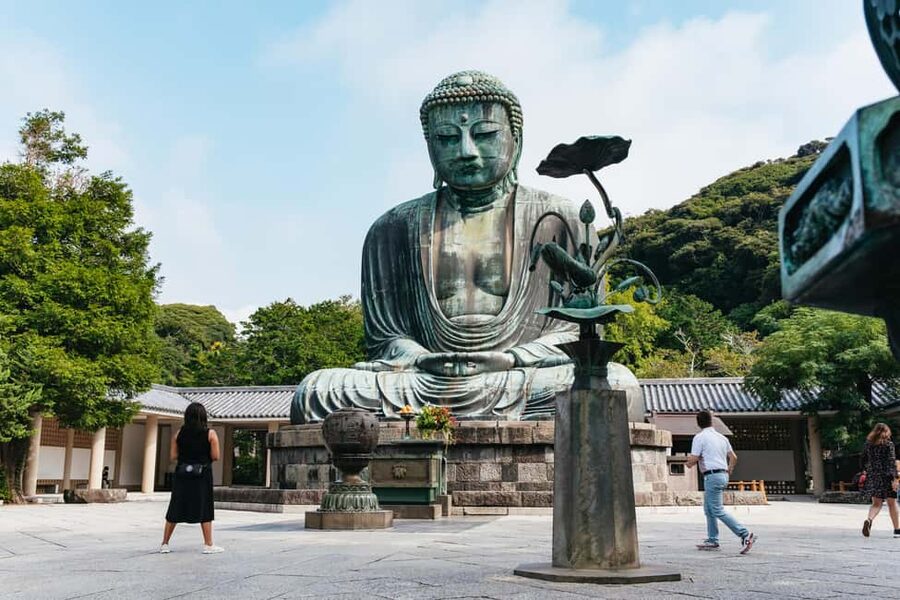
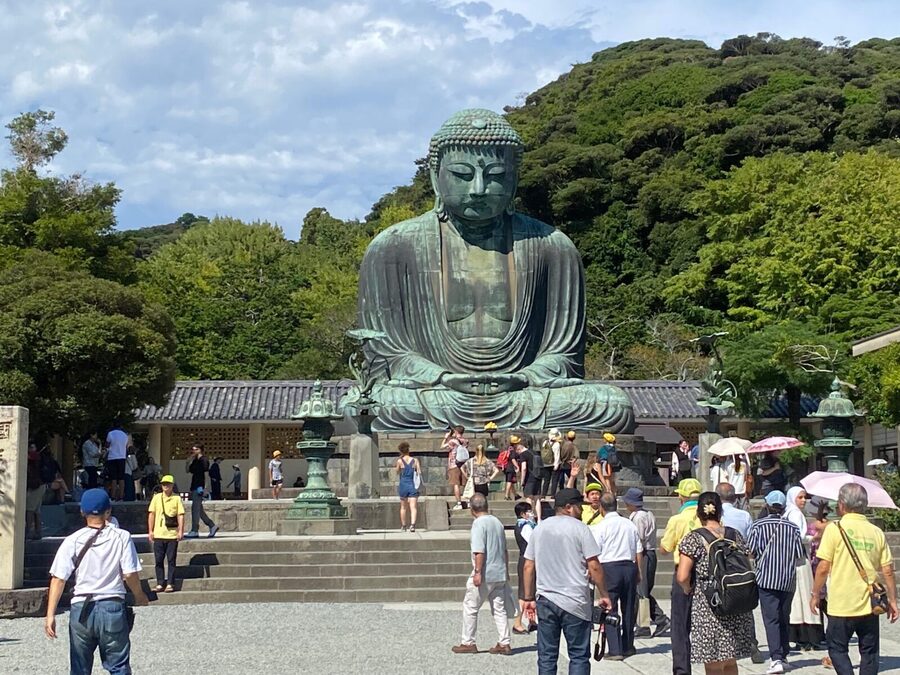
On routes that include Kamakura, the first major stop is Kotoku-in, home of the Great Buddha. The bronze statue measures about 13 meters and provides a calm, impressive start to a day that later shifts toward lakes and mountain views.
The scheduled visit is only about 20 minutes. That is enough to see the statue, take photographs, and absorb the setting, but it is not enough for a broad tour of Kamakura’s temples or town. Keep your expectations focused: this is a substantial cultural stop, not a full Kamakura visit.
I like this contrast. Mt. Fuji trips can become a parade of lookouts, but Kamakura gives the day a human and spiritual center. The statue is memorable even if clouds later hide the mountain.
If the Great Buddha matters to you, check the option carefully before paying. It is available only with the corresponding route. The same warning applies to several other headline features.
Lake Ashi and the Hakone Pirate Ship

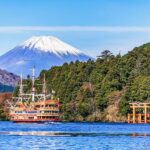
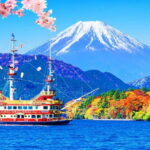
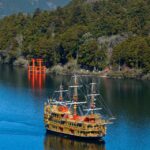
A selected route includes a short cruise on Lake Ashi, with the boat portion listed at about 10 minutes. The ship is often presented as a Hakone pirate ship, giving the ride a playful feel while offering a different angle on the lake and surrounding mountains.
This is not a long lake excursion. Think of it as a scenic transfer and photo opportunity rather than a leisurely cruise with time to explore every shore. The boat ride is followed by sightseeing around Motohakone, where you can enjoy the lakeside setting before returning to the coach.
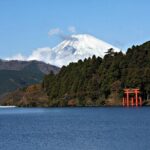
Lake Ashi can be especially rewarding when the air is clear. Mt. Fuji may appear in the distance, but visibility depends entirely on weather and your exact route. Clouds can move in quickly, so enjoy the lake even if the famous cone never appears.
The boat also breaks up the coach journey. That matters on a day with stretches of roughly 90 minutes, two hours, 70 minutes, 30 minutes, and finally about two and a half hours back to Tokyo. If you prefer constant walking and independent exploration, the schedule may feel compressed. If you want variety with little planning, the cruise is a pleasant addition.
Oshino Hakkai’s clear spring ponds
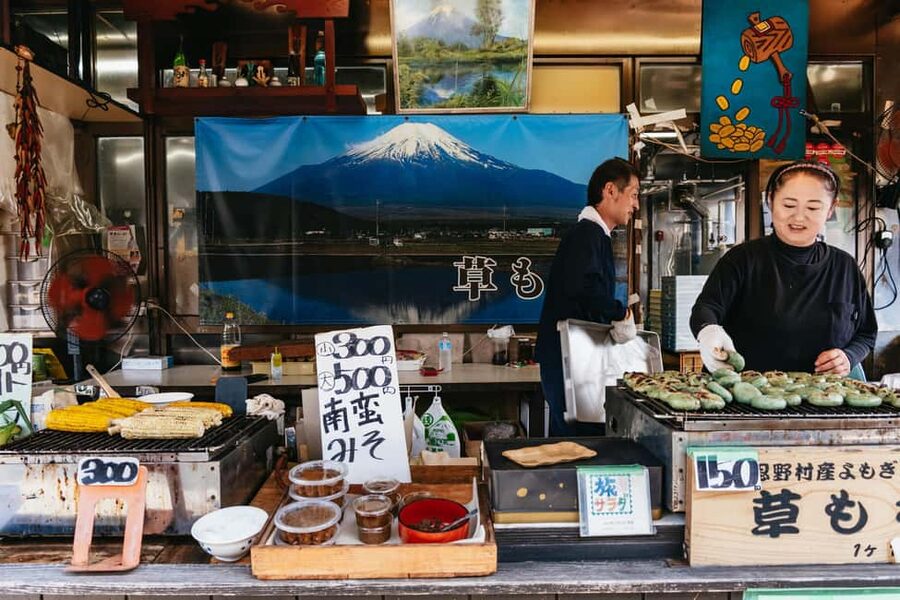
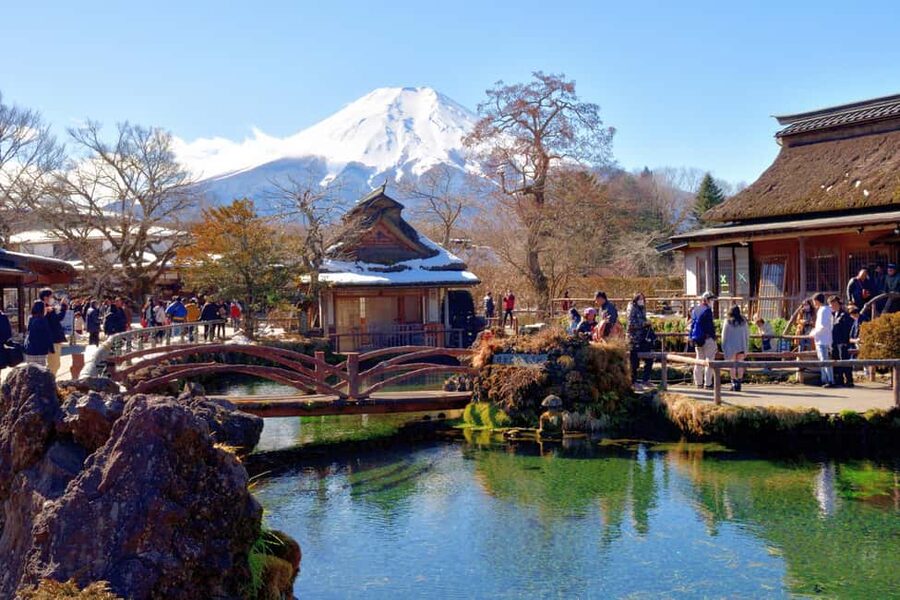
Oshino Hakkai is one of the most appealing stops because it offers more than a single photo point. The village is known for crystal-clear spring ponds at the foot of Mt. Fuji, and the visit includes about an hour and a half for a guided introduction and free time.
You can use that time to look at the ponds, browse local food, and take in the traditional village atmosphere. This is also one of the better places to keep your Fuji expectations flexible. Even when the summit is hidden, the ponds and village still give you something worthwhile to see.
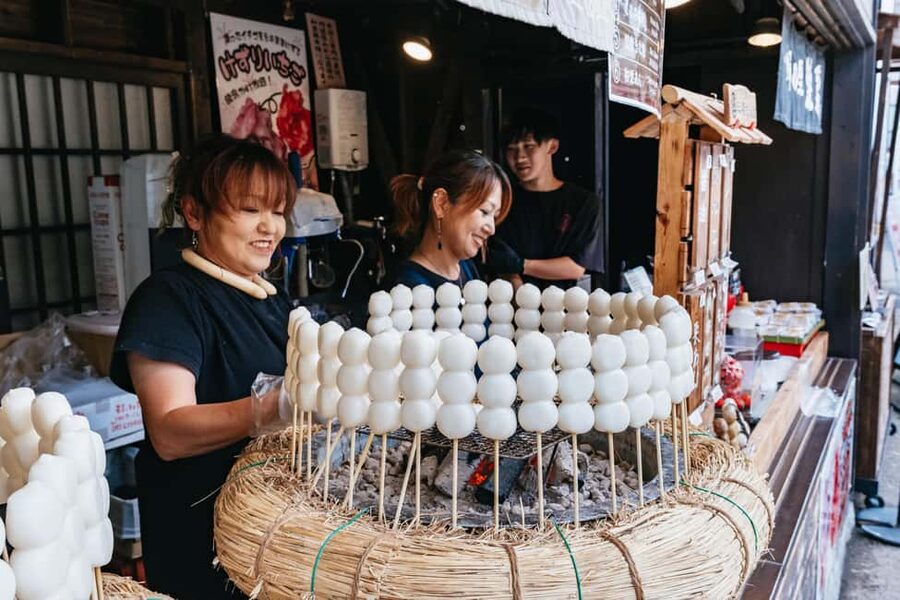
Bring cash. Some small shops and local businesses may not accept cards, and food and drinks are generally not included. A premium option includes lunch in Oshino Hakkai, which simplifies the middle of the day and can be useful when you do not want to spend time choosing a meal.
Do not expect a quiet rural morning. Oshino Hakkai is a popular stop, and the tour’s limited time means you should decide quickly what matters most: pond photographs, snacks, shopping, or lunch. I would listen carefully to the guide’s meeting instructions before wandering off.
Oishi Park, Lake Kawaguchi, and Fuji photo time
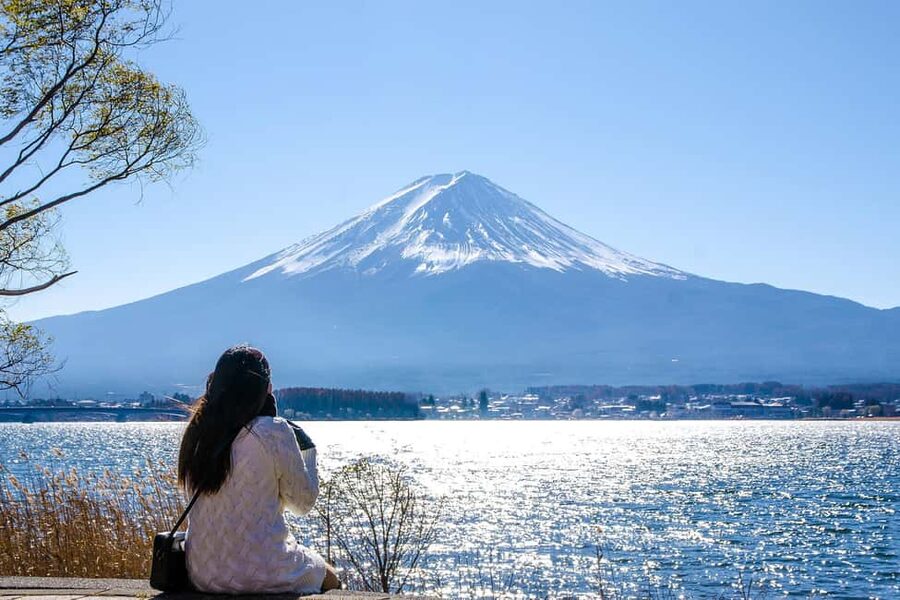
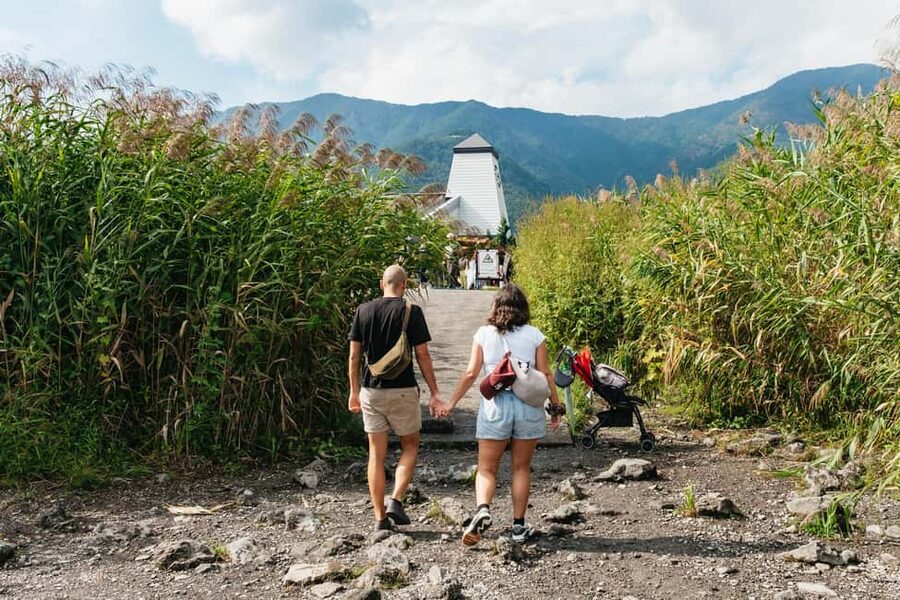
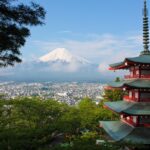
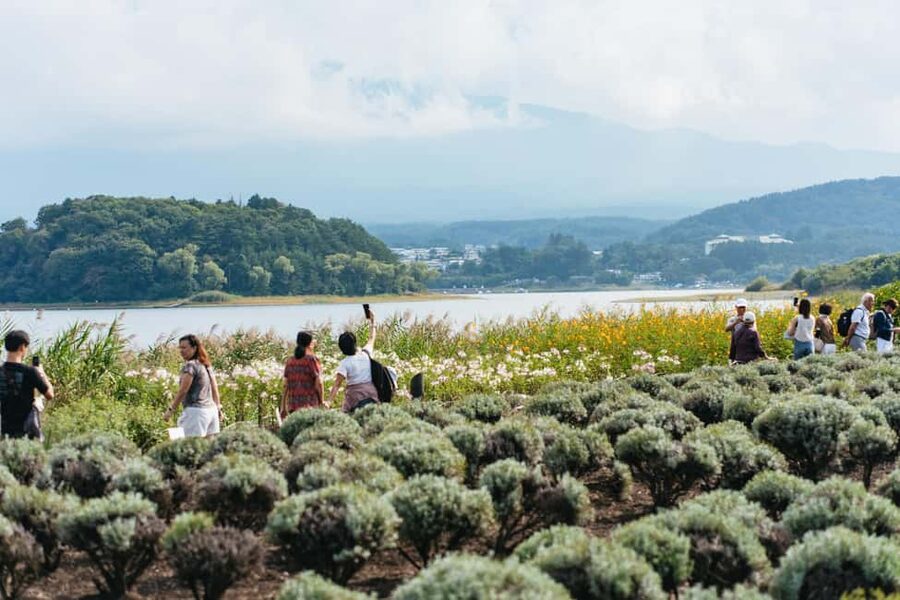
Oishi Park receives about 45 minutes of guided touring. Its value is the combination of open views, seasonal scenery, and the chance to frame Mt. Fuji against Lake Kawaguchi and the surrounding area.
Lake Kawaguchi is one of the key places for seeing Fuji from a lower viewpoint. The itinerary also includes sightseeing connected with Mt. Fuji itself, but the precise viewpoint can vary by option and conditions. You may get the clear, dramatic view you came for, or you may get a pale outline behind clouds.
The practical lesson is to take photographs whenever the mountain appears. One departure began in heavy fog and later cleared around midday. Another had no clear Fuji view at all, yet the village, lake, and cultural stops still carried the day. Fuji is not a guaranteed product on any coach tour, so a flexible attitude helps.
I would also keep your camera ready between formal stops. The guide will point out photo chances, but the weather can change faster than the schedule. A hat, sunscreen, and warm clothing are all sensible because conditions around the lakes may differ from central Tokyo.
A few more Tokyo tours and experiences worth a look

The coach ride, guide, and pace
The coach is the backbone of the outing. You leave from one of the stated Tokyo meeting points, including the Marunouchi and Ginza area, and return to one of the listed drop-off locations. The exact meeting point depends on your option, so check the booking details rather than assuming you will depart from the nearest station.
The schedule includes substantial road time. The first trip toward Kamakura is listed at about 90 minutes, followed by a two-hour coach section after Kotoku-in. Other transfers take about 70 minutes and 30 minutes, with the final return to Tokyo taking around two and a half hours.
Traffic can make this longer or force the guide to keep everyone moving. Sunday departures may benefit from lighter roads, but public holidays can be busy. Start early enough to reach the meeting point without stress, and do not plan an important evening reservation immediately after the stated return.
The guide-driver partnership is one of the tour’s strengths. Names change by departure, but guides such as Naomi, Jorge, Fran, Eric, and Beru are known for lively commentary and regular checks that people understand the plan. Drivers including Waku-san, Sakamoto-san, Utsu-san, and others handle the route while the guide manages information and timing.
The bilingual format is helpful if you speak English or Spanish. If you speak only one of those languages, some announcements may take longer, but the added language does not change the main structure of the day.
What the $49 price really buys
At $49 per person, the value comes from transport and coverage. You are paying to reach a wide spread of places in one day, with a guide, rather than paying separately for a chain of local connections.
The included items are transportation from the meeting point and bilingual guiding. A Lake Ashi cruise is included only on the relevant option, and Kotoku-in admission is also tied to the matching route. Lunch in Oshino Hakkai comes with the premium option.
Food and drinks are not generally included, so keep some cash with you. The price is low enough that you should read the option names closely. A cheaper route may omit the boat, Great Buddha, lunch, or particular Fuji viewpoints, and the headline title alone does not tell you which combination you are buying.
For many people, this is excellent value. You can cover Kamakura, Hakone, Oshino Hakkai, Lake Kawaguchi, and Fuji viewpoints without arranging a rental car. The value is weaker if you want to linger, avoid coach travel, or revisit one place in depth.
Who should choose this tour
I would recommend it to first-time visitors with limited time in Tokyo, families who prefer organized transport, and anyone who wants a broad introduction to Mt. Fuji country. It also suits you if you enjoy learning along the way, since the guides provide cultural background rather than simply pointing out photo stops.
It can work for older family members too, but the pace deserves attention. One family found the guide helpful with a 72-year-old parent, yet the day still includes walking, boarding a boat on selected routes, and repeated coach transfers.
This is not suitable for wheelchair users according to the activity information. Comfortable shoes are essential, and warm clothing is wise even when Tokyo feels mild. Bring a camera, hat, sunscreen, and cash for small purchases.
I would skip it if your main goal is a guaranteed view of Mt. Fuji. No operator can control the clouds. Instead, book when you value the full mix of scenery, culture, food stops, and transport convenience.
Small details that make the day easier
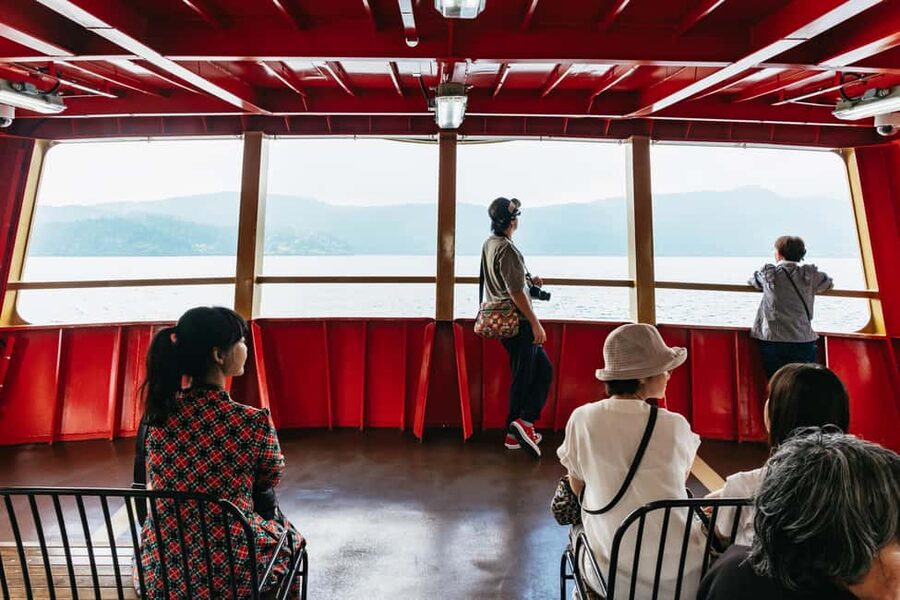
Choose your route for its actual inclusions, not just its title. If the Great Buddha or pirate ship is important, confirm that both appear in your selected option.
Use the free time with a simple plan. At Oshino Hakkai, decide in advance if you want lunch, photographs, or shopping. At Oishi Park and Lake Kawaguchi, take your Fuji pictures first, then explore.
Wear shoes that can handle repeated walking and bring layers. You may spend time outdoors at ponds, parks, and lakes, then return to an air-conditioned coach.
The activity allows cancellation up to 24 hours before departure for a full refund, and you can reserve now and pay later. That flexibility is useful when your Tokyo schedule is still shifting.
Should you book the Mt. Fuji, Kamakura, and Lake Ashi day trip?
Book it if you want maximum variety for $49 and accept a long day. The route brings together the Great Buddha, a lake cruise on selected options, spring ponds, Lake Kawaguchi, Oishi Park, and Fuji viewpoints with a guide to keep the day moving.
Before booking, compare the route choices line by line. Pick the premium option if lunch matters, and select the matching package for Kotoku-in or the Lake Ashi cruise. If you can accept the possibility of clouds and traffic, this is a practical, budget-friendly way to get beyond Tokyo without organizing the region yourself.
FAQ
How long does the Tokyo Mt. Fuji day trip last?
The activity lasts about 10 to 11 hours. The return journey to Tokyo is listed at about two and a half hours, though traffic may affect the timing.
What languages does the guide speak?
Live guiding is available in English and Spanish. The guide provides information during the sightseeing stops and some coach journeys.
Is the Lake Ashi cruise included?
The Lake Ashi cruise is included only with the selected option. Check the exact package before booking.
Is the Great Buddha of Kamakura included?
Kotoku-in and its Great Buddha are available with the corresponding option. They are not included in every route.
Does the tour include lunch?
Lunch in Oshino Hakkai is included with the premium option. Food and drinks are otherwise not generally included.
Can I be sure I will see Mt. Fuji?
No. Mt. Fuji visibility depends on weather conditions. Clouds and fog may hide the mountain, although the other sightseeing stops remain part of the day.
What should I bring?
Bring comfortable shoes, warm clothing, a hat, a camera, sunscreen, and cash. Some shops or areas may not accept card payments.
Is the tour accessible to wheelchair users?
The activity is not suitable for wheelchair users.
More Kamakura & Enoshima Day Trips in Tokyo
More Hakone Day Trips in Tokyo
More Mt Fuji Day Trips in Tokyo
More tours in Tokyo we've reviewed




Mt Fuji Day Trips, compared.
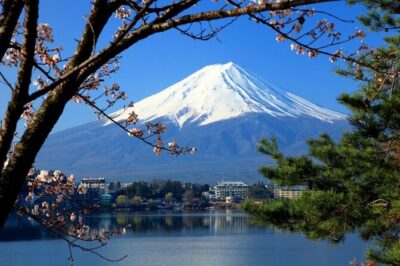 ★ 5.0Mt Fuji and Hakone 1-Day Bus Tour Return by Bullet TrainFrom $163
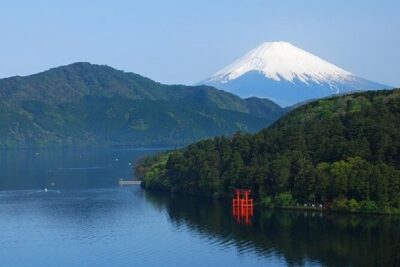 ★ 4.0Mt Fuji & Hakone Cruise, Drum Show Bullet Train 1 Day from TokyoFrom $149
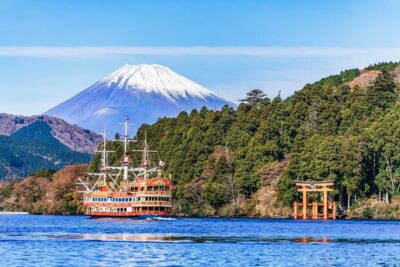 ★ 4.4Tokyo Mt Fuji 5th St & Hakone Cruise Bus Tour w/Bullet TrainFrom $15410 hours
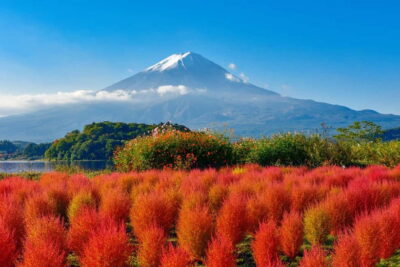 ★ 4.5From Tokyo: Mount Fuji Full-Day Sightseeing TripFrom $6810 hours
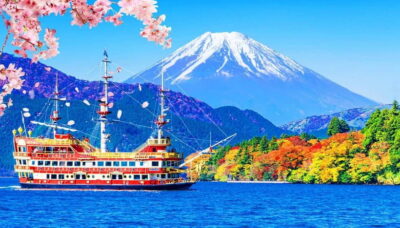 ★ 4.7Tokyo: Mt. Fuji Tour, Hakone Ropeway, Owakudani, Lake AshiFrom $5410 hours
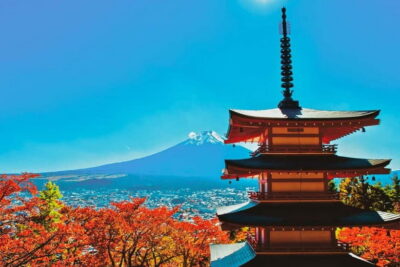 ★ 4.4Tokyo:Mt.Fuji,Kawaguchiko Oishi Park,Arakurayama Sengen ParkFrom $5410 hours