
Reviewed · KAMAKURA & ENOSHIMA DAY TRIPS
Authentic Japanese Tea Ceremony Experience in Kamakura
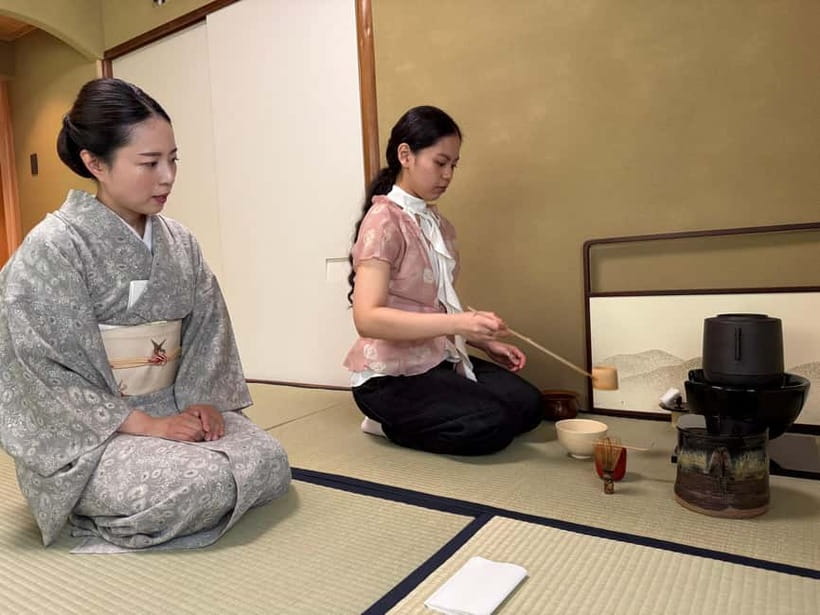
Kamakura’s tea ceremony offers something many sightseeing stops cannot: a quiet hour focused on one bowl of tea, one graceful movement at a time. In a sukiya-zukuri tea room, you’ll watch a certified tea master explain the ceremony, then whisk and serve matcha yourself.
I like the small six-person limit, which should make it easier to ask questions and follow the demonstration. I also like the practical format: you receive two servings of matcha, seasonal wagashi sweets, and a guided chance to make tea rather than simply watch. The main consideration is finding the tea room. It is about a five to seven-minute walk from JR Kita-Kamakura Station, near Restaurant Wataru, and the location details may require careful attention.
In This Review
- Key Points
- A Quiet Introduction to Japanese Tea Culture
- Reaching Chikusuian Near Kita-Kamakura
- Entering the Tatami Room
- Watching the Tea Master’s Demonstration
- Tasting Two Bowls of Fresh Matcha
- Making and Serving Matcha Yourself
- Why the Small Group Matters
- Is $36 a Fair Price?
- Who Will Enjoy This Tea Ceremony?
- How to Fit It Into a Kamakura Day
- Should You Book It?
- FAQ
- How long does the Japanese tea ceremony experience last?
- Where does the tea ceremony take place?
- How much does the experience cost?
- Is the instructor able to speak English?
- How many people can join the session?
- Is matcha included?
- Are Japanese sweets included?
- Can I make tea myself?
- Do I need to bring anything?
- Is there a dress code?
- Can I sit on a chair instead of kneeling?
- Are children allowed to participate?
- Are photos allowed?
- Is the activity suitable for wheelchair users?
- Is the activity recommended for pregnant women?
- Can I cancel for a full refund?
- Do I have to pay when I book?
Key Points
- Two bowls of matcha and seasonal wagashi give you both a tasting and a hands-on lesson.
- A certified tea master leads the session in Japanese and English, explaining the meaning behind the movements.
- The intimate group size is limited to six, helping keep the room calm and personal.
- You practice whisking and serving tea, with step-by-step help and no previous experience needed.
- The tea room follows sukiya-zukuri design, a traditional style made for quiet simplicity and hospitality.
- Kita-Kamakura Station is nearby, making this a convenient one-hour cultural stop during a Kamakura day.
A Quiet Introduction to Japanese Tea Culture
Japanese tea ceremony, known as sadō or chadō, is not simply a way to drink green tea. It is a formal expression of hospitality, attention, and respect. The host prepares each bowl with care, while the guest follows customs that show appreciation for the tea, the room, the utensils, and the person serving.
This one-hour session gives you a manageable introduction rather than asking you to commit to a long formal ceremony. That matters if you are new to Japanese customs or fitting Kamakura into a packed day from Tokyo.
The setting is a traditional tea room built in the sukiya-zukuri style. This style is associated with understated beauty and a close connection between architecture and the tea ceremony. You will remove your shoes before entering the tatami room, so socks are required. Modest clothing is recommended, though there is no formal dress code.
The room itself is part of the lesson. A tea ceremony feels different from watching a stage performance because the space, seating, utensils, sweets, and sequence all support the same calm purpose. You are not just being told about Japanese hospitality. You can see how it is expressed through small, repeated actions.
A few more Kamakura tours and experiences worth a look

Reaching Chikusuian Near Kita-Kamakura
The meeting point is Tea Room Chikusuian, about five to seven minutes on foot from JR Kita-Kamakura Station. It is near Restaurant Wataru. The short walk makes this activity easy to add before or after Kamakura sights in the Kita-Kamakura area.
Give yourself a little extra time to find the entrance. The location can be less obvious than a large tourist attraction, and clear directions matter when you are arriving for a timed session. Save the meeting information before leaving the station, and do not assume that a quick glance at a map will be enough.
Kita-Kamakura is a sensible place for a tea ceremony because the station area is associated with temples, gardens, and a slower pace than central Kamakura. You can pair the activity with nearby sightseeing without spending much time on transport. The tea room is also about an hour from central Tokyo, making it possible as part of a day trip.
The booking includes skip-the-ticket-line access, but this is not a large attraction with a long admission queue. The real benefit is having a reserved place in a small session.
Entering the Tatami Room
Before the ceremony begins, you will remove your shoes and enter the tatami room. Bring clean socks, since bare feet are not suitable for the space. Chairs are available if kneeling is difficult, but notify the provider in advance.
This is an important practical point. Traditional tea rooms often bring to mind sitting formally on the floor, and some people may worry about comfort. You do not need to manage an uncomfortable posture for the full hour if kneeling is difficult. Still, the activity is not suitable for wheelchair users, and it is not recommended for pregnant women.
The instructor welcomes you in Japanese and English. Since the group is limited to six, the atmosphere should feel more like a private cultural lesson than a large demonstration. That small size is especially useful when you want to see how the tea is whisked or ask about etiquette.
You may take photos at designated times. The limits are sensible. A phone raised during every movement would distract from the ceremony and from the people sharing the room. Plan to watch first and photograph when the instructor allows it.
Watching the Tea Master’s Demonstration
The first major part of the session is the traditional tea ceremony performance. The tea master prepares matcha with controlled movements, showing how the utensils are handled and how the host presents the bowl.
The value here is in seeing the full sequence. Matcha preparation can look simple until you notice how carefully each item is placed and picked up. The ceremony gives meaning to those actions, connecting them to the spirit of omotenashi, or thoughtful hospitality.
You will also learn some of the manners expected from the guest. These may include how to receive the bowl, how to appreciate the tea, and how to respond respectfully to the host. The purpose is not to test you. The instructor guides you through the process, so you can take part without worrying about getting every movement right.
The session also introduces ideas linked with Zen and mindfulness. You do not need a background in Buddhism or Japanese philosophy to follow the lesson. The practical point is easier to grasp: the ceremony asks you to slow down, notice what is in front of you, and give your attention to a simple shared act.
This is the part I would value most if you want more than a quick cultural photo. The demonstration helps explain why tea ceremony has lasted as a living practice rather than becoming only a historical display.
Tasting Two Bowls of Fresh Matcha
You receive two servings of freshly whisked matcha during the session. Matcha is powdered green tea mixed directly with water, so its flavor and texture are stronger than those of ordinary steeped tea.
The tea comes with seasonal Japanese sweets called wagashi. These sweets are traditionally paired with matcha because their sweetness balances the tea’s earthy, slightly bitter taste. The seasonal element also gives the tasting a connection to the time of year, though the exact sweets are not specified in advance.
You do not need to be a tea drinker to enjoy this part. The quantity is limited to two bowls, so the tasting is substantial enough to understand the flavor without turning the hour into a large meal. If you have never tried matcha, this is a low-pressure way to learn how it is traditionally served.
Pay attention to the contrast between the sweet and the tea. That pairing is one of the easiest details to appreciate immediately, even if the formal etiquette takes more practice.
A few more Kamakura tours and experiences worth a look
Making and Serving Matcha Yourself
After watching the tea master, you get to whisk and serve tea yourself. The instructor explains each step and assists as you work with the traditional utensils.
This hands-on part gives the activity its strongest practical value. You can watch a skilled host whisk matcha and think the process looks effortless. Then you try it and discover how the motion, speed, and amount of water affect the result. The lesson turns an elegant ritual into something you understand through your own hands.
You will also practice the guest and host roles. That lets you see both sides of the exchange: the care involved in preparing tea and the manners involved in receiving it.
No previous experience is needed. That makes this suitable for first-time visitors, couples, families with children aged seven and up, and anyone curious about Japanese customs. Younger children may need help remaining quiet and attentive in the tatami room, but the activity is designed for beginners rather than trained practitioners.
I like that the hands-on portion does not replace the ceremony. You first see the formal version, then try it with guidance. The balance helps you respect the tradition without feeling that you are only observing from the sidelines.
Why the Small Group Matters
A maximum of six participants changes the tone of the activity. In a large group, a tea ceremony can become a demonstration viewed from a distance. Here, the instructor has a better chance to watch your technique, answer questions, and adjust explanations for English-speaking participants.
The small group also suits the subject. Tea ceremony depends on quiet, personal attention. A crowded room would work against that feeling, especially when you are learning how to handle delicate utensils or follow guest etiquette.
The provider offers instruction in Japanese and English. The English-speaking guidance is important because the ceremony has many details that are easy to miss if you are relying on gestures alone. You can learn not just what to do, but why the action matters.
The published rating is 4.5 out of 5 from eight ratings. The strongest pattern in the available feedback is clear enjoyment: several people describe the session as beautiful, perfect, pleasant, friendly, and interesting. That fits the design of the activity, which combines a polished performance with direct participation.
At the same time, the small group means spaces are limited. If you are planning a busy Kamakura day, book a time that leaves room for the station walk and finding the entrance.
Is $36 a Fair Price?
At $36 per person, this is a reasonable price for a one-hour cultural lesson that includes two matcha servings, wagashi, the use of tea utensils, a traditional performance, and guided practice.
You are paying for more than the ingredients. The value comes from access to a traditional tea room, an instructor who can explain etiquette in English, and a small-group setting where you can make tea yourself. A lower-cost matcha tasting might give you a drink and a sweet, but it would not necessarily explain the customs or let you practice the ceremony.
The price is easiest to justify if you want context. If you only want to try matcha, you can find simpler options. If you want to understand the ritual and take part in it, the added instruction makes this a better use of an hour.
The experience does not include transport, a meal, or a full-day tour of Kamakura. Treat it as a focused cultural activity, not as a replacement for sightseeing. Its compact length makes it easy to combine with temples and other stops nearby.
Free cancellation is available up to 24 hours before the start time for a full refund, and you can reserve now and pay later. Those terms are useful when your Kamakura plans depend on weather or train timing.
Who Will Enjoy This Tea Ceremony?
I would recommend this experience to first-time visitors who want a clear introduction to Japanese culture without committing to a long formal program. The English-speaking instructor and step-by-step practice remove much of the worry that beginners may feel.
Couples may appreciate the quiet setting and shared activity. Families can also consider it for children aged seven and up, especially if the children are interested in food, crafts, or Japanese customs. The tatami room requires respectful behavior, so it may not suit children who need a highly active activity.
This also works well for cultural enthusiasts who want to learn the meaning behind tea ceremony rather than simply photograph a kimono or drink matcha. You will see how hospitality, mindfulness, seasonal sweets, architecture, and manners connect.
I would think twice if you dislike powdered green tea, cannot remove your shoes, or have difficulty with the physical setup even with a chair. Wheelchair users cannot take part, and the activity is not suitable for pregnant women.
How to Fit It Into a Kamakura Day
The one-hour duration is the main planning advantage. Since the tea room is close to JR Kita-Kamakura Station, you can build the experience around other sightseeing in the area rather than losing half a day to transport.
Arrive early enough to find Tea Room Chikusuian. The published meeting directions point you toward the area near Restaurant Wataru, but the entrance may not be immediately obvious to someone unfamiliar with Kita-Kamakura. This is the one logistical weakness worth taking seriously.
Wear clothing that lets you sit comfortably and move your arms while whisking tea. Modest attire is recommended, and socks are required. You do not need special clothing or equipment.
Keep your camera ready for the permitted photo moments, but let the ceremony take priority. The room is designed for attention and calm, not constant picture taking.
Should You Book It?
Book this tea ceremony if you want a short, personal introduction to Japanese hospitality and like the idea of making matcha yourself. At $36, the combination of instruction, two bowls of tea, wagashi, and a small group offers good value for a focused cultural activity.
Choose another option if you need wheelchair access, cannot remove your shoes, or want a casual food tasting with no etiquette or ceremony. For everyone else, this is a thoughtful way to add a slower hour to a Kamakura visit. Just allow extra time to find the tea room near Kita-Kamakura Station, bring socks, and notify the provider in advance if you need a chair.
FAQ
How long does the Japanese tea ceremony experience last?
The session lasts approximately 60 minutes.
Where does the tea ceremony take place?
It takes place at Tea Room Chikusuian near Restaurant Wataru, about five to seven minutes on foot from JR Kita-Kamakura Station.
How much does the experience cost?
The listed price is $36 per person.
Is the instructor able to speak English?
Yes. Instruction is available in both Japanese and English.
How many people can join the session?
The group is limited to a maximum of six participants.
Is matcha included?
Yes. The experience includes matcha, with two servings provided during the session.
Are Japanese sweets included?
Yes. Seasonal Japanese sweets called wagashi are included with the matcha.
Can I make tea myself?
Yes. You will learn to whisk and serve matcha with step-by-step guidance from the instructor.
Do I need to bring anything?
You must bring socks because shoes are removed before entering the tatami tea room.
Is there a dress code?
There is no formal dress code, but modest clothing is recommended. Shoes must be removed inside the tea room.
Can I sit on a chair instead of kneeling?
Chairs are available if kneeling is difficult. You should notify the provider in advance.
Are children allowed to participate?
The experience is recommended for ages seven and up.
Are photos allowed?
Photos are allowed at designated times during the session.
Is the activity suitable for wheelchair users?
No. The activity is not suitable for wheelchair users.
Is the activity recommended for pregnant women?
No. Pregnant women are listed among those for whom the activity is not suitable.
Can I cancel for a full refund?
Yes. You can cancel up to 24 hours in advance for a full refund.
Do I have to pay when I book?
You can reserve now and pay later, allowing you to hold a place without paying immediately.
More Tea Ceremony & Matcha in Kamakura
More Kamakura & Enoshima Day Trips in Kamakura
More tours in Kamakura we've reviewed

Kamakura & Enoshima Day Trips, compared.
 ★ 4.5Tokyo: Kamakura & Enoshima Day Trip including Temple TicketsFrom $589 hours - 570 minutes
 ★ 4.5Tokyo: Mt. Fuji, Kamakura, Big Buddha, & Lake Ashi Day TripFrom $4910 - 11 hours
 ★ 4.5From Tokyo: Kamakura & Enoshima 1-Day Bus TourFrom $66
 ★ 5.0Kamakura Historical Walking Tour with the Great BuddhaFrom $98
 ★ 5.0Kamakura Private Tour: Temples, Nature, and the Great BuddhaFrom $98
 ★ 5.0Kamakura Walking Tour – The City of ShogunFrom $35