

Reviewed · CITY TOURS
Tokyo: Private City Highlights Tour with Local Guide
Tokyo can feel like several cities stitched together by train lines. This private, customizable tour gives you a local guide and a full day to make sense of it, from Senso-ji in Asakusa to the Meiji Shrine forest and Shibuya. Guides such as Fumiko, Steve, Yumi, and Kenji have tailored days around food, history, shopping, children, and quieter neighborhoods.
I like two things right away: you can ask for the sights that matter most to you, and the guide can teach you how Tokyo’s public transport works while you move around. I also like the cultural context, such as shrine customs, goshuin stamp books, palace gardens, and everyday Japanese life. The main caution is simple: this is a walking day, and fitting many districts into six or eight hours can mean a long, tiring stretch on your feet.
In This Review
- Key points at a glance
- A flexible first day in Tokyo
- Asakusa and Senso-ji: Tokyo’s best traditional opening
- Imperial Palace gardens and the quiet center of the city
- Tsukiji: food, market streets, and a flexible lunch
- Meiji Jingu and Harajuku: forest, faith, and youth culture
- Shibuya and Shinjuku: modern Tokyo after dark
- Akihabara, Nezu, and Hama Rikyu Gardens
- What the guides add beyond directions
- Walking, trains, taxis, and the real cost
- Families, older visitors, and different walking speeds
- Practical planning before you book
- Who should book this Tokyo tour?
- FAQ
- How long does the private Tokyo tour last?
- Which Tokyo attractions can I choose?
- Is transportation included?
- Is lunch included?
- Are entrance fees included?
- Can I book the tour in English?
- Is the tour suitable for wheelchair users?
Key points at a glance
- Choose your Tokyo: Build the day around Asakusa, Tsukiji, Meiji Jingu, gardens, shopping, anime, or quieter old neighborhoods.
- Meet at your hotel: Pickup and drop-off are included, but the tour uses walking, trains, and local taxis rather than a private vehicle.
- Learn the metro system: Your guide can help you understand Tokyo’s complex train network, a useful skill for the rest of your trip.
- Expect cultural detail: Shrine etiquette, imperial traditions, foliage viewing, goshuin stamps, food customs, and local life can all become part of the day.
- Good for families: Guides can slow the pace, add shade and rest stops, and adjust the route for children.
- Allow extra cash: Lunch, personal entrance fees, and your own transportation costs are not included. Carry Japanese yen.
A flexible first day in Tokyo
The best use of this tour is often at the beginning of your stay. Tokyo is huge, and its famous sights are spread across different districts. A guide can help you see several major areas while giving you a practical sense of how they fit together.
Before the day, your guide contacts you to discuss your interests and possible route. Some guides have planned the itinerary well in advance, then adjusted it again after learning what a family or couple really wanted to see. That early conversation matters. If you want temples and gardens, you will need a different plan from someone who wants anime, food, and shopping.
The advertised duration ranges from four to eight hours. Four hours is a sensible introduction, especially if you want a slower pace or only a few districts. Six hours gives you room for several major sights. Eight hours can cover a lot, but only if you are comfortable walking and moving between places by train.
Other guided tours in Tokyo

Asakusa and Senso-ji: Tokyo’s best traditional opening
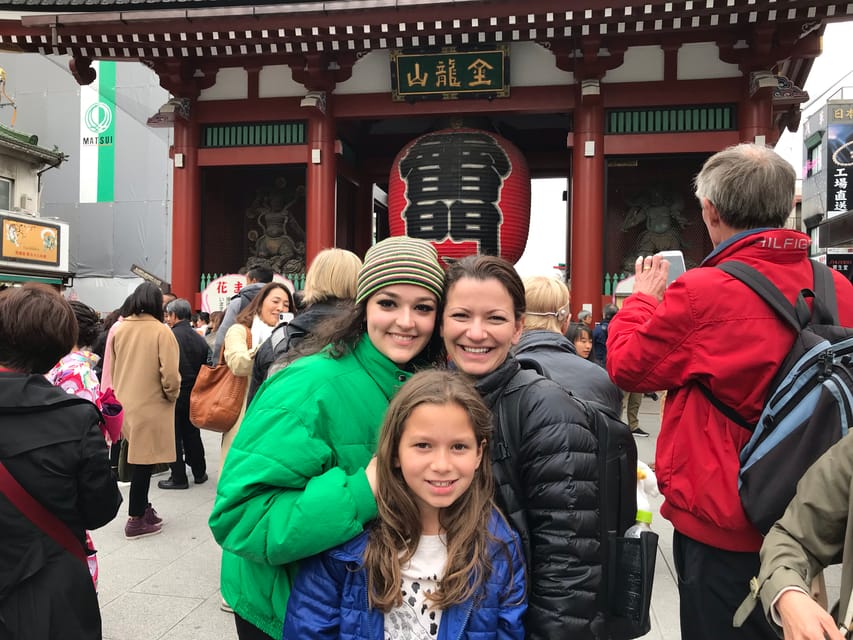
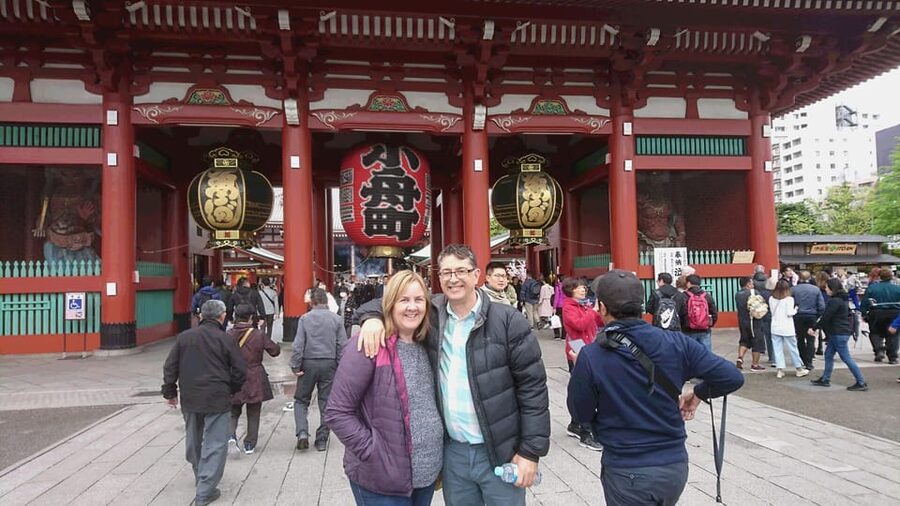
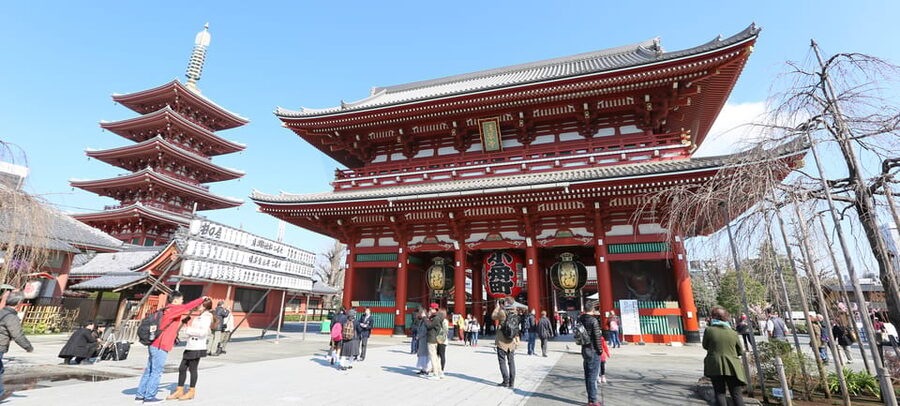
Asakusa is an excellent starting point because it gives you a clear introduction to Japanese religious tradition and old Tokyo. Senso-ji is the headline sight, with its temple grounds and the Nakamise shopping street leading toward the main buildings.
You can expect your guide to explain how to behave at a shrine or temple, what the buildings represent, and how religious practice fits into daily life. That context turns a quick photo stop into something more useful. Several guides have also introduced the custom of collecting goshuin, the calligraphic temple and shrine stamps kept in a special book. It is a thoughtful souvenir, though you should follow each site’s rules when requesting one.
Asakusa is also practical for first-time visitors because the streets around the temple offer food and small shops. The drawback is time. If you stop at every stall and spend a while in the temple grounds, you may need to drop another district later in the day.
Imperial Palace gardens and the quiet center of the city
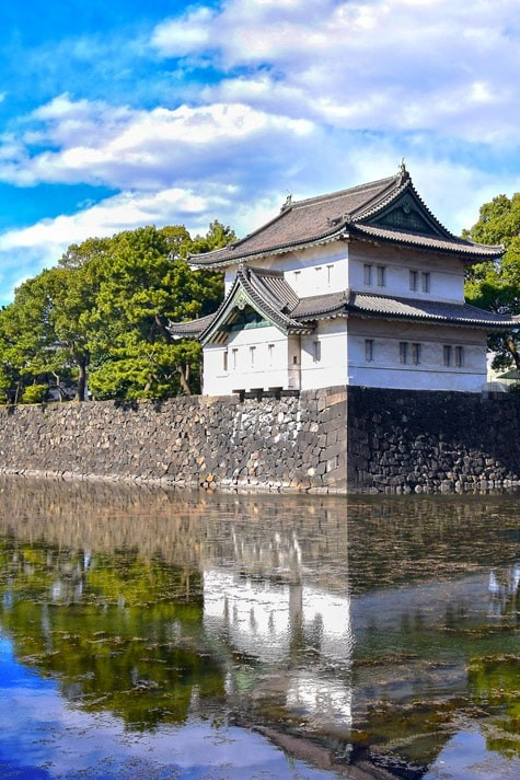
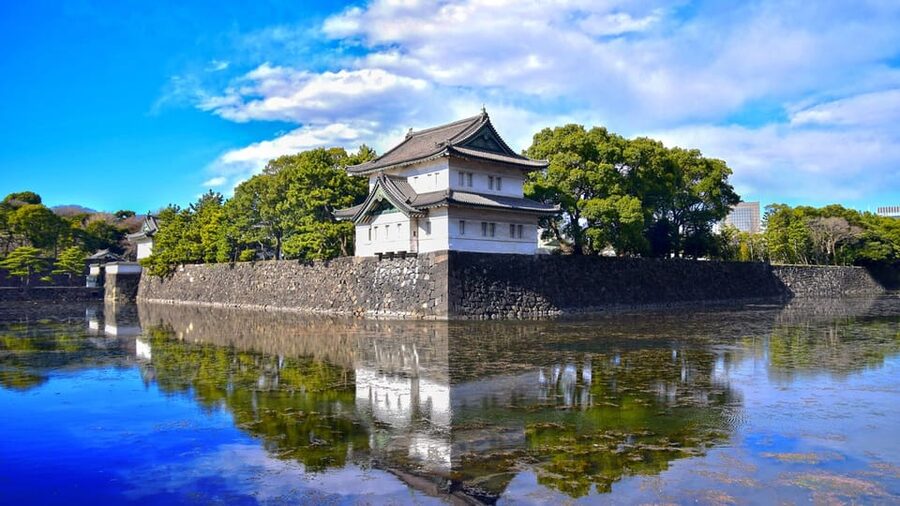
The Imperial Palace area gives you a sharp change of mood. After Asakusa, you may find yourself walking through open gardens and broad grounds near the center of Tokyo, with far less noise than you might expect from a capital this large.
The route may include the palace’s Outer Garden or the East Gardens, depending on the plan and access on the day. Your guide can explain imperial customs, seasonal foliage viewing, and the role of the palace in modern Japan. One particularly useful point is that access to certain palace grounds can depend on timing and special openings, so do not assume every part will be available on every date.
This is a good stop for people who enjoy gardens, architecture, and historical context more than attractions that demand lots of shopping. The gardens also provide a welcome pause from station platforms and crowded commercial streets.
Keep in mind that personal entrance fees are not included. Ask your guide which stops require payment before finalizing the route, and carry yen.
Tsukiji: food, market streets, and a flexible lunch
Tsukiji is a natural choice if food is central to your Tokyo plans. The area is known for market streets, small food counters, and ingredients associated with Japanese cooking. This tour does not include lunch, so you can choose what appeals to you and pay directly.
A guide is especially useful here if your group has different tastes or if you are unsure how to approach the food stalls. One guide recommended a lunch area with many choices, which worked well for a group that could not agree on one dish. Other tours have included ramen stops and food-focused routes with coffee, snacks, and local eating places.
Do not treat Tsukiji as a guaranteed sit-down meal or a fixed tasting menu. The experience depends on the route you choose, the time available, and what is open. If you want a market-heavy morning, tell your guide early. If you prefer a quick lunch so you can reach more sights, say so plainly.
Meiji Jingu and Harajuku: forest, faith, and youth culture
Meiji Jingu offers one of Tokyo’s most striking transitions. You leave the crowded streets of Harajuku and enter a large wooded approach to one of the city’s best-known Shinto shrines. The change is not only visual. It helps you understand how Tokyo places quiet religious spaces beside intense commercial districts.
Your guide can explain shrine rituals and traditions, then help you connect the shrine with the surrounding neighborhoods. This is where the tour’s cultural teaching earns its keep. Instead of simply walking through a forest and taking pictures, you learn why the site matters and how people use it.
Harajuku provides the opposite mood. Takeshita Street is associated with youth fashion, cute goods, and Japanese pop culture. It can be fun, but it is not a calm stroll. If you dislike crowded shopping streets, ask to keep this part short and spend more time at Meiji Jingu or another garden.
The suggested route of Asakusa, the Imperial Palace, Harajuku, and Meiji Jingu is ambitious but sensible. These stops show you old Tokyo, imperial Tokyo, religious Tokyo, and modern youth culture in one day. You will use trains and walk between stations and sights, so comfortable shoes are not optional.
Other city tours we've reviewed in Tokyo




Shibuya and Shinjuku: modern Tokyo after dark
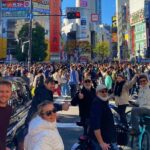
Shibuya Crossing is one of the city’s most recognizable scenes. Your guide can show you where to view the crossing and explain how it fits into the wider district. It is a quick, energetic stop rather than a place that needs hours unless you want shopping, food, or observation points.
Shinjuku offers more range. Shinjuku Gyoen National Garden gives you lawns, trees, and a quieter break from the station district. Shinjuku Golden Gai, by contrast, is a compact area of tiny bars and narrow lanes. It is most interesting as a look at a very particular nightlife district, though the atmosphere and usefulness of a visit depend heavily on the time of day.
A guide may change the order if a protest, weather, heat, or crowds make one area less pleasant. That kind of adjustment has real value. On one outing, a noisy event in Shinjuku led the group to spend time at the calmer Meiji Shrine instead. The goal is not to check off every name at any cost. It is to make the day work.
Akihabara, Nezu, and Hama Rikyu Gardens
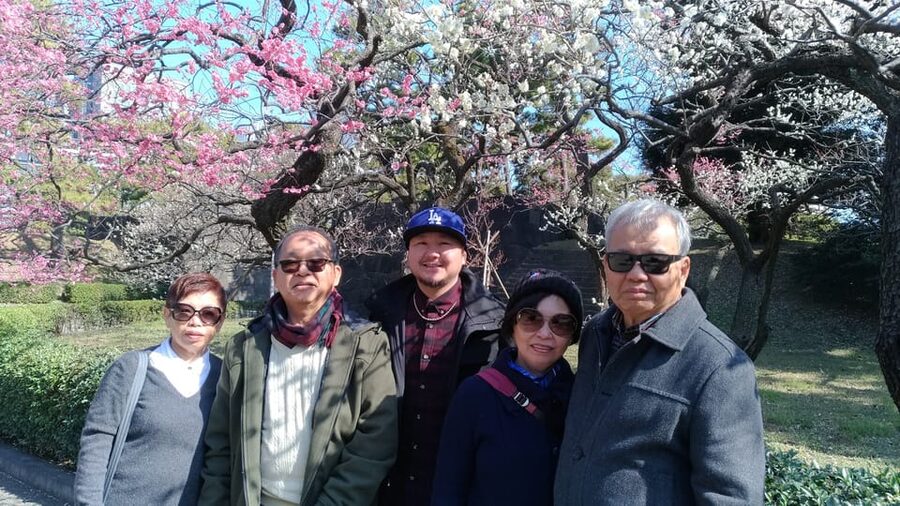
The tour list also includes places that let you steer away from the standard first-day circuit.
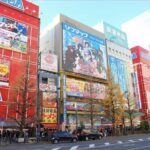
Akihabara is the obvious choice for anime, manga, games, electronics, and Japanese pop culture. Choose it if those interests are central to your trip. It may not be the best use of time if your priority is temples, gardens, or food.
Nezu offers a different feel, with older streets and shrines. It suits people who want a quieter side of Tokyo and enjoy seeing how historical pockets survive inside a modern city. It can also pair well with a request for less commercial sightseeing.
Hama Rikyu Gardens provide another green break, this time in a setting close to the modern waterfront and office districts. Gardens are useful on a long walking day because they slow the pace and give you room to sit. If you are visiting in hot weather, tell your guide that rest stops matter. Guides have adjusted routes for heat, shade, children, and changing energy levels.
What the guides add beyond directions
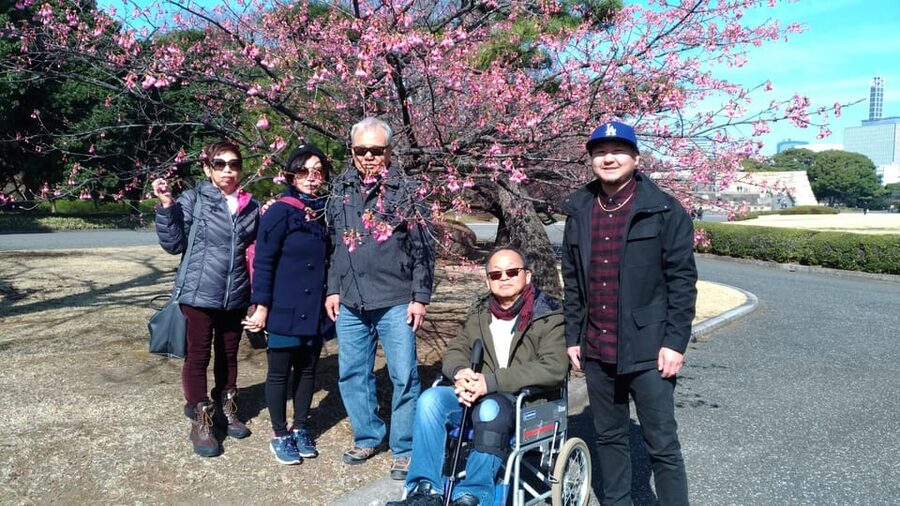
The guide is not just there to point toward the next station. The strongest part of the experience is the conversation between stops. You can ask how shrine customs work, why a garden was designed a certain way, what a local food tradition means, or how to get around after the tour ends.
Guides such as Atsushi have helped visitors learn the subway system on the first day, then offered directions for later shopping and meals. Steve has been praised for explaining routes and suggesting places to visit after the tour. Noripy has combined clear transport advice with historical explanations, while Kenji has built days around religious traditions, palace access, gardens, and cooking interests.
The nationally licensed Tour Guide-Interpreter qualification is issued by the Japanese government and requires a strong understanding of Japanese culture and history. That does not mean every guide will have the same personality or teaching style, but it does give you a useful professional standard.
English and Japanese are available. If your group has a particular interest, put it in the pre-tour conversation. History, food, gardens, family sightseeing, shopping, and local neighborhoods have all been accommodated within the private format.
Walking, trains, taxis, and the real cost
The listed price is $106 per person. For a private tour, that can be good value if you want personal planning, help with Tokyo’s train system, and a guide who can adjust the day to your group. It is less attractive if you only want transportation between landmarks or prefer to explore without a schedule.
The price does not include your transportation, lunch, personal expenses, or entrance fees. There is no private car. You will walk to and between transport points, then use public transportation or local taxis as needed. The exact route determines the cost, so discuss the plan with your guide and carry Japanese yen.
Hotel pickup and drop-off are included as part of the guided service, but do not confuse that with door-to-door vehicle transport. The pickup at the start is on foot, and the tour moves through the city like a local day out.
The 4 to 8-hour range also affects value. A four-hour tour may be enough for Asakusa and one nearby area, or for a focused food and culture walk. A longer tour can connect districts, but the more sights you add, the more time you lose at stations.
Families, older visitors, and different walking speeds
Families can make good use of the private format. Guides have slowed down for young children, added shade and breaks in hot weather, and changed routes to keep sights accessible. One family combined major landmarks with ramen and an experience that suited an anime-loving child.
Still, this is not a low-walking sightseeing bus. Even with train rides, you will walk through stations, streets, temple grounds, gardens, and shopping areas. If someone in your group has limited stamina or mobility, discuss the route before the day begins. The activity is listed as wheelchair accessible, but the walking and public transport format makes advance planning important.
You can also ask for a steady pace. Four hours may be better than eight if your group wants time to look around without rushing. The private setup lets you stop for food, adjust the order, or leave out a district that no longer suits the mood.
Practical planning before you book
This tour is not confirmed until your guide contacts you. Most guides make contact within seven days, and the provider will contact you if a guide cannot take the booking. Use that planning message well. List your top three priorities, your walking limits, food needs, children’s ages, and any place you have already visited.
I would rank your wishes rather than naming ten must-see sights. For example:
- First priority: Senso-ji and traditional culture
- Second priority: Meiji Jingu and Harajuku
- Third priority: Tsukiji lunch
- If time allows: Shibuya or the Imperial Palace
That gives your guide room to make sensible choices. Ask which attractions have entrance fees, how much train travel the route involves, and where lunch fits. Free photos are included, a nice extra for families or couples who want a record of the day.
Cancellation is free up to 24 hours before the start time, and you can reserve now and pay later. The live tour is offered in English or Japanese, and the group is private rather than shared with strangers.
Who should book this Tokyo tour?
I would choose this for a first visit, especially if Tokyo feels overwhelming or you want to see several districts without spending your first day studying maps. It is also a strong fit for families, food-focused visitors, people interested in Japanese history and religion, and anyone who wants help using the metro.
I would think twice if you dislike walking, want a fixed private car, or prefer to linger for hours in one museum or neighborhood. The tour is built around movement and personal choices, not a slow stay in one place.
At $106 per person, the value rests in the guide’s planning, local explanations, and practical transport help. Book it near the start of your Tokyo stay, share clear priorities before arrival, and treat the day as a guided orientation rather than a race to every famous address. That approach gives you both the sights and the confidence to explore on your own afterward.
FAQ
How long does the private Tokyo tour last?
The tour lasts between 4 and 8 hours. Starting times depend on availability.
Which Tokyo attractions can I choose?
Possible stops include Asakusa, the Imperial Palace, Shinjuku Gyoen National Garden, Tsukiji Fish Market, Meiji Jingu Shrine, Akihabara, Hama Rikyu Gardens, Harajuku, Takeshita Street, Nezu, and Shinjuku Golden Gai.
Is transportation included?
Your guide’s service and hotel pickup and drop-off are included, but your own transportation costs are not. The tour uses public transportation, walking, and local taxis. A private vehicle is not included.
Is lunch included?
No. Lunch is at your own expense, and you can discuss food preferences and meal options with your guide.
Are entrance fees included?
No. Personal entrance fees are not included in the price.
Can I book the tour in English?
Yes. Live guiding is available in English and Japanese.
Is the tour suitable for wheelchair users?
The activity is listed as wheelchair accessible. Since it is a walking tour using public transportation or local taxis, discuss your route and access needs with the guide in advance.
More Private Tours in Tokyo


More City Tours in Tokyo
More Guided Tours in Tokyo
More tours in Tokyo we've reviewed






City Tours, compared.
 ★ 4.7Tokyo: Asakusa, Skytree & Akhihabara Go-Kart City ExperienceFrom $961h 10m
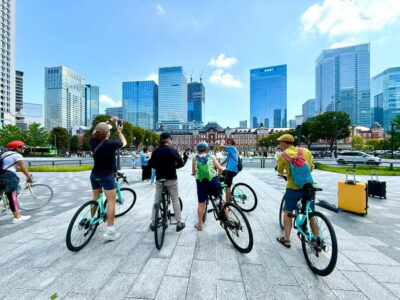 ★ 4.8Tokyo: 3-Hour Bike or E-Bike City Highlights TourFrom $453 hours
 ★ 4.8Tokyo: Sumo Morning Practice Tour at Sumida CityFrom $1162 hours
 ★ 4.5Private Haneda Airport (HND) to Central Tokyo City TransferFrom $119
 ★ 4.8Tokyo: 3-hour Guided E-Bike Tour of the City’s Hidden GemsFrom $65
 ★ 5.0Tokyo: 3-Hour Bike/E-Bike Tour of the City’s HighlightsFrom $63