
Reviewed · MT FUJI DAY TRIPS
Tokyo:Sea of Mount Fuji, Hakone Ropeway, Ōwakudani, Enoshima
The best thing about this day trip is its range. In one long outing, you see Mount Fuji from three settings: a volcanic lake, a steaming valley, and the coast near Enoshima. You also ride a pirate ship and a cable car, which keeps the day moving when ten hours in a bus might otherwise feel long.
I like the way the tour joins Hakone and Enoshima, two places that are often difficult to connect without careful planning. I also like the practical help from guides such as Aki, Belle, Jimmy, Kishida, Pin, and Brewski, who have been praised for clear meeting instructions, photography tips, history, and keeping groups together. The main drawback is time: Enoshima receives only a short visit, and traffic can turn this into a very long day.
In This Review
- Key points
- Why this Tokyo day trip works
- Lake Ashi and the classic Hakone view
- The pirate ship across Lake Ashi
- Riding above Owakudani by ropeway
- Owakudani, sulfur air, and black eggs
- Enoshima changes the mood
- What the guides add to a busy day
- The real cost of a $50 day
- Timing, weather, and comfort
- Who should book this experience
- Should you book the Fuji, Hakone, and Enoshima day trip?
- FAQ
- How long is the tour?
- Where does the tour meet in Tokyo?
- Which languages are available?
- Are the cruise and ropeway included in the price?
- Can I take a bus instead of the boat or ropeway?
- Is Mount Fuji guaranteed to be visible?
- Are meals included?
- Can I bring a stroller or large luggage?
- Can I cancel for a full refund?
Key points
- Three Fuji viewpoints: See the mountain from Lake Ashi, Owakudani, and Sagami Bay when weather cooperates.
- Two memorable rides: Cross Lake Ashi by pirate ship and rise above Hakone by ropeway.
- Owakudani black eggs: Try sulfur-cooked eggs said to add seven years to your life.
- A compact Enoshima visit: Walk through shrine grounds, old gates, Nakamise Dori, and the island approach.
- Good value at $50: Transport, guide, road costs, and taxes are included, but cruise and ropeway tickets may cost extra.
- Weather matters: Fuji can vanish behind cloud, even when you are standing close to the mountain.
Why this Tokyo day trip works
Tokyo is packed with temples, department stores, neon, and train stations. A day in the countryside gives your eyes a rest. This outing takes you southwest to Hakone, a mountain area shaped by volcanic activity, then onward to Enoshima on the Kanagawa coast.
I see this as a sightseeing sampler rather than a slow, detailed tour of either destination. You get the famous views and the classic experiences, but you will not have enough time to linger over every shrine, trail, restaurant, or shop. That tradeoff makes sense if your Japan schedule is tight and you want a broad taste of the region.
The tour costs $50 per person and lasts about ten hours. That is a strong price for round-trip transport from Tokyo, an air-conditioned vehicle, an English or Chinese-speaking guide, parking, tolls, gas, taxes, and environmental fees. Check the option you select carefully, since admission for the Hakone sightseeing cruise and ropeway may not be included.
The transport is one of the tour’s practical strengths. The vehicle is described as clean and comfortable, though one account found the van tight when the trip was full. If you dislike sitting in a compact vehicle for long stretches, this point matters. Traffic is common on weekends, holidays, and during peak seasons, so keep your evening plans loose.
A few more Tokyo tours and experiences worth a look
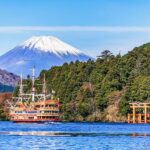
Lake Ashi and the classic Hakone view
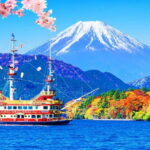
Lake Ashi was formed by volcanic eruptions around 3,000 years ago. Today, it is one of Hakone’s signature sights, with wooded mountains around the water and, on a clear day, Mount Fuji in the distance.
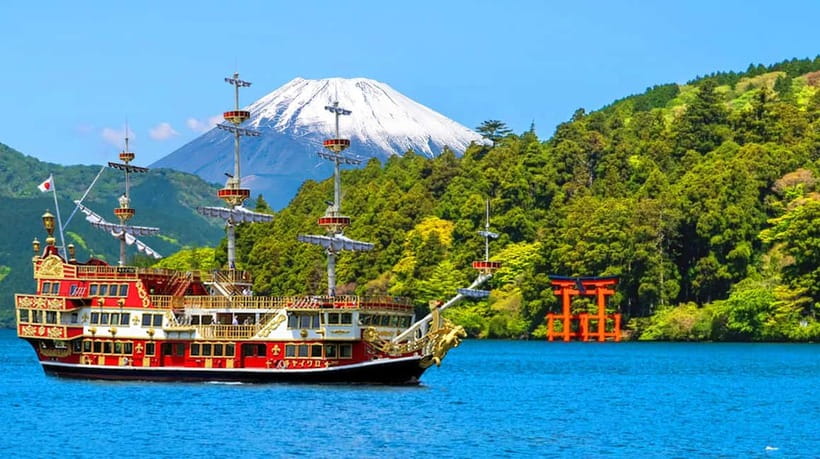
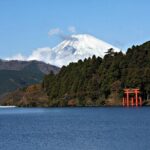
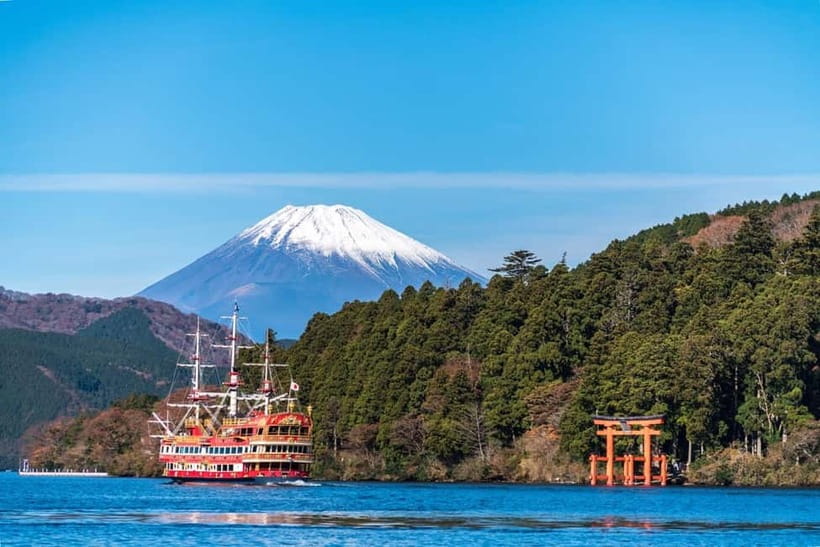
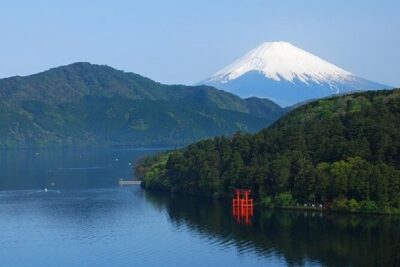
The scheduled lake stop is about 20 minutes. That is enough for photographs and a quick look, but not enough for a long lakeside walk. Look for the famous vermilion torii gate of Hakone Shrine, set in the water. It is one of those scenes that can look almost too tidy to be real: red gate, dark green hills, blue water, and Fuji behind it when the clouds allow.
This is also a good place to understand the weather gamble. Several departures had crisp views of Fuji, while another had rain and cloud that hid the mountain completely. The tour cannot control that. Check the forecast before booking if Fuji is your main reason for going, and consider choosing a clear season or a date with flexible plans.
The pirate ship across Lake Ashi
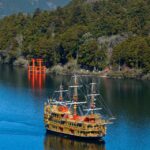
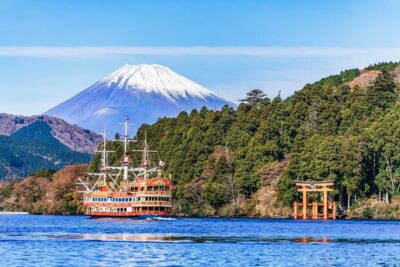
The Hakone sightseeing cruise lasts about 25 minutes. The ship is styled like a pirate vessel, which sounds touristy because it is, but it also gives the ride a bit of fun and makes the outing different from an ordinary bus tour.
Head to the open deck if conditions are comfortable. You get a fresh lake breeze, views back toward the mountains, and a chance to frame Fuji, the torii gate, and the water in one photograph. The ride is short, so have your camera ready before the ship pulls away.
Cruise admission depends on the booking option. If it is not included, the guide can help with tickets, and you should carry cash because many local shops may not accept cards. A private ship upgrade has also been available on some departures, giving a group more room for the view, but check what your own option includes rather than assuming it comes as standard.
For anyone who cannot take the boat, a bus alternative is available. This is useful, but it changes the character of the day. The boat is not just transport. It is one of the main pleasures of the Hakone section.
Riding above Owakudani by ropeway
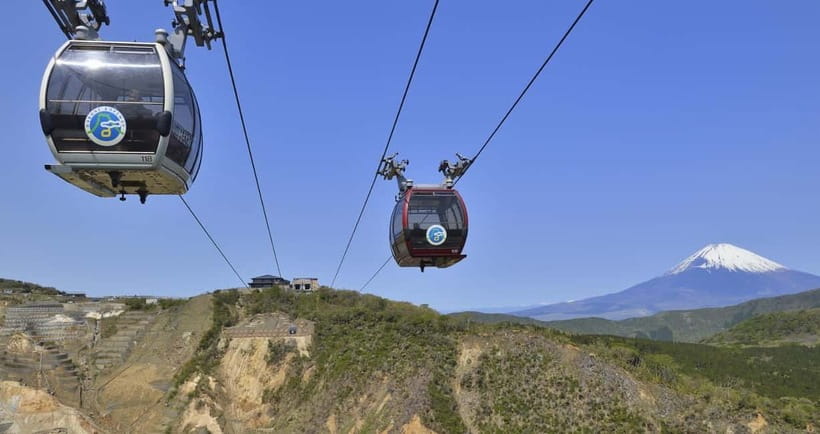
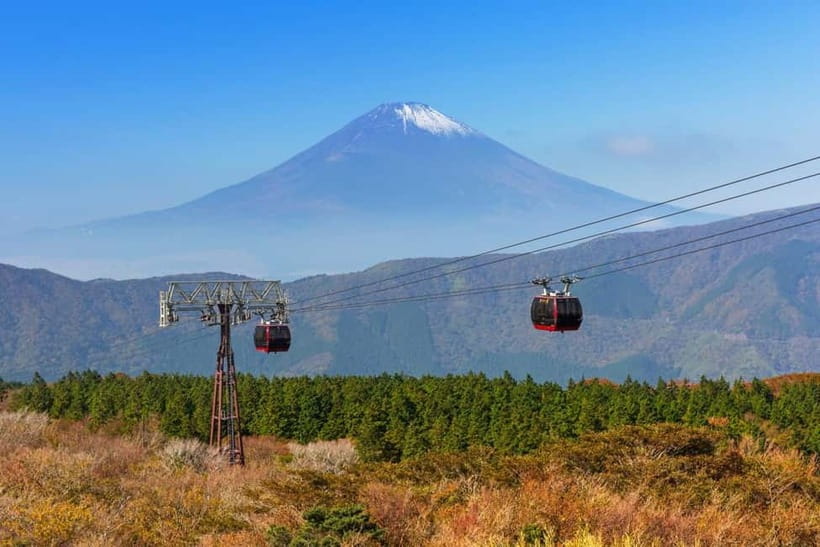
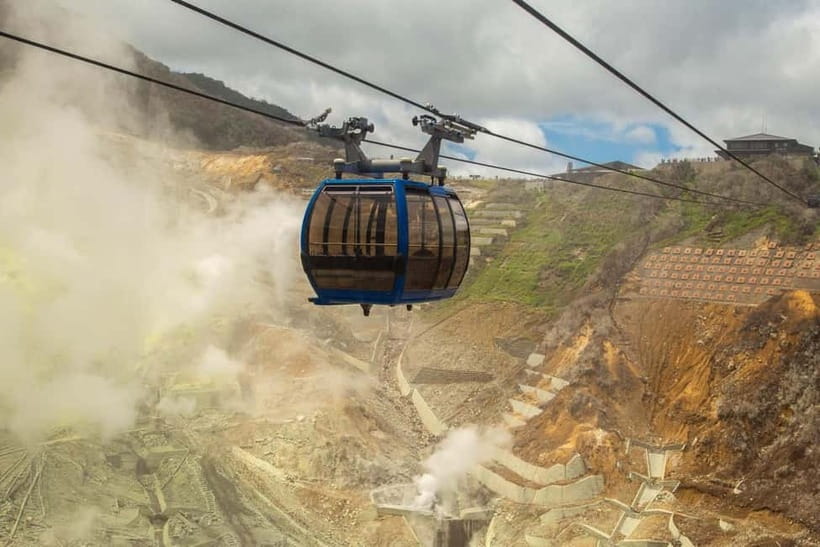
The ropeway is the day’s most dramatic ride. As the cable car rises, you look down toward Hakone’s volcanic zone and Owakudani, where steam rises from cracks in the earth. The colors can be stark: gray rock, yellow and brown mineral stains, and wisps of white vapor.
The ride lasts about 25 minutes. It gives you a moving view rather than a single photo stop, and it helps explain why Hakone feels different from the coastal towns around Tokyo. This is an active volcanic area, not simply a pretty mountain resort.
Ropeway admission may be extra, depending on your selected package. If you cannot take the cable car, the bus can be used instead. The ride includes height and open views, so the experience may not suit anyone with altitude sickness. The operator also lists the trip as unsuitable for pregnant women, wheelchair users, and people over 70. Anyone aged 70 or above who does join is asked to sign a travel waiver on arrival.
Owakudani, sulfur air, and black eggs
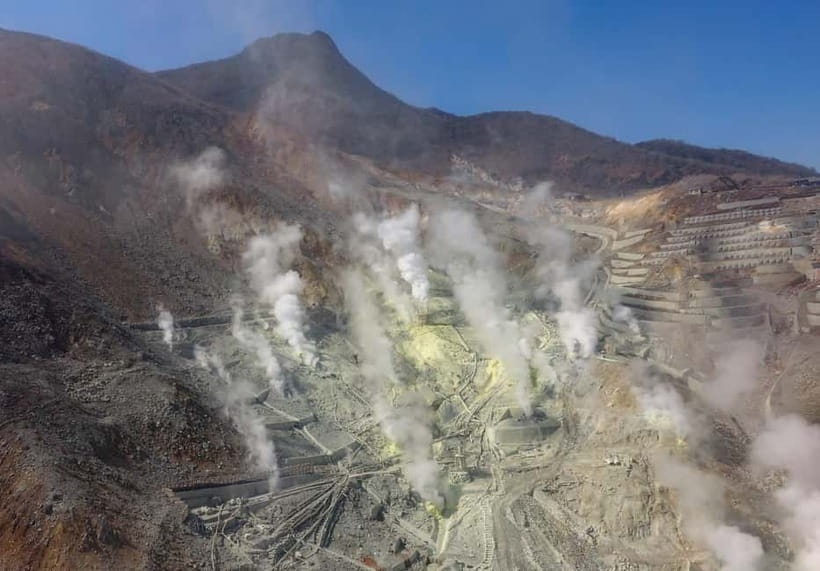
At Owakudani, you get around 30 minutes for sightseeing and photographs. The sulfur smell is part of the experience. Steam rises from the volcanic ground, and the area feels raw and active rather than polished.
The famous food here is the kuro-tamago, or black egg. These eggs are hard-boiled in sulfur springs, which darkens their shells. Local legend says that eating one adds seven years to your life. Nobody should treat that as medical advice, but it is a memorable snack and a simple way to connect the food with the place that produces it.
Allow for a quick stop, not a full meal. You need to watch the time before returning to the vehicle or continuing onward. Bring cash for small purchases, since card payment may not be accepted at local shops.
Owakudani is also where the tour’s pace becomes clear. You are being shown several major sights in one day, so each stop is selected for impact. If you want long walks through Hakone or a relaxed hot-spring stay, this is not the right format.
A few more Tokyo tours and experiences worth a look

Enoshima changes the mood
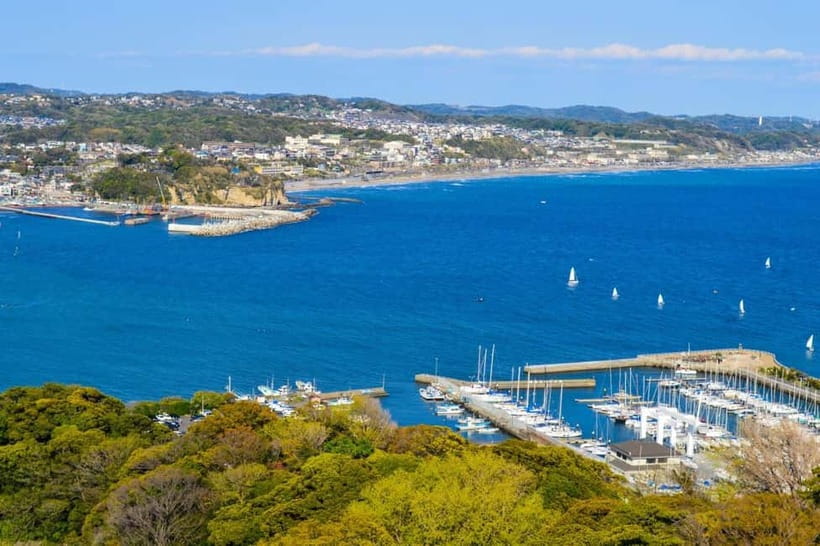
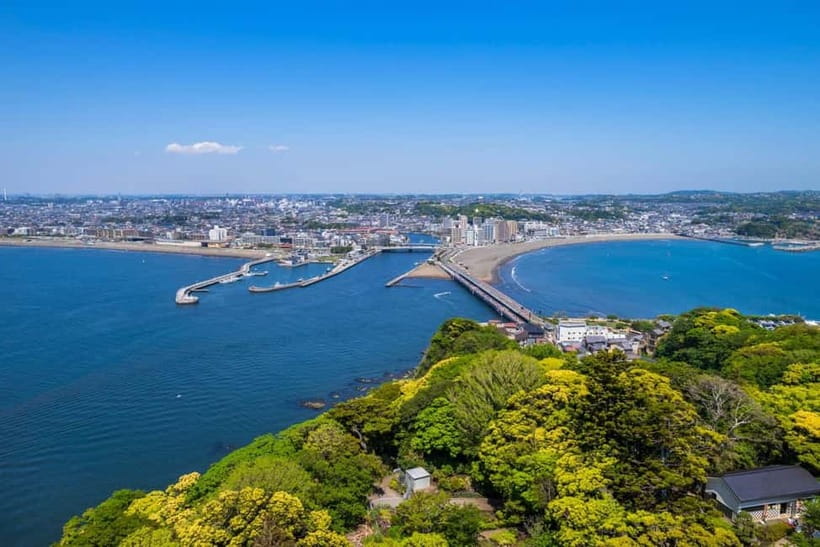
After the mountains, Enoshima feels like a different Japan. The island sits in Sagami Bay, surrounded by sea and reached through a busy approach lined with food shops and small businesses. The schedule includes about 30 minutes of free time and sightseeing, followed by visits around the shrine area.
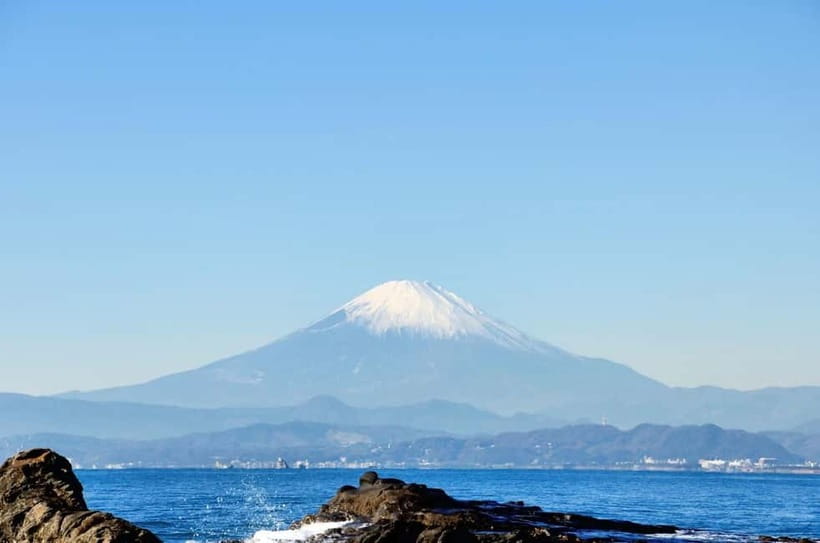
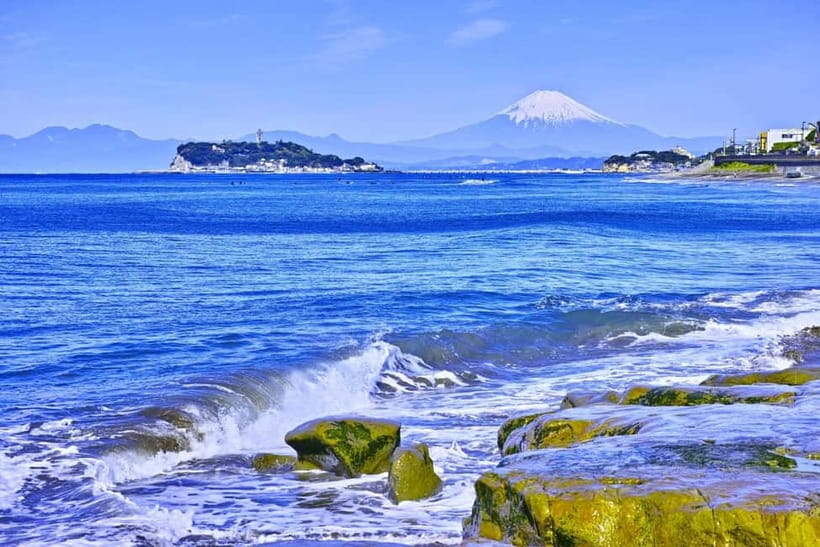
The island is associated with views toward Mount Fuji across the sea. On a clear day, Fuji appears on the horizon beyond the sapphire-colored water. This is the source of the tour’s Sea of Mount Fuji theme, and it is a very different composition from the Fuji view at Lake Ashi.
You have time to see Enoshima Shrine, including Hetsunomiya, and pass through the Bronze Torii, the Zuishinmon Gate, and Benzaiten Nakamise Dori. Stone steps lead upward, and the route is not ideal for anyone who struggles with stairs or uneven walking. The shrine area feels quieter than the food-lined approach, though the exact balance depends on how quickly your group moves.
Food is part of Enoshima’s appeal. You might find local dishes featuring freshly caught anchovies, seaweed rolls, and Shonan milk ice cream. One practical warning: late lunches can mean that popular menu items have sold out. If your guide suggests a place and it does not suit you, make your decision quickly because the free time is limited.
This is the part I would most like to have expanded. Thirty minutes is enough to sample the atmosphere and make a few wishes at the shrine, but it is not enough to explore the island properly, enjoy a leisurely meal, and reach every viewpoint. One person wanted more time for street food and the caves. That is a fair criticism, though adding more Enoshima time would make an already long day even longer.
What the guides add to a busy day
A good guide matters here because the schedule has many moving parts. You need to know when to leave the lake, where to meet the vehicle, how to buy optional tickets, and which sights are worth prioritizing.
Guide Aki has been noted for sending detailed meeting times and locations before departure, then offering photography tips during the day. Jimmy has been praised for clear messages through WhatsApp and for keeping the trip on schedule. Kishida has been described as patient and careful with timing, while Belle has been appreciated for friendly explanations and very clear instructions.
Other named guides include Pin, Brewski, Augustin, Nakajima, Yuki, Joey, Fukuzawa, and Wennie. Their styles differ, but the strongest pattern is practical care: explaining the stops, sharing Japanese history and customs, taking photographs when asked, and making sure nobody is left behind. On New Year’s Day, Brewski even explained the Japanese Hatsumode tradition at a temple.
The advertised guide languages are English and Chinese. Guide quality can vary by departure, but the consistent role is more important than a particular personality. This is a managed day with a lot of road time, and clear instructions prevent small delays from becoming big ones.
The real cost of a $50 day
At $50, this is inexpensive for a full-day outing from Tokyo. Public transport to Hakone, the lake cruise, the ropeway, and Enoshima would require several separate decisions, and a private arrangement would cost much more.
The catch is that the headline price may not cover the cruise and ropeway admissions. Add those costs before comparing this with other tours. Meals, drinks, and personal purchases are also yours to pay for.
I would carry snacks and a small amount of cash. Food cannot be eaten in the vehicle, but you can eat during the designated stops. The day includes long drives, and one departure had a late lunch after the group reached Enoshima. Keep your food simple and easy to carry.
You are also paying for convenience rather than free time. The tour removes the stress of navigating several transport connections, but it gives you fixed departure times. That is a good exchange for first-time visitors who want to see a lot without managing every train and ticket.
Timing, weather, and comfort
The full day can involve substantial driving. One account described the mountain roads as sharp and praised the driver for handling them smoothly. If winding roads make you uncomfortable, sit where you feel most secure, keep water nearby, and avoid planning anything demanding after the tour.
Winter can provide excellent Fuji visibility, but it can also be cold at Lake Ashi and Owakudani. Dress for wind and changing temperatures. The open deck of the ship is more exposed than the bus, and the volcanic valley may feel cool despite the steam.
Weather is the biggest variable. Fuji may be visible from one stop and hidden from another. Rain can affect the boat, ropeway, and coastal views, while traffic can alter the order or length of stops. The schedule may change for those reasons. If seeing Fuji is non-negotiable, do not build your entire Japan trip around a single viewpoint or a single day.
The tour offers free cancellation up to 24 hours before departure and allows reserve-now, pay-later booking. The meeting point depends on the option selected, and the listed Tokyo location is Tokyo Mode Gakuen, 1-5-1 Marunouchi, Stand T. You cannot change the meeting place on the day, so check it carefully before leaving your hotel.
Who should book this experience
I would choose this tour if you have limited time in Tokyo and want a broad day outside the city. It suits first-time visitors, families who prefer organized transport, and anyone who wants the major Hakone rides without arranging a complicated route.
It is also a good match for photographers who understand that the best image depends on weather. You get lake, volcano, mountain, shrine, and ocean subjects in a single day.
I would think twice if you want a slow Hakone visit, a long lunch, extensive shrine time, or a proper Enoshima exploration. The schedule is efficient, not leisurely. It is also not suitable for pregnant women, wheelchair users, people with altitude sickness, or people over 70 according to the stated restrictions.
Should you book the Fuji, Hakone, and Enoshima day trip?
Book it if your priority is variety and convenience. For $50, plus any optional ride admissions, you can cover three major settings and enjoy two distinctive rides without planning the transport yourself.
Skip it if you need guaranteed Fuji views or prefer to explore one place in depth. My practical advice is to choose a clear-weather date, carry cash and snacks, confirm whether the boat and ropeway are included, and keep your evening free. If Fuji appears above Lake Ashi, Owakudani, and Sagami Bay, the long day can feel entirely worthwhile. If clouds hide it, Hakone’s volcanic sights and Enoshima’s shrines still give you a useful taste of rural and coastal Japan, but the experience will not deliver its full promise.
FAQ
How long is the tour?
The experience lasts about 10 hours, including transport from Tokyo and the visits to Hakone and Enoshima.
Where does the tour meet in Tokyo?
The listed meeting location is Tokyo Mode Gakuen, 1-5-1 Marunouchi, Stand T. The exact meeting point may vary by the option booked.
Which languages are available?
The tour offers live guiding in English and Chinese.
Are the cruise and ropeway included in the price?
Admission to the Hakone sightseeing cruise and Hakone Ropeway depends on the option selected. Check the chosen package before booking.
Can I take a bus instead of the boat or ropeway?
A bus is available for people who cannot take the sightseeing boat or cable car.
Is Mount Fuji guaranteed to be visible?
No. Cloud, rain, and other weather conditions can block the view, so check the forecast before departure.
Are meals included?
No. Meals and drinks are not included. You should carry cash because some local shops may not accept credit cards.
Can I bring a stroller or large luggage?
You must indicate at booking if you are bringing a stroller or large luggage.
Can I cancel for a full refund?
Yes. You can cancel up to 24 hours in advance for a full refund.
More Kamakura & Enoshima Day Trips in Tokyo
More Hakone Day Trips in Tokyo
More Mt Fuji Day Trips in Tokyo
More tours in Tokyo we've reviewed











Mt Fuji Day Trips, compared.
 ★ 5.0Mt Fuji and Hakone 1-Day Bus Tour Return by Bullet TrainFrom $163
 ★ 4.0Mt Fuji & Hakone Cruise, Drum Show Bullet Train 1 Day from TokyoFrom $149
 ★ 4.4Tokyo Mt Fuji 5th St & Hakone Cruise Bus Tour w/Bullet TrainFrom $15410 hours
 ★ 4.5From Tokyo: Mount Fuji Full-Day Sightseeing TripFrom $6810 hours
 ★ 4.7Tokyo: Mt. Fuji Tour, Hakone Ropeway, Owakudani, Lake AshiFrom $5410 hours
 ★ 4.4Tokyo:Mt.Fuji,Kawaguchiko Oishi Park,Arakurayama Sengen ParkFrom $5410 hours