
The first hotel I ever booked in Tokyo cost me ¥14,000 a night, had a window facing a brick wall, and was a 22-minute walk from the nearest station I could actually use. I thought I was being clever by staying “near Shibuya” for under £75. Reader, I was not being clever.
Tokyo rewards a little bit of homework before you book. Not a lot — you don’t need to become a hotel expert — but enough that you don’t repeat my brick-wall morning. This guide is what I wish someone had told me before I clicked “Pay now” on a room that was technically in Tokyo but spiritually in a car park.
In This Article
- First, a reality check on budget
- The confession: I tried to save money on Shibuya
- The four types of budget Tokyo room (and what they actually feel like)
- Business hotels
- Capsule hotels
- Hostels
- Apart-hotels
- Best neighbourhoods for a budget stay
- Ikebukuro — the budget-friendly big hub
- Sakura Hotel Ikebukuro — Best backpacker classic
- Asakusa — culture and hostels
- Nui Hostel & Bar Lounge — Best design-led hostel
- Nihonbashi / Hamacho — the sneaky central spot
- Hamacho Hotel — Best design-budget hybrid
- Shimokitazawa — Tokyo’s indie neighbourhood
- Mustard Hotel Shimokitazawa — Best creative-neighbourhood pick
- Shibuya / Harajuku — possible on a budget if you pick carefully
- Dormy Inn Premium Shibuya Jingumae — Best first-timer pick
- Neighbourhoods to think twice about
- Five things to do before you click “book”
- Here’s how I’d actually book it, if it were my first trip
First, a reality check on budget
Tokyo has a reputation as an expensive city. It isn’t, really — food is wildly cheap by European and US standards (a great ramen is ¥1,000, a conbini breakfast is ¥400). Transport is fine. The expensive bit is accommodation, and only because Tokyo rooms are tiny and demand is insane.
For budget travel, I’d roughly band things like this:
- Hostel dorm bed: ¥3,500 to ¥6,000 a night
- Capsule hotel: ¥4,500 to ¥7,500 a night
- Private hostel room: ¥8,000 to ¥13,000
- Decent business hotel, proper bed, private bathroom: ¥9,000 to ¥16,000
- Nicer business or boutique, view, slightly larger room: ¥16,000 to ¥25,000
For a first-time visitor splitting a twin room, the sweet spot is the ¥12,000-¥18,000-a-night business or boutique hotel. That gets you 14-16 square metres, a private bath, decent bed, fast wifi, and a location that saves you 40 minutes a day in transit time — which is the real budget saving. The cheapest-possible room in the wrong neighbourhood will cost you more in taxis home at 11pm than the “pricier” place near the right station.
The confession: I tried to save money on Shibuya
Before we get to recommendations — on that first trip I mentioned, I booked a hotel called something like “Shibuya Inn” that was, per Google Maps, “Shibuya”. It was 1.8 kilometres from Shibuya Station, slightly uphill, and the “station” I was walking to was Shin-Daita on a minor private line that stopped running at 23:45. I spent £210 on taxis over five nights getting back after evenings out. A hotel three times the nightly rate next to Shinjuku Station would have cost me less overall and given me an extra hour of sleep a day.
The moral: in Tokyo, location isn’t a nice-to-have, it’s the whole thing. The cheap room that’s 15 minutes of walking + 2 train changes away is not actually cheap.
The four types of budget Tokyo room (and what they actually feel like)
Business hotels
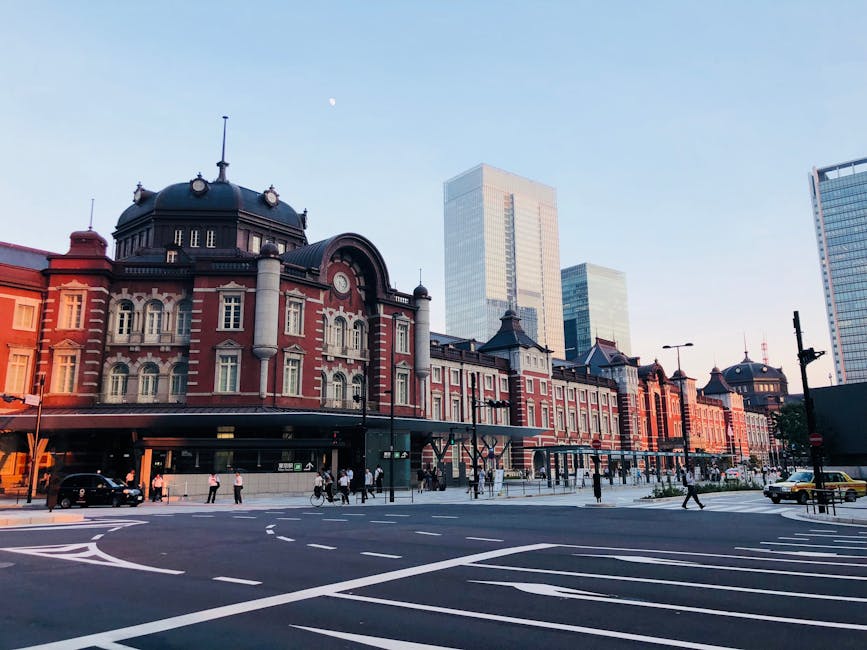
This is the workhorse of Japanese budget accommodation. Think Tōyoko Inn, Dormy Inn, Mitsui Garden, APA, Super Hotel. A business hotel room is small (usually 12-16 sqm), built for one person, and has a “unit bathroom” — a single moulded plastic module containing the tub, toilet, and sink together. Sometimes there’s a big shared bath on the top floor, which I actively recommend paying a few hundred yen extra for. Tokyo on foot is brutal on your feet.
What you get: clean, compact, air conditioning you can actually control, a decent bed, a desk, a flat-screen TV, an electric kettle with hotel green tea, and fast wifi. What you don’t get: space, a view, or any sense that anyone has thought about aesthetics. That’s fine. You’re not there for aesthetics.
Capsule hotels
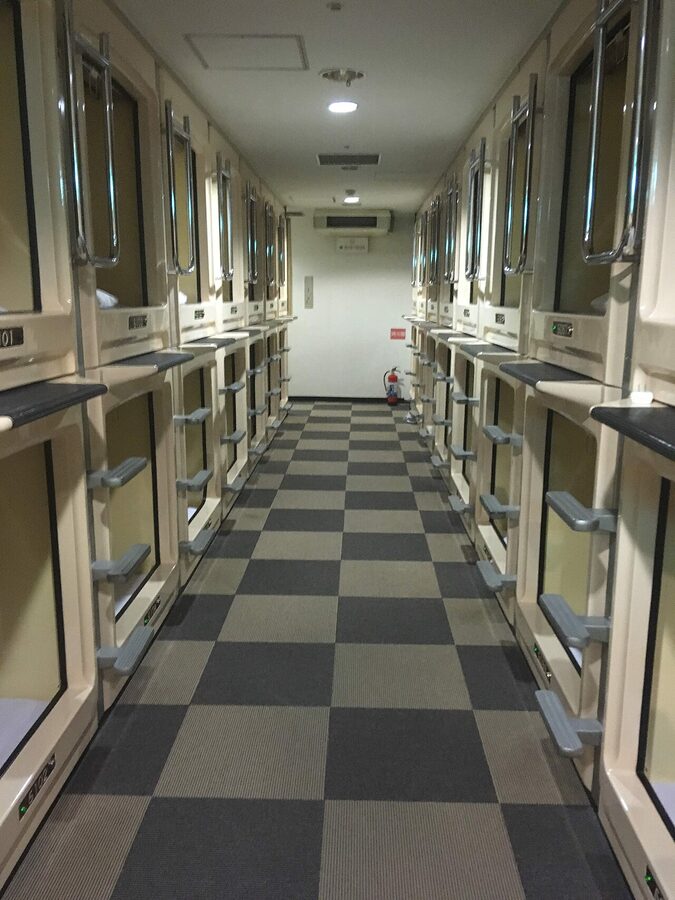
Capsule hotels are fine. They’re cleaner than any hostel, they’re dramatically cheaper than a private room in central Tokyo, and the capsules themselves have enough room to sit up and change clothes if you’re not abnormally tall. You’ll get a TV inside, a reading light, a power socket, and a shared bathroom + spa-bath facility down the corridor.
The parts nobody warns you about:
- You hear every snore, cough, and phone alarm from neighbouring capsules. Bring earplugs. Non-negotiable.
- Many capsule hotels are single-sex floors. If you’re travelling as a couple, you will be sleeping on different floors.
- The locker is your “room”. You can’t nip back for a forgotten charger without putting trousers on and walking three corridors in slippers.
- Some of the older ones have banned tattoos, same as traditional onsen. The newer chains (Nine Hours, First Cabin) mostly don’t care.
If you’re a tall-and-restless sleeper, skip capsules — you won’t sleep. If you can sleep through a thunderstorm, capsules are the single best way to stay in a central location for ¥5,000 a night.
Hostels
Tokyo hostels run from genuinely excellent boutique hostels (Nui, Book and Bed, The Millennials) to old-school bunk-bed affairs. The boutique end is honestly some of the best design work in any budget accommodation anywhere — ground-floor cafes you’d want to hang out in if you weren’t staying there, thoughtful communal kitchens, private rooms that feel boutique.
A twin room at a decent hostel in Asakusa or Ikebukuro is comparable to a business hotel in price and significantly more pleasant to hang out in. Dorm beds are ¥3,500-5,500 a night depending on area and season.
Apart-hotels
The serviced apartment category is huge and under-discussed. Mimaru, Hotel Intergate, Tokyu Stay, Citadines. You get a small kitchen (microwave, two-burner stove, mini-fridge), a washing machine, more floor space than a business hotel, and the ability to eat breakfast in your pyjamas. For travellers doing 5+ nights, or anyone with kids, these are almost always a better deal than a business hotel of the same price. A Mimaru for four people works out cheaper per person than two business hotel rooms.
Best neighbourhoods for a budget stay
Ikebukuro — the budget-friendly big hub
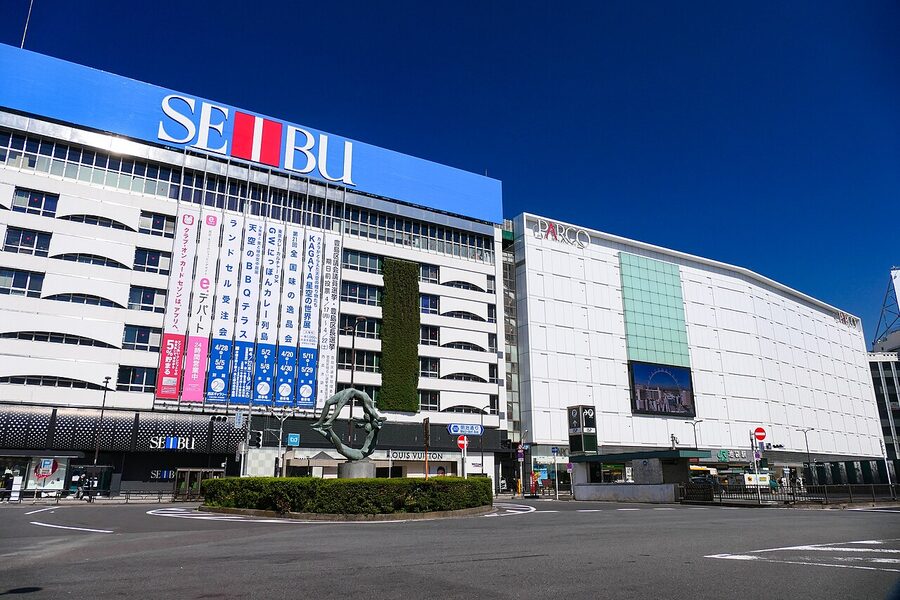
Ikebukuro is where I’d tell a first-timer to look first. It’s on the Yamanote Line (the green circular line that loops the centre of the city — learn this one line and you can get anywhere important). It has all the chain business hotels, a huge Sunshine City complex with an aquarium and shops, cheap ramen everywhere, and 70% of the tourist crowds have skipped it for Shibuya or Shinjuku.
The slight downside: Ikebukuro has a less pretty street scene than Shibuya or Asakusa. The east side has a mild red-light feel after midnight — nothing dangerous, just slightly seedier than central Tokyo. Stay west side.
Sakura Hotel Ikebukuro — Best backpacker classic
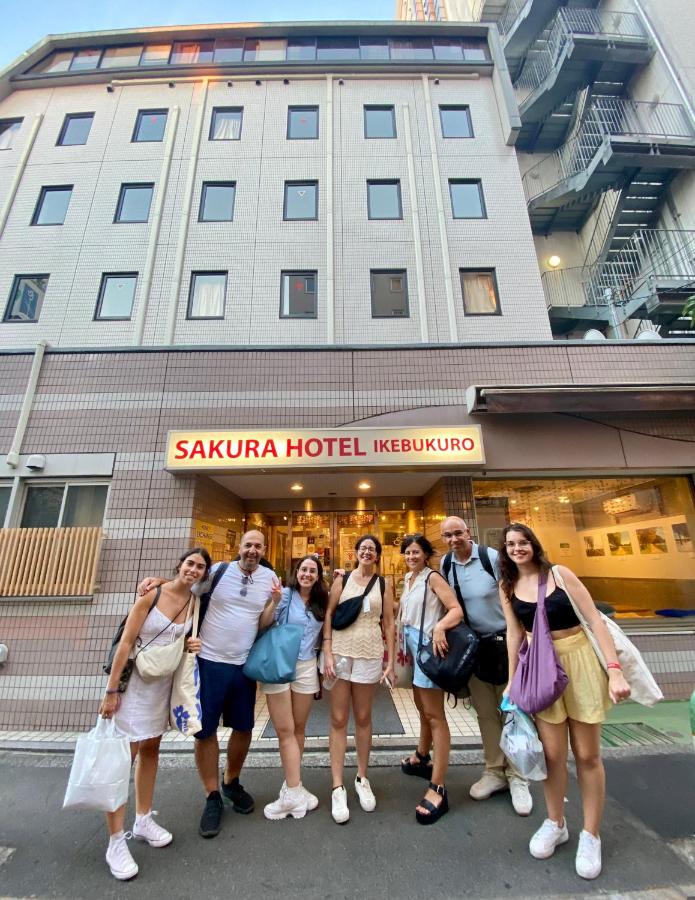
Nearest station: Ikebukuro (JR Yamanote Line + 7 others) — 6-minute walk
Best for: Solo backpackers, long-stay budget travellers
From: Around ¥7,000/night for a single, ¥11,000 for a twin
Sakura has been doing the Tokyo backpacker thing since the late 1990s, which means they actually know what to do with a confused visitor at 10pm on a Tuesday. The rooms are plain — shared bathrooms on the cheapest tier, en-suite on the mid tier — but the Sakura Cafe downstairs hosts free-language-exchange nights and is genuinely the best part of staying here. If you’re travelling alone and don’t want to be alone every evening, this is the pick.
What’s good: English-fluent desk; 24-hour cafe on-site; laundry; good value for shared-bathroom singles.
What’s not: Rooms are tiny even by Tokyo standards; walls are thin (bring earplugs); the shared-bathroom floors can queue in the morning.
→ Check prices: Booking.com
Asakusa — culture and hostels
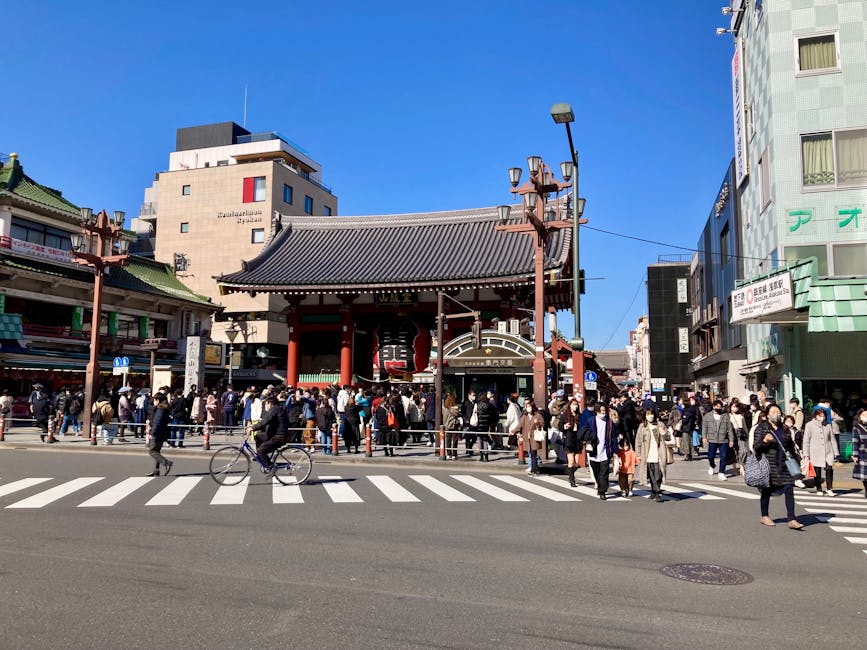
Asakusa is Tokyo’s “old town” — lower buildings, narrower streets, temples, and a density of backpacker hostels that developed because pre-earthquake (1923) this was a working-class district and lodging was always cheap. That backpacker infrastructure is now gorgeous.
You get: a short walk from Senso-ji Temple; cheap food; the Sumida River; an atmosphere genuinely unlike central Tokyo. You lose: direct Yamanote Line access, so factor in an extra 10-15 minutes to get to Shinjuku or Shibuya.
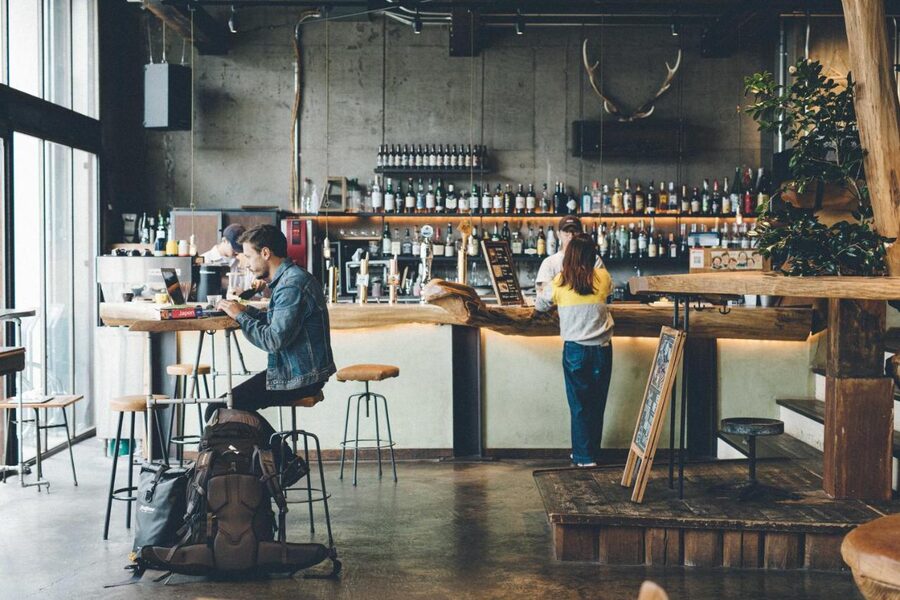
Nui Hostel & Bar Lounge — Best design-led hostel
Nearest station: Kuramae (Toei Asakusa + Oedo Lines) — 5-minute walk
Best for: Solo travellers, couples on a tighter budget, design-conscious first-timers
From: Around ¥4,500 for a dorm bed, ¥10,000 for a private twin
Nui is the one I’d send a design person to. A former warehouse converted by the Backpackers’ Japan crew (the same people behind Citan), the ground-floor cafe-bar is full of locals drinking filter coffee in the morning and craft beer at night. You’ll walk past it every day and be slightly proud you’re a guest. The dorms themselves are neat wooden bunks with thick curtains; the private rooms up on the higher floors feel more like small boutique hotel rooms than hostel add-ons.
What’s good: The ground-floor bar genuinely is the best part; dense, thoughtful design; private twin rooms feel like boutique at hostel prices; excellent location for Senso-ji and Skytree.
What’s not: Sells out 2-3 months ahead in spring and autumn; the bar stays lively until midnight (pick a quieter floor if you’re a light sleeper); no lift.
→ Check prices: Booking.com
Nihonbashi / Hamacho — the sneaky central spot
Nihonbashi and its sub-neighbourhood Hamacho are just east of Tokyo Station. This is the old finance district — quiet on weekends, great weekday food because it caters to salaryman lunch, and dramatically undervalued hotel prices because tourists don’t look here.
If you’re going to do day trips from Tokyo (Nikko, Kamakura, Hakone) you’ll be thanking yourself for being five minutes from Tokyo Station’s Shinkansen platforms.
Hamacho Hotel — Best design-budget hybrid
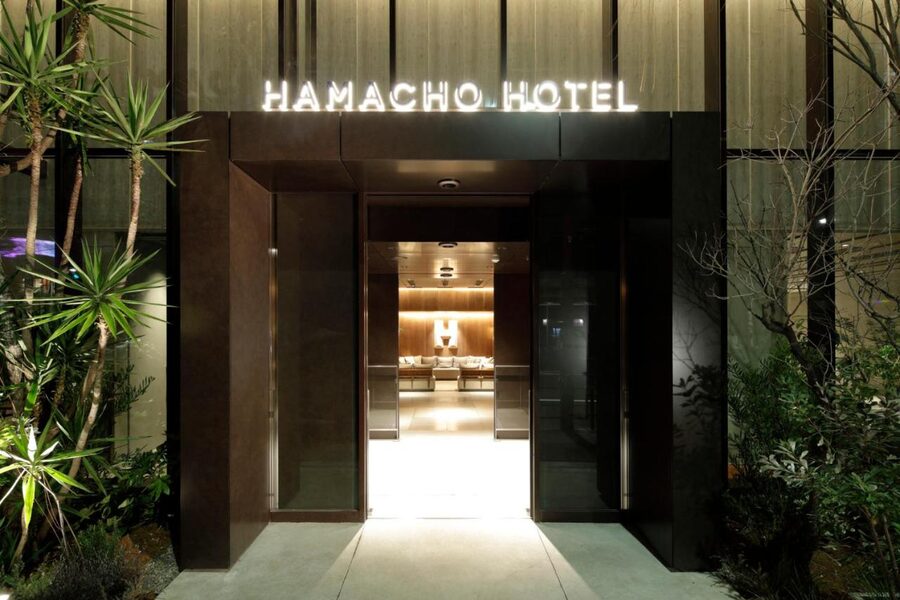
Nearest station: Hamacho (Toei Shinjuku Line) — 2-minute walk; Ningyocho (Hibiya Line) — 7-minute walk
Best for: Design-conscious couples, day-tripping travellers (Tokyo Station is 5 min by train)
From: Around ¥16,000/night for a double
Hamacho is a family-run boutique that keeps getting picked up in design press, and it’s mostly earned. The rooms are small — this is Tokyo — but the hotel has clearly thought about what small rooms should have: higher bed frames for suitcase storage, Netflix and YouTube cast built into the TV, proper blackout curtains. There’s an in-house bakery on the ground floor that doubles as the breakfast room, and a lobby lounge that’s genuinely comfortable for an evening drink. Staff here are excellent — quiet but actively helpful.
What’s good: Netflix-ready TV (rare in budget Tokyo); in-house bakery that’s worth booking breakfast for; the plant-strewn lobby and corridors feel un-Tokyo-like in the best way; walking distance to Ningyocho’s traditional food scene.
What’s not: You’re 25 minutes from Shibuya/Shinjuku on the train; the neighbourhood is dead on Sundays (good for quiet, less good if you want local energy).
→ Check prices: Booking.com
Shimokitazawa — Tokyo’s indie neighbourhood
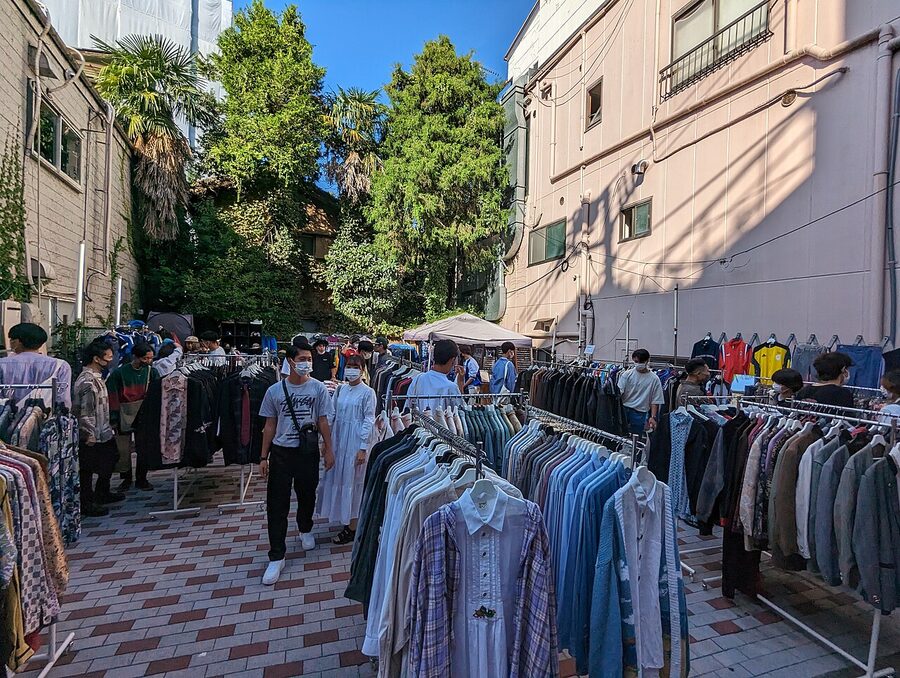
If you’ve done Tokyo before and want a different slice, or you’re a design/music/coffee person, stay in Shimokitazawa. The rooms are smaller, the hotels are indie rather than chain, and the vibe is unambiguously creative. It’s six minutes to Shibuya on the Odakyu Line, so you haven’t really given up the centre.
Mustard Hotel Shimokitazawa — Best creative-neighbourhood pick
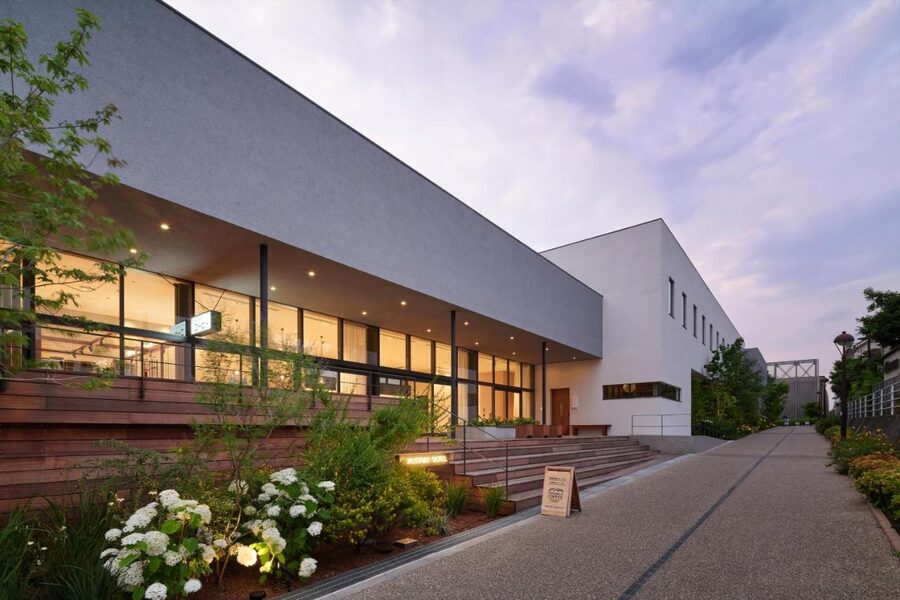
Nearest station: Higashi-Kitazawa (Odakyu Line) — 3-minute walk; Shimokitazawa — 8-minute walk
Best for: Music/design-focused travellers, second-time Tokyo visitors
From: Around ¥15,000/night for a double
Mustard leans into Shimokitazawa’s creative scene harder than any other hotel I’ve seen — there’s a small gallery space in the lobby that rotates local artists, a ground-floor cafe that does filter coffee and pastries, and the rooms themselves are colour-blocked in bold mustard-yellow (obviously), dusty pink, and pine green. The feel is “small indie hotel” rather than “luxury budget”, and honestly that’s what suits the neighbourhood. It’s six minutes to Shibuya on the Odakyu Line, which most first-timers don’t realise is this close.
What’s good: Genuine neighbourhood integration — you’ll use the cafe and the gallery regardless of whether you’re a guest; 6-min train ride to Shibuya; easy to walk to the vintage shops and live-music venues Shimokitazawa is known for.
What’s not: Smaller rooms than you’d get for the same money in Ikebukuro; the gallery/bar lobby can be loud on weekends until late; breakfast isn’t included.
→ Check prices: Booking.com
Shibuya / Harajuku — possible on a budget if you pick carefully
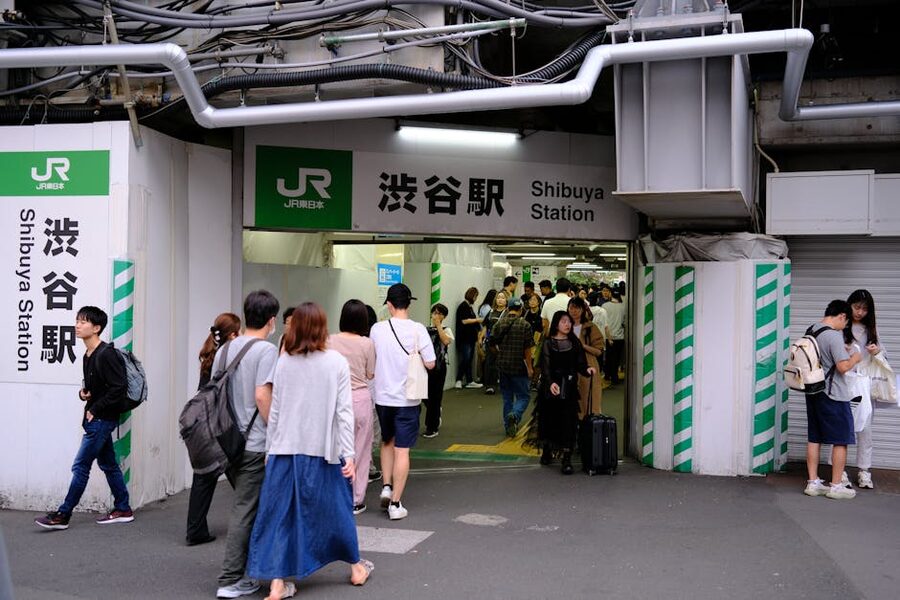
Full Shibuya-centre hotels are expensive. But the quiet streets between Shibuya and Harajuku (on the Jingumae side) hide a few mid-budget gems. You walk to Meiji Shrine in 10 minutes, to Shibuya Crossing in 15, and to the quietest residential streets in central Tokyo for breakfast.
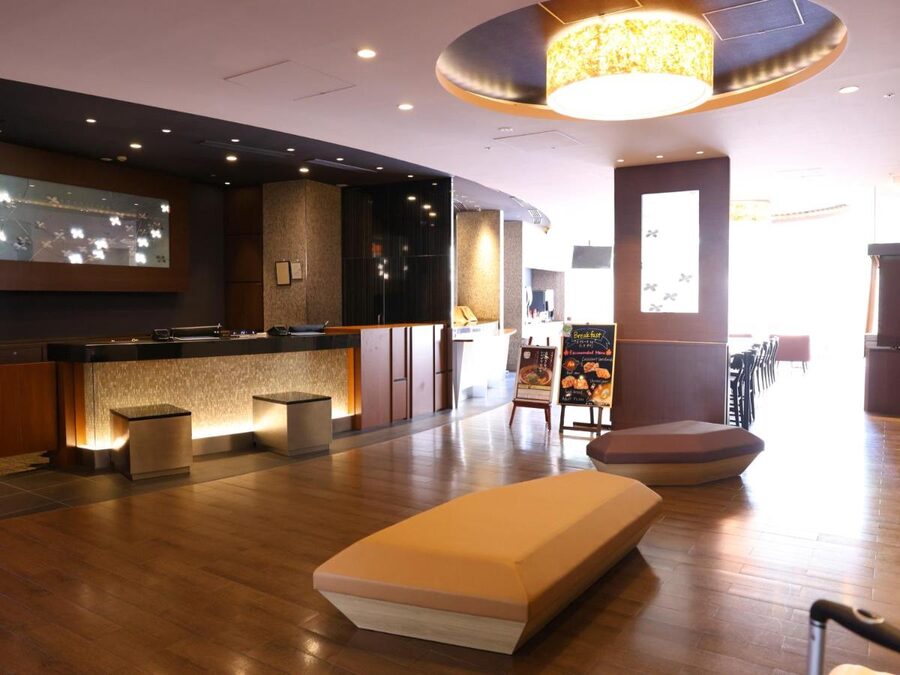
Dormy Inn Premium Shibuya Jingumae — Best first-timer pick
Nearest station: Meiji-Jingumae (Chiyoda/Fukutoshin Lines) — 3-minute walk; Shibuya — 12-minute walk; Harajuku — 8-minute walk
Best for: First-time Tokyo couples, tired-legs travellers, anyone onsen-curious
From: Around ¥15,000/night for a double
If I had to pick one hotel on this list for a first-time visitor, it’s this one. Dormy Inn is a Japanese chain known for two things: proper rooftop onsen baths in every property, and a free late-night ramen service for guests (genuinely — they hand out a small bowl of miso or shoyu at 21:30 each evening). The Jingumae branch sits on a quiet backstreet between Harajuku and Shibuya, which means you can stumble home from Shibuya at midnight without needing the train and you’re five minutes from the Meiji Shrine south gate for a quiet morning walk.
What’s good: The rooftop onsen is actually good — not a “big bath” rebrand; free late-night ramen is a genuine small delight; location between Harajuku and Shibuya is unbeatable for first-timers; tattooed guests are fine on the onsen (rare).
What’s not: Rooms are still business-hotel small; breakfast buffet isn’t included in most rates; onsen is shared single-sex so if you don’t want to get naked around strangers this isn’t the place.
→ Check prices: Booking.com
Neighbourhoods to think twice about
Not every cheap neighbourhood is a false economy, but a few deserve a pause.
- Shin-Ōkubo / Kabukichō — central, cheap, and loud. The red-light stuff at night is more of a novelty than a danger, but if you’re travelling with kids or want quiet sleep, pass.
- Akihabara — fine for 1-2 nights if you’re an anime/electronics person, but for a general Tokyo base it’s one-note. Most hotels here lean business-traveller, not tourist-friendly.
- Anywhere east of the Sumida River — you’re out of central Tokyo. The savings are rarely worth the extra transit time.
- “Near Tokyo” hotels in Chiba or Saitama — the Google Maps distance is a lie. If the postcode starts with 2 or 3, you’re not in Tokyo any more.
Five things to do before you click “book”
- Paste the hotel name + “station” into Google Maps. How long is the walk? Under 7 minutes is ideal. Over 12 minutes at the end of a 30,000-step day is brutal.
- Check which line(s) the nearest station is on. If it’s a private line you’ve never heard of, you’ll need to learn it. Yamanote Line or Tokyo Metro means no learning curve.
- Check check-in time. Many Tokyo hotels don’t let you in until 15:00 and some boutique ones start at 16:00. If you arrive from the airport at 10am, make sure there’s luggage storage.
- Look for “shared onsen” or “large bath” or “大浴場” in the description. This is free and a small miracle after a day of walking.
- Book refundable where possible. Tokyo has a lot of cherry blossom / Golden Week / New Year demand spikes. Prices can drop by 30% three weeks out if you’re flexible.
Here’s how I’d actually book it, if it were my first trip
Five-night first Tokyo trip, two people, budget around ¥70,000 total for accommodation. I’d look at Dormy Inn Premium Shibuya Jingumae first, or the Mimaru apart-hotel brand in Ueno or Akasaka. Not the absolute cheapest on the page, but the one that’ll save you an hour a day in transit.
For a tighter budget (same five nights, ¥45,000 total for two), Nui Hostel‘s private twin rooms in Asakusa are the sweet spot. For solo backpacking, a couple of nights capsule-hopping plus a couple of nights in Ikebukuro works.
None of this guarantees a perfect trip. But none of it ends with you walking 1.8 kilometres home from Shin-Daita station at 11:40pm, slightly drunk, in January, explaining to an Uber driver that the building number doesn’t exist on Google Maps. Which is an experience I’ve already had for you.
Next up, read the first-timer area guide if you want to broaden beyond budget, or the Shinjuku guide for what to do once you’re settled.