
Reviewed · NIKKO DAY TRIPS
Nikko Autumn Irohazaka Kegon Falls and Watarase Railway fr Tokyo
Nikko’s Irohazaka Slope is the star of this day trip: 48 sharp mountain bends, maple trees in fall color, and a road famous among fans of Initial D. The route then pairs Kegon Falls and Lake Chuzenji with a short ride on the old Watarase Keikoku Railway.
I like the mix of big natural sights and old-fashioned rail travel. I also like that the Kegon Falls elevator and train ticket are included, so the main paid attractions are covered before you leave Tokyo.
The catch is the long day. You may spend around six hours in the vehicle, and traffic, weather, or a long wait around Kegon Falls can make the schedule feel thin. The 30-minute train ride is pleasant, but it is not a full scenic railway journey.
In This Review
- Key points to know before booking
- Why this Nikko day trip is really about the road
- Kegon Falls and the one-minute elevator ride
- Lake Chuzenji gives the day some breathing room
- The Watarase Keikoku Railway is a small but worthwhile change of pace
- What the long vehicle day feels like
- Is the $161 price fair?
- Autumn timing, clothing, and motion sickness
- Who should book this experience?
- Should you book the Nikko autumn tour?
- FAQ
- How long does the tour last?
- What is included in the price?
- Is lunch included?
- How long is the Watarase Railway ride?
- Can I take the Akechidaira Ropeway?
- What happens if I need to cancel?
Key points to know before booking
- Forty-eight curves on Irohazaka: The mountain road is a famous Nikko sight, but the tour drives along it rather than stopping at every viewpoint.
- Kegon Falls from below: The included elevator drops about 100 meters in one minute to a lower viewing area near the base of the 97-meter waterfall.
- Lake Chuzenji at high altitude: You get about 50 minutes beside Japan’s highest natural lake, with cool air and mountain views.
- A short Watarase Railway ride: The train travels through the Watarase Gorge from Mato Station toward Godo Station, offering a slower look at the countryside.
- Lunch is not included: Bring snacks or a light meal, since the schedule may not leave time for a proper restaurant stop.
- Autumn timing matters: Sun, traffic, and the order of the stops can affect how much color and light you see at Kegon Falls.
Why this Nikko day trip is really about the road
Most people book this outing for Kegon Falls, but the first memorable part is the ride up Irohazaka. This mountain route links central Nikko with Oku-Nikko and is split into separate uphill and downhill roads. Its 48 bends take their names from characters in the old Japanese Iroha syllabary.
In autumn, the curves pass through hillsides covered with red, orange, and golden leaves. The views can be beautiful, though you should set your expectations correctly. This is a bus tour along the road, not a walking visit to a series of overlooks. You may see the famous turns and seasonal color through the vehicle windows, but the road itself is also the attraction.
The Initial D connection adds a bit of pop-culture fun. Even if you have never seen the anime or manga, the steep bends explain why the road has such a following among driving fans. If you get motion sick, take medication before departure. The turns are frequent, and a long ride on winding roads is not ideal for everyone.
Traffic is a serious part of the autumn equation. Nikko is popular during the fall color season, and the stated tour length is about 11 to 12 hours. Japanese law prevents vehicles from operating for more than 10 hours, so the guide may change the order or timing of the day to comply with driving limits. That rule is practical, but it also means the advertised schedule should be treated as flexible.
A few more Tokyo tours and experiences worth a look
Kegon Falls and the one-minute elevator ride
Kegon Falls drops 97 meters from Lake Chuzenji into a rocky basin. It is one of Japan’s three most celebrated waterfalls, and it has the scale to justify the reputation. The water plunges straight down against a forested mountain setting, making this one of Nikko’s strongest natural sights.
The tour includes the paid elevator. From the upper viewing area, the elevator takes about one minute to descend roughly 100 meters. At the lower platform, you are much closer to the base of the falls, where the height of the drop becomes easier to grasp.
There is also a free viewing area, but the paid platform gives you a different angle. Since the elevator ticket is already part of the tour, you do not need to decide on an extra purchase at the site. The elevator ride itself takes only about five minutes in the stated schedule, although the full waterfall visit is planned for about an hour.
Light is important here. If you reach the falls late in the day, the sun may no longer reach the water and rocks. The waterfall can still be impressive, but it may look dark in photographs and from the viewing platform. Weather and traffic can affect the timing, so this is not a tour where you can count on perfect afternoon lighting.
The main practical concern is the amount of time spent around Kegon Falls. Depending on the day, traffic, and local schedule, you might have a long wait in the area. One reported experience involved roughly four hours around the falls, which felt excessive when the actual waterfall visit required far less time. If you enjoy sitting with mountain views, browsing at your own pace, or carrying your own lunch, this extra time may be welcome. If you prefer a packed sightseeing day, it can feel like a gap.
Lake Chuzenji gives the day some breathing room
Lake Chuzenji sits at the foot of Mount Nantai and was formed by volcanic activity more than 20,000 years ago. At 1,269 meters above sea level, it is described as Japan’s highest natural lake. The tour allows about 50 minutes for a stroll along the shore.
This stop is useful because it slows the pace after the waterfall and mountain road. You can walk beside the water, look across at the surrounding peaks, and see autumn color reflected on the lake when conditions are calm. The air is also cooler than in Tokyo, so bring an extra layer during the fall season.
Do not expect a long lakeside hike. Fifty minutes is enough for a short walk and photographs, not for covering a large section of the shore. The tour does not include a meal, and lunch time is not built into the schedule. I would carry a light lunch and snacks from Tokyo rather than assume you will find time for a sit-down meal.
That advice matters because a long pause at the Kegon Falls area may not translate into a convenient restaurant break. You could have spare time, but the guide may adjust the schedule as traffic and weather change. Food that travels well gives you more freedom.
The Watarase Keikoku Railway is a small but worthwhile change of pace
In the afternoon, the group travels to Mato Station for the Watarase Keikoku Railway. The line originally carried copper from the Ashio Mine. Today, it is used as a scenic route through the Watarase Gorge and nearby countryside.
The train offers something the bus cannot. Instead of watching the hills through a vehicle window while the road bends and climbs, you get a slower view of forested slopes and rural scenery from the railway. In autumn, the hills can take on gold and copper tones, and the old railway setting gives the afternoon a nostalgic feel.
The ride is short, about 30 minutes according to the supplied experience details. You board at Mato Station and get off at Godo Station, then return toward Tokyo. That makes the railway an attractive add-on, but not a full-day rail adventure. If you are booking mainly for a long train journey, this portion may disappoint.
There can also be waiting time before the train. A short ride followed by a long wait changes the balance of the day, especially after several hours on the road. I would view the railway as a pleasant final sightseeing piece rather than the main reason to book the tour.
The included train ticket is still helpful. You do not need to work out the local fare or connect separate railway reservations, and the guide handles the group movement between the bus and station. Just remember that this is a public railway experience, not a private charter. Seating and crowding can vary, and the carriage may feel packed at busy times.
What the long vehicle day feels like
The tour uses an air-conditioned vehicle and can carry up to 49 people. That capacity gives you a simple way to reach several difficult-to-connect sights, but it also affects comfort. A small bus has been used on some departures, and a long day with about six hours of total road travel can feel cramped.
I would not book this expecting a relaxed luxury coach. The real value is access. From Tokyo, combining Irohazaka, Kegon Falls, Lake Chuzenji, and the Watarase Railway independently would require careful planning across buses and trains, with little room for missed connections. The tour removes much of that work.
The tradeoff is control. You cannot linger freely at the waterfall, skip the railway, or choose a different lunch stop without affecting the group. The guide may also change the order of sights because the vehicle cannot legally operate beyond the permitted driving time.
The English and Korean speaking guide is included. Guide quality can shape a day like this, particularly when the route changes. Since individual guide names are not provided, you should book this for the transport and overall route rather than for a named guide or specialist interpretation.


Is the $161 price fair?
At $161, the cost is not cheap for a day trip from Tokyo, but it includes air-conditioned transport, a guide, the Kegon Falls elevator, and the Watarase Keikoku Railway ticket. Those inclusions cover the two clearest out-of-pocket attractions and save you from arranging a complicated route on your own.
The value depends on what you want from the day. If you want a simple way to see Nikko’s autumn color without renting a car or managing several connections, the price can make sense. The route covers a lot of ground and gives you access to places that are not as easy to combine independently.
I would be more cautious if you want a full sightseeing schedule. The train ride is brief, the Irohazaka portion is mainly viewed from the road, and an extended wait near Kegon Falls can leave the day feeling underfilled. You are paying for access and convenience, not for a dense sequence of attractions.
Meals, insurance, and personal expenses are extra. Bring food, and keep some Japanese yen available for optional purchases. The Akechidaira Ropeway is an optional addition costing 1,000 yen round trip to the observation deck. It is not included, and there may not be enough time to use it if traffic or weather disrupts the schedule.
Autumn timing, clothing, and motion sickness
This outing makes the most sense during the fall color season, when Irohazaka and the Oku-Nikko hills are the main visual draw. Exact color conditions are not guaranteed, and weather can change the views at both the road and lake.
The higher altitude around Lake Chuzenji can feel cool. A light jacket is a sensible addition, even if Tokyo feels mild when you leave. Comfortable shoes will help with the short walk beside the lake and movement around the waterfall viewing areas.
If winding roads bother you, prepare before boarding the vehicle. Irohazaka has many curves, and the road portion can be physically tiring when combined with the long return to Tokyo. Motion sickness medication, water, and small snacks are practical choices.
The tour is suitable for most people according to the supplied participation information. Still, the long duration, vehicle time, stairs or walking around viewing areas, and changing weather should guide your decision. If you need a great deal of personal space, a smaller private tour may suit you better.
Who should book this experience?
I would recommend this day trip to you if you want four things in one outing: autumn mountain scenery, a major waterfall, a lakeside stop, and a short heritage railway ride. It is also useful if you do not want to plan Nikko’s regional transport yourself.
It suits first-time visitors to the area who are happy to accept a fixed schedule. Families and adults who prefer a guide and included tickets may find the format straightforward, provided everyone is comfortable with a long road day.
I would hesitate if your priority is a leisurely day, a long train ride, or a tightly packed list of temples and cultural sites. This route focuses on nature and transport. It does not include a dedicated meal, and it does not present Nikko’s major shrines as part of the stated stops.
The best way to book it is with realistic expectations. Think of it as a scenic transfer day with several worthwhile stops, not as an intensive tour with constant sightseeing. The waterfall and autumn road are the strongest reasons to go. The railway is a pleasant bonus.
Should you book the Nikko autumn tour?
Book it if the convenience of a guided route from Tokyo matters more to you than having complete control over your time. The included Kegon Falls elevator, the impressive 97-meter waterfall, and the chance to see Irohazaka in fall color give the trip a clear purpose.
Skip it if six hours in a vehicle sounds unpleasant, if you need a guaranteed restaurant lunch, or if a 30-minute train ride feels too short to justify the price. Also think twice if you want to photograph Kegon Falls in strong sunlight, since traffic and schedule changes may put you there later than expected.
For the right traveler, this is a practical way to reach Oku-Nikko and add a quiet railway ride without solving the transport puzzle alone. For everyone else, the long day and flexible timing are the main warnings to weigh before spending $161.
FAQ
How long does the tour last?
The tour lasts approximately 11 to 12 hours, although traffic, weather, and local conditions can change the timing.
What is included in the price?
The price includes an air-conditioned vehicle, an English and Korean speaking guide, the Kegon Waterfall elevator ticket, and the Watarase Keikoku Railway ticket.
Is lunch included?
No. Meals are not included, and you are advised to bring snacks or a light lunch because the schedule may not allow time for a sit-down meal.
How long is the Watarase Railway ride?
The train ride is approximately 30 minutes. You board at Mato Station and disembark at Godo Station.
Can I take the Akechidaira Ropeway?
Yes, the ropeway is an optional activity. A round-trip ticket costs 1,000 yen, but it is not included in the tour price and available time may depend on traffic and weather.
What happens if I need to cancel?
You can receive a full refund if you cancel at least 24 hours before the experience start time. Cancellations or changes made less than 24 hours before the start time are not accepted for a refund.
More Nikko Day Trips in Tokyo
More tours in Tokyo we've reviewed






Nikko Day Trips, compared.
 ★ 4.6Nikko: Kegon Falls, Lake Chuzenji & Toshogu TempleFrom $8911 hours
 ★ 4.5Tokyo: Nikko Toshogu Shrine and Kegon Waterfall TourFrom $8410h 30m
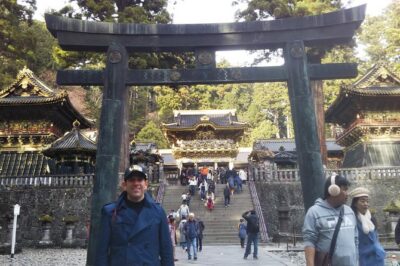 ★ 5.0Nikko Full-Day Private Tour with Government-Licensed GuideFrom $155
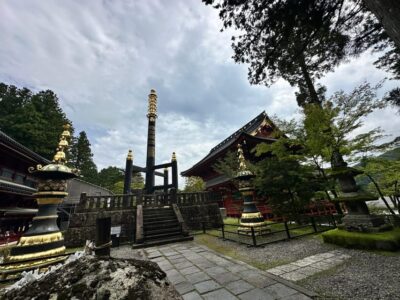 ★ 4.9From Tokyo: Nikko World Heritage Site Private Full-Day TripFrom $4831 day
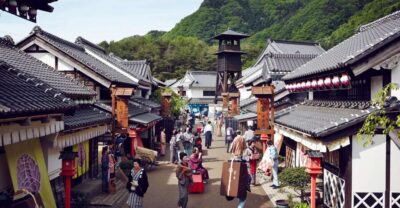 ★ 4.3Nikko: Edo Wonderland Edomura Cultural Theme Park TicketFrom $351 day
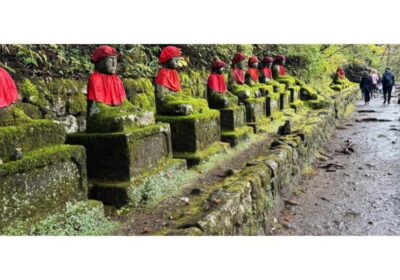 ★ 4.8Tokyo: Nikko World Heritage Private Day Trip Hotel Pick-upFrom $39011 hours - 1 day