
Reviewed · KAMAKURA & ENOSHIMA DAY TRIPS
Exciting Kamakura – One Day Tour from Tokyo
Kamakura gives you a sharp change of pace from Tokyo: one hour, give or take, takes you from high-rise streets to a coastal town filled with temples, gardens, and old warrior traditions. The Great Buddha at Kotoku-in is the headline, but the hillside views and quiet bamboo at Hokokuji give this day real variety.
I like the private format, since your guide can help with train transfers, answer questions, adjust the pace, and find lunch for dietary needs. I also like the hotel pickup, especially if Tokyo’s large stations feel like a maze. The catch is that you will walk a lot, use several trains or buses, and pay transportation and temple fees separately.
In This Review
- Key points to know before booking
- Why Kamakura works as a day trip from Tokyo
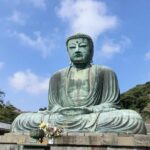
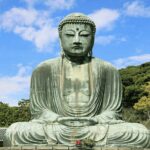
- Starting at Kotoku-in and the Great Buddha
- Hase-dera adds gardens, ocean views, and a cave
- Hokokuji and its quiet bamboo grove
- Tsurugaoka Hachimangu and the warrior shrine
- The real advantage is getting around
- Lunch, food needs, and the pace of the day
- Is $145.31 a fair price?
- Who will get the most from this tour?
- Should you book the Kamakura day trip?
- FAQ
- How long does the Kamakura tour last?
- Is hotel pickup included?
- Is this a private tour?
- Are transportation costs included?
- Are temple admission fees included?
- What sites are visited?
- Can children join the tour?
Key points to know before booking
- The Great Buddha is only the beginning: Kotoku-in, Hase-dera, Hokokuji, and Tsurugaoka Hachimangu each offer a different side of Kamakura.
- Private guiding makes Tokyo transport easier: Guides such as Akira, Yumi, Kono, and Yoshi have helped visitors manage trains, buses, and local ticket cards.
- Hase-dera is especially seasonal: June and July bring its famous hydrangeas, while the temple also offers ocean views, gardens, statues, and a cave shrine.
- Hokokuji provides a welcome change: Its compact bamboo grove and tea house feel unlike the larger temple compounds.
- Plan for a full active day: The tour lasts about 8 hours 30 minutes, and several stops require walking, steps, and standing.
- Check the extra costs carefully: The tour price is $145.31 per person, but transport and admission fees are not included.
Why Kamakura works as a day trip from Tokyo
Kamakura was Japan’s political center from the 12th through the 14th century, when the shogunate ruled from here. That past is still easy to read in the town’s shrines, Buddhist temples, warrior symbolism, and old lanes.
You do not need to build a complicated plan to see the main sights. The guide meets you in your hotel lobby at 9:00 a.m., then helps you get to Kamakura and move between the stops. This matters because the day uses public transportation rather than a private sightseeing vehicle.
The trip usually takes about 8 hours 30 minutes. That gives you enough time for the four main visits, transport between them, and lunch, but it is not a slow, lingering day. If you want to browse every shop, sit in every garden, and explore side streets, you may wish for more time.
The private setup is a major part of the value. Only your group takes part, so you can ask why a shrine matters, pause for photographs, or request help with a food allergy. Guides have helped groups load money onto Pasmo cards, find gluten-free food, and navigate Tokyo’s central stations.
A few more Kamakura tours and experiences worth a look
Starting at Kotoku-in and the Great Buddha
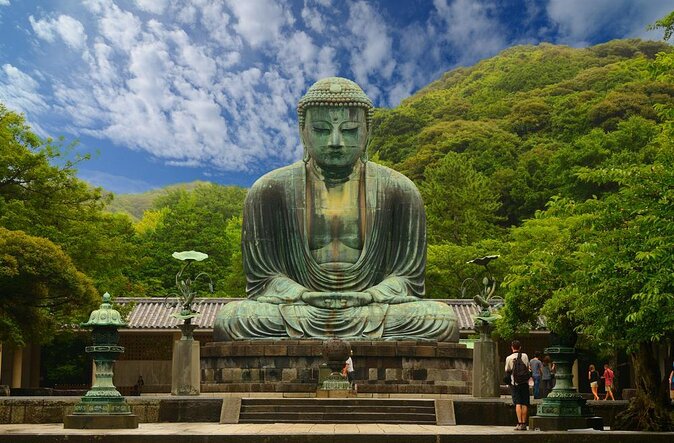
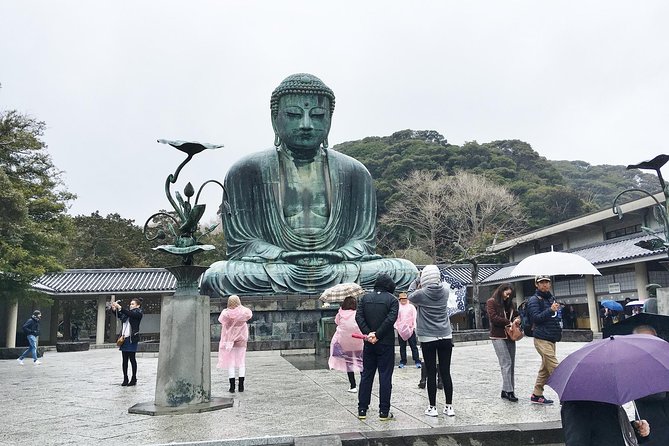
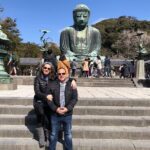
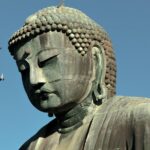
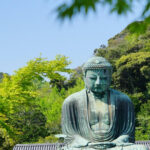
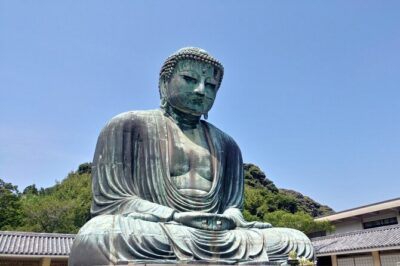
Kotoku-in is the natural first stop because its bronze Buddha is Kamakura’s best-known sight. Built in the 13th century, the statue has become the town’s visual symbol and gives you an immediate sense of Kamakura’s religious importance.
Allow about an hour here. The statue is impressive from the outside, and you can also walk inside it. The interior is confined, so skip that portion if you dislike tight spaces.
The temple grounds are not vast, which makes Kotoku-in a manageable opening stop. Your guide can explain the Buddha’s place in Kamakura’s religious tradition instead of leaving you to read a short sign and move on. That context makes the statue more than a quick photograph.
Admission is not included. The supplied cost information gives two different figures for Kotoku-in, ¥300 in the stop-by-stop details and ¥1,100 in the separate fee list. Because those amounts conflict, confirm the current fee before you pay for the tour. This is a small but important budgeting point.
Hase-dera adds gardens, ocean views, and a cave
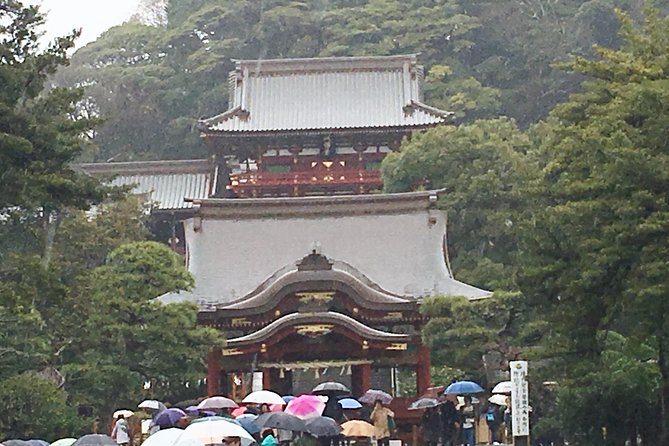
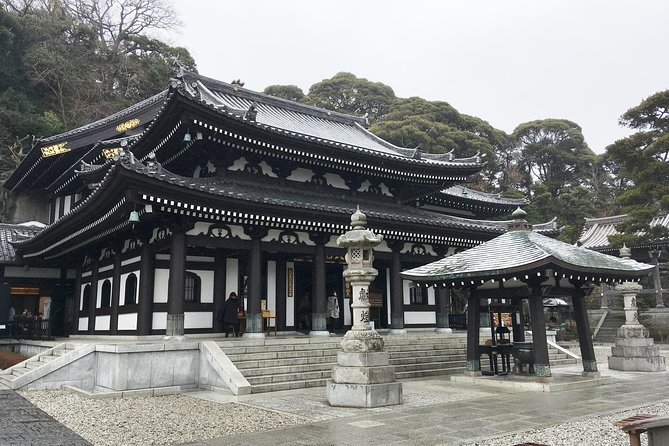
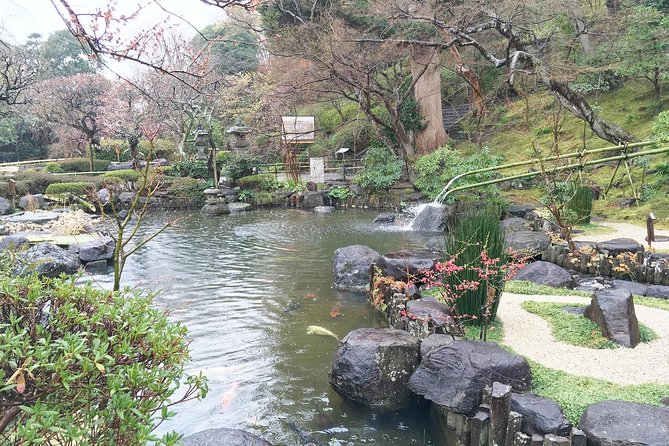
Hase-dera is the most varied stop of the day. The temple dates to the eighth century and includes a Japanese garden, Buddhist statues, a cave shrine, hillside paths, and views toward the Pacific Ocean.
I would give this stop a full hour, though it can easily make you wish for longer. The temple’s hillside setting means steps and slopes, so this is one place where comfortable shoes matter. The reward is a series of changing views rather than one single monument.
June and July can be an especially good time to visit because the hydrangeas are in bloom. The flowers on the hillside add color to the visit, but the temple remains worthwhile outside that season because of its garden, cave, and sea outlook.
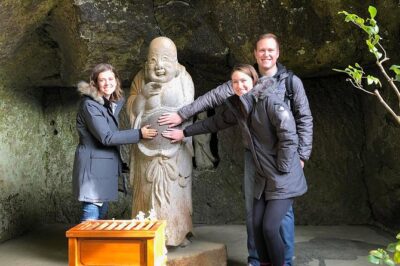
The cave gives Hase-dera a different feel from the other stops. It is a compact shrine space rather than a broad outdoor garden, and it adds a slightly mysterious turn to the visit. If you enjoy places where several small features compete for your attention, Hase-dera may become your favorite stop.
Admission is listed as ¥400. The cost is separate from the tour price.
Hokokuji and its quiet bamboo grove
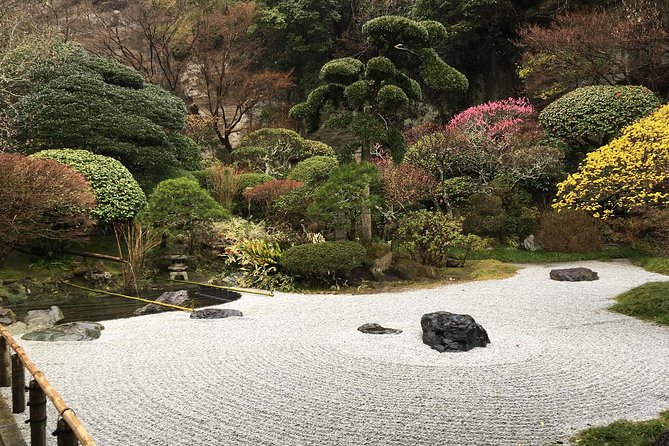
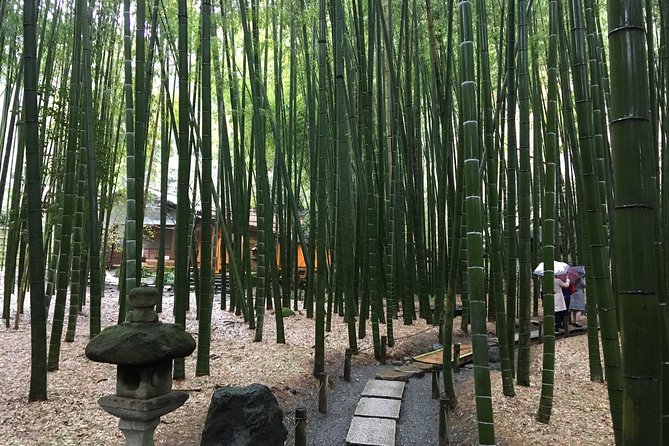
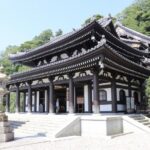
Hokokuji is smaller and more focused than Hase-dera. Its main draw is a bamboo grove that creates a cool, green corridor and offers a calm break after the more famous Buddha and hillside temple.
The temple dates to the 14th century. Its bamboo setting makes it unlike the other Kamakura sites, which is why the stop earns its place even on a tightly timed day. You can also visit the tea house, and one account of the day described the tea house as a particularly memorable part of the visit.
The grove is not a full-day forest walk. Think of it as a compact temple garden with a strong visual effect. You will probably spend less time here than at Hase-dera, but the change in mood is valuable.
The listed admission amounts conflict here as well. One section gives ¥400, while the separate fee list says ¥300. Confirm the current rate, and ask whether tea at the tea house is an additional purchase if you want to include it.
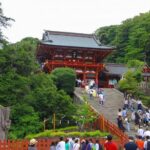
Tsurugaoka Hachimangu and the warrior shrine
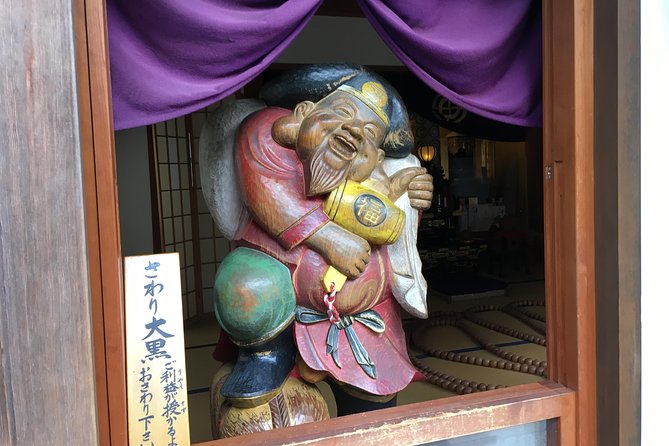
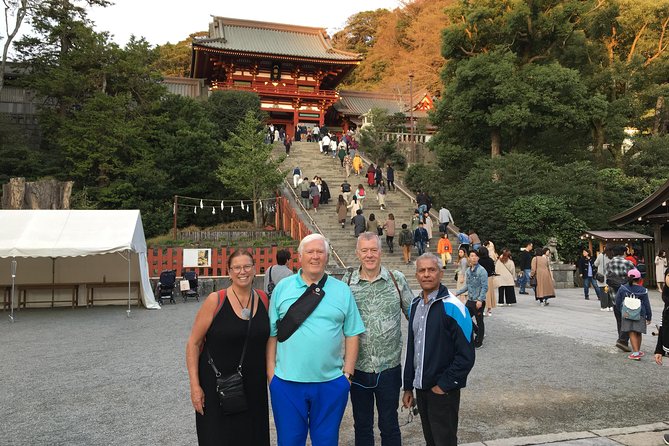
Tsurugaoka Hachimangu is the day’s major Shinto stop. It served as the guardian shrine of the Kamakura shogunate and was closely linked with warriors and military worship.
Give yourself about an hour. The shrine offers a broad contrast to the Buddhist temples, and your guide can explain the difference between the traditions and why this particular shrine mattered to the shogunate.
This is also the only listed stop with free admission. The setting includes peaceful natural details, including lotus and carp, according to the tour information. Those quieter elements keep the visit from feeling like a quick march through political history.
Tsurugaoka Hachimangu works well near the end because it brings the day’s themes together. You have seen Buddhist sculpture, gardens, a cave, bamboo, and ocean views. Here, the focus shifts to Shinto practice and the military government that made Kamakura important.
The real advantage is getting around
Kamakura is close enough to Tokyo for an easy day trip, but moving between Tokyo rail stations, Kamakura trains, and local buses can eat up time if you are unfamiliar with Japan’s transport system. The guide’s practical help is one of the strongest reasons to choose this tour.
Yoshi, Akira, Yumiko, Kono, and Yoshio are among the guides associated with especially strong experiences on this route. Their roles have included meeting groups at the hotel, explaining the route, guiding train rides, helping with Pasmo cards, and leading the way on local buses.
That support is useful on your first visit to Japan. Tokyo Station and other major rail hubs can be confusing, and a missed platform or wrong train can throw off a carefully planned Kamakura day. A guide who handles the route lets you save your attention for the town itself.
There is one important qualification: guide quality can vary. Many of the named guides are described as patient, warm, clear, and well prepared. One guide received criticism for walking too far ahead and giving a fixed presentation that did not leave enough room for questions. Another was described as having limited English.
If clear English matters to you, contact the provider before booking and ask which guide is available. You can also say at the start that you prefer a slower pace and time for questions. The private format gives you a better chance of shaping the day, but it does not guarantee a particular guide unless the provider confirms one.
Lunch, food needs, and the pace of the day
Lunch is not presented as a fixed part of the package, so you should expect to pay for your own meal. Guides have recommended local restaurants, noodles, okonomiyaki, and Buddhist vegetarian food, and they have helped groups find meals for allergies and gluten-free diets.
That is useful in Kamakura, where a guide can point you toward a suitable place instead of leaving you to decode a menu after a long morning. If someone in your group has celiac disease or a serious allergy, tell the provider in advance and repeat the request to your guide at pickup.
The schedule is full but not frantic when the guide sets a good pace. You will visit four major sites, ride public transportation, stop for lunch, and return to Tokyo. Several people have noted that the day involves many steps, so do not treat this as a seated sightseeing tour.
The physical demand comes less from hard hiking than from ordinary movement: stations, sidewalks, temple paths, steps, and time on your feet. The tour asks for a moderate fitness level. Children must be accompanied by an adult.
Is $145.31 a fair price?
At $145.31 per person, this is not the cheapest way to see Kamakura. You also need to budget for about ¥2,720 per person in transportation and separate admission fees for Kotoku-in, Hase-dera, and Hokokuji.
Using the listed admission figures, the three temple visits add roughly ¥1,000 to ¥1,800 per person, depending on which Kotoku-in and Hokokuji prices apply. Since the supplied figures do not agree, confirm the exact current total before booking.
The price makes more sense if you value private help. You are paying for a professional guide, hotel-lobby meeting, route planning, transport assistance, historical explanations, and a private group rather than a shared coach. For a family or small group, that convenience can compare well with arranging several separate guides or spending time solving the route yourself.
It is less attractive if you are comfortable with Japanese trains and buses, already know which sites you want, or prefer to set your own pace. Kamakura is possible independently, and independent visitors can spend longer at one temple instead of following a four-stop plan.
Group discounts may be available, and the tour offers a mobile ticket. Free cancellation is allowed up to 24 hours before the start time. After that point, the payment is not refunded, and changes are not accepted.
Who will get the most from this tour?
I would recommend this day to a first-time Japan visitor who wants Kamakura’s major sights without spending an evening researching rail routes, bus connections, temple hours, and meal options.
It also suits families and small private groups. Hotel pickup removes one layer of planning, and the guide can help keep everyone together. If you have a food allergy, the guide’s local assistance may be especially useful.
History fans will appreciate the mix of Buddhist temples, Shinto worship, the shogunate, and warrior culture. Garden lovers will prefer Hase-dera and Hokokuji, while photographers will have plenty to work with at the Buddha, bamboo grove, hydrangeas, and ocean viewpoints.
I would hesitate to recommend it to anyone with limited mobility unless the provider can discuss the specific route in advance. The tour requires moderate fitness and a lot of walking, and the information does not promise an accessible vehicle or step-free plan.
Should you book the Kamakura day trip?
Book it if you want a private guide to handle Tokyo and Kamakura transport while giving meaning to four major sights. The best parts are the range of stops, hotel pickup, help with local buses and trains, and the chance to get practical support with lunch and dietary needs.
Before paying, confirm the guide’s English level, the transportation arrangement, and the conflicting admission prices. Ask for a slower pace if needed, and expect a full day on your feet.
For a first visit, this is a strong, efficient introduction to Kamakura. For a repeat visitor who enjoys independent rail travel, buying temple tickets, and lingering wherever the mood takes you, the fixed route may feel less appealing.
FAQ
How long does the Kamakura tour last?
The experience lasts approximately 8 hours 30 minutes. It begins at 9:00 a.m. and includes travel between Tokyo and Kamakura, four main sightseeing stops, and the return journey.
Is hotel pickup included?
Yes. The guide meets you in your hotel lobby. Hotel drop-off is also described as part of the experience.
Is this a private tour?
Yes. Only your group participates, and a professional guide leads the day.
Are transportation costs included?
No. The supplied information lists transportation at about ¥2,720 per person as an additional cost.
Are temple admission fees included?
No. Admission fees are separate. Kotoku-in, Hase-dera, and Hokokuji each charge admission, while Tsurugaoka Hachimangu is listed as free.
What sites are visited?
The route includes Kotoku-in and the Great Buddha, Hase-dera Temple, Hokokuji Temple, and Tsurugaoka Hachimangu Shrine.
Can children join the tour?
Yes, but children must be accompanied by an adult. A moderate level of physical fitness is recommended because the day involves substantial walking.
More 1-Day Tours in Kamakura
More Kamakura & Enoshima Day Trips in Kamakura
More tours in Kamakura we've reviewed

Kamakura & Enoshima Day Trips, compared.
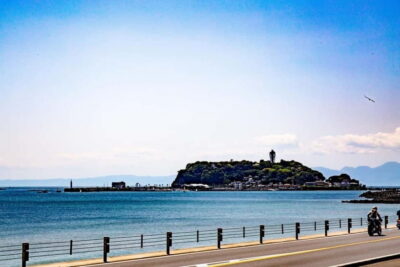 ★ 4.5Tokyo: Kamakura & Enoshima Day Trip including Temple TicketsFrom $589 hours - 570 minutes
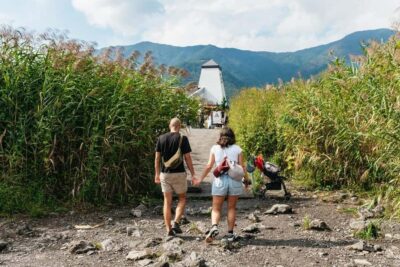 ★ 4.5Tokyo: Mt. Fuji, Kamakura, Big Buddha, & Lake Ashi Day TripFrom $4910 - 11 hours
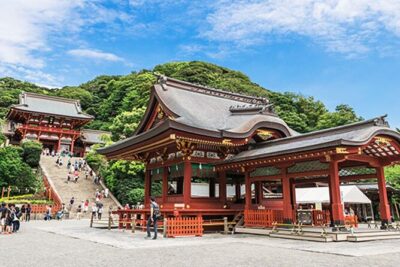 ★ 4.5From Tokyo: Kamakura & Enoshima 1-Day Bus TourFrom $66
 ★ 5.0Kamakura Historical Walking Tour with the Great BuddhaFrom $98
 ★ 5.0Kamakura Private Tour: Temples, Nature, and the Great BuddhaFrom $98
 ★ 5.0Kamakura Walking Tour – The City of ShogunFrom $35