
A first-timer's guide to Tokyo
Written by someone who still remembers exactly what it felt like to walk out of Shinjuku Station for the first time.
Start with Meiji ShrineTokyo is a city that swallows first-timers whole. The trains are surgical, the signs are confusing, and the first time you walk out of Shinjuku Station you’ll get lost. Not if — when.
I’m writing this site for that person. The one who just booked the flight. The one who’s a little bit nervous. The one who wants to know what an IC card is, whether to take off shoes in this particular restaurant, and what exactly you’re meant to do at the shrine gate.
Everything here comes from actually being there, with every embarrassing mistake the first few trips taught me. No sponsored content, no fluff — first-timer to first-timer.
If you've got 60 seconds
- Get an IC card first. Suica or Pasmo at any airport or station. ¥500 deposit, tap to ride every train, bus and metro. Cuts 80% of the friction.
- JR Pass doesn't cover Tokyo Metro. Different operators run different lines. An IC card works on all of them.
- No tipping. Bowing is normal. Tap water is safe. Conbini food is better than you'd expect.
Guides to read first
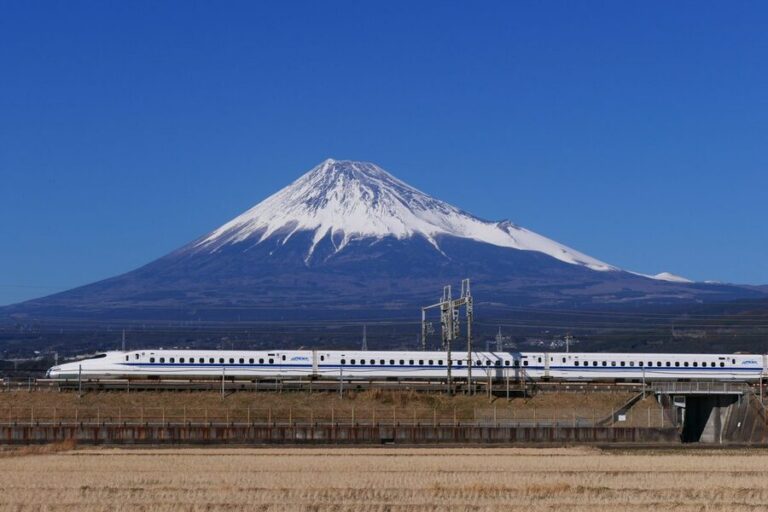
The Best Day Trips from Tokyo
A friend-style hub guide to all 12 day trips from Tokyo — Nikko, Hakone, Kamakura, Mt Fuji, Yokohama, Enoshima, Mt Takao, Kawagoe, Karu…
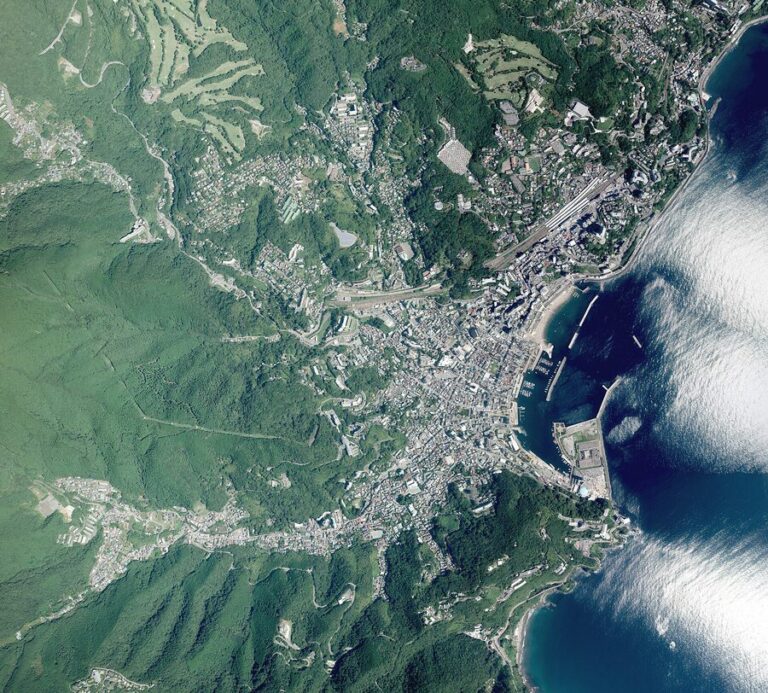
Atami Day Trip from Tokyo
Atami is the closest Shinkansen-accessible onsen town to Tokyo: 40 minutes from Tokyo Station, with hot springs recorded since the eighth…
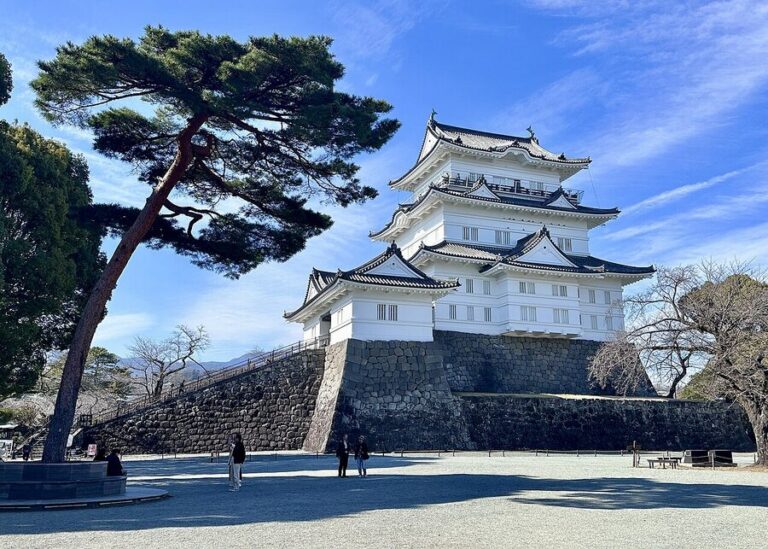
Odawara Castle Day Trip from Tokyo
Visit Odawara Castle on a day trip from Tokyo: Shinkansen logistics, ticket prices, the kamaboko shops worth your time, and an honest tak…
Start with a neighbourhood
More guides
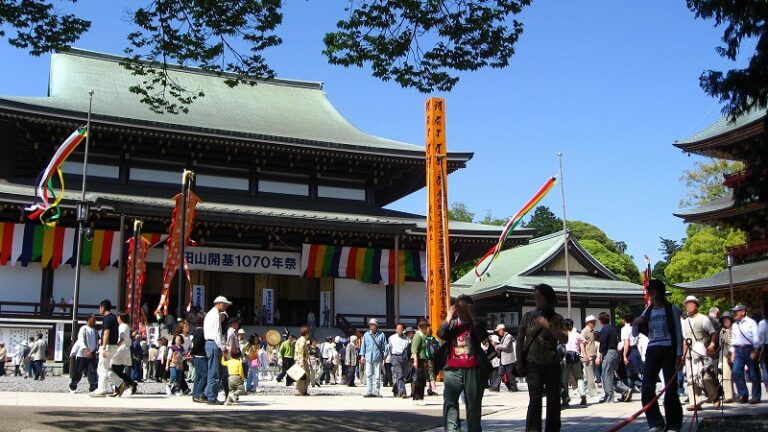
Narita-san Temple Day Trip
A guide to a day trip to Narita-san Shinshoji Temple from Narita Airport or central Tokyo, with the goma fire ritual, Omotesando approach…
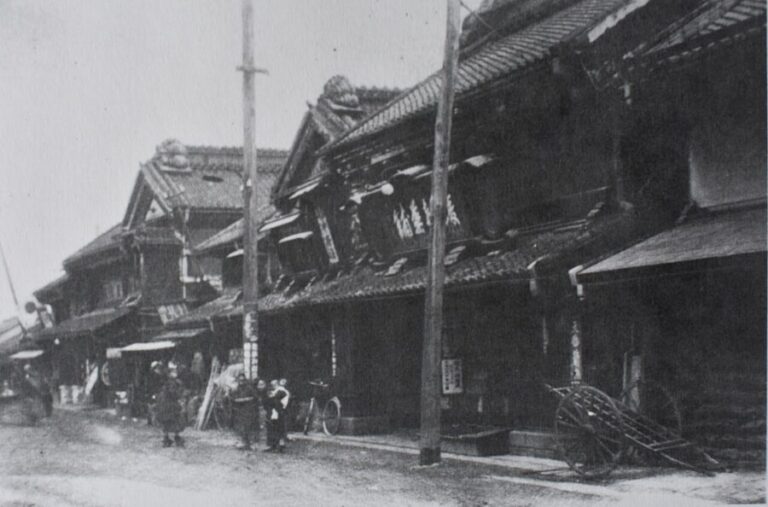
Kawagoe Day Trip from Tokyo
A friend-style guide to Kawagoe, the kura-zukuri Edo merchant town 30 minutes from Ikebukuro — Toki no Kane, Kashiya Yokocho, Hikawa Sh…
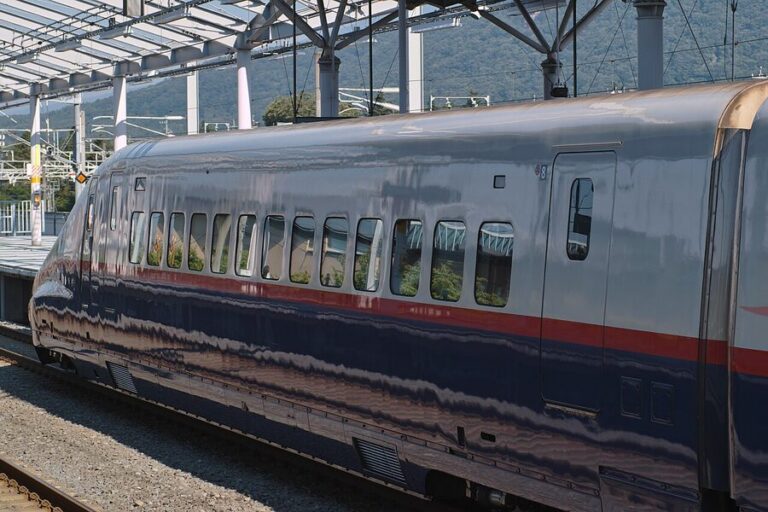
A Day Trip to Karuizawa from Tokyo
Karuizawa is the highland resort town the Hokuriku Shinkansen reaches in 65 minutes — JR Pass-covered, 1,000m elevation, founded in 188…
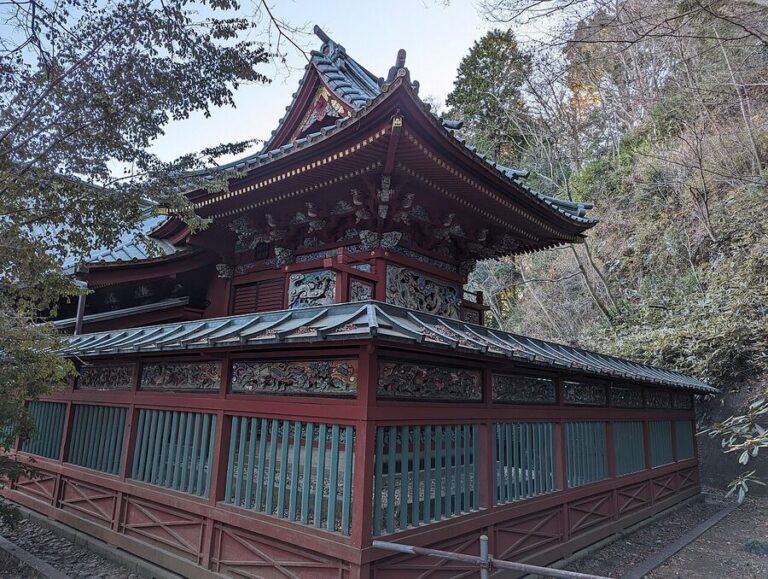
Mt Takao Day Trip from Tokyo
Mt Takao is the world's most-visited mountain, 47 minutes from Shinjuku on the Keio Line. A 599m forested peak with the steepest cab…
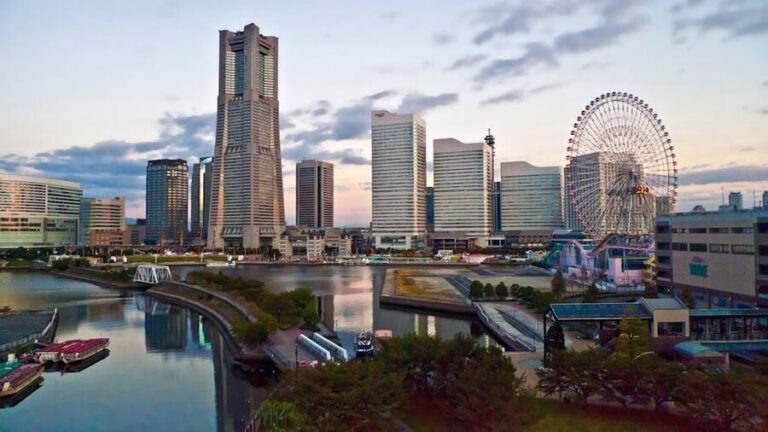
Yokohama Day Trip from Tokyo
Half-day or full-day plan for Yokohama from Tokyo, with Chinatown, Minato Mirai, the Cup Noodle Museum, Sankeien Garden and the trains th…
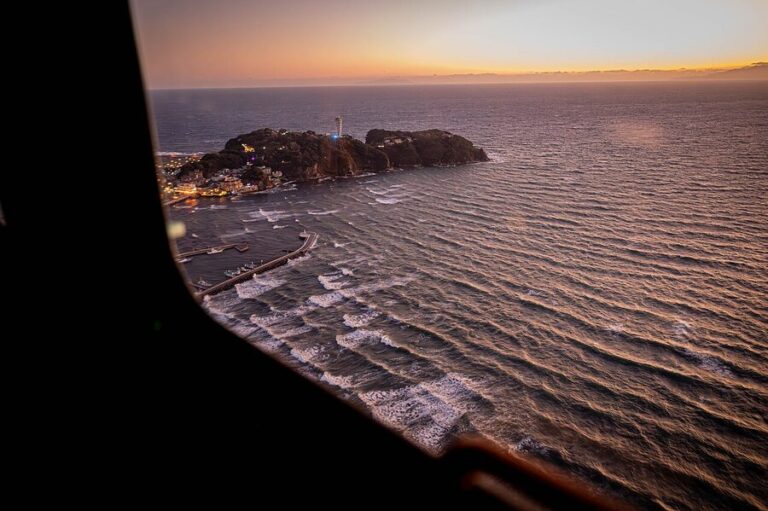
Enoshima Day Trip from Tokyo
A first-timers guide to Enoshima island day-tripping from Tokyo, including the Odakyu route, the Enoshima-Kamakura Freepass, the three sh…
I’m adding new guides as I work through the city. The goal is a tight set of guides that answer the questions first-time visitors actually have, with the specific tips you wouldn’t find in a generic listicle. If you spot something that’s out of date, let me know — that’s how this stays useful.
The bookable side of Tokyo, tested.
Alongside the guides, we review the city’s bookable days: Fuji before dawn, sumo mornings, Tsukiji at seven, go-karts at dusk. Each review carries the price, the schedule and a plain verdict.
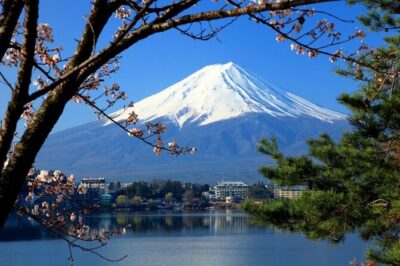 ★ 5.0Most bookedMt Fuji and Hakone 1-Day Bus Tour Return by Bullet TrainFrom $163
 ★ 5.01-Day Tokyo Bus TourFrom $129
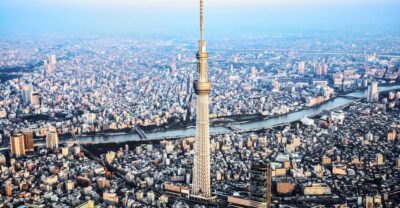 ★ 4.5Tokyo: TOKYO SKYTREE® Admission ticketFrom $131 day
 ★ 4.6Tokyo: teamLab Planets TOKYO Digital Art Museum Entry TicketFrom $251 day
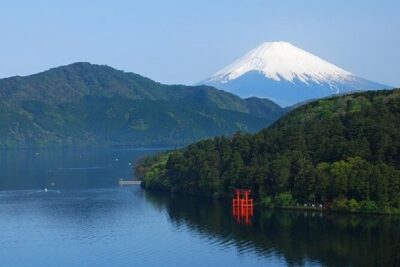 ★ 4.0Mt Fuji & Hakone Cruise, Drum Show Bullet Train 1 Day from TokyoFrom $149
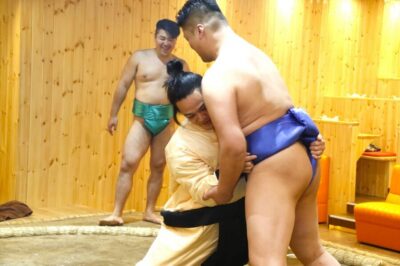 ★ 4.8Tokyo: Sumo Show Experience with Chicken Hot Pot and a PhotoFrom $1032 hours