
Reviewed · SUMO EXPERIENCES
Tokyo: Sumo Morning Practice with Photo Banzuke and Guide
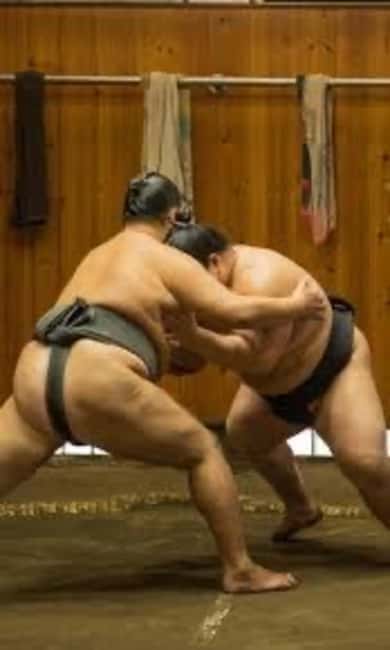
Sumo is most powerful when you see it at close range, without tournament lights or a polished stage. Here, you sit in chairs inside a traditional stable and watch wrestlers train, collide, and prepare for their next match. I like the small group of up to nine and the chance to see daily practice rather than a short display built only for tourists.
I also like the English presentation after practice, which gives the action some meaning. You learn why sumo matters, how matches work, and what to watch for. The main drawback is the length: the full outing is listed as seven hours, and one visitor felt it ran long. Arrive early, and tell the guide if you may need to leave before the end.
In This Review
- Key points at a glance
- Why morning practice is the real sumo experience
- Meeting your guide at Kiyosumi-Shirakawa
- The short walk and introduction
- Sitting close to the wrestlers during practice
- Understanding sumo after the action
- The photo stop and final walk
- What the 115 dollar price includes
- Who should book this sumo visit
- Booking, cancellation, and timing tips
- Should you book it?
- FAQ
- Where does the sumo experience begin?
- How long does the activity last?
- How close can I get to the wrestlers?
- Is the tour conducted in English?
- How large is the group?
- Is this a tournament match?
- Can children join?
- What should I bring?
Key points at a glance
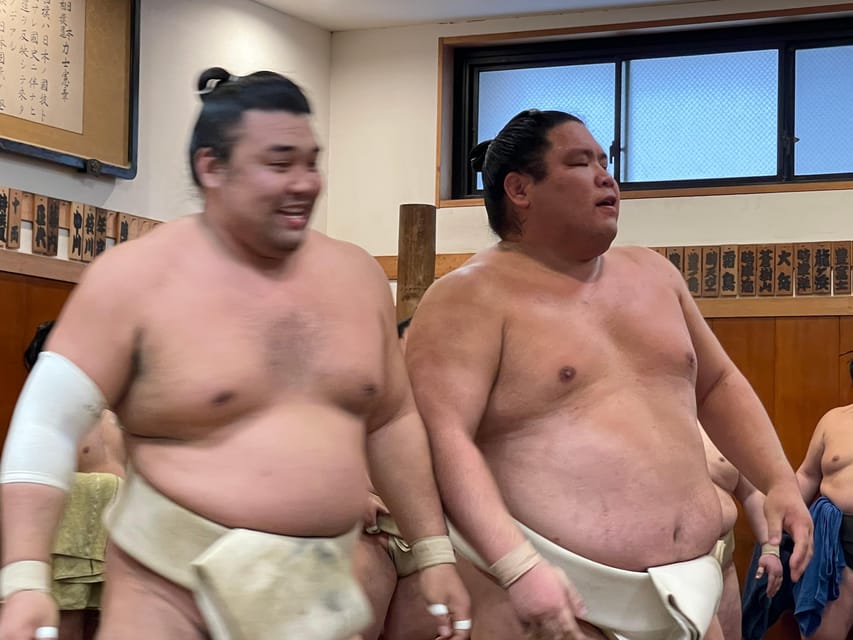
- Sit in chairs inside the stable: You are not standing behind a crowd, which makes the long practice easier to follow.
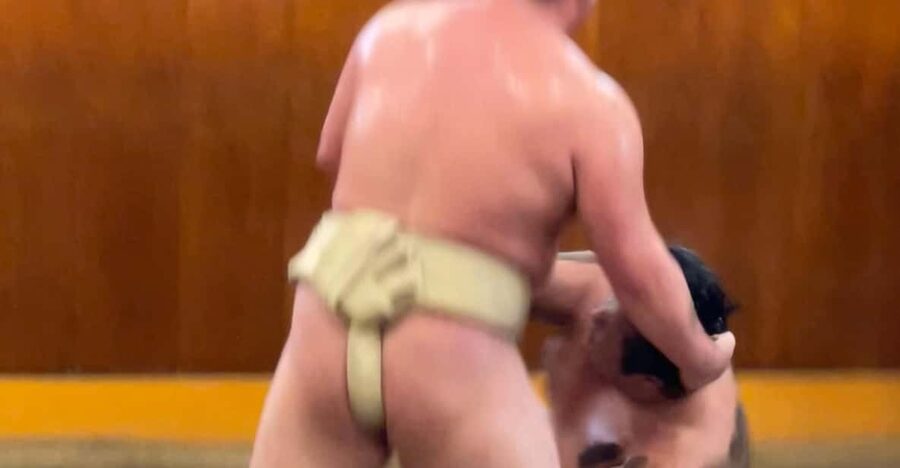
- Watch real morning training: Sumo practice gives you a look at preparation, not just the brief action of a tournament bout.
- Small English-speaking group: With no more than nine people, the guide can explain what is happening without shouting over a large crowd.
- Meet at Exit B1: The meeting point is beside a FamilyMart at Kiyosumi-Shirakawa Station, and punctuality matters.
- Finish with photos and a short lesson: The experience includes a photo stop and an explanation of sumo basics after the practice.
- Useful for first-time sumo fans: You get both the close-up physical action and enough context to understand the rules.
Why morning practice is the real sumo experience
Tokyo’s grand sumo tournaments take place for only 90 days each year. If your visit does not match one of those tournament periods, a morning practice is one of the few ways to see sumo wrestlers at work in a proper training setting.
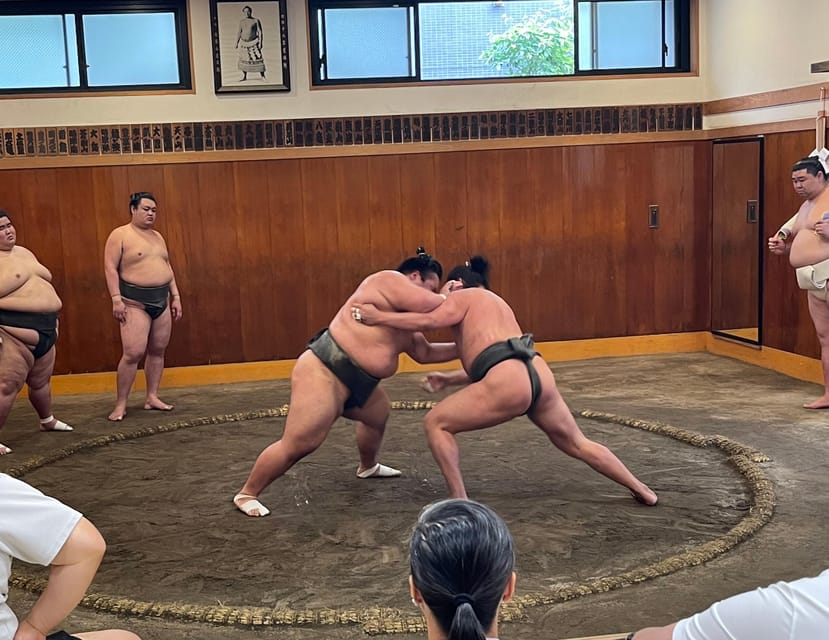
A tournament gives you formal entrances, packed seating, repeated bouts, and a clear scoreboard. Practice offers something different. You see wrestlers prepare their bodies, repeat moves, and test one another in a more workmanlike setting. That can feel less tidy than a competition, but it also gives you a better sense of how much effort lies behind those short matches.
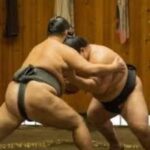
Sumo has no weight classes. A smaller wrestler may face a much larger opponent, and each clash can end quickly. From a chair close to the action, you can appreciate the force involved. The attraction is not only the impact. It is the concentration, routine, and discipline that shape every movement.
You should also remember that this is a working stable, not a theater built for sightseeing. The practice comes first. The guide helps you understand it, but the wrestlers are not there to perform on demand. That distinction is important if you want a genuine look at sumo rather than a staged demonstration.
A few more Tokyo tours and experiences worth a look
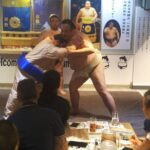

Meeting your guide at Kiyosumi-Shirakawa
The day begins at Exit B1 of Kiyosumi-Shirakawa Station, near a FamilyMart convenience store. The meeting point is specific, but the directions deserve care. The guide waits at the station exit so that people arriving by taxi can find the group, and the practical advice is simple: be there early.
Late arrivals can affect the entire small group. The guide may try to accommodate you if you are delayed, but the group takes priority. One useful detail from the experience is that the stable is only about 14 minutes from Otemachi or Tokyo Station, so the area is not difficult to reach once you are on the right train route.
I would allow extra time for finding the correct exit. Tokyo stations can be easy to navigate once you know the signs, but a few wrong corridors can cost you several minutes. Look for Exit B1 and the nearby FamilyMart rather than waiting at a general station entrance.
The small group format helps from the first meeting. With a maximum of nine participants, you should be able to hear the English-speaking guide and ask questions without the strain of a large tour. The tradeoff is that there is less flexibility if someone arrives late or wants to change the schedule.
The short walk and introduction
The opening guided portion lasts about 15 minutes. This is likely your chance to get oriented, meet the group, and receive the basic instructions before entering the practice setting. Since the stable is close to the station, the transfer should not take up the day.
The itinerary also lists two walking sections of about 10 minutes each. These are modest distances, but comfortable shoes still make sense. You may spend a long time seated during practice, so shoes that are easy to walk in and comfortable for a full outing are the practical choice.
The guide’s role matters here. Sumo has customs and terms that are not obvious if you are seeing it for the first time. A good explanation can turn a series of sudden collisions into a contest with purpose. The experience has received especially strong marks for the guide’s friendly explanations and clear manner. No guide name is provided in the booking details, so you should not expect to select a particular guide.
Sitting close to the wrestlers during practice
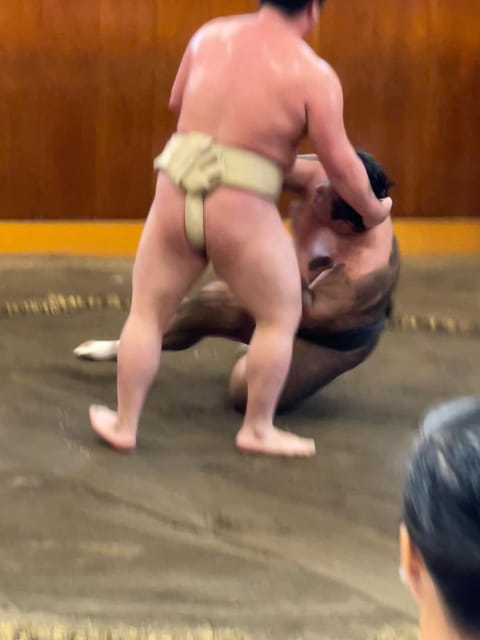
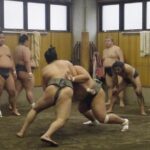
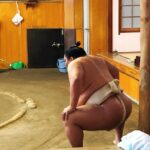
The main portion lasts about two and a half hours. You sit in chairs and watch the wrestlers train inside a traditional sumo stable. That seating detail is easy to overlook, but it matters. Two and a half hours is a long time to remain standing, and a chair lets you focus on the practice instead of your feet.
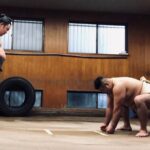
You are watching training, not a tournament. The wrestlers may repeat exercises, face one another for short bouts, or work through the movements needed for competition. The pace can vary. Some moments may feel intense, while others may involve waiting or watching a particular drill.
That slower rhythm is part of the value. You can observe the work behind the spectacle. The wrestlers are preparing for a major match, and the session gives you a glimpse of the physical demands of a sport with no weight limit. The difference in size between competitors can make each exchange especially striking.
The setting also calls for respect. Keep your voice down, follow the guide’s instructions, and avoid treating the wrestlers as props for photographs. The strongest part of the experience is its closeness, and that closeness works only when the group behaves like visitors to a working training space.
You should bring a camera, but do not assume every moment is a free-for-all for photos. The title of the experience includes a photo banzuke, and the itinerary includes a 15-minute photo stop. Follow the guide’s instructions about when and where photographs are suitable.
Understanding sumo after the action
After practice, the guide gives a short presentation on the basics of sumo. This is a useful part of the day because the practice itself can move fast. Without some background, you may notice the size and force of the wrestlers but miss the meaning of particular actions.
The presentation is intended to cover the basics rather than turn you into a sumo expert. You can expect help with the structure of the sport, match ideas, and the traditions that surround it. That makes the experience more useful than a photo stop alone. You leave with a framework for watching sumo at a future tournament or on television.
I especially like this pairing of observation and explanation. The guide first lets you see the practice, then gives you the vocabulary and context to make sense of it. If you already follow sumo closely, the talk may feel brief. If you are new to the sport, it should help you understand why the ritual and training matter.
The presentation also keeps the experience from becoming a silent viewing session. You are not simply shown a photogenic room and sent away. The guide connects what you saw with the basics you can take home.
Other guided tours in Tokyo




The photo stop and final walk
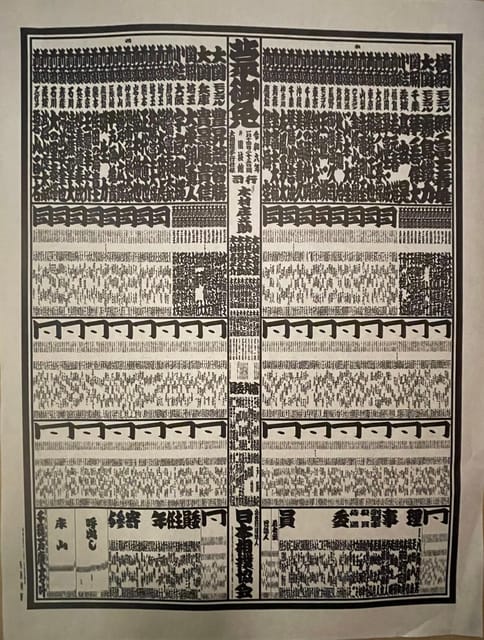
A 15-minute photo stop follows the practice and presentation. The timing is sensible. You have already watched the training, and you can then take photographs without trying to document every moment while the wrestlers are working.
The experience is called Sumo Morning Practice with Photo Banzuke, so the photo element is part of its appeal. Still, photography should remain secondary to the practice. If your main goal is a large collection of posed portraits, this may not be the right outing. The value is the access and the setting, with photographs as a lasting reminder.
The day includes two more walks of about 10 minutes before returning to Kiyosumi-Shirakawa Station. The full duration is listed as seven hours, even though the clearly described guided and practice portions add up to less than that. That means you should keep a broad block of your schedule free rather than planning a tight lunch reservation or another timed attraction immediately afterward.
One person found the experience longer than expected and left early to make better use of a sunny day in Tokyo. I would treat that as useful planning advice, not a reason to dismiss the tour. If you need to leave early, tell the guide at the start. The guide can then explain what you will miss and help avoid disrupting the group.
What the 115 dollar price includes
At $115 per person, this is not a cheap station-area activity. The price covers observation of a sumo practice session, the local English-speaking guide, and the short explanation of sumo basics. You are paying for access to a stable that accepts only a limited number of visitors, not for a full-day sightseeing tour around Tokyo.
The value depends on your interest. If sumo is high on your list, the chance to see wrestlers train in a traditional stable can justify the cost, especially since formal tournaments are held only part of the year. If you are only mildly curious and have a packed Tokyo itinerary, the seven-hour time commitment may feel harder to justify.
A group of no more than nine also changes the calculation. You are not joining a large bus tour with a distant view and a guide speaking to dozens of people. The smaller group should make the explanations easier to hear and the movement through the experience less awkward.
There are no tournament tickets or wider Tokyo sightseeing stops included. This is a focused sumo outing. I would book it for the access and the instruction, not because it covers many attractions.
Who should book this sumo visit
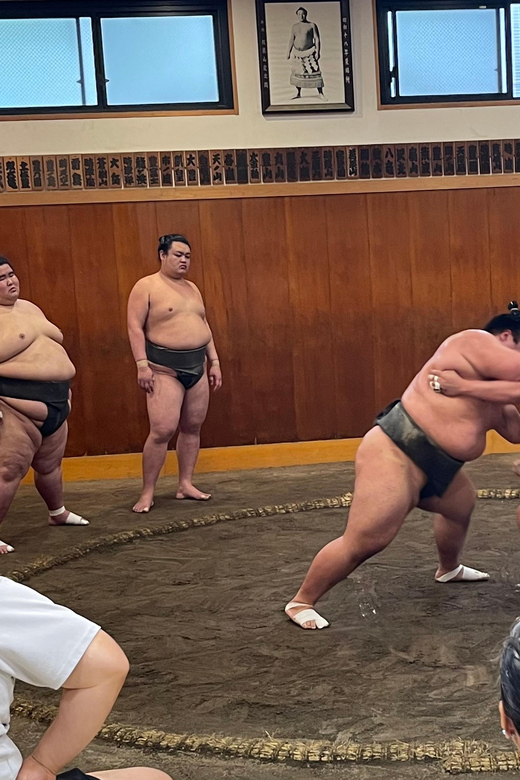
This experience suits you if you want to understand sumo beyond its most famous images. It is a good choice for a first visit to Japan, especially if you are not in Tokyo during a tournament. The combination of practice, guide commentary, and a photo stop gives you both the spectacle and the basic context.
It also works well for visitors who prefer a small group. Nine people is enough for a social outing but small enough to keep the guide’s explanations personal. The chairs are another practical plus for anyone who would find several hours of standing tiring.
The age limit is clear: children under nine cannot take part. Older children who can sit quietly and follow instructions may find the experience fascinating, but the booking information does not promise child-focused explanations or entertainment.
The activity is listed as wheelchair accessible, which is important to confirm when booking if you have specific mobility needs. Comfortable shoes are still advised, and the walking sections should be considered when planning your day.
You may want to skip it if you dislike fixed schedules, working environments with strict etiquette, or long activities built around one subject. You should also think twice if you need to leave early, since the group schedule cannot be shaped around one person.
Booking, cancellation, and timing tips
You can cancel up to 24 hours before the experience for a full refund. The reserve-now, pay-later option lets you hold a place without paying at once, which helps if your Tokyo schedule is still changing.
Starting times vary, so check availability for your date. The most important practical rule is to arrive at the correct station exit before the meeting time. Bring comfortable shoes and a camera, and keep the rest of your day flexible.
If you are running late, contact the provider. The guide may still be able to help, but there is no promise that the group can wait. A small group is pleasant for conversation, yet it also means one late arrival is more noticeable.
Should you book it?
Book this tour if you want a close look at sumo as a living sport, not just a quick photograph of a wrestler or a ticket to a formal event. The strongest reasons are the rare stable access, chair seating, small group size, and clear English introduction after practice.
Skip it if seven hours feels too long or if you are trying to fit several major Tokyo sights into the same day. I would reserve it early for a sumo-focused morning, arrive well before the meeting time, and avoid scheduling anything that cannot move if the practice runs long.
FAQ
Where does the sumo experience begin?
It begins at Exit B1 of Kiyosumi-Shirakawa Station, near a FamilyMart convenience store.
How long does the activity last?
The full activity is listed as seven hours. The schedule includes guided portions, a two-and-a-half-hour practice session, a photo stop, and walking sections.
How close can I get to the wrestlers?
You watch the wrestlers train inside a traditional sumo stable while seated in chairs. The exact viewing distance is not specified.
Is the tour conducted in English?
Yes. The tour has a live English-speaking guide, and the presentation after practice is also in English.
How large is the group?
The group is limited to nine participants.
Is this a tournament match?
No. This is a morning practice session at a sumo stable, where wrestlers train for upcoming matches.
Can children join?
Children under nine are not permitted to take part.
What should I bring?
Bring comfortable shoes and a camera. You should also arrive early at Exit B1 because late arrivals may not be accommodated without affecting the group.
More Morning in Tokyo

More Guided Tours in Tokyo
More Sumo Experiences in Tokyo

More tours in Tokyo we've reviewed



Sumo Experiences, compared.
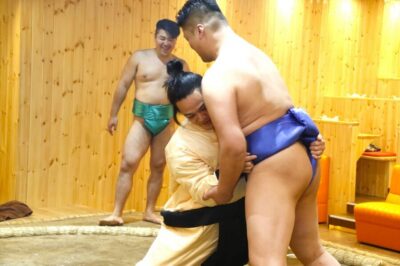 ★ 4.8Tokyo: Sumo Show Experience with Chicken Hot Pot and a PhotoFrom $1032 hours
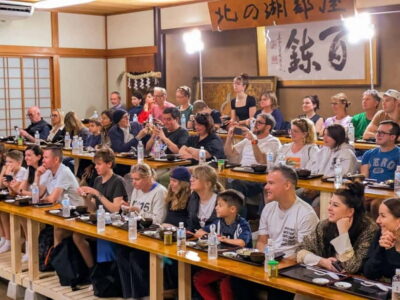 ★ 4.8Tokyo: Sumo Show and Dining ExperienceFrom $7990 minutes - 2 hours
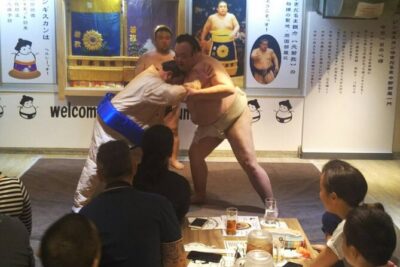 ★ 5.0the SUMO showFrom $89
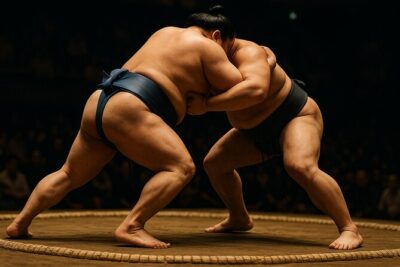 ★ 5.0Tokyo Shinjuku Sumo Show & Experience with PhotoFrom $79
 ★ 4.8Tokyo: Sumo Show and Experience in ShinjukuFrom $691h 30m
 ★ 4.6Tokyo: Sumo Tournament Tour with Chair Seat TicketsFrom $141