
Reviewed · TSUKIJI MARKET TOURS
Tokyo: Tsukiji Fish Market Guided Walking Tour
Tsukiji is not just a place to eat fish. It is a working food district where seafood, dried goods, fruit, sweets, beef, eel, tea, and Japanese cooking traditions meet in a maze of small stalls. This two-hour walk gives you a local guide to lead the way, explain what you are seeing, and point out foods you might miss alone.
I like two things right away: the tour begins with Tsukiji Hongwanji Temple, giving the market a cultural setting, and the small group, limited to 10 people, makes it easier to ask questions and order food. I also like that you choose what to buy instead of paying for a fixed tasting menu.
The main catch is simple: food and drinks are not included, and some market items cost more than you might expect. Bring cash and set aside extra money if you want to try several stops.
In This Review
- Key points at a glance
- Starting at Tsukiji Station
- Tsukiji Hongwanji Temple sets the scene
- Entering Tsukiji Outer Market
- What you may eat at the stalls
- Japanese food culture, explained clearly
- Why a guide helps in Tsukiji
- The food budget and the $22 price
- Who should book this walk
- Practical tips for a better morning
- Should you book the Tsukiji market tour?
- FAQ
- Where does the Tsukiji walking tour meet?
- How long does the tour last?
- What language is the tour conducted in?
- How large is the group?
- Does the tour include food and drinks?
- What foods can I try?
- Is entry to Tsukiji Outer Market included?
- Do I need to bring cash?
- Does the tour visit Tsukiji Hongwanji?
- Can I cancel the booking?
Key points at a glance
- A temple before the food stalls: Start with about 15 minutes at Tsukiji Hongwanji, a striking temple with detailed carvings and a calm interior.
- A guide through the market maze: Spend most of the tour in Tsukiji Outer Market, where a local guide helps you choose stalls and avoid wandering without a plan.
- Optional tastings: Try foods such as tamago, oysters, sushi, wagyu beef, eel, sea urchin, sweets, and dried seafood, but pay for each item yourself.
- Useful food lessons: Learn how ingredients fit into Japanese cooking, including seafood, spices, dried goods, and seasonal specialties.
- Small English-speaking group: The tour holds no more than 10 participants, with guides including Jim, Rie, Yayoi, Nicolas, Haydn, Sayaka, and Minori.
- Good value at $22: The low tour price covers the guide, photos, and free entry to the market area and temple, while letting you control your food budget.
Starting at Tsukiji Station
You meet your guide outside the Starbucks in front of Tsukiji Station. The guide waits near the bench, so look for the person holding the tour details rather than heading straight into the market.
This meeting point is practical. Tsukiji Station places you close to the temple and market, and the walk begins without a long transfer or complicated city navigation. There are two possible starting arrangements listed for the activity, but both use the Starbucks by Tsukiji Station as the meeting and return point.
The tour lasts two hours. That sounds generous, but Tsukiji can absorb time quickly. A single stall may offer several foods, prices, preparation styles, and unfamiliar ingredients. A guide keeps the group moving while still leaving room for questions and small purchases.
Bring cash. This is one of the most useful tips for the morning. Food is paid for separately at the stalls, and cash lets you make quick purchases without slowing down the group. If you are traveling with children, a picky eater, or someone who avoids seafood, the pay-as-you-go setup is especially helpful because you can choose only what suits you.
A few more Tokyo tours and experiences worth a look


Tsukiji Hongwanji Temple sets the scene
The first stop is Tsukiji Hongwanji, usually reached after about five minutes on foot. You spend around 15 minutes here with the guide.
The temple is known for its elaborate carvings and quiet interior. It offers a useful change of pace before you enter the market. Instead of treating Tsukiji as a collection of food counters, the guide places it within Japanese religious and cultural life.
This short visit works best as an introduction rather than a full temple tour. You will not spend most of the two hours here, and that is sensible if your main goal is food. Still, the stop gives you a chance to ask about customs, beliefs, architecture, and the connection between food and daily life in Japan.
Several guides have been praised for explaining the temple in clear detail. Haydn, for example, is noted for spending time on the temple and connecting its features with local culture. Other guides, including Yayoi and Nicolas, have also used nearby religious sites as an easy way to introduce Tokyo beyond its restaurants and shopping streets.
Wear comfortable shoes and keep your group close. The walk from the temple to the market is short, but the real challenge comes once the stalls begin to crowd together.
Entering Tsukiji Outer Market
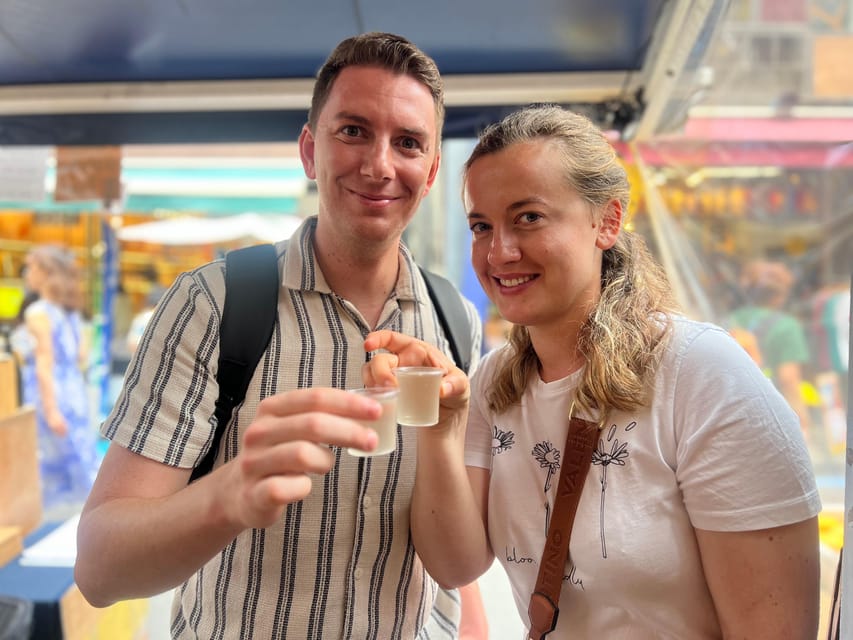
After another short walk, you reach Tsukiji Outer Market. This is where most of the tour takes place, with two sections of roughly 50 minutes each listed for guided touring and shopping.
The Outer Market is not a single enclosed hall. It is a network of small shops and food stalls selling ingredients used in Japanese cooking. You might see fresh seafood, vegetables, dried fish, shrimp, scallops, spices, fruit, sweets, tea, beef, eel, and other specialty foods in close quarters.
That variety is exciting, but it can also be confusing. Signs may not explain every ingredient in English, and the best choice is not always the most obvious one. Your guide can explain what an item is, how it is used, and whether it is better suited to eating immediately or taking home.
This is where guides such as Rie, Jim, Sayaka, and Minori add the most value. They know how to move through the crowded lanes and can take you directly to selected stalls instead of leaving you to make sense of every option. A guide can also help with ordering and payments, which matters when you are dealing with unfamiliar foods or busy vendors.
Do not expect a quiet market walk. The area can be crowded even on a weekday morning. You may need to walk slowly, stay close to the guide, and step aside when buying or eating. The trade-off is that the crowds are part of the market’s working character, not a staged attraction built only for sightseeing.
What you may eat at the stalls
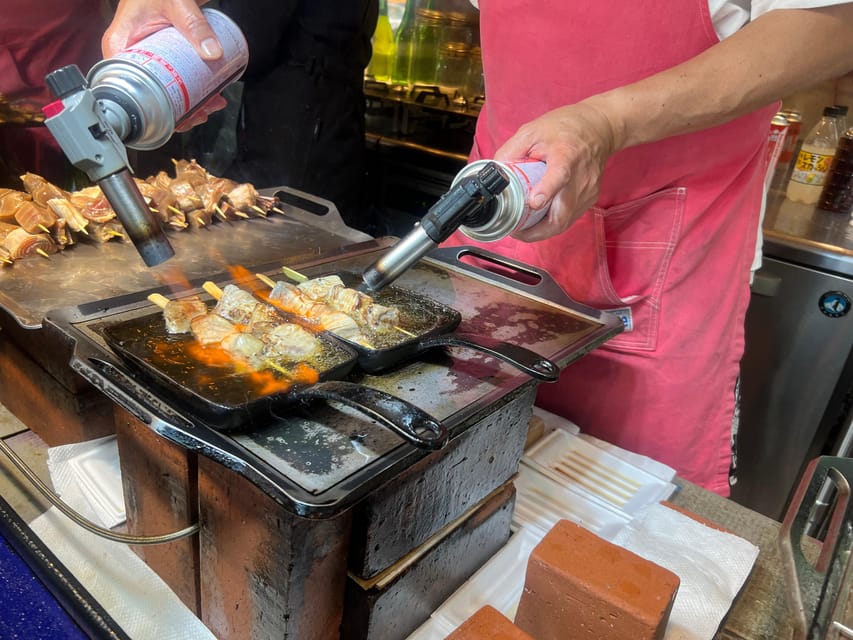
The exact food choices depend on what is available and what you want to buy. There is no fixed menu, so you decide how adventurous or cautious to be.
Commonly mentioned options include:
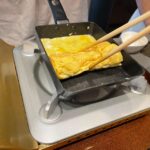
- Tamago, the sweet Japanese rolled omelet
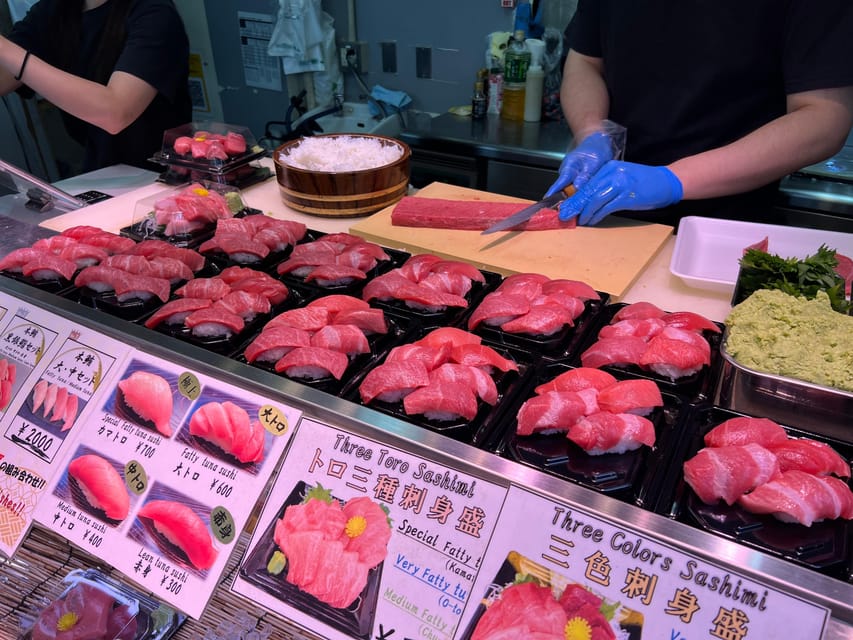
- Sushi and fatty tuna
- Oysters and sea urchin
- Wagyu beef skewers
- Kobe beef recommendations
- Eel, including fried eel
- Whale sashimi
- Dried fish, shrimp, and scallops
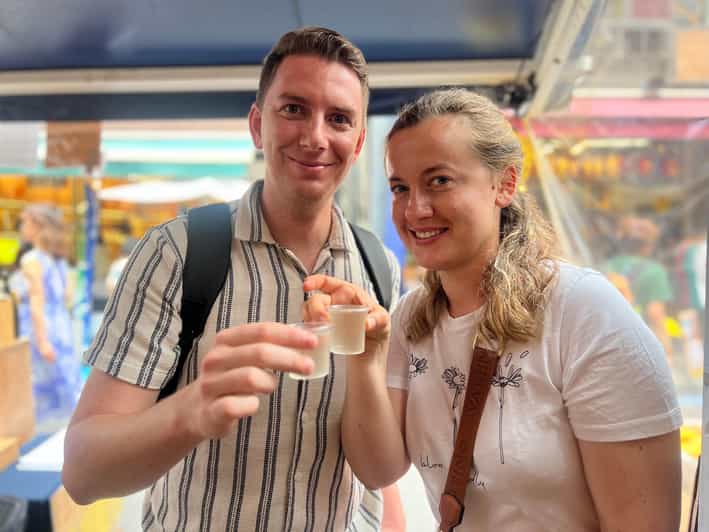
- Nuts, fruit, matcha, sake, and sweets
You might also receive free samples of snacks or dried goods along the way. These small tastes can help you understand the market without spending money at every stall. Still, do not treat free samples as the main meal. The experience works best when you choose a few things that interest you and share small portions with the group.
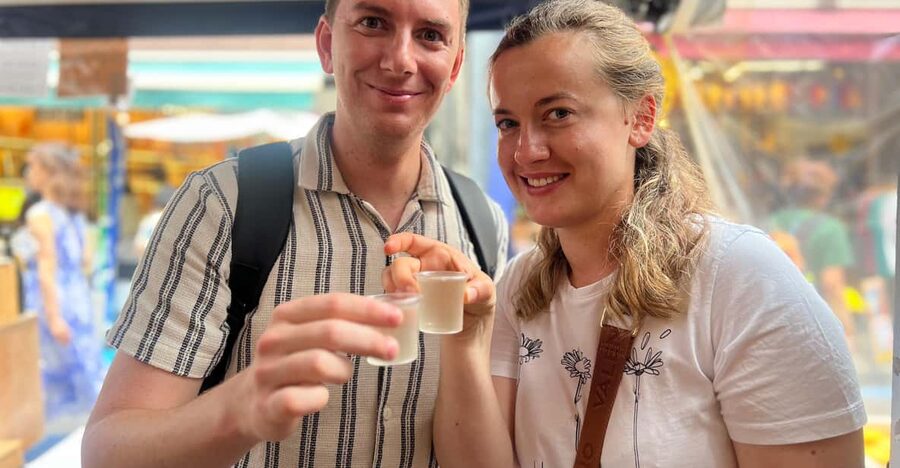
I like the flexible food system. A fixed tasting menu can force you to pay for items you do not want, while this tour lets you skip seafood, order a sweet, or focus on beef and prepared foods. One participant who disliked seafood still found enough appealing choices to try several items.
If you love seafood, you can make the market the center of your morning. If you do not, you are not shut out. Tamago, wagyu, fruit, sweets, nuts, tea, and other foods give you alternatives. Tell the guide what you avoid before the tasting begins, especially if you have allergies or strict dietary needs. The guide can help you make choices, but the provided information does not promise a fully allergy-free or specialized menu.
Prices vary by stall and item. Some small tastes are affordable, while premium seafood and wagyu can add up fast. I would set a personal food budget before you start. The $22 tour price is low, but your final morning cost depends on how much you eat.
Japanese food culture, explained clearly
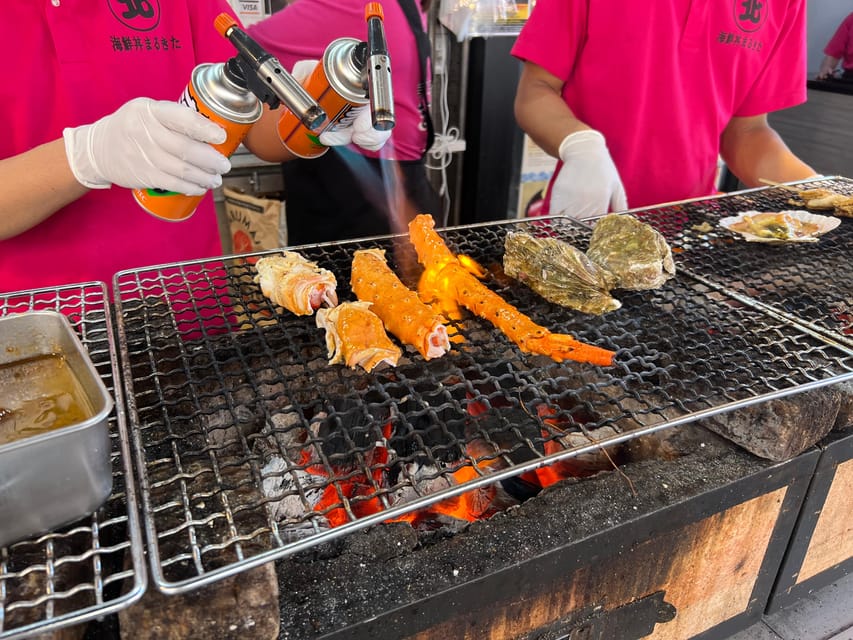
The best part of this tour is not simply tasting food. It is learning why the ingredients matter.
Your guide explains the qualities and uses of foods found in the market, from rare seafood to dried products and specialty seasonings. You learn how ingredients support Japanese cooking and how food traditions connect with local customs.
That context makes each sample more interesting. Tamago is not just a sweet egg dish. Dried fish and seafood are not merely souvenirs. Eel, sea urchin, tuna, wagyu, and matcha each have their own place in Japanese eating habits and market culture.
The quality of explanation depends on your guide, but the activity uses English-speaking guides with different backgrounds and personalities. Jim is often described as strong on food, history, and culture. Rie is associated with easy market navigation and practical recommendations. Yayoi is praised for taking groups to favorite food stops, while Nicolas is noted for explaining ingredients and the area in an approachable way.
Haydn has also been singled out for explaining the temple and market in detail, while Sayaka has helped people order at crowded food stalls. Minori is known for an energetic style. These differences can shape the feel of your tour, but the common thread is direct help with local food and customs.
A useful feature is the chance to ask questions as you walk. You do not have to save every question for a formal talk. Ask about a strange fish, a cooking ingredient, a price, a preparation method, or the proper way to eat something. That back-and-forth is far more useful than reading labels after the fact.
Other walking tours we've reviewed in Tokyo
Why a guide helps in Tsukiji
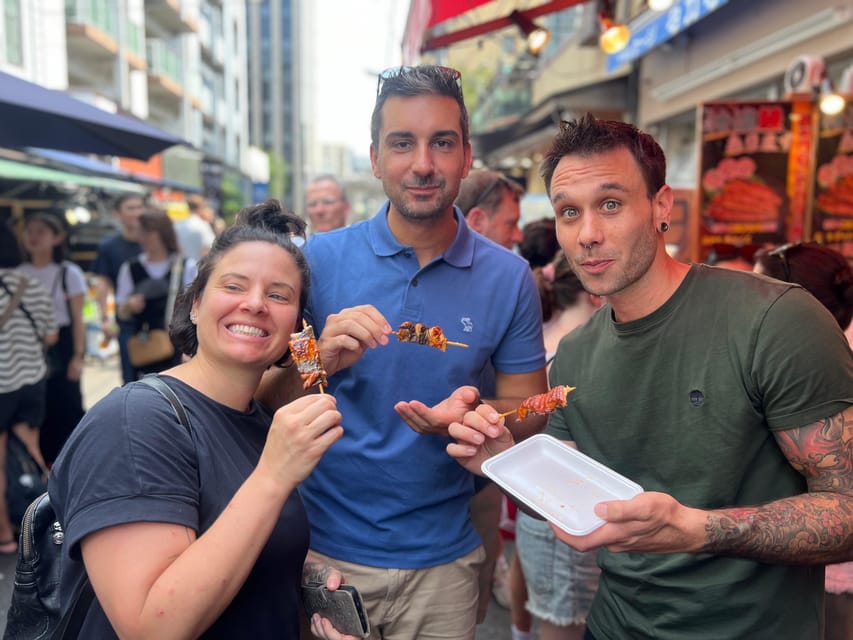
You can walk around the Outer Market on your own, but the first visit may feel like too many choices at once. A guide gives you a route and a reason to stop.
The biggest practical benefit is time. In two hours, you can cover a range of stalls instead of spending half the morning deciding where to begin. The guide can also steer you toward places they personally recommend and away from stops that do not fit your interests.
Ordering help is another strong point. You may know you want sushi or wagyu, but not know how much to order, what cut to choose, or how to handle payment in a crowded stall. A guide can make the process less stressful.
The group size matters here. With up to 10 people, the guide can usually keep the group together while still answering questions. It is not a private tour, so you will share time and food stops with other participants. If you prefer total control over the pace, a solo visit may suit you better.
The tour also includes photos taken during the walk. That is a pleasant extra, though I would treat it as a bonus rather than a major reason to book. The main value is the guide’s route, explanations, and help with the market.
The food budget and the $22 price
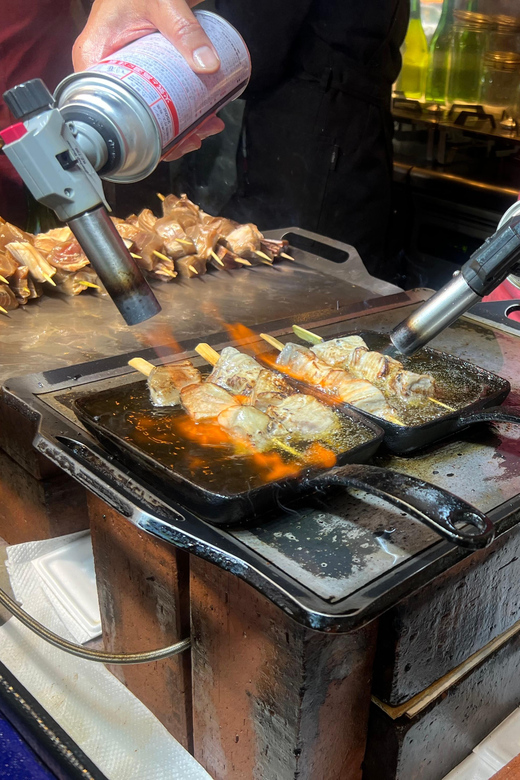
At $22 per person, this is an inexpensive way to add structure to a Tsukiji visit. Entry to the market area and Hongwanji Temple is free, and the fee includes the guided walk and photos.
The price makes sense if you want orientation and cultural background, not just a meal. You are paying for two hours of local assistance, food explanations, and a plan through a crowded district. For a first visit, that can prevent wasted time and poor food choices.
You should not mistake the low price for an all-inclusive tasting tour. Food and drinks are separate. A few samples may cost little, but premium items such as fatty tuna, sea urchin, oysters, and wagyu can raise your total.
This structure is actually a benefit for many people. You can spend very little if you mainly want the history and free samples, or spend more on items you care about. A shared approach also helps groups with different tastes. One person can order seafood while another chooses tamago, beef, or dessert.
Bring enough cash for the foods you want and remember that market prices can be high for premium ingredients. The tour gives you freedom, but it does not give you a set spending limit.
Who should book this walk
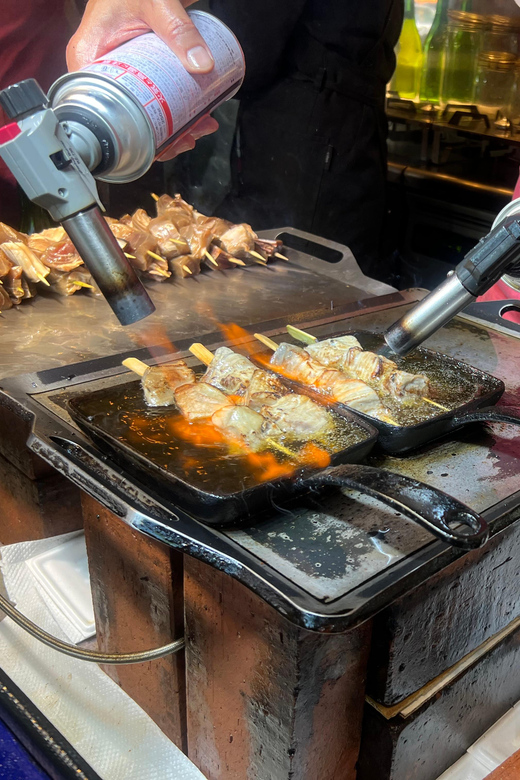
I would recommend this tour to first-time visitors who want help making sense of Tsukiji. It is also a good fit if you are curious about Japanese ingredients but do not feel confident ordering at small stalls.
Food lovers will get the most from it, especially those who want to try several small portions instead of sitting down for one long meal. The tour also suits couples, families, and small groups with mixed tastes because every food purchase is optional.
It is useful for visitors who want more than seafood. The market includes sweets, fruit, beef, tea, dried goods, and other ingredients, so you do not need to be a sashimi fan. People who dislike seafood can still build a good tasting morning around tamago, wagyu, eel, snacks, and desserts.
You may want to skip it if you prefer exploring alone, dislike crowded markets, or want a formal tasting menu with all food included. You should also think twice if you have strict dietary restrictions that require guaranteed control over ingredients. The guide can offer help, but the tour description does not promise dedicated allergy or dietary arrangements.
Practical tips for a better morning
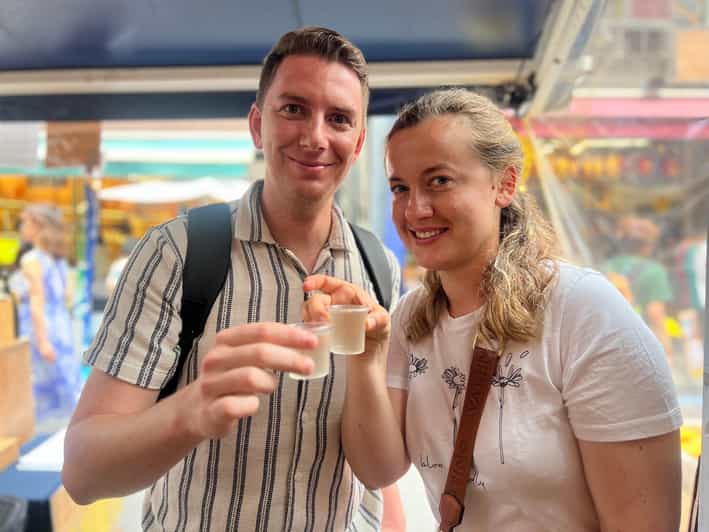
Meet outside the Starbucks by Tsukiji Station, near the bench. Arrive with enough time to identify your guide before the group walks toward the temple.
Wear shoes suited to two hours on foot. The distances between the main stops are short, but you will spend most of the time standing, walking, looking at stalls, and eating small portions.
Bring cash, and decide in advance how much you want to spend on food. Since purchases are optional, you can watch your budget as you go.
Tell the guide early if you do not eat seafood or have food preferences. The flexible ordering system makes it easier to choose what works for you.
Keep the group in sight once you enter the market. Crowds, narrow lanes, and frequent stops can make it easy to fall behind.
The activity is offered in English and has a maximum group size of 10. Starting times vary, so check availability for the day you want. You can cancel up to 24 hours ahead for a full refund, and the reserve-now, pay-later option allows you to hold a place without paying at once.
Should you book the Tsukiji market tour?
Book it if you want a guided introduction to Tsukiji, especially on your first morning in the area. The combination of Hongwanji Temple, market history, food lessons, optional tastings, and direct help at stalls gives the neighborhood more meaning than a quick walk-through.
At $22, the tour is strong value as long as you understand the food costs extra. Bring cash, expect a crowded market, and plan to choose only the foods that appeal to you.
I would choose this experience for curious eaters, first-time visitors, and anyone who feels overwhelmed by Japanese market food. If you already know Tsukiji well and prefer to set your own route, you may not need the guide. For most visitors, though, two hours with a local guide is a practical way to get oriented and taste beyond the obvious choices.
FAQ
Where does the Tsukiji walking tour meet?
You meet your guide outside the Starbucks located in front of Tsukiji Station. The guide waits near the bench by the Starbucks.
How long does the tour last?
The tour lasts two hours.
What language is the tour conducted in?
The tour is conducted in English with a live English-speaking guide.
How large is the group?
The tour is limited to 10 participants.
Does the tour include food and drinks?
No. Food and drinks are not included. You choose and pay for items separately at the market stalls.
What foods can I try?
Possible foods include tamago, oysters, sushi, wagyu beef, eel, sea urchin, sweets, dried seafood, fruit, nuts, matcha, and other market specialties. The exact choices are optional and can vary.
Is entry to Tsukiji Outer Market included?
Entry to Tsukiji Fish Market, the Fish Market area, and Hongwanji Temple is free and included as part of the walking experience.
Do I need to bring cash?
Yes. Cash is listed as an important item to bring, particularly because food purchases are paid for separately.
Does the tour visit Tsukiji Hongwanji?
Yes. The group walks to Tsukiji Hongwanji Temple for a guided sightseeing stop of about 15 minutes before continuing to the Outer Market.
Can I cancel the booking?
You can cancel up to 24 hours in advance for a full refund. A reserve-now, pay-later option is also available.
More Guided Tours in Tokyo



More Walking Tours in Tokyo
More Tsukiji Market Tours in Tokyo

More tours in Tokyo we've reviewed





Tsukiji Market Tours, compared.
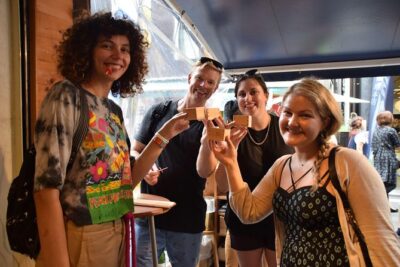 ★ 5.0Tokyo Tsukiji Fish Market Food and Culture Walking TourFrom $99
 ★ 5.0Tokyo: Tsukiji Fish Market Food and Walking tourFrom $30
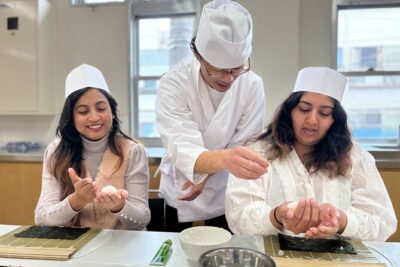 ★ 5.0Tokyo Sushi Making Class in Tsukiji with Professional ChefFrom $49
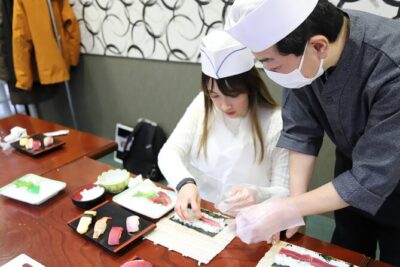 ★ 5.0Tsukiji Fish Market Guided Tour and Sushi Making with Pro ChefFrom $104
★ 4.7Tokyo: Tsukiji Fish Market Food and Culture Walking TourFrom $963 hours
★ 5.0Tsukiji Fish Market Guided Tour and Sushi Making with Pro ChefFrom $104
★ 4.7Tokyo: Tsukiji Fish Market Food and Culture Walking TourFrom $963 hours
 ★ 5.0Tsukiji Fish Market: Street Food & Culture Walking TourFrom $33