
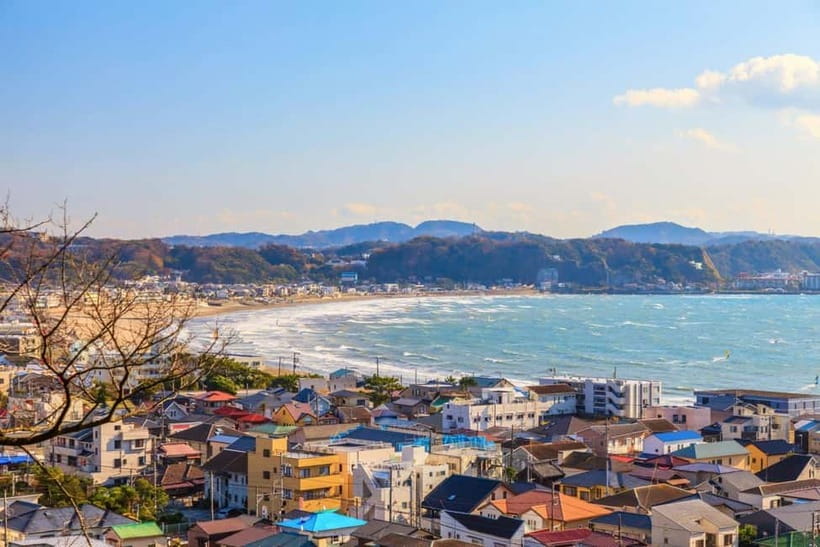
Reviewed · KAMAKURA & ENOSHIMA DAY TRIPS
1-Day trip: Kamakura City (Enoshima/Shonan/Beach)
Kamakura gives you old temples, a sea breeze, beach towns, and the famous anime-style railway view in one easy day from Tokyo. This private trip lets you shape the route instead of following a fixed checklist, which is its biggest strength. You choose the stops, and your driver handles the roads, tolls, parking, and hotel pickup.
I like the private car for groups of up to six, especially families carrying bags, strollers, or tired children. I also like the range of choices: you can spend the day on temples and history, shift toward Enoshima and the coast, or mix both with Komachi-dori and a cafe stop. The main drawback is price. At $539 per group, it makes the most sense with several people, not for a solo visitor or couple on a tight budget.
In This Review
- Key points to know before booking
- Why Kamakura works so well as a day trip
- Starting with private pickup from Tokyo
- Choosing between Kamakura’s major temples
- Komachi-dori and Tsurugaoka Hachimangu
- Shonan coastline, Yuigahama Beach, and the anime view
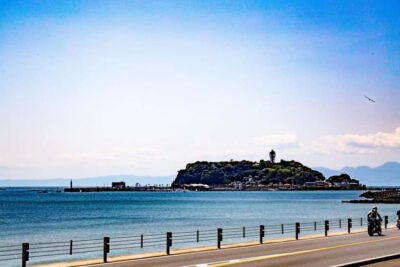
- Enoshima for ocean views and a livelier finish
- Jogashima Prefectural Park as a wider coastal option
- Food, cafes, and the cost of a flexible day
- Who will get the most from this Kamakura trip
- Practical details before you commit
- Should you book this private Kamakura day?
- FAQ
- How long is the Kamakura trip?
- How much does the trip cost?
- Is hotel pickup included?
- What transportation costs are included?
- Are entrance fees and meals included?
- Which languages are available?
- Can I cancel or pay later?
Key points to know before booking
- A full day built around your group: Choose the Kamakura sites and coastal stops that interest you most.
- Private transport from Tokyo’s 23 wards: Pickup, drop-off, fuel, parking, tolls, and passenger insurance are included.
- Room for up to six people: The fixed group price becomes better value as your party grows.
- Temples and seaside scenery in one outing: Pair Enkakuji, Hasedera, or Kotokuin with Yuigahama Beach or Enoshima.
- A good match for families: Baby seats are available as an option, and a private vehicle avoids repeated train changes.
- Extra time costs extra: The stated price covers the planned one-day service, while additional hours cost 7,000 yen per hour.
Why Kamakura works so well as a day trip
Kamakura has a different feel from central Tokyo. It was once a political capital alongside Nara and Kyoto, and its identity still comes from temples, shrines, narrow streets, and the water nearby. You can move from quiet religious sites to a cafe-lined shopping street, then reach the beach without changing cities.
That mix is what makes this trip useful. A temple-only visit can feel formal after several hours. A coast-only outing may leave you wanting more cultural depth. Kamakura gives you both, and the private format lets you adjust the balance.
The trip also reaches beyond Kamakura proper. Enoshima and the wider Shonan coastline add a younger, more relaxed side of the area, with ocean views, summer beach energy, stylish cafes, and the popular railway scenery associated with anime. Jogashima Prefectural Park offers another coastal choice if you want open views and time outdoors.
You should not expect a tightly scripted tour with a famous named guide. The service centers on an expert driver, and the listed language options are English, Chinese, and Japanese. That arrangement is practical: you get transport and local assistance while keeping control of the day.
A few more Tokyo tours and experiences worth a look
Starting with private pickup from Tokyo
Pickup and drop-off are included within Tokyo’s 23 wards. That matters more than it may sound. Kamakura is outside central Tokyo, and reaching it by train can take planning, especially when your group includes children, older family members, or several people who want to stay together.
In a private car, you do not need to find the right platform, manage transfers, or work out how to reach a temple after arriving at the station. Your driver also handles fuel, parking, and tolls. Those costs are included, so you can focus on the route rather than watching every road charge.
The car format is best for groups of four to six. At $539 total, six people would pay about $90 per person before food and entrance fees. Four people would pay about $135 each. For one or two people, the value is harder to defend unless convenience matters more to you than keeping the budget low.
The arrangement is also helpful if you want to make several stops. Kamakura’s sights are spread across the area, and a private vehicle saves the effort of repeatedly finding stations and walking between separate destinations. Still, the car does not remove every delay. Popular areas can be busy, and the final route depends on traffic and the time you spend at each stop.
Choosing between Kamakura’s major temples
The flexible schedule lets you select from several important sites. You do not need to visit them all. A thoughtful plan is better than trying to collect every name in one day.
Enkakuji Temple is one choice for a quieter start focused on temple grounds and traditional architecture. It suits you if you want a calm setting before the busier streets and coastal stops. If your group is more interested in large icons, cafes, or ocean views, you may prefer to give this time to another site.
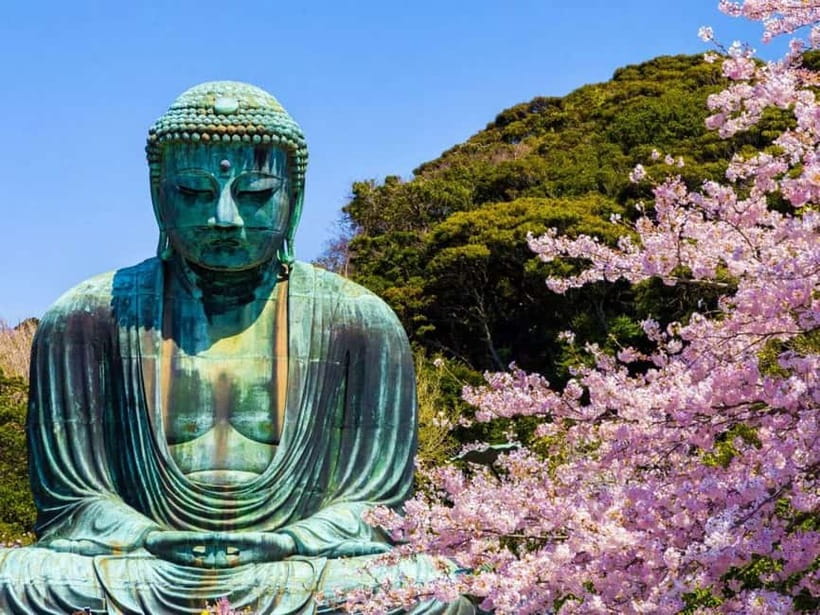
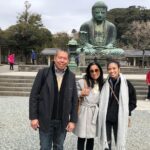
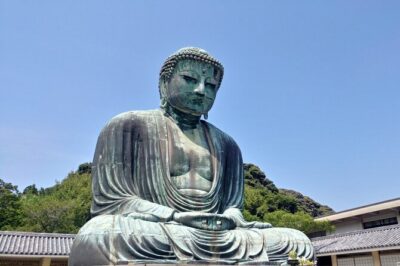
Kotokuin is the place to choose for Kamakura’s famous Great Buddha. The large outdoor image gives the visit a clear visual focus and works well for a first Kamakura trip. It is also an easy stop to understand without a long explanation: you arrive, see the statue, take in the setting, and decide how long you want to stay.
Kencho-ji Temple adds another major temple option. It fits visitors who want more religious and historical atmosphere rather than a quick photo stop. Since the day is customized, you can ask to include it if temple architecture and Kamakura’s past are central to your plans.
Hasedera Temple is another strong pick, particularly if you want a site that connects cultural interest with views. The stop gives the day more variety than visiting only one large temple. As with all the temple choices, entrance fees are not included, so keep a separate budget for admission.
You will not necessarily have enough time to explore every temple, Komachi-dori, Enoshima, and the beaches at a leisurely pace. That is the key planning issue. I would choose two or three cultural stops, then reserve the rest of the day for food and the coast.
Komachi-dori and Tsurugaoka Hachimangu
Komachi-dori is the obvious choice when you want food, browsing, and a change of pace. The street adds the gourmet side promised by the trip, with opportunities to pause rather than move from one formal site to another. Your meal is not included, so you can choose how much to spend and what kind of break your group needs.
This is also a useful place to avoid overplanning. After a temple visit, you may want a quick snack. Or you may prefer a longer meal before heading toward the water. The flexible schedule gives you that choice, but remember that a long stop here means less time at Enoshima or the beaches.
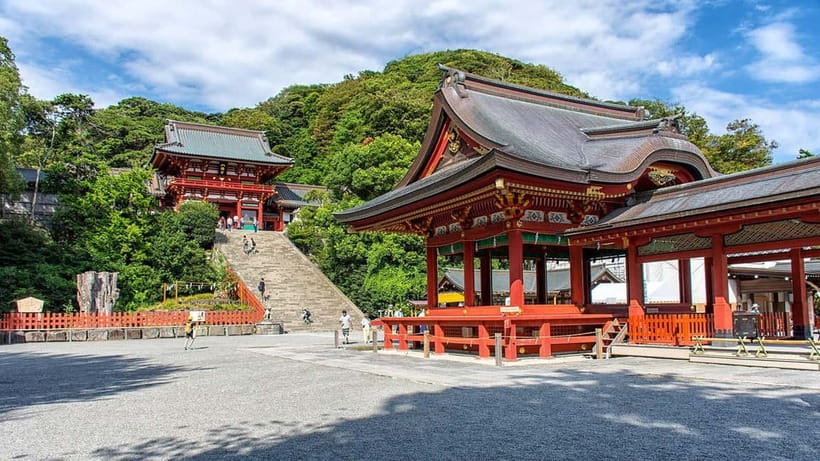
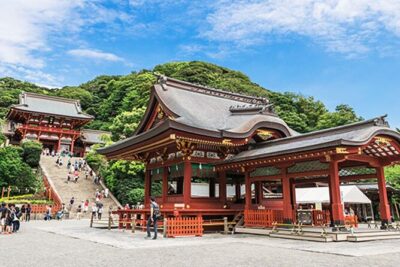
Tsurugaoka Hachimangu gives the day another major cultural anchor. It is a natural fit if you want a shrine experience in addition to the temples. Pairing it with Komachi-dori creates a compact cultural and food-focused section of the day, rather than sending you back and forth across the region.
I would not treat both locations as automatic must-sees for every group. If your priority is the coast, select one central Kamakura site, make a short food stop, and head toward the ocean. If this is your first visit and you want the classic city experience, both belong near the top of your list.
Shonan coastline, Yuigahama Beach, and the anime view
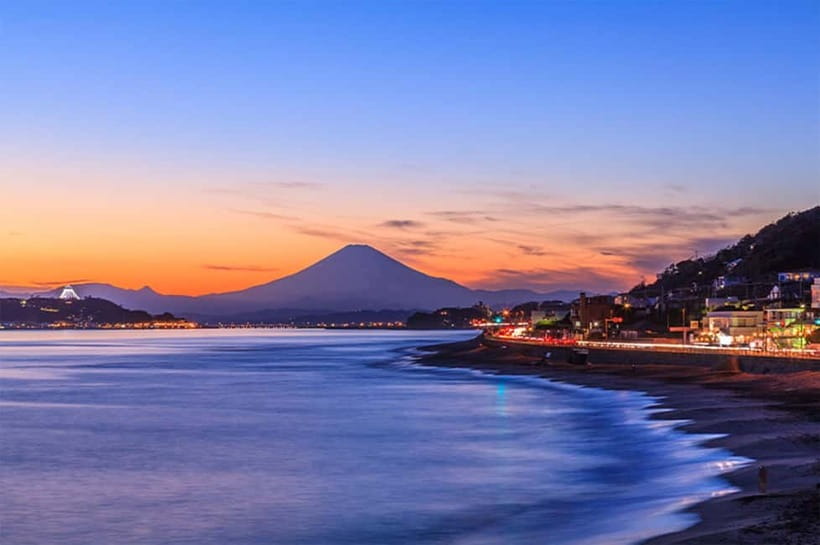
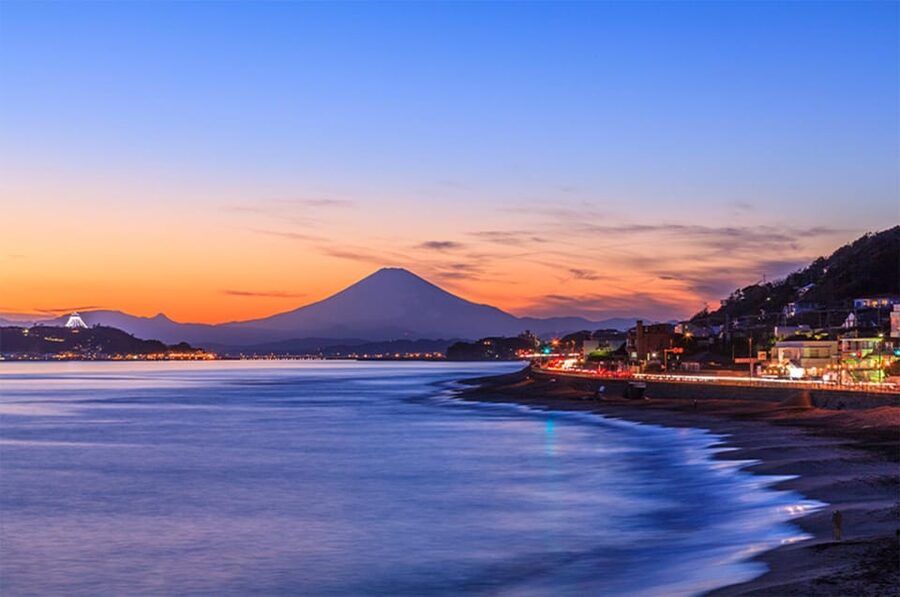
The coast changes the mood of the trip. Yuigahama Beach is the straightforward choice if you want sand, open water, and a summer seaside setting. It is especially appealing when your group wants a less formal break after temples.
The beach experience depends on the season and your expectations. The information provided highlights summer beach appeal, so I would think of Yuigahama as a scenic and relaxed stop rather than assume a full beach day is included. You can spend time by the water, but food, admission, and personal activities remain your responsibility.
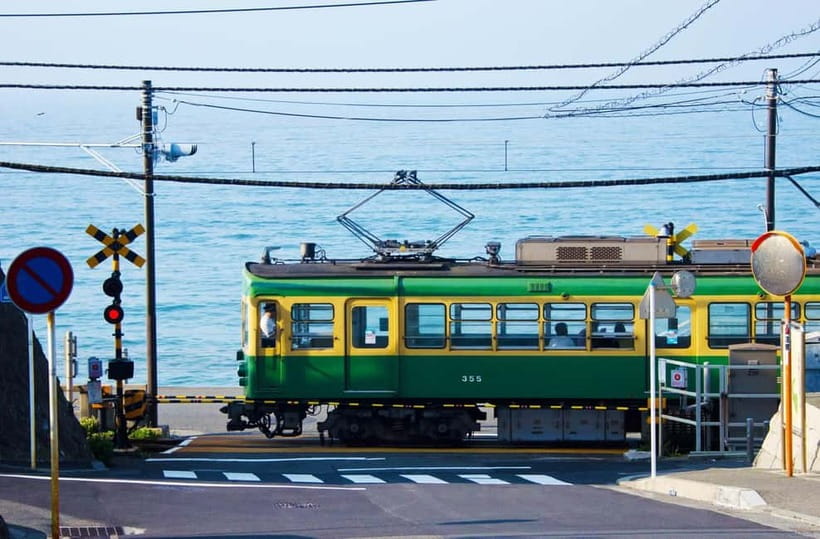
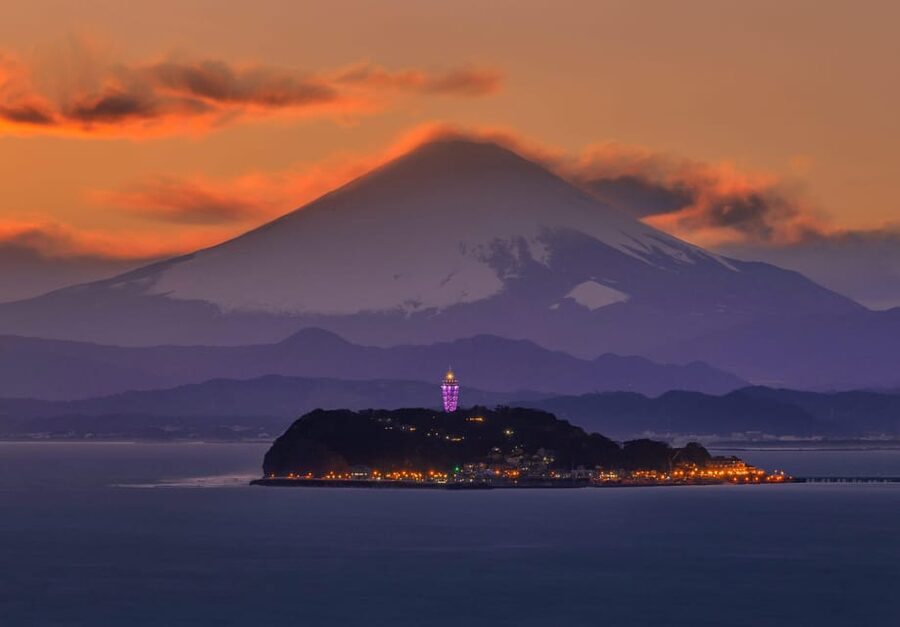
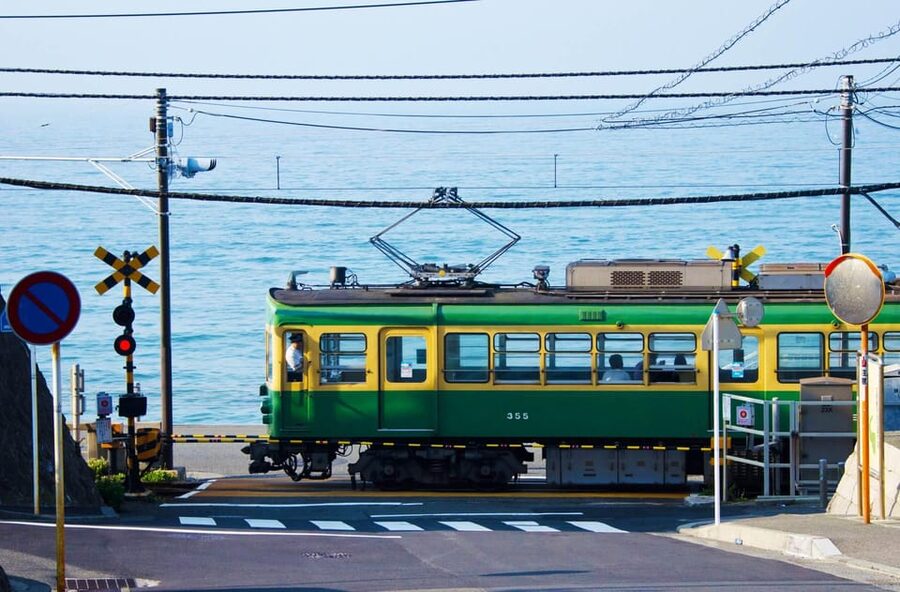
The Shonan coastline is also connected with the famous view from anime. The exact stop is not fixed because the tour is customized, but the route can focus on the coastal scenery and the kind of railway-and-sea setting that attracts anime fans. If that view matters to you, make it clear when planning the day rather than hoping it appears by chance.
This is one of the tour’s most distinctive combinations. You get historical Kamakura, then a modern coastal atmosphere shaped by beaches, trains, cafes, and youth culture. I like that contrast because it shows more than one version of the region.
Other city tours we've reviewed in Tokyo



Enoshima for ocean views and a livelier finish
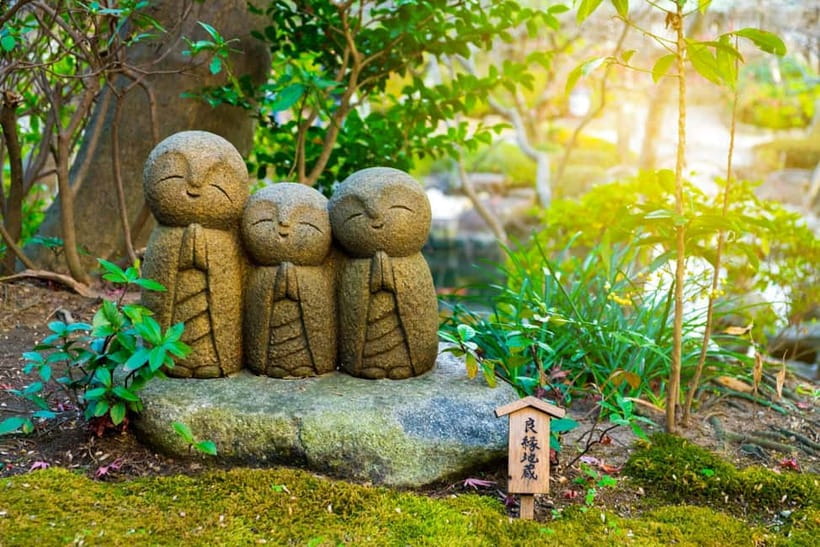
Enoshima is the natural addition if your group wants a more active coastal stop. It brings ocean scenery and a different pace from the temple districts. The trip describes Enoshima as part of a broad choice of stops, so you can make it the main coastal destination or include it after a shorter Kamakura visit.
Give Enoshima enough time if you choose it. A rushed visit can turn the island into a quick photograph between car stops, which defeats the point of going. On the other hand, spending too long there may force you to cut a temple or beach from the day.
This is where the private format helps, but it does not create unlimited hours. The service is designed as a one-day trip, and extra time costs 7,000 yen per hour. Decide in advance which part of the day matters most to your group. Families may prefer fewer stops with longer breaks, while a group of friends may want a wider sweep of the coastline.
Jogashima Prefectural Park as a wider coastal option
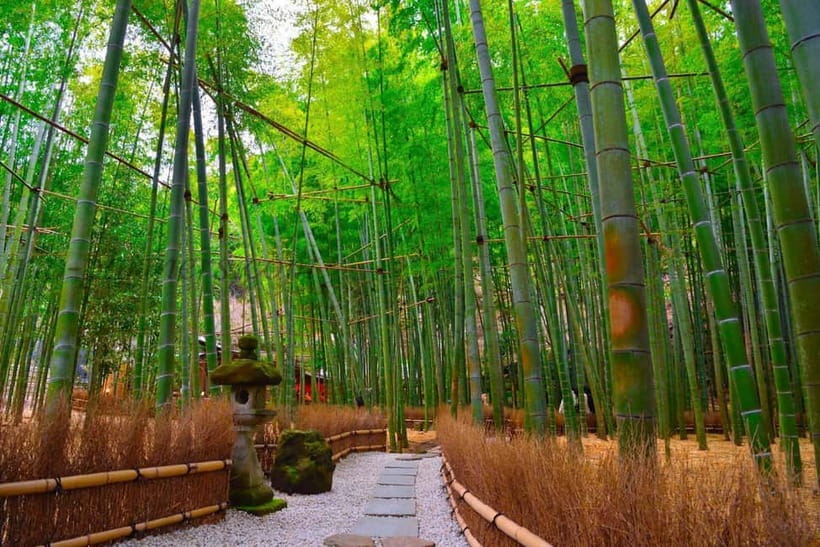
Jogashima Prefectural Park is listed among the possible destinations. It gives you a choice beyond the standard Kamakura and Enoshima circuit, especially if your group wants more outdoor coastal scenery.
Because the route is customizable, you can discuss whether this makes sense with the other stops you want. It is not a detail to add casually at the end of an already full day. If you select Jogashima, you may need to reduce the number of temples, shopping time, or time at the beach.
I see this option as best for repeat visitors or groups that care more about the coast than checking off Kamakura’s famous central sights. First-time visitors may get more from Kotokuin, Tsurugaoka Hachimangu, and one coastal stop.
Food, cafes, and the cost of a flexible day
Meals are not included, and that is both a limitation and a benefit. You pay for your own food, but you are not tied to a set restaurant or menu. Komachi-dori and the coastal areas give you places to plan a food break, while the trip’s description also points to fancy cafes as part of the area’s appeal.
The $539 price includes the major transport costs: car, driver, fuel, parking, tolls, pickup and drop-off within Tokyo’s 23 wards, and passenger insurance. Those inclusions make the price easier to understand. A self-guided day may cost less, but you would still need to arrange transport, pay fares, manage parking if driving, and keep the group moving.
Entrance fees and food are extra. That means your real budget depends on the sites you choose and how many people share the vehicle. Baby seats are available as an option, which can be useful for families, but you should request one when arranging the trip.
A 4.7 rating from three published ratings reflects strong satisfaction, with the short feedback centered on having a great time and enjoying the experience. The sample is small, so I would treat the rating as encouraging rather than final proof. The strongest practical point is clear: people value the relaxed private format.
Who will get the most from this Kamakura trip
I would recommend this for a family, a group of friends, or a larger party that wants one vehicle and one flexible plan. It is especially useful if your group has different interests. One person can prioritize temples, another can ask for the coast, and the day can include both without splitting up.
It also suits you if you want to see more than Kamakura station and the central streets. The possible route covers temples, a shrine, shopping, beaches, Enoshima, Shonan, and Jogashima. That reach is difficult to manage in a relaxed way when you are relying on public transport and making every decision yourself.
I would hesitate if you are a solo visitor or a couple focused on saving money. The fixed group price is the central issue. I would also hesitate if you want a specialist-led historical tour with long explanations at each site. The service is built around a driver and a custom route, not a fixed lecture-based program.
The listed languages are Chinese, English, and Japanese. That gives you a useful choice when arranging communication, but no individual driver name is provided, so you should not book expecting a particular guide.
Practical details before you commit
You can reserve now and pay later, which keeps your plans flexible. Cancellation is allowed up to 24 hours in advance for a full refund, giving you some protection if your Tokyo plans change.
Airport pickup and drop-off are not included. The included hotel service applies within Tokyo’s 23 wards, so confirm that your accommodation falls inside the stated area before booking.
Plan your preferred route before the day begins. Write down your top three stops, one optional stop, and the kind of meal break you want. That gives the driver clear priorities and helps prevent the common private-tour problem of trying to fit everything in.
Should you book this private Kamakura day?
Book it if you are traveling with up to six people and want one easy day combining temples and the sea. The included car, parking, tolls, fuel, and Tokyo pickup remove much of the friction, while the custom plan lets you match the day to your group.
Skip it if the $539 group price is too high for your party size, or if you would rather take trains and spend slowly at only one or two Kamakura sites. For a larger group that values comfort, flexibility, and a broad route, this is a practical way to see Kamakura, Enoshima, and the Shonan coast without turning the day into a transport puzzle.
FAQ
How long is the Kamakura trip?
It is a one-day, full-day private trip from Tokyo to the Kamakura area and nearby coastal destinations.
How much does the trip cost?
The price is $539 per group of up to six people.
Is hotel pickup included?
Pickup and drop-off are included for locations within Tokyo’s 23 wards.
What transportation costs are included?
The car, driver, fuel fee, parking fee, toll fee, and passenger insurance are included.
Are entrance fees and meals included?
No. Entrance fees for selected sites and meal costs are paid separately.
Which languages are available?
The service is available in Chinese, English, and Japanese.
Can I cancel or pay later?
You can reserve and pay later, and you can cancel up to 24 hours in advance for a full refund.
More 1-Day Tours in Tokyo




More City Tours in Tokyo
More Kamakura & Enoshima Day Trips in Tokyo
More tours in Tokyo we've reviewed

Kamakura & Enoshima Day Trips, compared.
 ★ 4.5Tokyo: Kamakura & Enoshima Day Trip including Temple TicketsFrom $589 hours - 570 minutes
 ★ 4.5Tokyo: Mt. Fuji, Kamakura, Big Buddha, & Lake Ashi Day TripFrom $4910 - 11 hours
 ★ 4.5From Tokyo: Kamakura & Enoshima 1-Day Bus TourFrom $66
 ★ 5.0Kamakura Historical Walking Tour with the Great BuddhaFrom $98
 ★ 5.0Kamakura Private Tour: Temples, Nature, and the Great BuddhaFrom $98
 ★ 5.0Kamakura Walking Tour – The City of ShogunFrom $35