
Reviewed · SHINJUKU TOURS
Tokyo: Shinjuku Local Bar and Izakaya Guided Walking Tour
Shinjuku’s best nightlife is often found behind a small door with no English sign. This three-hour walk helps you find those doors, moving from the red lanterns of Omoide Yokocho to Kabukicho and the tiny bars of Golden Gai. I like the local guide connection and the easy social setup, especially for solo visitors. I also like that karaoke gives the night a clear, cheerful finish.
The $34 price is fair because venue admission and a guide are included, and the route covers several of Tokyo’s most famous nightlife areas. The catch is that food and drinks cost extra, and the exact bars can change. Bring cash, expect plenty of walking, and remember that this is for people aged 20 and over.
In This Review
- Key points to know before you book
- Why Shinjuku nightlife works better with a local
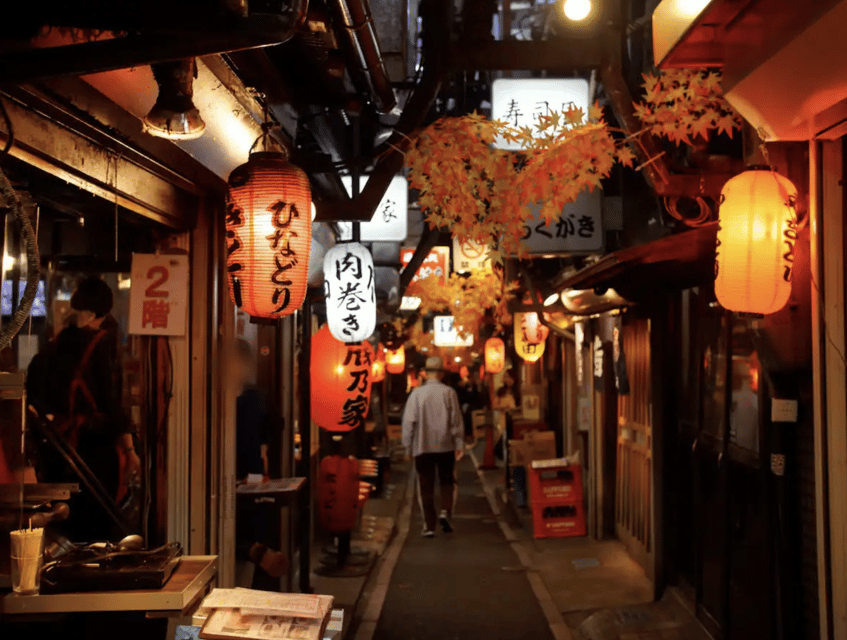
- Meeting at Omoide Yokocho’s red lanterns
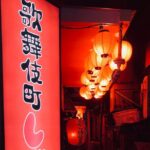
- Walking through Kabukicho after dark
- Golden Gai and the small-bar experience
- Izakayas, food, and Japanese drinking culture
- Karaoke gives the night a friendly finish
- Guides and group atmosphere
- What the $34 price really covers
- Who should book this Shinjuku night walk
- Should you book the Shinjuku izakaya tour?
- FAQ
- How long does the Shinjuku bar and izakaya tour last?
- Where does the tour meet?
- How early should I arrive?
- Is the tour conducted in English?
- Which Shinjuku areas does the tour visit?
- Are food and drinks included?
- Are venue admission fees included?
- Does the tour include karaoke?
- Can people under 20 join?
- Can I cancel for a full refund?
Key points to know before you book
- Omoide Yokocho begins the night: Start among narrow lanes, red lanterns, and compact izakayas near Shinjuku Station.
- Golden Gai is the main prize: A local guide may get you into small bars that do not accept casual walk-ins.
- Your guide shapes the evening: Nao, Naoya, Toshi, Kei, Yutaro, Shota, and others have received especially warm praise for their energy, English, and care with groups.
- Karaoke closes the tour: You finish by joining the locals in one of Japan’s favorite social pastimes.
- Your bill is not finished at checkout: Admission is included, but every drink and meal is your responsibility.
- Group size can vary: Some outings are small and intimate, while others have reached about 15 people.
Why Shinjuku nightlife works better with a local
Shinjuku can feel simple in daylight and wonderfully confusing after dark. The station spills into several different nightlife zones, each with its own mood, rules, and tiny businesses. You can walk past a bar without realizing it is there, or hesitate at the entrance because you do not know if visitors are welcome.
That is where this tour earns its keep. Your English-speaking guide handles the social guesswork, introduces the group, and leads you through places you might not choose on your own. The experience is less about checking off famous sights and more about understanding how an evening in Shinjuku fits together.
I especially like this for a first night in Tokyo. You get your bearings quickly, learn where Omoide Yokocho, Kabukicho, and Golden Gai sit in relation to one another, and leave with a better sense of where you might return later.
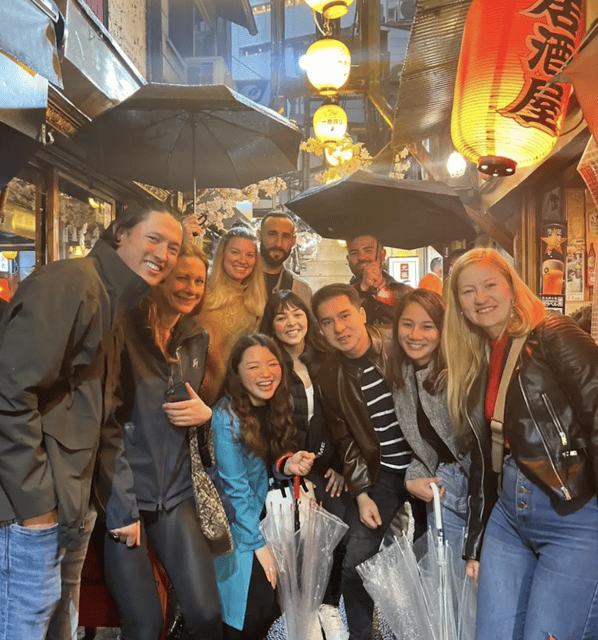
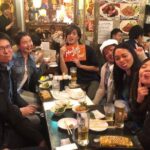
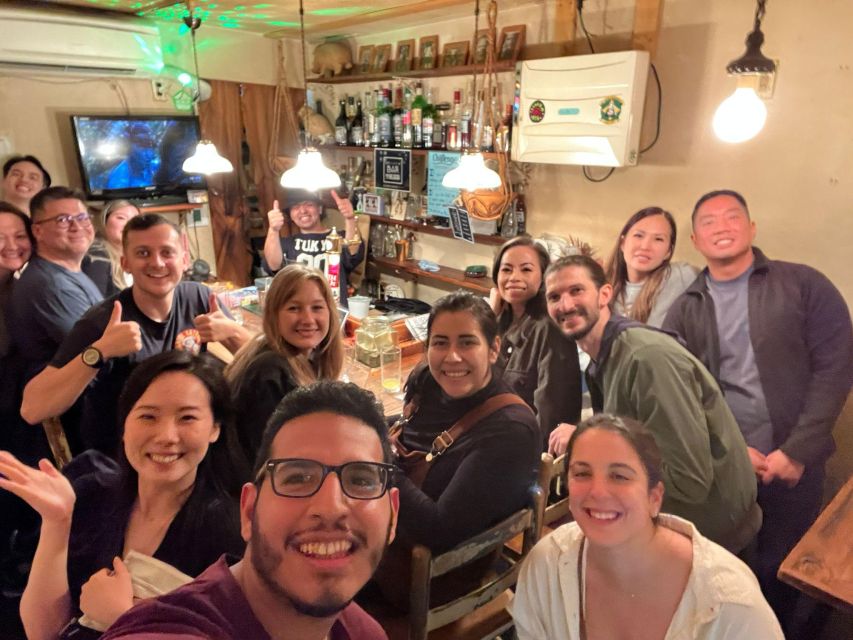
The social side matters just as much. Several guides, including Nao, Naoya, Toshi, Kei, and Shota, are praised for making solo visitors feel included. You will be sharing tables and drinks with people from different countries, so this can be a good choice if you want company without committing to a full-day group outing.
There is one important limit. The tour is designed around nightlife, not a quiet cultural walk. If you dislike smoky rooms, loud conversation, drinking, or singing, you may find the evening tiring. The atmosphere is friendly, but it is still a bar-hopping night.
A few more Tokyo tours and experiences worth a look
Meeting at Omoide Yokocho’s red lanterns
The meeting point is in front of Kitakata Ramen Bannai Omoide Yokocho. Arrive 10 minutes early, since the first stop is in a busy area and finding a guide among the crowds can take a moment. The guide will contact you through WhatsApp, so download it before the tour and keep your phone available.
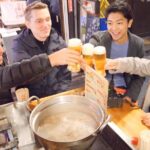
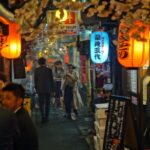
Omoide Yokocho is a compact maze of food stalls and small izakayas beside Shinjuku Station. Red lanterns, narrow passages, and closely packed counters give the area a very different feel from Tokyo’s giant department stores and bright station concourses.
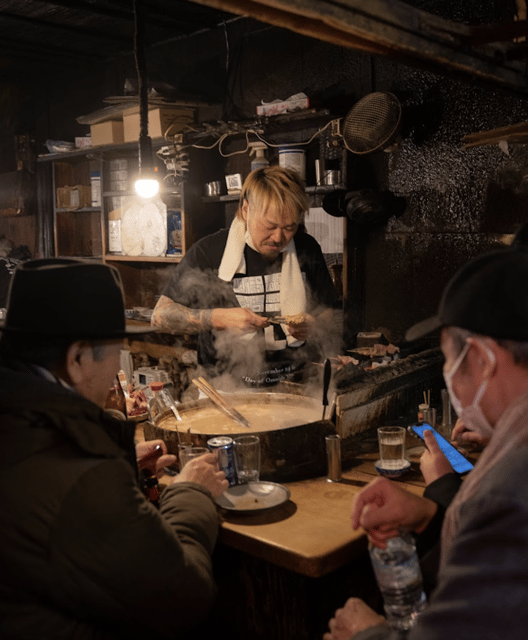
This is a useful first stop because it shows you the scale of a traditional neighborhood drinking district. You are not entering a grand restaurant with a polished lobby. You are stepping into a small place where food, drinks, and conversation share a limited amount of space.
The narrow setting can also be the first practical test of the evening. You may need to move carefully, wait while the group gathers, and accept that seating is more intimate than spacious. Keep your belongings close and wear shoes suitable for walking between venues.
Food and drinks are not included, so use the first stop to decide how much you want to spend. You can order according to your appetite and alcohol preference, but you need cash. The tour information specifically asks you to bring it.
Walking through Kabukicho after dark
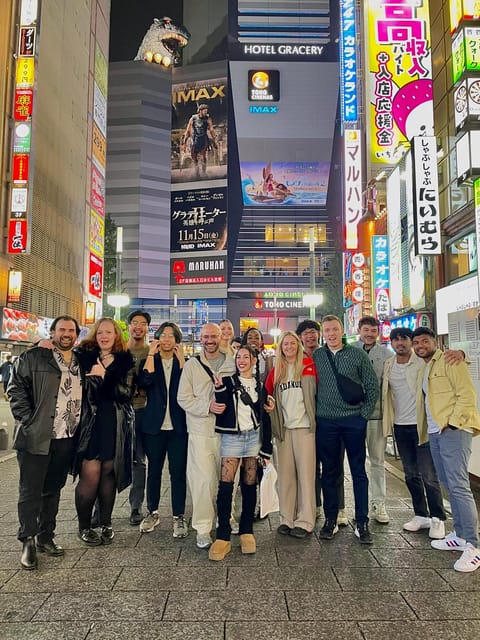
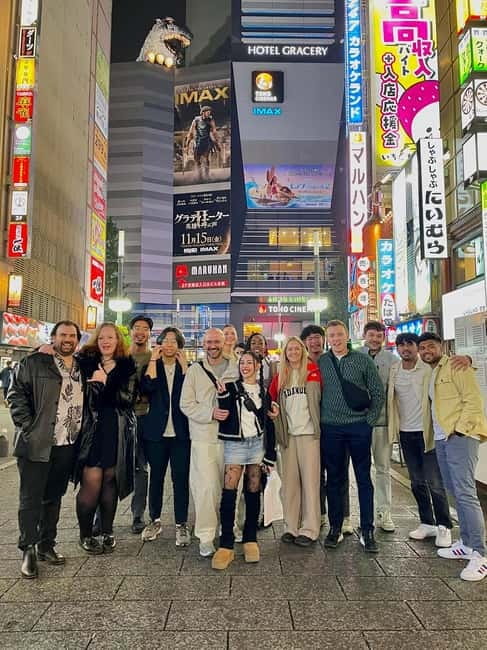
From Omoide Yokocho, the group heads toward Kabukicho, Japan’s largest entertainment district. This is the part of Shinjuku where neon signs, restaurants, bars, shops, and unusual characters fill the streets late into the evening.
Kabukicho can feel overwhelming if you are seeing it for the first time. A guide gives the area shape. Instead of wandering without a plan, you learn how the district changes from one block to the next and where the ordinary restaurants sit beside more specialized nightlife businesses.
The tour description promises interesting shops and memorable street scenes here, but the most useful part is the local explanation. Your guide can point out what you are seeing and help you move through the district with purpose.
Do not expect every stop to be fixed in advance. The usual route includes the named areas, but circumstances can prevent the group from entering a particular bar or izakaya. You can ask ahead about the planned venues for the day if that matters to you.
That flexibility is both a strength and a weakness. It allows the guide to respond to opening conditions and local availability. It also means you should book this for the style of evening, not for one guaranteed bar.
Golden Gai and the small-bar experience
Golden Gai is the tour’s most distinctive area. Its lanes hold hundreds of tiny bars packed into a small section of Shinjuku, with many venues occupying only a handful of seats. The setting feels personal and slightly mysterious, but it can also be intimidating if you do not know the local customs.
A guide with local connections may take you to bars that do not accept general customers. That access is a real benefit. You are not simply paying someone to point at Golden Gai from the street. You are gaining help with the first introduction, the entrance, and the transition from outsider to temporary customer.
You can try local beer, spirits, and Japanese sake. Some guides focus on sake in a way that adds useful context, and Toshi and Nao were singled out for explaining different types. If you have never ordered sake before, this takes away much of the uncertainty.
Keep your expectations sensible. The $34 tour fee does not include tastings or meals. You pay for what you order, so ask your guide about prices before ordering if you are keeping to a budget. A tiny bar may be excellent for atmosphere but not suited to a large appetite.
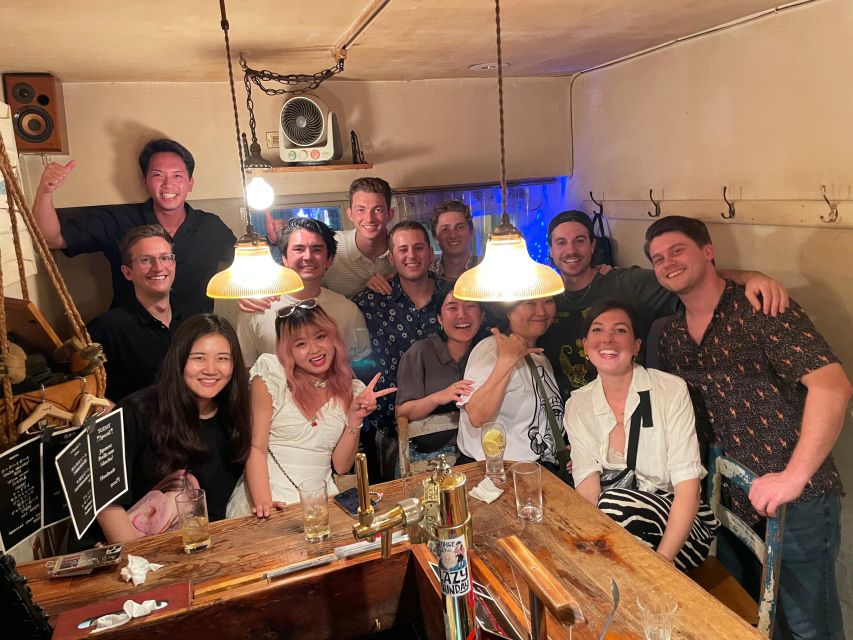
Golden Gai is also where group size matters most. A small group can fit into a compact bar more comfortably and makes conversation easier. Groups have sometimes reached around 15 people, and guides such as Kei have been praised for keeping everyone included even at that size. Still, a larger group can make a very small venue feel crowded.
Izakayas, food, and Japanese drinking culture
Izakaya are casual Japanese drinking establishments where food and drinks share the table. The appeal is not only the menu. It is the rhythm of ordering several small dishes, trying a drink, talking, and staying long enough for the evening to develop.
This tour gives you a practical look at that habit. Guides have taken groups to restaurants and izakayas for local food, sake, and drinks, with several people returning to a favorite place the next day. That possibility is one of the tour’s quiet advantages: you may leave with restaurant ideas rather than just photographs.
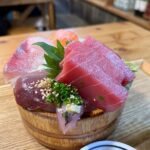
Because meals are extra, you control the cost and pace. You can order a full meal if you are hungry, or keep things light and sample a few items. The supplied details do not promise a fixed menu, so I would not book this expecting particular dishes.
You should also be ready for a different drinking pace from a standard sightseeing tour. The evening moves between venues, and each place may encourage a new order. If you are not drinking alcohol, ask what nonalcoholic options are available when you arrive. The tour specifically centers on beer, spirits, sake, and bar culture, so it is not built around a non-drinking program.
A few more Tokyo tours and experiences worth a look

Karaoke gives the night a friendly finish
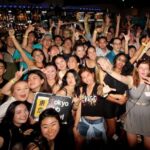
The final stop is a bar where you can join locals for karaoke. This is not a performance reserved for the best singer. In Japan, karaoke is often a group activity, and the point is participation rather than perfect pitch.
Several guides have been praised for their singing, including Naoya and Shota. One guide was even described as an especially good Japanese-song singer, so you may get a lively demonstration along with your own turn at the microphone.
Karaoke works well as the last stop because it changes the social mood. Earlier, you are learning how to enter unfamiliar places and order in a new setting. At the end, everyone has a shared activity, even if the only song you know is a pop standard from home.
The practical warning is obvious: if you strongly dislike singing in public, you may feel pressure to join. You can still enjoy the room and the company, but this tour suits people who are willing to be a little silly for an evening.
Guides and group atmosphere
The guide is the main variable in this experience, and the list of praised names is long. Nao is repeatedly described as warm, inclusive, and fun. Naoya receives credit for strong English, local knowledge, and high energy. Toshi is noted for careful group management, clear English, and good sake recommendations.
Kei has handled large, mixed groups while making individuals feel included. Yutaro is praised for his energy and understanding of Shinjuku, while Shota is remembered for friendliness and karaoke. Other guides named in the feedback include Yuna, Rika, Asato, Taro, Kento, Riku, Tomomi, and Alex.
That range tells you something useful. You are not booking around one single host, but the company appears to put real weight on personality and group care. If you have a particular guide in mind, there is no promise that person will lead your date, but you can ask about the guide or the day’s venues in advance.
The strongest pattern is the welcoming atmosphere. Solo visitors have been made to feel part of the group, and people arriving late have sometimes received help from the guide. That does not mean you should arrive late, but it suggests that communication is taken seriously.
Group size remains unpredictable. A small group may offer more direct conversation and easier access to tiny bars. A group of 10 to 15 can be more social and energetic, but you may get less one-on-one time with the guide.
What the $34 price really covers
At $34 per person, this is a modestly priced evening experience for central Tokyo. The fee includes the English-speaking guide, walking tour, admission at each venue, and photos taken during the tour.
The real value is the access and confidence. You could walk through Shinjuku by yourself for free, but you might not know which doors to try, how to enter a small bar, or how to avoid wasting time in places that do not suit you. You are paying for local introductions and a ready-made social evening.
The price does not cover food or drinks. This is the part to budget carefully. Your final cost depends on how much you eat, how many drinks you order, and how long you continue after the official three hours.
The tour lasts three hours, but one person described continuing late into the night after the scheduled portion. That is not part of the guaranteed itinerary, so treat any post-tour plans as optional. The official experience ends with the karaoke stop.
You can cancel up to 24 hours before the start for a full refund, and the reserve-now, pay-later option keeps your plans flexible. Starting times depend on availability. The tour is for people aged 20 and over.
Who should book this Shinjuku night walk
I would recommend it most strongly to:
- Solo visitors who want an easy way to meet people
- First-time Tokyo visitors who feel unsure about Shinjuku after dark
- Couples who want a social evening rather than a private dinner
- People curious about izakayas, sake, and Japanese bar customs
- Visitors who enjoy small venues and spontaneous conversation
- Anyone willing to finish the night with karaoke
I would think twice if you want a fixed restaurant menu, a quiet evening, or a carefully timed sightseeing route. The bars may change, drinks cost extra, and the group can be lively. This is a night of local atmosphere and social contact, not a polished tasting itinerary.
Wear comfortable shoes and bring cash. You will walk through several nightlife districts, and card acceptance may not be dependable in the small places you visit. Download WhatsApp, arrive early, and tell the guide if you have concerns about the evening’s venues.
Should you book the Shinjuku izakaya tour?
Book it if you want help getting past the obvious neon streets and into the small-scale drinking culture that makes Shinjuku special. The guide, rather than any single bar, is the heart of the experience. Nao, Naoya, Toshi, Kei, and several other hosts have a strong record of making people feel welcome, explaining local customs, and keeping the evening moving.
At $34, the tour offers good value for its guide service, venue admission, and social setting. Just add a separate food and drink budget, accept that the route can change, and be ready to sing. For a first night in Tokyo, especially on your own, this is a practical and cheerful way to get oriented.
FAQ
How long does the Shinjuku bar and izakaya tour last?
The tour lasts three hours.
Where does the tour meet?
Meet the guide in front of Kitakata Ramen Bannai Omoide Yokocho.
How early should I arrive?
You should arrive at the meeting point 10 minutes before the tour starts.
Is the tour conducted in English?
Yes. The tour includes a live English-speaking guide.
Which Shinjuku areas does the tour visit?
The usual route includes Omoide Yokocho, Kabukicho, and Golden Gai.
Are food and drinks included?
No. You pay separately for all food and drinks, and you should bring cash.
Are venue admission fees included?
Yes. Admission fees for each venue are included in the tour price.
Does the tour include karaoke?
The tour usually finishes at a bar where you can join the locals for karaoke.
Can people under 20 join?
No. The activity is not suitable for anyone under 20.
Can I cancel for a full refund?
Yes. You can cancel up to 24 hours before the tour for a full refund.
More Walking Tours in Tokyo

More Bar Hopping & Izakaya Tours in Tokyo
More Shinjuku Tours in Tokyo


More tours in Tokyo we've reviewed




Shinjuku Tours, compared.
 ★ 5.0Tokyo: Shinjuku Food Tour (13 Dishes at 4 Local Eateries)From $86
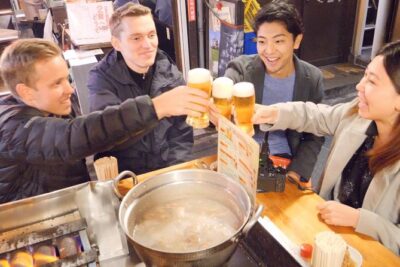 ★ 5.0Tokyo Bar Hopping Tour in Shinjuku (All-You-Can-Drink + Dinner)From $106
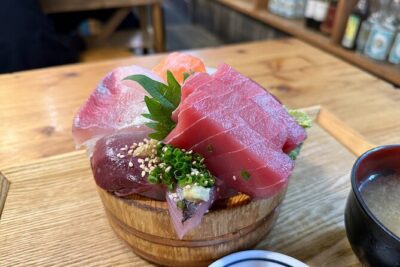 ★ 4.9Tokyo: Shinjuku Food Tour (15 Dishes and 4 Eateries)From $853 hours
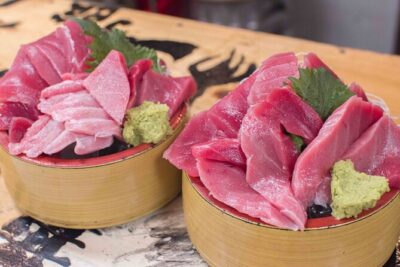 ★ 5.0Best of Shinjuku: Izakaya Food Tour (4 Stops, 14+ Tastings)From $92
 ★ 5.0Tokyo Shinjuku Chopsticks Making ClassFrom $20
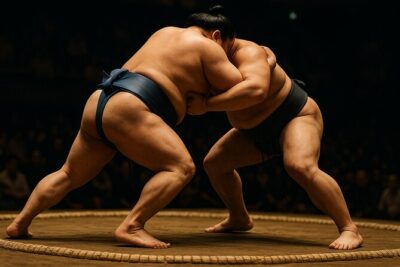 ★ 5.0Tokyo Shinjuku Sumo Show & Experience with PhotoFrom $79