
Reviewed · SUMO EXPERIENCES
the SUMO show
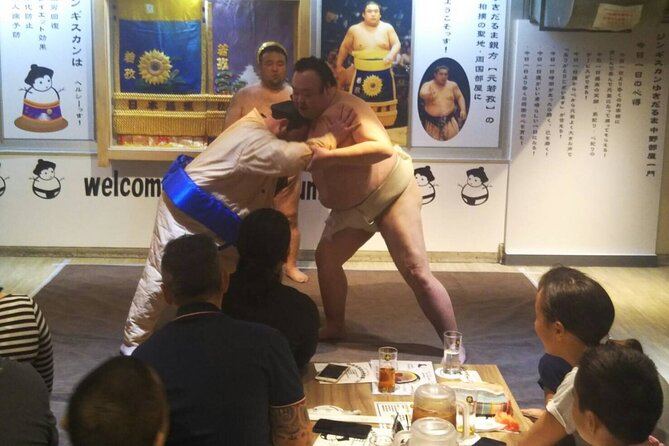
Sumo gets much more interesting when the wrestlers step off the dohyo and explain what they are doing. At this 90-minute Tokyo experience, retired professionals teach the basic rules, demonstrate training exercises and techniques, then invite willing visitors to challenge them in a friendly bout.
I like the small-audience feel reported for many sessions, since it gives you a clear view and more chances to interact. I also like that the meal is part of the experience: tonkatsu and chanko soup make this more than a quick stage show.
The main point to consider is price. At $89.54 per person, this is not a cheap lunch, and the program gives you an entertaining introduction rather than a serious study of professional sumo. Seating can also be less ideal for some tables, especially when the room is full.
In This Review
- Key points before you book
- Meeting sumo in Sumida at 1:00 pm
- Learning the rules before the action
- Watching retired wrestlers spar
- Taking your turn in the dohyo
- Tonkatsu, chanko soup, and the meal break
- Photos, costumes, and family appeal
- How much value do you get for $89.54?
- Timing, transport, and booking details
- Who should book the Sumo Show?
- FAQ
- Where does the Sumo Show take place?
- What time does the experience start?
- How long does the Sumo Show last?
- Is food included in the price?
- Can I participate in a sumo bout?
- Can I request a special meal?
- What is the cancellation policy?
Key points before you book
- Retired wrestlers lead the action: You learn directly from former professionals, not just from a guide reading facts.
- The ring is open to you: You may put on a sumo costume and test your technique against a wrestler.
- Tonkatsu and chanko soup are included: Drinks cost extra, and dietary requests must be sent at least five days before the date.
- The program runs 1.5 hours: The 1:00 pm start takes place at Yokozuna Tonkatsu in Sumida City.
- It suits families well: Children and adults can watch, ask questions, pose for photos, or join the bout.
- Expect a shared, lively setting: The maximum group size is 60, and some tables may be shared or farther from the dohyo.
Meeting sumo in Sumida at 1:00 pm
You make your own way to Yokozuna Tonkatsu, at 3-chōme-1-11 Tatekawa in Tokyo’s Sumida City. The venue is near public transportation, and the activity begins at 1:00 pm before ending at the same address.
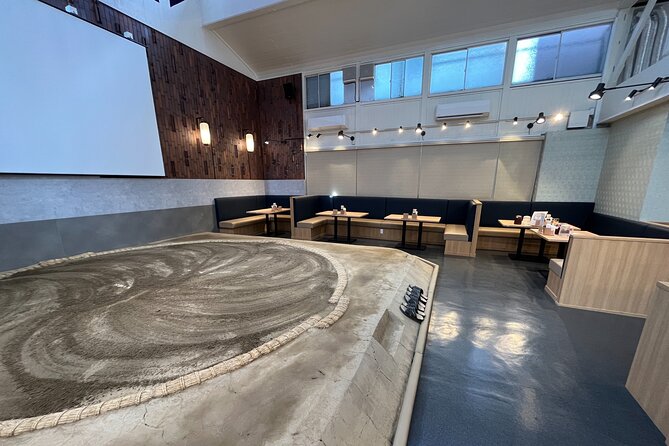
That location matters because Sumida is closely linked with sumo culture, even though this is not a tournament inside a major arena. You are visiting a dedicated restaurant and show venue, where the meal and performance share the same space. It feels more direct than sitting high in a stadium and trying to understand the action from a distance.
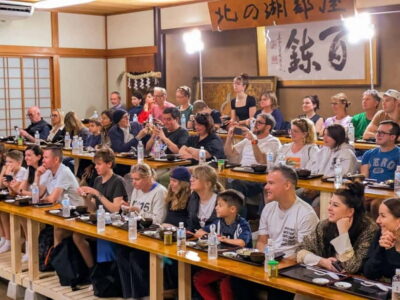
The room can hold up to 60 people. That is a useful number to keep in mind. Some sessions may feel intimate, with everyone enjoying a clear view, while a fuller room can mean that certain tables sit farther from the dohyo. You may need to stand at times to see a demonstration better.
Seating is assigned according to the order in which reservations are received. Arriving early does not guarantee a better seat, so do not build your day around rushing to the door. The sensible plan is to arrive with enough time to find the venue and settle in, but not to expect an early arrival to change your table.
You may also share a table with another group. That helps more people take part, but it means this is not a private family performance. Large parties may not all fit at one table.
A few more Tokyo tours and experiences worth a look
Learning the rules before the action
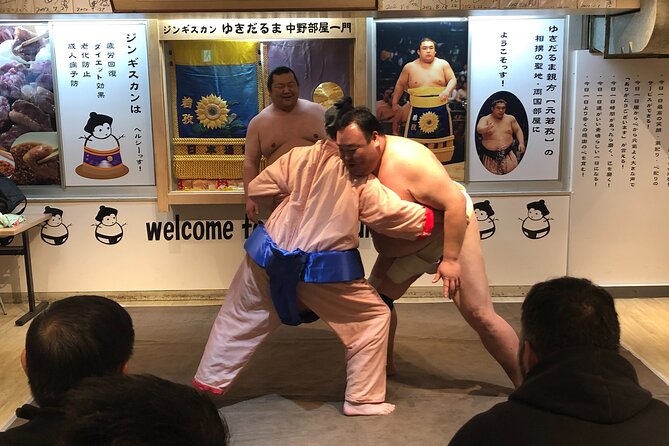
The show begins with an explanation of sumo history, rules, and basic techniques. This introduction is important because sumo can look simple at first glance: two wrestlers face one another, push, pull, and try to force the other outside the ring. The actual rules and rituals are less obvious.
The retired wrestlers demonstrate several moves and explain how the sport works. You will see training rituals and exercises before the audience is asked to take part. That order makes sense. You get enough information to understand what you are watching, then you can decide how brave you feel when participation begins.
Do not book this expecting a lengthy academic lesson. The program gives you a clear, entertaining overview, not a full course in sumo history or professional rankings. That is a fair trade for families and first-time visitors, especially if you want facts delivered with humor and movement rather than a long lecture.
The explanations also help you notice details that might otherwise pass by. Sumo includes strict rules, physical preparation, and established rituals. Seeing a former wrestler demonstrate a move in front of you makes those ideas easier to remember than reading them from a guidebook.
One practical tip is to stay alert during the video or explanation portions. A few people have found it hard to hear the host while video sound was playing. If you want every detail, sit where you can hear clearly and do not be shy about asking the staff to repeat something.
Watching retired wrestlers spar
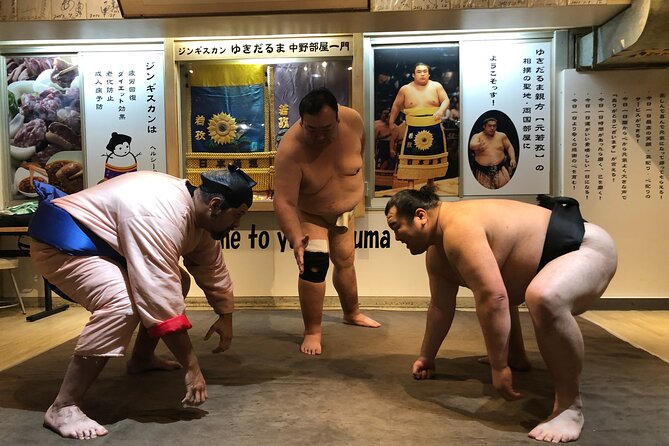
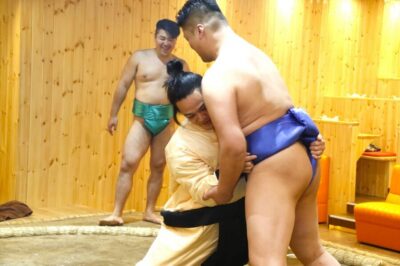
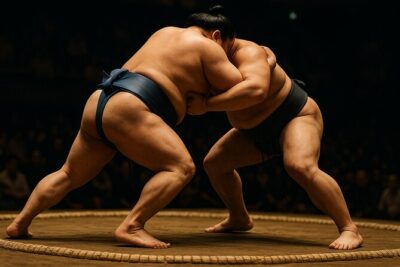
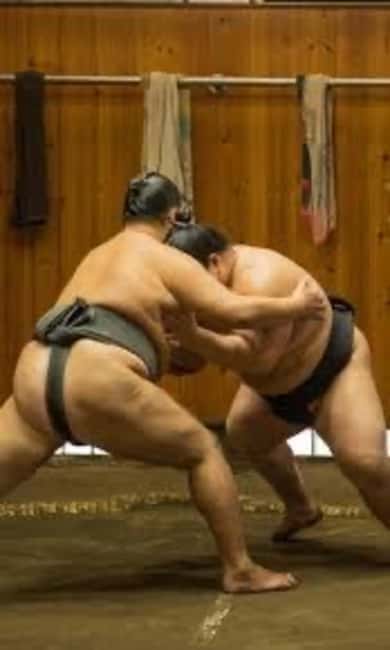
The live demonstration is the heart of the event. You see retired wrestlers spar and perform techniques at close range, with the host explaining what is happening. The tone is light and funny, but the physical skill remains clear.
This is not a professional tournament match. The value is the access. You can watch the wrestlers interact with one another, see how they use balance and leverage, and then ask questions in a relaxed setting. The performers also spend time with each table and help with photos, so the event does not feel like a show that ends once the demonstration is over.
The humor is a major part of the appeal. The wrestlers are described as friendly and willing to play along, and the host keeps the pace moving. That helps younger children stay interested, while adults get a cultural lesson without a stiff presentation.
The performance also works well for mixed groups. A person who already follows sumo can enjoy seeing retired wrestlers explain familiar skills. Someone who knows almost nothing can still follow the basic contest and laugh at the audience participation.
Taking your turn in the dohyo
The most memorable part for many people is the chance to challenge a retired wrestler. Participation is optional, so you can watch from your seat if you prefer. If you step forward, you put on a traditional sumo costume and enter the ring for a friendly skirmish.
Keep your expectations sensible. This is not a fair contest of strength, and the point is not to defeat a professional. The wrestlers use the moment to entertain, show technique, and let you feel the size and energy of the sport at close range. One useful lesson is that clever movement matters more than trying to push straight ahead.
Children often get a lot from this part because it turns an unfamiliar sport into something they can touch and try. Adults can join too, though you should follow the staff’s instructions and use good judgment. The organizers can ask anyone causing trouble to leave without a refund.
Participation makes the experience more personal, but it is not required for good value. If you have a bad knee, dislike being the center of attention, or simply want to watch, you can still enjoy the demonstrations, meal, explanations, and photos.
Tonkatsu, chanko soup, and the meal break
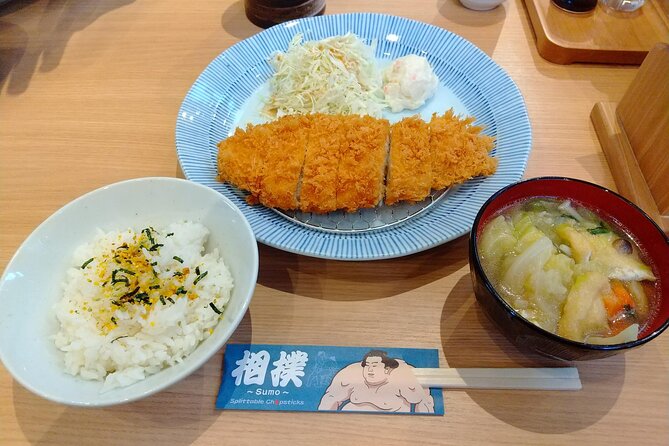
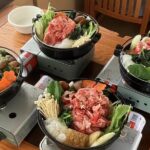
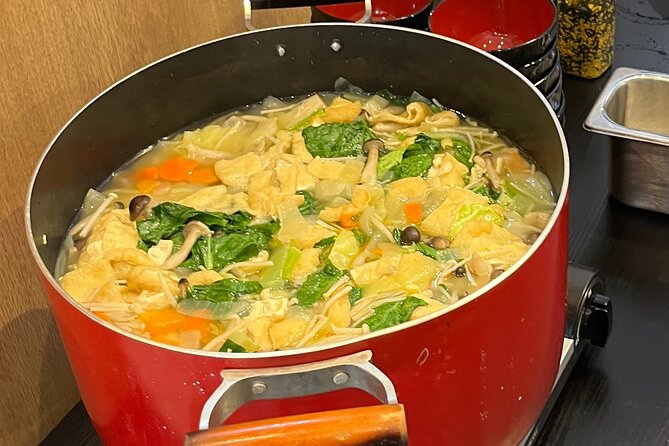
The included meal is tonkatsu with chanko soup. Tonkatsu is breaded pork cutlet, while chanko nabe is the hearty hot-pot style soup traditionally linked with sumo wrestlers. The combination gives you a taste of the food culture connected with the sport rather than a token snack served between acts.
The tonkatsu receives especially strong praise for flavor, and the chanko soup is a favorite for some diners. One useful warning is portion size. A few people found the meal lighter than expected, especially at dinner, while others thought the food was better than anticipated. If you arrive very hungry, you may not find this as filling as a full restaurant meal.
The soup may be the highlight for you. Some diners wished they could order a larger bowl of chanko instead of the tonkatsu, which tells you where the meal’s appeal can lie. The food is prepared by the wrestlers, adding a personal connection to the menu.
Drinks are not included. Dietary restrictions and allergies should be written in the special notes when you reserve. Requests made less than five days before the event may not be accommodated, so leave this until the last minute at your own risk.
The meal also gives you time to talk with the people at your table and ask more questions. It is not just a pause in the show. The food, conversation, and photos help turn the program into a social cultural activity.
A few more Tokyo tours and experiences worth a look


Photos, costumes, and family appeal
There is time for photographs with the wrestlers, including pictures of you wearing a traditional sumo costume. This is a simple feature, but it is valuable for families and anyone who wants a clear memory of the experience.
The photo opportunity also takes pressure off the wrestling portion. You can participate without having to wrestle. A child may prefer the costume and picture, while a parent may want to try the ring. The program allows you to choose how active you want to be.
Families are particularly well matched to this activity. Children around school age can follow the demonstrations, learn a few rules, and enjoy the comic side of the event. The friendly atmosphere can also work well for a child with additional needs, provided the child is comfortable with the group setting and staff instructions.
The show has been described as well organized, with staff members visiting tables and helping with pictures. That table-by-table attention matters in a room that can hold 60 people. It gives you at least some direct contact rather than leaving you as a face in the crowd.
How much value do you get for $89.54?
At $89.54 per person, the cost covers three things: a live sumo demonstration, direct contact with retired wrestlers, and a tonkatsu and chanko soup meal. You are also paying for the chance to join the action and take photos in costume.
I think the price makes the most sense if you value interaction. A short demonstration alone would feel expensive, but the retired wrestlers explain the sport, visit the audience, pose for pictures, and invite you into the ring. The meal adds practical value, though drinks are extra and portion sizes may not satisfy everyone.
The price is harder to justify if you only want to watch sumo. For that purpose, a tournament ticket or a visit connected with a training stable may better match your interests, though those options involve different schedules and access. This show is designed for a visitor who wants an easy, packaged introduction.
The 4.9 rating from 1,960 reviews and 98 percent recommendation figure suggest that the format works for most people. Still, one poor-value complaint and the comments about seating and food quantity are worth taking seriously. Strong ratings do not erase the fact that the experience is short, shared, and priced for a special activity.
Timing, transport, and booking details
The activity lasts about 1 hour and 30 minutes, with a 1:00 pm start. Since it ends at the meeting point, you can plan another Sumida activity afterward without arranging a second pickup.
The exact meeting details are provided after booking, and confirmation arrives within 48 hours when space is available. The program is near public transportation, but you still need to make your own way to the venue.
The standard maximum is 60 people. The room may feel smaller than that in practice, but you should not assume a private or tiny class. If you are booking a large family or friend group, ask yourself if everyone is comfortable sharing tables and possibly sitting apart.
Free cancellation is available up to 24 hours before the local start time for a full refund. Cancellations or changes made within 24 hours are not accepted, and date changes within three days are also not allowed according to the booking conditions. Flight delays, illness, and similar problems are treated as cancellations, so this is best booked once your plans are firm.
Who should book the Sumo Show?
I would choose this for a first visit to Tokyo when you want culture that is lively, physical, and easy to follow. It is especially good for families, couples, and groups with different interests because you can watch, eat, ask questions, take pictures, or wrestle.
You will get the most from it if you take part. Ask questions, volunteer for the costume or bout, and pay attention to the explanations. The event is designed to reward curiosity, not silent observation.
I would be more cautious if you expect an authentic professional tournament, a long historical lecture, or a large meal. You may also want another option if you dislike shared seating or need guaranteed special dietary arrangements made at short notice.
For most people, this is a fun way to understand why sumo is more than two large athletes pushing each other. The combination of retired wrestlers, clear demonstrations, audience participation, photos, and Japanese food gives you a memorable hour and a half. Book it if you want a friendly introduction with plenty of laughs. Skip it only if the price, shared setting, or short format does not match what you want from sumo.
FAQ
Where does the Sumo Show take place?
It begins and ends at Yokozuna Tonkatsu, 3-chōme-1-11 Tatekawa, Sumida City, Tokyo 130-0023, Japan.
What time does the experience start?
The scheduled start time is 1:00 pm.
How long does the Sumo Show last?
The demonstration and meal program lasts about 1 hour and 30 minutes.
Is food included in the price?
Yes. Tonkatsu and chanko soup are included. Drinks are not included.
Can I participate in a sumo bout?
Yes. If you feel comfortable, you may challenge a retired wrestler in a friendly bout. Participation is optional.
Can I request a special meal?
You should list allergies or dietary restrictions in the special notes when booking. Requests made less than five days before the event may not be accommodated.
What is the cancellation policy?
You can cancel up to 24 hours before the local start time for a full refund. Cancellations or changes made less than 24 hours before the start are not accepted.
More Shows & Entertainment in Tokyo
More Shows & Performances in Tokyo
More Sumo Experiences in Tokyo
More tours in Tokyo we've reviewed




Sumo Experiences, compared.
 ★ 4.8Tokyo: Sumo Show Experience with Chicken Hot Pot and a PhotoFrom $1032 hours
 ★ 4.8Tokyo: Sumo Show and Dining ExperienceFrom $7990 minutes - 2 hours
 ★ 5.0Tokyo Shinjuku Sumo Show & Experience with PhotoFrom $79
 ★ 4.8Tokyo: Sumo Show and Experience in ShinjukuFrom $691h 30m
 ★ 4.6Tokyo: Sumo Tournament Tour with Chair Seat TicketsFrom $141
 ★ 5.0Authentic Sumo Experience in Tokyo: Enter the SanctuaryFrom $171