

Reviewed · MT FUJI DAY TRIPS
Tokyo:Cherry Blossom Mt Fuji & Shibazakura Festival Day Trip
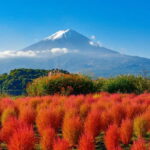
The main reason to book this day trip is the Fuji Shibazakura Festival, where about 800,000 moss phlox flowers cover the grounds near Lake Motosuko from mid-April to late May. With snow-capped Mt Fuji behind them, the flowers create the kind of picture that is hard to arrange on your own.
I like that the price includes the festival admission, highway tolls, parking, and round-trip transport. I also like the mix of grand views and small local stops, from lakeside Oishi Park to the clear ponds of Oshino Hakkai. The main caution is that the booking information contains conflicting itinerary details, and one very poor review raises concerns about driving and guide quality, so I would confirm the exact route and guide arrangements before paying.
In This Review
- Key points to know before booking
- A flower-filled view of Mt Fuji at Lake Motosuko
- Oishi Park gives you Fuji across the water
- Two quick stops built for photographs
- Oshino Hakkai adds a quieter rural stop
- What the 10-hour schedule feels like
- Pickup, meeting point, and communication
- Guide service and a serious quality warning
- The price and what it covers
- A note about the conflicting itinerary details
- Who will enjoy this day trip?
- Should you book it?
- FAQ
- When does the Shibazakura Festival take place?
- Is the Shibazakura Festival entrance fee included?
- Where does the tour meet in Tokyo?
- Can I get picked up from my hotel?
- What languages are available?
- What is not included in the price?
Key points to know before booking
- The seasonal highlight is Lake Motosuko: Two hours are set aside for the Shibazakura Festival, with entry included.
- You get several Mt Fuji photo angles: Oishi Park, Lawson Kawaguchiko, and Hikawa Clock Shop each offer a different view.
- The day is long but efficient: Expect roughly 10 hours, with departure between 7:30 and 8:30 in the morning and a return around 6pm.
- Pickup has limits: Hotel pickup is available in 12 central Tokyo wards, or you can meet at Tokyo Station Marunouchi North Exit.
- The itinerary needs checking: The detailed route describes Fuji-area stops, while another itinerary section lists Ueno Park, Akihabara, Asakusa, and Tokyo Skytree.
- Transport quality matters: One verified review praised the driver’s honesty but strongly criticized the guide service and driving, so communication before departure is important.
A flower-filled view of Mt Fuji at Lake Motosuko
The Shibazakura Festival is the heart of this trip. It runs from mid-April through late May, when moss phlox flowers spread across the grounds near Lake Motosuko. The flowers are called shibazakura because they grow low to the ground and resemble a pink lawn, rather than the tree blossoms most people associate with cherry season.
The tour allows 120 minutes at the festival. That is enough time to walk through the flower fields, find photo angles, and stop at the food stalls. Lunch is not included, but you have free time to buy festival food at your own cost.
Mt Fuji is the star of the view, yet the timing is not a guarantee of clear weather. Clouds can cover the summit, especially around the mountain, and the tour itself notes that the famous photo stops depend heavily on conditions. You should book this for the chance to see Fuji, not as a promise that the peak will be visible in every picture.
I think the two-hour stop is well judged. A short visit would feel rushed, while a much longer stay could make the rest of the day drag. The tradeoff is that this is a popular seasonal event, so the grounds may feel busy during the peak bloom period. Traffic can also affect the departure time and the order of stops.
A few more Tokyo tours and experiences worth a look
Oishi Park gives you Fuji across the water
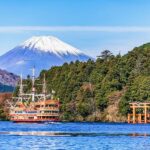
After the flower festival, the van heads to Oishi Park on Lake Kawaguchiko. The park is known for its broad view across the lake toward Mt Fuji, with flower beds and walking paths in the foreground.
This stop lasts 50 minutes, giving you time for a stroll and photos without turning the visit into a long hike. The flowers change by season. Lavender is associated with summer, while cosmos appear in autumn, but the spring Shibazakura Festival remains the main reason to choose this particular trip.
Oishi Park is useful because it gives you a different composition from the festival grounds. At Motosuko, the flowers fill the foreground. At Oishi Park, the lake helps frame the mountain. If Fuji is hidden, you still have a pleasant lakeside walk, though the stop will be less memorable without the view.
The schedule is fairly tight, so I would not expect a slow, unstructured park visit. Bring your camera, keep an eye on the time, and avoid wandering far from the meeting area.
Two quick stops built for photographs
The next stops are Lawson Kawaguchiko Station and Hikawa Clock Shop, with about 20 minutes at each. These are not extended cultural visits. They are short, highly specific photo opportunities.
The Lawson convenience store is famous because its blue-and-white sign can frame Mt Fuji in a distinctly Japanese street scene. The image works because a familiar convenience store sits below the mountain, mixing everyday life with one of Japan’s most recognizable sights.
Hikawa Clock Shop offers a different view. The narrow street is often called Ladder Town because the road appears to rise toward the mountain. From the right angle, the street leads the eye directly toward Mt Fuji, with ordinary buildings and local life on both sides.
These stops are appealing if you want recognizable Japan photos that differ from standard temple and garden pictures. They also have limits. Twenty minutes is enough for a look and a few photos, but not for lingering, shopping, or a detailed neighborhood walk.
The weather warning matters most here. If clouds cover Fuji, the Lawson sign and Hikawa street remain interesting places to see, but the signature image may not work. Do not judge the entire day only by these two snapshots.
Oshino Hakkai adds a quieter rural stop

The final scenic stop is Oshino Hakkai, where eight clear ponds are fed by water from melted Mt Fuji snow. The ponds are set in a traditional village environment, with koi, small paths, and spring water that you can taste.
The visit lasts 40 minutes, so you will get a quick look rather than a full exploration. Still, Oshino Hakkai gives the day a useful change of pace. After flower fields, a lakeside park, and crowded photo points, the ponds offer a calmer setting and a closer look at the mountain’s water system.
The stop is especially worthwhile if you enjoy small-scale natural sights. You are not simply looking at Mt Fuji from a distance. You are seeing how snowmelt from the mountain appears in clear springs and ponds below it.
Because time is limited, stay aware of the departure point. The tour does not include meals here, and personal purchases are your responsibility.
What the 10-hour schedule feels like

The day begins between 7:30 and 8:30am, depending on your pickup location. The driver-guide sets the pickup sequence to make the route efficient, so you should not assume that every hotel pickup begins at the same time.
Return to Tokyo is planned for around 6pm. That makes this a full day, with a large share of the time spent in the van. The Fuji region is far enough from central Tokyo that traffic can change the rhythm of the day, particularly during the spring flower season.
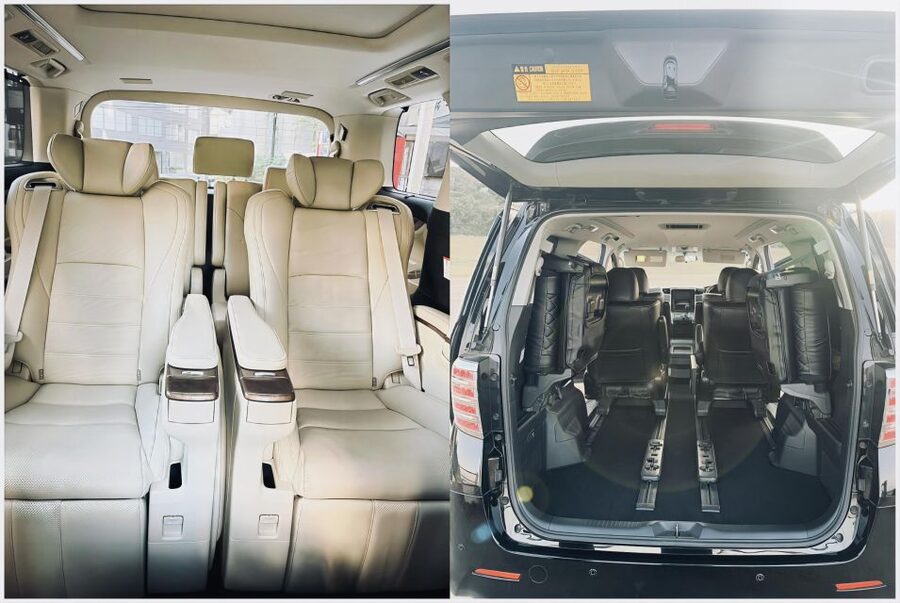
The transport is described as a comfortable van, and the group is presented as a small group. No exact group size is provided, so I would not book this expecting the intimacy of a private tour. The benefit is convenience: you avoid changing trains and buses, and highway tolls, parking, and vehicle expenses are covered.
The drawback is reduced flexibility. You cannot decide to stay longer at Oishi Park or skip a crowded photo stop. This is a sightseeing circuit designed to fit several famous places into one day.
Large luggage is discouraged because storage space is limited. Bring a small day bag with water, weather protection, and room for anything you buy at the festival.
A few more Tokyo tours and experiences worth a look



Pickup, meeting point, and communication
You can request hotel pickup from one of 12 central Tokyo wards. The operator will confirm your hotel name and address, since hotels outside the service area may not qualify. If your hotel is outside the pickup zone, you may still be able to join at Tokyo Station, with a partial refund mentioned for that change.
The stated meeting point is Tokyo Station Marunouchi North Exit, at 1-chōme-9-1 Marunouchi, Chiyoda City. The guide is expected to send a photo of the exact gathering location through WhatsApp.
Install WhatsApp before the day of the tour. The guide is expected to contact you the night before, and this is the main way to receive final meeting instructions. The vehicle leaves on time with no exception. If you arrive late or go to the wrong location, a refund may not be available even if you contacted the operator beforehand.
That policy is strict, but the practical lesson is simple: arrive early. Tokyo Station is large, and finding the correct exit can take longer than expected if you are carrying bags or unfamiliar with the station.
Guide service and a serious quality warning

English, Japanese, and Chinese driver-guides are offered. No individual guide names are supplied, so you cannot request a particular person from the information available.
One verified review gave the driver credit for being honest but described the guide’s English as weak, said the person did not function as a guide, and raised a serious concern about unsafe driving. The review gave the experience two out of five and said the customer canceled another booking with the same company.
That is only one detailed review, and the overall score shown is 4.4 from three reviews, so the sample is very small. Still, a complaint about driving safety should not be brushed aside. I would ask the operator before departure who will drive, what language support will be available, and how to report a safety concern during the trip.
The driver-guide format can work well for a scenic day trip, especially when the main value is transport between viewpoints. It may not suit you if you want long explanations about Japanese history, botany, or local culture at every stop.
The price and what it covers
At $77 per person, this is priced as a low-cost day trip rather than a private Fuji excursion. The fare includes round-trip transportation from designated Tokyo areas, the driver-guide, the Shibazakura Festival entrance fee, highway tolls, parking, and vehicle costs.
That package has real value. The festival ticket is already handled, and you do not need to work out the transport connections to Lake Motosuko, Kawaguchiko, or Oshino Hakkai. For a first visit to Tokyo, that convenience can be worth a great deal.
You still need to budget for food, drinks, and personal purchases. Festival food is available during the free time, but no meal is included. The tour also does not promise a private vehicle or a fully narrated sightseeing experience.
I would compare this price with the cost of arranging several regional train and bus connections, but I would not compare it with a private guide. The best value comes when you want many Fuji-area stops in one day and are comfortable following a fixed schedule.
A note about the conflicting itinerary details
There is an important problem in the supplied tour information. The detailed schedule describes a Fuji-area route: Lake Motosuko, Oishi Park, Lawson Kawaguchiko, Hikawa Clock Shop, and Oshino Hakkai.
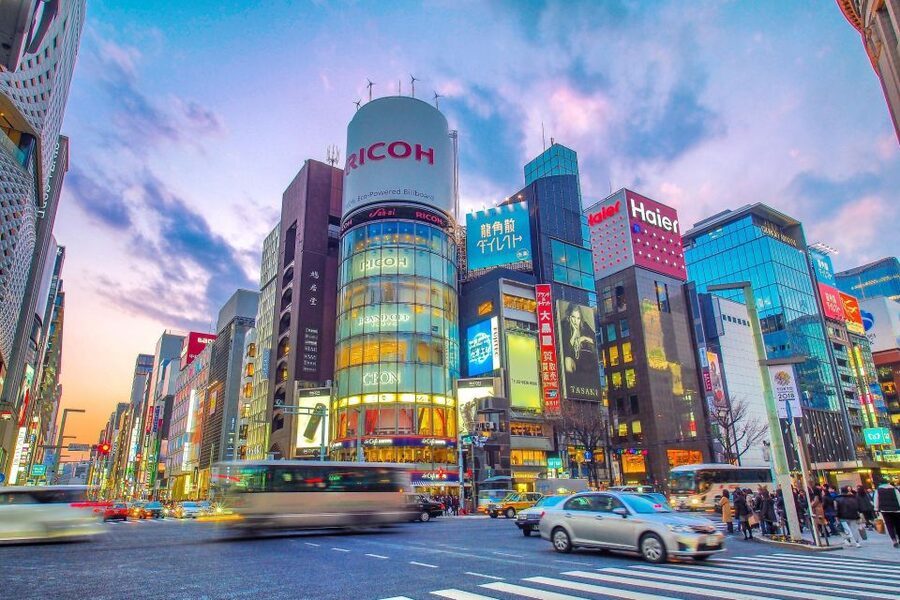
Another itinerary section lists Ueno Park, Akihabara, Asakusa Shrine, and Tokyo Skytree Town, with two hours at Ueno, two hours at Akihabara, one hour at Asakusa, and one hour at Skytree. Those stops are in Tokyo and do not match the Fuji route described elsewhere.
This is too large a difference to ignore. Before booking, confirm in writing that you are reserving the Mt Fuji and Shibazakura tour, not a Tokyo city tour or a page with mixed itinerary data. Also confirm the pickup location, total stops, and whether the festival is operating on your chosen date.
Who will enjoy this day trip?
I would recommend it to you if you have limited time in Tokyo, want a chance to see Mt Fuji, and prefer a van over public transport. It is also a good fit if the Shibazakura Festival is your main goal and you want several extra photo stops included.
Families may appreciate the simple transport arrangement, and children under three can join free without occupying a seat. The activity is listed as wheelchair accessible, but you should still confirm how the vehicle and each stop handle your specific needs.
This is less suitable if you dislike early starts, long road journeys, fixed schedules, or weather-dependent sightseeing. It is also listed as not suitable for people over 70, which is unusual but should be taken seriously when assessing comfort and pace.
The experience does not include a hot spring visit, despite general information about Japanese bathing customs appearing in the booking details. Do not expect an onsen stop unless the operator confirms a change.
Should you book it?
Book this tour if you want the spring flower display at Lake Motosuko and value having transport, tolls, parking, and admission bundled into one modest price. The route offers a strong range of Fuji views, from flower fields and lakeside scenery to street-level photographs and mountain-fed ponds.
I would not book without first confirming the correct itinerary and asking a direct question about the driver-guide. The single detailed review contains a serious safety complaint, while the small review sample gives you little evidence to judge consistency.
If the operator confirms the Fuji route, the vehicle, the meeting point, and the guide language, this can be a practical way to fit the mountain and festival into one long day from Tokyo. If those answers remain unclear, choose a tour with a clearer schedule and stronger guide information.
FAQ
When does the Shibazakura Festival take place?
The festival runs from mid-April to late May. The exact flower condition depends on the season and date of your visit.
Is the Shibazakura Festival entrance fee included?
Yes. Entry to the Fuji Shibazakura Festival grounds at Lake Motosuko is included.
Where does the tour meet in Tokyo?
The stated meeting point is Tokyo Station Marunouchi North Exit, at 1-chōme-9-1 Marunouchi, Chiyoda City, Tokyo. The guide is expected to send a photo of the exact gathering location through WhatsApp.
Can I get picked up from my hotel?
Pickup is available from hotels in 12 designated central Tokyo wards. The operator will confirm your hotel name and address. If your hotel is outside the area, you may be able to meet at Tokyo Station instead.
What languages are available?
The driver-guide service is offered in English, Japanese, and Chinese.
What is not included in the price?
Meals, drinks, personal expenses, and items not specifically listed as included are not covered. Lunch is available at the festival food stalls during free time, at your own expense.
More 1-Day Tours in Tokyo
More Mt Fuji Day Trips in Tokyo
More tours in Tokyo we've reviewed


Mt Fuji Day Trips, compared.
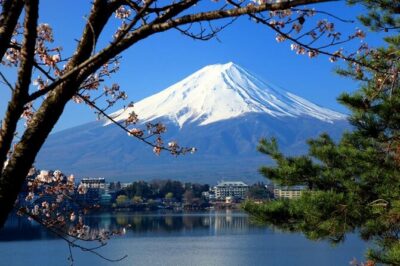 ★ 5.0Mt Fuji and Hakone 1-Day Bus Tour Return by Bullet TrainFrom $163
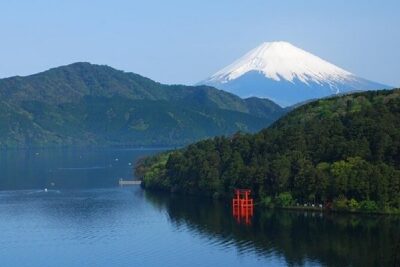 ★ 4.0Mt Fuji & Hakone Cruise, Drum Show Bullet Train 1 Day from TokyoFrom $149
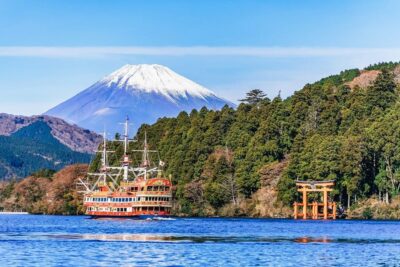 ★ 4.4Tokyo Mt Fuji 5th St & Hakone Cruise Bus Tour w/Bullet TrainFrom $15410 hours
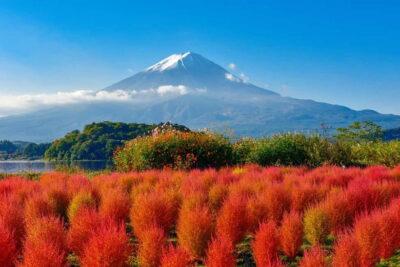 ★ 4.5From Tokyo: Mount Fuji Full-Day Sightseeing TripFrom $6810 hours
 ★ 4.7Tokyo: Mt. Fuji Tour, Hakone Ropeway, Owakudani, Lake AshiFrom $5410 hours
 ★ 4.4Tokyo:Mt.Fuji,Kawaguchiko Oishi Park,Arakurayama Sengen ParkFrom $5410 hours