
Reviewed · SUMO EXPERIENCES
Tokyo: Sumo Show Experience with Chicken Hot Pot and a Photo
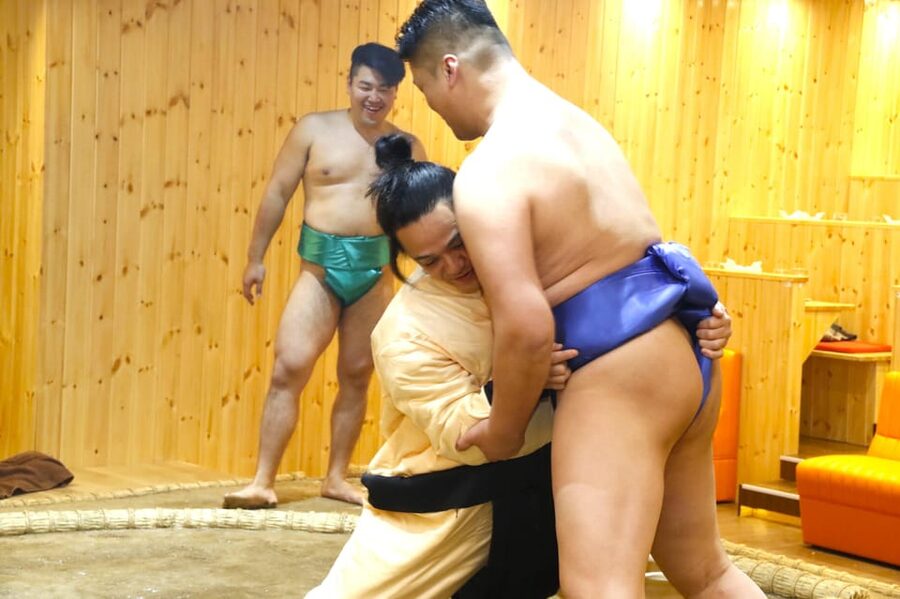
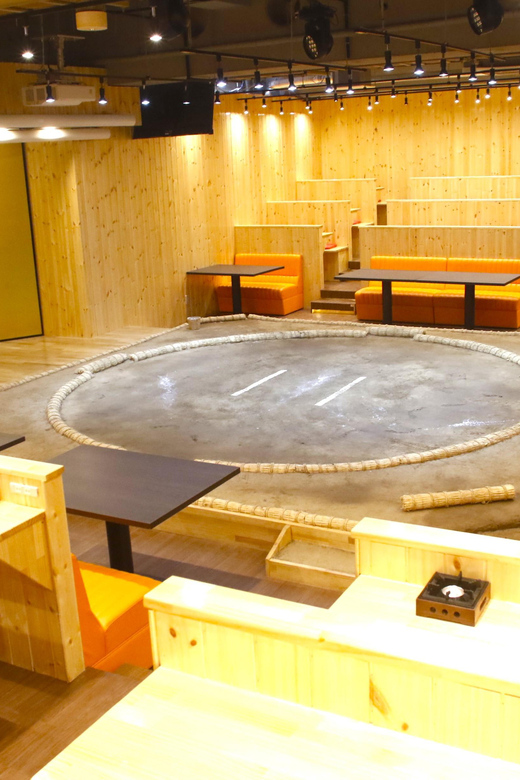
The most unusual part of this Asakusa evening is the real sumo ring at the center of the restaurant. You eat around the dohyo while retired professional wrestlers explain rituals, show basic techniques, and stage a best-of-three match. The result feels part cultural lesson, part dinner theater, and part friendly sporting event.
I like the clear English and Japanese commentary, which helps you follow the action without knowing sumo rules. I also like the audience challenge: a few people get to enter the ring and face a wrestler, although places are limited and may be assigned by lottery. The main consideration is simple: this is a polished entertainment show, not a visit to an active sumo stable or a serious tournament match.
In This Review
- Key points to know
- A sumo evening built for participation
- Entering the Asakusa Sumo Club
- The geisha dance opens the program
- Learning sumo without a rulebook
- The best-of-three match
- Your chance to challenge a wrestler
- Chicken chanko-nabe and the included drink
- Souvenir photo and farewell gift
- Who should book it
- Is VIP seating worth it at $103?
- Booking advice for a smoother evening
- Final verdict: fun, useful, and easy to recommend
- FAQ
- How long does the Tokyo Sumo Show Experience last?
- How much does the experience cost?
- Is the show suitable for children?
- Is this a real professional sumo tournament?
- Is commentary available in English?
- Can I challenge a sumo wrestler?
- Is food included?
- Is a drink included?
- Are vegetarian or vegan meals available?
- Is the venue wheelchair accessible?
Key points to know
- A real dohyo sits inside the restaurant, with seating arranged for close views.
- Retired professional sumo wrestlers perform demonstrations and a best-of-three match.
- Host Lala provides lively bilingual commentary, with explanations of rules, rituals, and techniques.
- Geisha dance begins the program, adding a traditional Japanese performance before the sumo.
- Chicken chanko-nabe is all-you-can-eat, with other Japanese dishes and one included drink.
- The finale can put you in the ring, but challenger spaces are limited and may be decided by lottery.
A sumo evening built for participation
At $103 per person, this two-hour experience is priced as a full evening of food and entertainment rather than a simple stage performance. You are not only watching a few matches. Your ticket covers the show, bilingual hosting, an all-you-can-eat meal, one drink, a printed photo, and a souvenir set.
That package explains why I find the price reasonable for families and first-time visitors. Tokyo has plenty of cultural attractions, but many ask you to watch quietly from a distance. Here, you are encouraged to clap, laugh, ask questions, and possibly step into the dohyo yourself.
The format is deliberately friendly. Children can follow the broad physical comedy and audience interaction, while adults get useful background on sumo rules and customs. The show is also suitable for a mixed-age family. One family described enjoying it across three generations, and another particularly liked seeing an 11-year-old child take part in the fun.
Do keep your expectations straight. The action is staged entertainment by retired wrestlers. It offers a lively introduction to sumo culture, but it does not recreate the pressure, silence, and strict formality of a professional tournament.
If you're still narrowing it down, here are other tours in Taito City we've reviewed.
Entering the Asakusa Sumo Club
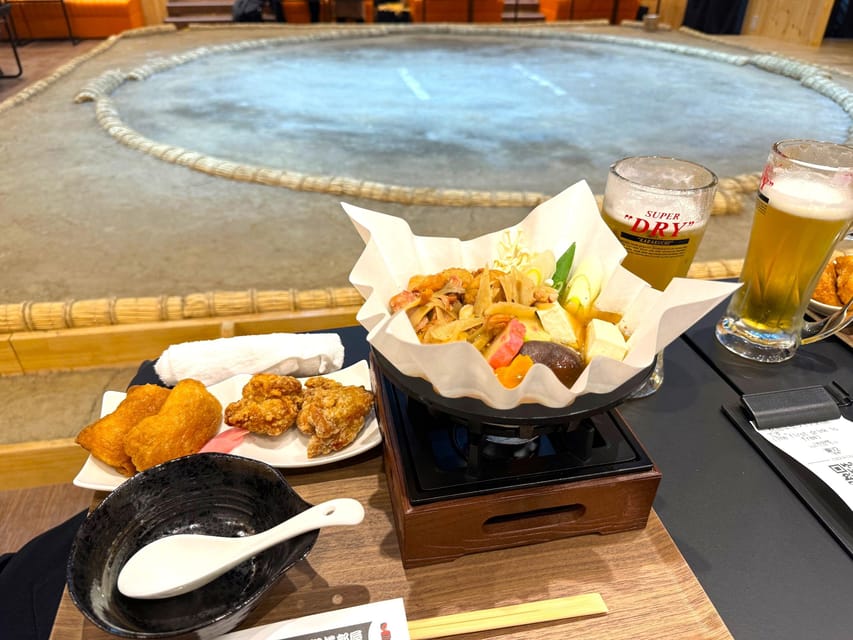
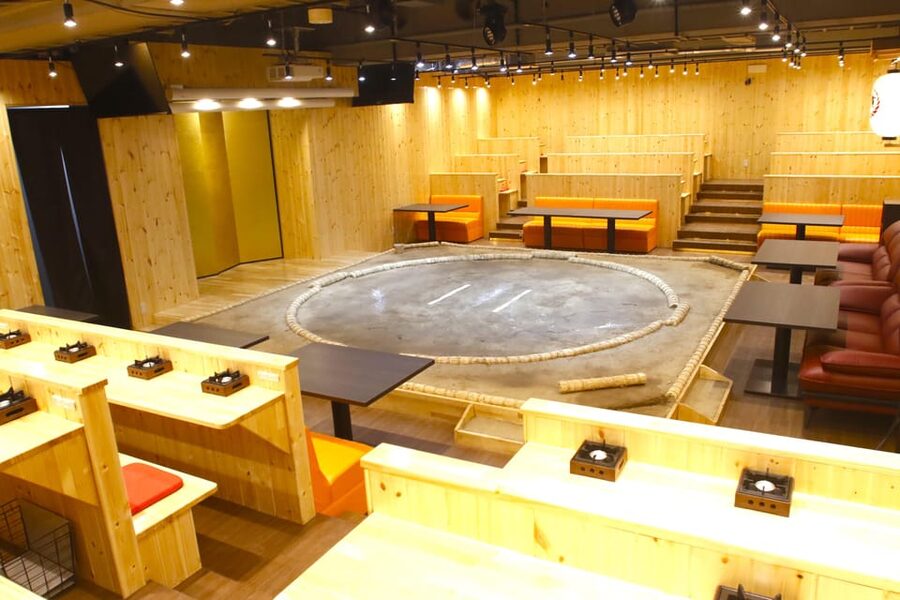
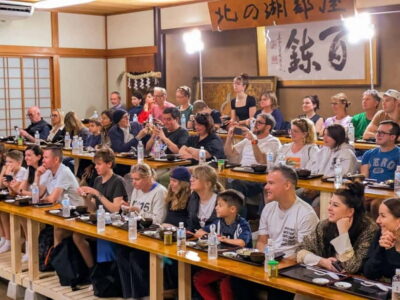
The setting does much of the work. The dohyo sits in the middle of the restaurant, so the meal and performance share the same space. You are not seated in a distant theater with a large gap between you and the performers.
All seats provide a clear view, though the distance varies by booking option. Standard seating is the basic choice, VIP places you in the front row, and VVIP offers premium central seats with the most direct view of the ring.
I would consider VIP if you care about facial expressions, physical technique, or the possibility of being close to the action. Several people who chose front-row seating felt the extra cost was worthwhile. Standard seating should still work well if you mainly want the full atmosphere and meal.
You may be seated with other people. That is worth knowing if you are booking as a couple or a small family and hope for a private table. The setup is social, and the audience energy is part of the performance, but it is not designed as an intimate dinner for two.
The geisha dance opens the program
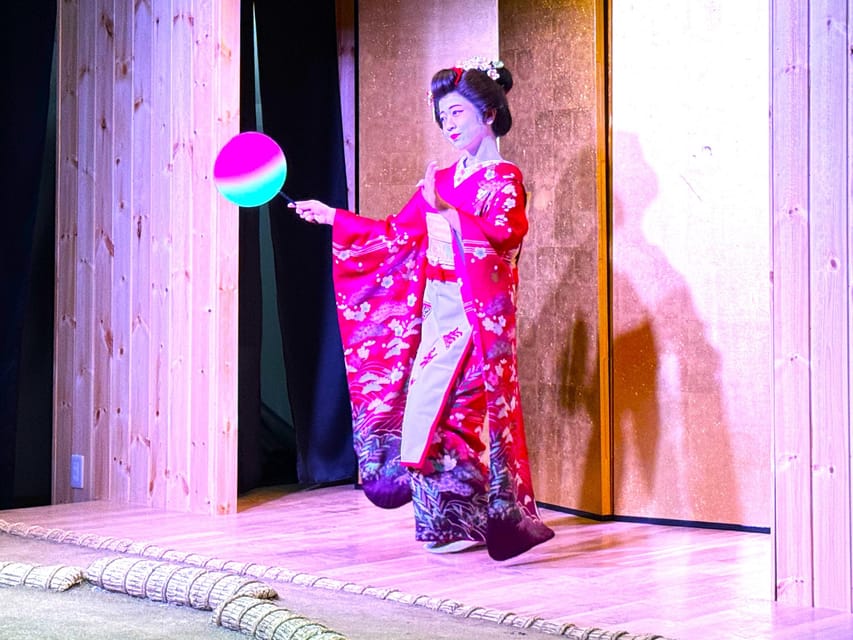
Before the sumo begins, a geisha performs a traditional Japanese dance in an elegant kimono. This gives the evening a calmer, more ceremonial beginning before the wrestlers and host shift the mood toward comedy and audience participation.
The dance is especially useful for visitors who have not seen a geisha performance during their time in Japan. It is a short part of the evening, not a separate lecture on geisha culture, but it adds another traditional art form to the program.
The farewell photo also includes the geisha and sumo wrestlers. That makes the final picture more than a standard sports souvenir, especially if you are bringing children who want a clear memory of the night.
Learning sumo without a rulebook
The show introduces sumo through live demonstrations of morning exercises, classic techniques, rules, and important do’s and don’ts. The bilingual moderator explains in English and Japanese, so you can understand what you are seeing instead of simply watching two large men push each other around.
Host Lala receives repeated praise for keeping the room lively and explaining the sport in an accessible way. Benjamin is also part of the team noted for making the event organized and enjoyable. The humor is a major feature, but the explanations give the comedy some substance.
You will learn about the motions and rituals that frame a bout, then see how techniques work in practice. The show does not aim to turn you into a sumo expert in two hours. It gives you enough context to recognize the structure of a match and appreciate why balance, timing, and footwork matter.
One small caution: the hosting style is energetic and comic. Most people appreciate that, but if you prefer a quiet, formal cultural presentation, the tone may feel too playful. One person specifically liked the wrestlers and food but found the host less appealing. That is a matter of taste, not a flaw in the overall format.
The best-of-three match
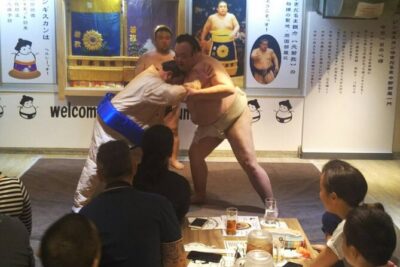
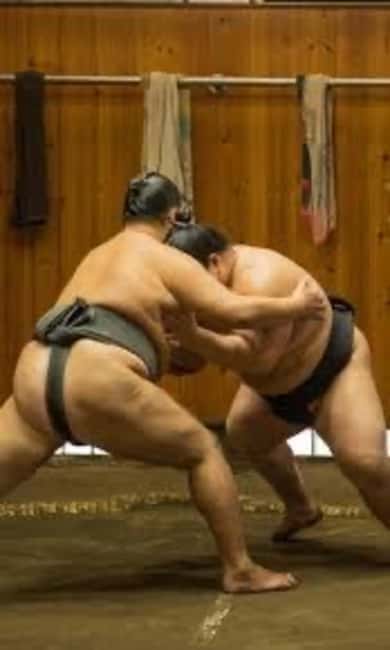
The central performance is a best-of-three match between retired professional sumo wrestlers. This is the point where the evening feels most like a show, with the wrestlers using their size, timing, expressions, and comic skill to keep the room engaged.
The match is not presented as a current professional contest. That distinction matters. You are seeing experienced former wrestlers perform for an audience, and the goal is to entertain while showing recognizable sumo movements.
I like this arrangement for a first introduction to the sport. A serious tournament can be hard to understand if you do not know the rituals or scoring. Here, the moderator fills in the gaps and keeps the pace moving. You get the spectacle of the ring without needing to spend hours learning the sport beforehand.
The wrestlers also work the audience into the show. Their humor and willingness to interact are among the strongest parts of the experience. You can expect cheering, laughter, and direct engagement rather than a distant performance.

Your chance to challenge a wrestler
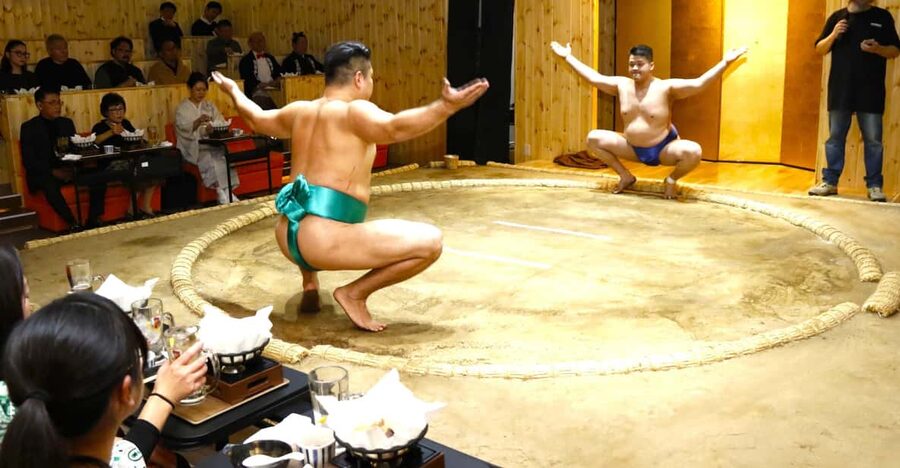
The audience challenge is the evening’s most memorable feature. If you are feeling brave, you can volunteer to enter the ring and challenge one of the wrestlers.
There is an important limitation: only a few challenger spaces are available at each show. If too many people want to participate, the selected challengers are chosen by lottery. Do not book this experience solely because you expect to wrestle. Treat participation as a possible bonus.
The challenge is well suited to outgoing adults, teenagers, and confident children. It can also become a highlight for a family member who likes being the center of attention. If you would rather watch, you still get the fun of seeing other audience members test themselves.
This part also makes the show feel less scripted from your seat. The wrestlers react to the volunteers, and the crowd gets involved in every attempt. You should wear something comfortable enough for movement if you hope to volunteer, though the supplied information does not specify a dress code.
Chicken chanko-nabe and the included drink
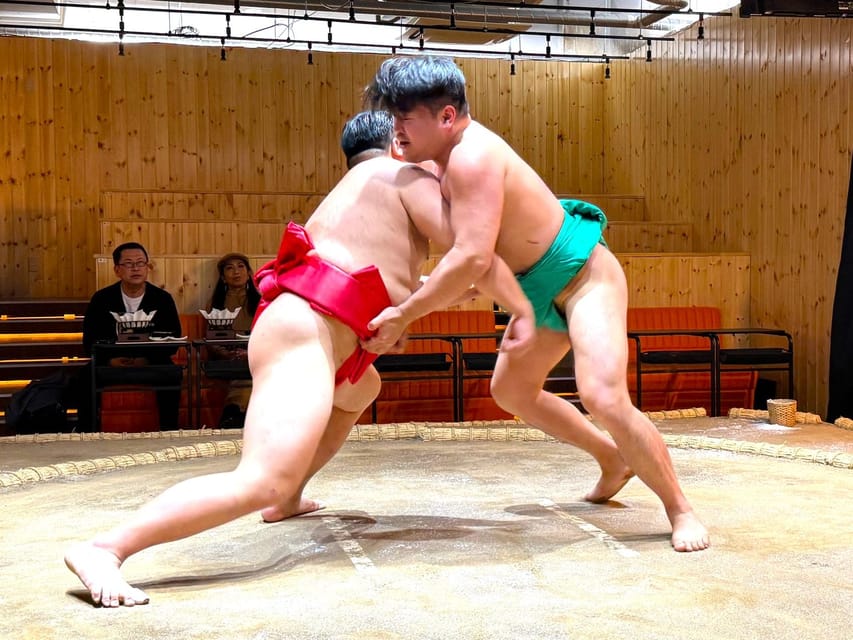
The meal centers on chanko-nabe, the traditional hot pot associated with sumo wrestlers. Chicken, broth, and vegetables are cooked in a pot at your table or nearby serving area, and you can request more food during the meal.
Additional dishes can include edamame, inari sushi, and sweet rolls. The exact menu may vary, but the meal is more than a token snack. Several people found the hot pot tasty and plentiful, while one felt the food selection was limited compared with the strength of the show.
One included drink improves the value. Beer and other drinks are available to buy, and you can order more through a QR code. That ordering system is convenient if you want another serving of food or an extra drink without interrupting the performance.
A practical note: the hot pot uses open flame, and one person felt nervous about the paper bowls placed over it. If that setup concerns you, ask the staff for help and follow their instructions. Vegetarian and vegan meals are available if you request them at least two days ahead.
Gluten-free and halal meals are not available. You may bring your own food for dietary needs, but you should plan carefully rather than assume the standard meal can be altered on arrival.
Souvenir photo and farewell gift
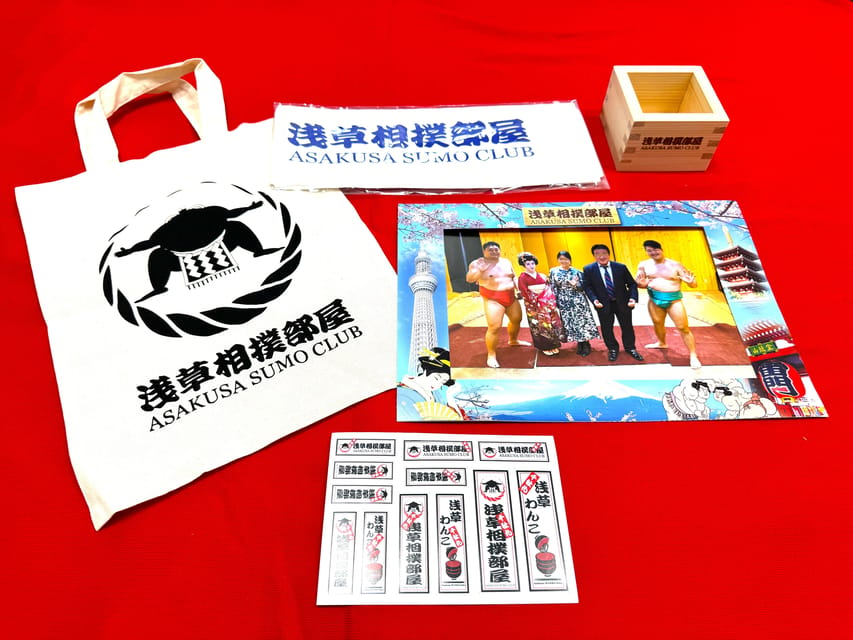
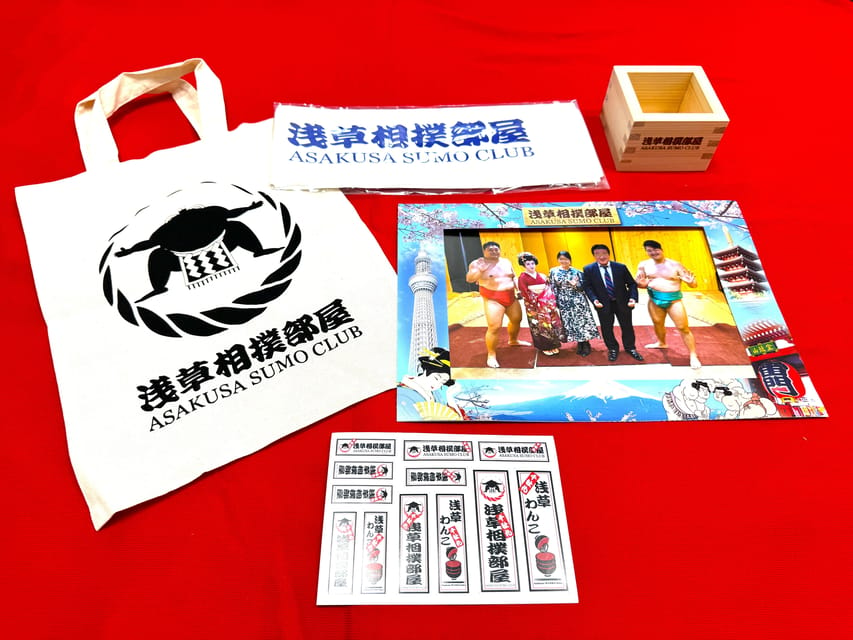
At the end, you receive a printed photo with the sumo wrestlers and geisha, along with a souvenir set. Contents can change by season, so the exact items are not fixed.
I value this more than I expected from a short dinner show. A printed photo gives children a physical keepsake, and it saves you from trying to arrange a group picture during the performance. The goodie bag also gives the evening a clear finish.
The photo is particularly useful if you are visiting Tokyo with family. It captures the costumes, dohyo, and performers in one frame. You may not remember every explanation from the show, but you will remember who entered the ring and who cheered the loudest.
Who should book it
This is a strong choice if you want a cultural activity that does not require specialist knowledge. Families with children, multigenerational groups, couples looking for a playful evening, and first-time visitors to Tokyo can all find something here.
It also suits people with a short schedule. Two hours is long enough for a meal and a full program, but short enough to fit around sightseeing in Asakusa. The meeting point can vary by the option you book, so check your confirmation carefully.
I would choose this over a formal sumo lecture if you want interaction and humor. I would not choose it as a replacement for visiting an active stable or attending a live tournament. The experience itself makes that distinction clear: it is entertainment performed by retired wrestlers.
The venue is wheelchair accessible, but accessible seating is limited. Tell the provider when booking if you need it. Babies under one year are not suitable for the activity, and infants do not receive meals, seating, or souvenirs.
Is VIP seating worth it at $103?
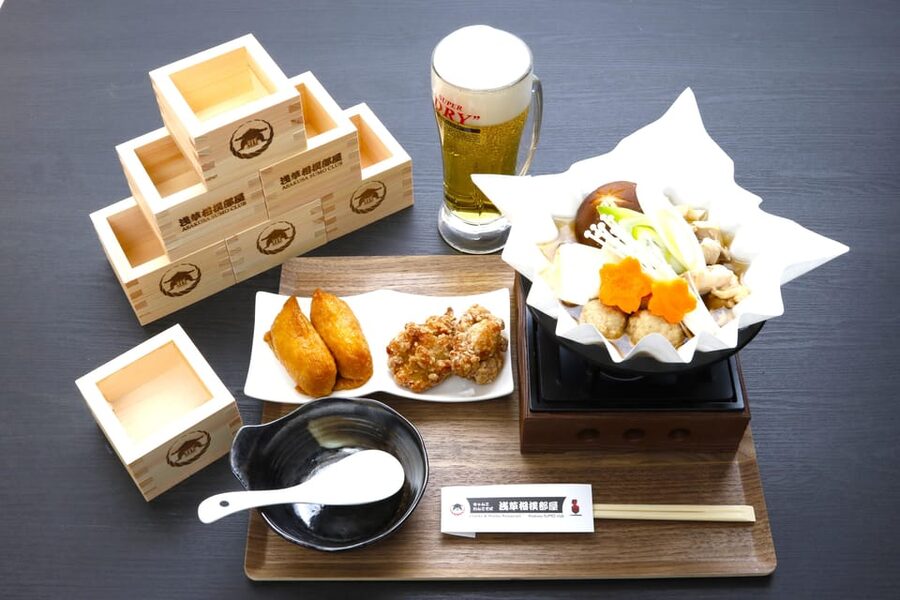
The standard $103 ticket already includes a lot: two hours of entertainment, a meal you can refill, one drink, bilingual commentary, the geisha dance, a photo, and a souvenir set. For many people, that is enough to make the experience good value.
VIP or VVIP makes sense if you want the closest possible view or are celebrating something special. Front-row seats bring you nearer to the wrestlers and may make the audience challenge easier to see. VVIP central seats offer the most unobstructed position.
I would not upgrade simply because you fear standard seats will be poor. The seating plan is designed so all seats have a view of the dohyo. Upgrade for proximity, not basic visibility.
The high rating of 4.8 from 6,678 reviews supports the idea that the package delivers what it promises, but price value still depends on your interests. If you dislike audience participation, hot pot meals, or theatrical comedy, the ticket may feel expensive. If you want an easy, all-in-one Japanese cultural night, it is a sensible use of your time and money.
Booking advice for a smoother evening
Reserve a vegetarian or vegan meal at least two days before the show. Do not wait until arrival, since those meals need advance notice.
If you need wheelchair seating, mention it when you book because the accessible places are limited. Check the meeting point tied to your chosen seating option, since it may vary.
Cancellation is free up to 24 hours before the activity for a full refund. You can also reserve now and pay later, which helps if your Tokyo schedule is still changing.
If the main show is fully booked, the nearby sister venue offers a luxury sumo show with deluxe Japanese cuisine. That is a different experience, so compare the format and price before switching.
Final verdict: fun, useful, and easy to recommend
I would book the Asakusa Sumo Club show if I wanted a family-friendly introduction to sumo with a meal and plenty of laughs. The bilingual explanations, geisha dance, retired wrestlers, and audience challenge give the two hours a clear rhythm, while the photo and souvenir set add genuine value.
Just remember what you are buying. This is not serious tournament sumo and not a behind-the-scenes stable visit. It is a carefully organized cultural performance with food, humor, and a real chance to join the action. For most first-time visitors, that mix is exactly why it works.
FAQ
How long does the Tokyo Sumo Show Experience last?
The experience lasts two hours.
How much does the experience cost?
The listed price is $103 per person.
Is the show suitable for children?
Yes. The performance is designed as family-friendly entertainment for adults and children. Babies under one year are not suitable.
Is this a real professional sumo tournament?
No. The show is performed by retired professional sumo wrestlers and is designed as entertainment rather than a serious tournament match.
Is commentary available in English?
Yes. A moderator provides live commentary in English and Japanese.
Can I challenge a sumo wrestler?
You can volunteer to enter the ring and challenge a wrestler. Challenger places are limited, and participants may be selected by lottery if there are too many applicants.
Is food included?
Yes. The ticket includes an all-you-can-eat chicken chanko-nabe meal and Japanese dishes.
Is a drink included?
Yes. One complimentary drink is included. Additional drinks are available for purchase.
Are vegetarian or vegan meals available?
Yes. Vegetarian and vegan meals can be arranged if requested at least two days in advance.
Is the venue wheelchair accessible?
Yes, but accessible seating is limited. Inform the provider when booking if you require wheelchair-accessible seating.
More tours in Taito City we've reviewed
Sumo Experiences, compared.
 ★ 4.8Tokyo: Sumo Show and Dining ExperienceFrom $7990 minutes - 2 hours
 ★ 5.0the SUMO showFrom $89
 ★ 5.0Tokyo Shinjuku Sumo Show & Experience with PhotoFrom $79
 ★ 4.8Tokyo: Sumo Show and Experience in ShinjukuFrom $691h 30m
 ★ 4.6Tokyo: Sumo Tournament Tour with Chair Seat TicketsFrom $141
 ★ 5.0Authentic Sumo Experience in Tokyo: Enter the SanctuaryFrom $171