
Reviewed · SUMO EXPERIENCES
Tokyo: Sumo Show and Experience in Shinjuku
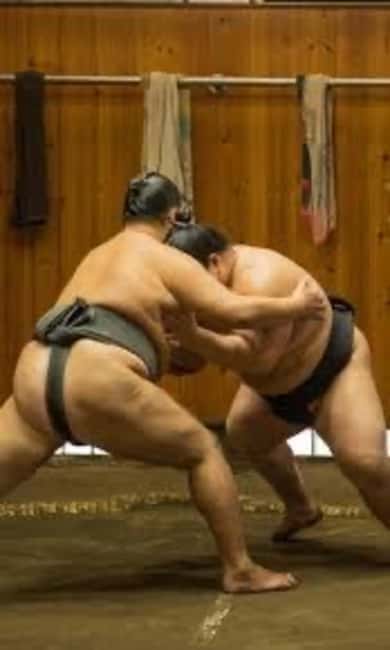
Sumo is at its best when you can feel the force behind it. This 90-minute Shinjuku show brings professional wrestlers close enough for you to see the foot stomps, salt throwing, balance, and sudden bursts of power. The English-speaking host explains what is happening, so you are not left guessing at a sport built on centuries of ritual.
I like the clear mix of history, rules, and live demonstrations, followed by the chance to step into the ring. I also like the warm crowd work. Hosts such as Paula, Dai, and Ari keep the room involved, while wrestlers such as George and Guchi add plenty of humor and personality.
The main thing to understand is that this is not a tournament. You will see exhibition-style sparring and a staged audience challenge rather than an official championship bout. For a serious sumo fan seeking competition-level action, that matters. For a first introduction to the sport, it is a useful trade-off.
In This Review
- Key points to know before booking
- What happens during the 90-minute Shinjuku show
- Why the English explanations matter
- The rituals give the show its character
- Entering the ring in a traditional sumo outfit
- A good choice for families and first-time sumo fans
- Is $69 a fair price?
- Finding the building and arriving on time
- What this experience gets right
- Should you book the Shinjuku sumo experience?
- FAQ
- Where does the Tokyo Sumo Show take place?
- How long does the sumo experience last?
- How much does the activity cost?
- Is this a real sumo tournament?
- Is the tour conducted in English?
- What will the host explain?
- Can I enter the sumo ring?
- Is food included?
- What should I know about arriving at the venue?
- Can I cancel the booking?
Key points to know before booking
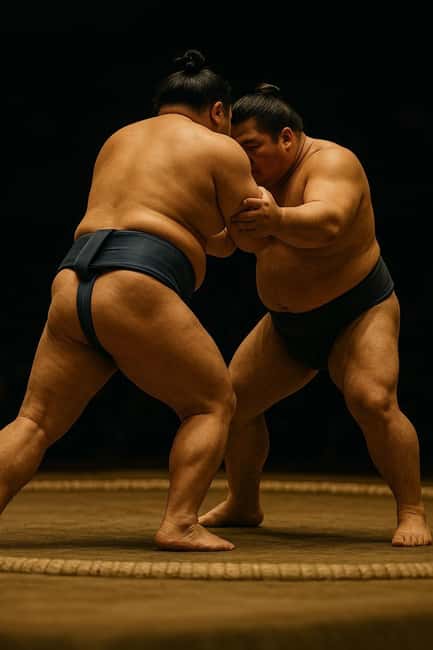
- Professional wrestlers demonstrate the sport: Watch shiko foot stomping, salt throwing, training movements, techniques, and live sparring.
- The host explains the action in English: The presentation covers sumo history, rules, rituals, fouls, phrases, and the discipline of rikishi.
- You can enter the dohyo: Volunteers wear a traditional sumo outfit and challenge a wrestler in a playful, carefully controlled bout.
- The event is made for first-timers: You learn enough to understand the strategy rather than seeing sumo as only a contest of size.
- The venue is in central Shinjuku: Meet on the second floor of the Sekisaku Building, with the correct entrance next to Daiso.
- The $69 price buys participation as well as a show: Bottled water is included, but food is not, and late entry may not be accepted.
What happens during the 90-minute Shinjuku show
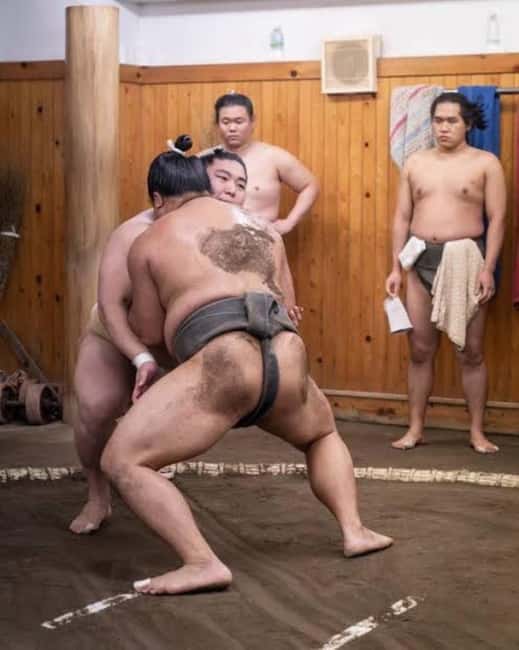
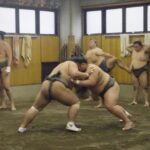
The event begins with an explanation of sumo and its place in Japanese culture. You are introduced to the basic rules and the customs that frame a bout. This early teaching is important because sumo can look simple from a distance: two large wrestlers push until one steps out or touches the ground.
The presentation shows that there is much more going on. You learn about the formal movements, the wrestlers’ training, the importance of balance, and the techniques used to gain an advantage. The host also explains fouls and the logic behind the movements, often with Japanese phrases worked into the session.
That structure helps you get more from the action that follows. Instead of waiting for a dramatic throw without knowing why it matters, you can watch for foot placement, timing, grip, and a wrestler’s attempt to force the other out of the ring.
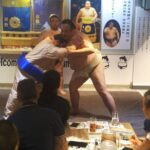
The show then moves into demonstrations. Expect thunderous shiko, the traditional leg-stomping exercise, along with salt throwing and other rituals associated with a bout. These moments give the event its sense of ceremony, while the explanations keep the customs from feeling like unexplained stage decoration.
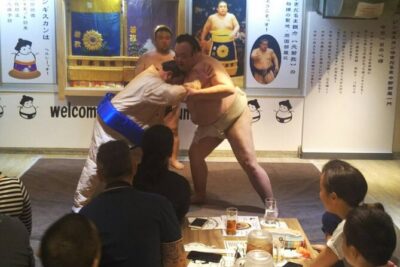
The professional wrestlers demonstrate different moves and training exercises before facing each other. The program includes live sparring and an exhibition match, with the tone shifting between serious technique and broad comedy. That balance is one reason the event works well for families and mixed-age groups.
The wrestlers are not simply there to display strength. They show the physical effort behind the sport and make room for questions and interaction. Several hosts are praised for explaining the craft in a direct, friendly way, and the wrestlers are presented as approachable figures rather than distant performers.
A few more Tokyo tours and experiences worth a look

Why the English explanations matter
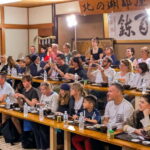
A sumo bout can last only a few seconds. Without context, it is easy to miss the preparation, strategy, and small changes in position that decide the result. The English-speaking MC gives you a framework for watching.
Hosts named in the session feedback include Paula, Dai, Ari, and Ali. The exact host may vary, but the role is consistent: explain the ceremony, keep the audience involved, introduce the wrestlers, and add humor when the pace slows.
Paula is especially noted for her confident delivery and crowd interaction. Dai is praised for answering questions and explaining the sport clearly. Ari is singled out for keeping the room lively. These details matter because the host carries much of the event. The wrestling is the draw, but the explanations turn it into an experience rather than a short demonstration.
I also like that the teaching is not limited to rules. You learn about the discipline and professional life of the rikishi, along with the mental side of sumo. One useful lesson is that size alone does not explain success. Timing, balance, technique, and nerve all count.
If you have plans to attend a professional tournament during your time in Japan, this can serve as a primer. You will arrive at the tournament with a better idea of what to watch. If you already follow sumo closely, the educational portion may feel basic, but the close-up demonstrations and audience participation still provide a different kind of access.
The rituals give the show its character
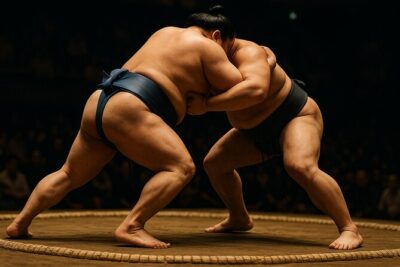
Sumo has an instantly recognizable visual language. The stomp, the pause, the salt, and the formal entrance make the sport feel unlike ordinary wrestling or a modern arena match.
Here, those rituals are explained as part of the presentation. You see how they prepare the wrestlers and establish the tone before physical contact begins. The pauses also show that sumo is not simply a test of who can push harder. Ceremony and mental control are part of the contest.
The salt throwing is particularly effective for first-time viewers because it is easy to recognize and understand once its purpose is explained. The shiko is equally memorable. The sound and movement make the wrestlers’ strength visible before the match even starts.
The program also covers techniques and fouls. That is practical information. When a wrestler wins by forcing an opponent out, you can begin to distinguish a push, a throw, a sidestep, or a grip-based move. The sport becomes easier to follow, and the apparent simplicity begins to give way to strategy.
This is where the experience offers something beyond a photo opportunity. You are not only posing beside a large athlete. You are given a short lesson in how the sport works, then shown those lessons in action.
Entering the ring in a traditional sumo outfit
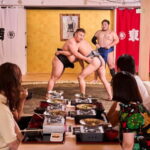
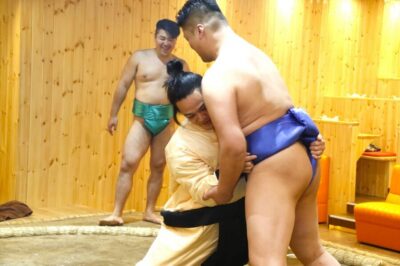
The most personal part of the experience comes after the demonstrations, when audience volunteers can wear a traditional sumo outfit and enter the dohyo. You then challenge one of the wrestlers in a playful match.
The event does not suggest that an ordinary visitor can defeat a professional rikishi. The fun comes from the contrast in size and skill, and from the wrestler’s ability to make the participant feel involved. One audience member described being allowed to toss a wrestler over the edge, which shows the comic, carefully managed spirit of the activity.
You should expect plenty of laughter here. The wrestlers are presented as good sports, and the host helps keep the volunteers and the rest of the room engaged. Children may find this section especially memorable, though adults are just as likely to volunteer or enjoy watching someone else take the challenge.
If you do not want to enter the ring, you can remain in the audience. The activity includes the opportunity to participate, not a requirement that every person wrestle. That makes it easier for a family or group with different comfort levels to enjoy the same event.
The session can also lead to photographs with the wrestlers. That possibility is reflected in the supplied details, but it should be treated as part of the social atmosphere rather than a separately guaranteed photo package.
A good choice for families and first-time sumo fans
The show is particularly well suited to people who are curious about Japanese culture but do not yet know the rules of sumo. The presentation gives you enough background to follow along, and the comedy keeps the lesson from becoming dry.
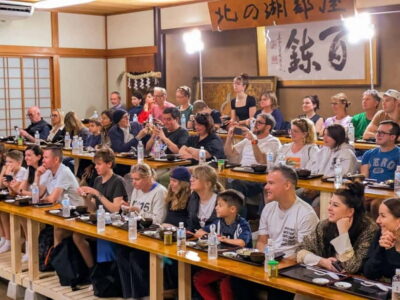
Families can split their attention between the visual spectacle and the explanations. Children may focus on the size, costumes, and ring challenge, while adults can listen for the cultural and technical details. Several families found the audience participation to be a highlight.
It also works for friends traveling together. The ring challenge gives you something to talk about afterward, and the 90-minute length fits neatly into a day in Shinjuku. The show can be a lively morning activity or a seated break after a long day of walking around Tokyo.
Solo visitors can enjoy it too. The host actively involves the audience, and the format does not depend on arriving with a large group. The warm-up conversation before the show helps create a welcoming room, according to the experience details.
I would be more cautious if your main goal is to see an official match. This event will not reproduce the atmosphere, scale, or competitive stakes of a major sumo tournament. It is a cultural performance and hands-on introduction, with real professional wrestlers but no tournament ranking or championship outcome.
A few more Tokyo tours and experiences worth a look

Is $69 a fair price?
At $69 per person, this is not the cheapest cultural activity in Tokyo. Its value depends on what you want from a sumo visit.
You are paying for a compact, guided program with professional sumo wrestlers, an English-speaking host, live sparring, explanations of rituals and techniques, and the chance to enter the ring. Bottled water is included. Food is not, so plan to eat before or after the show rather than expecting a meal-based dinner experience.
For someone who wants an accessible introduction without committing to a full tournament visit, the price is reasonable. You get both instruction and entertainment, plus a chance to interact directly with the performers. The personal ring challenge gives it more value than a standard seated demonstration.
For a dedicated sumo follower, the value is less certain. You may already know the rules and techniques, and the exhibition format will not replace a real competition. In that case, the price makes more sense if you want close contact, photographs, and a lighthearted experience rather than serious match analysis.
The 90-minute format helps the value. It is long enough to explain the sport and include several demonstrations, but short enough to combine with other Shinjuku plans. I would not book it expecting a full evening of food and sumo. I would book it as a focused cultural activity.
Finding the building and arriving on time
The meeting point is on the second floor of the Sekisaku Building in Shinjuku. The entrance detail is important: entry is only through the front of the building facing the main door next to Daiso.
Do not rely on wandering into the building from another side. Shinjuku has plenty of signs, crossings, and busy streets, so give yourself time to locate the correct front entrance.
Arrive early. The show follows a fixed schedule, and late entry may not be accepted at the front desk. That is a real practical concern because the opening explanations and rituals set up everything that follows. Missing the start could leave you trying to understand the rules halfway through the demonstrations.
Starting times vary, so check the available session when booking. The activity is offered in English, and the hosts named in the supplied details include Paula, Dai, Ari, and Ali. The specific presenter can affect the flavor of the show, but the core format remains the same.
The activity offers free cancellation up to 24 hours before the start time for a full refund. A reserve-now, pay-later option is also available, which helps if your Tokyo schedule is still changing.
What this experience gets right
The strongest part is the mix of information and fun. The hosts explain the history, rules, rituals, techniques, and professional discipline, but they do not leave the wrestlers waiting in the background. Demonstrations and matches arrive quickly enough to keep the room active.
The second strength is the wrestlers’ interaction with the audience. George, Guchi, and other rikishi are described as entertaining, friendly, and willing to play along. Their presence gives the event its real energy. Without that personal contact, the show would be just a lecture with costumes.
The third strength is its value as a first step. Sumo can seem formal and difficult to decode. After this session, you should have a clearer idea of what the wrestlers are doing and why the rituals matter.
The limitation is equally clear. This is an exhibition, not a tournament. The humor, audience challenges, and staged elements are part of the product. They make the event approachable, but they also mean you should not confuse it with watching an official bout in a professional venue.
Should you book the Shinjuku sumo experience?
Book it if you want an entertaining introduction to sumo, especially if you are visiting Japan for the first time, traveling with children, or planning to attend a tournament and want help understanding it. The English explanations, live demonstrations, and ring challenge make the sport easier to appreciate.
I would also recommend it if you enjoy cultural activities that let you participate rather than simply look. The opportunity to wear a sumo outfit and face a professional wrestler is unusual, memorable, and likely to produce some good family photographs.
Skip it if you need a genuine tournament atmosphere or already know sumo well enough that a staged exhibition will feel too basic. At $69, the cost is easiest to justify when you value the teaching and personal interaction as much as the match itself.
For most first-time visitors, this is a lively way to meet one of Japan’s most distinctive traditions in central Tokyo. Arrive at the correct entrance early, keep your expectations focused on demonstration rather than competition, and you will get the most from the 90 minutes.
FAQ
Where does the Tokyo Sumo Show take place?
The meeting point is on the second floor of the Sekisaku Building in Shinjuku, Tokyo.
How long does the sumo experience last?
The experience lasts 90 minutes.
How much does the activity cost?
The listed price is $69 per person.
Is this a real sumo tournament?
No. The activity is not a tournament. It includes professional demonstrations, exhibition-style sparring, and audience participation.
Is the tour conducted in English?
Yes. An English-speaking live guide or MC leads the presentation.
What will the host explain?
The host explains sumo history, rituals, rules, techniques, training, fouls, and aspects of the professional discipline of rikishi.
Can I enter the sumo ring?
Yes. You have the opportunity to wear a traditional sumo outfit and challenge a sumo wrestler in the ring.
Is food included?
No. Food is not included. A bottled welcome drink is provided.
What should I know about arriving at the venue?
Use the front entrance of the building facing the main door next to Daiso. Late entry may not be accepted because the show follows a fixed schedule.
Can I cancel the booking?
Yes. You can cancel up to 24 hours in advance for a full refund. A reserve-now, pay-later option is also available.
More Shows & Performances in Tokyo


More Sumo Experiences in Tokyo
More Shinjuku Tours in Tokyo

More tours in Tokyo we've reviewed








Sumo Experiences, compared.
 ★ 4.8Tokyo: Sumo Show Experience with Chicken Hot Pot and a PhotoFrom $1032 hours
 ★ 4.8Tokyo: Sumo Show and Dining ExperienceFrom $7990 minutes - 2 hours
 ★ 5.0the SUMO showFrom $89
 ★ 5.0Tokyo Shinjuku Sumo Show & Experience with PhotoFrom $79
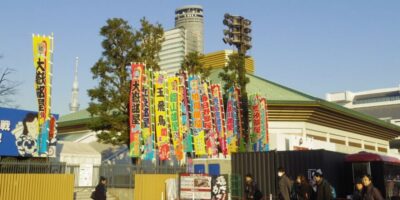 ★ 4.6Tokyo: Sumo Tournament Tour with Chair Seat TicketsFrom $141
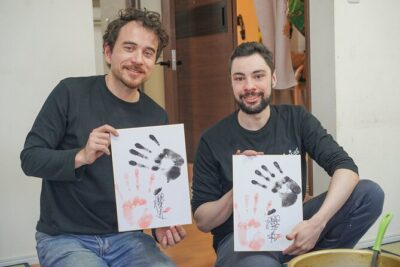 ★ 5.0Authentic Sumo Experience in Tokyo: Enter the SanctuaryFrom $171