
Reviewed · TOKYO
Exclusive Tokyo Ramen Kitchen Experience
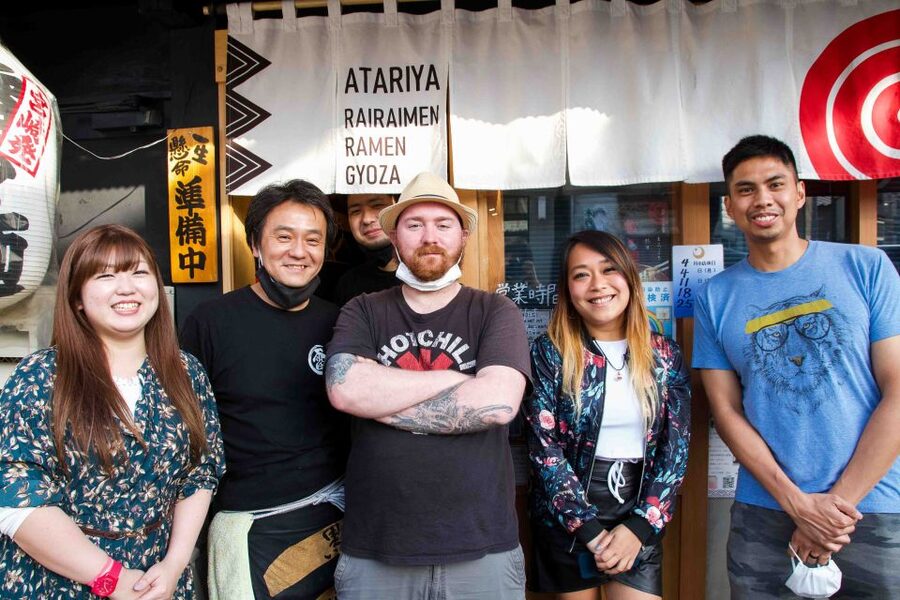
Tokyo ramen is more than noodles, broth, and a few toppings. At this one-hour kitchen experience, you step behind the counter of an award-winning ramen shop and see how a working restaurant turns carefully prepared ingredients into a finished bowl. You do not simply sit down and eat. You help put together two small bowls, work near the kitchen, and learn what each part does.
I like two things here. First, you get access that ordinary diners do not get, including a look at the sounds, heat, timing, and tight teamwork of a real ramen kitchen. Second, the session gives you two bowls of ramen and two gyoza, so the food is part of the lesson, not an afterthought. The main drawback is value: at $83 per person, this is costly for one hour, especially since you are not making the broth or noodles from scratch.
In This Review
- Key points to know before booking
- Entering a real ramen kitchen in Nezu
- A short lesson in ramen before the bowl
- Why the broth is not made from scratch
- Putting together two small ramen bowls
- Two bowls and gyoza make the meal worthwhile
- The value of a six-person group
- Safety, ingredients, and family fit
- Who gets the most from the $83 price
- How this compares with an ordinary ramen meal
- Practical details for your Tokyo day
- Should you book this ramen experience?
- FAQ
- Where does the ramen experience meet?
- How long does the experience last?
- Is the experience conducted in English?
- How many people can join the group?
- Is this a complete ramen cooking class?
- What food is included?
- Does the ramen contain meat or fish?
- What should I wear?
- Can I cancel my booking?
Key points to know before booking
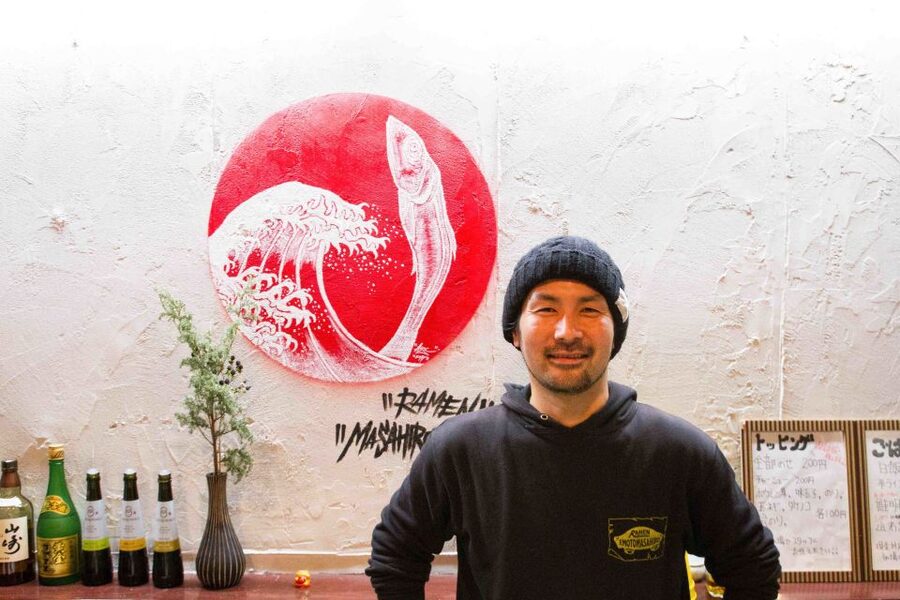
- Step behind the counter: You work inside a functioning ramen shop rather than in a separate classroom.
- Learn the long process in shortened form: The broth can take about 10 hours to prepare, so the experience focuses on the final assembly and kitchen work.
- Eat two small ramen bowls: You also receive two fried dumplings, making this both a lesson and a meal.
- Keep the group small: A maximum of six participants allows for more direct attention in the kitchen.
- Plan for hot equipment: You handle hot water and soup, so comfortable clothes and care around the cooking area matter.
- Check the ingredients: The ramen contains chicken, pork, and fish, with no alternative stated in the supplied details.
Entering a real ramen kitchen in Nezu
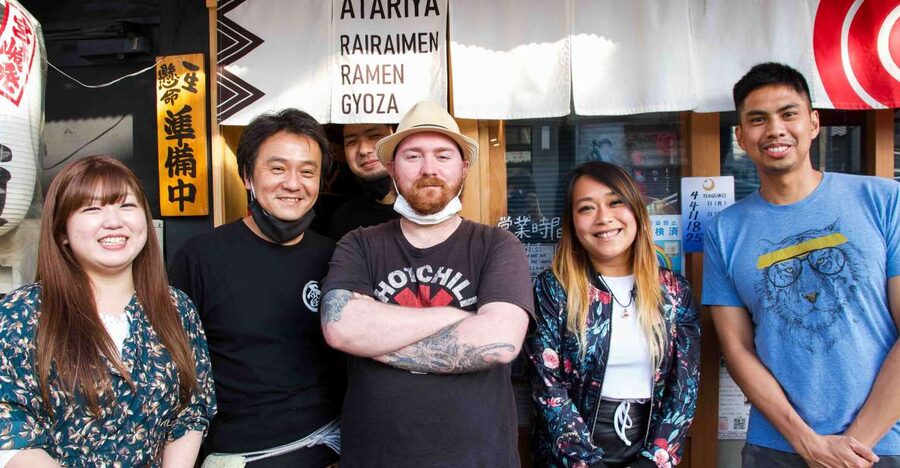
Your meeting point is Nezu Station, Exit 1, in front of the Akafudado supermarket. Look for the guide holding a Tokyo Ramen Tours sign. Nezu is a useful setting for this kind of activity because the experience takes you away from a polished food demonstration and into a working neighborhood restaurant.
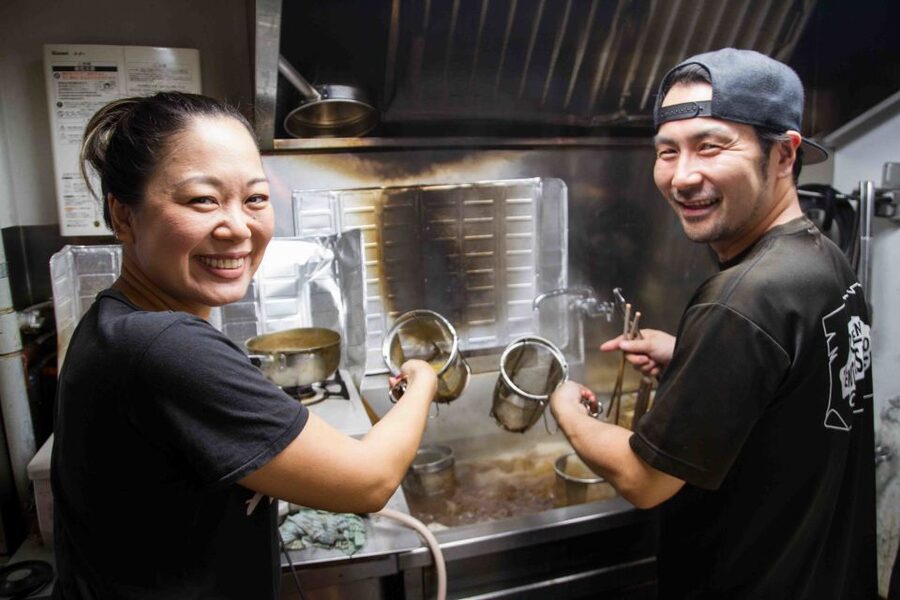
Once inside, you get a close look at the counter and kitchen. The attraction is not a grand room or a long sightseeing route. It is the setting itself: pots, noodles, hot soup, ingredients, and the quick movements needed to serve ramen properly.
I think this is the strongest reason to book. You are not watching a chef perform from a distance. You are given a chance to feel like part of the kitchen routine, with the guide explaining what is happening and the chef helping you through the practical steps.
The group is limited to six people. That matters in a narrow shop kitchen, where a large crowd would make the experience awkward. A small group also gives you a better chance to hear the guide and see what the chef is doing. Several sessions have been led by Frank, who is described as passionate about ramen, but Tokyo Ramen Tours uses multiple guides, so you should not assume he will lead your date.
If you're still narrowing it down, here are other tours in Tokyo we've reviewed.


A short lesson in ramen before the bowl
The experience begins with context about ramen: its origins, its different types, the ingredients used, and the purpose of each component. This part helps you understand why a bowl tastes balanced, rather than leaving you with a simple list of steps to copy.
The guide explains how the broth, noodles, seasoning, and toppings work together. You also learn where ingredients come from, according to the activity description. That background is useful if you plan to eat ramen elsewhere in Japan, since it gives you a better sense of what changes from one style or shop to another.
Do not expect a full culinary lecture or a recipe booklet. The session lasts only one hour, and the emphasis is on seeing and doing. One participant specifically wished for recipes to take home, so this is not the right choice if you want detailed instructions for recreating the shop’s ramen in your own kitchen.
Still, I like the balance between explanation and action. You learn enough to notice the craft, then move on to the kitchen work before the information becomes too abstract.
Why the broth is not made from scratch
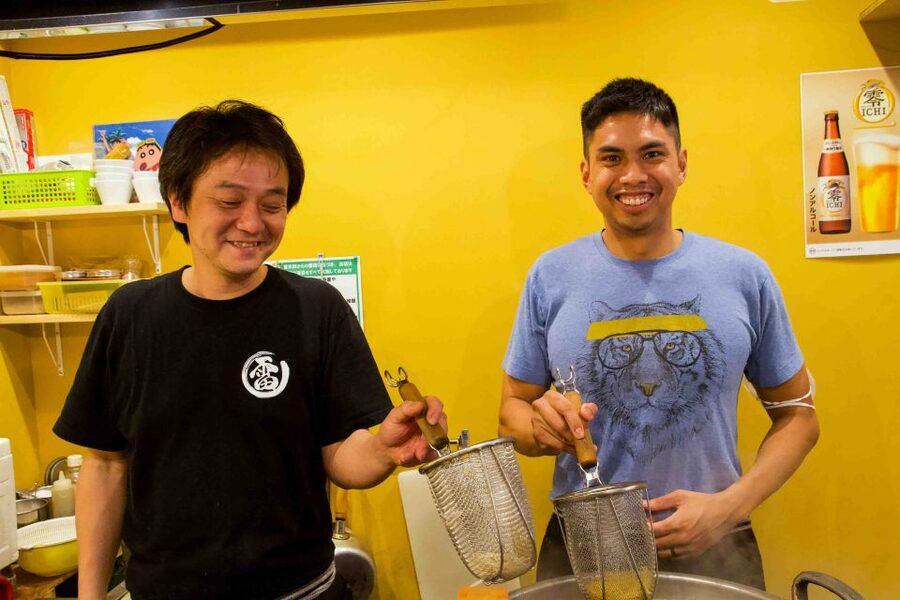
This point needs to be clear. This is not a full cooking class. You will not spend the day making stock, preparing every ingredient, or waiting for a broth to develop.
The reason is practical. Even the broth takes about 10 hours to make. The activity shortens that process so you can experience the important final stages without losing most of your day. The kitchen work is therefore about assembling delicious ramen and understanding the restaurant’s method, rather than starting with raw ingredients and ending with a completely homemade bowl.
For some people, this is exactly right. I would choose this format if I wanted access to a professional kitchen, a meal, and a clear explanation without committing to a long class. It also works well in a Tokyo itinerary packed with temples, neighborhoods, and museums.
For others, the distinction may feel important. If your idea of a cooking class means making noodles, simmering stock, and preparing toppings from the beginning, this experience will seem limited. Read the description carefully before paying the $83 price.
Putting together two small ramen bowls
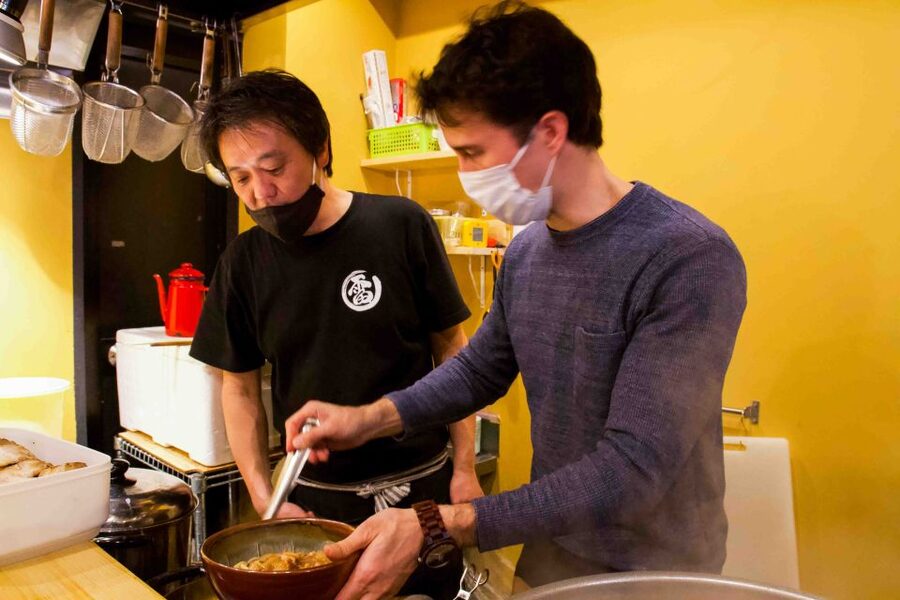
The hands-on section is the heart of the activity. Under the chef’s direction, you help assemble two small bowls of ramen. The exact sequence may vary with the shop’s working rhythm and the guide assigned, but the point is to learn how the parts come together in a professional setting.
You get a better sense of timing here than you would from a standard restaurant meal. Ramen is served in a precise order because the noodles, soup, and toppings need to reach you at the right moment. In a kitchen, you can see how little room there is for delay and how much care goes into what may look like a simple bowl.
The chef is involved in the practical work. One session included children aged eight and eleven, with the chef working carefully with them in the kitchen. That suggests the activity can suit families, although adults remain responsible for following safety instructions around hot water and soup.
You do not need to arrive with cooking skills. The experience is designed to show you what it takes to be a ramen chef, not to test your knife work or culinary training. Comfortable clothing is the only item listed as necessary, but you should also expect a warm, active kitchen environment.
Two bowls and gyoza make the meal worthwhile
The food helps explain the price, though it does not remove the value question. Each participant receives two small bowls of ramen and two fried gyoza. The bowls are smaller than a standard large restaurant serving, but the chance to compare or enjoy two preparations adds variety to a one-hour session.
The ramen receives the strongest praise in the supplied comments. Several people describe it as the best ramen they had during their Japan trip, and others single out the taste of both bowls. That is important because the meal is not merely a sample at the end of a demonstration. It is a central part of the experience.
The gyoza provide a useful extra bite, but this should not be mistaken for a long food tour. You are visiting one shop for one focused activity. If you want to sample many ramen styles across Tokyo, you will get more variety by visiting several restaurants on your own.
I would plan this at a time when you want lunch or an early meal. The activity is only one hour, and the included food makes it easy to place between other plans. Exact start times vary, so check availability before building your schedule.





The value of a six-person group
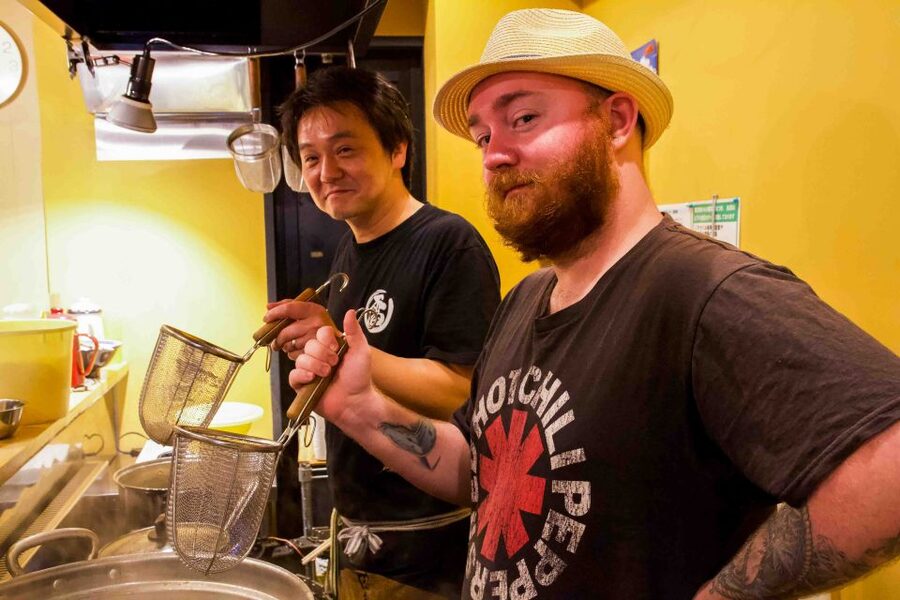
Small group size is a real benefit here. With no more than six participants, the guide can explain the kitchen without shouting, and you have a reasonable chance to take part rather than stand behind a crowd.
The English-speaking guide provides the bridge between you and the chef. Previous sessions have been praised for friendly, clear explanations and interesting facts about ramen. Frank is one guide associated with particularly enthusiastic feedback, but the company uses multiple guides, so your experience may differ in personality and presentation.
The chef and restaurant hosts also matter. The shop has granted exclusive access to its kitchen, which is not normally available to diners. That access gives the session its character. You are seeing a part of restaurant life that usually remains out of sight.
The trade-off is that one hour passes quickly. You get a concentrated look at the work, not a relaxed afternoon with unlimited questions. If you want a slower class with extensive practice, this format may feel rushed.
Safety, ingredients, and family fit
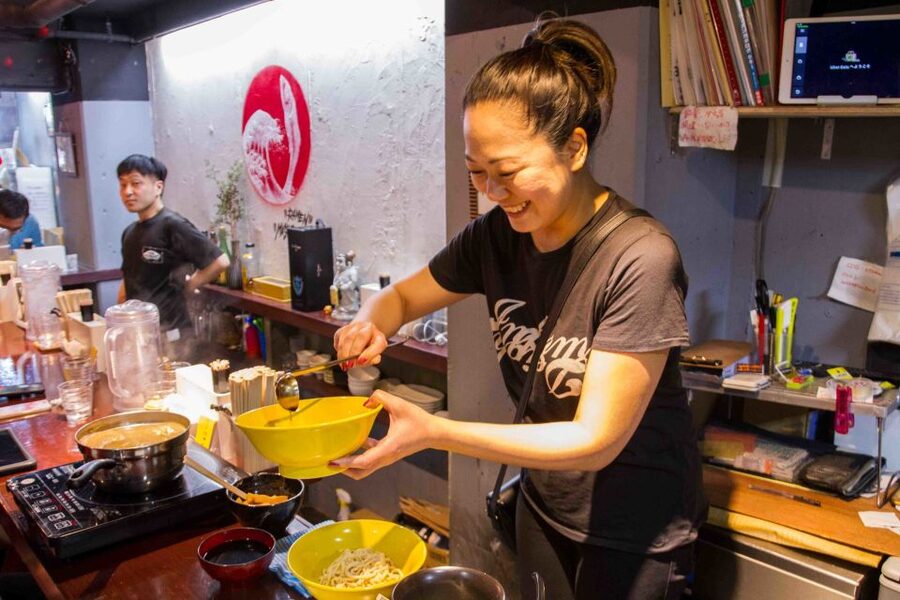
You will be near hot water and soup. Follow the chef’s instructions closely, keep comfortable clothes on, and expect to take care around the cooking area. The activity is suitable for children in at least one reported family booking, but the kitchen is still a working space, not a play area.
The ramen contains chicken, pork, and fish. This is one of the most important booking checks. The supplied information does not give vegetarian, vegan, halal, kosher, or allergy alternatives, so do not assume that substitutions are available. Contact the provider before booking if these ingredients are a concern.
For families, the experience can be a good way to turn a meal into a shared activity. Children may enjoy wearing the role of a ramen chef, and the short duration helps hold attention. For a group of adults, the experience suits people who care more about food and access than about a long list of sights.
I would be less likely to recommend it to someone who simply wants a big bowl of ramen at the lowest cost. Tokyo has many places to eat ramen for far less than $83. Here, you are paying for the kitchen access, guide, chef interaction, and food together.
Who gets the most from the $83 price
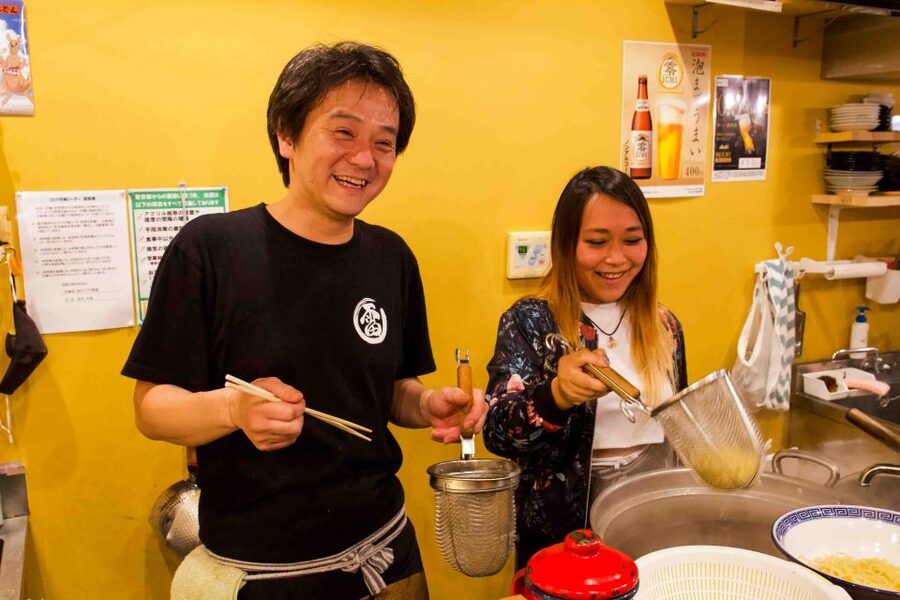
At $83 per person, this is a special-interest activity. The price makes more sense when you value the behind-the-counter setting and the chance to learn from a working chef. It makes less sense if you judge it only as a meal.
I see the best value for:
- Ramen fans who want to understand how a professional shop works.
- Food-focused visitors who prefer a hands-on activity to a standard restaurant booking.
- Families looking for a short, unusual experience that can include children.
- First-time Japan visitors who want a simple introduction to ramen styles and preparation.
- Small groups who appreciate direct access and an English-speaking guide.
The price may be hard to justify for larger families. One booking complaint focused on the lack of a family discount and the total cost for a group of four. Since the price is listed per person and no discount is stated, calculate the full amount before reserving.
The free cancellation policy helps reduce some planning risk. You can cancel up to 24 hours in advance for a full refund, and you can reserve now and pay later. Those terms are useful in Tokyo, where restaurant plans often compete with changing sightseeing schedules.
How this compares with an ordinary ramen meal
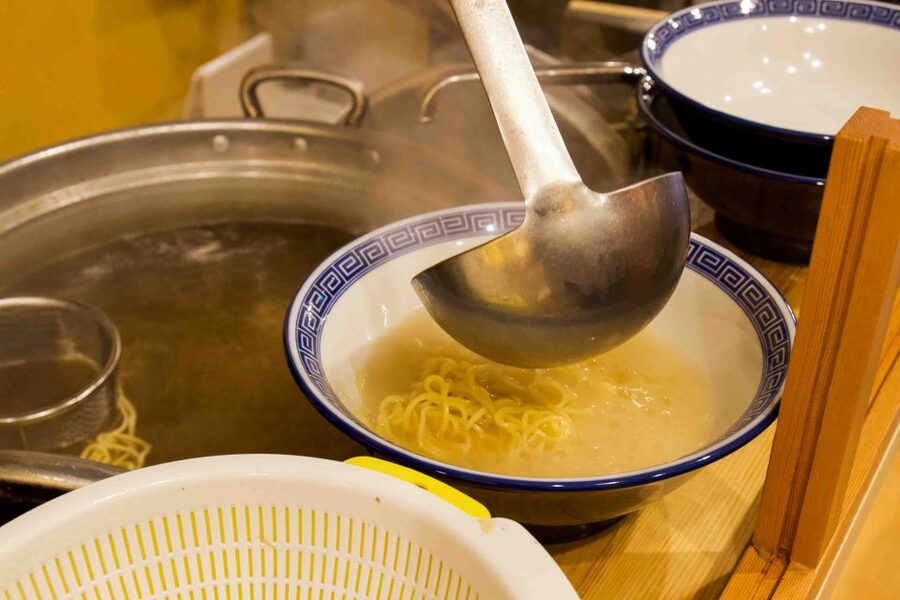
A normal ramen meal gives you speed, choice, and lower cost. You enter, order, eat, and move on. That is often exactly what you want after a long day of sightseeing.
This activity gives you something different. You see the people and process behind the bowl, learn why the ingredients matter, and take part in the final preparation. The food may taste better because you understand the work involved, but the greater gain is insight rather than quantity.
I also like that the experience does not pretend to turn you into a ramen master in 60 minutes. The broth alone requires about 10 hours, and the activity is honest about skipping that long stage. You get a carefully shortened look at a craft that takes far more time to master.
The cost is therefore easiest to defend if you treat it as a food experience with instruction. If you want a cooking school, look for a longer class. If you want an entertaining meal with access most diners never receive, this is a better match.
Practical details for your Tokyo day
Allow enough time to reach Nezu Station and find Exit 1. The meeting point is in front of the Akafudado supermarket, and the guide carries a Tokyo Ramen Tours sign. Arriving in comfortable clothing is sensible because you will be in a kitchen and may be standing or moving during the preparation.
The activity lasts one hour, with starting times available according to the date you select. It is conducted in English, and the small group is capped at six participants. Tokyo Ramen Tours is the provider.
I would avoid placing an important timed attraction immediately afterward. The official duration is short, but you may want a few extra minutes for leaving the shop and getting back to the station. The experience itself is compact enough to fit into a busy day.
Should you book this ramen experience?
Book it if you want rare kitchen access, enjoy learning through food, and accept that the $83 fee pays for an experience rather than a cheap meal. The two small ramen bowls and two gyoza are a welcome part of the package, and the chef-led work gives the hour real purpose.
Skip it if you want to make every element from scratch, need a guaranteed dietary alternative, or are mainly looking for the best food value in Tokyo. You should also think twice if your group is large and the per-person cost feels uncomfortable.
For a ramen enthusiast, this is a lively and focused way to understand the craft. For everyone else, it is a short, unusual meal with a kitchen story attached. Check the ingredients, accept the limits of the one-hour format, and book when the access itself matters as much as what is in the bowl.
FAQ
Where does the ramen experience meet?
Meet at Nezu Station, Exit 1, in front of the Akafudado supermarket. Your guide will hold a Tokyo Ramen Tours sign.
How long does the experience last?
The activity lasts one hour. Starting times vary, so check availability for your chosen date.
Is the experience conducted in English?
Yes. The experience includes a live English-speaking guide.
How many people can join the group?
The group is limited to six participants.
Is this a complete ramen cooking class?
No. It is a behind-the-counter experience in a real ramen shop. You help put together the ramen, but you do not make every element from scratch. The broth alone takes about 10 hours to prepare.
What food is included?
The experience includes two small bowls of ramen and two fried gyoza.
Does the ramen contain meat or fish?
Yes. The ramen contains chicken, pork, and fish. No alternative ingredients are specified.
What should I wear?
Wear comfortable clothes. You will be working in a ramen shop kitchen and handling hot water and soup, so take care and follow the chef’s instructions.
Can I cancel my booking?
You can cancel up to 24 hours in advance for a full refund. The activity also allows you to reserve now and pay later.
More tours in Tokyo we've reviewed







Tokyo, compared.
 ★ 5.0Mt Fuji and Hakone 1-Day Bus Tour Return by Bullet TrainFrom $163
 ★ 5.01-Day Tokyo Bus TourFrom $129
 ★ 4.6Tokyo: teamLab Planets TOKYO Digital Art Museum Entry TicketFrom $251 day
 ★ 4.0Mt Fuji & Hakone Cruise, Drum Show Bullet Train 1 Day from TokyoFrom $149
 ★ 5.0Tokyo: Shinjuku Food Tour (13 Dishes at 4 Local Eateries)From $86
 ★ 4.4Tokyo Mt Fuji 5th St & Hakone Cruise Bus Tour w/Bullet TrainFrom $15410 hours