
Reviewed · MT FUJI DAY TRIPS
Private 2-Day Tour: Mt Fuji Hakone & Kamakura + Onsen Ryokan
Mount Fuji gets the headline, but the best part of this trip is the range of experiences packed around it: quiet shrines, volcanic vents, a Lake Ashi boat ride, and a night in a ryokan. You see Fuji from several angles rather than betting the whole trip on one lookout.
I like the private vehicle, which gives you room for questions and lets your driver adjust the pace. I also like the overnight stay, since the onsen and kaiseki dinner turn a long sightseeing run into a proper Japanese experience. The drawback is simple: two days cover a lot of ground, and traffic or cloud can cut into the time at some stops.
In This Review
- Key points
- Why this two-day route works
- From Tokyo to Lake Kawaguchi
- Arakura Sengen Shrine and the famous pagoda view
- Oshino Hakkai and the Fuji pilgrimage route
- A ryokan night in Hakone
- Breakfast, Lake Ashi, and the Hakone cruise
- Owakudani’s sulfur vents and black eggs
- Odawara Castle and the samurai past
- Kamakura’s Great Buddha
- The optional Yokohama Chinatown stop
- What the $838 price means
- Who should book this tour
- Should you book it?
- FAQ
- How long is the tour?
- Where does pickup take place?
- Where does the tour return?
- What vehicle is used?
- What languages does the driver speak?
- Is this a private tour?
- Is accommodation included?
- What meals are included?
- Is the Lake Ashi boat ride included?
- What should I bring?
Key points
- Several Mount Fuji viewpoints: See the mountain from Lake Kawaguchi, Arakura Sengen Shrine, Oshino Hakkai, and Kitaguchi Hongu Fuji Sengen Shrine.
- A real ryokan night: Sleep in traditional Japanese accommodation, use the onsen, and eat a seasonal kaiseki dinner.
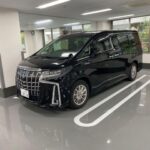
- Private transport from Tokyo: Ride in a Toyota Alphard or Hiace with hotel or Airbnb pickup inside Tokyo’s 23 wards.
- Hakone’s volcanic side: Cruise Lake Ashi and walk around Owakudani’s sulfur vents and hot springs.
- A broad second day: Add Odawara Castle, Kamakura’s Great Buddha, and a possible stop in Yokohama Chinatown.
- Useful guide support: Keith is the named guide associated with the tour, and English and Chinese service is available.
Why this two-day route works
This is not a slow countryside retreat. It is a concentrated tour of several major sights outside Tokyo, with Mount Fuji as the thread tying them together.
On day one, you move through the Fuji Five Lakes area and reach Hakone by evening. On day two, you cross Hakone, continue toward Odawara and Kamakura, then return to Tokyo. That route gives you far more variety than a single-day Fuji excursion, but it also means you should expect a full schedule.
I think the overnight stop makes the price easier to understand. Instead of returning to Tokyo after a long day, you get time in a traditional inn, a hot-spring bath, dinner, and breakfast. The tour treats the ryokan as part of the experience, not just a place to sleep.
A few more Tokyo tours and experiences worth a look


From Tokyo to Lake Kawaguchi
Pickup is available directly from your hotel or Airbnb within Tokyo’s 23 wards. You should be ready at least 10 minutes early. The drive to the Fuji area takes about two hours, depending on traffic, so the spacious Toyota Alphard or Hiace matters. You are spending a fair amount of time in the vehicle.
Lake Kawaguchi is the first major stop. The schedule allows about 30 minutes for a photo stop and free time at the lake. Oishi Park is the planned place for a morning stroll, with open views toward Mount Fuji when the weather cooperates.
This is a good first look at the mountain because the lake gives you a broad setting rather than a tight shrine view. Still, 30 minutes is brief. You can walk, take photographs, and enjoy the setting, but you will not have time for a long lakeside outing.
Mount Fuji visibility is never guaranteed. Clouds can gather around the summit even on an otherwise pleasant day. The driver may adjust the order or offer another scenic stop, but no private tour can control the weather.
Arakura Sengen Shrine and the famous pagoda view
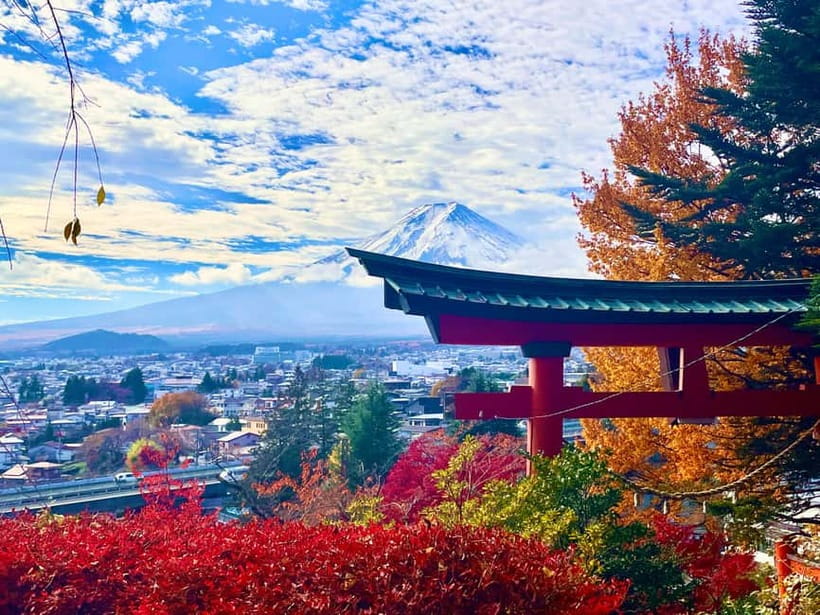
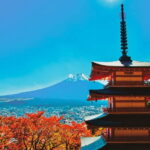
Arakura Fuji Sengen Shrine is one of the most recognizable Fuji photo stops. The five-story pagoda, called Chureito Pagoda, frames Mount Fuji from the hillside above Fujiyoshida.
The visit lasts about an hour and includes walking. The view is rewarding, but reaching the upper viewpoint requires steps. Wear comfortable shoes and keep your pace sensible, especially if you are traveling with children or anyone who dislikes uphill walks.
This stop has two sides. The photograph is famous for good reason, yet the real value comes from the shrine setting and the climb. You are not simply stepping out of a van for a quick roadside picture. You get a short taste of Japanese religious architecture, wooded paths, and a hilltop outlook.
Cloud cover can make the pagoda view less dramatic. Even then, the shrine remains worthwhile, so try not to measure the stop only by whether the summit appears.
Oshino Hakkai and the Fuji pilgrimage route
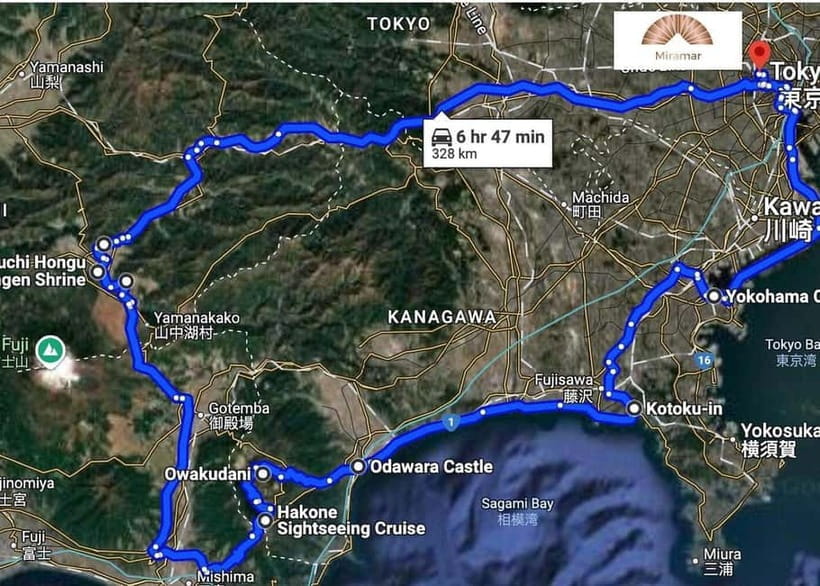
The route then takes you to Oshino Hakkai, a group of clear spring ponds in the Fuji area. The schedule gives you about an hour for walking, sightseeing, shopping, and photographs.
The springs offer a calmer change after the shrine and viewpoint. The water is known for its clarity, and the setting gives you another way to see the Fuji region without the scale of a major lake. You may have time to pause beside the water and buy local items, but the exact balance depends on traffic and the day’s pace.
Lunch in Yamanashi includes houtou, a regional noodle dish. This is a useful inclusion because it gives you a local meal rather than leaving lunch entirely to chance. Houtou is hearty and suited to a busy sightseeing day, though you should remember that lunch on the second day is not included.
Kitaguchi Hongu Fuji Sengen Shrine follows. This shrine has a strong connection to the traditional pilgrimage route up Mount Fuji. Its wooded grounds and religious importance provide a more reflective stop than the open lake views.
The visit is listed at about 30 minutes. That is enough to see the main approach and grounds, but not enough for a slow, detailed visit. If shrines are a major interest for you, ask about the possibility of adjusting the schedule before booking.
A ryokan night in Hakone
The first day ends at Tōnosawa Ichinoyu Honkan, a traditional Hakone ryokan. This is the point where the tour shifts from sightseeing to Japanese hospitality.
You can check in, change clothes, and spend time in the onsen. Bring a change of clothes, as recommended, and be prepared for a traditional inn rather than a standard Western hotel. The onsen is one of the strongest reasons to choose this two-day tour instead of a day trip.
Dinner is a traditional kaiseki meal with seasonal ingredients and fresh seafood. Kaiseki is served in several courses, so dinner is meant to be savored rather than rushed. The meal gives the overnight stay a clear sense of place and occasion.
The ryokan portion is also where this tour can feel less tiring than its packed route suggests. One particularly positive account describes the private onsen as a memorable part of the stay. The exact room and bathing arrangements can depend on availability, so confirm what type of bath is included if privacy is important to you.
A few more Tokyo tours and experiences worth a look
Breakfast, Lake Ashi, and the Hakone cruise
Breakfast is included at the ryokan and follows a traditional Japanese pattern, with fresh fish, rice, pickles, and miso soup. It is a practical way to start the second day, though people used to a sweet or Western breakfast may need a moment to adjust.
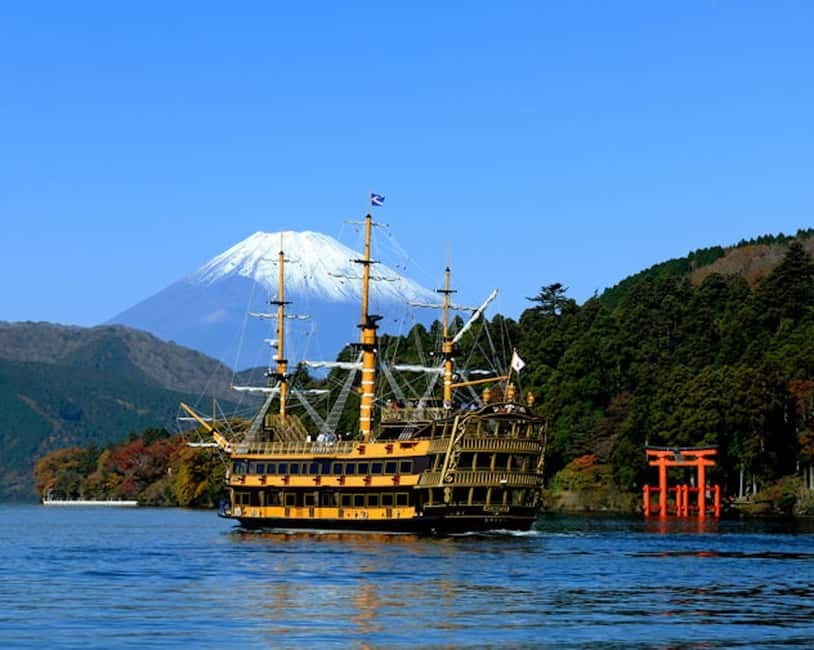
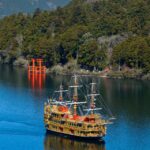
The Lake Ashi boat ride departs at 9:30 AM and lasts about 45 minutes, ending at Togendai Port. The cruise gives you views of the lake, surrounding hills, and Mount Fuji when the air is clear.
The boat ride is a pleasant change from road travel. You get to see Hakone from the water and have a fixed period in which you do not need to navigate, climb, or keep checking directions. The limitation is timing. The cruise departure is set, so a late breakfast or slow start is not easy to accommodate.
The mountain view from Lake Ashi is weather dependent. On a clear morning, it can be one of the most attractive Fuji views of the trip. On a cloudy morning, the lake and hills still provide a scenic ride, but the main Fuji photograph may not happen.
Owakudani’s sulfur vents and black eggs
After the cruise, you visit Owakudani, a volcanic valley shaped by Hakone’s geothermal activity. The area is known for sulfur vents, hot springs, and black eggs cooked in the sulfur-rich waters.
You have about 45 minutes for the stop, including photographs, walking, sightseeing, and shopping. The smell of sulfur can be strong, which is part of the point, but it may not suit everyone. The paths and conditions can also change because this is an active volcanic area.
Owakudani adds geological interest to a trip that could otherwise become a sequence of scenic viewpoints and historic sites. You can see evidence of heat beneath the ground and learn why the valley looks and smells different from the rest of Hakone.
Mount Fuji may appear from Owakudani on a clear day. Again, treat that as a bonus rather than a promise. If you have limited walking ability, ask about current access and the route used on the day.
Odawara Castle and the samurai past
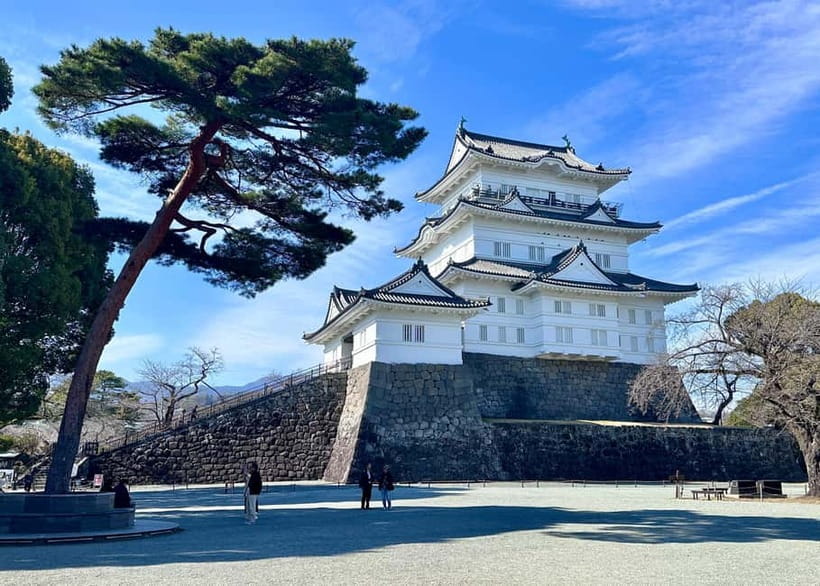
The route continues to Odawara Castle, one of Japan’s best-known historic castles. You get about 45 minutes for the grounds, museum, gardens, and views from the castle.
This is a short visit, so it works best as a focused stop. You can walk through the grounds, see the exterior, and spend some time with the exhibits. The castle offers useful context after the shrines and hot springs, bringing samurai-era history into the trip.
I would not choose this tour expecting a long castle study. Forty-five minutes can pass quickly, especially if you want to read museum displays or climb to the top. Still, the stop breaks up the drive and gives the second day another distinct theme.
Kamakura’s Great Buddha
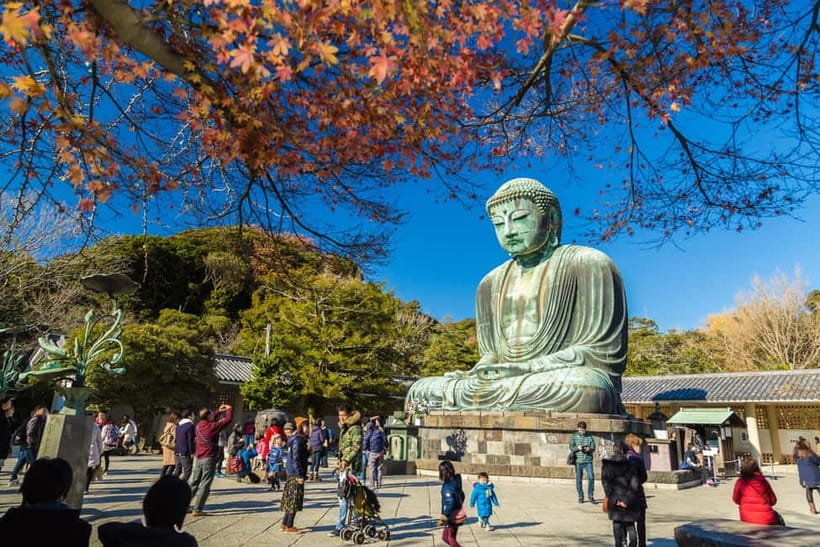
Kamakura Daibutsu is the final major cultural stop before the possible Yokohama visit. The bronze Buddha is more than 13 meters tall and is one of Japan’s most recognizable religious monuments.
The scheduled time is about 30 minutes. That is enough to see the statue, take photographs, and absorb its scale, but it leaves little room for a wider exploration of Kamakura. If you want to visit more temples or shrines in town, you would need to request a custom plan.
The Great Buddha works well in this itinerary because it gives you a powerful final sight after two days of mountain scenery, shrines, and volcanic activity. It is also easy to understand even if you are new to Japanese Buddhist art and architecture.
The optional Yokohama Chinatown stop
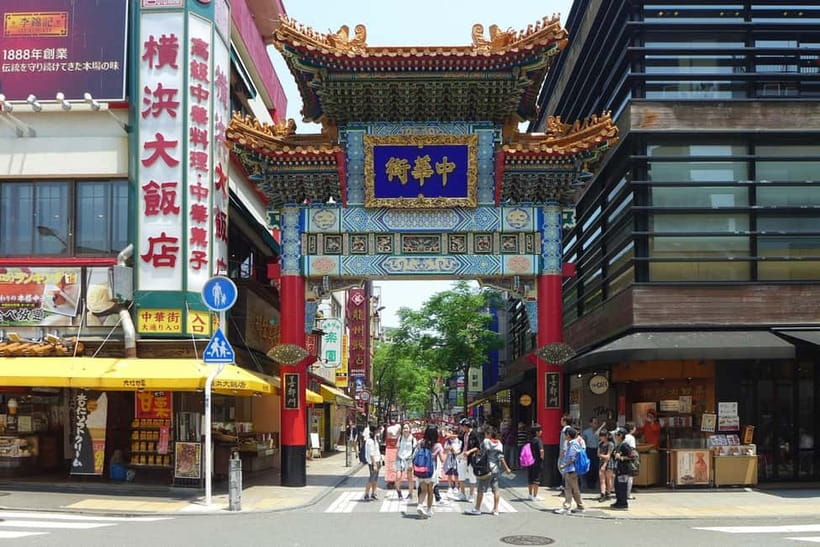
If time allows, the vehicle can make a quick stop in Yokohama Chinatown. The visit is listed at about 30 minutes for photographs, shopping, and walking.
This should be treated as an optional extra, not a guaranteed centerpiece. Traffic, the weather, and time spent at earlier stops all affect the return schedule. A short stop can give you a taste of the area, but it will not provide time for a relaxed meal or extensive shopping.
You then return to Tokyo, with drop-off at your Ginza hotel or another central Tokyo location. The final drive is listed at about one hour, though Tokyo traffic can change that considerably.
What the $838 price means
At $838 per person, this is not a budget excursion. The value depends heavily on how many people share the private vehicle and how much you value the ryokan stay.
The price includes private transport, pickup and drop-off within the Tokyo 23 wards, entrance fees to the listed sites, Yamanashi houtou lunch, ryokan accommodation, dinner, traditional breakfast, and the Lake Ashi boat ride. It also covers up to 10 hours of touring per day.
That is a substantial bundle. You are paying for two days of driving across several areas, not simply for admission tickets. A private vehicle also removes the need to coordinate trains, buses, luggage, and the Lake Ashi connection.
The price is easiest to justify for families, couples, or small groups that would otherwise need several separate bookings. Solo visitors should look closely at the cost, since the per-person rate may feel high compared with public transport and independent overnight planning.
Lunch on day two and personal purchases are extra. You should also budget time for meals and shopping at Oshino Hakkai, Owakudani, Kamakura, or Yokohama if those appeal to you.
Who should book this tour
I would recommend it to you if you want to see Fuji, Hakone, and Kamakura in one organized trip without changing hotels every night or managing several transport systems.
It suits families particularly well because the private van offers more control than a shared coach. It is also a good fit for first-time visitors who want an English or Chinese-speaking driver to answer questions and help with the day’s flow.
The tour is less suitable if you want long periods at each site. The 30-minute lake stop, 30-minute shrine visit, 45-minute Owakudani visit, and 30-minute Great Buddha stop show the pace clearly. You will see a lot, but you will not study every place in depth.
The named guide Keith has been praised for being friendly, helpful, generous with information, and willing to give plenty of time for exploration. That personal attention is a major part of the private-tour value, though guide assignment should be confirmed when you book.
Weather and traffic remain the two big variables. The tour operates in rain unless conditions become extreme, and the order or stops may change. Bring warm clothing, comfortable walking shoes, a passport or ID, and a change of clothes for the ryokan.
Cancellation terms need a careful look. The booking information says you can cancel up to 24 hours in advance for a full refund, while the detailed schedule also lists graduated charges beginning seven days before check-in. Confirm the exact terms shown for your booking before paying.
Should you book it?
Book this if you want a high-touch Fuji and Hakone experience with a traditional overnight stay, not just a quick mountain photo.
The strongest features are the private driver, the varied Fuji viewpoints, the Lake Ashi cruise, and the ryokan with onsen, dinner, and breakfast. The tradeoff is a demanding route with limited time at several stops and a price that makes more sense when shared by two or more people.
If that balance sounds right, this is a convenient and culturally rewarding way to connect Tokyo with the Fuji region, Hakone, Odawara, and Kamakura in two well-filled days.
FAQ
How long is the tour?
The tour lasts two days and includes sightseeing time of up to 10 hours per day.
Where does pickup take place?
Pickup is available from hotels and Airbnbs inside Tokyo’s 23 wards. The driver will confirm the exact meeting point in advance if needed.
Where does the tour return?
Drop-off is available at your hotel in Ginza or another location in central Tokyo.
What vehicle is used?
Transportation is provided in a comfortable Toyota Alphard or Toyota Hiace.
What languages does the driver speak?
The tour is available with an English-speaking or Chinese-speaking driver.
Is this a private tour?
Yes. The vehicle and sightseeing experience are reserved for a private group.
Is accommodation included?
Yes. The tour includes one overnight stay at a traditional Hakone ryokan with an onsen experience.
What meals are included?
Day one includes houtou lunch and a traditional Japanese dinner at the ryokan. Day two includes a traditional Japanese breakfast. Lunch on day two is not included.
Is the Lake Ashi boat ride included?
Yes. The Lake Ashi sightseeing cruise is included. The boat departs at 9:30 AM and takes about 45 minutes to Togendai Port.
What should I bring?
Bring your passport or ID card, warm clothing, comfortable walking shoes, and a change of clothes. The tour operator also asks you not to bring pets except assistance dogs and prohibits smoking in the vehicle and indoors.
More Kamakura & Enoshima Day Trips in Tokyo
More Hakone Day Trips in Tokyo
More Mt Fuji Day Trips in Tokyo
More tours in Tokyo we've reviewed

Mt Fuji Day Trips, compared.
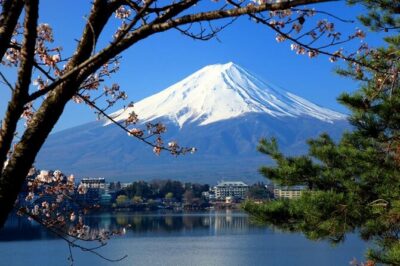 ★ 5.0Mt Fuji and Hakone 1-Day Bus Tour Return by Bullet TrainFrom $163
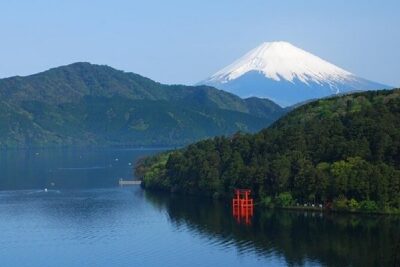 ★ 4.0Mt Fuji & Hakone Cruise, Drum Show Bullet Train 1 Day from TokyoFrom $149
 ★ 4.4Tokyo Mt Fuji 5th St & Hakone Cruise Bus Tour w/Bullet TrainFrom $15410 hours
 ★ 4.5From Tokyo: Mount Fuji Full-Day Sightseeing TripFrom $6810 hours
 ★ 4.7Tokyo: Mt. Fuji Tour, Hakone Ropeway, Owakudani, Lake AshiFrom $5410 hours
 ★ 4.4Tokyo:Mt.Fuji,Kawaguchiko Oishi Park,Arakurayama Sengen ParkFrom $5410 hours