
Reviewed · SUMO EXPERIENCES
Tokyo: Sumo Show and Dining Experience
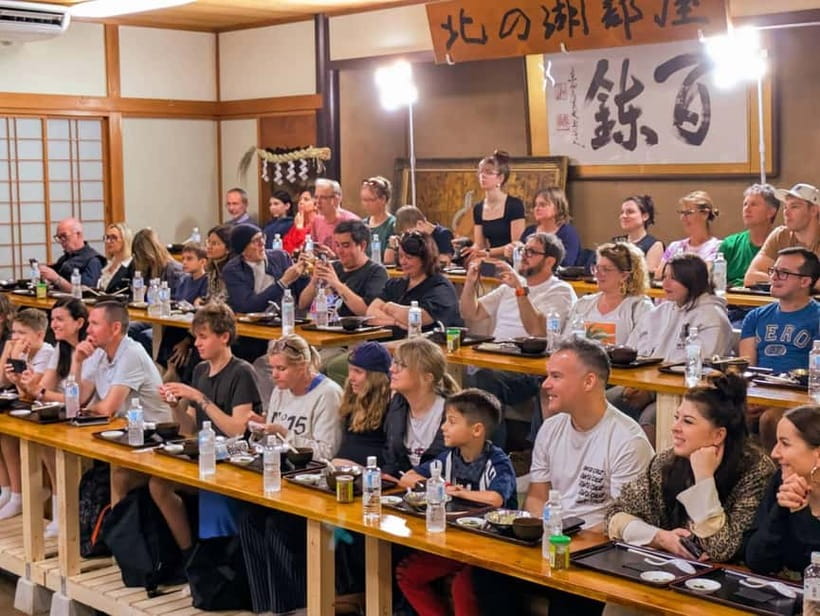
Tokyo Sumo Room puts you close to the action with former sumo wrestlers, a short lesson on the sport, practice bouts, and a chance to test your strength in the ring. This is not a distant stadium view. You sit near the action, hear the slap of bodies, and see just how much power goes into each movement.
I like the mix of real sumo instruction and good humor, which makes the sport easier to understand even if you arrive knowing little about it. I also like the chance to eat dishes inspired by chankonabe, the hearty hot pot associated with sumo life, while the host explains what you are seeing.
The main thing to watch is the meal selection. Food is included with the meal option at the 11:00 AM and 7:00 PM shows, but no meal plan is available for the 3:00 PM show. Booking ahead is wise, especially if you want a particular time or need a vegetarian meal.
In This Review
- Key points to know before booking
- A close-up introduction to sumo in Kiyosumi-Shirakawa
- The opening lesson explains more than the basic rules
- Practice bouts show the athletic work behind the spectacle
- The ring invitation is the most memorable part
- The food connects the show to everyday sumo life
- Why the small setting matters
- Who will get the most from this activity
- Timing, transport, and booking advice
- A practical way to enjoy the two-hour program
- Should you book Tokyo Sumo Room?
- FAQ
- Where is Tokyo Sumo Room located?
- How long does the sumo show last?
- What does the sumo experience include?
- Is food included in the price?
- What kind of food is served?
- Can I request vegetarian food?
- Is the activity presented in English?
- Can I wrestle with the sumo performers?
- Is the venue wheelchair accessible?
- What should I bring?
- Do I need to arrange transportation?
- Can I cancel my booking?
Key points to know before booking
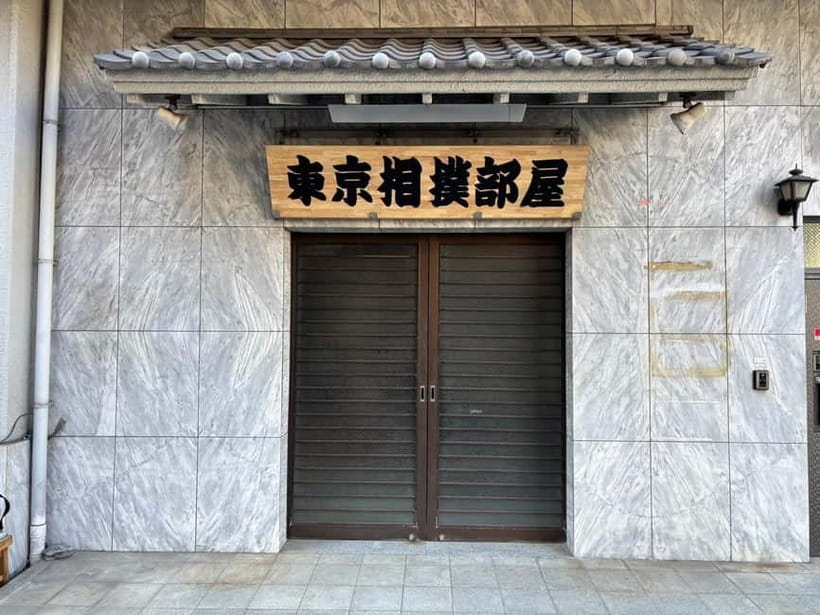
- Former Makuuchi wrestler Tokitsumi runs the venue: The setting has a direct connection to professional sumo rather than being a generic stage show.
- You may enter the ring: Audience participation can include practice and a playful bout with a retired wrestler.
- The English explanation is central to the show: You learn the basic rules, customs, training, and history before the action begins.
- Chanko-style food adds real cultural context: The meal is designed around food connected with the daily life of sumo wrestlers.
- The 11:00 AM and 7:00 PM meal options differ from 3:00 PM: Check the exact booking choice carefully before paying.
- Kiyosumi-Shirakawa is easy to reach by public transport: You arrange your own transportation to and from the venue.
A close-up introduction to sumo in Kiyosumi-Shirakawa
Tokyo Sumo Room is in Kiyosumi-Shirakawa, a district that gives the activity a useful sense of place. You are not simply watching a polished theater performance in an anonymous room. The venue is connected with sumo culture and is operated by former wrestler Tokitsumi, who competed at Makuuchi level.
The activity lasts about 90 minutes to two hours. That range matters because the exact pace can depend on the day’s program, the amount of audience participation, and the meal service. Plan for a compact cultural outing rather than a full evening at a major tournament.
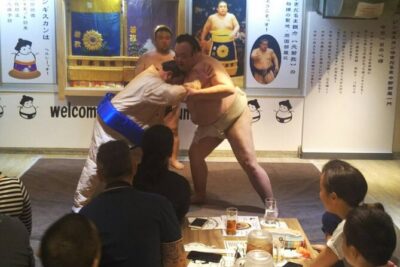
The room is small enough for you to feel close to the action. One group had only eight people, while the space can hold more than 20, so the atmosphere may change depending on the booking. A smaller crowd can make questions and participation feel more personal. A fuller room should bring more energy and more people cheering from the edge of the ring.
The host speaks English and guides the program for an international audience. That is important here. Sumo has many rules and gestures that are easy to miss if you only watch a match without explanation.
A few more Tokyo tours and experiences worth a look
The opening lesson explains more than the basic rules
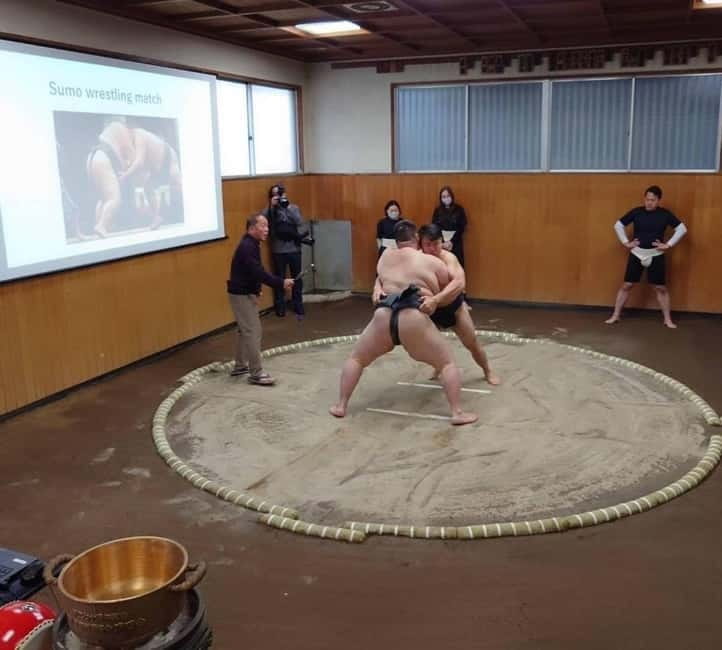
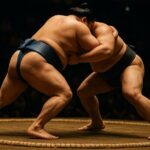
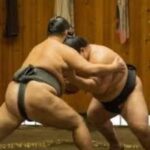
The show begins with an introduction to sumo’s history, customs, and rules. You learn why the wrestlers perform their ritual movements, how a bout is won, and what to watch for when two large athletes meet in the ring.
This opening section is short, clear, and useful. It gives you the vocabulary and background needed to follow the demonstrations. Instead of seeing a series of dramatic pushes and throws, you begin to notice balance, footwork, timing, grip, and the effort required to stay inside the ring.
The host’s role is a major part of the experience. The presentation is designed to be informative without becoming a lecture, and humor keeps the group involved. Several parts of the show use audience questions and direct interaction, so you can learn at your own pace.
I especially like this format for first-time sumo watchers. A full professional tournament can be difficult to follow if you do not know the rules. Here, the explanations come immediately before the demonstrations, so the information has a clear purpose.
Practice bouts show the athletic work behind the spectacle
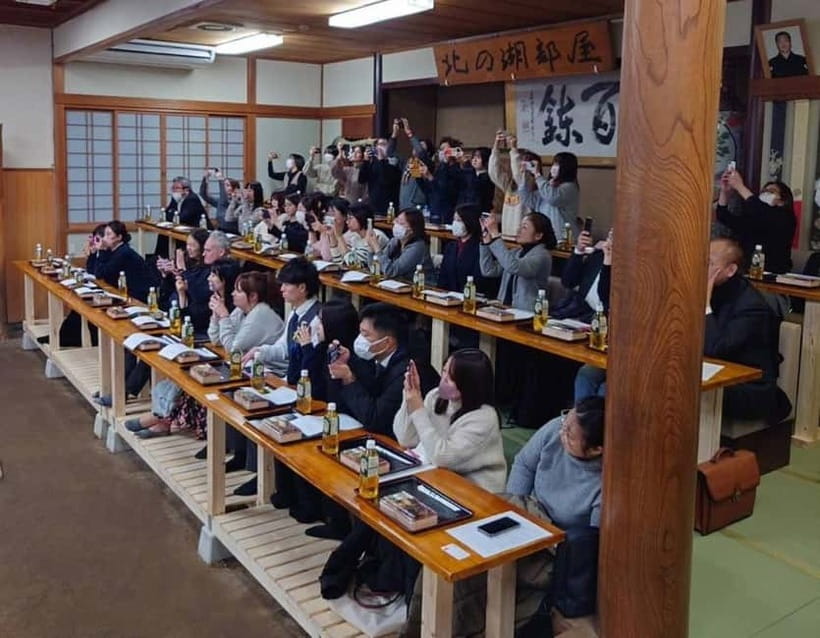
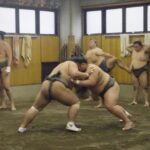
After the introduction, the wrestlers demonstrate sumo techniques and training movements. You see the sport as hard physical work, not just a colorful ceremony or a contest of body size.
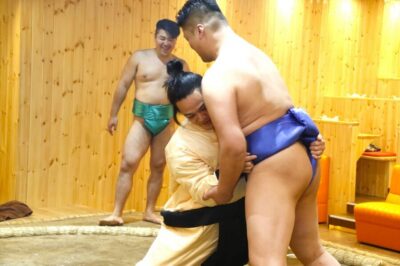
The participants are former sumo wrestlers, and the show gives you a close look at their strength and control. The demonstrations can include practice bouts followed by several competitions. One program included three competitions before the interactive portion, giving the audience time to watch the wrestlers work before being invited into the action.
The scale of the sport is easier to understand from a few feet away. You can see the speed of the initial charge and the effort needed to shift an opponent. The wrestlers also use humor and friendly banter, which keeps the tone relaxed rather than intimidating.
I would not confuse this with attending an official Grand Sumo Tournament. You are not seeing a tournament bracket or current championship match. You are getting an educational performance led by experienced former athletes, with more conversation and audience involvement than you would find in a formal competition.
That difference is a strength for many people. If your goal is to learn and take part, this format gives you more access. If your goal is to watch elite tournament sumo in silence, buy a ticket for a professional event instead.
The ring invitation is the most memorable part
The show can invite members of the audience to try sumo with the wrestlers. You may take part in a practice exercise or a playful bout, depending on the program and the day.
This is the moment that turns the outing from a demonstration into a shared activity. You are not expected to match a wrestler’s strength. The point is to feel the mechanics of the sport, attempt a push, and discover how quickly a trained rikishi can control the situation.
Several parts of the program make the participation friendly for families and mixed-age groups. Children can watch adults take on the wrestlers, and adults can join if they feel comfortable. The tone is light, with jokes and encouragement rather than pressure.
You should decide beforehand how active you want to be. Comfortable shoes are recommended, and you should not join simply because you feel obliged. Watching can be just as entertaining, especially when another participant discovers that the wrestler barely moves.
For those who do participate, the bout is short and controlled. The supplied details describe authentic sumo training experiences as optional, so participation is not the whole point of the booking. You can enjoy the explanations, food, and demonstrations without entering the ring.
The food connects the show to everyday sumo life
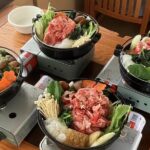
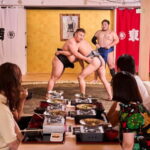
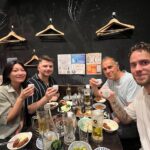
The meal option adds more than a standard restaurant dinner. The menu includes Japanese cuisine and hearty dishes inspired by chankonabe, the hot pot traditionally associated with sumo wrestlers.
Chankonabe is a useful part of the story because it gives you a taste of the kind of filling food connected with the wrestlers’ training life. The meal is served alongside the explanations and show, so you can eat while learning rather than treating dinner as a separate stop.
The food has been praised for being tasty and plentiful. Some programs offer additional servings, which is welcome if you arrive hungry. Sake is also available as a personal expense, according to the dining details provided.
Vegetarian options can be requested in advance and can also be modified on the day. I would still state your needs clearly when booking, since the meal is part of a set cultural experience rather than a restaurant visit built around a large custom menu.
Pay close attention to the time and meal wording:
- The 11:00 AM show can include Japanese cuisine when you select the meal option.
- The 7:00 PM show can include Japanese cuisine when you select the meal option.
- The 3:00 PM show has no meal plan available.
- Personal expenses, including anything outside the included meal, are not covered.
There is some potential for confusion around the phrase show with dinner. One booking description indicates that dinner is not automatically included, so read the exact option before confirming. The safest approach is to check that your reservation specifically says the meal is included.
A few more Tokyo tours and experiences worth a look
Why the small setting matters
A major appeal here is the distance between you and the wrestlers. In a large arena, you see the overall drama, but details can disappear. At Tokyo Sumo Room, you can watch the wrestlers’ movements up close and hear the explanations without depending on a distant screen.
The compact setting also helps the host respond to questions. Families, solo visitors, and small groups can all fit into the same program. A solo participant need not worry about being overlooked. The warm welcome given to people attending alone is part of the venue’s strength.
The room can also feel social. Birthday celebrations and family groups fit naturally into the format, and the performers make a point of involving the audience. Three generations can enjoy the same activity because the program combines food, comedy, history, sport, and optional participation.
The tradeoff is that a small venue may feel less grand than a major sumo hall. This is an intimate lesson and show, not a large-scale production with hundreds of spectators. I see that as a fair exchange if you value access and interaction.
Who will get the most from this activity
I recommend Tokyo Sumo Room to first-time visitors who want an easy introduction to sumo. You do not need prior knowledge, and the English-speaking host explains the key points before asking you to follow the demonstrations.
Families are another strong match. Children can watch the wrestlers, learn basic rules, enjoy the meal, and see adults or volunteers try the ring. The activity gives younger visitors something active to focus on instead of asking them to sit quietly through a long historical talk.
It also works well for a special occasion. The staff can acknowledge birthdays, and the friendly format gives a family or small group a shared memory. Solo visitors can book as well, with participation available if they want it.
Sumo fans may appreciate the connection to former professional wrestlers and the chance to ask questions. Still, you should set your expectations correctly. This is not a substitute for a live tournament during an official sumo season.
Visitors with mobility needs should note that the venue is wheelchair accessible. Bring comfortable shoes if you plan to participate, and bring a camera if you want to record the occasion. Smoking is not allowed indoors or at the venue.
Timing, transport, and booking advice
The activity is located in Kiyosumi-Shirakawa and is accessible by public transport. Transportation to and from the venue is not included, so allow time to reach the district and find the room before the start.
The available show times are 11:00 AM, 3:00 PM, and 7:00 PM, subject to availability. The morning and evening choices are the ones to consider if you want food. The afternoon show may suit you better if you only want the presentation and demonstrations.
Book ahead. The high demand for the small venue means a convenient time may fill, particularly for families or groups. Advance booking also gives you a chance to request a vegetarian meal.
The activity offers free cancellation up to 24 hours before the scheduled start for a full refund. A reserve-now, pay-later option is also available, which helps if you are still adjusting your Tokyo plans.
The listed price is $79 per person. I consider that reasonable when you choose the meal option and take part in the full program. You are paying for instruction, former professional wrestlers, live demonstrations, a meal, and a small-group setting rather than only a short photo opportunity.
The value is lower if you choose the 3:00 PM show expecting dinner and do not notice that no meal plan is available. Compare the exact options before booking, then decide if the food and participation are worth the added cost for your group.
A practical way to enjoy the two-hour program
Arrive ready to listen during the opening explanation. The basic information makes the later demonstrations much more interesting, especially when the host points out how a wrestler wins by forcing an opponent out of the ring or making another part of the body touch the ground.
During the practice bouts, watch the feet as much as the upper body. The pushing is dramatic, but balance and position are what make the sport work. Seeing the demonstrations after the rules have been explained helps you understand why a small movement can decide a bout.
If participation is offered, join only if you want to. Comfortable shoes will help, and modest clothing that allows movement is sensible. The wrestlers control the activity, so your role is to try the technique and enjoy the comic mismatch, not to prove athletic ability.
Keep your camera ready, but do not let filming replace watching. The close distance makes the physical effort easy to appreciate, and the interaction is often the part you will remember most clearly.
At the meal, ask about the dishes if you want more context. The chanko-inspired food is not just fuel for the evening. It helps explain how sumo culture connects training, communal eating, and the daily life of wrestlers.
Should you book Tokyo Sumo Room?
Book this experience if you want sumo explained in English, close-up demonstrations by former wrestlers, and the chance to join a playful bout. It is especially good for families, first-time sumo watchers, solo visitors, and anyone who prefers a friendly small-room activity to a formal stadium event.
Think twice if you want a serious tournament atmosphere or a guaranteed full professional match. You should also check the meal option carefully, since the 3:00 PM show does not include food.
For most visitors, the combination of real sumo experience, humor, audience participation, and chanko-style dining makes the $79 price fair. Choose the 11:00 AM or 7:00 PM meal option if dinner matters, request vegetarian adjustments in advance, and leave room in your schedule for up to two hours. This is a practical, entertaining way to understand one of Japan’s most distinctive sports.
FAQ
Where is Tokyo Sumo Room located?
Tokyo Sumo Room is located in Kiyosumi-Shirakawa in Tokyo, on Honshu. The venue is accessible by public transport.
How long does the sumo show last?
The activity lasts between 90 minutes and two hours, depending on the program and timing.
What does the sumo experience include?
The program includes sumo performances and explanations about the sport’s history and traditions. Optional authentic sumo training experiences are also available.
Is food included in the price?
Japanese cuisine is included when you select the meal option for the 11:00 AM or 7:00 PM show. No meal plan is available for the 3:00 PM show.
What kind of food is served?
The menu features Japanese cuisine, including hearty dishes inspired by chankonabe, the hot pot traditionally enjoyed by sumo wrestlers.
Can I request vegetarian food?
Yes. Vegetarian options are available upon request and can also be modified on the day of your visit.
Is the activity presented in English?
Yes. The instructor and host provide the experience in English.
Can I wrestle with the sumo performers?
Audience participation may include sumo practice and a playful bout with the wrestlers. Participation is optional.
Is the venue wheelchair accessible?
Yes. Tokyo Sumo Room is wheelchair accessible.
What should I bring?
Bring comfortable shoes and a camera. Smoking, including indoor smoking, is not allowed.
Do I need to arrange transportation?
Yes. Transportation to and from the venue is not included, so you make your own way to Kiyosumi-Shirakawa.
Can I cancel my booking?
You can cancel up to 24 hours in advance for a full refund. A reserve-now, pay-later option is also available.
More Dining Experiences in Tokyo


More Shows & Performances in Tokyo
More Sumo Experiences in Tokyo
More tours in Tokyo we've reviewed



Sumo Experiences, compared.
 ★ 4.8Tokyo: Sumo Show Experience with Chicken Hot Pot and a PhotoFrom $1032 hours
 ★ 5.0the SUMO showFrom $89
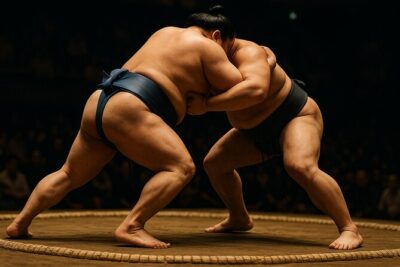 ★ 5.0Tokyo Shinjuku Sumo Show & Experience with PhotoFrom $79
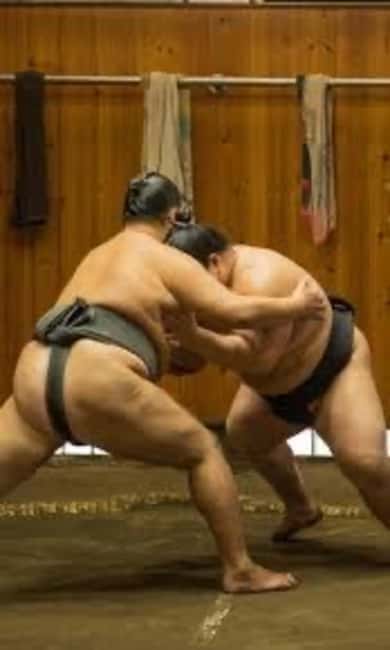 ★ 4.8Tokyo: Sumo Show and Experience in ShinjukuFrom $691h 30m
 ★ 4.6Tokyo: Sumo Tournament Tour with Chair Seat TicketsFrom $141
 ★ 5.0Authentic Sumo Experience in Tokyo: Enter the SanctuaryFrom $171