
Reviewed · SUMO EXPERIENCES
Tokyo: Sumo Morning Practice Tour at Sumida City
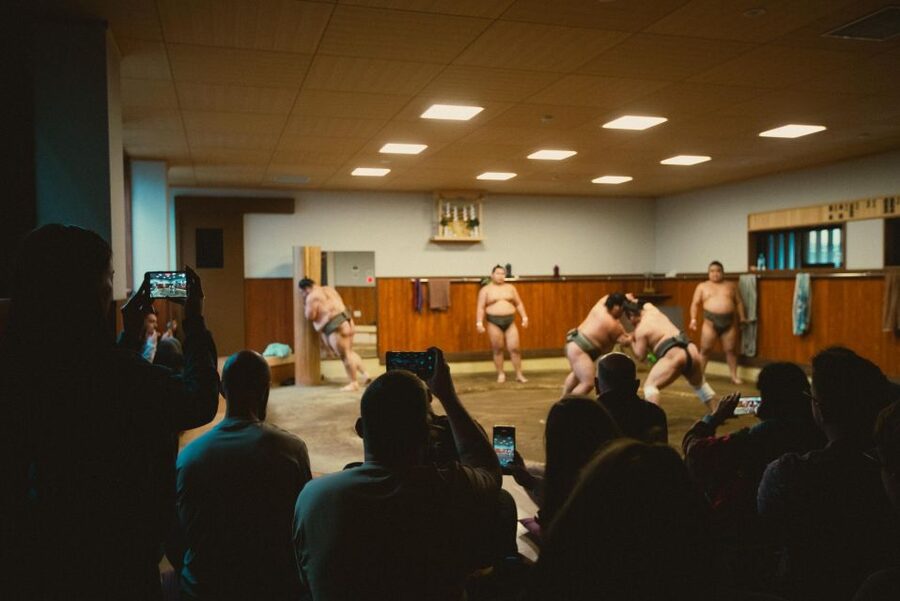
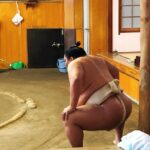
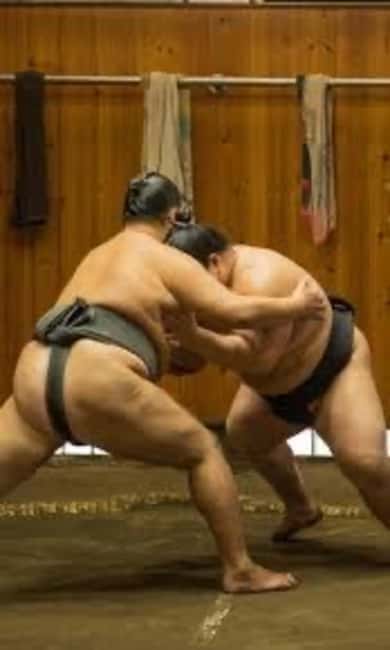
Seeing sumo practice from the edge of a real stable is far more revealing than watching a tournament from distant stadium seats. You sit close to the ring as wrestlers stretch, stomp, grapple, and repeat demanding drills under the stable master’s eye. The quiet intensity is the main event.
I like the chance to ask the stable master questions after practice, and I like how guides such as Tadashi, Yoko, Yukiko, Kiyomi, and Yuriko help you understand what you are seeing. The catch is simple: you sit on the floor for about 1.5 hours, with no chair, and the early start plus 15 to 20-minute walk require some planning.
In This Review
- Tokyo Sumo Morning Practice Tour at a Glance
- Why Watching Practice Beats Only Seeing a Tournament
- Meeting at Oshiage Station Before 7:30
- Entering the Stable and Taking Your Seat
- The 90-Minute Morning Practice
- Ritual, Respect, and the Life of a Wrestler
- Questions With the Stable Master
- Photos, Phones, and Stable Etiquette
- Is the $116 Price Fair?
- Who Should Book This Morning?
- Final Verdict: A Close Look at Sumo’s Working World
- FAQ
- How long does the sumo morning practice tour last?
- Where do I meet the guide?
- How far is the stable from the meeting point?
- Can I use the restroom during practice?
- Do I have to sit on the floor?
- Can I take photos or videos?
- Is the tour held in every month?
Tokyo Sumo Morning Practice Tour at a Glance
- Watch training from close range: You see wrestlers work through drills and bouts only a short distance away.
- Learn the rules and rituals: Your English-speaking guide explains the customs, discipline, and religious connections behind sumo.
- Ask the stable master questions: The session usually ends with an informal question-and-answer period.
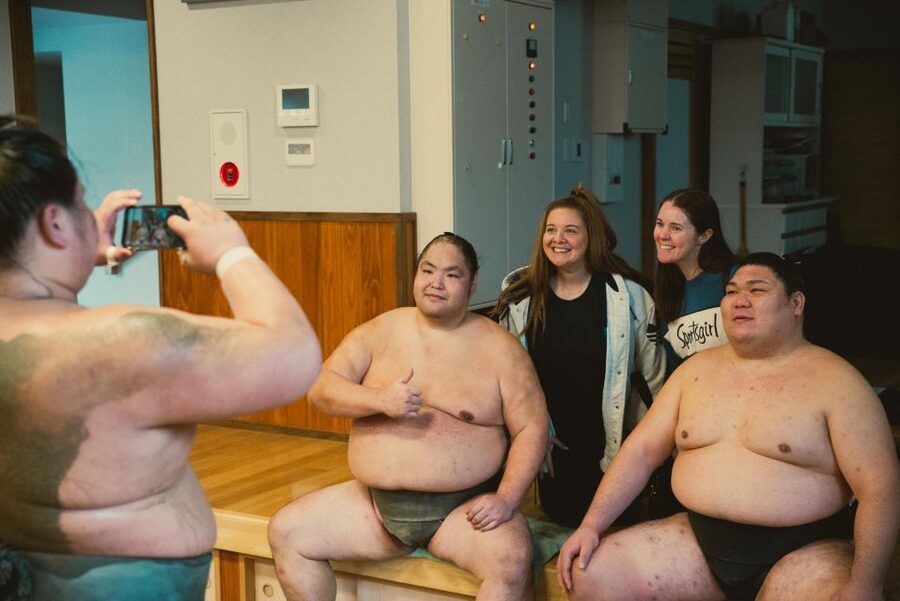
- Possible wrestler photos: You may get a picture with the wrestlers after practice, but this is not guaranteed.
- Plan for floor seating: You must sit cross-legged on the ground, often for around 90 minutes.
- Meet near Tokyo Skytree: The tour begins at Oshiage Station and returns to the same area after roughly two hours.
Why Watching Practice Beats Only Seeing a Tournament
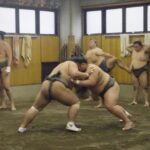
A sumo tournament gives you the polished public version of the sport. This morning visit shows the work behind it. You watch wrestlers prepare their bodies, repeat movements, and face one another in practice without the pageantry of a major arena.
That difference matters. Sumo is not only two enormous athletes pushing each other out of a ring. It depends on balance, timing, footwork, flexibility, breath control, and ritual. The wrestlers’ size catches your eye first, but their agility becomes just as impressive once training begins.
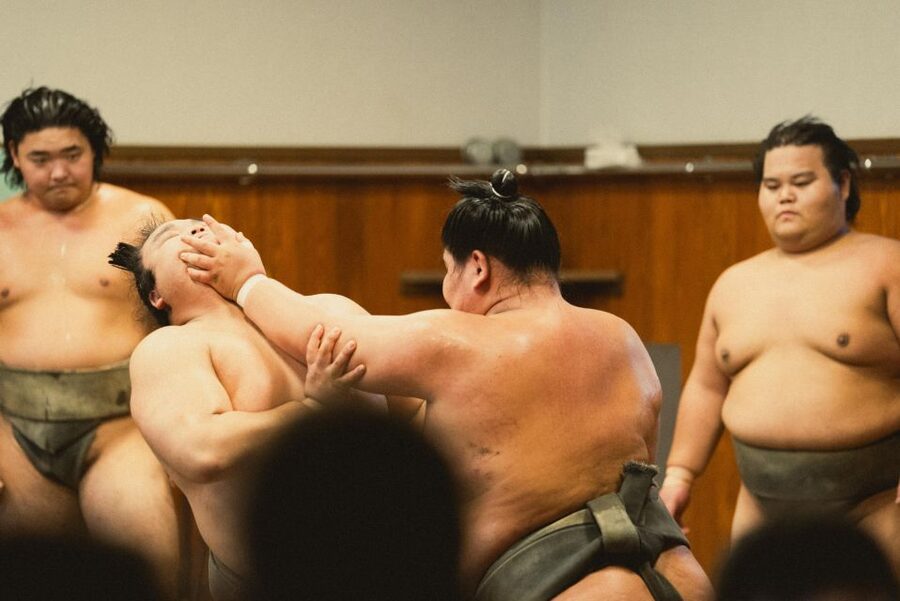
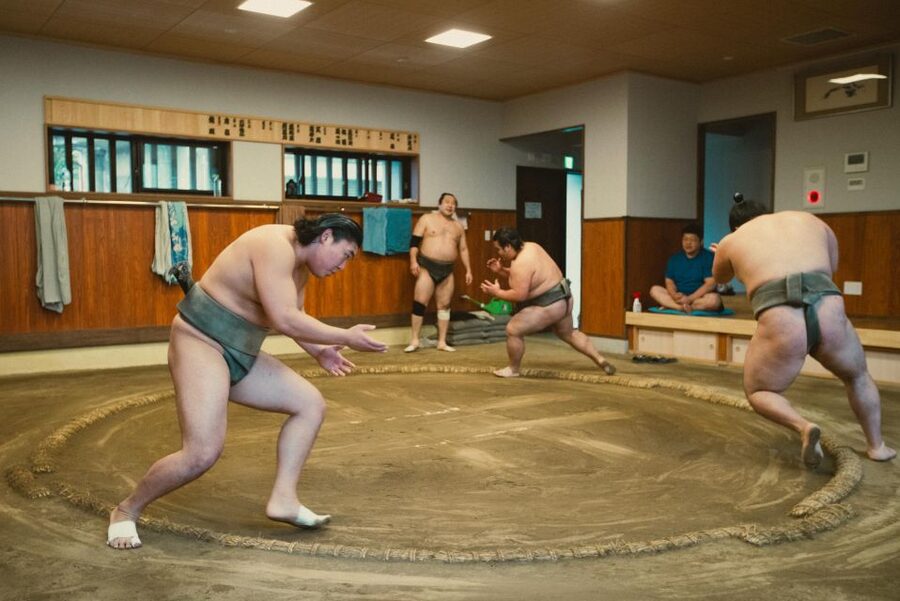
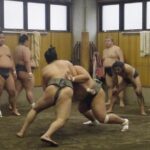
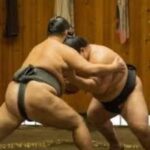
You might see several wrestlers take turns in the ring, with practice bouts that are short but forceful. One moment can look almost slow and methodical, then the pace changes as two men collide. The training is not arranged as a show for your group, so the activity feels more like observation than entertainment.
That is also why you need to behave differently from the way you might at a normal sightseeing attraction. You watch quietly, avoid flash photography and shutter sounds, and do not move around to chase a better view. The wrestlers are working, and the stable is their training space.
A few more Tokyo tours and experiences worth a look

Meeting at Oshiage Station Before 7:30
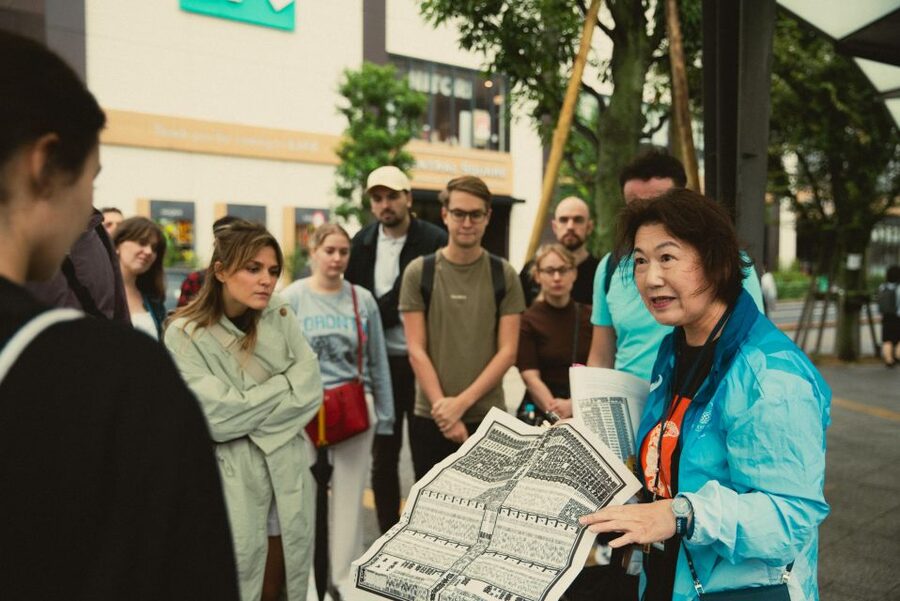
The meeting point is at the ground-floor A1 Exit of Oshiage Station, also called Tokyo Metro Oshiage, Skytree Mae, or Toei-Asakusa Line Oshiage Station. You meet at 7:15 a.m., with the tour starting at 7:30.
This is an early morning, so check your route the night before. The station serves the Tokyo Skytree area, making it convenient if you are staying nearby or combining the tour with Skytree Town afterward. The directions have caused confusion for some visitors, so I would arrive early and confirm the exact exit rather than relying on a last-minute map search.
From the station, you walk for about 15 to 20 minutes to the stable. The route is described as a short walk, but it can feel longer in summer heat or wet weather. Bring a small towel if rain is forecast, since you will remove your shoes on arrival and may want to wipe your feet.
Your guide gives instructions before the walk. This briefing is important because a sumo stable is not a theater where you can enter whenever you like. If you are late, message the provider. You may be given the stable’s address, but you must wait outside for the guide. Do not ring the doorbell or enter alone, since that could interrupt the wrestlers’ concentration.
Entering the Stable and Taking Your Seat
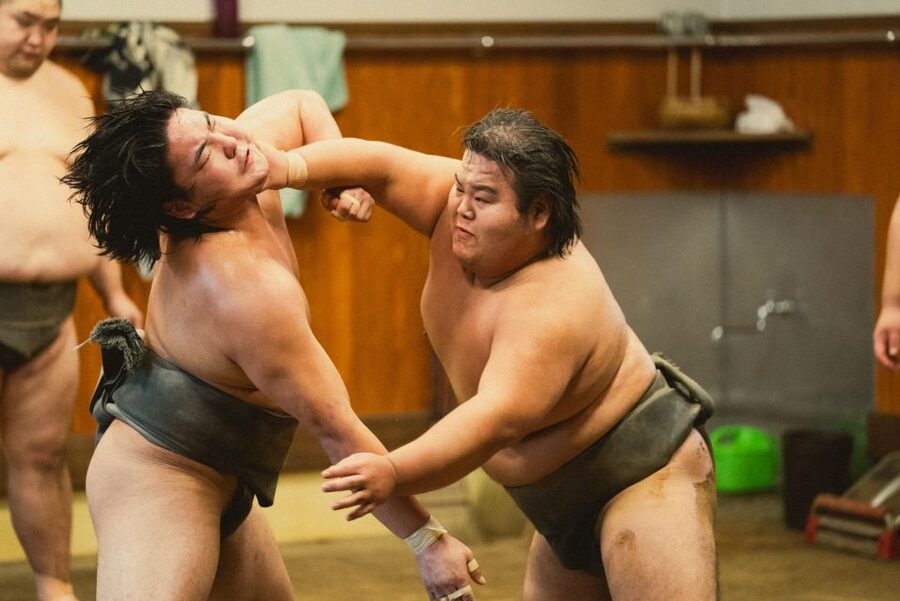
At the stable, you remove your shoes before entering. Wear footwear that slips on and off easily, especially if you dislike fumbling with laces while the group waits.
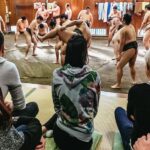
There are no chairs. You sit on the floor, usually cross-legged, and remain quiet during practice. This is the most important comfort issue to consider before booking. If you have trouble sitting on the ground for about 90 minutes, this tour may not be a good fit.
The view can vary. The stable may have other visitors or groups, and people seated farther back may not see every exchange clearly. Some groups have rotated positions, while others have kept their original seats. You may need to kneel, shift slightly, or accept that your view will change during the session.
That limitation is part of the trade-off. You are close to the action, but you are not guaranteed a front-row position at every moment. The setting is intimate and real, not designed around perfect sightseeing angles.
The 90-Minute Morning Practice
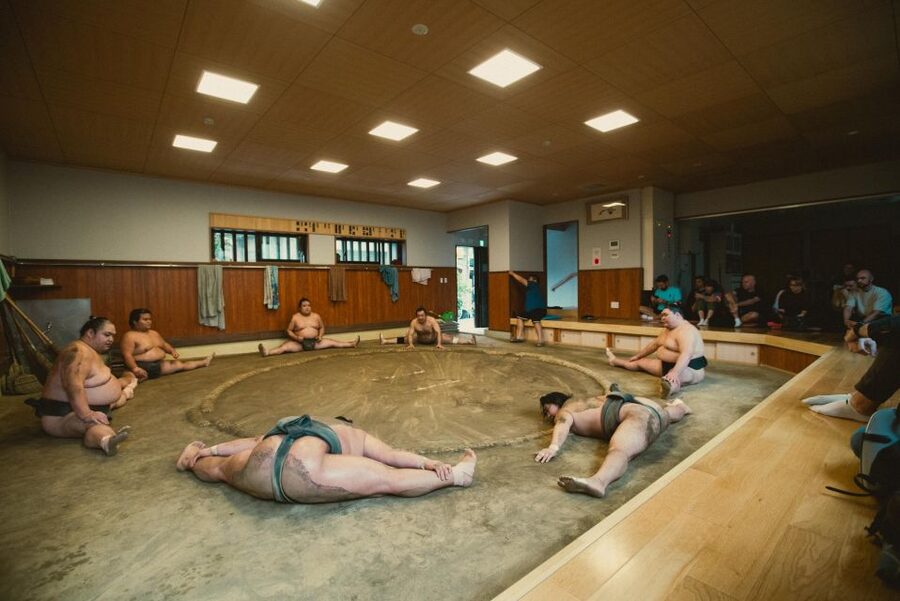
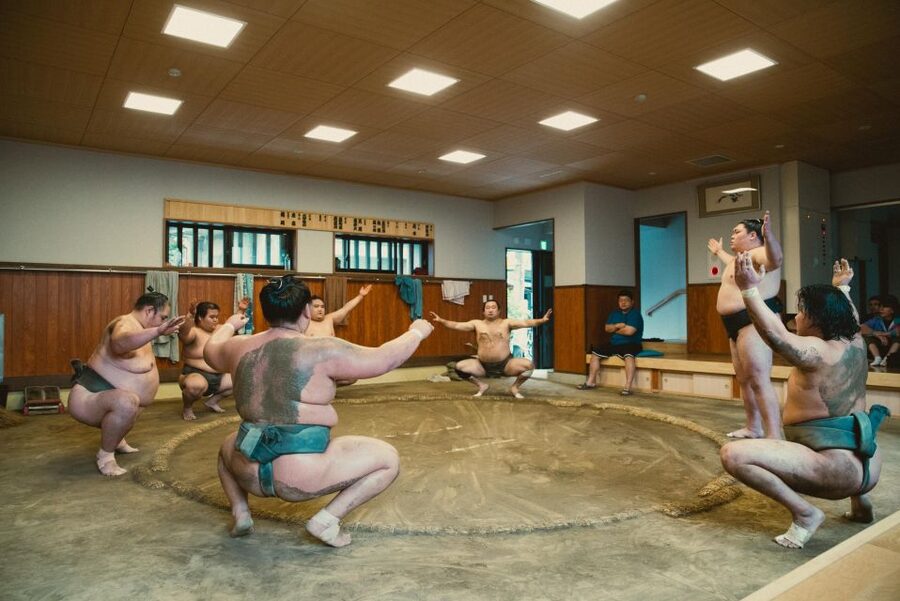
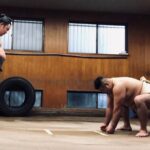
The practice lasts about 1.5 hours, though the exact amount of active fighting can vary. Sumo training is not a series of nonstop bouts. You may spend time watching warmups, stretching, footwork, ritual movements, and repeated drills before the wrestlers face one another.
This is where a good guide helps. Yoko has been praised for explaining both the sport and Japanese culture with energy. Yukiko, Yuriko, Kiyomi, Tadashi, and Oku have also been singled out for clear explanations, calm organization, or friendly help. Guide quality can shape the morning because the training itself is conducted in Japanese and is not narrated by the stable.
You may receive printed information, and the guide explains what is happening at different stages. One point to keep in mind is that not every guide handles the introduction in the same way. Some visitors have received a detailed explanation before practice, while others felt the written material did more of the work. If learning the rules matters to you, ask questions early and save a few for the discussion afterward.
The physical side of the sport is striking. You see how much force the wrestlers generate from a low stance, but you also notice their flexibility and control. Several people have been surprised by how agile the wrestlers are given their size. The training gives you time to notice small details that disappear during a televised match.
The practice may also be lighter around a major tournament period. One visitor found fewer hard bouts during the May tournament season. That does not make the visit pointless, but you should not book expecting a fixed sequence of dramatic clashes every morning.
Ritual, Respect, and the Life of a Wrestler
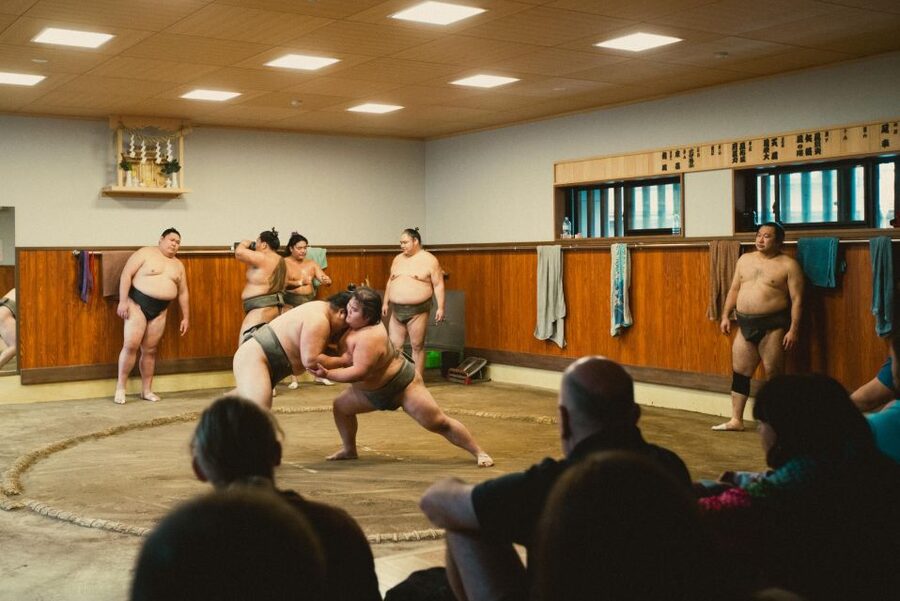
The guide helps connect the physical training to the traditions around sumo. You learn about the rules, manners, rituals, and the sport’s link with religion. That context changes what you see. A stomp is not just a warmup movement, and the formal behavior around the ring is not random decoration.
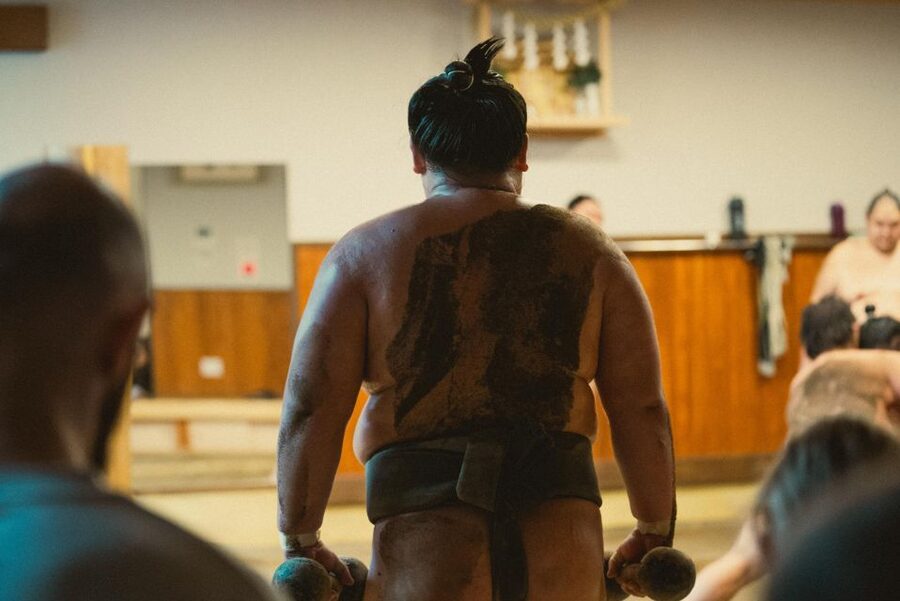
You also get a glimpse of the wrestlers’ daily world. This is not a museum display or a performance created for tourists. You are watching trainees and working athletes follow the routines of their stable. Some visitors have spotted a well-known wrestler, but you should expect to see developing wrestlers rather than the sport’s biggest stars.
That distinction is worth making. The experience is valuable because it shows the training system and the discipline required to reach the top. If your only goal is to see famous champions in competition, a tournament ticket may suit you better. If you want to understand how sumo is practiced day after day, the stable visit offers something a stadium cannot.
Other city tours we've reviewed in Tokyo






Questions With the Stable Master
After practice, the atmosphere usually relaxes. The stable master may speak with the group and answer questions about training, rules, the wrestlers’ routine, and life inside the stable.
I consider this one of the strongest parts of the tour. You can ask about something you just saw instead of listening to a general lecture. If a wrestler used a particular technique or if the practice seemed less intense than expected, this is your chance to ask why.
The length of this exchange can vary, but the stated schedule allows about 30 minutes for questions and photos. Some groups have had plenty of time and never felt rushed. The quality of the session depends partly on the day’s schedule and the stable master’s availability, so treat it as a valuable possibility rather than a guaranteed private interview.
This discussion also gives the morning a human side. You are not only studying a sport. You are learning about the choices, routines, and effort involved in becoming a sumo wrestler.
Photos, Phones, and Stable Etiquette
You may have the chance to take a souvenir photo with the wrestlers after training. Many groups have been able to take pictures, but the opportunity is not promised, and you should follow the guide’s instructions.
Photography during practice has strict limits:
- No flash.
- No shutter sounds.
- No food or drinks.
- No hats or sunglasses.
- No large bags or luggage.
- Do not upload photos or videos to social media.
The social media rule is easy to miss, but it is clear: you may take photos and videos without flash or sound, but you cannot post them online. Respecting this rule protects the stable’s privacy and keeps the visit from feeling like a publicity event.
Children must be at least six years old. A child who talks loudly, moves around, or cannot watch quietly may be asked to leave the stable. I would choose this activity only for children who can handle a quiet, floor-seated morning.
Is the $116 Price Fair?
At $116 per person, this is not a cheap two-hour activity. The price includes an English-speaking guide and the entrance fee to the stable, but not transport, breakfast, or drinks. You also pay for access that is difficult to arrange independently, plus translation and etiquette guidance in a private working space.
The value depends on what you want from Tokyo. If you only want to see sumo athletes, the cost may feel high, especially if practice is light or your seating position is poor. One visitor described the tour as slightly overpriced despite calling it a great experience.
I think the price makes more sense if you value access and explanation. You are not just looking at a public display. You are entering a sumo training environment, sitting close to the ring, learning how to behave, and possibly speaking with the stable master. For a first visit to Japan, that direct connection can be worth more than another standard sightseeing stop.
The tour earns a strong 4.8 rating from 308 reviews, but that should not hide the practical drawbacks. You need to be comfortable on the floor, awake early, and prepared for an experience that changes with the stable’s schedule.
Who Should Book This Morning?
I would recommend it to you if you are curious about Japanese tradition, martial arts, sports training, or daily life behind a public spectacle. It suits solo visitors, couples, and families with older children who can remain quiet and still.
It is also a good choice if you have already seen Tokyo’s major sights. The meeting point near Tokyo Skytree makes it easy to build the rest of your morning around Oshiage, though the tour itself returns to the same general starting area.
I would hesitate if you have mobility limitations, cannot sit on the floor, need frequent restroom access, or dislike early starts. You cannot use the toilet during practice, so take care of that before entering. The activity is not suitable for children under five or for anyone who needs a chair.
Book well ahead only after checking the schedule. Morning practices and tours are not held in March, July, or November because Grand Sumo tournaments take place outside Tokyo during those months. The schedule is generally known one to two months in advance, so check around two months before your preferred date.
Final Verdict: A Close Look at Sumo’s Working World
Book this tour if you want to see sumo as a demanding daily discipline rather than a short match in a stadium. The close seating, quiet practice, stable master discussion, and possible photo make it one of Tokyo’s more unusual cultural experiences.
Skip it if you need comfort, flexibility, or a guaranteed parade of famous champions. For everyone else, I would put this high on a Tokyo list, especially if you prepare for the floor, use the restroom first, arrive early at Oshiage Station, and treat the stable with the respect of a workplace.
FAQ
How long does the sumo morning practice tour last?
The activity lasts about two hours. The schedule includes roughly 1.5 hours of morning practice, followed by time for questions and possible photos.
Where do I meet the guide?
Meet at 7:15 a.m. on the ground floor at Exit A1 of Oshiage Station, also called Tokyo Metro Oshiage, Skytree Mae, or Toei-Asakusa Line Oshiage Station. The tour begins at 7:30 a.m.
How far is the stable from the meeting point?
The walk from the station meeting point to the sumo stable takes about 15 to 20 minutes.
Can I use the restroom during practice?
No. You should use the restroom before joining the tour because you cannot go during the practice.
Do I have to sit on the floor?
Yes. There are no chairs in the stable, and you should be able to sit cross-legged on the ground for about 1.5 hours.
Can I take photos or videos?
You may take photos and videos without flash or shutter sounds. You cannot upload them to social media, and you must follow the guide’s instructions.
Is the tour held in every month?
No. Morning practice and tours are not held in March, July, or November because Grand Sumo tournaments take place outside Tokyo during those months.
More Morning in Tokyo
More City Tours in Tokyo
More Sumo Experiences in Tokyo

More tours in Tokyo we've reviewed






Sumo Experiences, compared.
 ★ 4.8Tokyo: Sumo Show Experience with Chicken Hot Pot and a PhotoFrom $1032 hours
 ★ 4.8Tokyo: Sumo Show and Dining ExperienceFrom $7990 minutes - 2 hours
 ★ 5.0the SUMO showFrom $89
 ★ 5.0Tokyo Shinjuku Sumo Show & Experience with PhotoFrom $79
 ★ 4.8Tokyo: Sumo Show and Experience in ShinjukuFrom $691h 30m
 ★ 4.6Tokyo: Sumo Tournament Tour with Chair Seat TicketsFrom $141