
Reviewed · GUIDED
Tokyo 4hr Private Tour with Government-Licensed Guide
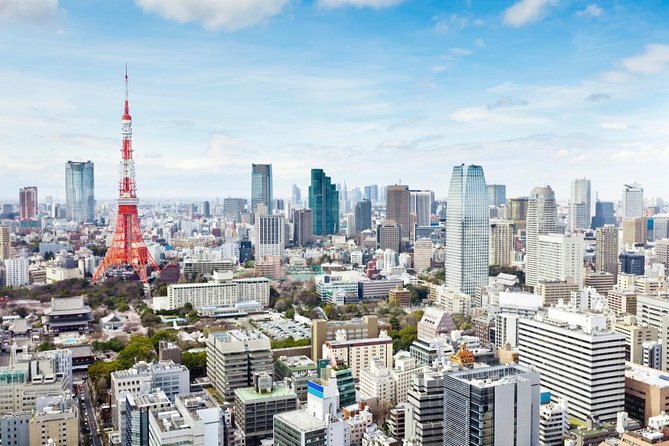
Tokyo is too large to conquer in four hours, but this private walking tour gives you a smart way to choose what matters most. You might pair old Asakusa with modern Shibuya, or spend the time on Meiji Shrine, Tsukiji, and the Imperial Palace grounds.
I like the freedom to shape the route, and I like the practical help with Tokyo’s subway system. Guides including Yusuke, Katsu, Michio, Julie, and Koji have helped people adjust the pace, handle train transfers, and even find easier routes around stairs. The main concern is communication: guide quality varies, and a few people found their guide’s English difficult to follow.
In This Review
- Key points to know before booking
- What this private Tokyo tour really offers
- Asakusa and Senso-ji: Tokyo’s old downtown
- Imperial Palace grounds and Tokyo’s center
- Meiji Shrine, Yoyogi Park, and Harajuku
- Shibuya Crossing and Hachiko
- Tsukiji Outer Market for food and local color
- Gardens for a quieter side of Tokyo
- Akihabara, Odaiba, and Tokyo’s modern side
- Shibamata, Nezu, and Gotokuji
- Getting around, walking, and setting the pace
- Price, timing, and overall value
- Who should book this four-hour experience?
- Should you book the Tokyo private tour?
- FAQ
- How long does the Tokyo private tour last?
- How many sights can I choose?
- Is transportation included?
- Does the tour include Imperial Palace entry?
- Are entrance fees included?
- Can I cancel for a refund?
Key points to know before booking
- Choose only two or three sights: The long list of possible stops is a menu, not a promise that you will see them all.
- Expect a walking and public-transport tour: No private car is included, and train or subway fares are extra.
- Use the guide for Tokyo’s complicated transit: Several guides have helped with Suica cards, Shinkansen tickets, station routes, and train changes.
- Pair nearby sights for the best use of time: Meiji Shrine, Harajuku, Shibuya, and Yoyogi Park work well together.
- Ask for your preferred guide if possible: Names praised for clear help and flexible planning include Yusuke, Katsu, Michio, Julie, and Koji, though assignments can change.
- Plan for a steady four hours: The tour can suit families and older visitors, but you should tell the guide about mobility needs and preferred pace.
What this private Tokyo tour really offers
At $109.43 per person, this is not a ticketed sightseeing circuit. You are paying for a private English-speaking guide, route planning, local explanation, and help getting around. Your group meets the guide on foot within a designated part of Tokyo, then uses walking and public transport to reach two or three chosen places.
That distinction matters. The possible stops include nearly every major Tokyo district, from Akihabara to Odaiba and from the Imperial Palace to Shibamata. You cannot sensibly cover all of them in four hours. A good guide will help you make a realistic plan instead of promising the whole city.
I would choose this tour for your first day in Tokyo, especially if the city’s train system feels intimidating. You can see important sights while also learning how to move around on your own for the rest of your trip. Guides have helped with Suica reloads, ATMs, Shinkansen tickets, station routes, and avoiding long stairways.
The tour is private, so only your group participates. That gives you room to stop for questions, adjust the pace, or change the plan. It also means the price makes more sense for two or more people sharing the guide than for a solo visitor paying the full per-person rate.
Other guided tours in Tokyo

Asakusa and Senso-ji: Tokyo’s old downtown
Asakusa is the strongest choice if you want to begin with traditional Tokyo. This old low-city district preserves an atmosphere that feels far removed from the city’s glass towers and giant railway stations.
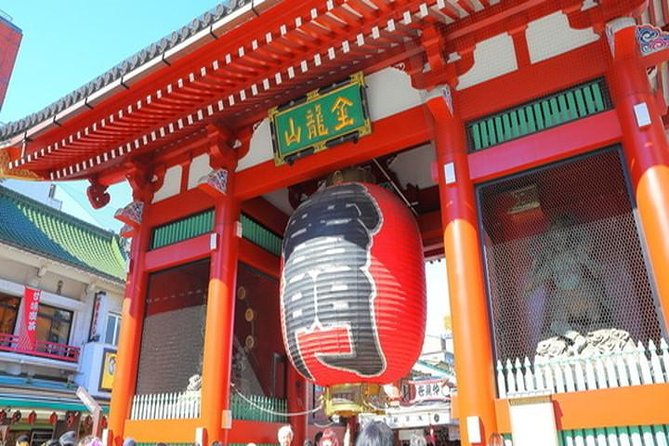
Senso-ji is the main draw. Its Kaminarimon Gate, temple grounds, and colorful approach give you an immediate introduction to Buddhist customs and popular Tokyo culture. The temple is free to enter, which helps keep the cost of this stop low, though the surrounding shopping streets invite you to spend money on snacks and small souvenirs.
A guide can explain the difference between the temple and nearby Shinto sites, show you how to behave respectfully, and add context to the temple’s famous origin story. If food interests you, Asakusa can also pair well with Tsukiji, though the two districts are not next door and transit time will reduce your sightseeing time.
The practical warning is simple: do not combine Asakusa with too many far-flung districts. As one guide explained to a couple after taking them to the Imperial Palace, Meiji Shrine, and Shibuya, four hours may not leave time for Asakusa. That is not a failure of the tour. It is a reminder to choose your route carefully.
Imperial Palace grounds and Tokyo’s center
The Imperial Palace occupies the former site of Edo Castle, with moats, massive stone walls, and broad public grounds. The tour does not include entry inside the Imperial Palace itself, so set your expectations before choosing this stop.
The East Garden area is a good fit if you want history, open space, and a calmer break from city streets. One guide, Taku, focused on the palace grounds and offered historical explanation that helped bring the site to life. Another guide included the East Garden in a route with Meiji Shrine and Shibuya Crossing.
This stop works well for visitors who prefer quiet scenery over shopping districts. It also gives your guide room to explain Tokyo’s political past without trying to squeeze in another major neighborhood.
You should allow time for walking around the grounds. If your main goal is to see the palace from outside and take a few photographs, the stop can fit into a busy route. If you want a detailed visit, pair it with only one other major sight.
Meiji Shrine, Yoyogi Park, and Harajuku
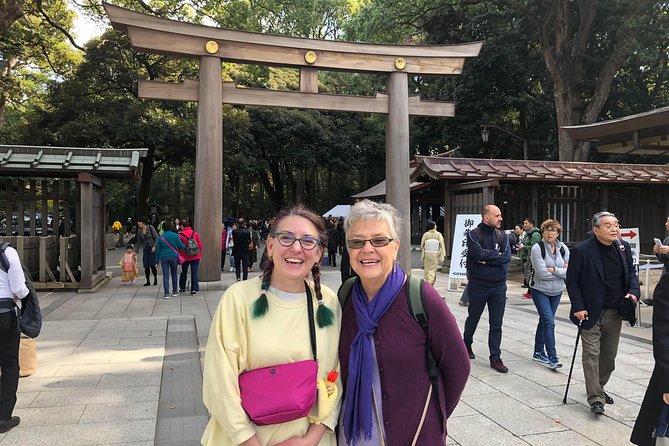
Meiji Jingu Shrine is one of the tour’s most useful choices for first-time visitors. Dedicated to Emperor Meiji and Empress Shoken, the shrine sits beside Harajuku Station but feels much quieter once you enter its wooded grounds.
Guides have explained Shinto practices, shrine etiquette, and the relationship between Shinto and Buddhism here. Yusuke also helped visitors understand what to do at the shrine, while pointing out seasonal details such as wedding processions and a chrysanthemum display.
Yoyogi Park is nearby and can be added when you want more open space. Its lawns, ponds, and wooded areas give children room to move and offer a slower counterpoint to Harajuku’s crowded shopping streets. One family with a four-year-old found the tour worked well because Michio adapted the pace to suit them.
Takeshita Street gives you the opposite mood. It is the center of Harajuku’s youth fashion and colorful shop culture, with a busy, sometimes overwhelming feel. I would not try to thoroughly explore the shrine, park, Takeshita Street, and Shibuya in a single four-hour tour. Pick two or three highlights and keep moving at a comfortable pace.
This is one of the best area combinations in the entire menu. Meiji Shrine, Yoyogi Park, and Takeshita Street sit close enough to reduce wasted transit time. Add Shibuya only if you are happy with brief stops.
Shibuya Crossing and Hachiko
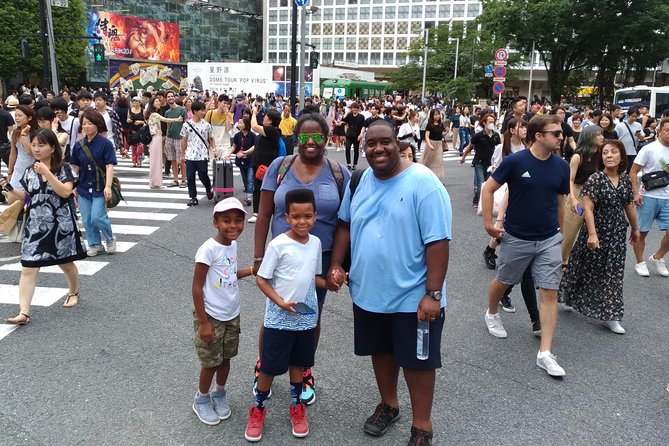
Shibuya Crossing gives you Tokyo at full volume. The famous scramble is a short stop, but it captures the city’s scale and rhythm better than many longer visits. The nearby Hachiko statue adds a human story to the scene, and guides can explain the loyalty of the dog remembered there.
A guide can also point out useful viewing locations rather than simply dropping you beside the crossing. Katsu was specifically praised for knowing good viewpoints around Shibuya and Senso-ji. That kind of small local help matters because the crossing itself is easy to find, but a good angle and a clear explanation make the stop more worthwhile.
Shibuya pairs naturally with Meiji Shrine and Harajuku. It can also pair with the Imperial Palace if you prefer a quick contrast between imperial Tokyo and modern commercial Tokyo. The downside is distance. Shibuya and Asakusa are on opposite sides of the central city, so combining them leaves less time for each.
Other private tours in Tokyo


Tsukiji Outer Market for food and local color
Tsukiji is the old fish market area, now best known for its food stalls and small shops. It is a good pick if you want to taste something instead of only looking at monuments. Food and personal purchases cost extra, so budget for snacks or a meal.
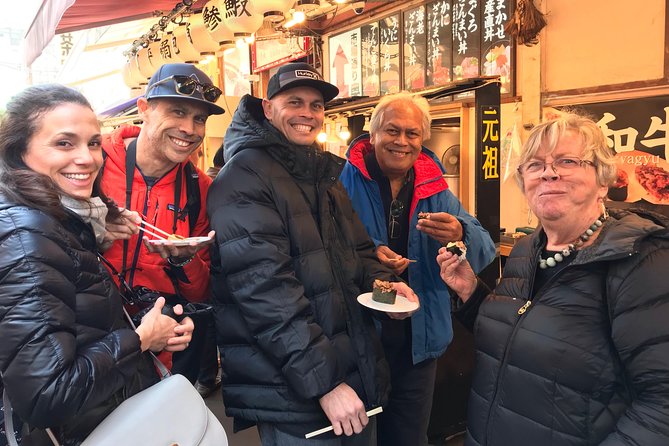
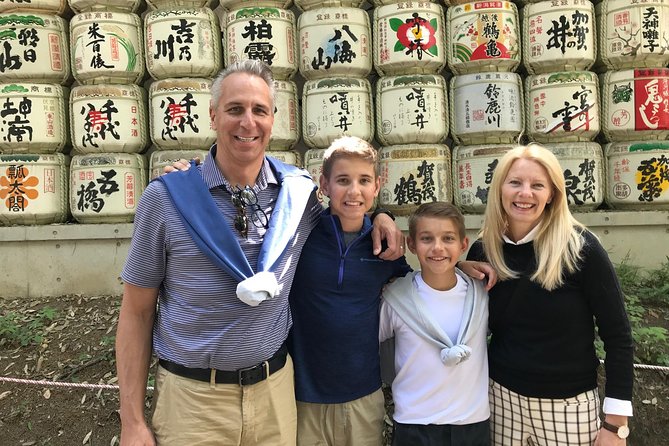
Bruce guided one group through the market, where they ate sushi and paired it with Japanese beer and dry sake. Other visitors bought a few items from food stalls while walking with Sam. These details point to the market’s real appeal: it works best when you allow yourself to stop, sample, and browse.
Do not treat Tsukiji as a quick photo stop if eating is a main goal. A four-hour tour can include it, but you may need to choose only one or two additional places. Tsukiji pairs sensibly with nearby Hama Rikyu Gardens, though garden admission is not included.
Gardens for a quieter side of Tokyo
Tokyo’s gardens offer a welcome change from stations, traffic, and neon. Shinjuku Gyoen National Garden has broad lawns, winding paths, and peaceful scenery close to Shinjuku Station. Admission is not included.
Koishikawa Korakuen is one of the city’s oldest Japanese gardens, while Rikugien is known for its carefully planned scenery and connection to classical Japanese poetry. Hama Rikyu sits near Tokyo Bay and includes tidal seawater ponds and a teahouse. Admission fees apply at these gardens as well.
These stops suit you if you care more about design, plants, and quiet walking than department stores or electronics. Julie helped older visitors avoid long stairs and enjoy matcha at a teahouse overlooking a lake, showing how useful a private guide can be when you share your physical limits in advance.
The tradeoff is time. Gardens reward slow walking, so choose one rather than trying to collect several. Shinjuku Gyoen pairs well with Shinjuku sights, and Hama Rikyu fits better with Tsukiji or nearby central Tokyo.
Akihabara, Odaiba, and Tokyo’s modern side
Akihabara is Tokyo’s famous electronics and pop-culture district. It suits you if you want shops, anime, games, and the city’s technology-focused character. The stop itself is free, but purchases are your responsibility.
Odaiba is a shopping and entertainment district on a man-made island in Tokyo Bay. It is more spread out than central neighborhoods, so reaching it can consume a noticeable share of a four-hour tour. Choose Odaiba when it is a clear priority, not as an extra stop squeezed between Asakusa and Shibuya.
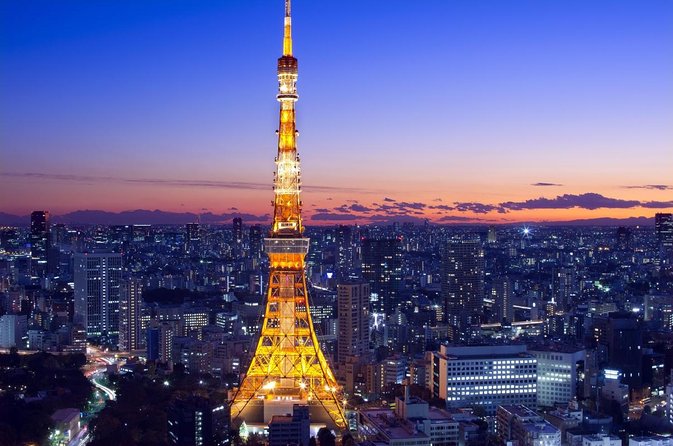
Tokyo Tower offers an observation stop with a city view. The tour includes access only up to the main deck, and the admission fee is not included. The top deck is not part of the experience, so you should factor that into your decision if a higher viewpoint matters to you.
Shibamata, Nezu, and Gotokuji
The less expected choices may be the most rewarding if you have already seen Tokyo’s headline sights. Shibamata retains an old-style neighborhood feel near the Edogawa River. Nezu, along with nearby Yanaka, preserves older houses and local shrines that survived major wartime damage and natural disasters.
One private route through these districts focused on local life, old homes, and places where residents honor their ancestors. This is the kind of experience a guide can provide better than a map. You are not just checking off a famous building. You are seeing how an older side of Tokyo fits into the modern city.
Gotokuji Temple in Setagaya is associated with the maneki-neko, the beckoning cat figurine. It is a short visit, listed at about 10 minutes, and admission is free. The temple is not a logical choice if you are trying to combine many central sights, but it can be a fine specialty stop for someone interested in Japanese popular culture.
Golden Gai in Shinjuku offers a different kind of local character, with a dense collection of small eating and drinking establishments that began developing around the postwar period. It is best suited to an adult group interested in nightlife and atmosphere. The tour lasts four hours, so an evening visit may require careful scheduling.
Getting around, walking, and setting the pace
This is not a private vehicle tour. You meet your guide on foot, walk between sites, and pay your own transportation fares. For many people, that is a benefit rather than a drawback because the tour teaches you how Tokyo actually works.
The subway can seem confusing at first. Guides have helped people handle different combinations of JR passes, Suica cards, and no transit cards at all. Yusuke even assisted with Shinkansen tickets and later sent directions from a hotel to Tokyo Station. That kind of practical advice can save more time than another monument.
Four hours can be tiring. One couple felt it was the right length and did not want a longer outing. Families with young children and older people have also had good experiences when the guide adjusted the pace. Tell the guide in advance if you need fewer stairs, more breaks, or a slower walk.
English ability is the one area I would treat with care. Many guides have been praised for clear communication, friendly help, and strong cultural explanations, but at least one person found the guide hard to understand, and another said the children stopped following the commentary. Request a guide who matches your language needs, then confirm your main interests before the day.
Price, timing, and overall value
At $109.43 per person, the price is fair when you want private attention and practical city help. It is especially reasonable for a couple or family that would otherwise spend hours planning routes, getting lost, or missing useful details.
The value drops if you only want a simple transfer between two easy-to-find places. It also drops if you expect admission tickets, lunch, subway fares, or a private car to be covered. Those are extra, and several of the gardens and Tokyo Tower require their own entry fees.
Group discounts may improve the price for a larger private party, but you cannot combine separate tour groups. The guide entry fee is covered only for sights included in the stated selection. Confirm the plan and expected expenses before you begin.
Free cancellation is available up to 24 hours before the start time. Changes made inside that 24-hour window are not accepted, and a date change can lead to a different guide or no availability. That is worth remembering when your Tokyo schedule depends on weather or train plans.
Who should book this four-hour experience?
I would book it for a first visit, a short stay, or the first full day after arriving in Tokyo. It is also a good choice if you want a private introduction before exploring alone. The guide can show you how to use the metro, explain shrine manners, and suggest places for the rest of your trip.
It suits couples, families, and older visitors who want the route adjusted around their interests or energy. It also works for repeat visitors who would rather see Nezu, Shibamata, Gotokuji, or a garden than repeat the standard highlights.
I would skip it if you want a fixed sightseeing schedule, a tour vehicle, included entrance tickets, or a deep visit to many attractions. Four hours is enough for a focused introduction, not an all-Tokyo marathon.
Should you book the Tokyo private tour?
Book this tour if you value choice, local explanation, and help with public transport more than a packed checklist. Choose two or three sights that fit together, then tell the guide what you care about before meeting.
For the most efficient first visit, I would consider Meiji Shrine, Harajuku, and Shibuya. For old Tokyo and food, choose Asakusa and Tsukiji, perhaps adding one nearby garden. For a quieter day, select the Imperial Palace grounds and one garden.
The strong overall rating, 98 percent recommendation rate, and repeated praise for guides such as Yusuke, Katsu, Michio, Julie, and Koji point to a generally dependable experience. Still, the guide makes the day, so clear communication and a realistic route matter. If you want Tokyo to feel less bewildering from the start, this is a useful, flexible introduction.
FAQ
How long does the Tokyo private tour last?
The tour lasts approximately four hours.
How many sights can I choose?
The experience includes a customizable tour of two or three sites from the available selection.
Is transportation included?
No. The tour uses walking and public transportation, but transportation fees are not included. A private vehicle is also not provided.
Does the tour include Imperial Palace entry?
No. The tour does not include access inside the Imperial Palace. It can visit the surrounding grounds and listed palace areas.
Are entrance fees included?
No general entrance fees are included. Guide entry fees are covered only for sights listed in the tour selection, while admission fees for places such as gardens and Tokyo Tower are extra.
Can I cancel for a refund?
Yes. You can cancel at least 24 hours before the local start time for a full refund. Cancellations or changes made less than 24 hours before the start are not accepted for a refund.
More Private Tours in Tokyo
More Guided Tours in Tokyo

More tours in Tokyo we've reviewed






Guided, compared.
 ★ 5.0Tokyo 6hr Private Tour with Government-Licensed GuideFrom $155
 ★ 4.9Tokyo: Shinjuku Local Bar and Izakaya Guided Walking TourFrom $343 hours
 ★ 4.8Tokyo: Private City Highlights Tour with Local GuideFrom $1064 - 8 hours
 ★ 4.9Tokyo: Tsukiji Fish Market Guided Walking TourFrom $222 hours
 ★ 5.0Tokyo Guided Small-Group Biking TourFrom $106
 ★ 4.6Tokyo: Samurai Ninja Museum Guided tour and ExperienceFrom $27