
Reviewed · SUMO EXPERIENCES
Tokyo 6hr Private Guided Tour & Sumo Show Lunch
Tokyo’s best feature is the choice of only 2 to 3 sights. Instead of racing through a long checklist, you can shape the morning around what matters most to you, then finish with a sumo show and lunch at Yokozuna Tonkatsu Dosukoi Tanaka. The private format also lets you ask for help with Tokyo’s stations, ticket machines, and route planning.
I like the chance to pair a licensed local English-speaking guide with a sumo performance, and I like the practical hotel meeting arrangement at 9 a.m. Guide Izumi is named in the experience and has been praised for helping with extra train stations, ticket offices, and sights beyond the planned route. The main caution is the price: at $195.09 per person, transportation and entrance fees are extra, and the walking portion can cover a lot of ground.
In This Review
- Key points to know before booking
- How the 9 a.m. start and 1 p.m. lunch fit together
- Why a private guide helps in Tokyo
- Picking the right two or three stops
- Asakusa and Sensō-ji
- Tsukiji Outer Market
- Imperial Palace
- Meiji Shrine, Takeshita Street, and Yoyogi Park
- Shibuya Sky
- Tokyo Tower
- Shinjuku Gyoen National Garden
- Akihabara and Shinjuku Golden-Gai
- Tokyo National Museum
- Odaiba, Shibamata, Nezu, and Rikugien
- The sumo show lunch at Yokozuna Tonkatsu Dosukoi Tanaka
- What $195.09 per person really buys
- Practical details that affect your day
- Who should book this Tokyo experience?
- Should you book it?
- FAQ
- What time does the tour start?
- How many sights can I choose?
- Is this a private tour?
- Is transportation included?
- Is admission to the Imperial Palace included?
- Is the experience refundable if I cancel?
Key points to know before booking
- Choose 2 to 3 Tokyo sights: Build the morning around Asakusa, Meiji Shrine, Tsukiji, Shibuya Sky, or another listed stop.
- Four hours of walking comes first: Your guide takes you from the 9 a.m. meeting to the 1 p.m. sumo lunch.
- Sumo is part of lunch, not a separate stadium event: The final stop is Yokozuna Tonkatsu Dosukoi Tanaka.
- It is a private experience: Only your group participates, with no combining of separate tour groups.
- Transportation is not included: You pay train, taxi, admission, and other personal costs separately.
- Book well ahead: The experience is booked an average of 66 days in advance, and the cancellation policy is fully non-refundable.
How the 9 a.m. start and 1 p.m. lunch fit together
The day begins at 9 a.m. with a meet-up on foot in a designated Tokyo area, with hotel pickup offered. The plan is simple: spend about four hours exploring Tokyo with your guide, then arrive at Yokozuna Tonkatsu Dosukoi Tanaka for a sumo show and lunch beginning at 1 p.m.
The experience is described as approximately six hours, with about two hours at the sumo lunch. That makes the schedule easy to understand: morning sightseeing, a fixed lunch appointment, and a guided handoff from the city tour to the restaurant.
You should pay close attention to the timing when choosing your stops. Tokyo is huge, and crossing from one side of the city to another can eat into your four hours. A morning that combines Asakusa, Shibuya Sky, and Odaiba would be far more demanding than a tighter plan around Asakusa and the Imperial Palace area.
Your guide can help make the route workable after you book. The tour allows you to choose 2 to 3 places from the long list of possible stops, and you can customize the plan directly with the guide. That flexibility is the heart of the experience, but it works best when you arrive with a short wish list rather than trying to fit everything into one morning.
A few more Tokyo tours and experiences worth a look

Why a private guide helps in Tokyo
Tokyo is not difficult because it lacks signs. It is difficult because the city has many rail operators, large stations, several names for nearby districts, and sights spread across a wide area. A private guide can help you spend more time seeing the city and less time figuring out where to change trains or which station exit to use.
The strongest practical benefit is personal assistance. Guide Izumi is specifically associated with going beyond the planned route to help with extra stations, ticket offices, and sights. That kind of help matters on a first visit, particularly if you are still learning how Tokyo’s train system works.
The experience is private, so your guide can adjust the pace for your group. You can ask for more time at a shrine, less time in a shopping district, or a route that favors gardens and old neighborhoods. You are not waiting for a large group to gather at every corner.
There is a limit, though. Private guiding does not include a private car. You meet and move on foot, and transportation fees are not included. If your selected sights are far apart, you will need to budget for trains, taxis, or other transport and accept that transfers reduce sightseeing time.
Picking the right two or three stops
The long menu of possible places is useful, but it can also tempt you into overplanning. Here is how I would think about the choices.
Asakusa and Sensō-ji
Asakusa is one of the best choices for a first morning in Tokyo. Sensō-ji, also known as Asakusa Kannon Temple, is one of the city’s most colorful and popular Buddhist temples. The area gives you a clear sense of old Tokyo, with temple grounds and traditional streets close together.
Choosing Asakusa and Sensō-ji together makes sense because they are in the same part of the city. You can use the morning for temple architecture, neighborhood walks, and local orientation without spending much of your limited time crossing Tokyo.
Tsukiji Outer Market
Tsukiji Outer Market is a practical pick if food is high on your list. The old fish market area is now known for food stalls, shops, and ingredients, though the tour does not state that food purchases are included.
This stop pairs naturally with nearby central Tokyo sights, such as Hamarikyu Gardens or the Imperial Palace area. It may be less useful if you are already planning to spend the morning at a substantial lunch, since you may want to avoid filling up before the sumo meal.
A few more Tokyo tours and experiences worth a look

Imperial Palace
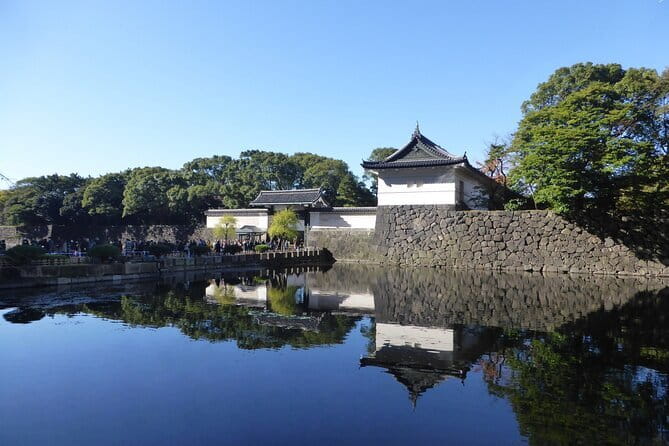
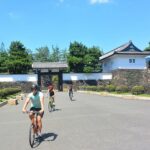
The Imperial Palace occupies the former site of Edo Castle and is surrounded by a large park area, moats, and massive stone walls. It offers a look at central Tokyo’s formal side and works well for someone interested in the city’s political and historic setting.
The key limitation is clear: this experience does not include access inside the Imperial Palace. You should think of it as an exterior and surrounding-area visit, not an interior palace tour.
Meiji Shrine, Takeshita Street, and Yoyogi Park
These three choices can create a strong west Tokyo morning. Meiji Shrine is dedicated to the deified spirits of Emperor Meiji and Empress Shoken. Takeshita Street is known for youth fashion and Harajuku’s teenage culture, while Yoyogi Park offers lawns, ponds, and wooded areas.
You may want to choose only two of the three. Meiji Shrine and Takeshita Street give you a contrast between a quiet religious site and a busy shopping street. Adding Yoyogi Park can make the route more relaxed, but it may leave less time for other parts of Tokyo.
Shibuya Sky
Shibuya Sky gives you a high view of Tokyo from 229 meters above the city. It is a good choice if a broad city panorama matters to you, especially if you want a modern contrast to temples and gardens.
Admission is not included, so the $195.09 price does not cover this extra cost. Because the experience is scheduled around a 1 p.m. lunch, you should confirm ticket timing with your guide rather than assume a long visit is possible.
Tokyo Tower
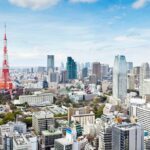
Tokyo Tower offers a more traditional Tokyo skyline view from the main deck. The top deck is not included. It is a sensible choice if you want an iconic city landmark without adding a long list of other stops.
Shinjuku Gyoen National Garden
Shinjuku Gyoen is one of Tokyo’s largest and most popular parks, with broad lawns, walking paths, and quiet scenery. It is a fine choice when you need a calmer morning after arriving in a noisy city.
Admission is not included. The same applies to Rikugien Gardens, Koishikawa Korakuen, and Hamarikyu Gardens. These gardens are appealing, but each requires extra planning because entrance fees and travel time sit outside the tour price.
Akihabara and Shinjuku Golden-Gai
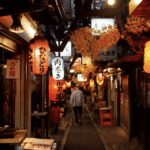
Akihabara is the place to choose for electronics shops and Japan’s gaming, anime, and pop-culture side. Shinjuku Golden-Gai offers a very different mood, with a dense group of small eating and drinking establishments whose roots go back to the postwar period.
Both are better as focused neighborhood visits than as quick photo stops. If you choose either one, ask your guide to keep the rest of the morning nearby.
Tokyo National Museum
The Tokyo National Museum is the oldest and largest of Japan’s top-level national museums. It is a strong choice for art and objects from Japan and Asia, but admission is not included, and a museum visit can easily take more than the short stop suggested in the general schedule.
Odaiba, Shibamata, Nezu, and Rikugien
Odaiba is a shopping and entertainment district on a man-made island in Tokyo Bay. It is modern and open, but its distance from several central sights can make it a poor fit for a packed morning.
Shibamata retains an old-fashioned neighborhood feel near the Edogawa River. Nezu, part of Tokyo’s old downtown area with Yanaka, has older streets and a quieter character. Rikugien is one of Tokyo’s most admired Japanese gardens, built around 1700 for the fifth Tokugawa shogun. These are appealing choices if you have already seen the main central districts or want something less obvious.
The sumo show lunch at Yokozuna Tonkatsu Dosukoi Tanaka
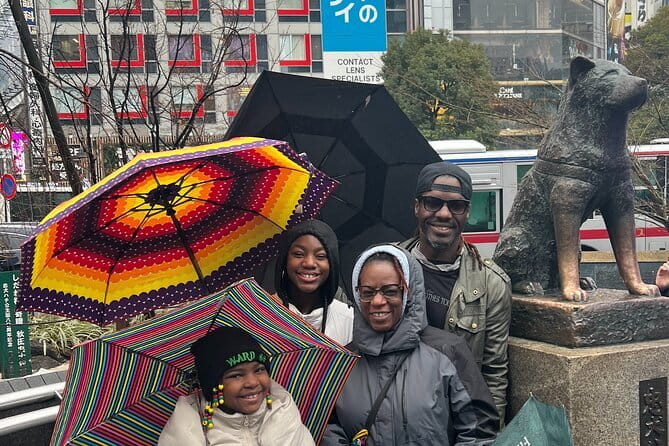
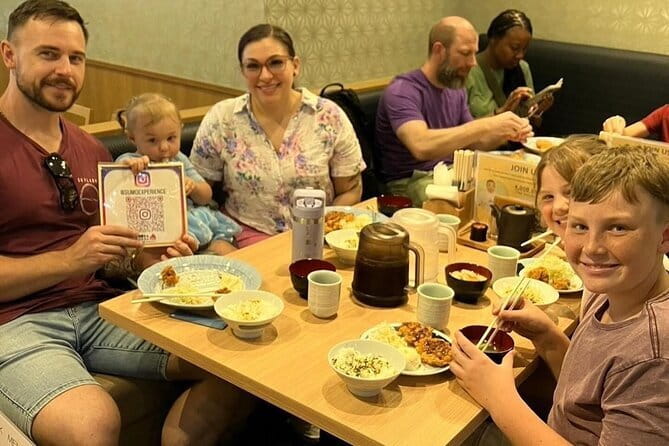
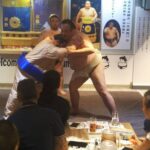
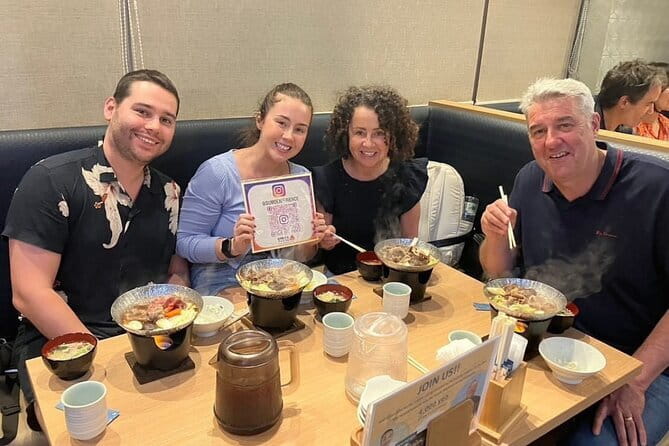
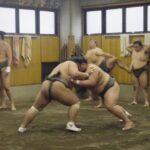
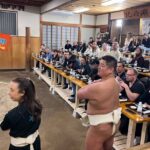
The final stop is a sumo show paired with lunch at Yokozuna Tonkatsu Dosukoi Tanaka. Your guide drops you at the restaurant after the four-hour walking portion, so the transition is built into the day rather than left for you to arrange.
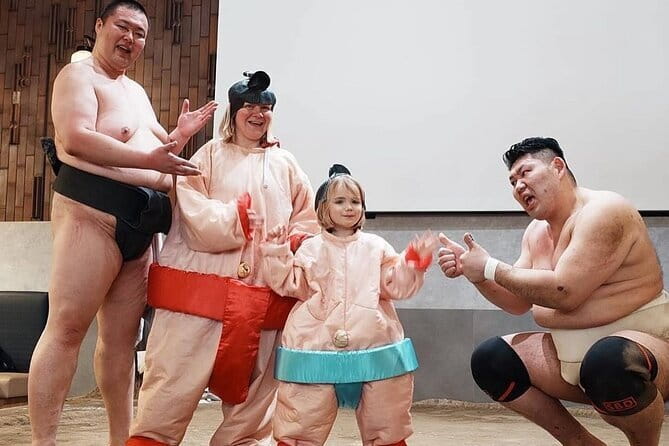
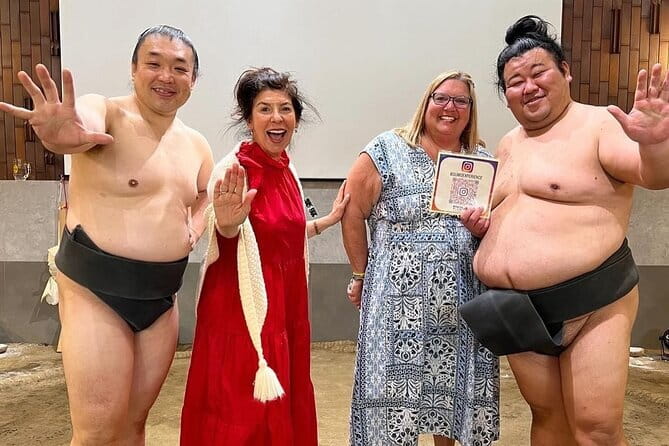
The sumo element gives the tour a cultural focus that a standard city walk may lack. You get to see a performance while eating lunch, making it an easy way to add a traditional Japanese theme without giving up most of a sightseeing day.
The supplied details describe the sumo lunch as lasting about two hours and list admission as included. They do not specify the full menu, seating arrangement, or exact format of the performance, so you should not book this expecting a full day at a professional sumo tournament. It is a restaurant-based show.
The fixed 1 p.m. start is important. You cannot simply stretch the morning indefinitely. If your group tends to linger, tell the guide early and keep the final route realistic.
What $195.09 per person really buys
At $195.09 per person, this is not a low-cost way to see Tokyo. You are paying for a private licensed guide, a custom morning, and the included sumo lunch. The value is strongest for people who want help making sense of Tokyo in a short time and who would otherwise pay separately for a meal, a cultural show, and a guide.
The value drops if you already know Tokyo well, are comfortable using the train system, or want to visit several museums and observation decks. Entrance fees are extra, transportation is extra, and you can choose only 2 to 3 sights. For a couple or family that values individual attention, the private format may justify the price. For a solo visitor on a tight budget, it is a major expense.
Group discounts are available, but the exact amount is not provided. Since this is a private activity, a larger group may get better per-person value if the discount is meaningful. Check the final price before booking.
The average booking lead time is 66 days. That suggests you should not leave this experience until the last part of your Tokyo planning, especially if the sumo lunch date is important to you.
Practical details that affect your day
You receive confirmation when booking, and the experience is near public transportation. Service animals are allowed, and most people can participate. The tour is conducted on foot, so you should be comfortable walking for about four hours, with time spent moving between sights and the lunch venue.
The guide’s entry fees are covered only for sights listed under the tour’s what-to-expect choices. Your own entrance fees are not included, and the same applies to transportation and personal purchases.
The cancellation rule is strict. This experience is non-refundable and cannot be changed for any reason. I would book only after confirming your date, group size, and preferred 2 to 3 stops.
Who should book this Tokyo experience?
I would recommend it most strongly to first-time visitors who want a fast orientation without joining a large group. It also suits families and small private parties that need help with stations, ticket offices, and a sensible route through the city.
It is a good fit if you want both major Tokyo sights and a planned cultural lunch. The combination of a shrine, old neighborhood, garden, or skyline view with sumo makes the day varied.
I would be more cautious if you dislike walking, want a private vehicle, or prefer to set your own pace at museums and observation decks. It is also not ideal for a visitor hoping to see many distant neighborhoods in one morning. Tokyo’s size makes that plan tiring and rushed.
Should you book it?
Book this experience if you want a private Tokyo introduction with a guide who can handle the practical side of the city and a sumo show lunch already arranged for you. Choose two nearby sights, not three distant ones, and treat the four-hour morning as a focused walking tour rather than a citywide sampler.
Skip it if the price feels high once train fares and admission tickets are added, or if you want a full professional sumo tournament. For a first visit, though, the mix of personal guidance, flexible sightseeing, and restaurant-based sumo offers a useful introduction to several sides of Tokyo in one carefully timed day.
FAQ
What time does the tour start?
The start time is 9:00 a.m. The sumo lunch begins at 1:00 p.m.
How many sights can I choose?
You can customize the walking tour by choosing 2 to 3 spots from the listed choices.
Is this a private tour?
Yes. Only your group participates, and multiple tour groups cannot be combined.
Is transportation included?
No. The tour does not include a private vehicle or transportation fees. You are also responsible for entrance fees and personal expenses.
Is admission to the Imperial Palace included?
The tour does not include access inside the Imperial Palace. The Imperial Palace stop refers to the surrounding area.
Is the experience refundable if I cancel?
No. The experience is non-refundable and cannot be changed for any reason.
More Guided Tours in Tokyo

More Shows & Performances in Tokyo
More Sumo Experiences in Tokyo
More tours in Tokyo we've reviewed


Sumo Experiences, compared.
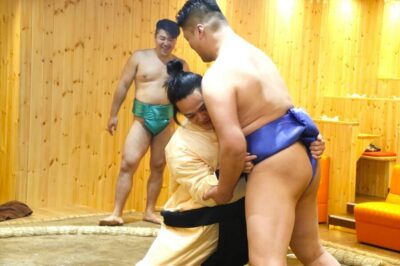 ★ 4.8Tokyo: Sumo Show Experience with Chicken Hot Pot and a PhotoFrom $1032 hours
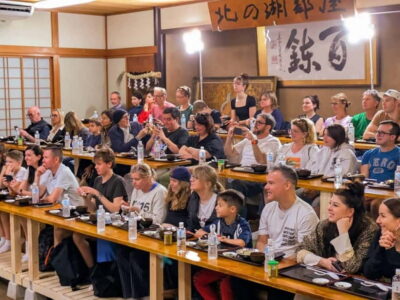 ★ 4.8Tokyo: Sumo Show and Dining ExperienceFrom $7990 minutes - 2 hours
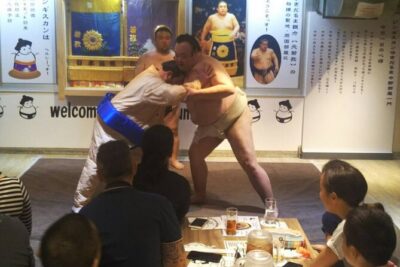 ★ 5.0the SUMO showFrom $89
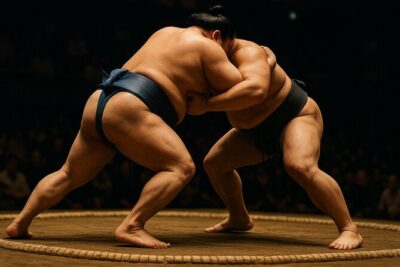 ★ 5.0Tokyo Shinjuku Sumo Show & Experience with PhotoFrom $79
 ★ 4.8Tokyo: Sumo Show and Experience in ShinjukuFrom $691h 30m
 ★ 4.6Tokyo: Sumo Tournament Tour with Chair Seat TicketsFrom $141