
Reviewed · HAKONE DAY TRIPS
Hakone 6 hour Private Tour with Government-Licensed Guide
Hakone’s best feature is its variety: in one six-hour private outing, you can move from Lake Ashi and Hakone Shrine to steaming volcanic ground, an art museum, or a ropeway cabin with Mount Fuji in view. Your guide helps you shape the day around three or four places instead of dragging you through every stop.
I like the private format for two reasons. You can set a relaxed pace, and a good guide can rescue the day when wind closes the ropeway or crowds snarl the buses. The main catch is that this is a walking tour, not a private-car tour, and transport, meals, and most admission fees cost extra.
In This Review
- Key points to know before booking
- What this private Hakone tour really offers
- Lake Ashi and Hakone Shrine: the classic opening
- The Hakone Ropeway and Owakudani’s volcanic ground
- Hakone’s art museums, from outdoor sculpture to Japanese painting
- Temples, wetlands, and smaller Hakone choices
- Six hours, walking, and the real cost
- How the guides shape the day
- Weather, crowds, and backup plans
- Who should book this experience
- Should you book the six-hour private Hakone tour?
- FAQ
- How long is the Hakone private tour?
- How many places can I visit?
- Is the tour private?
- Is hotel pickup included?
- Is transportation included in the price?
- Are entrance fees included?
- Is the Hakone Freepass included?
- What happens if I need to cancel?
Key points to know before booking
- Choose three or four stops: Build your day around nature, art, temples, food, or the classic Hakone circuit.
- Expect local public transport: The ropeway, buses, boat, cable car, and trains are not included, so plan for fares and queues.
- Meet on foot: Pickup means a walking meetup within the designated Hakone area, not hotel-to-hotel vehicle service.
- Weather can change the plan: Wind may close both the ropeway and Lake Ashi boats, making a flexible guide especially useful.
- Six hours goes quickly: Hakone is spread across mountains, so three well-chosen sights may be more rewarding than four rushed ones.
- Guide quality matters: Guides such as Hiro, Kumiko, Yumi, Hide, Yoshii, and Taka have been associated with this experience, with warmth, planning, and cultural explanation praised most often.
What this private Hakone tour really offers
This is less a fixed sightseeing ride than a guided planning service for Hakone. Before the day, you can express your interests, then choose three or four places from a long menu of sights. A nature-focused day might link Lake Ashi, Hakone Shrine, the ropeway, and Owakudani. An art day could center on the Open-Air Museum, the POLA Museum, and the Okada Museum.
The guide is a licensed local English speaker, and only your group takes part. That matters in Hakone, where the geography is spread out and transport connections can be confusing. You may need to change between buses, trains, cable cars, ropeways, or boats, often in a place crowded with people trying to follow the same famous route.
The strongest value comes from having someone handle the rhythm of the day. Guides have helped with luggage shipping, recommended Suica or Pasmo cards, found sensible lunch stops, and adjusted routes when weather forced a change. You still pay your own way, but you are not left to decode every station, queue, and timetable alone.
A few more Hakone tours and experiences worth a look
Lake Ashi and Hakone Shrine: the classic opening
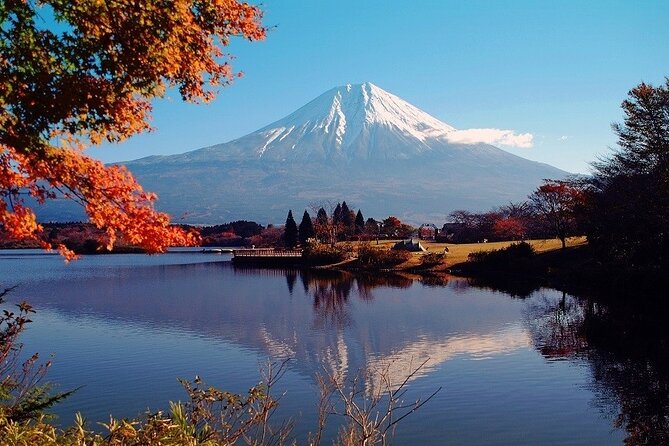
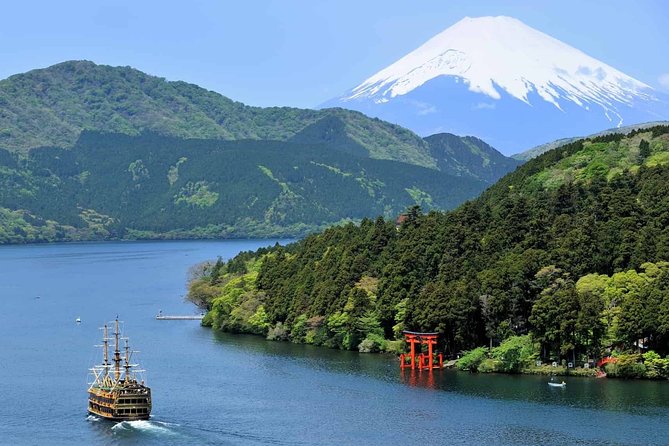
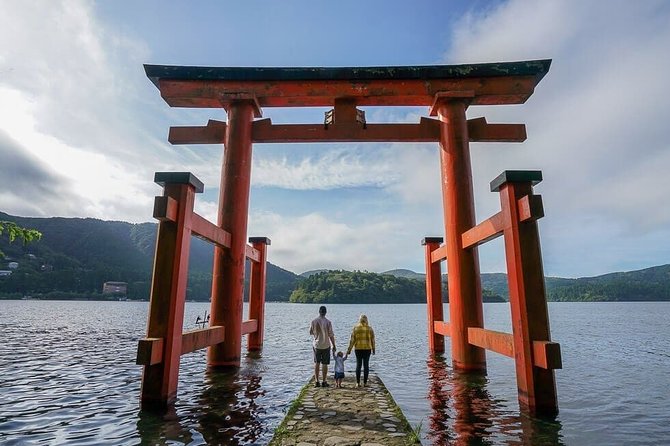
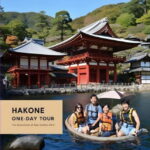
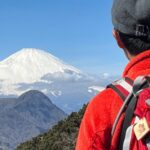
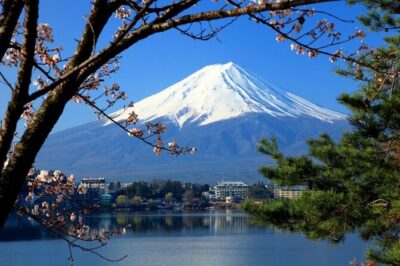
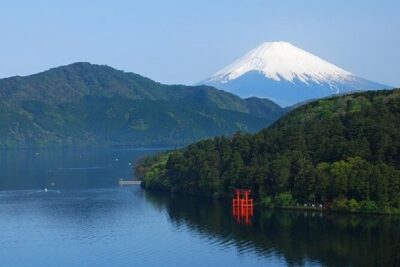
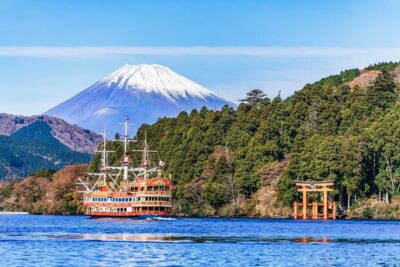
Lake Ashi, also called Ashinoko, is Hakone’s signature view. It fills the old volcanic caldera of Mount Hakone, and on a clear day Mount Fuji may appear beyond the water. The scheduled stop is about 30 minutes, enough for a look at the shoreline and photographs, but not enough for a leisurely cruise unless you choose to add one and pay for it separately.
The lake is highly weather-dependent. Clear air can give you the postcard view, while cloud may hide Fuji entirely. One guide adjusted the timing to catch a better afternoon view, which is a useful reminder that a private tour can respond to the day instead of sticking rigidly to a clock.
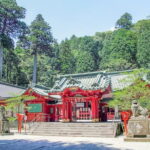
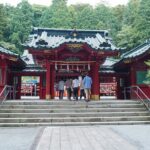
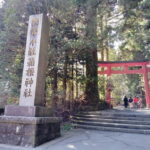
Nearby Hakone Shrine gives the natural setting a cultural anchor. Its history reaches back more than 12 centuries, and the shrine has been rebuilt several times after fires. The wooded approach and shrine buildings offer a quieter contrast to the transport hubs, although the popular lakeside torii can be crowded.
You should allow more time than the listed 20 minutes if the shrine is a priority. The short stop works for a quick visit, but anyone interested in the setting, religious traditions, or photographs may want to trade away another stop. Your guide can explain the meaning of the site rather than leaving you with only a scenic picture.
The Hakone Ropeway and Owakudani’s volcanic ground
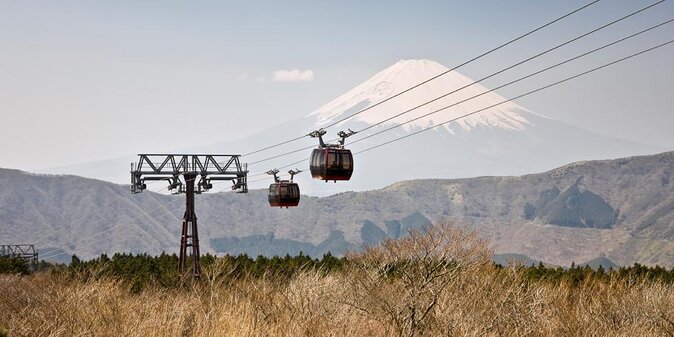
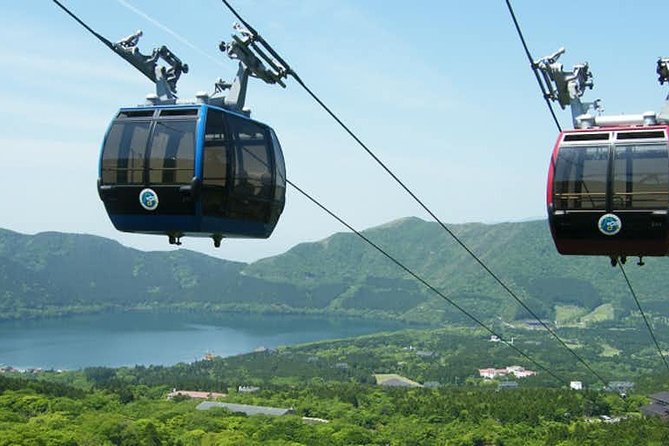
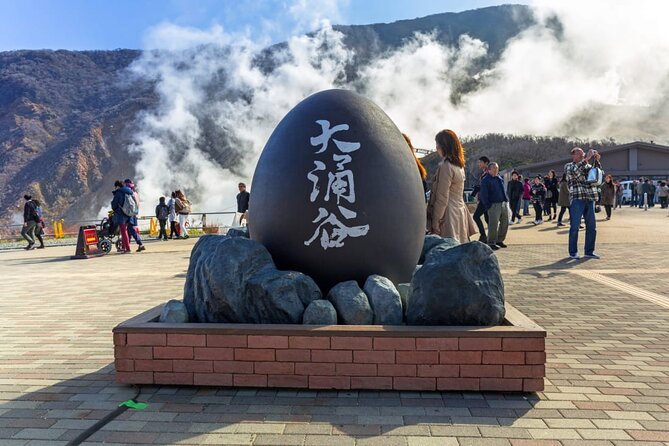
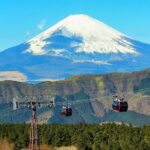
The ropeway is part of the famous Hakone Round Course, linking Sounzan and Togendai. It is not just a ride between attractions. From the cabins, you get broad views over Hakone’s mountains and the volcanic area around Owakudani.
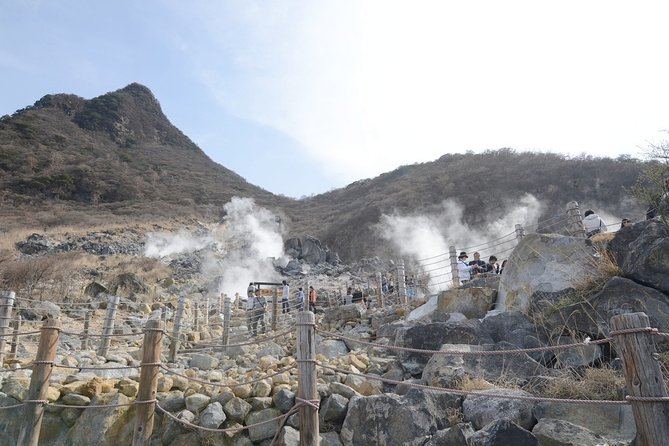
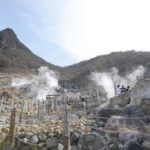
Owakudani is an active volcanic valley whose geothermal heat feeds Hakone’s hot springs. At the observation area, you can see the effects of that underground activity and try the familiar black boiled eggs. Admission and ropeway fares are not included, so budget separately for both.
The standard stop is about 20 minutes, which is brief for a ropeway ride, volcanic viewpoint, and snack. A guide who knows the transport system can make a big difference here. Hiro, for example, has been praised for using practical shortcuts and helping people find good seats on the ropeway and Lake Ashi cruise.
Do not treat the ropeway as guaranteed. Strong wind has closed it, sometimes along with the boat service on Lake Ashi. On one difficult day, a guide moved the group onto a bus before a long delay became worse. That kind of quick decision is one of the clearest reasons to pay for a guide in Hakone.
A separate Owakudani Nature Study Path offers a closer look at the volcanic area. It takes about 40 minutes, requires advance reservation, and has an entrance fee of 800 yen. This is a different choice from the usual observation stop, so ask about availability before building your day around it.
Hakone’s art museums, from outdoor sculpture to Japanese painting
The Hakone Open-Air Museum is a natural choice if you want art without spending the whole day indoors. It was Japan’s first open-air art museum, with works spread across roughly 70,000 square meters. The setting joins sculpture, gardens, and mountain air in a way that feels very different from a city museum.
The listed visit is 20 minutes, but that is enough only for a quick introduction. If you care about sculpture or want to see the Picasso collection mentioned by one guide, this deserves a longer share of your six hours. It is also a good option when poor weather weakens the appeal of a lake or mountain view.
The POLA Museum of Art presents a private collection assembled by the founder of the POLA skincare company. The museum opened in 2002. The Okada Museum of Art, opened in 2013, covers art from antiquity through the modern era.
The Hakone Museum of Art in Gora dates from 1952 and has a sister museum in Atami. Gora Park, also in the Gora area, is a western-style garden where you can pause among views and plantings. Its scheduled stop is only 10 minutes, so it works better as a short breather than a major garden visit.
Narukawa Art Museum, near Lake Ashi, focuses on nihonga, or Japanese-style painting. This is a useful choice if you want an art experience tied closely to Japanese traditions rather than a broad international collection.
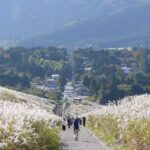
The Venetian Glass Museum brings a different mood, with Italian-style buildings, a museum, shops, and a strolling garden beside a canal-like pond. Sengokuhara’s pampas grass slope is especially attractive in autumn, but the stop is seasonal in character and may feel less compelling outside that period.
Temples, wetlands, and smaller Hakone choices
Choanji Temple is a Soto Zen temple in Sengokuhara, founded in 1356. Its quiet hillside setting makes it a good counterpoint to Owakudani’s crowds and transport stations. The suggested 30-minute visit gives you time to absorb the atmosphere without turning the day into a temple tour.
The Hakone Botanical Garden of Wetlands, also called Hakone Shisseikaen, sits in the highlands of Fuji Hakone Izu National Park. Founded in 1976 for the preservation of wetland plants, it is the right pick for anyone more interested in flora than famous photo stops. The suggested 10 minutes is extremely short, so request extra time if the garden is central to your plans.
The Dollhouse Museum is a small, unusual option with dollhouses from around the world, including examples more than 200 years old. Exhibits change during the year, so check what is showing before selecting it. It suits a group that wants something offbeat, though it will not replace the large-scale scenery of the lake or volcano.
These smaller sites are where the private format earns its keep. You can skip the most famous circuit and choose a quieter mix of temple, garden, and museum. You can also ask for a local craft stop. One guide introduced a group to a yosegi-zaiku craftsman, a memorable addition for anyone interested in Hakone’s traditional woodwork.
Other guided tours in Hakone
Six hours, walking, and the real cost
The price is listed at $175.76 per person. That is a serious expense once you add transport, admissions, lunch, and personal purchases, but the comparison should be made with the cost of a private planning service, not with a basic group bus tour.
You are paying for a licensed English-speaking guide, a private group, and help using a complicated transport network. A private vehicle is not included. Neither is a Hakone Freepass, and the guide’s admission is covered only for sights included under the tour’s stated expectations. Most site tickets remain your responsibility.
Because the tour is on foot, wear shoes suited to hills and station transfers. The experience is not designed for a car-based sweep of Hakone. You will walk between meeting points and attractions, then pay for and use public transport as needed.
Six hours sounds generous, but it is not long in a mountainous resort area. One stop may take 20 minutes on paper, yet a bus queue, a transfer, or a crowded ropeway platform can consume much more. I would choose three major stops for a calm day, or four only when they sit close together and your group is comfortable moving briskly.
Multiple morning start times add useful flexibility. An early start gives you more room for transport delays and may improve your chance of seeing Fuji before clouds gather. Still, no start time can promise good weather.
How the guides shape the day
The experience uses different licensed guides, so the personality and planning style may vary. Names associated with the tour include Hiro, Kumiko, Yumi, Hideaki, Yoshii, Taka, Atsushi, Shinji, Sho, Ryuta, Yoshi, Toshi, Shovon, and others.
The most praised qualities are practical rather than flashy. Guides explain Japanese history and culture, help you navigate stations and buses, find lunch suited to dietary needs, and leave room for independent exploration. Hiro is noted for explaining Kanji characters and local culture, while Kumiko has handled peak cherry blossom crowds and last-minute changes with care.
Hideaki helped one group prepare with a Suica or Pasmo card and adjusted the route during bad weather. Toshi helped arrange a vegetarian lunch. Yoshii and Yoshihiro were praised for turning personal interests into an efficient schedule without making the day feel rushed.
There is one important caution. A private tour depends heavily on the assigned guide. One booking involved a late meeting and weak area planning, which caused confusion. The agency said it would reassess the guide and address the timing problem. To protect yourself, state your priorities clearly before the day and confirm the meeting point and start time.
Weather, crowds, and backup plans
Hakone is beautiful partly because it is mountainous, and that also makes conditions changeable. Cloud can erase Mount Fuji, high wind can close the ropeway and boats, and popular buses can become crowded during peak periods.
A good guide cannot control the weather, but can change the order of stops, substitute an art museum or temple, or get you onto an earlier bus. Several guides have used lunch, tea houses, museums, Sengokuhara, or other nearby sights when the classic transport circuit failed.
This flexibility is more valuable than a promise to see everything. If Fuji is hidden, you can still have a strong day built around volcanic geology, shrine architecture, sculpture, Japanese painting, or local food. I would tell your guide at the start which experiences matter most, then agree on a backup choice for each weather-sensitive stop.
The tour has a 4.9 rating from 218 ratings, with 97 percent recommending it. Those numbers suggest a strong overall operation, but they should not hide the two variables you cannot fully control: the guide assigned to your group and Hakone’s conditions on the day.
Who should book this experience
I would choose this tour if you have one day in Hakone and want help making sense of a large, hilly area. It suits couples, families, and small private groups that prefer conversation and flexibility to a fixed coach schedule.
It is especially useful for first-time visitors who want the ropeway, boat, trains, and buses in one day. It also suits art lovers who want to select museums, or food-focused groups who want a guide to suggest local options.
I would think twice if you want a private car, minimal walking, or a long unhurried visit at every museum. The price also makes less sense if you already know Hakone well and feel comfortable managing the transport network yourself.
The best approach is to choose a theme before you arrive. For scenery, select Lake Ashi, Hakone Shrine, the ropeway, and Owakudani. For culture, consider the shrine, Choanji Temple, the Open-Air Museum, and a museum in Gora. For a slower day, pick three places and protect your time from unnecessary transfers.
Should you book the six-hour private Hakone tour?
Book it if planning and transport are your main worries. You get a private licensed guide, a customizable day, and a human backup when crowds or weather upset the classic route.
Do not book it expecting a chauffeured tour or an all-inclusive price. Bring extra money for fares, tickets, lunch, and the Hakone Freepass if you decide to buy one. Confirm your meeting point, explain your interests, and ask the guide to rank the stops by priority.
With those expectations, this is a strong way to see Hakone without spending your day studying maps and queues. Its greatest strength is not the number of sights, but the freedom to choose the right few and adjust when Hakone refuses to follow the plan.
FAQ
How long is the Hakone private tour?
The tour lasts approximately six hours.
How many places can I visit?
You can choose three or four places from the available Hakone sights.
Is the tour private?
Yes. Only your group participates in the activity, and groups cannot be combined.
Is hotel pickup included?
Pickup is offered on foot within the designated Hakone area. A private vehicle is not included.
Is transportation included in the price?
No. Transportation fees are not included. You pay separately for buses, trains, ropeways, boats, or other transport used during the day.
Are entrance fees included?
Most entrance fees are not included. The guide’s entry fees are covered only for sights listed under the tour’s stated expectations.
Is the Hakone Freepass included?
No. The Hakone Freepass is not included.
What happens if I need to cancel?
You can receive a full refund if you cancel at least 24 hours before the experience start time. Cancellations or changes made less than 24 hours before the start time are not accepted for a refund.
More Private Tours in Hakone

More Guided Tours in Hakone
More Hakone Day Trips in Hakone
More tours in Hakone we've reviewed
Hakone Day Trips, compared.
 ★ 5.0Mt Fuji and Hakone 1-Day Bus Tour Return by Bullet TrainFrom $163
 ★ 4.0Mt Fuji & Hakone Cruise, Drum Show Bullet Train 1 Day from TokyoFrom $149
 ★ 4.4Tokyo Mt Fuji 5th St & Hakone Cruise Bus Tour w/Bullet TrainFrom $15410 hours
 ★ 4.7Tokyo: Mt. Fuji Tour, Hakone Ropeway, Owakudani, Lake AshiFrom $5410 hours
 ★ 4.2Tokyo: Mt. Fuji 5th Station & Hakone Cruise 1-Day Bus TourFrom $12911 hours
 ★ 5.0Private Tour to Mt. Fuji and Hakone (Fully Licenced Operator)From $497