
Reviewed · MT FUJI DAY TRIPS
Full Day Private Tour of Mt Fuji
Mt. Fuji is best seen with room to stop, turn around, and follow the weather. This private day trip gives you a comfortable air-conditioned car, hotel pickup, and a long list of Fuji-area sights, from Lake Kawaguchiko to the famous Chureito Pagoda. When the mountain appears clearly, the views can be superb.
I like the freedom of a private vehicle, especially for a day with several scattered sights. I also like the practical extras: highway tolls, fuel, bottled water, tissues, and an internet hotspot are included. Ali, one of the listed drivers, is praised for being flexible and offering useful recommendations.
The main caution is timing. Nine listed stops in 9 to 10 hours leaves little room for long meals, queues, traffic, or extended walks. You should confirm the day’s priorities with your driver, particularly if you want to visit Fuji-Q Highland or hike beyond the 5th Station.
In This Review
- Key points to know before booking
- Leaving Tokyo for the Fuji Five Lakes
- Lake Kawaguchiko, the day’s natural centerpiece
- Oshino Hakkai and the water from Mt. Fuji
- Sengen Shrine and a piece of Fuji worship
- Saiko Iyashi no Sato Nemba and old village life
- The Fuji Subaru Line 5th Station at 2,300 meters
- Oishi Park for the classic lake and mountain view
- Chureito Pagoda and the 400-step climb
- Fuji-Q Highland, with an important time warning
- What the day’s pace really means
- What is included and what is not
- Who should book this Fuji day trip
- Should you book it?
- FAQ
- How long does the Mt. Fuji private tour last?
- How many people can join the private tour?
- Does the tour include hotel pickup and drop-off?
- Is lunch included?
- Are Mt. Fuji 5th Station entrance fees included?
- Is Fuji-Q Highland admission included?
- What happens if the weather is poor?
Key points to know before booking
- Private transport for up to seven people: Your group gets a dedicated vehicle rather than sharing a bus with strangers.
- Pickup and drop-off in Tokyo: The day begins and ends at your hotel or accommodation.
- A wide Fuji-area route: The plan includes lakes, shrines, ponds, a pagoda, a traditional village, and mountain viewpoints.
- Weather controls the best views: The 5th Station, Oshino Hakkai, Oishi Park, and Chureito Pagoda all depend on clear conditions.
- Extra fees matter: The 5th Station, Saiko Iyashi no Sato Nemba, Fuji-Q Highland, lunch, and optional costume rentals cost extra.
- Good value for a full group: At $429.31 per group, the base cost is much easier to justify with six or seven people than with one or two.
Leaving Tokyo for the Fuji Five Lakes
The appeal of this tour is simple: you can see a large section of the Mt. Fuji area without working out several train connections or arranging local taxis. Pickup and drop-off are included, and the vehicle comes with air conditioning, drinking water, and a mobile hotspot. Those small comforts matter on a full day that may last 9 to 10 hours.
You are booking a private activity, so only your group participates. That gives you more control than a fixed coach excursion. If the weather changes or one stop takes longer than expected, you can discuss adjustments with the driver instead of following a large group on a strict schedule.
The advertised price is $429.31 for up to seven people. Divided seven ways, that is about $61 per person before admission fees and lunch. For two people, it is a much bigger expense, but the private pickup, direct transport, and flexible format may still appeal if convenience matters more than finding the cheapest route.
The vehicle description says it can accommodate between 7 and 13 passengers, while the booking price is for a group of up to 7. I would confirm the exact vehicle and seating arrangement before booking, especially if your party has luggage or needs extra space.
A few more Tokyo tours and experiences worth a look
Lake Kawaguchiko, the day’s natural centerpiece
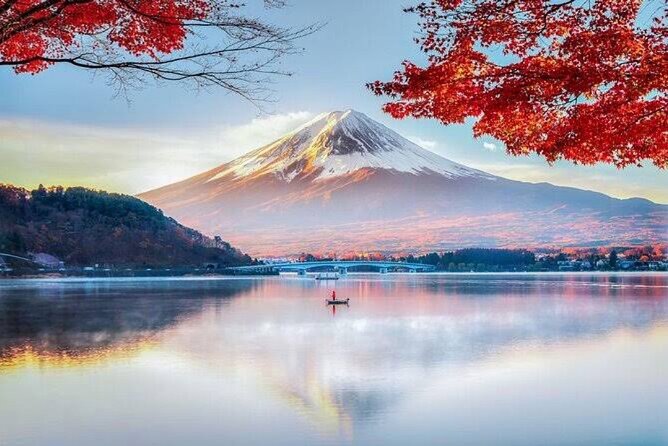
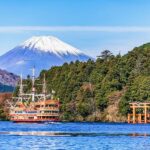
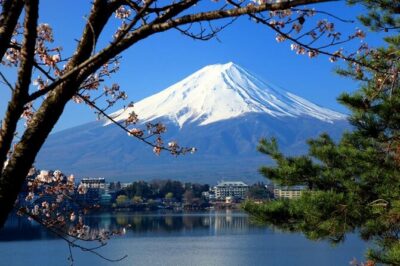
Lake Kawaguchiko is one of the best places to begin understanding the Fuji region. The lake sits at roughly 830 meters above sea level, so summers are relatively cool and winters can be icy. On a clear day, you may see Mt. Fuji reflected beyond the water, though cloud cover can change the view quickly.
The planned stop lasts about an hour. That is enough for photos and a quick walk, but not for a slow lakeside outing. Lunch is also possible here, with many restaurants around the lake. Since lunch is not included, this is a practical place to eat, but allow enough time if you want to keep the rest of the schedule intact.
I like this stop because it gives you a broad first view of the mountain. The drawback is that the lake area can become a rushed photo stop if traffic or an earlier visit runs late. Ask the driver early in the day how much time can realistically be spent here.
Oshino Hakkai and the water from Mt. Fuji
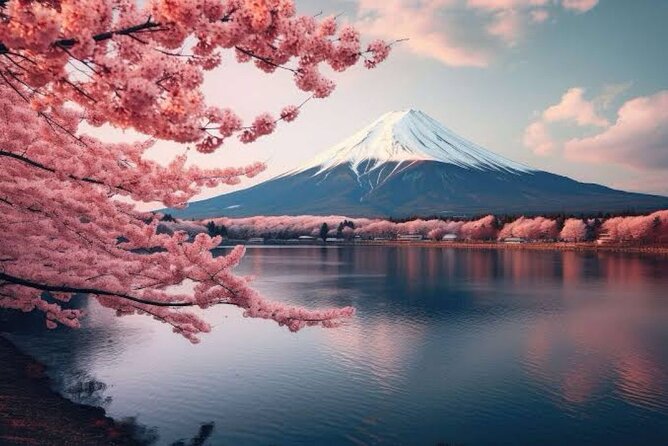
Oshino Hakkai is a small village known for eight clear ponds. Snowmelt from Mt. Fuji filters through layers of porous lava for more than 80 years before reaching the ponds. Local people value the water, and the setting gives you a close look at the connection between the mountain, its geology, and daily life.
The ponds are free to visit according to the tour details. The area is also touristy, so do not expect a quiet, untouched village. Its strength is the clear water and close Fuji views when the weather cooperates, not solitude.
The itinerary lists Oshino Hakkai twice, once alongside the Sengen Shrine and again as a separate stop. That may mean the route includes two parts of the same area, but the wording is not fully clear. I would ask the operator how the two one-hour visits are handled before setting expectations.
Sengen Shrine and a piece of Fuji worship
The Sengen Shrine in the Oshikusa district dates to 807 AD. Its main building has a cypress bark roof and a Sangensha Nagarezukuri design, giving you a useful glimpse into Japanese religious architecture and the long tradition of worship connected with Mt. Fuji.
This is more than another photo point. Shrines dedicated to the Sengen tradition are closely tied to reverence for the mountain, so the visit adds cultural context to the scenic stops. You can see Mt. Fuji as both a natural landmark and a sacred presence.
The scheduled visit is about an hour, with no admission fee listed. Since the tour includes several stops with similar time blocks, your driver may need to keep this visit focused. Take a moment to notice the shrine structure rather than treating it as a quick backdrop.
Saiko Iyashi no Sato Nemba and old village life
Saiko Iyashi no Sato Nemba is a picturesque open-air village near Lake Saiko, with old Japanese houses topped by thick thatched roofs. Local crafts and artists give the stop a more hands-on feel than a standard viewing platform.
You can rent a kimono or samurai armor for photographs for about ¥2,000 per person. Admission is about ¥500 per person, and both costs are extra. If you want costumes or time with local craft displays, tell the driver early. A one-hour visit can disappear quickly once you add changing time and photos.
I like this stop because it breaks up the mountain views with a look at traditional building styles and crafts. The practical tradeoff is cost and time. If your priority is seeing as many Fuji viewpoints as possible, you may prefer to skip the costume rental.
Other private tours in Tokyo

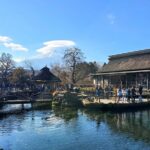

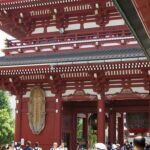
The Fuji Subaru Line 5th Station at 2,300 meters
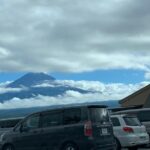
The Fuji Subaru Line 5th Station sits at about 2,300 meters above sea level. It offers a high viewpoint over the Fuji Five Lakes area and is popular with people who are not planning a full climb.
The listed entrance fee is ¥2,100 per group, not included in the tour price. Clear weather is essential. Clouds, rain, or poor visibility can block the mountain and erase much of the reason for going up.
The 5th Station is also the starting point for the Yoshida trail. The tour description says the guide can take you toward the 7th Station at about 2,700 meters on an easy-level trek. Treat this as an optional walking component that needs clarification. A one-hour stop is not enough for a substantial out-and-back hike to the 7th Station, and the listing does not explain the exact hiking time or guide arrangements.
You should also remember that 2,300 meters is high compared with Tokyo. The air may feel cooler, and the weather can be different from conditions around the lakes. Wear practical shoes and bring a layer, even if the city feels warm.
Oishi Park for the classic lake and mountain view
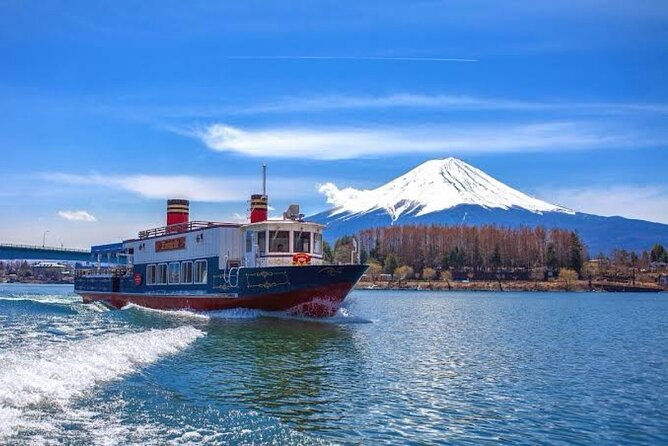
Oishi Park sits on the northern shore of Lake Kawaguchiko. Its main attraction is the chance to frame the lake and Mt. Fuji in the same view. This is one of the most straightforward photo stops on the route.
The visit is listed at about an hour and admission is free. The park works well as a calm pause after the busier village and shrine areas. You can take pictures, look across the water, and enjoy the view without paying another entrance fee.
The weak point is the same as at Lake Kawaguchiko: no clear mountain means a less dramatic visit. Still, the lake itself gives you something to see, and the open setting makes this a useful place to judge whether clouds are lifting.
Chureito Pagoda and the 400-step climb
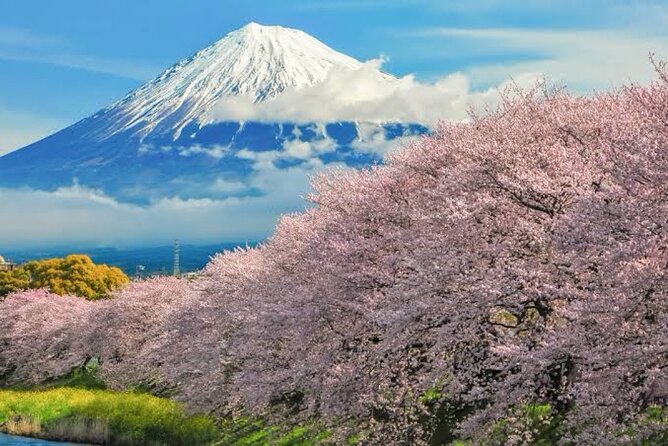
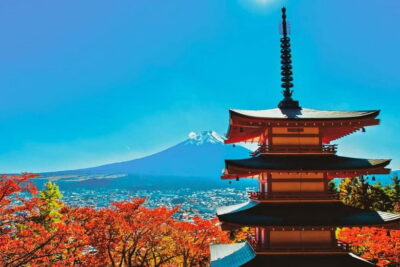
Chureito Pagoda is the tour’s most recognizable viewpoint. The five-story pagoda sits on the mountainside above Fujiyoshida City, with Mt. Fuji in the distance. It is part of Arakura Sengen Shrine and was built in 1963 as a peace memorial.
Reaching the pagoda requires nearly 400 steps from the shrine’s main buildings. The admission is free, but the climb is real. Give yourself time, use steady footwear, and be honest about your comfort with stairs before making this a top priority.
I like this stop because it combines several images of Japan in one place: shrine grounds, a traditional pagoda, a hillside climb, and the country’s most famous mountain. The drawback is that the view depends on weather and the steps may be tiring, particularly late in a long day.
Fuji-Q Highland, with an important time warning
Fuji-Q Highland is an amusement park near the base of Mt. Fuji, operated by Fuji Kyuko. It opened in 1968 and is known as a separate attraction rather than a scenic park.
Admission is not included. The estimated entry cost is ¥5,000 per person, though the details also repeat that the entrance fee is extra. The itinerary allows about an hour, which is enough for a look around but not enough to make good use of a full amusement park visit.
This is the stop I would question most carefully. If your group wants rides, Fuji-Q deserves much longer than one hour. If you simply want to see the park near Mt. Fuji, a brief stop may work. Families or thrill-seekers should ask whether this stop can be replaced with more time at the lakes, pagoda, or 5th Station.
What the day’s pace really means
The plan gives roughly one hour to each of nine stops. That sounds generous until you add Tokyo traffic, highway time, parking, meals, restroom breaks, stairs, and weather delays. You cannot fully experience every location at a leisurely pace within 9 to 10 hours.
I would think of this as a broad survey of the Fuji area. You see many different types of places, but several visits will be short. A private driver helps because you avoid the delays of collecting a large group, yet the route is still ambitious.
Before departure, choose your top three priorities. For one group, they might be Chureito Pagoda, Oishi Park, and the 5th Station. Another group may prefer Lake Kawaguchiko, Saiko Iyashi no Sato Nemba, and Oshino Hakkai. Clear communication with the driver is the best way to turn a long list into a sensible day.
What is included and what is not
The base price covers private transportation, fuel, highway tolls, an air-conditioned vehicle, an English-speaking driver, pickup and drop-off, drinking water, tissues, and an internet hotspot. Those inclusions make the cost easier to understand, since highway tolls around Tokyo and Yamanashi can add up on a private day trip.
You pay separately for:
- Mt. Fuji 5th Station: ¥2,100 per group
- Saiko Iyashi no Sato Nemba: about ¥500 per person
- Kimono or samurai armor rental: about ¥2,000 per person
- Fuji-Q Highland: estimated at ¥5,000 per person
- Lunch
The tour has a perfect 5 rating from three submitted reviews, and Ali receives specific praise for being flexible and making useful recommendations. That is the kind of driver you want on a weather-sensitive day, since practical judgment can matter more than a memorized speech.
Free cancellation is available up to 24 hours before the start time. Changes or cancellations inside that window are not refunded, and poor weather can lead to a different date or a full refund. Since Mt. Fuji often hides behind clouds, this policy is worth noting before you commit.
Who should book this Fuji day trip
I would choose this tour if you want private transport from Tokyo, have a group of up to seven, and value seeing many different Fuji-area sights in one day. It is also a good fit if someone in your group prefers not to manage trains, buses, and local connections.
Families may appreciate the private vehicle and the ability to discuss breaks with the driver. Groups with photographers can benefit from moving between several viewpoints. The English-speaking driver and included hotspot also make the day easier for visitors who want straightforward help while on the road.
I would hesitate if you want a relaxed day at one lake, a serious hike, or several hours at Fuji-Q Highland. The route covers a lot, but the one-hour blocks make it more of a highlights tour than a slow regional visit.
Should you book it?
Book this tour if convenience, privacy, and range matter most. For a full group, $429.31 is a fair base price for a private round trip with fuel, tolls, pickup, and a dedicated driver. Add the entrance fees and lunch, then confirm the vehicle size and the exact plan for the duplicated Oshino Hakkai stops.
The smartest approach is to choose your must-see locations before the day begins. If the sky is clear, prioritize the 5th Station, Chureito Pagoda, Oishi Park, and the lake views. If clouds cover Mt. Fuji, spend more time at the shrine, traditional village, or ponds instead. That flexibility is the tour’s strongest feature.
FAQ
How long does the Mt. Fuji private tour last?
The tour lasts approximately 9 to 10 hours.
How many people can join the private tour?
The listed booking price covers one private group of up to seven people.
Does the tour include hotel pickup and drop-off?
Yes. Pickup and drop-off are included from your hotel or place of accommodation.
Is lunch included?
No. Lunch is not included, though Lake Kawaguchiko has many restaurants where you can eat.
Are Mt. Fuji 5th Station entrance fees included?
No. The 5th Station fee is listed as ¥2,100 per group.
Is Fuji-Q Highland admission included?
No. Fuji-Q Highland admission is extra, with an estimated cost of ¥5,000 per person.
What happens if the weather is poor?
Because the experience requires good weather, it may be canceled. You will then be offered a different date or a full refund.
More Full-Day in Tokyo

More Private Tours in Tokyo
More Mt Fuji Day Trips in Tokyo
More tours in Tokyo we've reviewed


Mt Fuji Day Trips, compared.
 ★ 5.0Mt Fuji and Hakone 1-Day Bus Tour Return by Bullet TrainFrom $163
 ★ 4.0Mt Fuji & Hakone Cruise, Drum Show Bullet Train 1 Day from TokyoFrom $149
 ★ 4.4Tokyo Mt Fuji 5th St & Hakone Cruise Bus Tour w/Bullet TrainFrom $15410 hours
 ★ 4.5From Tokyo: Mount Fuji Full-Day Sightseeing TripFrom $6810 hours
 ★ 4.7Tokyo: Mt. Fuji Tour, Hakone Ropeway, Owakudani, Lake AshiFrom $5410 hours
 ★ 4.4Tokyo:Mt.Fuji,Kawaguchiko Oishi Park,Arakurayama Sengen ParkFrom $5410 hours