
Reviewed · MT FUJI DAY TRIPS
Mt Fuji Exploration Tour with Free Japanese Kusa Mochi from Tokyo
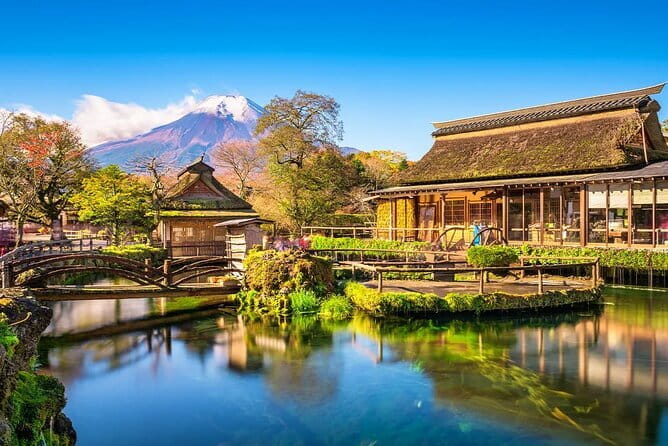
Mount Fuji is the star here, but the real appeal is the range of views you get in one day. You’ll see the classic pagoda-and-mountain scene at Arakurayama Sengen Park, clear spring pools at Oshino Hakkai, and broad views across Lake Kawaguchi from Oishi Park. The final stop, Saiko Iyashi-no-Sato Nenba, adds old-style thatched houses to the day.
I like the efficient route from Tokyo and the chance to visit four very different places without arranging trains and buses yourself. I also like the useful photography guidance, since Fuji can appear very different from each viewpoint. The main drawback is time: a long bus ride and a maximum vehicle limit of 10 hours mean the guide may shorten part of the route when traffic or weather causes delays.
In This Review
- Key points to know before booking
- Why this Mount Fuji day trip works from Tokyo
- Arakurayama Sengen Park and the classic Fuji photograph
- Oshino Hakkai and the water from Mount Fuji
- Oishi Park beside Lake Kawaguchi
- Saiko Iyashi-no-Sato Nenba and old rural Japan
- Guides, languages, and the pace of the day
- The long ride from Tokyo and what to bring
- Seasonal planning for Fuji views
- Who will get the most from this $82 tour
- Booking details worth keeping in mind
- Should you book this Mount Fuji tour?
- FAQ
- How long does the Mount Fuji exploration tour last?
- How much does the tour cost?
- Which locations are included?
- Is admission included?
- What languages does the guide speak?
- Is Japanese Kusa Mochi included?
- Does the tour run the same route all year?
- Can the itinerary change during the day?
- What happens if bad weather cancels the tour?
Key points to know before booking
- Four distinct Fuji viewpoints: Combine a famous pagoda view, spring pools, Lake Kawaguchi, and a traditional village in one day.
- Arakurayama Sengen Park requires a climb: Allow 1 hour 20 minutes for the park, including the walk to its well-known lookout.
- Oshino Hakkai is more than a photo stop: Its eight clear spring pools show water connected to Mount Fuji’s snowmelt.
- Seasonal stops change: Oishi Park is used during the off-season, while the Maple Corridor and Cherry Blossom Festival appear only on set dates.
- Languages and group size: Guides speak Chinese, English, or Japanese, and the group can reach 48 people.
- A small local treat is included: You receive Japanese Kusa Mochi, a traditional rice cake flavored with kusa, or mugwort.
Why this Mount Fuji day trip works from Tokyo
Mount Fuji is close enough to tempt you into a day trip from Tokyo, yet far enough away that transport can become a nuisance. This tour solves that problem with a single organized outing lasting about 8 to 9 hours, including the time spent on the road.
At $82 per person, the value depends on what you want from the day. You are paying for a full-day route, transport between four stops, a guide, admission to Saiko Iyashi-no-Sato Nenba, and the Kusa Mochi gift. You are not paying for a private tour, and the group may include as many as 48 people.
I see this as a practical choice for a first visit to the Fuji area. You can cover several famous locations without working out a complicated connection between Tokyo, the Fuji Five Lakes region, and the return trip. The tradeoff is a fixed schedule and less freedom to linger.
The tour also works well for photographers. Instead of hoping Fuji appears from one viewpoint, you get several chances to catch a clear outline, a different foreground, or a better seasonal setting. No Fuji day trip can control the clouds, but this route gives you more than one opportunity.
A few more Tokyo tours and experiences worth a look


Arakurayama Sengen Park and the classic Fuji photograph
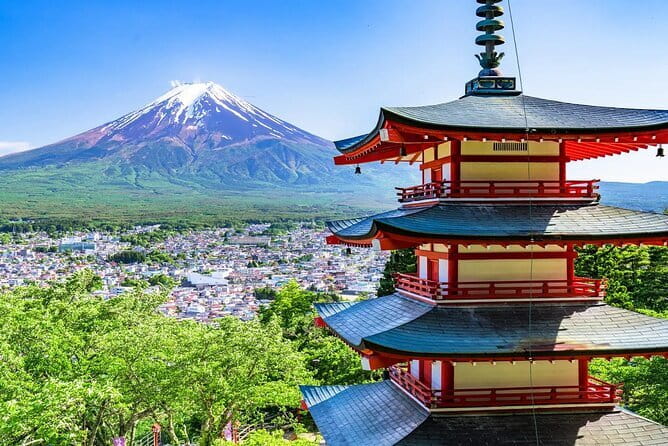
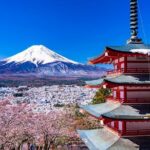
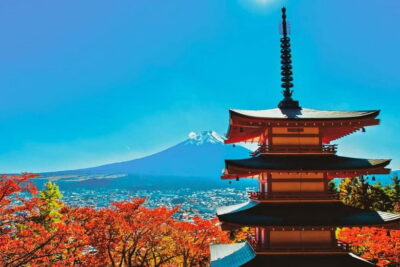
The day begins, or may begin depending on your pickup arrangement, at Arakurayama Sengen Park. This is the stop many people picture when they think of Mount Fuji photographs from Japan: the five-story Chureito Pagoda in the foreground, with Fuji rising behind it when the weather cooperates.
The visit lasts about 1 hour 20 minutes. That sounds generous, but you need part of it for the uphill walk to the lookout. The climb is an important practical point. You should wear shoes that handle steps and uneven paths, and avoid treating this as a quick bus-to-viewpoint stop.
The reward is one of the most recognizable views in the Fuji region. The red-and-white pagoda gives the mountain scene a strong Japanese character, while the town below adds scale. In spring, blossoms can frame the view. In autumn, color may add another layer, though the exact conditions vary.
This is also the place to listen closely to the guide’s timing advice. A guide such as Sia can help point out the best position for photographs and explain what you are seeing. One piece of useful guidance is knowing when to stop shooting the pagoda view and simply look around. The park itself is part of the experience, not just a backdrop.
The drawback is that the famous viewpoint can feel busy, especially at popular times. A large group also needs to move together, so you may not have unlimited time for repeated shots. If the summit is hidden by cloud, the pagoda still makes a strong image, but you should keep your expectations sensible.
Oshino Hakkai and the water from Mount Fuji
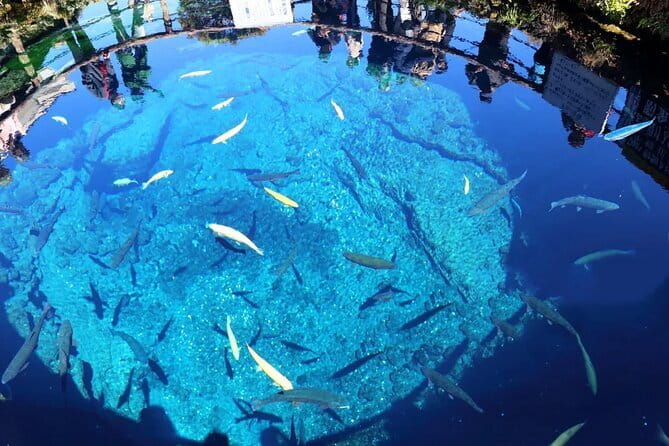
Oshino Hakkai gives the tour a quieter natural focus. The area contains eight spring pools formed by snowmelt from Mount Fuji. The water is clear enough to reveal underwater detail and reflections, and the pools provide a close look at how Fuji shapes the region beyond its famous peak.
You get about 1 hour 20 minutes here. That is enough time to stroll between the pools, take photographs, and enjoy the traditional surroundings without rushing through every stop. The paths are easier than the climb at Arakurayama Sengen Park, though you should still expect walking.
This stop is valuable because it shows Fuji as a source of water, not just a mountain to photograph. The pools, old-style buildings, and rural setting create a different mood from the panoramic lookout. You can also use this time to slow down after the first major photo stop.
The site has a strong visitor appeal, so some areas may be crowded. With a group of up to 48 people, keeping track of the meeting point matters. Listen for the guide’s instructions before wandering off to frame another photograph.
The included Kusa Mochi fits naturally into a stop like this. Kusa Mochi is a Japanese rice cake flavored with mugwort, and the tour provides it as a special gift. It is a small extra rather than a meal, but it gives you a taste of a familiar Japanese confectionery tradition.
Oishi Park beside Lake Kawaguchi
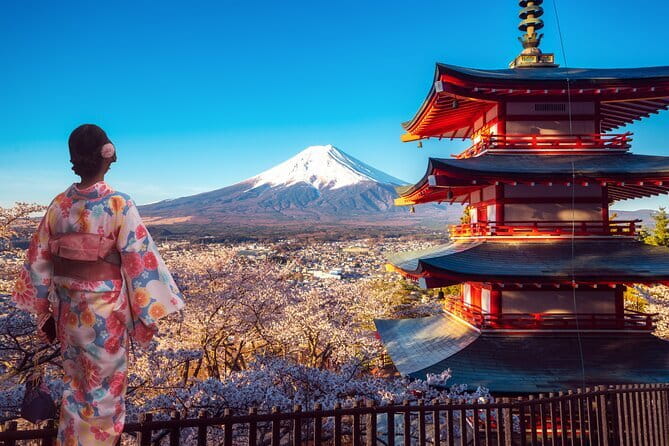
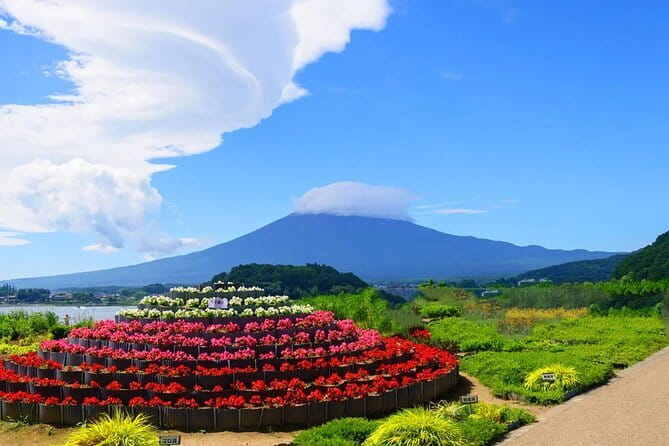
Oishi Park is scheduled for about 40 minutes, making it the shortest stop. Its setting beside Lake Kawaguchi gives you a broad view toward Mount Fuji, with the lake adding a calm foreground when the weather is clear.
The park is especially useful for seasonal scenery. During the off-season, the itinerary includes Oishi Park as a peaceful place to see the lake and mountain with fewer seasonal crowds. From October 20 to November 23, the route may instead include the Kawaguchiko Maple Corridor. From April 5 to April 14, it may include the Kawaguchiko Cherry Blossom Festival.
These dates matter if you are choosing the tour for a particular type of photograph. The schedule is not one fixed experience throughout the year. Check which seasonal stop applies to your date before booking, especially if autumn leaves or cherry blossoms are a main reason for your visit.
Forty minutes is enough for a look and a set of photographs, but not for a long lakeside walk. I would treat Oishi Park as a sharp, focused stop. Find your viewpoint quickly, check the mountain, and make the most of the available time.
The park also serves as a useful contrast to Oshino Hakkai. There, you focus on small pools and close detail. Here, you step back and take in the larger relationship between water, mountain, and open sky.
Saiko Iyashi-no-Sato Nenba and old rural Japan
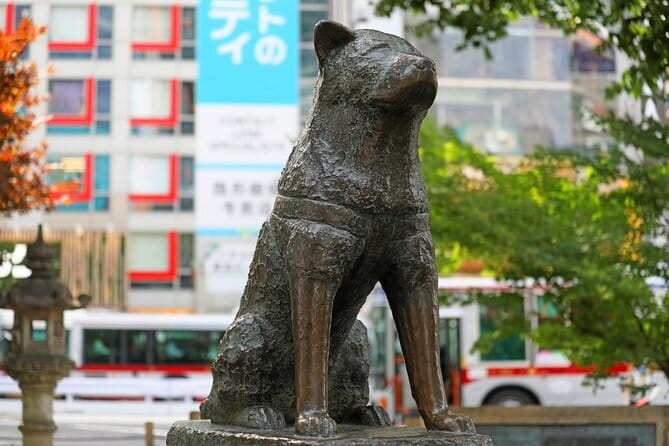
The last major stop is Saiko Iyashi-no-Sato Nenba, a traditional village near Lake Saiko. The visit lasts about one hour and is included in the tour price.
The village is known for thatched-roof houses and a rural setting that recalls an older style of Japanese community life. This is not simply another Fuji lookout. It gives you architectural detail, village paths, and a more cultural side of the region.
You can photograph the roofs and surrounding scenery, but leave time to notice the construction and layout of the houses. The stop helps keep the day from becoming a string of mountain photographs. After Arakurayama, Oshino Hakkai, and Oishi Park, this change of subject is welcome.
The included admission is a real value point. Many organized day tours add several free outdoor stops but charge separately for a cultural site. Here, admission to what is described as the West Lake Healing Reagan Field is included, along with the village visit.
The schedule remains fairly tight. One hour does not allow a slow museum-style visit or a long exploration of every building. Think of it as a well-chosen introduction to the village rather than a full cultural study.


Guides, languages, and the pace of the day
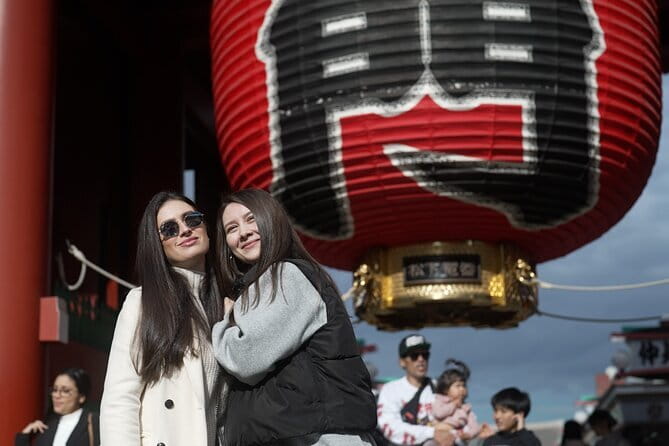
The tour provides a Chinese, English, or Japanese-speaking guide. Commentary is an important part of the experience because the route involves more than taking you to viewpoints. You benefit most when the guide explains the pools, seasonal changes, photo positions, and the character of each location.
Sia is one guide associated with this experience. Specific guide assignments can change, but the available feedback about Sia highlights her kindness and explanations at each stop. That is worth noting if you value a warm, attentive guide rather than only a transport service.
The quality of commentary can also vary with the guide and the day’s conditions. One useful piece of feedback points to a desire for more verbal explanation during the ride to Mount Fuji. I would set expectations accordingly: the trip promises guide commentary, but it may not provide a continuous lecture during every minute of the bus journey.
The group can reach 48 people. That makes the price accessible, but it affects the feel of the day. You will need to follow meeting times and return to the vehicle promptly. A small delay by several people can reduce the time available at a later stop.
Japanese law limits vehicle use to 10 hours. The tour lasts about 8 to 9 hours in normal conditions, yet traffic, weather, and local delays can force the guide to cut part of the itinerary. This is not a minor footnote. A Tokyo day trip to the Fuji area depends heavily on road conditions.
The long ride from Tokyo and what to bring
One piece of feedback describes the bus ride to Mount Fuji as about two hours and still considers the outing worth it. You should plan for substantial transport time. The total duration includes the journey, so this is not 8 to 9 hours of sightseeing.
The ride is the price of convenience. You avoid transferring between public transport services, but you also give up control over departure times and stop lengths. Bring water, a phone charger, and anything you need to stay comfortable during a full day out.
Dress for walking and changing conditions. The provided information does not specify a dress code, but Arakurayama Sengen Park includes a climb, and all four stops involve time outside. Comfortable shoes are the practical choice.
Photography gear is welcome, but do not let equipment slow you down. The most important item is a charged phone or camera. Fuji may be visible at one stop and hidden at another, so quick access matters more than a complicated setup.
Weather deserves special attention. This activity requires good weather. If conditions make the tour impossible, you are offered another date or a full refund. Even when the tour operates, cloud cover can change the views, so flexibility is part of any Fuji outing.
Seasonal planning for Fuji views
The seasonal schedule gives this tour more variety, but it also requires careful planning. Oishi Park is used during the off-season period. The Kawaguchiko Maple Corridor is scheduled from October 20 to November 23, and the Kawaguchiko Cherry Blossom Festival from April 5 to April 14.
Those dates are specific, not a general promise of peak foliage or blossoms. Nature does not follow a perfect calendar, so a booking during the listed period may offer the right setting without guaranteeing peak color.
If your priority is the classic pagoda view, season matters less than weather and visibility. If your priority is flowers or autumn color, confirm which version of the itinerary applies to your date and accept that conditions may vary.
The guide may also cut stops when road delays or the 10-hour vehicle limit become a problem. You should not book this expecting every seasonal location to receive a long, unhurried visit.
Who will get the most from this $82 tour
I would recommend this experience to you if you have limited time in Tokyo and want a broad introduction to the Mount Fuji region. It suits photographers, first-time visitors, and anyone who prefers one organized route instead of several train and bus connections.
It is also a good match if you want more than a single mountain viewpoint. The combination of pagoda, spring pools, lake, and traditional village gives you a fuller sense of the area.
Families and most reasonably mobile visitors can participate, according to the provided tour information. The climb at Arakurayama is the main physical consideration, while the full day and bus ride are the main comfort considerations.
I would hesitate if you want a private, slow-paced day or the freedom to change the route. A group of up to 48 people and a fixed schedule will feel restrictive if you prefer lingering at one location.
The $82 price is fair for the amount of ground covered, included transport, a guide, village admission, and the mochi gift. It is not a bargain in the sense of a short local excursion, but it can save both planning time and transport hassle.
Booking details worth keeping in mind
Confirmation is provided when you book, and the meeting areas are near public transportation. You need to arrive on time. Latecomers and no-shows cannot receive a refund, and changes made less than 24 hours before departure are not accepted.
You can cancel for a full refund up to 24 hours before the start time. If poor weather cancels the experience, you can choose another date or receive a full refund.
Book about six weeks ahead if your date is important. The average booking lead time is 46 days, and seasonal periods may be especially appealing. Confirm the meeting point, language preference, and seasonal itinerary before you finalize the reservation.
Should you book this Mount Fuji tour?
Book it if you want four strong Fuji-area stops in one organized day, especially when Tokyo is your base and your time is limited. The pagoda view, Oshino Hakkai’s spring pools, Lake Kawaguchi, and the thatched village create a well-rounded route.
Skip it if your ideal day means staying in one place, traveling privately, or spending hours at a single photo location. The long ride, group size, weather risk, and possible itinerary cuts are real limits.
For most first-time visitors, I see this as a sensible way to meet Mount Fuji on several terms: iconic, natural, scenic, and cultural. Just pack patience for the road, comfortable shoes for the park climb, and realistic expectations about cloud cover.
FAQ
How long does the Mount Fuji exploration tour last?
The experience lasts approximately 8 to 9 hours, including transportation time.
How much does the tour cost?
The listed price is $82 per person.
Which locations are included?
The route includes Arakurayama Sengen Park, Oshino Hakkai, Oishi Park, and Saiko Iyashi-no-Sato Nenba.
Is admission included?
Admission to Saiko Iyashi-no-Sato Nenba, also described as the West Lake Healing Reagan Field, is included. The listed outdoor stops have no admission ticket charge.
What languages does the guide speak?
The guide service is available in Chinese, English, or Japanese.
Is Japanese Kusa Mochi included?
Yes. A special gift of Japanese Kusa Mochi is included.
Does the tour run the same route all year?
No. Oishi Park is used during the off-season. The Kawaguchiko Maple Corridor is scheduled from October 20 to November 23, and the Kawaguchiko Cherry Blossom Festival is scheduled from April 5 to April 14.
Can the itinerary change during the day?
Yes. Japanese law limits vehicle use to 10 hours, so the guide may shorten the itinerary because of the day’s actual traffic, weather, or travel conditions.
What happens if bad weather cancels the tour?
If poor weather causes cancellation, you will be offered a different date or a full refund. You can also cancel for a full refund if you do so at least 24 hours before the start time.
More Mt Fuji Day Trips in Tokyo
More tours in Tokyo we've reviewed








Mt Fuji Day Trips, compared.
 ★ 5.0Mt Fuji and Hakone 1-Day Bus Tour Return by Bullet TrainFrom $163
 ★ 4.0Mt Fuji & Hakone Cruise, Drum Show Bullet Train 1 Day from TokyoFrom $149
 ★ 4.4Tokyo Mt Fuji 5th St & Hakone Cruise Bus Tour w/Bullet TrainFrom $15410 hours
 ★ 4.5From Tokyo: Mount Fuji Full-Day Sightseeing TripFrom $6810 hours
 ★ 4.7Tokyo: Mt. Fuji Tour, Hakone Ropeway, Owakudani, Lake AshiFrom $5410 hours
 ★ 4.4Tokyo:Mt.Fuji,Kawaguchiko Oishi Park,Arakurayama Sengen ParkFrom $5410 hours