
Reviewed · MT FUJI DAY TRIPS
Full Guided Mt. Fuji & Hakone Attractive Private Day Tour
Mount Fuji and Hakone make a natural pair, but fitting both into one day by train and bus takes planning. This private tour keeps you in one air-conditioned vehicle and links the mountain’s 5th Station with Lake Ashi, volcanic Owakudani, forest shrines, art, and shopping.
I like the freedom to change the order or skip a stop, and I like the chance to ask for seasonal sights such as cherry blossoms or autumn leaves. The guide support also sounds useful: Abdul Manan is praised for arriving early, making a family feel at ease, and suggesting enjoyable activities, while Hiroyuki Sato is named in the operator responses.
The main drawback is time. Six stops in about 10 hours means some visits will be brief, and the listed one-minute stop at Owakudani is clearly too short for a real visit. You will need to choose between a broad taste of the region and lingering at your favorite places.
In This Review
- Key points to know before booking
- Why this private Fuji and Hakone route works
- Mt. Fuji 5th Station at 2,300 meters
- Lake Ashi, the Pirate Ship, and the red torii
- Owakudani’s sulfur vents and black eggs
- Moto Hakone Shrine and the Torii of Peace
- Hakone Open-Air Museum in one hour
- Gotemba Premium Outlets and the final two hours
- Guides, flexibility, and the human side
- What the price really includes
- Timing, weather, and smart planning
- Who should book this day tour?
- FAQ
- How long does the tour last?
- How many people can join the private tour?
- Where does the tour start and finish?
- Is transportation included?
- Is lunch included?
- Is the Hakone Open-Air Museum admission included?
- Is the Mt. Fuji 5th Station shuttle included?
- Can the itinerary be changed?
- Are service animals allowed?
- What is the cancellation policy?
- Should you book it?
Key points to know before booking
- Private vehicle for up to five people: The $430 group price can be sensible for a family or small group that wants door-to-door transport.
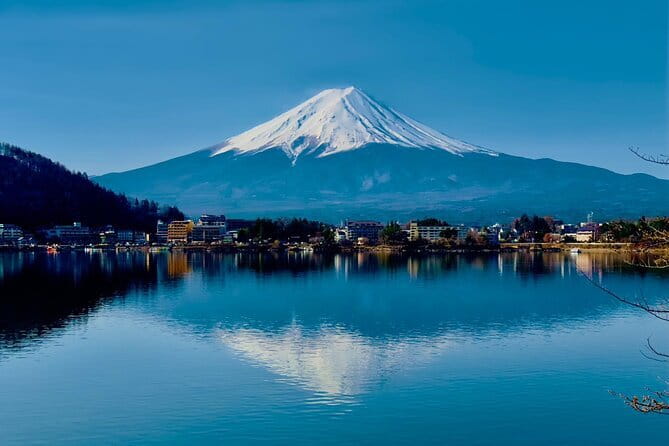
- Mt. Fuji views depend on conditions: The 5th Station and Gotemba offer fine viewpoints, but clear views are never guaranteed.
- Flexible itinerary: You can request changes or skip places, which helps when weather, children, or personal interests affect the day.
- Lake Ashi adds variety: The route includes Hakone’s lake scenery, the red torii gate, and the option of a pirate-style sightseeing boat.
- Extra costs matter: Lunch, the Hakone Open-Air Museum, and possible Mt. Fuji shuttle or access charges are not covered.
- A long day from Tokyo: Ten hours gives you reach, but traffic and crowds can reduce time at each stop.
Why this private Fuji and Hakone route works
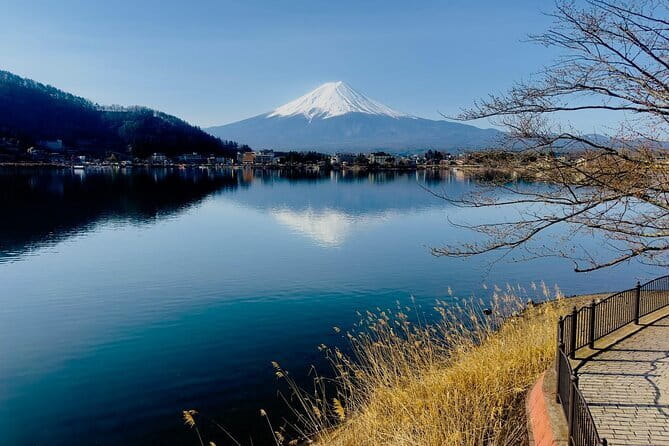
The best feature here is not any single attraction. It is the ability to cover two very different parts of the Fuji area without changing trains, finding bus stops, or carrying shopping bags through stations.
You begin at Tokyo Station and return there at the end. Pickup is offered, but the stated meeting point is Tokyo Station, at 1 Chome-9 Marunouchi, Chiyoda City. Confirm the exact pickup arrangement before the day, especially if you are staying elsewhere in Tokyo.
The tour costs $430 per group of up to five. Split five ways, that is $86 per person before extra admissions and food. For two people, it becomes a much bigger expense, but the value improves if you care about privacy, want a child seat, or prefer a driver who can adjust the plan.
You receive an air-conditioned vehicle, private transportation, WiFi on board, and a child seat. Those details matter on a full-day road trip. You can rest between stops, keep purchases in the vehicle, and avoid the strain of combining several public transport systems.
The tradeoff is that a private car does not remove the distance. Tokyo to the Fuji and Hakone area is a substantial day trip, and road conditions can affect the schedule. The tour is best viewed as a wide regional overview, not a slow visit to every attraction.
A few more Tokyo tours and experiences worth a look

Mt. Fuji 5th Station at 2,300 meters
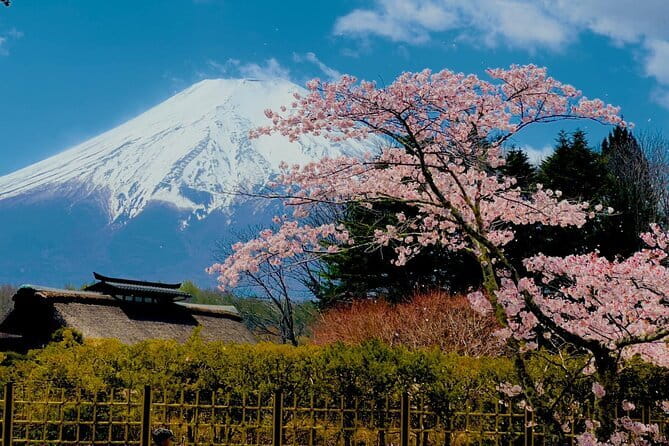
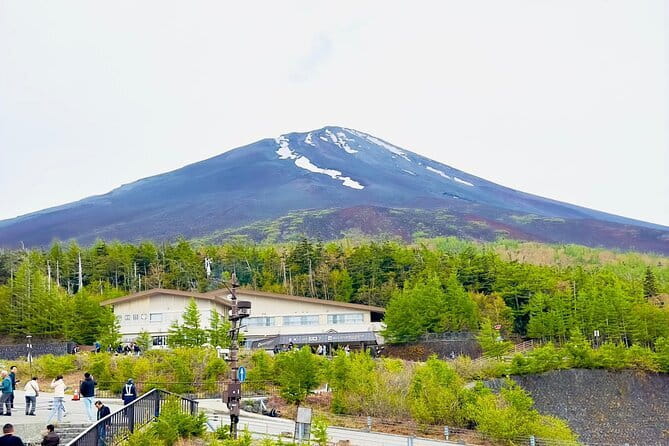
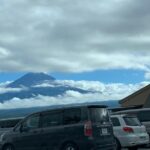
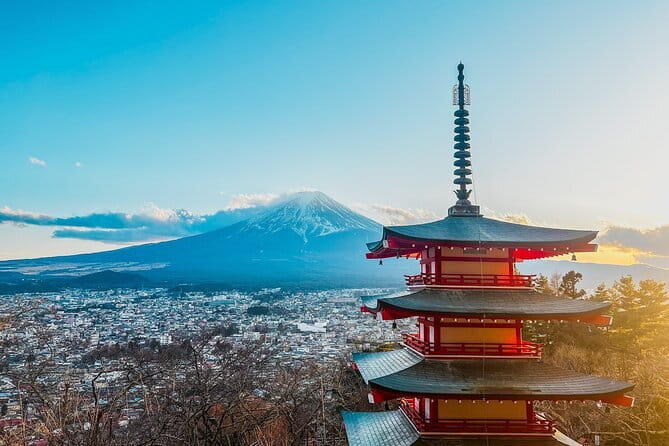
The Subaru Line 5th Station is the tour’s most direct encounter with Mount Fuji. At roughly 2,300 meters, it is high enough to feel very different from Tokyo and serves as a common starting point for climbers heading toward the summit.
You will find restrooms, shops, restaurants, and lodging options at the station. Even if you have no interest in climbing, the stop gives you mountain views and, on a clear day, possible views toward the Japanese Alps, Tokyo, and the Pacific Ocean.
The planned two-hour stay is generous compared with the other stops. You can walk around, take photographs, look at the climbing facilities, and get a sense of the mountain’s scale. It is also a useful place to slow down before the rest of the day.
Do not treat a visit here as guaranteed. Weather can hide the upper mountain, and the road access changes during the hiking season. From July 6 through September 10, a shuttle service operates for the 5th Station, with a stated fee of ¥2,500, about $20. The information also lists a Subaru Line entrance charge of $15 per group, so ask the operator which charges apply on your date.
The 5th Station is not a summit visit. A climb from here normally takes about five to seven hours, far beyond this day tour. Think of it as a high viewpoint and mountain access point.
Lake Ashi, the Pirate Ship, and the red torii
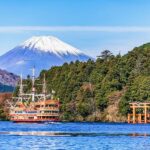
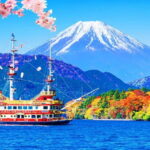
Lake Ashi gives the day a softer change of pace after the mountain road. The lake is framed by Hakone’s surrounding mountains and is known for views toward Mount Fuji when the air is clear.
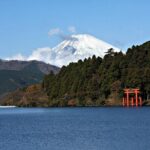
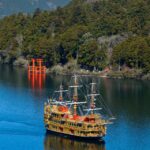
The tour information includes the Lake Ashinoko Sky Line and describes sightseeing boats shaped like pirate ships. It also highlights the red torii gate of Hakone Shrine, which appears to sit in the water. These are the images many people associate with Hakone, but they are not the same sort of experience: the boat offers a moving view of the lake, while the shrine asks for a short walk and a quieter visit.
The planned two hours should let you choose what matters most. If the boat is operating and you want the full lake experience, ask whether the ride is part of your plan and what it costs. The tour lists admission as free for this stop, but that does not clearly confirm that a boat fare is included.
Lake views are very sensitive to clouds and haze. On a clear day, this can be one of the strongest photo stops. On a cloudy day, the lake and forest still provide a pleasant setting, but Mount Fuji may not appear.
Owakudani’s sulfur vents and black eggs
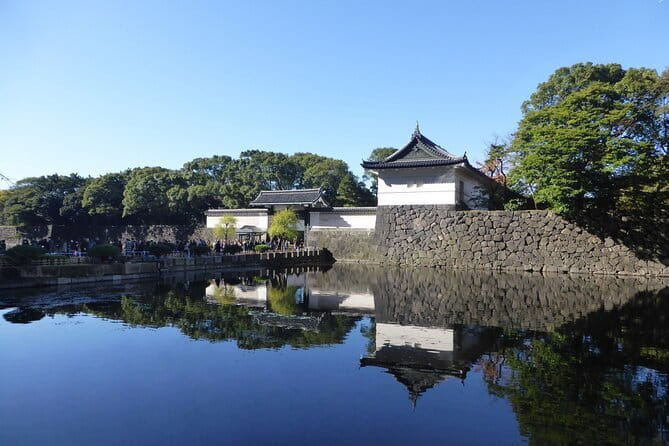
Owakudani is a volcanic valley formed during Mount Hakone’s eruption about 3,000 years ago. It remains known for sulfur vents, hot springs, geothermal activity, and the local black eggs, which are hard-boiled in sulfuric hot spring water and develop dark shells.
This is the most unusual stop on the route. You are not just looking at scenery. You can see evidence of volcanic activity and try a local food tied directly to the valley.
The schedule gives Owakudani one minute, which is not enough for the experience described. Treat that figure as a likely scheduling error or as a sign that the stop may be only a quick photo pause. If you want to walk near the vents or buy black eggs, ask the guide to protect more time here.
Access can also be affected by volcanic conditions, though no specific restrictions are provided for this tour. Your guide can adjust the day if the site is not practical. That flexibility is more useful here than at a simple viewpoint.
Moto Hakone Shrine and the Torii of Peace
Moto Hakone Shrine sits by Lake Ashi in a forested setting. Its best-known feature is the Torii of Peace, a red gate placed in the water. The shrine is associated with protection, good fortune, travel, and business, so it offers a cultural stop as well as a scenic one.
The stated visit lasts 30 minutes. That is enough to see the setting and offer a prayer, but it may feel short if you want to spend time at the lakeside torii or take photographs. The shrine can be reached by boat or on foot from Hakone-machi or Moto-Hakone, but this tour uses private transportation.
I like this stop because it breaks up a day otherwise filled with viewpoints, shopping, and paid attractions. It also gives you a more traditional Japanese setting without requiring a separate trip to Kyoto or Nara.
The approach may involve walking, and the shrine is in a forested area rather than directly beside a vehicle pull-in. Ask about the walking distance if anyone in your group has mobility concerns. The available information says most people can participate and service animals are allowed, but it does not provide detailed accessibility information.
A few more Tokyo tours and experiences worth a look

Hakone Open-Air Museum in one hour
Japan’s first open-air art museum opened in 1969 and places more than 120 sculptures across a large garden in the Hakone mountains. Works by Henry Moore and Niki de Saint Phalle are included, along with an indoor Picasso Pavilion displaying more than 300 works, including ceramics, paintings, and drawings.
There is also a colorful stained-glass tower that you can enter and climb. This makes the museum more than a row of outdoor statues. You get art, mountain scenery, and several different kinds of spaces in one visit.
One hour is enough for a quick selection, not a full museum visit. If Picasso matters to you, or if you prefer taking your time with sculpture, this is the stop most likely to deserve extra time. The itinerary is flexible, so you can ask to shorten or skip shopping instead.
Admission is not included and is listed at $15 per person. That is a reasonable extra cost for art lovers, but less appealing if your priority is Mount Fuji and lake scenery. Decide before departure so you do not lose time at the entrance.
Gotemba Premium Outlets and the final two hours
Gotemba Premium Outlets is one of Japan’s largest outlet centers, with more than 400 stores. The mix includes international names such as Gucci, Nike, Coach, and Prada, as well as Japanese brands, restaurants, cafés, and food stands.
The two-hour allocation makes sense for a shopping stop. You can browse, eat, and use tax-free shopping where available for international visitors. The center is also known for views of Mount Fuji, although, again, the mountain depends on the weather.
This stop will divide the group. It is useful if you want Japanese and international brands at outlet prices, but it is not an authentic local experience in the same way as Owakudani or Moto Hakone Shrine. If you would rather have more time at the lake or museum, use the tour’s customization option to skip it.
Shopping also creates a practical benefit for a private vehicle. You do not have to carry bags on a train, and the car gives you a place to store purchases. That is a small point, but it can make a difference late in a long day.
Guides, flexibility, and the human side
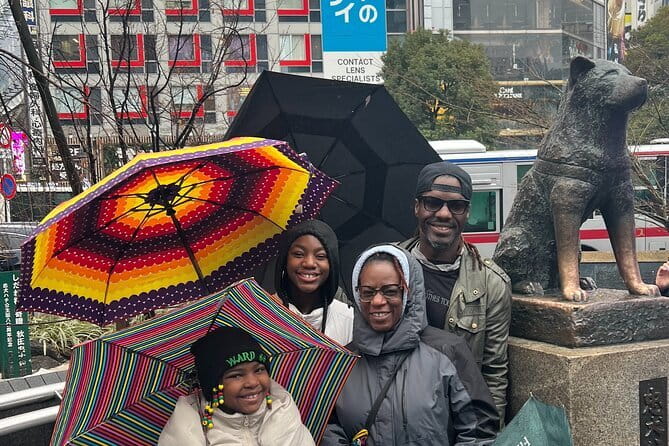
The strongest personal feedback centers on the guide service. Abdul Manan is specifically praised for arriving early, being courteous, helping a family feel comfortable, and suggesting activities that suited the group. Another account highlights a guide who explained Mount Fuji, answered questions, and worked to meet requests.
Hiroyuki Sato appears in the operator’s responses, but the assigned guide may vary. Confirm the guide’s name and whether the person is acting as a licensed sightseeing guide, driver-guide, or both if that distinction matters to you.
You should use the flexible format actively. Tell the operator before the day if you care most about photography, shrines, shopping, art, or seasonal scenery. The tour can be tailored for cherry blossoms in spring or autumn foliage in fall, according to the information provided, but no exact seasonal route is guaranteed.
The private format also suits families and friends who do not want to match the pace of a large group. A child seat is included, and service animals are allowed. Most people can participate, though the day includes roads, viewpoints, shrine grounds, and possible walking.
What the price really includes
At $430 per group, the price covers the vehicle, private transport, onboard WiFi, and a child seat. It does not cover lunch, alcoholic drinks, or the Hakone Open-Air Museum entrance fee.
The Mount Fuji access costs need careful checking. A shuttle fee of ¥2,500 is described as optional during the hiking season, while a $15 Subaru Line entrance fee per group is also listed. These may apply differently depending on the date and road rules, so ask for the current total before you set your budget.
Lunch is not arranged in the stated price. That gives you freedom, but it also means the 10-hour schedule needs a food plan. You can use restaurants, cafés, or food stands at the listed stops, though the exact lunch location is not fixed.
For five people, the base price is attractive compared with booking several separate private transfers. For one or two people, public transport may cost less, but it will not offer the same door-to-door convenience or easy itinerary changes.
Timing, weather, and smart planning
The tour lasts about 10 hours and begins and ends at Tokyo Station. Start early if possible, since the mountain roads and Hakone roads can become slow. The operator says it is booked, on average, 33 days ahead, so advance planning is sensible during cherry blossom and autumn foliage periods.
Wear shoes suitable for short walks and bring layers. The 5th Station sits at high altitude, and conditions there can feel cooler than in Tokyo. The provided information does not promise a clear view of Fuji, so keep your expectations focused on seeing several important sites rather than securing one perfect photograph.
The schedule includes six stops, but it is not realistic to explore every one in depth. I would prioritize the 5th Station, Lake Ashi, Owakudani, and Moto Hakone Shrine. Keep the Open-Air Museum if art is important to you, and keep Gotemba if shopping is part of your Japan plan.
Free cancellation is available if you cancel at least 24 hours before the start time. Changes made within 24 hours are not accepted, and the payment is not refunded for a late cancellation.
Who should book this day tour?
You should consider it if you are staying in Tokyo and want to see Fuji and Hakone in one day without handling several train and bus connections. It fits families, couples, friends, and groups of up to five who value a private vehicle and a flexible plan.
It is also a good choice if you want a guide who can answer questions and adjust the day. The positive feedback specifically points to early arrival, courteous service, explanations about Mount Fuji, and attention to requests.
I would be cautious if you want long visits at each place, a serious hike, or a quiet rural day. The route is ambitious, the Owakudani timing needs clarification, and extra costs are not fully included.
FAQ
How long does the tour last?
The tour lasts approximately 10 hours.
How many people can join the private tour?
The price covers one private group of up to five people.
Where does the tour start and finish?
The stated meeting point is Tokyo Station, at 1 Chome-9 Marunouchi, Chiyoda City, Tokyo. The activity ends back at the meeting point.
Is transportation included?
Yes. The tour includes an air-conditioned vehicle, private transportation, WiFi on board, and a child seat.
Is lunch included?
No. Lunch is not included in the price.
Is the Hakone Open-Air Museum admission included?
No. The entrance fee is listed separately at $15 per person.
Is the Mt. Fuji 5th Station shuttle included?
No. During the hiking season from July 6 through September 10, the optional shuttle fee is listed as ¥2,500.
Can the itinerary be changed?
Yes. You can request customized stops or skip parts of the itinerary.
Are service animals allowed?
Yes. Service animals are allowed.
What is the cancellation policy?
You can cancel at least 24 hours before the start time for a full refund. Cancellations or changes made less than 24 hours before the start time are not accepted for a refund.
Should you book it?
Book this tour if convenience and flexibility matter more to you than a slow, highly focused visit. The private vehicle makes a complicated Fuji and Hakone day much easier, and the mix of mountain views, lake scenery, volcanic activity, shrines, art, and shopping gives you a broad look at the area.
Before paying, confirm the pickup details, the assigned guide, the Fuji access charges, whether the Lake Ashi boat is part of your plan, and how much time can be given to Owakudani. If the answers suit your priorities, the $430 group price can be good value for up to five people.
More Guided Tours in Tokyo


More Hakone Day Trips in Tokyo
More Mt Fuji Day Trips in Tokyo
More tours in Tokyo we've reviewed






Mt Fuji Day Trips, compared.
 ★ 5.0Mt Fuji and Hakone 1-Day Bus Tour Return by Bullet TrainFrom $163
 ★ 4.0Mt Fuji & Hakone Cruise, Drum Show Bullet Train 1 Day from TokyoFrom $149
 ★ 4.4Tokyo Mt Fuji 5th St & Hakone Cruise Bus Tour w/Bullet TrainFrom $15410 hours
 ★ 4.5From Tokyo: Mount Fuji Full-Day Sightseeing TripFrom $6810 hours
 ★ 4.7Tokyo: Mt. Fuji Tour, Hakone Ropeway, Owakudani, Lake AshiFrom $5410 hours
 ★ 4.4Tokyo:Mt.Fuji,Kawaguchiko Oishi Park,Arakurayama Sengen ParkFrom $5410 hours