
Reviewed · GINZA TOURS
Tokyo: Izakaya Bar at Bistro Fukumimi, Ginza Corridor
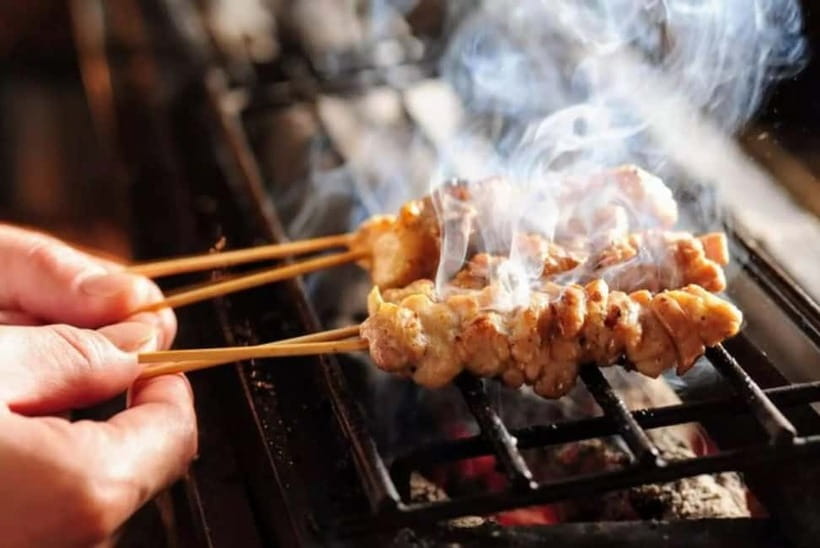
Bistro Fukumimi gives you a direct taste of Tokyo izakaya culture: a crowded-feeling dining room, hot skewers from the grill, cold beer or sake, and a set meal that keeps arriving at a steady pace. The setting is in the Ginza Corridor, but the mood is more local pub than polished luxury restaurant.
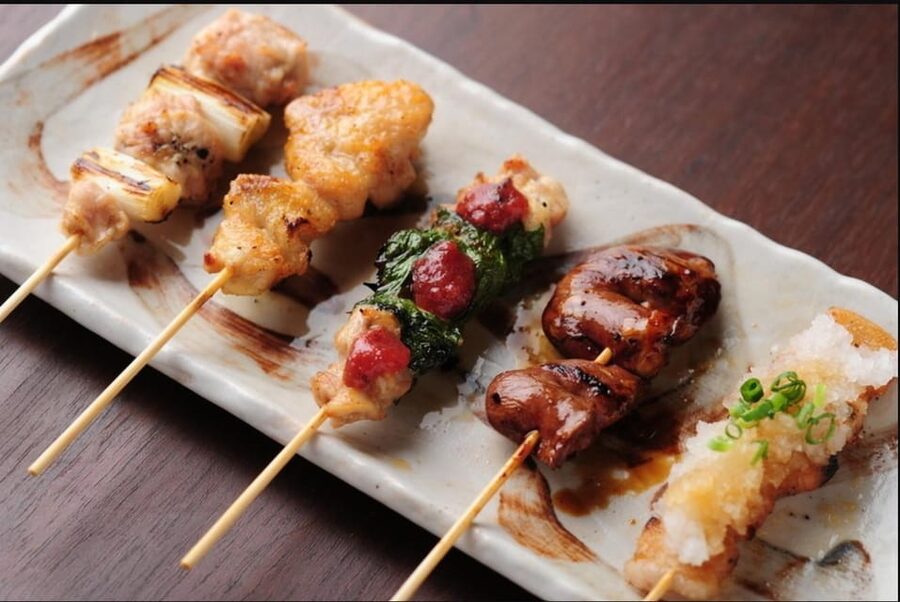
I like the wide mix of skewers, which lets you try familiar cuts such as chicken and beef alongside chicken skin, cartilage, tail, pork belly, and grilled tomato. I also like the fixed-course format. You can sit down, order less, and let the kitchen bring out a proper Japanese meal without puzzling over every menu line.
The main tradeoff is the atmosphere. This is likely to feel lively and loud, not quiet or formal, and the room may look less refined than the promotional photographs suggest. You get an honest izakaya evening, but not a hushed Ginza tasting menu.
In This Review
- Key points to know before booking
- What kind of Tokyo night you are booking
- The first plates: apple cream cheese, salad, and mackerel
- Seven skewers in the standard Fukumimi Course
- The 12-skewer satisfaction course for bigger appetites
- Chicken broth rice porridge closes the meal
- Choosing between food only and all-you-can-drink
- What the $41 price means in Ginza
- The room, service, and noise level
- Who will enjoy Bistro Fukumimi most
- Practical details for a smoother evening
- Should you book this Ginza izakaya dinner?
- FAQ
- Is this a guided tour or activity?
- Where is Bistro Fukumimi located?
- How long is the reservation?
- What food is included in the standard Fukumimi Course?
- What extra items come with the 12-skewer course?
- Are drinks included?
- What is the legal drinking age?
- Can children attend?
- Can I request a particular seat?
- Can I note dietary restrictions?
- What is the cancellation policy?
Key points to know before booking
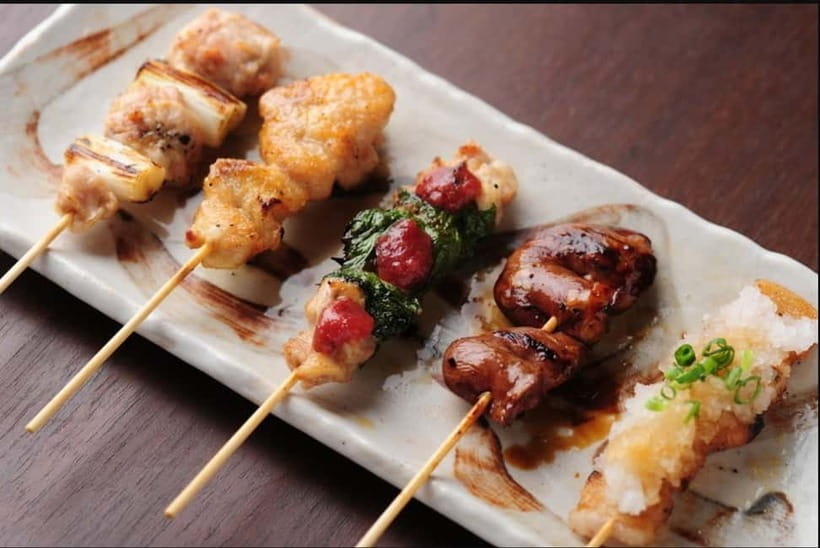
- Seven or 12 grill-master-selected skewers: The longer course adds chicken cartilage, pork belly, chicken tail, cheese mochi, garlic sprout-wrapped skewers, and other specialties.
- A full Japanese dinner, not just yakitori: You also receive seared mackerel, salad, chicken Nanban, and chicken broth rice porridge.
- Ginza location with an izakaya mood: The restaurant sits in the Ginza Corridor, close to the area’s famous nightlife and dining streets.
- Food-only and drink-inclusive choices: Select a course with all-you-can-drink service, or pay for the food course and order drinks separately.
- Two-hour seating: Your reservation covers a maximum of two hours, so this suits a focused dinner rather than a long, leisurely night.
- No guide or hosted activity: Enter Bistro Fukumimi directly at your reservation time. The booking is for the restaurant course only.
What kind of Tokyo night you are booking
This is a restaurant reservation, not a walking tour, cooking lesson, or guided food crawl. You make your way to Bistro Fukumimi, enter at your booked time, and settle in for a two-hour course.
That distinction matters. If you want someone to explain every skewer, teach you Japanese dining customs, or lead you through Ginza, this is not the right choice. If you want the easy pleasure of sitting down in a central neighborhood and having the kitchen handle the meal, it works well.
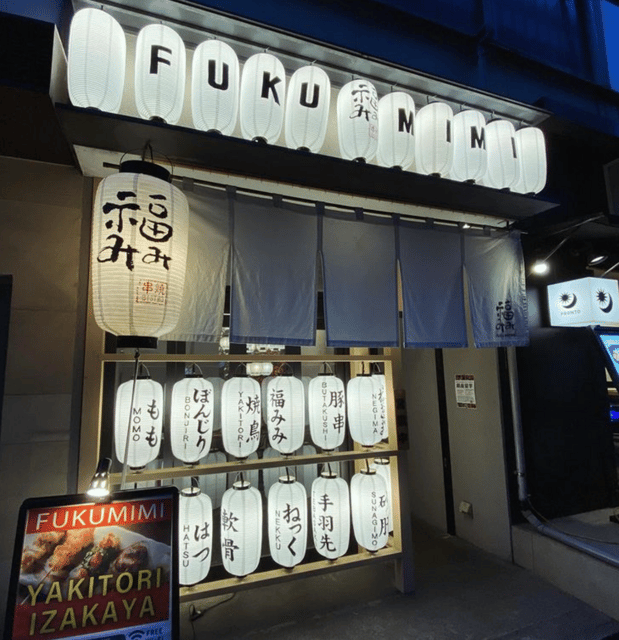
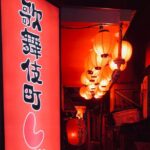
The restaurant is in the Ginza Corridor, a dining strip known for compact restaurants and after-work meals. The meeting point is described as diagonally across from Starbucks, which gives you a simple visual landmark. You should still check the exact reservation details before setting out, since Ginza has plenty of streets, entrances, and similarly named businesses.
Once inside, expect an izakaya setting rather than a grand Ginza dining room. The atmosphere can be noisy, and the seating type cannot be guaranteed. That is part of the appeal for some diners. You get the sound and energy associated with Japanese evening dining, but it may not suit you if you want private conversation or a calm meal.
A few more Tokyo tours and experiences worth a look

The first plates: apple cream cheese, salad, and mackerel
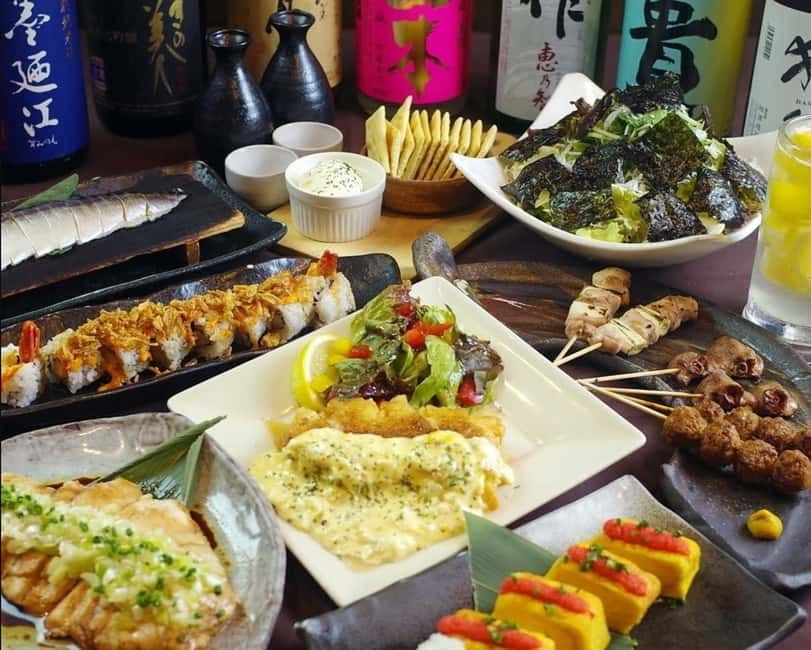
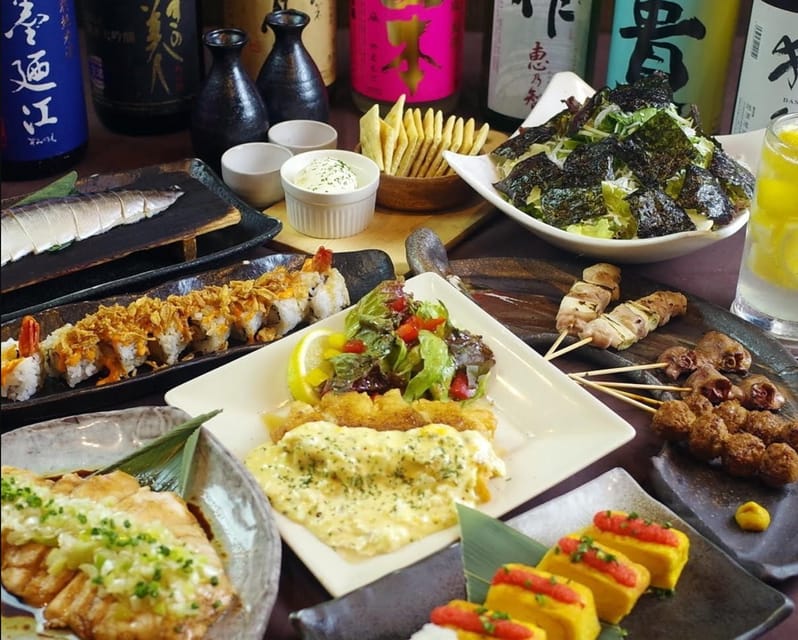
The Fukumimi Course opens with homemade apple cream cheese and crackers, followed by the day’s salad. It is an unusual start for a yakitori meal, mixing a sweet-creamy bite with a lighter vegetable course before the seafood and grilled meat arrive.
Next comes seared mackerel, or shimesaba. This is a useful dish for understanding the meal’s range. Fukumimi is not serving only meat on sticks. The lightly treated mackerel brings a sharper, more delicate flavor before the heavier grilled items begin.
You may appreciate this pacing if you want a meal with several textures and flavors. The shimesaba can be a consideration if you are cautious with fish, since mackerel has a distinct taste and is not as mild as many white fish dishes.
The food list is set in advance, so you are not building a dinner one skewer at a time. That saves effort and gives you a broader sample, though it also means you have less control over the sequence and selection.
Seven skewers in the standard Fukumimi Course
The standard course includes seven assorted skewers selected by the grill master, followed by named beef and chicken skewers. The selection is built around variety rather than a single star ingredient.
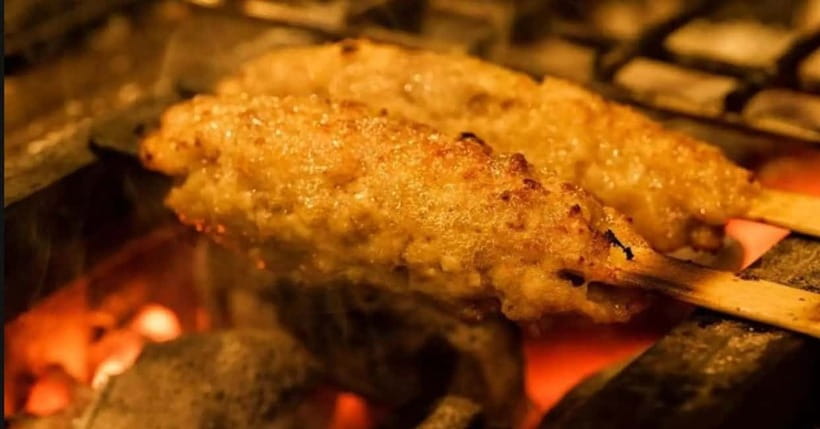
You can expect beef harami, a flavorful cut from near the diaphragm, and beef tongue. Chicken brings several different textures: Man’s tsukune, a chicken meatball, negima with chicken and leek, chicken skin, and chicken wing. A grilled tomato adds a juicy vegetable contrast.
The chicken meatball is a good entry point if you are new to yakitori. It is familiar in shape, but the seasoning and texture make it different from an ordinary meatball. Negima is another approachable choice, pairing chicken with leek on the same skewer.
Chicken skin is more distinctive. Grilled until crisp, it is rich and fatty, with a texture that can be wonderfully crunchy or too heavy depending on your taste. Chicken wing gives you a more traditional bone-in bite. You will want to eat at an unhurried pace and keep napkins close.
Beef tongue and harami make the course feel more substantial. They also connect with the restaurant’s claim to specialize in WAGYU and beef-focused dining, though the listed course does not promise that every beef skewer is Wagyu. If Wagyu is the main reason you are booking, ask the restaurant what specific beef is being served on your date.
The grill-master selection is useful for first-time visitors because you do not need to know which cuts to choose. It is less useful if you have strong dislikes or dietary limits. Leave dietary information in the booking comments, but remember that the menu includes chicken, beef, pork, seafood, dairy, and other ingredients.
The 12-skewer satisfaction course for bigger appetites
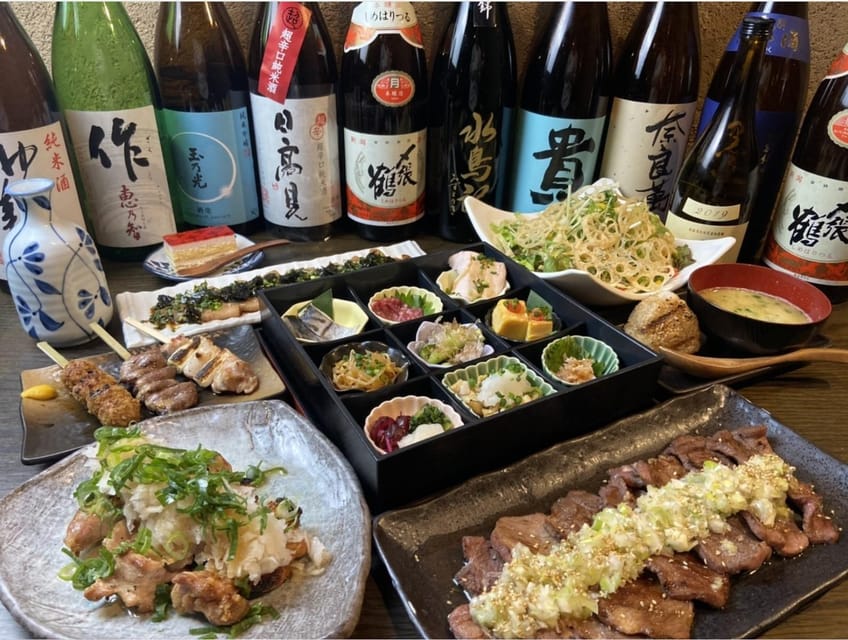
The Kushiyaki Satisfaction Course expands the standard skewer selection from seven to 12. It keeps beef harami, beef tongue, chicken meatball, negima, chicken skin, chicken wing, and grilled tomato, then adds more adventurous choices.
The extra skewers include chicken cartilage, pork belly, bonjiri, cheese mochi, and garlic sprout-wrapped skewers. Bonjiri is chicken tail, a fatty cut with a strong grilled flavor. Cartilage offers a firm, crunchy texture rather than a tender, meaty bite.
Cheese mochi gives you something softer and more indulgent. The combination of chewy rice cake and melted cheese is a fun change from the meat skewers. Garlic sprout-wrapped skewers add a vegetable note, though the detailed ingredients and preparation can vary.
I would choose this longer course if you like trying unusual cuts and want the skewers to be the center of the night. It is also the better fit for a hearty appetite. The standard course is more sensible if you have a light appetite, are dining late, or prefer to leave room for dessert elsewhere.
Both courses finish with golden tartar chicken Nanban. This is fried chicken topped or accompanied by tartar sauce, giving the meal a crisp, creamy, savory finish. It is more filling than the skewers alone, so do not assume the listed skewer count tells you the whole size of the dinner.
Chicken broth rice porridge closes the meal
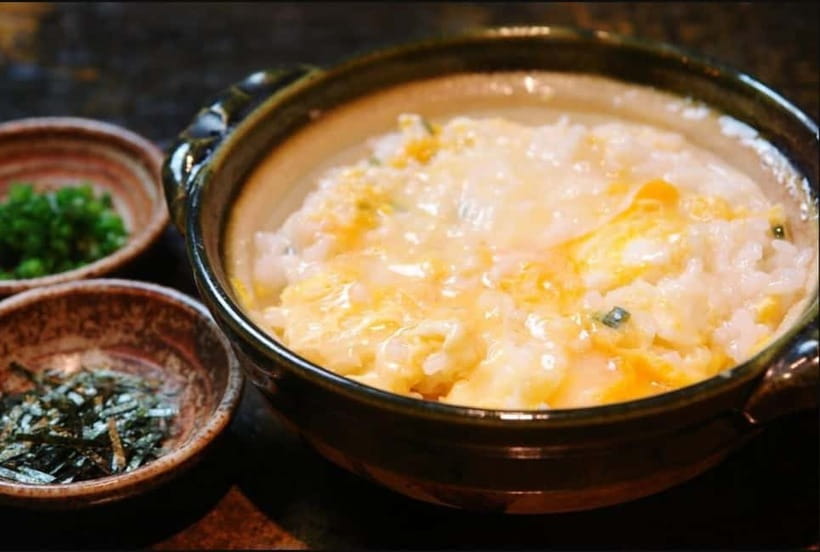
The final substantial dish is rich chicken broth rice porridge, called tori takikomi gohan in the menu information. After grilled meat and fried chicken, a warm rice dish gives the meal a softer landing.
This is one of the course’s practical strengths. You are not left with a plate of skewers and a drink bill. The meal has a beginning, several grilled courses, a fried dish, and a filling rice finish.
The rice porridge may be especially welcome if you are drinking sake or beer. It adds substance without the heaviness of another meat course. Since the booking lasts two hours, the set format also helps keep dinner moving at a reasonable pace.
The course includes one bottle of sparkling sake per group. That is a notable detail, since sparkling sake is sweeter and easier to approach than many dry sake styles. One diner particularly enjoyed Mio, a smooth, sweet sparkling sake, and you can order it as a gentle introduction to Japanese drinks if it is available for your reservation.
A few more Tokyo tours and experiences worth a look

Choosing between food only and all-you-can-drink
Each of the two food courses has a matching all-you-can-drink version. The food itself is the same. Your decision comes down to how much you expect to drink and how long you want to spend at the table.
The food-only option is the safer value if you mainly want the meal, plan to drink little, or want to order one beer or sake at a time. It also gives you more control over your spending.
The all-you-can-drink option can make sense if you and your group intend to have several drinks during the two-hour seating. Izakaya food is designed to pair with drinks, and the skewers, mackerel, fried chicken, and salty sides all work naturally with beer or sake.
Do the arithmetic before you choose. The all-you-can-drink upgrade is useful only if you will actually use it. You should also remember that Japan’s legal drinking age is 20. Anyone younger than that should not be drinking alcohol.
The information lists sparkling sake with the course, including one bottle per group. Confirm the exact drink arrangement when booking if this detail is important to you, especially if you are comparing the food-only and drink-inclusive versions.
What the $41 price means in Ginza
At about $41 per person, this is not a cheap snack stop. It is priced as a complete restaurant dinner in one of Tokyo’s best-known dining districts.
The value comes from the number of elements included: salad, seared mackerel, multiple skewers, beef cuts, chicken Nanban, rice porridge, and sparkling sake for the group. You also avoid the uncertainty of ordering several individual plates in Ginza, where a casual-looking meal can become expensive once drinks and extra dishes are added.
The price is easier to justify for someone who wants a full introduction to yakitori and kushiyaki in one sitting. You are paying for range and convenience, not just for a few skewers.
It is less compelling if you only want to sample one or two yakitori items. In that case, a casual order-at-the-counter meal may offer better value, although this reservation gives you a set place and a planned course.
For the best value, compare the four options carefully. The two standard choices are the same food, and the two satisfaction choices are the same larger food menu. The only difference within each pair is the drink plan.
The room, service, and noise level
The staff are described as friendly, and that matters in a compact izakaya where the meal arrives in several stages. You may need to communicate dietary needs or drink preferences, so a welcoming team makes the experience easier.
The dining room is more rustic than glamorous. Photos can give you the impression of a polished bistro, but the actual mood is likely to be more lived-in, casual, and noisy. I see that as a useful warning, not a flaw.
If you want the real feel of a Japanese after-work drinking spot, the sound and close seating help create it. If you are celebrating a quiet anniversary, have hearing difficulties, or want a long conversation, choose with care.
Specific seats cannot be guaranteed. You may find yourself in the area the restaurant assigns rather than at a particular table or counter position. The booking also limits your seat to a maximum of two hours, so arrive ready to start on time.
Who will enjoy Bistro Fukumimi most
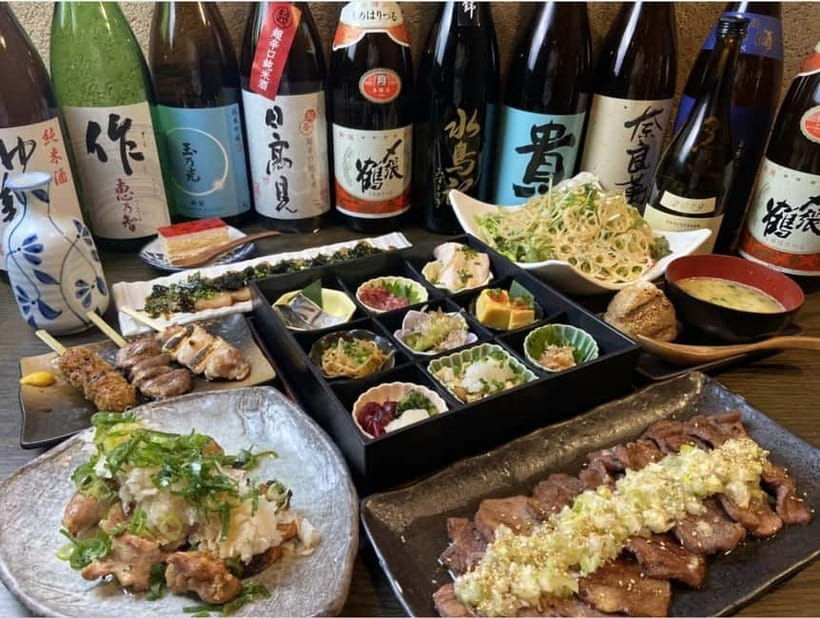
I would recommend this course to you if you want a straightforward introduction to several Japanese grilled foods without researching a long menu. It is particularly useful during a first Tokyo visit, when you want an izakaya meal in a central area and have limited time.
It also suits diners who enjoy offal-adjacent cuts, fatty chicken skin, beef tongue, cartilage, pork belly, and chicken tail. You do not need to love every unusual skewer, since the course includes plenty of familiar items, but curiosity helps.
The standard course should suit moderate appetites and first-time yakitori diners. The 12-skewer course is better for hungry diners and anyone who wants the broadest sample.
Families should note the age rule. Children under eight are free, while children eight and older must order the regular course. That makes the experience less flexible for a family with a very young child who may not eat the full menu.
This is also a good option for solo diners or couples who prefer a planned meal. The course is built for the table, and the sparkling sake is listed as one bottle per group, so you should consider how that arrangement fits your party.
Practical details for a smoother evening
Plan on two hours, not an open-ended night. If you have a show, train connection, or second dinner plan, leave enough time after the reservation rather than trying to squeeze in another activity immediately.
Enter the restaurant directly at your reservation time. No guide is provided, and there is no separate meeting activity beyond finding Bistro Fukumimi near the stated Starbucks landmark.
The restaurant cannot guarantee specific seats. You should also add dietary restrictions during checkout. The menu contains meat, fish, dairy, and several prepared sauces, so advance notice is important.
The course can be canceled for a full refund up to three days in advance. After that point, the supplied terms do not promise a full refund, so check your plans before the cutoff.
Should you book this Ginza izakaya dinner?
Book it if you want a full, organized yakitori dinner in a central Tokyo nightlife district, especially if you like trying different cuts and want drinks to be part of the evening. The food has a clear progression, the skewer range is generous, and the meal includes more than grilled meat.
Choose the standard Fukumimi Course for a balanced introduction. Choose the Kushiyaki Satisfaction Course if you want 12 skewers and are comfortable with chicken cartilage, tail, pork belly, cheese mochi, and other less familiar bites.
Skip it if you want a quiet, elegant restaurant, a personal guide, or complete control over every dish. For everyone else, this is a practical way to get the izakaya experience without wandering Ginza hungry and guessing at menus.
FAQ
Is this a guided tour or activity?
No. This is a restaurant reservation for a set course at Bistro Fukumimi. No guide is provided.
Where is Bistro Fukumimi located?
It is in Tokyo’s Ginza Corridor on Honshu. The meeting point is described as diagonally across from Starbucks.
How long is the reservation?
The seating lasts a maximum of two hours.
What food is included in the standard Fukumimi Course?
It includes homemade apple cream cheese with crackers, the day’s salad, seared mackerel, seven assorted skewers, beef harami, beef tongue, chicken meatball, negima, chicken skin, chicken wing, grilled tomato, chicken Nanban, chicken broth rice porridge, and sparkling sake for the group.
What extra items come with the 12-skewer course?
The longer course adds chicken cartilage, pork belly, chicken tail, cheese mochi, garlic sprout-wrapped skewers, and other selected skewers.
Are drinks included?
You can choose a food-only course or a version with all-you-can-drink service. The listed courses also include one bottle of sparkling sake per group.
What is the legal drinking age?
The legal drinking age in Japan is 20 or older.
Can children attend?
Children under eight are free. Children eight and older must order the regular course.
Can I request a particular seat?
No. Specific seat types cannot be guaranteed.
Can I note dietary restrictions?
Yes. You should leave a comment about dietary restrictions during checkout.
What is the cancellation policy?
You can cancel up to three days in advance for a full refund.
More Bar Hopping & Izakaya Tours in Tokyo
More Ginza Tours in Tokyo


More tours in Tokyo we've reviewed



Ginza Tours, compared.
 ★ 4.8Chopstick Making Workshop in GinzaFrom $251 hour
 ★ 4.5Tokyo: Art Aquarium Museum GINZA Entry TicketFrom $171 day
 ★ 4.5Official Japan Go-Kart Through Tokyo Bay / Ginza (IDP Required)From $85
 ★ 5.0Private Ginza Architecture Walking TourFrom $132
 ★ 4.5【SUMO FESTIVAL】Tokyo Ginza: Sumo Show & Photo ExperienceFrom $63
 ★ 4.8Tokyo GINZA: KONPARU Japanese Cabaret Show with DrinkFrom $502 hours