
Reviewed · KAMAKURA & ENOSHIMA DAY TRIPS
Tokyo: Kamakura and Yokohama Private Day Trip with Guide
The best thing about this day is the contrast: Kamakura’s temple-lined streets feel quiet and old, while Yokohama brings gardens, Chinatown, ramen culture, and a modern waterfront. You cover two very different places without changing hotels or figuring out several train connections.
I like the private hotel pickup and the chance to shape the day around your group. I also like the mix of major sights and smaller stops, especially the Great Buddha, Hase-dera, Hokokuji’s bamboo grove, and Sankeien Garden. A bilingual chauffeur can add useful local context, and guides such as Kasim Ali have been praised for safe driving, clear explanations, and a relaxed pace.
The catch is time. Ten hours includes all commuting, and the planned stops add up to a very full schedule. Communication before pickup also needs care, since some bookings have involved late driver information or delays. Confirm the pickup details, guide name, and full route before you set out.
In This Review
- Key points to know before booking
- Why this private day trip makes sense from Tokyo
- The Great Buddha at Kōtoku-in
- Hase-dera and its temple setting
- Tsurugaoka Hachimangu, Kamakura’s major shrine stop
- Hokokuji’s bamboo forest
- Sankeien Garden: preserved homes in Yokohama
- Chinatown and the food question
- Shin-Yokohama Ramen Museum
- Minato Mirai and the Landmark Tower
- The ten-hour schedule and the walking load
- Guide quality and communication
- Is $474 good value for your group?
- Who should book this tour?
- FAQ
- How long does the private day trip last?
- Where does the tour begin and end?
- What languages are available?
- Is this a private tour?
- How many people can join for the listed price?
- Are meals included?
- Are entrance fees included?
- What should I bring?
- Can I cancel the booking?
- Should you book it?
Key points to know before booking
- A private Tokyo pickup saves valuable time: You travel by vehicle from your hotel and return there at the end of the day.
- Kamakura gets the cultural focus: The Great Buddha, Hase-dera, Tsurugaoka Hachimangu, and Hokokuji offer four distinct stops.
- Yokohama changes the mood: Sankeien Garden, Chinatown, the Shin-Yokohama Ramen Museum, and Minato Mirai show the city from several angles.
- The route is ambitious: Ten hours sounds generous, but traffic and walking can make the day feel rushed.
- The price works best for a full group: The $474 rate covers up to six people, before meals and admission fees.
- Your guide matters: English and Japanese are offered, and the strongest praise has focused on punctuality, driving, explanations, and a pleasant pace.
Why this private day trip makes sense from Tokyo
Kamakura is close enough to Tokyo for a day visit, yet it feels like a different chapter of Japan. It was once the political center of medieval Japan, and its temples, shrines, and coastal setting give the town a calmer character than the capital.
Yokohama then gives you a useful counterpoint. It is a large port city with Chinese restaurants and shops, modern towers, a waterfront district, and carefully preserved traditional buildings. I like this pairing because you do not spend the whole day looking at one kind of sight.
The private format is the main practical advantage. Your party can ride together, avoid hauling bags through stations, and ask the chauffeur for local tips along the way. Hotel pickup and drop-off in Tokyo are included, which matters after a long day on foot.
The vehicle also gives you flexibility that a fixed group tour does not. If your group needs a short break, you can ask, although the schedule is still packed. This is not a slow temple retreat. It is a broad sampler of Kamakura and Yokohama.
A few more Tokyo tours and experiences worth a look
The Great Buddha at Kōtoku-in
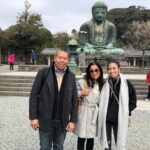
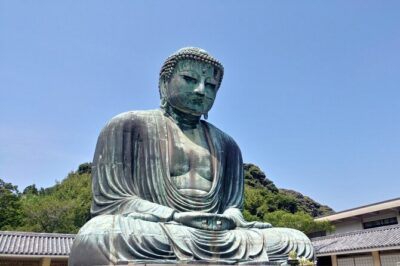
Kōtoku-in is the classic first stop. Its bronze Great Buddha rises about 13 meters and has been in place since the 15th century. The statue is large enough to feel powerful, but the open-air setting lets you see it as part of the temple grounds rather than as an object inside a dark hall.
You get about an hour for sightseeing and walking. That should be enough to view the statue, take photographs, and absorb the setting without lingering for a long time. If the Great Buddha is your main reason for visiting Kamakura, tell your guide early so you do not lose time here to later stops.
The site is an easy introduction to the day. You get an immediately recognizable monument, a short walk, and a clear sense of Kamakura’s Buddhist tradition. Bring a camera, but also give yourself a moment without looking through it. The statue rewards a closer look.
Hase-dera and its temple setting
Hase-dera brings a different feel. The stop is scheduled for about an hour and includes sightseeing and walking. Unlike the single monumental focus at Kōtoku-in, Hase-dera gives you a broader temple visit.
You might find the pace here more peaceful, with space to notice smaller details in the grounds. The supplied information does not specify every feature or viewing area, so your guide’s explanation will be important. Ask about the temple’s role in Kamakura and the meaning of the features you see.
This is one of the stops that benefits most from a bilingual guide. A quick photo stop tells you little. A short explanation can connect the place to Kamakura’s religious past and make the visit feel less like a checklist item.
Tsurugaoka Hachimangu, Kamakura’s major shrine stop
Tsurugaoka Hachimangu shifts you from a Buddhist temple to a Shinto shrine. You have about an hour to walk and look around, making this a useful chance to compare the two traditions in one morning.
The shrine is included as a sightseeing stop rather than a long ceremony or guided class. You should expect walking through a major historic religious site, not a private ritual. Wear shoes that can handle a full day of pavement, paths, and temple grounds.
I like the way this part of the route broadens the Kamakura experience. Seeing only the Great Buddha would give you an icon. Adding Hase-dera and Tsurugaoka Hachimangu gives you a better sense of how religious sites shape the town.
Hokokuji’s bamboo forest
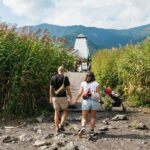
Hokokuji is the most nature-focused stop in Kamakura. Its bamboo forest is compact compared with some famous bamboo sites in Japan, but the appeal is the change of pace. After statues, shrine grounds, and city driving, you get a green walking area with a distinct visual character.
The planned visit lasts about an hour. That includes walking, sightseeing, and photographs. If you want quiet pictures, tell your guide that this stop matters to you, since traffic or delays earlier in the day could put pressure on the schedule.
The bamboo grove is also a good reason to bring sunscreen and a hat. Even on a cloudy day, you will spend time outdoors. Comfortable shoes are more important than dress shoes here, and throughout the tour.
Other guided tours in Tokyo
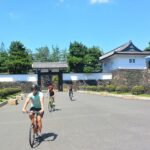
Sankeien Garden: preserved homes in Yokohama
Sankeien Garden is not simply a flower park. It is a botanical garden with preserved Japanese residences from different eras. That combination gives you both plant scenery and architecture, so the stop can appeal to you even if gardens are not normally at the top of your list.
You have about an hour to walk around. The season matters a great deal. The garden may be especially attractive in spring or fall, while a December visit can feel less rewarding if you are hoping for strong seasonal color. Ask about the best timing if your dates are flexible.
This is one part of the day where expectations matter. You are not getting a long garden visit with time for every path. You are getting a short look at a carefully assembled setting that shows traditional homes alongside plantings and open space.
Chinatown and the food question
Yokohama Chinatown is scheduled for about 90 minutes, making it one of the longer stops. The district is known for hundreds of Chinese restaurants and shops, so this is the natural point in the day to browse, eat, or both.
Meals are not included. That gives you freedom, but it also means you should plan your food budget and avoid assuming the guide will cover lunch. You can use the time for a proper meal, a quick snack, or shopping, depending on the pace of the rest of the day.
I like having Chinatown on the route because it keeps the experience from becoming a procession of temples. It also shows Yokohama’s port-city character. Just remember that 90 minutes can disappear quickly if you want to eat and shop.
Shin-Yokohama Ramen Museum
The Shin-Yokohama Ramen Museum is another food-centered stop, with about an hour for a visit. Despite its name, it is not simply a restaurant suggestion. It is presented as a sightseeing stop connected to ramen culture.
Meals remain separate from the tour price, so budget for any food you choose to buy there. The museum can work well after Chinatown because the two stops offer different ways to think about Japanese and international food culture, but some groups may prefer more time in one place rather than two shorter food-related visits.
If your priority is temples and gardens, this is a stop to discuss with your guide. The planned route includes it, but a private tour should make room for your interests when possible. Do not count on dropping stops without confirming the change.
Minato Mirai and the Landmark Tower
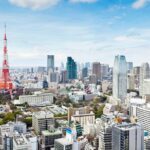
The final major sightseeing area is Minato Mirai, Yokohama’s modern seaside district. The 296-meter Landmark Tower gives the area its most obvious vertical marker, while the waterfront setting provides a broad contrast to Kamakura’s older religious sites.
The schedule lists a walk here, followed by about 30 minutes of free time. That is enough to look around and take photographs, but not enough for an extended shopping session or a long attraction visit. The tour does not state that an observatory ticket is included, so treat the Landmark Tower as a visual reference unless your guide confirms otherwise.
I like ending in Minato Mirai because it shows how much Japan can change within one day. You begin with a medieval capital and finish among modern towers and waterfront development. It is a fitting last chapter before the ride back to Tokyo.
The ten-hour schedule and the walking load
The day lasts approximately ten hours, including commuting. That qualification is important. Tokyo traffic can affect how long you spend at each stop, and the route includes several one-hour visits, a 90-minute Chinatown stop, a ramen museum visit, a waterfront walk, and a final block of free time.
You should expect a full day rather than a leisurely outing. Comfortable shoes, sunscreen, a hat, and water are sensible. Water bottles are included, but one booking had to request water more than once, so I would still bring your own refillable bottle.
The schedule is best for people who want coverage. If you prefer to sit at one temple, explore every garden path, or spend half a day in Chinatown, this route may feel too compressed. On the other hand, it is a strong fit if you have limited time in Tokyo and want to see both nearby destinations without planning every transfer.
Guide quality and communication
The bilingual guide service is listed in English and Japanese. A good guide can explain why a Buddhist statue, a Shinto shrine, a preserved house, and a modern port district belong in the same day. The most positive feedback has highlighted friendly service, safe driving, clear explanations, punctuality, and a comfortable pace.
Kasim Ali is specifically named in strong praise for driving and guiding across the Great Buddha, Hase-dera, Tsurugaoka Hachimangu, Hokokuji, and Sankeien Garden. If he is assigned to your booking, you can expect the sort of personal attention that makes a private tour worthwhile, based on the information available.
Still, guide assignments and service quality can vary. One serious complaint described a driver who tried to skip planned stops, ended the tour early, and did not provide good communication. Another described a late pickup, missing driver details, and a dispute about a negative rating. Those reports are not minor, so confirm the route and pickup before the morning of the tour.
I would send a written message asking for the pickup time, vehicle details, guide name, and confirmation that all listed stops are planned. Keep the schedule accessible on your phone. That is simple insurance for a day with this many moving parts.
Is $474 good value for your group?
The price is $474 per group of up to six people. For six people, that works out to $79 each before entrance fees and meals. For two people, the effective cost is $237 each, so the value depends heavily on group size.
The price makes more sense for families or friends who want a private vehicle, hotel pickup, and direct help from a bilingual chauffeur. You are paying for convenience and time savings, not just admission to the Great Buddha or the garden.
Remember that admission fees are not included. Meals are also separate, and the route includes two food-related areas where you may want to spend money. Ask how entrance fees are handled, especially if the guide joins you inside a site, since one complaint involved confusion over a guide’s ticket.
A group of more than five can be arranged at an additional cost. Since the headline rate already says up to six, confirm the exact price for your party size before paying.
Who should book this tour?
I would recommend it to a group of friends or a family that wants a private day outside Tokyo without handling transportation. It is also useful for first-time visitors who want a quick introduction to Kamakura’s temples and Yokohama’s major districts.
You will get the most from it if you enjoy variety and accept that every stop is a sampler. You should also be comfortable walking for much of the day and spending time outdoors.
I would hesitate if you use a wheelchair, are pregnant, or need a slow schedule, since the activity is specifically not suitable for wheelchair users or pregnant women. I would also hesitate if your main goal is a relaxed garden visit or a long meal in Chinatown.
Free cancellation up to 24 hours before the activity and reserve-now, pay-later terms give you some flexibility. They do not solve the main issue, which is schedule quality and communication. Get the pickup details in writing before you commit your day.
FAQ
How long does the private day trip last?
The tour lasts approximately 10 hours, including commuting time between Tokyo, Kamakura, Yokohama, and Tokyo.
Where does the tour begin and end?
Pickup and drop-off are provided at your hotel in Tokyo.
What languages are available?
The live guide service is available in English and Japanese.
Is this a private tour?
Yes. It is offered as a private group activity.
How many people can join for the listed price?
The listed price of $474 covers a group of up to six people. A group of more than five can be facilitated at an additional cost, so confirm the exact charge for your party.
Are meals included?
No. Meals are not included in the tour price.
Are entrance fees included?
No. Entrance fees are separate.
What should I bring?
Bring comfortable shoes, a hat, a camera, and sunscreen. Water bottles are included, but carrying your own bottle is sensible for a long day.
Can I cancel the booking?
You can cancel up to 24 hours in advance for a full refund. The activity also offers reserve now and pay later booking terms.
Should you book it?
Book this day trip if you want broad coverage, private transportation, and a mix of old Kamakura and modern Yokohama. The Great Buddha, four Kamakura temple and shrine stops, Sankeien Garden, Chinatown, the Ramen Museum, and Minato Mirai create a varied day that would take more planning on your own.
Skip it if you want a slow, deeply focused visit or if your group cannot manage substantial walking. The route is ambitious, and the uneven communication record means you should confirm the driver and schedule in advance.
For a full group of six, the cost can be fair for the convenience. For only one or two people, compare it carefully with arranging your own train travel and paying for selected admissions. The tour’s real value is the private ride, hotel service, and guide attention, not the number of stops printed on the schedule.
More Private Tours in Tokyo

More Guided Tours in Tokyo
More Kamakura & Enoshima Day Trips in Tokyo
More tours in Tokyo we've reviewed




Kamakura & Enoshima Day Trips, compared.
 ★ 4.5Tokyo: Kamakura & Enoshima Day Trip including Temple TicketsFrom $589 hours - 570 minutes
 ★ 4.5Tokyo: Mt. Fuji, Kamakura, Big Buddha, & Lake Ashi Day TripFrom $4910 - 11 hours
 ★ 4.5From Tokyo: Kamakura & Enoshima 1-Day Bus TourFrom $66
 ★ 5.0Kamakura Historical Walking Tour with the Great BuddhaFrom $98
 ★ 5.0Kamakura Private Tour: Temples, Nature, and the Great BuddhaFrom $98
 ★ 5.0Kamakura Walking Tour – The City of ShogunFrom $35