
Reviewed · MT FUJI DAY TRIPS
Mt Fuji & Hakone Cruise, Drum Show Bus 1 Day from Tokyo
Mt Fuji and Hakone in one day is a big sightseeing bite, and this tour serves it with a side of Lake Ashi cruise and mountain ropeway. You ride from Shinjuku to Fuji’s 5th Station, eat a Japanese meal if selected, then move through Hakone by boat and cableway before returning toward Tokyo.
I like the easy transport and the smart mix of famous sights: Mt Fuji views and a calm lake ride, with no train changes or highway planning. I also like the human touch, from guides such as Joe, Hiro, Nao, and Miko to the Japanese taiko drum performance at lunch.
The main catch is time. This is a long day of about 12 hours and 35 minutes, much of it on the road, and bad weather can remove the two headline sights without canceling the tour or guaranteeing a refund.
In This Review
- Key points at a glance
- The real appeal: Fuji and Hakone without the planning
- Mt Fuji 5th Station: high altitude, short visit
- Lunch at Fuji Zakura Hotel and the taiko show
- Lake Ashi by Sorakaze boat
- Mt Komagatake Ropeway and the summit
- Guides, commentary, and the group experience
- How much value do you get for $122.55?
- Timing, drop-offs, and the long ride home
- Weather changes are part of the bargain
- Who should book this day trip?
- FAQ
- Where does the tour start?
- How long does the experience last?
- Is lunch included?
- Can I request a special meal?
- What happens if Mt Fuji is hidden or the road is closed?
- Can I cancel the booking?
Key points at a glance
- Mt Fuji’s 5th Station reaches 2,300 meters, but winter closures and cloud can change the plan.
- Lake Ashi’s Sorakaze cruise lasts about 15 minutes, giving you a quick look at Hakone’s volcanic lake.
- The Komagatake Ropeway ride and summit visit take about 50 minutes, with views toward Fuji, the Izu Peninsula, and Izu islands.
- The lunch option includes Japanese food and a taiko performance, with vegetarian, Muslim-friendly, and Indian thali choices available.
- The coach holds up to 44 people, so expect a group outing rather than a private tour.
- The $122.55 price includes transport and admission fees, while lunch depends on the option you book.
The real appeal: Fuji and Hakone without the planning
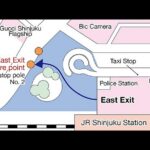
The tour begins at 8:10 a.m. at the JTB Sunrise Tours Sales Office in western Shinjuku. From there, an air-conditioned and heated coach carries you out of Tokyo toward the Fuji area.
I see the transport as the tour’s strongest practical feature. Mt Fuji and Hakone are close enough to pair on a map, but the roads, train lines, mountain transport, and weather changes can make the day awkward to arrange alone. Here, you follow one organized route and let the guide handle the order of stops.
That convenience comes with a tradeoff. Traffic can be heavy, especially on weekends, holidays, cherry blossom dates, and clear-weather days when everyone wants the same mountain view. The published schedule is an estimate, so your time at each stop may shift.
The group can include as many as 44 people. That is large enough for a proper coach operation, but it also means meeting times matter. If you arrive late at departure, the booking can be canceled, so I would reach Shinjuku early and allow time to find the meeting office.
A few more Tokyo tours and experiences worth a look
Mt Fuji 5th Station: high altitude, short visit
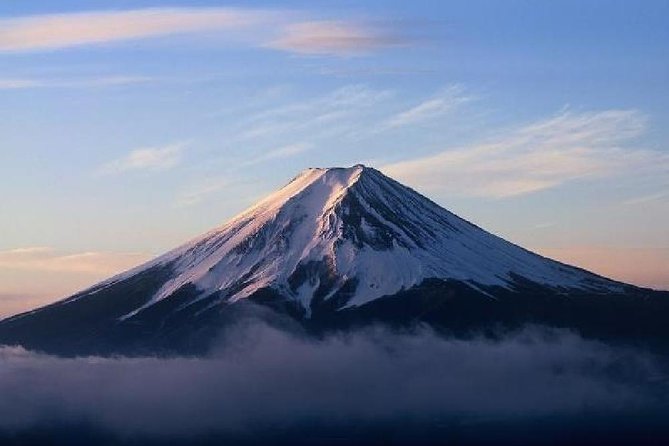
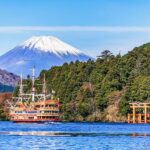
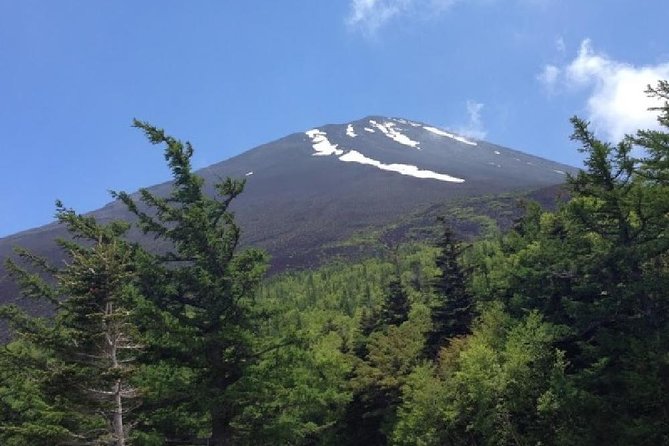
The coach climbs the Fuji Subaru Line toward Mt Fuji’s 5th Station, or the highest point open that day. The 5th Station sits at about 2,300 meters, or 7,546 feet, far above Tokyo and noticeably cooler.
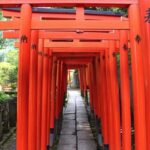
This is not a climb up Mt Fuji. You are visiting a mountain access point with time to look around, take photos, visit souvenir shops, and see torii gates and shrines linked to Fuji’s spiritual role. The mountain has long been viewed as a boundary between the earthly world and the heavens, and these small religious markers help explain why Fuji is more than a scenic backdrop.
The visit is scheduled for about 30 minutes. That is enough for a quick look and photographs, but not enough for a long walk or quiet mountain outing. Several people have found the stop rushed, with only a short window to take in the surroundings.
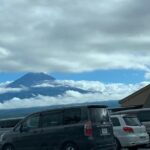
Your view depends almost entirely on the weather. Mt Fuji can be hidden by cloud even when conditions in Tokyo look fine. In summer, the temperature at the station can still fall to around 14 degrees Celsius during the day. In winter, it may reach about minus 5 degrees Celsius, so bring warm layers even if Tokyo feels mild.
The 5th Station is normally available from around late April through November. From about December to early April, snow, ice, and road conditions usually close the Subaru Line. If the road is closed or the operator decides the mountain view will not be possible, the group may visit places such as Lake Kawaguchi’s Oishi Park, the Fujisan Museum, the Fujisan World Heritage Center, Itchiku Kubota Art Museum, or Oshino Hakkai.
That flexibility keeps the day running, but it is also the tour’s biggest uncertainty. If your main goal is to stand at the 5th Station, you should not book this as a guaranteed Fuji summit-view outing.
Lunch at Fuji Zakura Hotel and the taiko show
The lunch option takes you to Fuji Zakura Hotel for about 50 minutes. A Japanese-style meal with tea or coffee is included, and the stop also features a wadaiko performance, a traditional Japanese drum show presented by the Social Welfare Corporation Fugakukai.
The drums add a welcome cultural moment to a day otherwise built around transport and scenery. Several people have especially enjoyed this part, calling the performance entertaining and memorable. It gives the lunch stop a bit more purpose than simply eating beside the highway.
Food choices include a vegetarian meal, a Muslim-friendly meal, and an Indian thali meal. The vegetarian and Indian options do not use meat or fish. The Muslim-friendly meal does not use pork or alcohol, but it is not halal certified.
You need to request these choices when booking. Allergy-friendly and gluten-free meals are not available, so anyone with those needs should select the no-lunch option and arrange food independently.
The no-lunch choice needs careful thought. There are no cafes, restaurants, or other food outlets near the lunch-break area, so you should prepare lunch before departure. You may have a chance to buy snacks earlier in the day, but that is not something I would rely on for a proper meal.
The drum performance can be canceled without notice, or the group may miss it if traffic causes a major delay. There is no partial refund if the show does not take place. It is also specifically not scheduled for February 28, 2026.
Lake Ashi by Sorakaze boat
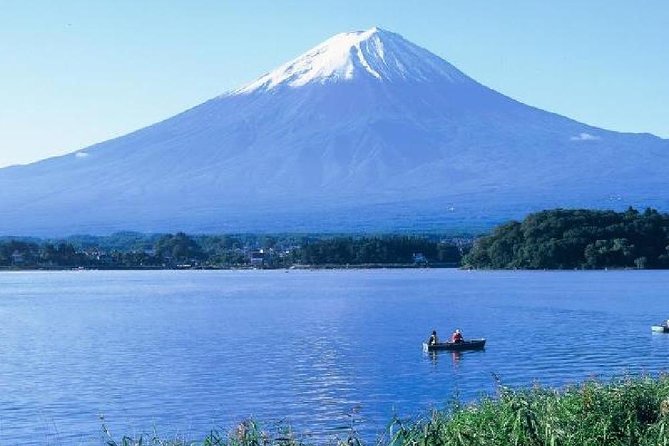
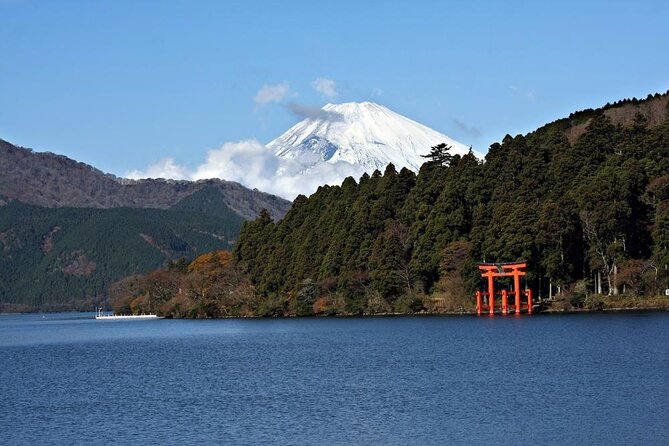
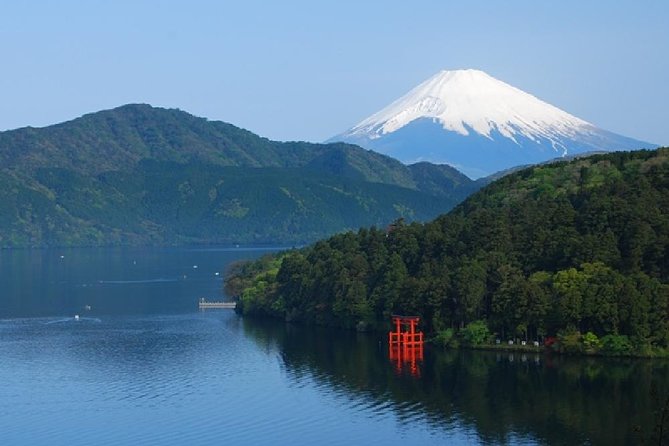
After lunch, you head to Lake Ashi, a crater lake formed by a huge volcanic eruption about 3,000 years ago. The water, wooded slopes, and surrounding peaks give this part of Hakone a calmer feel than the busy roads around Fuji.
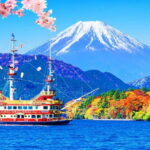
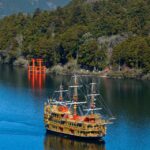
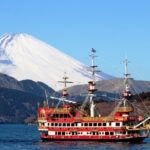
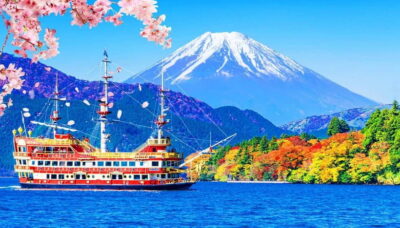
The tour uses the Sorakaze sightseeing boat for about 15 minutes. The ship is designed to feel a little like a floating green park, and the ride gives you a different angle on Lake Ashi, Mt Komagatake, and, on a clear day, Mt Fuji.
Fifteen minutes is brief. I would think of the cruise as a scenic transition rather than a full lake excursion. You get the experience of being on the water and a chance for photographs, but not a long narrated boat tour. Some people have wished for more explanation during the ride, so keep your expectations modest.
The weather issue returns here. Low cloud can block Fuji, while mist or rain can flatten the lake view. If the cruise cannot operate, the replacement may be another boat ride, such as the Lake Kawaguchi Appare sightseeing boat or the Swan Lake Cruise on Lake Yamanaka. Other alternatives can include a Hakone Pirate Ship, a museum, a shrine, a cable car, or another regional sight.
Mt Komagatake Ropeway and the summit
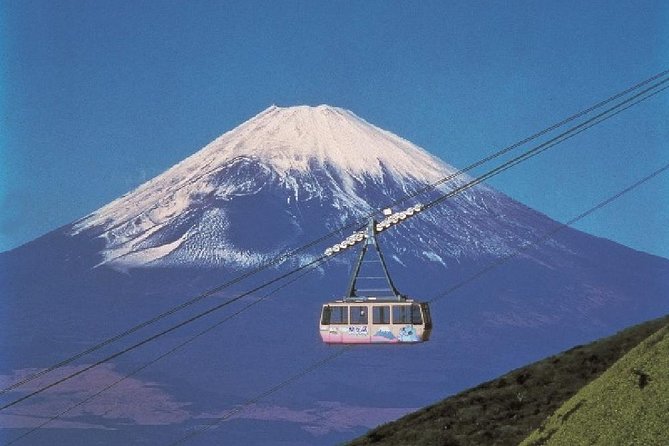
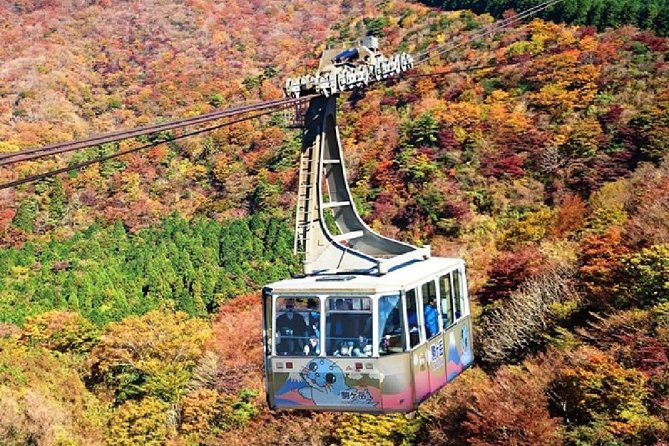
The next major move is the Hakone Komagatake Ropeway. The cableway carries you toward the summit of Mt Komagatake, where Hakone Shrine Mototsumiya sits at the top.
The ride itself is part of the attraction. As the cabin rises, Lake Ashi spreads below, and the views can reach toward Mt Fuji, the Izu Peninsula, and the Izu islands. At the summit, you have time to walk around and take in the high mountain setting.
The full stop is listed at about 50 minutes. That allows time for the aerial ride and a brief look around, but not an extensive hike. If you want a slow mountain walk, this tour will feel compressed.
The ropeway is also vulnerable to weather and operating conditions. If it closes, the replacement might be the Hakone Ropeway, Mt Fuji Panoramic Ropeway, Hakone Jukkokutoge Panoramic Cable Car, Hakone-en Aquarium, Narukawa Art Museum, Owakudani, Hakone Shrine, Odawara Castle, or another listed site.
That replacement policy protects the basic structure of the day, but it can disappoint if the ropeway was one of your main reasons for booking. A museum or aquarium may be perfectly pleasant, yet it is not the same experience as looking over Lake Ashi from a mountain summit.
A few more Tokyo tours and experiences worth a look

Guides, commentary, and the group experience
The tour includes a national government licensed English guide interpreter. The guide explains the sights, keeps the group moving, and helps with the practical details of a long day.
Guide quality can shape this tour more than almost anything else. Joe has been singled out for being engaging and helpful, while Hiro has earned praise for clear explanations and helping people understand their onward train arrangements. Nao and Miko have also been warmly praised for friendly, energetic guiding.
That said, the experience can vary by guide. One person found a guide’s delivery flat and unengaging, while another felt the cruise needed more narration. You should expect organized English commentary, but not a private guide focused only on your interests.
The coach may be a large bus, mid-size bus, small bus, or hired car depending on the number of bookings. The maximum group size is 44. A multilingual GPS audio guide may be available on Shinjuku departures in Chinese, Spanish, Italian, Thai, or French, but you must request it in advance and availability is limited.
How much value do you get for $122.55?
At $122.55 per person, the tour is not the cheapest way to see the Fuji and Hakone areas. The price makes more sense when you count the included coach transport, guide, Lake Ashi cruise, ropeway admission, and other listed entrance fees.
The lunch version adds a Japanese meal and the taiko performance. If you choose no lunch, the price does not drop in the information provided, and you must bring your own food. For that reason, I would choose the lunch option unless you have dietary needs that the available meals cannot meet.
The value is strongest for a first visit when you want broad coverage in one day. You see Fuji from a high access point, experience Hakone from the water, ride a mountain cableway, and get a taste of Japanese food and performance. The value is weaker if you want long walks, a quiet pace, or a guaranteed clear view.
The tour is also a sensible choice if you dislike navigating unfamiliar public transport. The bus takes care of the long connections, and admission fees are handled in advance. You pay for ease and coverage, not for deep time at each place.
Timing, drop-offs, and the long ride home
The day ends between about 6 p.m. and 9 p.m. at Shinjuku Station, depending on traffic and the final route. That wide arrival range matters. Do not book a tight dinner reservation, evening show, airport transfer, or long-distance train connection after the tour.
Odawara Station may be offered as a drop-off option, but the bus only stops there if someone has booked that option in advance. The end point is not always the same as the starting point, so check the selection you make when booking.
The coach is air-conditioned and heated, which helps during a full day on the road. Still, the route can involve long stretches of highway travel. One person felt too much of the day was spent sitting on the bus, while others enjoyed watching the countryside pass by and appreciated not having to manage the route themselves.
Bring water, warm clothing, and a few snacks. Wear shoes suitable for short walks and uneven outdoor surfaces. Most people can take part, and service animals are allowed, but the schedule is not designed for extended hiking.
Weather changes are part of the bargain
This tour does not cancel simply because Fuji disappears behind clouds. It also does not promise a refund if the 5th Station, cruise, or ropeway is replaced because of snow, rain, wind, road closures, or congestion.
That policy is important enough to read twice. You may have a good day at an alternative museum, park, shrine, aquarium, or other sight, but you cannot assume the replacement will match the original attraction.
I would book this tour when I cared about seeing the Fuji and Hakone region, not just checking off a guaranteed view of the mountain. For the best odds of clear scenery, many people favor spring or autumn, but no season can promise Fuji will show itself.
Who should book this day trip?
I would recommend it to first-time visitors with one free day from Tokyo, especially those who want a broad introduction without sorting out several train and bus routes. It also suits families and people who prefer a guide, reserved transport, and a fixed plan.
The tour works well for anyone who values the combination of scenery and culture. The taiko show, Japanese meal, shrines, lake cruise, and mountain transport give the day more variety than a simple Fuji photo stop.
I would hesitate if you want a relaxed pace. The 30-minute 5th Station stop, 15-minute cruise, and 50-minute ropeway visit are enough for highlights but not for lingering. I would also reconsider if a clear Fuji view is the main purpose of your trip, since weather can alter the plan with no full refund.
At the current $122.55 price, I see this as a fair convenience purchase for a packed first look at Fuji and Hakone. Choose lunch, arrive early, carry warm layers, and treat the itinerary as weather-dependent. If you can accept those limits, this is an efficient and often enjoyable day outside Tokyo.
FAQ
Where does the tour start?
The tour starts at 8:10 a.m. at the JTB Sunrise Tours Sales Office, 2-chōme-2-2 Nishishinjuku, Shinjuku City, Tokyo.
How long does the experience last?
The advertised duration is approximately 12 hours and 35 minutes. The return to Shinjuku is expected between 6 p.m. and 9 p.m., depending on traffic and road conditions.
Is lunch included?
Lunch is included only when you select the with-lunch option. The no-lunch option requires you to prepare your own food, since there are no cafes or restaurants near the lunch-break area.
Can I request a special meal?
You can request a vegetarian, Muslim-friendly, or Indian thali meal when booking. The Muslim-friendly meal does not use pork or alcohol but is not halal certified. Allergy-friendly and gluten-free meals are not available.
What happens if Mt Fuji is hidden or the road is closed?
The tour continues with an alternative attraction if weather, snow, or road conditions prevent access to the 4th or 5th Station. Possible alternatives include museums, parks, shrines, and Oshino Hakkai. The tour is not canceled for this reason, and a refund is not guaranteed.
Can I cancel the booking?
You can cancel up to 24 hours before the experience start time for a full refund. Cancellations or changes made less than 24 hours before departure are not accepted for a refund.
More Bay & River Cruises in Tokyo


More Hakone Day Trips in Tokyo
More Mt Fuji Day Trips in Tokyo
More tours in Tokyo we've reviewed



Mt Fuji Day Trips, compared.
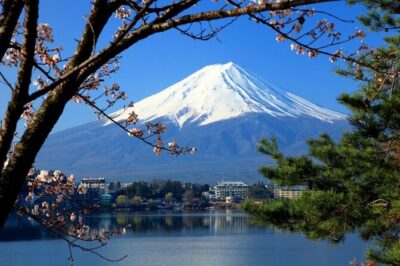 ★ 5.0Mt Fuji and Hakone 1-Day Bus Tour Return by Bullet TrainFrom $163
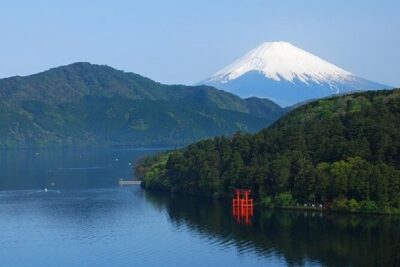 ★ 4.0Mt Fuji & Hakone Cruise, Drum Show Bullet Train 1 Day from TokyoFrom $149
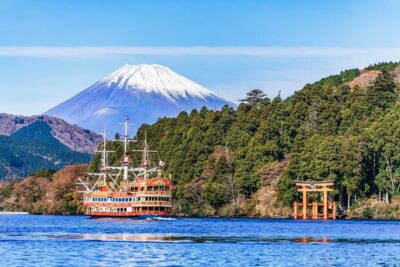 ★ 4.4Tokyo Mt Fuji 5th St & Hakone Cruise Bus Tour w/Bullet TrainFrom $15410 hours
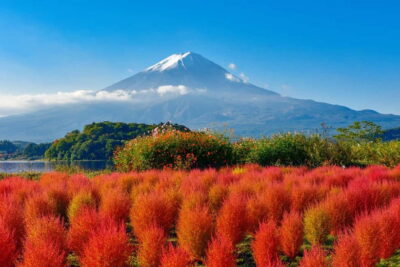 ★ 4.5From Tokyo: Mount Fuji Full-Day Sightseeing TripFrom $6810 hours
 ★ 4.7Tokyo: Mt. Fuji Tour, Hakone Ropeway, Owakudani, Lake AshiFrom $5410 hours
 ★ 4.4Tokyo:Mt.Fuji,Kawaguchiko Oishi Park,Arakurayama Sengen ParkFrom $5410 hours