
Reviewed · MT FUJI DAY TRIPS
From Tokyo: Mt. Fuji 5th station and Oshino Hakkai Day Trip
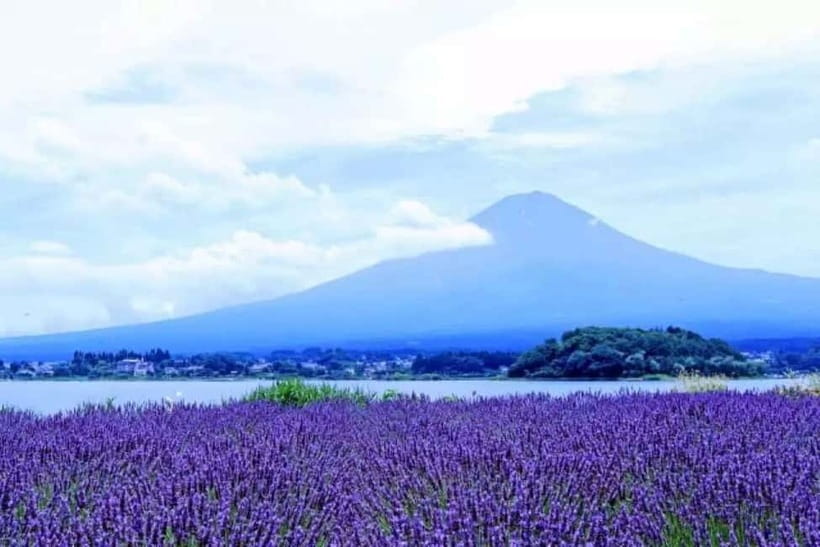
The best part of this day trip is the changing view of Mt. Fuji. You see Japan’s famous peak beside Lake Kawaguchi, from flower-filled Oishi Park, and up close at the 5th Station. The mountain may hide behind clouds, so the scenery comes with a small Fuji-shaped gamble.
I like the easy all-in-one plan, especially the included Yamanashi lunch and transport from central Tokyo. I also like the mix of grand views and small-scale Japan at Oshino Hakkai, where eight clear spring ponds sit among traditional houses. The drawback is time: with four main stops packed into one 10-hour day, waiting lines and crowds can leave each place feeling brief.
In This Review
- Key points to know before booking
- Why this Tokyo to Mt. Fuji day trip works
- Meeting at the LOVE statue in Shinjuku
- Lake Kawaguchi and the panoramic ropeway
- Oishi Park’s flowers change with the calendar
- Yamanashi lunch included in the $103 price
- Mt. Fuji’s 5th Station at 2,300 meters
- Oshino Hakkai and its eight spring ponds
- Guides, group pace, and personal help
- Is $103 good value for a full day?
- Who should book this Mt. Fuji excursion?
- Should you book it?
- FAQ
- Where does the tour meet in Tokyo?
- What time does the vehicle leave?
- How long does the Mt. Fuji day trip last?
- Is lunch included?
- Which languages are available?
- Is the ropeway included at Lake Kawaguchi?
- What should I bring?
Key points to know before booking
- Three different Fuji viewpoints: Compare the mountain beside Lake Kawaguchi, from Oishi Park, and at the 2,300-meter 5th Station.
- A 70-minute Lake Kawaguchi stop: This includes free time and a panoramic ropeway ride, giving you more than a quick photo stop.
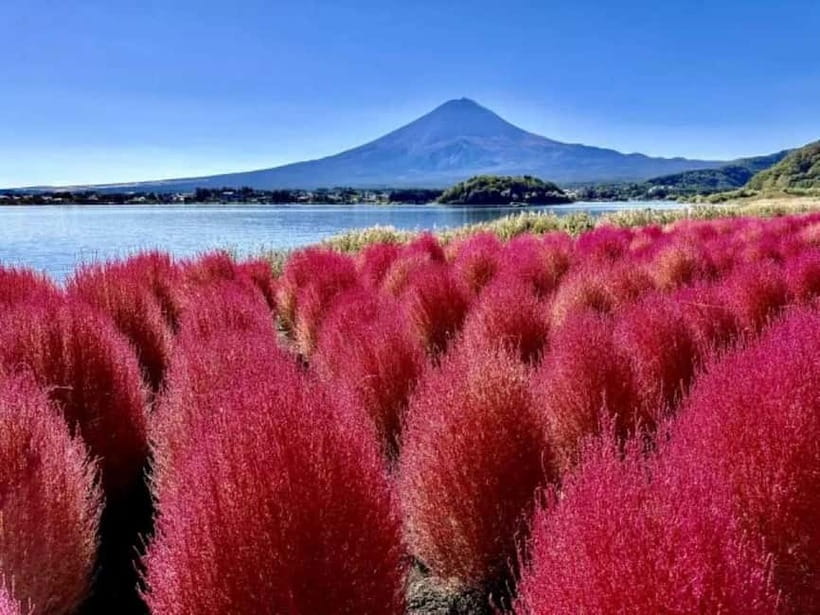
- Seasonal Oishi Park: Expect cherry blossoms in late March to early April, lavender from late June to late July, kochia in mid to late October, and snow in winter.
- Lunch is part of the price: A 50-minute meal of local Yamanashi cuisine is included, with no extra lunch charge.
- Helpful multilingual guides: English, Chinese, and Japanese are offered. Guides such as Jenny and Helen have provided careful explanations and personal help with photos.
- A full day with a firm start: Meet at the LOVE statue by Shinjuku Island Tower at 7:45 AM for an exact 8:00 AM departure.
Why this Tokyo to Mt. Fuji day trip works
Mt. Fuji is close enough to Tokyo for a day trip, but reaching the best viewpoints on your own takes planning, transport changes, and good luck with the weather. This tour removes much of that work. You meet at Shinjuku West Exit, settle into a vehicle, and let the guide handle the route through the Fuji area.
The plan gives you several kinds of scenery rather than repeating the same lookout. Lake Kawaguchi provides the classic water-and-mountain view. Oishi Park adds flowers and open space. The 5th Station gives you the high-altitude Fuji setting, while Oshino Hakkai shifts the mood to clear springs, old-style homes, and village paths.
I especially like that lunch is included. A $103 price tag is easier to judge when it covers transport, a multilingual guide, and a local meal, rather than leaving you to pay for each part. You are still paying for convenience, not a private tour, and the schedule is shared and fairly tight.
The main tradeoff is control. You cannot decide to stay longer at the lake or skip a crowded stop. If you prefer slow mornings, long café breaks, or photography at your own pace, a smaller group or private outing would suit you better. If you want to see the main Fuji sights in one day without arranging the details, this plan makes good sense.
A few more Tokyo tours and experiences worth a look
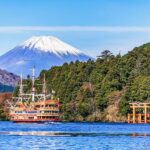
Meeting at the LOVE statue in Shinjuku
The day begins at 7:45 AM in front of the red LOVE sculpture by Robert Indiana, outside Shinjuku Island Tower at the west exit. The vehicle leaves at 8:00 AM, so you should treat the meeting time as firm rather than approximate.
Shinjuku is large and busy, and the west exit area has plenty of signs, buildings, and foot traffic. Give yourself enough time to reach the statue. The meeting point is specific, which helps, but arriving at the last moment is a poor plan when the departure is on time.
Your transport is by car in a luxury vehicle. For smaller groups, the driver may also act as the guide. The available guide languages are English, Chinese, and Japanese. This arrangement can work well, though the amount of individual attention may depend on how many people need each language.
During the drive, you pass through the Japanese countryside toward the Mt. Fuji area. On a clear day, you might see the mountain gradually appear, and the region can sometimes show a sea of clouds. Weather matters here. A cloudy morning does not guarantee a lost day, since the mountain can appear briefly and disappear again, but you should not book this expecting a certain perfect peak photo.
Lake Kawaguchi and the panoramic ropeway
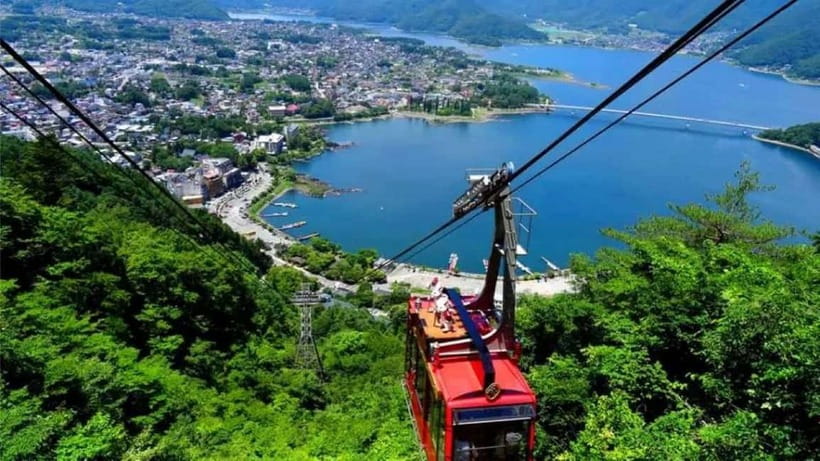
Lake Kawaguchi is the first major stop, with about 70 minutes for sightseeing, free time, and a ride on the panoramic ropeway. The lake gives you one of the most recognizable ways to see Mt. Fuji: the peak rising behind calm water, with the surrounding hills framing the view.
The ropeway adds height and a second angle. Instead of looking only across the lake, you gain a wider view of the water and the mountain area. This is a useful part of the schedule because it makes the first stop feel like more than a roadside photo break.
You will need to manage the time carefully. The 70 minutes includes the ropeway, sightseeing, and any waiting. If a line forms, your time at the viewpoint may shrink. The tour’s own schedule is sensible, but it cannot control how busy the attraction is on your day.
Lake Kawaguchi is likely to be one of the day’s strongest photo stops. Keep your camera ready, but also look beyond the peak. The lake, hills, changing light, and seasonal vegetation are part of the view. If Mt. Fuji is covered, the area can still be attractive, though the mountain is clearly the main reason most people come.
Oishi Park’s flowers change with the calendar
Oishi Park follows the lake and allows about 30 minutes for a walk, photos, and free time. It is a short stop, but the park gives the day a softer, more colorful pause between the lake and lunch.
The flowers depend heavily on your travel dates:
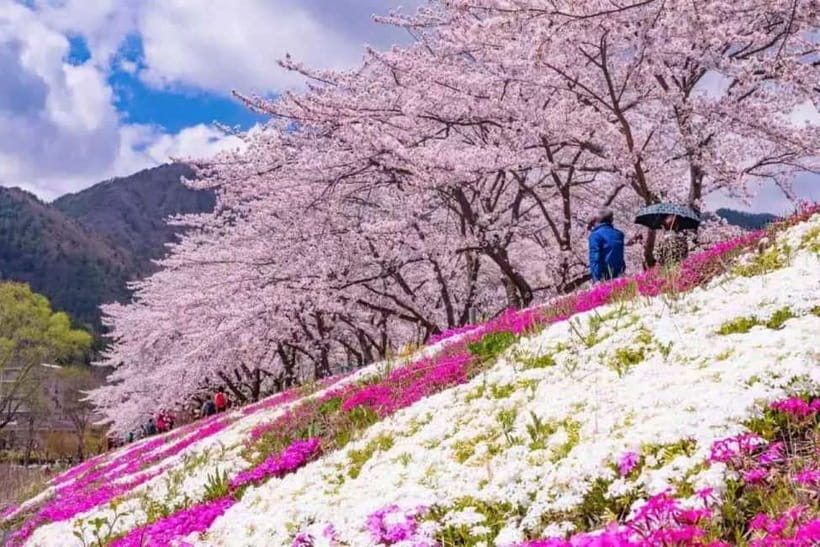
- Cherry blossoms usually appear from late March to early April.
- Lavender is expected from late June to late July.
- Red kochia plants are featured around mid to late October.
- Winter can bring a quiet snow-covered scene.
This seasonal schedule is one of the tour’s most useful details. You should not picture the same park year-round. A summer visit may bring lavender and its scent, while an autumn visit can offer broad red plantings. Winter has a simpler, quieter look.
Thirty minutes is enough for a walk and several photographs, but not for a long garden visit. I would treat Oishi Park as a well-chosen scenic pause, not the main attraction. If you love flowers and want time to study every section, the stop may feel rushed. If you want a few strong Fuji-and-park images without giving up the other sites, the timing is reasonable.
Yamanashi lunch included in the $103 price
The tour stops at a local restaurant for about 50 minutes. Lunch features Yamanashi cuisine and is included in the tour price, which makes budgeting easier and gives you a chance to eat without searching for a restaurant during a busy sightseeing day.
The supplied information does not specify the exact menu, so you should not book this expecting a particular dish. What you can count on is a local meal within the planned stop, rather than an unpaid lunch break.
Fifty minutes is a practical meal window. You can eat and rest before the afternoon stops, but you will not have a long, leisurely restaurant visit. Drinks and personal purchases are not covered, so bring money for anything beyond the included meal.
Food is often where a packed day either holds together or falls apart. Here, the included lunch prevents you from losing sightseeing time while looking for somewhere to eat. It also adds local context to the trip, even if the meal itself is not the central reason to book.
A few more Tokyo tours and experiences worth a look



Mt. Fuji’s 5th Station at 2,300 meters
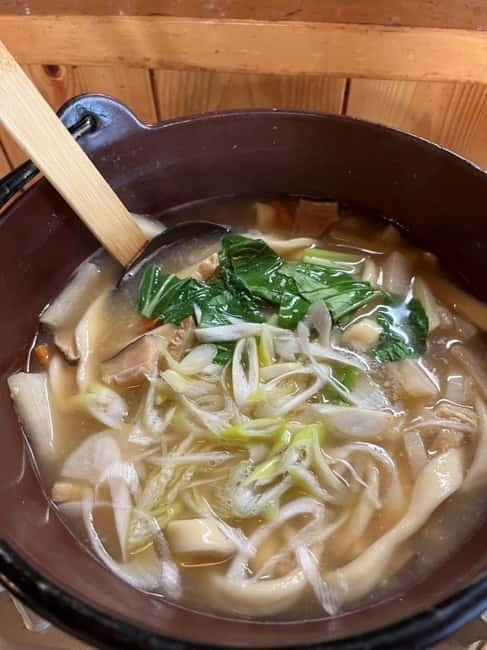
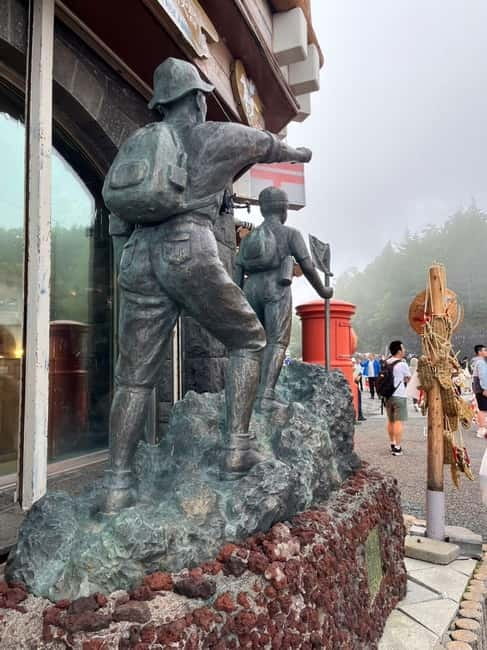
The afternoon visit to Mt. Fuji’s 5th Station lasts about 40 minutes. At roughly 2,300 meters above sea level, it is one of the closest points accessible by vehicle where you can feel the scale of the mountain.
You may have time for photos, a short look around, coffee, or the well-known freshly baked melon bread. The setting is different from Lake Kawaguchi. At the lake, you see Fuji as a complete mountain reflected in a broad view. At the 5th Station, you are higher and closer to the upper slopes, with a more immediate sense of the peak.
Warm clothing matters, even if Tokyo feels mild when you leave. The elevation can make this stop cooler, and conditions may change. Comfortable shoes are also important because the tour includes walking at several sites.
Forty minutes goes quickly. It is enough for a look and photos, but not an extended mountain visit. The 5th Station is not the summit, and this excursion does not climb Fuji. It gives you a high access point by road, suitable for a day trip rather than a hiking expedition.
Clouds are especially important here. You may get a close view of the peak, a partial view, or no clear mountain at all. Still, the high-altitude setting, roadside shops, and broad outlook make this a worthwhile part of the route when conditions cooperate.
Oshino Hakkai and its eight spring ponds
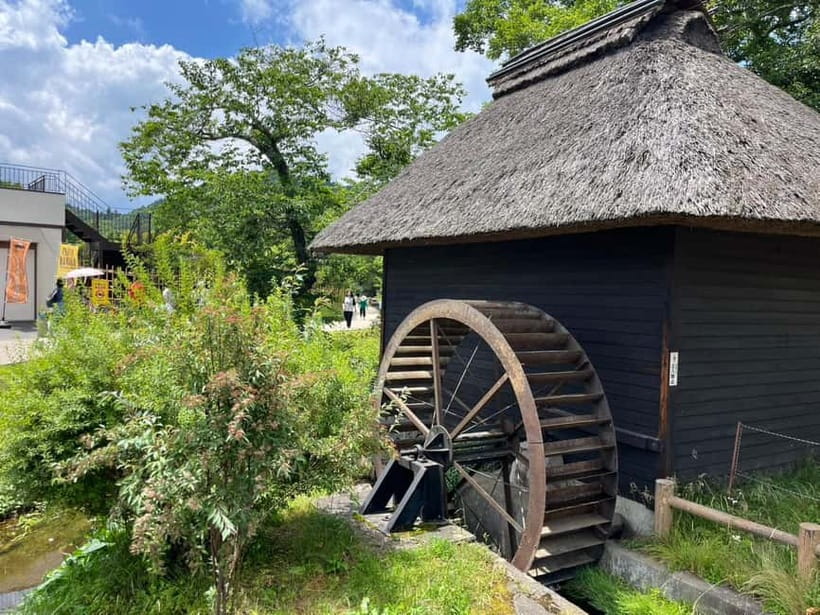
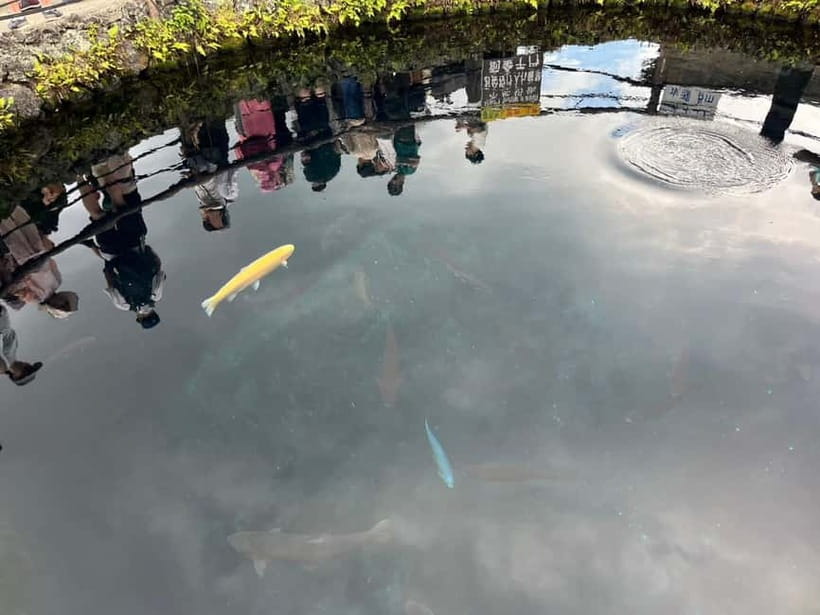
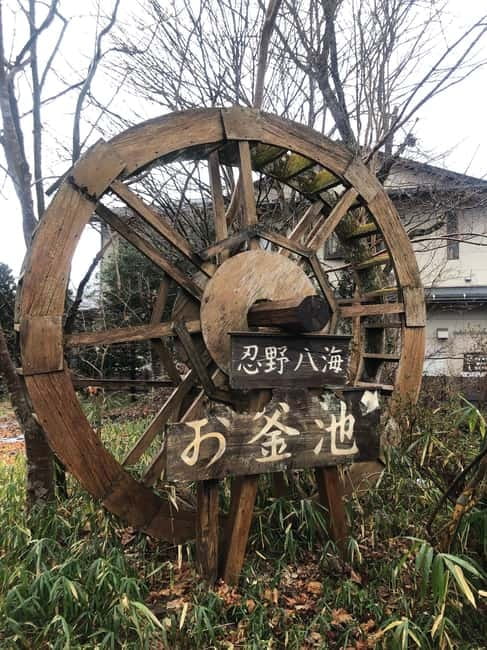
The final sightseeing stop is Oshino Hakkai, with about 50 minutes for photos, walking, and free time. The village is known for eight clear spring ponds formed by volcanic activity. Mineral-rich water feeds the ponds, and traditional houses surround the paths.
This is the day’s most distinctive cultural stop. Lake Kawaguchi and the 5th Station focus on views of Fuji. Oshino Hakkai gives you a more intimate scene, with water, village buildings, and carefully maintained surroundings. The ponds are small-scale, but that is exactly their appeal after a day of wide mountain views.
Fifty minutes lets you walk around and take photographs, though you should keep an eye on the meeting time. The area can become crowded, and narrow paths or queues may reduce your free time. The stop is better approached as a compact village visit than as a long, quiet wander.
Oshino Hakkai also helps explain the connection between the mountain and the communities around it. The springs are tied to Mt. Fuji’s volcanic origins, while the traditional buildings show how the area presents its local character today. You do not need a long lecture to appreciate the place, but a guide can point out details you might otherwise pass.
Guides, group pace, and personal help
The guide can make a major difference on a day with several stops. English, Chinese, and Japanese are available, and smaller groups may have a driver who also handles guiding.
Jenny has provided detailed explanations, helped with finding the right locations, and offered suggestions based on personal preferences. Helen, also called Ms. Wei, has been especially attentive with photographs and has taken care of English-speaking participants even when only two people on the vehicle spoke English.
Those details matter because multilingual tours can sometimes divide a guide’s attention. In this case, the guide may need to switch between languages or help different groups at different times. The strongest reports point to patient, personal assistance, but you should still expect a shared tour rather than private guiding.
The schedule calls for punctual departures. If you spend too long taking photos or waiting for food, you risk shortening your next stop. One useful tip is to listen closely for the meeting time at every location and return to the vehicle a few minutes early.
Is $103 good value for a full day?
At $103 per person, this is a fair value if you want several Fuji-area highlights without arranging transport yourself. The price includes the vehicle, a multilingual guide, and lunch. It also covers a 10-hour day from Shinjuku and the planned sightseeing route.
The strongest value comes from combining four different stops. Booking separate transport to Lake Kawaguchi, the ropeway, the 5th Station, and Oshino Hakkai could be difficult in one day, especially if you do not know the local routes. The tour trades flexibility for efficiency.
The cost is less attractive if you only want one Fuji viewpoint or if you dislike fixed schedules. You may spend part of the day waiting for the ropeway, moving between stops, or staying at a place after you have seen what you came to see. A private arrangement would give you more control, but it would likely cost more.
Free cancellation up to 24 hours before departure and reserve-now, pay-later booking add useful flexibility. The biggest financial warning is not the ticket price but the weather risk. Mt. Fuji may be hidden, so check the forecast before the cancellation deadline if possible.
Who should book this Mt. Fuji excursion?
I would recommend this tour to you if you are staying in Tokyo and want a simple first look at the Mt. Fuji area. It suits people who value a clear route, included lunch, several photo stops, and a guide who can explain what you are seeing.
It also works well for visitors who want both famous scenery and a smaller village setting. The mix of lake, gardens, high mountain access, and spring ponds gives you a fuller day than a single lookout.
You should think twice if you need wheelchair access, have significant mobility limits, heart problems, or are pregnant, since the activity is specifically not suitable for those conditions. Smoking, food, and alcoholic drinks are not allowed in the vehicle.
Bring comfortable shoes, warm clothing, and a camera. Most of all, bring patience. The route covers a lot, and the best day will be one where you accept some waiting, follow the meeting times, and enjoy the views you actually get rather than chasing a perfect photograph.
Should you book it?
Book this Mt. Fuji day trip if you want the main sights handled in one long, organized day and you value the included Yamanashi lunch. The ropeway, Oishi Park, 5th Station, and Oshino Hakkai give you a good range of scenery for the price.
Skip it if your priority is a slow visit, serious hiking, or complete control over every stop. For most first-time visitors with limited Tokyo time, the $103 cost is reasonable, provided you accept the fixed pace and the possibility of clouds hiding Fuji.
FAQ
Where does the tour meet in Tokyo?
Meet at 7:45 AM at the LOVE statue by Robert Indiana, in front of Shinjuku Island Tower at the Shinjuku West Exit.
What time does the vehicle leave?
Departure is scheduled for 8:00 AM, and the tour leaves on time.
How long does the Mt. Fuji day trip last?
The full activity lasts 10 hours, including transport from Shinjuku and the return journey.
Is lunch included?
Yes. Lunch featuring local Yamanashi cuisine is included in the tour price. Personal drinks and additional purchases are not included.
Which languages are available?
Live guiding is available in English, Chinese, and Japanese.
Is the ropeway included at Lake Kawaguchi?
The Lake Kawaguchi stop includes a panoramic ropeway ride as part of its planned 70-minute visit.
What should I bring?
Bring comfortable shoes, warm clothing, and a camera. Food, smoking, and alcoholic drinks are not allowed inside the vehicle.
More 1-Day Tours in Tokyo
More Mt Fuji Day Trips in Tokyo
More tours in Tokyo we've reviewed





Mt Fuji Day Trips, compared.
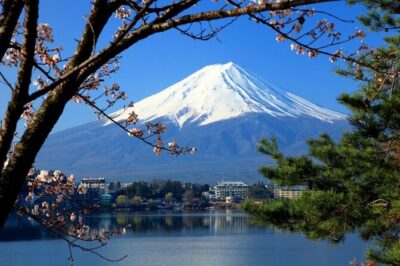 ★ 5.0Mt Fuji and Hakone 1-Day Bus Tour Return by Bullet TrainFrom $163
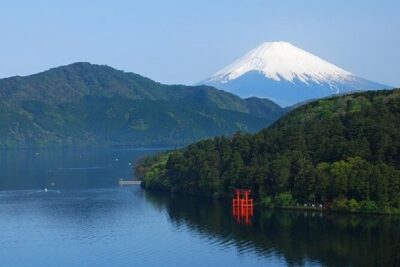 ★ 4.0Mt Fuji & Hakone Cruise, Drum Show Bullet Train 1 Day from TokyoFrom $149
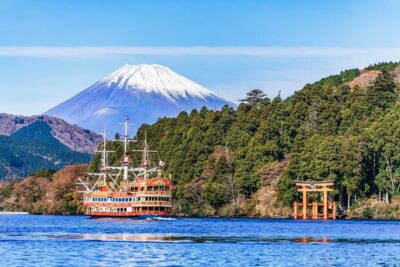 ★ 4.4Tokyo Mt Fuji 5th St & Hakone Cruise Bus Tour w/Bullet TrainFrom $15410 hours
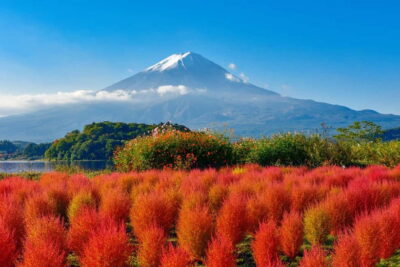 ★ 4.5From Tokyo: Mount Fuji Full-Day Sightseeing TripFrom $6810 hours
 ★ 4.7Tokyo: Mt. Fuji Tour, Hakone Ropeway, Owakudani, Lake AshiFrom $5410 hours
 ★ 4.4Tokyo:Mt.Fuji,Kawaguchiko Oishi Park,Arakurayama Sengen ParkFrom $5410 hours