
Reviewed · KAMAKURA & ENOSHIMA DAY TRIPS
Kamakura Private Tour Great Buddha & Enoshima with English guide
Kamakura’s Great Buddha is the star here, but this private day trip gives you much more than one famous statue. You move from temple gardens and bamboo to Enoshima’s sea views, then on to Yokohama Chinatown and Sankeien Gardens without sharing the vehicle with a large group. The English-speaking guide and driver, including Mukarram Muhammad and Nik, can adjust the day around your interests.
I especially like the private luxury vehicle, which saves you from managing several train connections after leaving Tokyo. I also like the patient guiding style described by past customers: Mukarram is praised for being responsive before the trip, while Nik is noted for walking with the group and adjusting the route. The main drawback is the ambitious schedule. Seven stops in eight to ten hours can feel rushed, especially if you want temple gardens, lunch, shopping, and photographs.
In This Review
- Key points to know before booking
- Why a private Kamakura day works well
- The Great Buddha at Kotoku-in
- Hase-dera and its hillside temple grounds
- Tsurugaoka Hachimangu, Kamakura’s main shrine
- Hokoku-ji’s bamboo grove and matcha
- Enoshima brings the sea into the day
- Yokohama Chinatown adds food and city life
- Sankeien Gardens closes the route quietly
- How the guide changes the experience
- Price, timing, and what to budget
- Who should book this private route?
- Should you book it?
- FAQ
- How long does the private Kamakura and Enoshima tour last?
- How many people can join the private tour?
- Is hotel pickup available?
- Is lunch included?
- Are entrance fees included?
- What happens if the weather is poor?
Key points to know before booking
- The Great Buddha leads a broad Kamakura day: You also visit Hase-dera, Tsurugaoka Hachimangu, and Hokoku-ji’s bamboo grove.
- Your group has the vehicle to itself: The tour costs $650 per group for up to six people, not per person.
- The route reaches three different settings: Kamakura’s religious sites, Enoshima’s coast, and Yokohama’s Chinese quarter and garden.
- The itinerary can be adjusted: Guide Nik is specifically praised for changing the day to suit the group, while Mukarram is described as patient and never hurried.
- Entrance costs need checking: The Great Buddha admission is listed as included in the stop details, while other admissions are not included, and the general inclusions also say entrance fees are excluded.
- Weather matters: Poor weather can lead to a new date or a full refund, and free cancellation is available up to 24 hours before departure.
Why a private Kamakura day works well
Kamakura is close enough to Tokyo for a day trip, yet it feels like a clear change of pace. You get temples, shrines, wooded paths, a coastal island, and Yokohama’s food district in one outing. Public transportation can handle much of this route, but the connections and walking add work, especially when you are trying to fit several places into one day.
Here, the private vehicle is the main convenience. Pickup is offered, and the air-conditioned car includes bottled water and free Wi-Fi. Your English-speaking guide also drives, so you have one person handling both local explanation and transportation.
The price is $650 per group of up to six. For one or two people, that is a serious splurge. For six, it works out to about $108 per person before meals and admission fees. Families and small groups may find that fair when they value hotel pickup, a private car, and a route that would take more planning by train.
The tour is listed at eight to ten hours. That range matters. Traffic around Tokyo, Kamakura, Enoshima, and Yokohama can affect how much time you have at each stop. The advertised itinerary gives roughly one hour to every site, but you may need to choose between lingering at a temple, eating a proper lunch, and exploring Enoshima at leisure.
A few more Tokyo tours and experiences worth a look
The Great Buddha at Kotoku-in
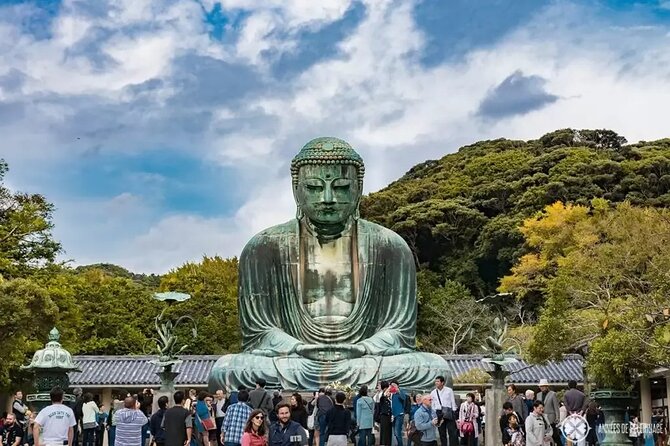
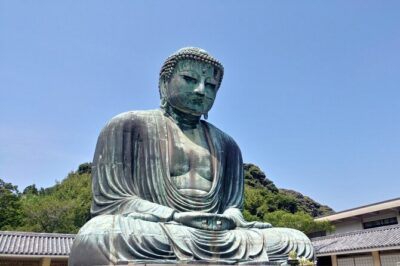
The day begins with one of Kamakura’s most recognizable sights, the bronze Buddha at Kotoku-in Temple. The statue is more than 11 meters tall, and its open-air setting gives you a clear view of its scale from the temple grounds.
An hour is enough to see the statue, take photographs, and look around without turning the visit into a long museum stop. This is a good first visit because it gives you an immediate sense of Kamakura’s importance as a former center of religious and political life.
The stop details list admission as included, although the general tour information says entrance fees are not included. I would confirm this point with the provider before departure so your budget is accurate.
The Great Buddha can draw plenty of attention, so a private guide is useful for keeping the visit efficient. You will not need to wait for a large group to finish photographs or move on together. If this is your first visit to Kamakura, ask your guide to explain the statue’s design and place in Japanese Buddhist tradition.
Hase-dera and its hillside temple grounds
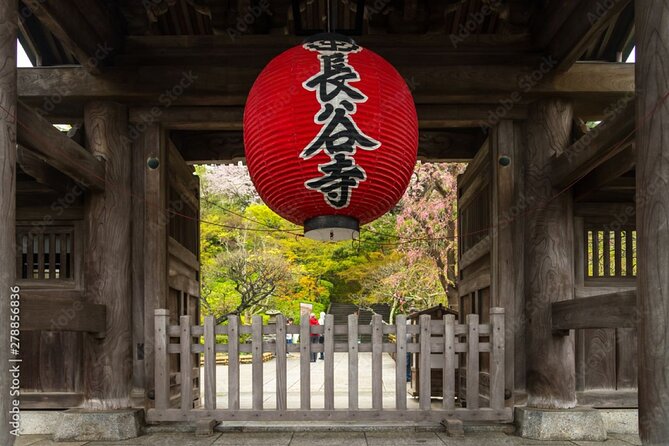
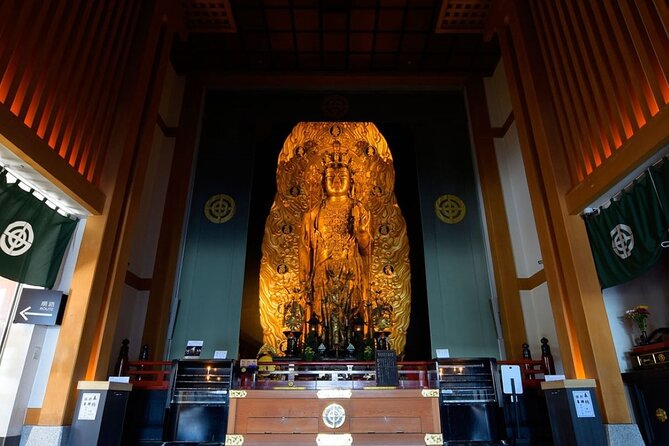
Hase-dera is a different kind of temple visit. It is known for its eleven-headed Kannon statue, the Goddess of Mercy, and the grounds include carefully planted gardens and hillside areas.
The one-hour allocation gives you time to see the main parts, but not to inspect every corner at a slow pace. The temple has more visual variety than a single monument, so this is one stop where a clear plan helps. Ask Mukarram or Nik to point out the most important areas first if your schedule is tight.
Admission is not included. Since the tour’s general information also excludes entrance fees, set aside extra cash for Hase-dera and the other paid sites. The exact total depends on which places you enter and whether the Great Buddha fee is covered.
I like the contrast between Kotoku-in and Hase-dera. The Great Buddha is a single, powerful sight. Hase-dera gives you a more layered visit, with religious art, garden views, and a slower temple atmosphere. If you prefer peaceful places to packed sightseeing lists, this may become one of your favorite stops.
Tsurugaoka Hachimangu, Kamakura’s main shrine
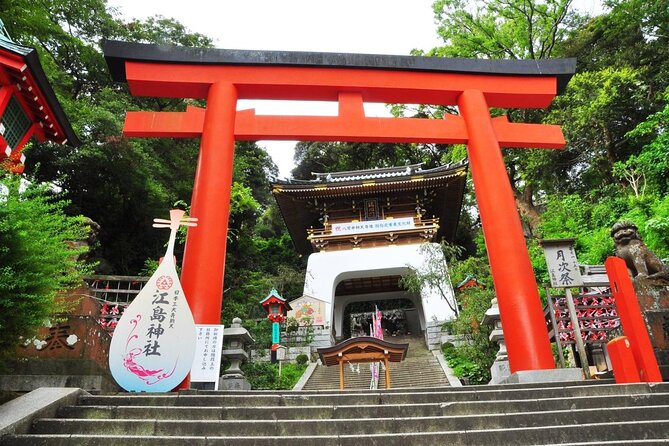
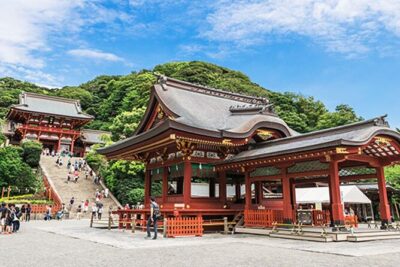
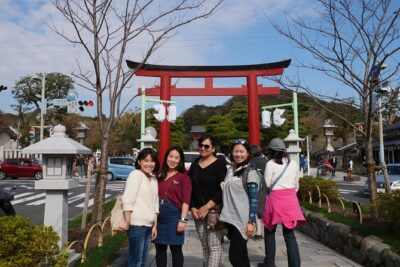
Tsurugaoka Hachimangu is Kamakura’s central Shinto shrine and one of the day’s largest religious sites. You approach through a grand torii gate and continue toward grounds with ponds, koi, bridges, and formal shrine buildings.
An hour gives you enough time to understand the layout and see the main areas. It may not be enough if you want to wander every path or stop often for photographs. The guide can help you focus on the parts that matter most rather than simply walking through.
This stop also changes the tone of the morning. Kotoku-in and Hase-dera are Buddhist temples, while Tsurugaoka Hachimangu introduces Shinto traditions. Seeing both in one day helps you notice how different Japanese religious spaces can feel, even when they are located in the same historic town.
The shrine’s open grounds make it a useful stop for anyone who wants a break from enclosed interiors. On a warm day, though, the walking and exposure may be tiring. Comfortable shoes and water are sensible, even with bottled water provided in the vehicle.
Hokoku-ji’s bamboo grove and matcha
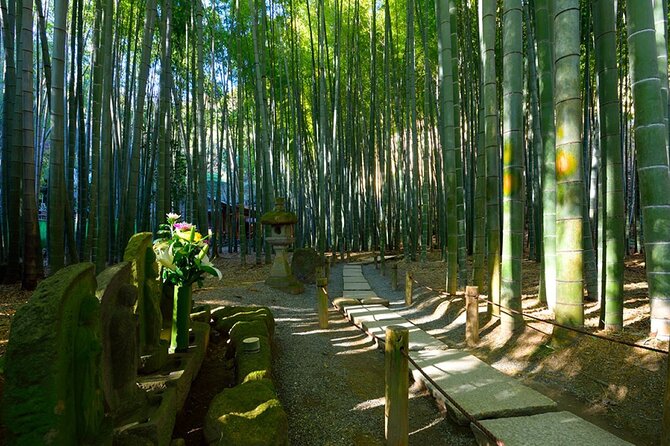
Hokoku-ji is a smaller temple with a distinctive bamboo grove. Its scale and setting make it a nice change after the larger Kotoku-in and Tsurugaoka Hachimangu.
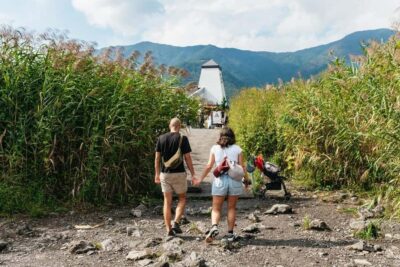
The grove is the reason to come. Tall bamboo creates a narrow, shaded walking area, and the temple is also associated with matcha green tea. If you enjoy quiet scenery and a short traditional tea break, this stop adds something the other Kamakura sites do not.
Admission is not included. Matcha may also involve a separate cost, so ask your guide about the current arrangements if tea is important to you. The supplied details identify drinking famous matcha as part of the appeal, but they do not state that tea is included in the tour price.
One hour is a sensible amount of time here. You can walk through the bamboo, take photographs, and have tea if available without using up the entire afternoon. The main limitation is that a short grove visit may feel brief if you imagined a large bamboo forest. It is best approached as a focused temple stop, not a full-day nature outing.
Other guided tours in Tokyo
Enoshima brings the sea into the day
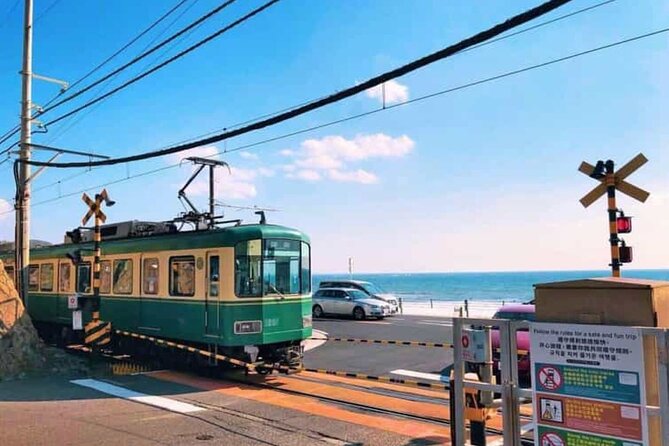
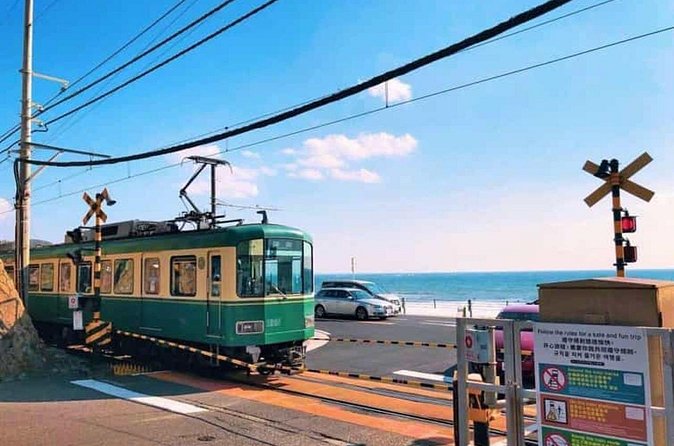
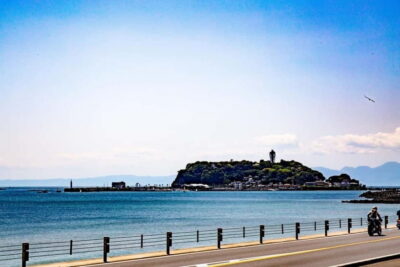
Enoshima is the route’s coastal break. The island has sea views, shrines, lively streets, and a different feel from Kamakura’s temple district. On a clear day, you may see Mt. Fuji in the distance.
That last point depends entirely on conditions. Do not book the tour expecting a guaranteed Fuji view. The island remains worthwhile for its shoreline setting and streets even when haze hides the mountain.
The tour allows about an hour at Enoshima. That is enough for a quick look, but Enoshima can easily fill much more time if you want to explore its shrines, browse the streets, eat seafood, or linger by the water. With lunch excluded, this is a logical place to ask about a meal, though the listed schedule does not promise a restaurant visit.
One past outing included a Japanese seafood restaurant on a rainy day, showing that the guide may help arrange lunch when the group wants it. Still, lunch is not included, and you should treat any restaurant stop as an adjustment rather than a guaranteed feature.
Enoshima is also where the itinerary may feel most compressed. If ocean views and island streets matter more to you than seeing every listed stop, tell the guide early. A private tour has value only when you use that flexibility.
Yokohama Chinatown adds food and city life
The route then continues to Yokohama Chinatown, described as about 160 years old, with a population of roughly 3,000 to 4,000 and historical links to Guangzhou.
This is less about quiet reflection and more about food, streets, and urban culture. You have about an hour, which is enough to walk around and choose a snack or meal if timing allows. Since lunch is not part of the tour price, Chinatown may be a practical place to eat.
The short stop means you should not expect a detailed food crawl. You may need to choose between sitting down for lunch and exploring more of the quarter. Ask the guide for help if you want a specific style of meal, but the available information does not promise a particular restaurant or dish.
I like adding Chinatown to a Kamakura day because it prevents the route from becoming temple after temple. It also gives you a chance to experience a different part of the region before returning to gardens and traditional architecture.
Sankeien Gardens closes the route quietly
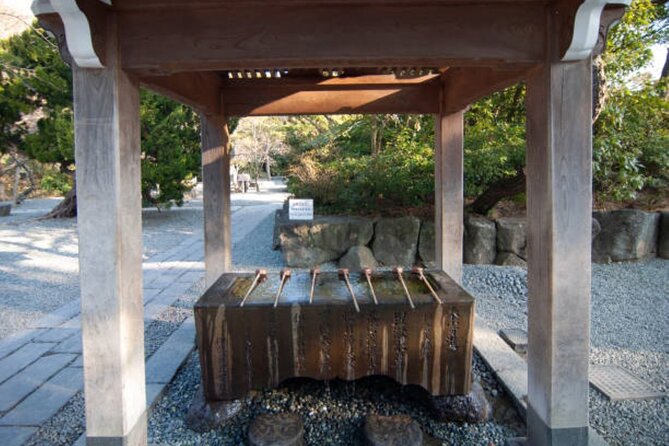
Sankeien Gardens is a traditional Japanese-style garden in Yokohama that opened in 1906. It was created by Tomitaro Hara, a silk trader who used the name Sankei Hara.
The garden is a calm final stop after the movement of Chinatown. You can expect paths, traditional buildings, and carefully arranged garden scenery rather than a major monument or shopping district. One hour offers a pleasant walk, though you may want more time if you enjoy photography or garden design.
Admission is not included. The timing is worth watching here, since a late arrival can reduce the garden visit. If the day is running behind, discuss priorities with your guide rather than trying to force every stop into the remaining time.
Sankeien also gives the tour a useful ending. The day begins with a famous religious statue, moves through temples and a shrine, reaches the coast, then finishes with traditional garden design. It is a varied route, but the variety comes with a packed schedule.
How the guide changes the experience
The strongest part of this tour is the human service. Mukarram Muhammad is described as professional, organized, responsive before departure, patient during the day, and willing to explain Japanese culture. Nik is described as friendly, familiar with the area, and ready to walk with the group and adjust the plan.
That matters because this is not simply a private car transfer. The driver-guide can help you decide where to spend your limited time. On a rainy day, Mukarram reportedly continued to the promised places and helped arrange a Japanese seafood lunch, which suggests practical flexibility when conditions are less than ideal.
You should still state your priorities at the start. Tell the guide if you care most about temples, gardens, food, photographs, or the coast. The tour promises a tailored itinerary, but the day has only eight to ten hours. Personalization works best when you make clear choices.
Price, timing, and what to budget
At $650 per group, the price makes the most sense for up to six people. A couple pays a premium for privacy and convenience, while a full group gets a much better per-person rate.
The price includes:
- A luxury air-conditioned vehicle
- Bottled water
- Free Wi-Fi
- An English-speaking professional guide and driver
- Pickup service
Lunch is not included. Entrance fees are also generally listed as excluded, although the Great Buddha stop separately says admission is included. Hase-dera, Tsurugaoka Hachimangu, Hokoku-ji, and Sankeien Gardens are listed with admission not included. Confirm the exact fee policy before booking.
You should also allow for personal purchases, drinks, and food in Enoshima or Chinatown. The tour is best valued as a private transport and guiding service, not as an all-inclusive sightseeing package.
Free cancellation is available up to 24 hours before the start time for a full refund. Changes made inside that 24-hour window are not accepted, and cancellations within 24 hours are not refunded. The tour requires good weather, with a different date or full refund offered if poor weather causes cancellation.
Who should book this private route?
I would recommend it most strongly to families, small groups, and visitors who want one vehicle for a complex day outside Tokyo. It is also a good fit if you dislike changing trains, want an English-speaking guide, or need the flexibility to shorten a stop and spend longer somewhere else.
The route suits first-time visitors who want a broad introduction to Kamakura and nearby Yokohama. You see major Buddhist and Shinto sites, a bamboo grove, the coast, Chinatown, and a traditional garden without having to build the transport plan yourself.
I would hesitate if you want a slow temple day. Seven stops create a lot of movement, and each listed visit is about one hour. Independent visitors who enjoy rail travel and have only one or two main goals may spend less by using public transportation.
The tour is also less suitable if your main goal is a guaranteed Mt. Fuji view. Enoshima can offer that sight on a clear day, but weather controls the result.
Should you book it?
Book this tour if your group values privacy, door-to-door ease, and a guide who can adjust the day. For six people, the cost is easier to justify, and the combination of Kamakura, Enoshima, Chinatown, and Sankeien Gardens gives you a lot of variety.
Before paying, confirm the entrance-fee details and decide which stops matter most. If you want a proper lunch or more time on Enoshima, say so at the outset. With those expectations set, this is a practical way to see several important places beyond Tokyo without spending the day working out connections and timing yourself.
FAQ
How long does the private Kamakura and Enoshima tour last?
The tour lasts approximately eight to ten hours.
How many people can join the private tour?
The price covers one group of up to six people, and only your group participates.
Is hotel pickup available?
Yes. Pickup is offered, and the tour includes round-trip hotel pickup for a convenient start and finish.
Is lunch included?
No. Lunch is not included in the tour price. A Japanese seafood restaurant may be arranged as part of the day’s flexible planning, but this is not guaranteed.
Are entrance fees included?
The general tour information says entrance fees are not included. The Great Buddha stop separately lists admission as included, while Hase-dera, Tsurugaoka Hachimangu, Hokoku-ji, and Sankeien Gardens list admission as not included. Confirm the policy before departure.
What happens if the weather is poor?
The experience requires good weather. If the provider cancels because of poor weather, you can choose a different date or receive a full refund. You can also cancel up to 24 hours before the start time for a full refund.
More Private Tours in Tokyo

More Guided Tours in Tokyo
More Kamakura & Enoshima Day Trips in Tokyo
More tours in Tokyo we've reviewed










Kamakura & Enoshima Day Trips, compared.
 ★ 4.5Tokyo: Kamakura & Enoshima Day Trip including Temple TicketsFrom $589 hours - 570 minutes
 ★ 4.5Tokyo: Mt. Fuji, Kamakura, Big Buddha, & Lake Ashi Day TripFrom $4910 - 11 hours
 ★ 4.5From Tokyo: Kamakura & Enoshima 1-Day Bus TourFrom $66
 ★ 5.0Kamakura Historical Walking Tour with the Great BuddhaFrom $98
 ★ 5.0Kamakura Private Tour: Temples, Nature, and the Great BuddhaFrom $98
 ★ 5.0Kamakura Walking Tour – The City of ShogunFrom $35