
Reviewed · GUIDED
Tokyo Small Group Tour with Guide
Tokyo gives you a lot to take in, and this small-group tour tackles the city’s major sights in one well-packed day. You move from the Imperial Palace to old Asakusa, then on to Harajuku, Meiji Jingu, and Shibuya Crossing, with a guide handling the route and adding context along the way.
I like two things right away: the group limit of 15 people keeps the experience more personal than a big bus outing, and the route shows both traditional and modern Tokyo. Guides named Mary, Suzana, Daniel, Coral, and Tomas have received especially warm praise for their history, cultural insight, and friendly approach.
The catch is simple: this is a serious walking day. One person reported more than 20,000 steps, and the tour asks for moderate fitness. If your feet are already tired from several days in Japan, this may feel rushed and demanding.
In This Review
- Key points to know before booking
- Why this route works for a first day in Tokyo
- Starting at the Imperial Palace and Edo Castle ruins
- Three hours in Asakusa and at Senso-ji
- Harajuku for Tokyo’s colorful modern side
- Meiji Jingu and the meaning of a Shinto shrine
- Ending at Shibuya Crossing
- What the $99 price really buys you
- The walking load and what to bring
- Which guide experience you may receive
- Who should book this Tokyo day tour
- Should you book it?
- FAQ
- How long does the Tokyo Small Group Tour with Guide last?
- What time does the tour start?
- Where does the tour begin?
- Where does the tour end?
- What sights are included?
- Is admission included?
- How many people can join the tour?
- How much walking is involved?
- Is travel insurance included?
- Can I cancel for a refund?
Key points to know before booking
- Five major Tokyo areas in one day: Visit the Imperial Palace area, Asakusa, Harajuku, Meiji Jingu Shrine, and Shibuya.
- A group of no more than 15: Small enough for questions and guide interaction, though the actual group size can vary up to that limit.
- A strong first-day orientation: The route gives you a quick sense of Tokyo’s old center, imperial core, shrine culture, youth districts, and modern commercial heart.
- More than sightseeing: Guides explain Japanese customs, beliefs, history, and everyday culture.
- A point-to-point finish: You begin near the Imperial Palace and finish at Shibuya Station, rather than returning to the start.
- Free cancellation until 24 hours ahead: Poor weather may lead to a new date or a full refund.
Why this route works for a first day in Tokyo
Tokyo can be hard to read at first. It is not one compact old town with a neat ring of sights. It is a huge collection of districts, each with its own mood and identity. This tour gives you a broad first look without asking you to master the train system on day one.
You begin at Starbucks Coffee in Kokyo Gaien Wadakura Fountain Park at 9:00 a.m. That location sits by the Imperial Palace grounds, so you start in central Tokyo rather than spending your first hour crossing the city from a distant hotel area. From there, the tour moves across several major districts and ends at Shibuya Station.
I see the route as a city sampler. You get imperial Tokyo, Buddhist Tokyo, youth-oriented Tokyo, Shinto Tokyo, and the high-energy commercial side of the capital. You will not have hours to linger in every place, but you will leave with a useful map in your head and a list of places to revisit on your own.
The guide is important here. The best part of a walking tour is not simply being led from one address to another. It is learning why a place matters, what customs you should respect, and how older traditions fit into present-day Tokyo. Guides such as Mary have been praised for explaining Japanese culture and beliefs, while Tomas has been singled out for clear explanations despite the long route.
Other guided tours in Tokyo

Starting at the Imperial Palace and Edo Castle ruins
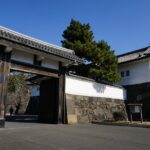
The first stop lasts about an hour and focuses on the East Gardens of the Imperial Palace and the remains of Edo Castle. Admission is listed as free, which helps keep the $99 price focused on the guide rather than entrance charges.
This is a good opening stop because it places Tokyo in its historical center. You see gardens, castle remains, and the area around Nijubashi Bridge, one of the city’s best-known imperial views. The setting is calmer than the districts later in the day, giving you a gentler start before the crowds and noise of Asakusa and Shibuya.
The castle ruins are especially useful for understanding that modern Tokyo grew from an earlier political center. You are not simply looking at gardens. You are seeing the grounds tied to Edo Castle, the seat of power during the period when Tokyo was known as Edo.
Nijubashi Bridge provides a clear photo stop and a familiar view of the palace grounds. The tour description does not promise an interior palace visit, so you should expect an outdoor visit rather than access to private imperial areas. That distinction matters if you are hoping for palace rooms or a long garden walk.
Three hours in Asakusa and at Senso-ji
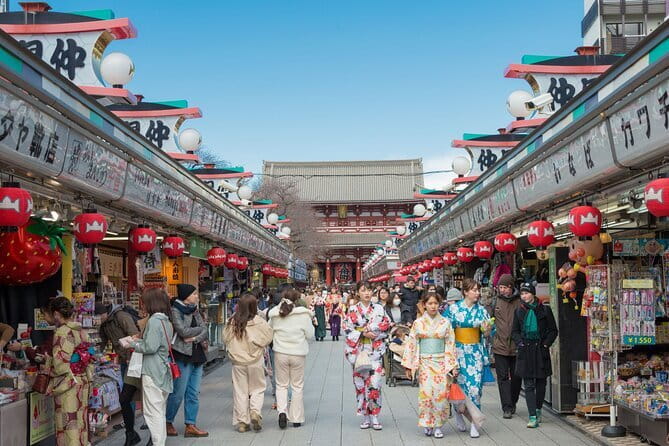
Asakusa receives the longest visit, about three hours. That makes sense. It is the part of the day with the most layered sightseeing, and it gives the guide time to explain both Nakamise-dori and Senso-ji Temple.
Nakamise-dori is a lively approach to the temple lined with shops and food stalls. It can be crowded, especially around the central approach, so stay close enough to hear your guide. You may also want to note anything you would like to buy later, since stopping at every shop during a group tour can eat into your temple time.
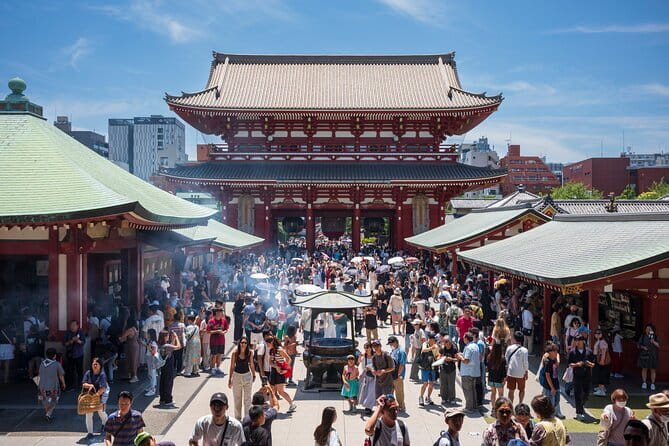
Senso-ji is Tokyo’s oldest Buddhist site, and it is one of the best places on this route for learning how religious practice and daily city life meet. Your guide can help explain the customs and beliefs connected with the temple, rather than leaving you to guess what you are seeing.
Three hours sounds generous, but Asakusa has enough to occupy it. You have the approach street, the temple grounds, photo opportunities, and time for the guide’s cultural explanations. Still, this is not a private tour, so your pace will be shaped by the group and the day’s timing.
I would use this stop as a listening opportunity. The value is not just checking Senso-ji off a list. It is understanding why the site matters and how to behave respectfully at a major Buddhist temple. The guide commentary is one of the strongest reasons to choose this tour instead of simply arriving by train on your own.
Harajuku for Tokyo’s colorful modern side

The tour then heads to Harajuku for about 90 minutes. This shifts the mood sharply from temple grounds and old streets to one of Tokyo’s most recognizable youth and fashion districts.
The supplied information does not name specific shops or promise time for shopping, so think of Harajuku as a district walk and photo stop rather than a dedicated retail session. The area is known for colorful, energetic street life, and your guide can help place that modern identity within the wider city.
This contrast is one of the route’s strengths. In the morning, you are seeing castle remains and a centuries-old Buddhist temple. Later, you are looking at a district associated with youth culture and changing fashion. Tokyo makes more sense when you see those contrasts on the same day.
Ninety minutes is enough for an introduction, but it will not let you explore every side street at leisure. If Harajuku is a top priority for you, mark it for a separate return visit. The tour gives you orientation, not exhaustive coverage.
Meiji Jingu and the meaning of a Shinto shrine
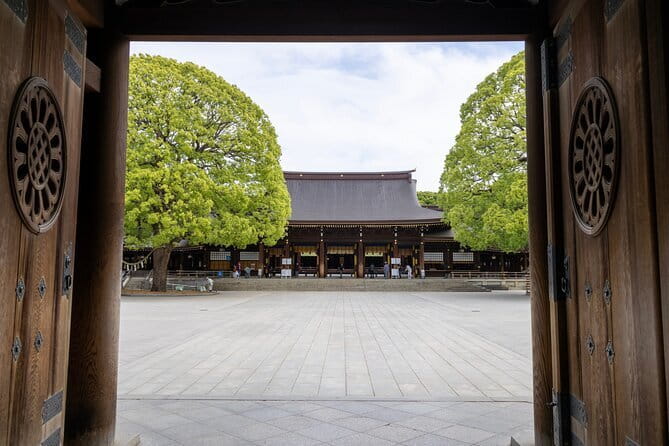
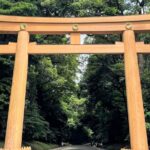
The Meiji Jingu Shrine visit lasts about 90 minutes. This is the tour’s main Shinto stop and a useful counterpart to Senso-ji, the Buddhist temple in Asakusa.
Meiji Jingu is described as Tokyo’s most famous Shinto shrine. The guide can explain the basic customs, beliefs, and behavior expected at the site, which is helpful if you have never visited a Shinto shrine before. That kind of background can turn a quick photo stop into a more respectful and understandable visit.
The stop also gives the day a quieter pause after Harajuku. Even though the shrine is a major Tokyo sight, it offers a different setting from the commercial streets. The exact amount of time you spend walking, listening, and taking photos depends on the group and the guide’s pace.
I particularly like having both Senso-ji and Meiji Jingu on the same day. You get a chance to compare Buddhist and Shinto settings without needing to arrange separate visits. The guide’s cultural explanations are central here, especially if you want more than attractive buildings and snapshots.

Ending at Shibuya Crossing
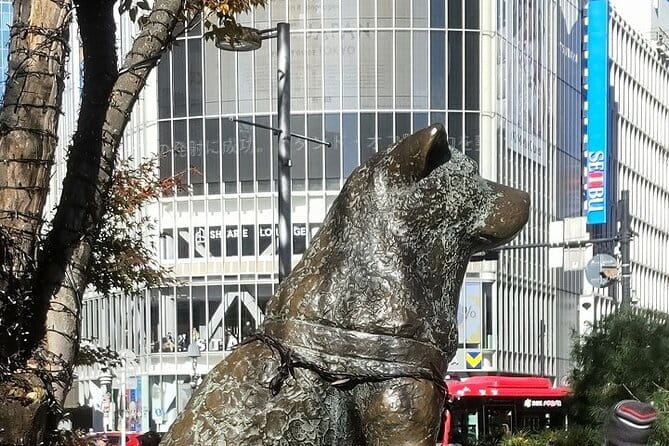
The tour ends at Shibuya Station after about 30 minutes around the famous Shibuya Crossing. This is the modern finale: wide pedestrian flows, bright commercial streets, and one of Tokyo’s most recognizable urban scenes.
You should expect a viewing and photo opportunity rather than a long Shibuya neighborhood tour. The crossing is the headline attraction, and the short time allocation reflects that. It is enough to see the action and get your bearings, but not enough to explore Shibuya’s shops, restaurants, or side streets in depth.
Ending here is practical. Shibuya Station is a major transport point, so you can continue sightseeing, return to your accommodation, or meet your own evening plans from there. Just remember that the tour does not take you back to the morning meeting point.
The route’s final sequence works well: Harajuku and Meiji Jingu introduce nearby districts, then Shibuya provides a clean finish in the middle of modern Tokyo. You end with one of the city’s signature sights rather than a quiet residential street.
What the $99 price really buys you
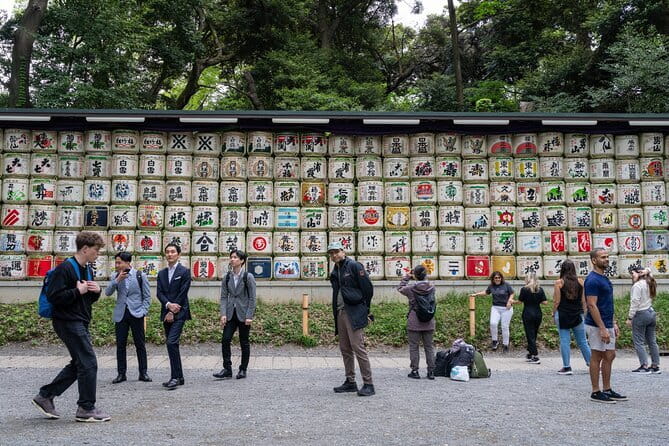
At $99 per person, the main value is the guide and the planning. The listed inclusions are limited to a hand-picked expert guide, while personal travel insurance is not included. Admission to the listed stops is free, so you are paying mainly for route design, commentary, navigation, and the chance to cover several distant districts without arranging the day yourself.
That is a fair deal for a first visit if you would otherwise spend hours planning train connections and deciding how long to stay in each area. The tour also reduces the chance of missing a major sight because you did not know where it was or how the districts fit together.
The value is weaker if you already know Tokyo well or prefer long, unhurried visits. You could visit all these areas independently, and doing so would give you more freedom to eat, shop, rest, or stay longer at one temple. The tour earns its price through convenience and interpretation, not exclusive access.
A group limit of 15 is a useful middle ground. It is not a private experience, but it is small enough that a good guide can answer questions and keep the group together. The strongest guide feedback has focused on clear explanations, friendly personalities, and extra effort to make the day enjoyable.
The walking load and what to bring
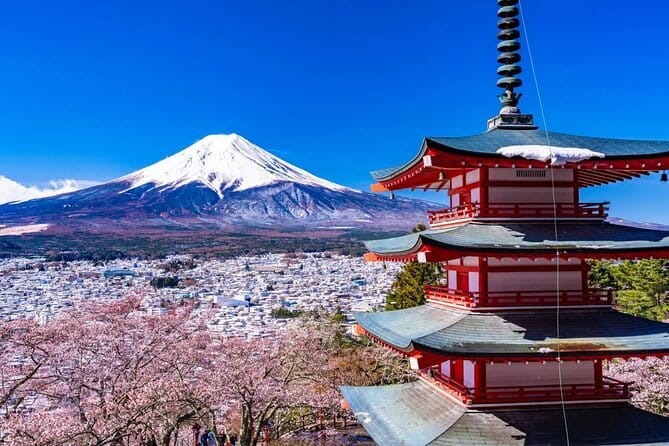
Do not treat this as a gentle sightseeing outing. The day lasts roughly seven to eight hours and includes several district changes, temple and shrine grounds, station areas, and city streets. Comfortable walking shoes are essential.
The most useful preparation is modest:
- Wear shoes you can walk in for a full day.
- Bring water and any personal items you need for several hours outside.
- Allow extra energy for the final Shibuya stop.
- Arrive ready for a 9:00 a.m. start at the specified Starbucks in Wadakura Fountain Park.
- Keep your belongings easy to carry, since you will be moving through busy public areas.
Service animals are allowed, and the tour is near public transportation. Still, the moderate fitness requirement is real. If you need frequent rest breaks or have limited mobility, ask the provider about suitability before booking. One guide’s feedback specifically notes more than 20,000 steps, which is the clearest warning about the physical demand.
Which guide experience you may receive
The exact guide is not guaranteed in the details provided, but several names appear in the tour’s recent guide feedback. Mary is associated with explanations of Japanese culture, history, customs, and beliefs. Suzana is linked with helping people see Tokyo from different angles, including the city’s railway lines.
Daniel has been praised for making the day fun while providing a large amount of information. Coral is described as engaging and passionate about Tokyo’s history and local insight. Tomas is noted for explaining the sights well while leading a very long walking day.
The common thread is strong guide commentary. That does not mean every guide will use the same style, and your experience will depend partly on the individual assigned to your group. But the tour is clearly built around human explanation, not just transportation between photo stops.
Who should book this Tokyo day tour
I would choose this for a first visit, especially if you want a fast orientation before exploring Tokyo independently. It suits people who like history and culture but also want the famous modern scenes, with no need to plan a complicated route.
It is also a good fit for friends or family groups who want to share one organized day. The small-group format gives you company without the scale of a coach excursion, and the point-to-point route avoids returning to the starting area.
I would be more cautious if you dislike fixed schedules, shopping crowds, or long walks. You will not have complete control over how long you spend in Asakusa or Harajuku, and the route covers a lot of ground. If your ideal day means lingering over lunch or sitting in one garden for an hour, an independent visit may suit you better.
The tour is weather-dependent. If poor weather cancels the experience, you are offered another date or a full refund. You can also cancel for a full refund up to 24 hours before the start time, but changes or cancellations inside that window are not accepted.
Should you book it?
Book this tour if you want to get your Tokyo bearings quickly, see the city’s main contrasts, and learn why the places matter. The 4.7 rating from 38 submitted ratings and 95 percent recommendation figure point to a consistently strong experience, particularly for guide quality and first-time orientation.
Skip it if you want a slow day or already have Tokyo’s train network and neighborhoods figured out. At $99, it is good value for a guided overview, but the price cannot buy you extra time at each stop.
For most first-time visitors with solid walking stamina, I would book it near the start of the trip. Use the day to learn the city’s shape, then return on your own to the places that deserve a longer look.
FAQ
How long does the Tokyo Small Group Tour with Guide last?
The tour lasts approximately seven to eight hours.
What time does the tour start?
The tour starts at 9:00 a.m.
Where does the tour begin?
The meeting point is Starbucks Coffee at Kokyo Gaien Wadakura Fountain Park, 3-1 Kōkyogaien, Chiyoda City, Tokyo 100-0002, Japan.
Where does the tour end?
The tour ends at Shibuya Station after the group watches Shibuya Crossing in action.
What sights are included?
The route includes the East Gardens of the Imperial Palace and Edo Castle ruins, Nijubashi Bridge, Asakusa, Nakamise-dori Street, Senso-ji Temple, Harajuku, Meiji Jingu Shrine, and Shibuya Crossing.
Is admission included?
Admission tickets are listed as free for the scheduled stops. The included service is a hand-picked expert tour guide.
How many people can join the tour?
The maximum group size is 15 people.
How much walking is involved?
There is a considerable amount of walking, and a moderate level of physical fitness is required. Comfortable walking shoes are strongly advised.
Is travel insurance included?
No. Personal travel insurance is not included.
Can I cancel for a refund?
Yes. You can cancel at least 24 hours before the experience start time for a full refund. Cancellations or changes made less than 24 hours ahead are not accepted, and poor weather may result in a different date or a full refund.
More Guided Tours in Tokyo

More tours in Tokyo we've reviewed







Guided, compared.
 ★ 5.0Tokyo 6hr Private Tour with Government-Licensed GuideFrom $155
 ★ 4.9Tokyo: Shinjuku Local Bar and Izakaya Guided Walking TourFrom $343 hours
 ★ 4.8Tokyo: Private City Highlights Tour with Local GuideFrom $1064 - 8 hours
 ★ 4.9Tokyo: Tsukiji Fish Market Guided Walking TourFrom $222 hours
 ★ 5.0Tokyo 4hr Private Tour with Government-Licensed GuideFrom $109
 ★ 5.0Tokyo Guided Small-Group Biking TourFrom $106