
Reviewed · JDM & CAR CULTURE
Private Daikoku Car Meet with Local Guide
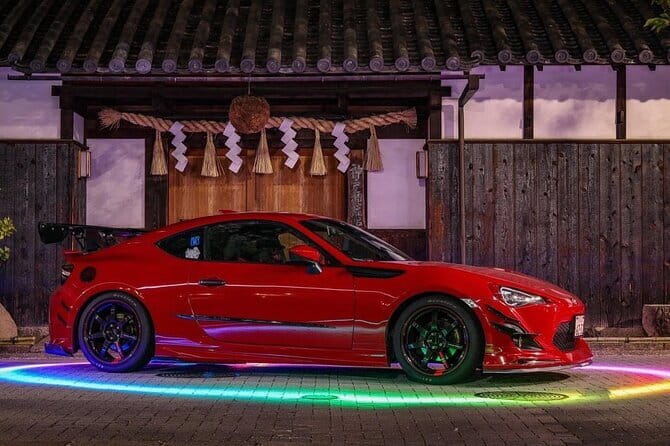
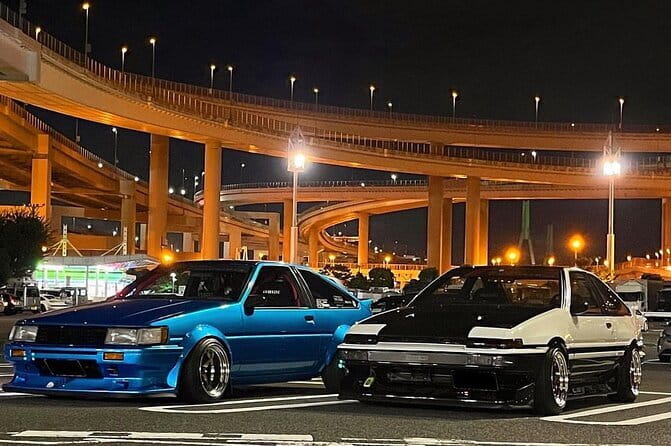
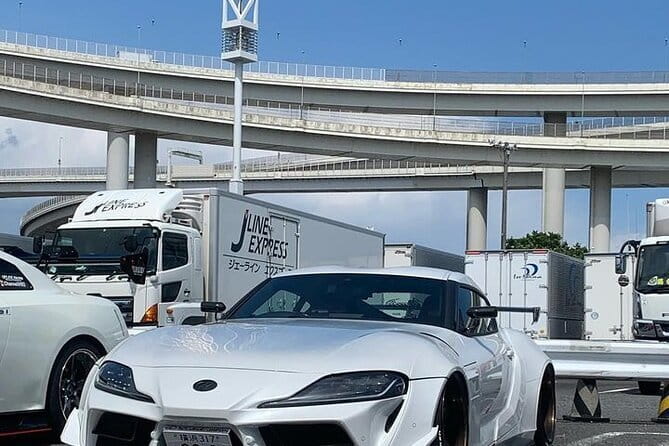
Daikoku Parking Area is where Tokyo’s car culture feels most real. You ride there in a private, air-conditioned vehicle, then have about two hours to look around, chat with enthusiasts, and spot everything from tuned Japanese cars to international supercars. You might see Lamborghinis, Ferraris, and rare local builds, though the exact lineup changes.
I like the private ride, since you can stretch out, play your own music, and ask questions without sharing the vehicle with strangers. I also like the English-speaking driver-guide, who can help you connect with other car fans instead of leaving you to work out the scene alone.
The main drawback is the fixed, non-refundable booking policy. Weather or minimum group numbers can cancel the outing, but an ordinary change of plans will not earn you a refund. The car meet itself also varies, so no particular make or model is guaranteed.
In This Review
- Key points at a glance
- Why Daikoku Parking Area matters to car fans
- The private ride from Ueno
- Highway views of Tokyo Tower and Tokyo Bay
- About two hours among the cars
- Japanese tuning culture and international supercars
- What the three-hour schedule means for you
- Weather, availability, and the booking risk
- Who will get the most from this experience
- Is the $98 price fair?
- Should you book the Daikoku car meet?
- FAQ
- Where does the tour begin?
- Where does the tour end?
- How long does the experience last?
- How long do I spend at Daikoku Parking Area?
- Is transportation included?
- Is a guide included?
- Is food included?
- What happens if bad weather cancels the tour?
Key points at a glance
- Daikoku Parking Area: Spend about two hours at one of Japan’s best-known gathering places for tuned cars, rare Japanese models, and supercars.
- Private transport from Ueno: Start at 4-chōme-9-5 Higashiueno in Taito City and return to the same point.
- English-speaking driver-guide: Ask about the cars, the route, and Tokyo’s car scene during the ride.
- Tokyo views from the highway: Look for Tokyo Tower, Tokyo Bay, Rainbow Bridge, and another major bridge on the drive.
- Room for your own pace: Listen to music, stretch out, and explore the parking area without a shared tour vehicle.
- About $98: The price makes the most sense for people who value private transport and direct access more than a formal sightseeing program.
Why Daikoku Parking Area matters to car fans
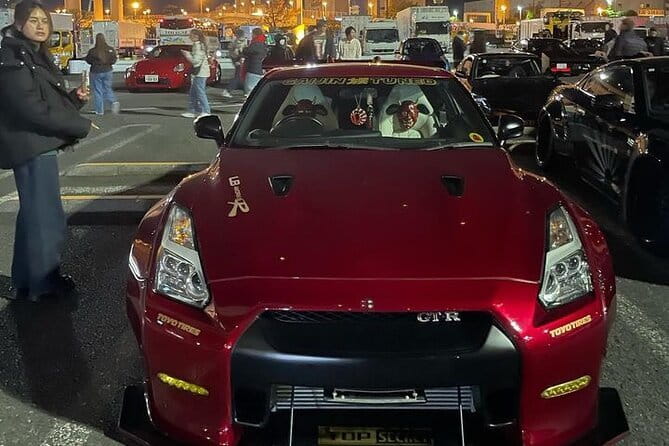
Daikoku Parking Area is not a museum or a showroom. It is a real rest stop where Japan’s car community gathers, and that difference shapes the whole experience. You are not simply looking at polished vehicles behind a barrier. You are visiting a working parking area where the cars, owners, and conversations are part of the appeal.
The selection can change from one visit to the next. You might find highly tuned Japanese cars, unusual builds, or expensive international models. The supplied experience highlights Lamborghinis and Ferraris, along with many other supercars, but you should treat that as a possibility rather than a promise.
That uncertainty is part of the fun, especially if you enjoy spotting details. A rare car is exciting, but so is seeing how owners personalize their vehicles and how different parts of Japan’s tuning culture meet in one place. If you want a guaranteed Ferrari, this is not the right format. If you want a chance to see what turns up at a famous car meet, it has a stronger appeal.
A few more Tokyo tours and experiences worth a look


The private ride from Ueno
The tour begins at 4-chōme-9-5 Higashiueno, Taito City, Tokyo 110-0015. From there, your private vehicle takes you toward Daikoku Parking Area and brings you back to the same meeting point at the end.
The private setup is one of the clearest advantages. You do not share the ride with another group, and the vehicle is air-conditioned. You can listen to music, stretch out, and use the drive to ask your English-speaking driver-guide questions about the cars or the route.
That matters because Daikoku is outside the central sightseeing loop. Getting there on your own can be less straightforward than visiting Tokyo Tower or Shibuya. This service removes the transport problem and gives you a local point of contact along the way.
The price is $98, and the activity lasts about three hours. For one person, that is not a cheap way to see cars. For a small private group, the calculation looks better, especially if group discounts apply to your booking. You are paying for a dedicated vehicle, the driver-guide, transport costs, taxes, and the convenience of returning to the starting point.
You should still compare the cost with your priorities. If you mainly want a quick look at Daikoku and are comfortable arranging your own transport, the price may feel high. If you want a private ride, English-language help, and a simple round trip without worrying about the route, the value is easier to see.
Highway views of Tokyo Tower and Tokyo Bay
The ride is not only a transfer. As you leave central Tokyo, you may see Tokyo Tower from the highway. The route also gives you views of Tokyo Bay and Rainbow Bridge, along with another major bridge described as one of Japan’s most beautiful.
These are passing views, not planned photo stops. You should not book this experience expecting time to get out and photograph each landmark. Still, they add welcome context to the drive. You get a look at Tokyo’s broad road system, waterfront setting, and large bridges while heading toward the car meet.
I like this part because it keeps the outing from feeling like a simple taxi ride. The views help mark the change from central Tokyo to the bay area, while the guide can answer questions during the journey. If you are trying to fit several major sightseeing stops into one evening, though, remember that these views are seen from the highway.
About two hours among the cars
The main stop lasts about two hours, with admission included at no extra charge. That is enough time to walk around, study the vehicles, and talk with people if the setting allows it. It also leaves room to visit the cafe or buy something at the convenience store in the Daikoku Parking Area.
Food is not included. You should plan to buy snacks on site if you need them, rather than expecting a meal or refreshments in the vehicle. This is a small detail, but it matters on a three-hour outing, particularly if the timing does not match your normal dinner or snack break.
The guide’s role can make a real difference here. The driver-guide is English-speaking and can help explain what you are seeing. The experience also highlights introductions to local car fans and other enthusiasts. That makes it more social than simply walking through a parking lot with a camera.
Do keep your expectations sensible. The information does not promise a private viewing of every car, special access to restricted areas, or a scheduled parade of supercars. You are going to a public parking area and spending free time there. The attraction is the setting, the people, and the chance to see an unpredictable mix of cars.
Japanese tuning culture and international supercars
The strongest praise for this experience centers on access to Japan’s car culture. It suits you if you want more than a standard Tokyo sightseeing route and already care about tuning, performance cars, or automotive design.
You can look for ideas in the modified cars, from larger visual changes to carefully tuned details. You may also find a useful contrast between Japanese builds and international supercars. Seeing those styles together helps explain why the gathering appeals to both local enthusiasts and visitors from abroad.
The social side is just as important. A good car meet is not only a display of expensive machinery. It is a place to compare choices, ask questions, and talk with people who care about the same subject. The guide can introduce you to locals and other car fans, which is especially useful if you are visiting alone or do not speak Japanese.
I would not choose this tour for someone who has only mild interest in cars. The highway views are pleasant, but the central reason to book is the time at Daikoku. You get the most from it if you can happily spend two hours discussing tuned cars, rare models, and supercars.
Other guided tours in Tokyo


What the three-hour schedule means for you
The total outing is about three hours, but not all of that is spent at the parking area. Roughly two hours are set aside for Daikoku, with the remaining time used for the drive from Ueno and the return trip.
That balance works well for a focused car experience. You get enough time at the main stop without committing half a day. It also makes the tour easier to fit around other Tokyo plans.
The schedule has a practical limitation. The spare time is allotted to bringing you back to the pickup point, so you should not assume you can extend the visit or make extra stops. The experience ends where it begins, at the Ueno meeting point.
The exact order and timing of the drive views are not described in detail. Tokyo traffic can also affect any road-based outing, so I would avoid booking a tight connection immediately afterward. Give yourself a buffer before your next reservation.
Weather, availability, and the booking risk
This experience requires good weather. If poor weather forces a cancellation, you are offered another date or a full refund. The same type of choice applies if the minimum number of travelers is not met: you can accept a different date or experience, or receive a full refund.
That protection is useful, but it does not make the booking flexible. The experience is otherwise non-refundable and cannot be changed for any reason. If you cancel or request an amendment, you do not receive your money back.
I would book only when your Tokyo schedule is firm. Confirmation arrives within 48 hours of booking, subject to availability, so leave enough time for that confirmation before relying on the activity. The tour is private, and only your group takes part, but a minimum number of travelers may still be needed for the experience to operate.
Most people can participate. The provided details do not give specific accessibility information, so you should ask the operator before booking if you have mobility needs or require a particular vehicle arrangement.
Who will get the most from this experience
This tour is a strong match for:
- Car enthusiasts who want to see Japanese tuning culture in person
- Visitors interested in rare Japanese cars and international supercars
- Small groups who prefer a private vehicle
- People who want an English-speaking guide during the ride
- Solo visitors who would like help meeting other car fans
- Anyone who prefers a focused three-hour outing instead of a full-day car program
It is less suitable if you need a guaranteed list of vehicles, a formal museum-style explanation, or a low-cost way to reach the bay area. It is also not ideal if you want a meal included, several long photo stops, or the freedom to change the route during the outing.
Is the $98 price fair?
I see the price as a convenience fee tied to privacy. The cost includes private transportation, an air-conditioned vehicle, all fees and taxes, and an English-speaking guide. There is no separate admission charge for Daikoku Parking Area.
For a couple or a small group, that package can be reasonable. You split the private transport cost while keeping the ride to yourselves. Group discounts may improve the value, though the exact discount is not provided here.
The price is harder to justify if you are a budget-minded solo visitor who only wants to stand in the parking area for a short time. In that case, the guide’s help and the direct round-trip transport need to matter to you.
Should you book the Daikoku car meet?
Book it if cars are a real part of your interest in Japan, not just a pleasant extra. The best parts are the private ride, the English-speaking driver-guide, the chance to talk with fellow enthusiasts, and the unpredictable mix of tuned Japanese cars and supercars at Daikoku.
I would also book it if you want a simple way to reach a place that sits outside the usual Tokyo sightseeing circuit. The views of Tokyo Tower, Tokyo Bay, and Rainbow Bridge add something to the drive, but they are supporting details rather than the main event.
Skip it if the non-refundable policy worries you, if your schedule may change, or if you need guaranteed access to specific cars. For the right audience, though, this is a focused and memorable way to spend three hours with Tokyo’s car community.
FAQ
Where does the tour begin?
It begins at 4-chōme-9-5 Higashiueno, Taito City, Tokyo 110-0015, Japan.
Where does the tour end?
The activity ends back at the same meeting point.
How long does the experience last?
The tour lasts approximately three hours.
How long do I spend at Daikoku Parking Area?
About two hours are set aside at Daikoku Parking Area.
Is transportation included?
Yes. Private transportation in an air-conditioned vehicle is included.
Is a guide included?
Yes. An English-speaking driver-guide is included.
Is food included?
No. Snacks are not provided, but you can buy food at the convenience store in Daikoku Parking Area.
What happens if bad weather cancels the tour?
You are offered a different date or a full refund if poor weather causes the cancellation.
More Private Tours in Tokyo

More Guided Tours in Tokyo
More JDM & Car Culture in Tokyo



More tours in Tokyo we've reviewed











JDM & Car Culture, compared.
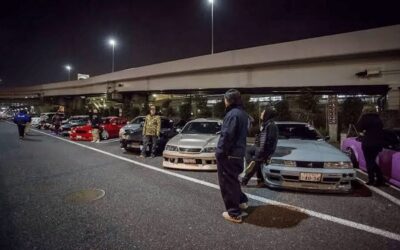 ★ 4.7FAST&FURIOUS EXPERIENCE Tokyo Car Club membershipFrom $138
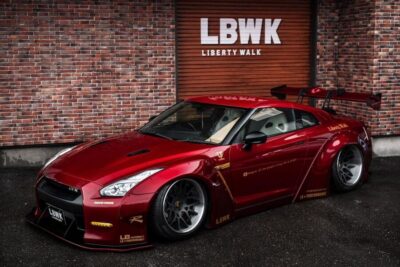 ★ 4.8GT-R35 800hp Club Membership – secret underground car meetFrom $205
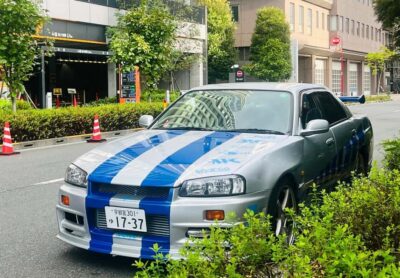 ★ 4.8Tokyo: Fast & Furious Tokyo Drift 3 Experience (Kaila Yu SP)From $157
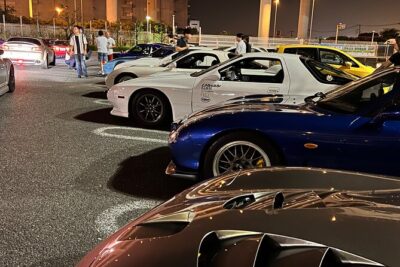 ★ 4.8Tokyo: Daikoku JDM Car Meet & Night Car Culture TourFrom $984 hours
 ★ 4.8Secret Car Meet: R34 Skyline Car Club MembershipFrom $236
 ★ 4.7Tokyo Drift: Daikoku PA Supreme Car Experience 大黒PAFrom $583 hours